The Global Fashion and Beauty Industry Navigates Geopolitical Tensions, Ethical Dilemmas, and Sustainability Innovations in a Dynamic Month.

The global fashion and beauty sectors experienced a month marked by significant shifts, ethical challenges, and innovative strides, as major industry players faced scrutiny over controversial collaborations, geopolitical events threatened supply chains, and regulatory bodies stepped up consumer protection efforts. Meanwhile, a growing emphasis on sustainability saw new technologies receive funding and established brands re-evaluate their business models.
Major Industry Shake-Ups and Ethical Scrutiny
Zara and Galliano: A Controversial Partnership Ignites Debate
The announcement of a collaboration between fast-fashion behemoth Zara, a flagship brand of Inditex, and acclaimed yet controversial designer John Galliano, has sent ripples of debate throughout the fashion world. The partnership, which promises to "reinvent" Zara’s alleged "archive," immediately drew diverse industry reactions, as analyzed by Anna Roos van Wijngaarden for FashionUnited. Critics swiftly questioned the very notion of a "Zara archive," given the brand’s long-standing reputation for rapidly reinterpreting (and sometimes being accused of directly lifting) designs from luxury houses and independent designers. This move is widely perceived as a strategic "power play" by Inditex, aimed at elevating Zara’s brand perception and possibly injecting a dose of high-fashion credibility into its fast-paced model.
John Galliano’s involvement adds another layer of complexity. Once a revered figure at the helm of Givenchy and Christian Dior, Galliano’s career was derailed in 2011 following highly publicized antisemitic remarks, leading to his dismissal from Dior and his own eponymous label. While he has since made a gradual return to the fashion scene, notably as Creative Director for Maison Margiela, his past remains a significant stain on his public image. For Zara, aligning with such a figure presents both an opportunity for prestige and a considerable reputational risk. The collaboration could be seen as an attempt to rehabilitate Galliano further into mainstream fashion, while simultaneously allowing Zara to tap into his artistic genius and create a high-profile collection that generates significant buzz. However, it also opens Zara to criticism from consumers and advocates who champion ethical sourcing and social responsibility, given Galliano’s controversial history. The partnership reignites conversations around accountability in fashion, the speed at which designers are forgiven or rehabilitated, and the blurred lines between high fashion and its mass-market interpretations.
Geopolitical Tensions Threaten Garment Supply Chains
The escalating US-Israel-Iran conflict has cast a long shadow over global trade, with the Business and Human Rights Centre issuing stark warnings about its potential "severe impact" on global supply chains, particularly for the garment and textile industry. The primary concern centers around the potential closure or significant disruption of the Strait of Hormuz, a narrow yet critical chokepoint through which approximately one-fifth of the world’s total oil consumption and a substantial portion of global maritime trade passes daily. This vital waterway connects the Persian Gulf to the open ocean, serving as a crucial route for goods manufactured in Asia destined for European and North American markets.
Since the onset of hostilities, shipping companies have already faced increased risks, leading to rerouting efforts around the Cape of Good Hope, adding significant time and cost to journeys. Such delays translate directly into "fears of factory closures, unpaid wages, and the burden of additional cost" being unfairly placed on already vulnerable suppliers and garment workers. These workers, predominantly in developing nations, often operate on razor-thin margins and lack robust social safety nets. Prolonged disruptions could lead to cancelled orders, reduced working hours, and delayed payments, pushing millions of workers deeper into poverty and potentially increasing instances of debt bondage and exploitative labor practices. The geopolitical instability underscores the inherent fragility of globalized supply chains and highlights the urgent need for brands to invest in greater supply chain transparency, risk mitigation strategies, and robust human rights due diligence to protect the most vulnerable links in their production networks.
SHEIN’s Ambitious B2B Play: Opportunity or Ethical Minefield?
Ultra-fast fashion giant SHEIN, renowned for its meteoric rise and controversial business practices, is reportedly making a significant strategic pivot by opening its "on-demand" supply chain infrastructure to other brands for manufacturing. Shayeza Walid’s exclusive report in Business of Fashion revealed that SHEIN is positioning itself as a B2B service provider, leveraging its hyper-efficient, data-driven manufacturing ecosystem. This move could offer unprecedented speed and flexibility to other brands seeking to capitalize on SHEIN’s unparalleled agility in design-to-production cycles.
However, Walid rightly cautions that this opportunity comes with substantial "reputational risk." SHEIN has faced widespread criticism for its opaque labor practices, allegations of intellectual property theft, and a massive environmental footprint owing to its ultra-high volume production model and disposable fashion ethos. For any brand, particularly those with nascent sustainability commitments, associating with SHEIN’s core manufacturing engine could be perceived as a tacit endorsement of these controversial practices, undermining their own ethical credentials. While the appeal of SHEIN’s efficient supply chain is undeniable in a competitive market, the ethical dilemma remains profound. This strategic move by SHEIN highlights the ongoing tension between operational efficiency and corporate responsibility in the fashion industry and could accelerate the already problematic trajectory of the fast fashion system by making its capabilities accessible to an even wider array of brands.
The Nuance of Natural Fibers: Challenging Biodegradation Myths
A new report, co-authored by Fashion Revolution co-founder Carry Somers, is prompting the industry to re-evaluate long-held assumptions about the environmental impact of natural fibers. As journalist Sophie Benson reports for Vogue Business, an increasingly prevalent question is emerging: "What if natural fibers don’t biodegrade?" This query challenges the simplistic narrative that natural fibers are inherently superior to synthetics due to their biodegradability. The report underscores that the process of biodegradation is complex and highly dependent on specific environmental conditions, including the presence of oxygen, moisture, and appropriate microbial activity.
For instance, natural fibers like cotton or wool, while theoretically biodegradable, will not readily decompose in anaerobic landfill environments, where they are often deprived of the necessary conditions, potentially persisting for decades or even centuries. This contrasts sharply with the common perception that these materials simply "disappear" when discarded. The discussion also highlights the nuanced comparison with synthetic fabrics; while synthetics like polyester are known for their persistence and microplastic shedding, the report suggests that the environmental benefits of natural fibers are not guaranteed without proper end-of-life infrastructure, such as industrial composting facilities. This research is crucial for consumer education, combating greenwashing, and guiding more accurate product labeling. It also emphasizes the need for a holistic approach to sustainable fashion, focusing not just on material inputs but also on responsible consumption, circular design principles, and effective waste management systems to ensure that materials truly return to nature as intended.
M&S Accelerates: The Fast Fashionification of a British Icon
In a significant strategic shift, Marks & Spencer, a venerable institution of British retail, has launched a monthly capsule programme designed to drastically reduce its "time to market." This move, reported by FashionUnited, sees the retailer implementing a product drop model that aims to shrink the design-to-shop-floor turnaround time to a mere two weeks. The stated goal is to offer "more frequent newness and greater trend credibility," aligning M&S more closely with the operational rhythms of ultra-fast fashion retailers.
For decades, M&S has been known for its emphasis on quality, durability, and a more traditional, slower retail cycle. This accelerated model represents a considerable departure, signaling the intense pressure even established heritage brands face to compete in a rapidly evolving, trend-driven market dominated by fast-fashion players. While the move aims to boost sales and appeal to a younger, trend-conscious demographic, it also carries inherent risks. A faster pace of production can strain supply chains, potentially compromising quality control and increasing the likelihood of waste if items don’t sell quickly. It also raises questions about the brand’s commitment to sustainability and ethical sourcing, as rapid production cycles often place immense pressure on factories and workers. The "fast fashionification" of M&S reflects a broader industry trend where traditional retailers are compelled to adopt more agile, data-driven strategies, balancing commercial imperatives with their brand legacy and growing consumer demand for responsible practices.
Accountability and Regulatory Action
Legal Precedent: Yves Rocher Held Accountable for Labor Violations
In a landmark ruling, a French court has found cosmetics company Yves Rocher liable for failing to comply with France’s pioneering Duty of Vigilance Law. As reported by Industriall Union, the judgment holds the company accountable for human rights violations in its global operations, specifically concerning labor abuses within its Turkish subsidiary. This case marks a significant victory for corporate accountability, reinforcing the legal obligation of French-based companies to identify, prevent, and mitigate human rights and environmental risks throughout their entire supply chains, both domestically and internationally.
The French Duty of Vigilance Law, enacted in 2017, requires large companies to establish and implement a "vigilance plan" to prevent severe human rights abuses and environmental damage. The Yves Rocher case, brought by the Industriall Union, alleged that the company’s Turkish subsidiary, Flormar, engaged in anti-union tactics and unfair dismissals of workers who attempted to unionize. The court’s decision sets a crucial legal precedent, demonstrating that companies can be held liable for the actions of their subsidiaries and supply chain partners if they fail to uphold their duty of vigilance. This ruling sends a strong message to multinational corporations about the importance of robust due diligence, transparent supply chain mapping, and genuine commitment to workers’ rights, indicating that legal frameworks for corporate accountability are gaining teeth and can be effectively leveraged to protect vulnerable workers globally.
Protecting Young Consumers: Italy Investigates Sephora’s Marketing Practices
The Italian Competition Authority (AGCM) has launched an investigation into beauty retailers Sephora and Benefit, alleging unfair commercial practices related to the marketing of adult cosmetics and skincare products to children. Reuters reported that the regulator is particularly concerned about the use of "very young micro-influencers on social media" to promote these products to a minor audience. This marketing approach is contributing to what the AGCM terms "cosmeticorexia," described as an "unhealthy fixation with skincare among minors," leading to the "compulsive purchasing of face masks, serums, and anti-ageing creams" by children who neither need nor benefit from such products.
The investigation highlights growing global concerns about the impact of social media and influencer culture on the psychological well-being and consumer habits of young people. The phenomenon of "Sephora Kids," where pre-teenagers are seen purchasing high-end skincare products, has become a visible trend, fueled by platforms like TikTok. Experts warn that exposing young skin to active ingredients in adult anti-aging or treatment products can cause irritation, damage the skin barrier, and foster unrealistic beauty standards at an early age. The Italian regulator’s action underscores the urgent need for stricter guidelines and regulations around marketing to minors in the digital space, particularly concerning products that may be inappropriate or harmful for their age group. This probe could set a precedent for other regulatory bodies to examine the ethical implications of beauty marketing strategies targeting increasingly younger demographics, pushing for greater responsibility from brands and platforms alike.
Sustainable Innovations and Positive Industry Shifts
Funding Green Solutions: Seaweed Dyes Gain Traction
In a promising development for sustainable textile production, Scottish dye company SeaDyes has successfully raised £200,000 to scale its pioneering work in creating seaweed-based dyes. EcoTextile News reported this investment as a significant step towards offering a viable, eco-friendly alternative to conventional synthetic dyes, which are notorious for their environmental impact. Traditional textile dyeing processes are major contributors to water pollution, often discharging toxic chemicals and consuming vast amounts of water and energy.
Seaweed dyes present a compelling solution, leveraging a renewable natural resource that can be sustainably farmed without requiring arable land or freshwater. Beyond their environmental benefits, such bio-dyes can potentially offer unique color palettes and functional properties, reducing the reliance on petrochemical-derived synthetic colorants. This investment in SeaDyes reflects a growing industry recognition of the need for disruptive innovation in textile chemistry. Scaling up such technologies is crucial to making them commercially viable and accessible to a wider range of manufacturers, ultimately contributing to a cleaner, more sustainable fashion supply chain and mitigating the ecological footprint of textile coloration.
Financial Leaders Urged to Drive Decarbonisation
H&M, in partnership with EY, has released a new industry whitepaper making a compelling call to action: Chief Financial Officers (CFOs) must play a central role in financing the decarbonisation of fashion supply chains. As reported by ESG News, the paper advocates for increased collaboration and dedicated funding to achieve ambitious climate targets. Crucially, it redefines decarbonisation not merely as a "nice to have" feature of a sustainability strategy, but as a fundamental "financial strategy" that actively reduces climate-related business risks and aligns companies with global environmental goals.
The fashion industry’s supply chain is notoriously complex and accounts for the vast majority of its carbon emissions, from raw material extraction and processing to manufacturing and logistics. The whitepaper highlights that investing in decarbonisation initiatives – such as renewable energy adoption in factories, material innovation, and efficient logistics – can lead to long-term cost savings, enhance brand reputation, and ensure regulatory compliance. By framing decarbonisation through a financial lens, H&M and EY aim to shift corporate mindsets, encouraging CFOs to view sustainability investments as essential for long-term resilience, competitiveness, and value creation in an increasingly climate-conscious global economy. This initiative underscores the systemic change required to tackle the industry’s environmental impact, demanding that financial decision-makers become key drivers of the transition to a low-carbon future.
The Resurgence of Secondhand: UK Charity Shops Thrive
Amidst the economic challenges facing UK high streets, charity shops are experiencing a remarkable resurgence, buoyed by the burgeoning interest in secondhand fashion. The Guardian reported that profits for these brick-and-mortar stores increased last year, marking a positive turn after tough times competing with digital resale platforms and struggling with an influx of low-value ultra-fast fashion garments. This growth is largely attributed to a younger demographic, who are increasingly embracing thrift culture driven by environmental awareness, a desire for unique styles, and the current cost of living crisis.
The rise of online secondhand marketplaces has ironically had a positive knock-on effect for physical charity shops, raising the profile and desirability of pre-owned clothing. While challenges remain, such as managing inventory and quality control, experts believe the sector has a significant opportunity to reshape itself. This could involve enhanced curation, improved merchandising, community engagement initiatives, and even developing their own online presence to complement physical stores. The thriving charity shop sector is a tangible indicator of a broader shift towards more circular consumption patterns, demonstrating that sustainable fashion can be both accessible and economically viable, contributing positively to local communities and reducing textile waste.
Innovations from the Sustainable Front
Beyond the major headlines, several highly-rated brands, assessed for their impact on people, the planet, and animals, continue to push the boundaries of sustainable fashion through innovative partnerships, material science, and transparent business practices.
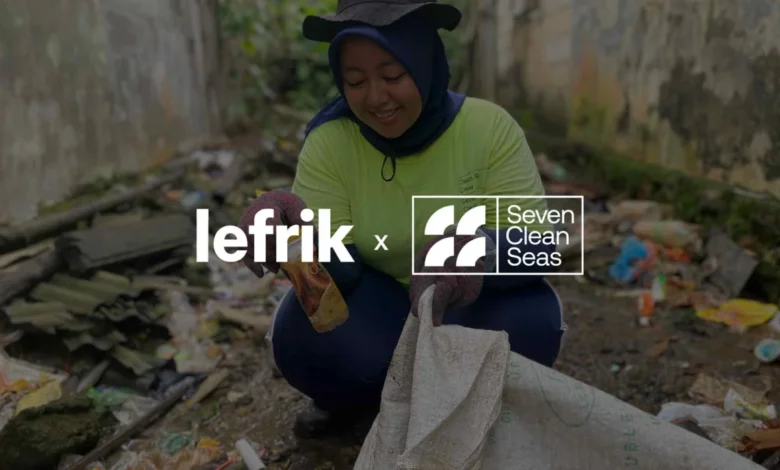
Lefrik, a "Great" rated brand specializing in sustainable bags made from recycled plastic, has announced a meaningful partnership with Seven Clean Seas. This collaboration will see a portion of proceeds from every Lefrik product sold allocated to supporting plastic collection efforts in Indonesia, directly linking the brand’s recycled material principles with tangible environmental action and ocean clean-up initiatives.
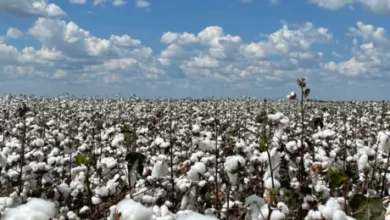
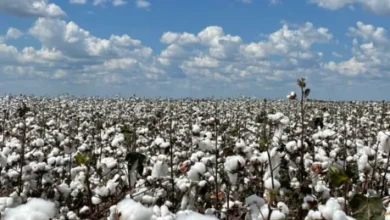
DAWN Denim, another "Great" rated brand, joined forces with sustainable retailer Shop Like You Give a Damn and Cotton Diaries for an insightful podcast episode. This initiative delves into the common myths surrounding cotton and explores the transformative potential of regenerative cotton farming, providing valuable education on responsible fiber sourcing.
Pioneering "Great" denim brand Kuyichi is celebrating its 25th anniversary by launching a 25-part blog series. The first installment highlights the brand’s inspiring origins, noting that "Long before sustainable fashion became a movement, [Kuyichi] was simply a response to a reality we could not accept." This series offers a historical perspective on sustainable fashion and Kuyichi’s enduring commitment to ethical practices.
"Great" rated denim brand Triarchy has launched an investment drive with FrontFundr, seeking financial security to fund continued innovation in sustainable production. Their focus includes developing digitally dyed denim and exploring next-generation materials, demonstrating a commitment to continuous improvement in environmental impact.
Finally, "Great" brand Armedangels has introduced a new line of wind-resistant outerwear made with TENCEL Lyocell, a lower-impact fiber. This innovative approach achieves wind protection through the fabric’s natural density, compacted using heat and pressure, providing up to 97% wind resistance while maintaining breathability. This method eliminates the need for harmful chemical treatments or plastic coatings typically used in technical outerwear, showcasing how material science can offer high performance with reduced environmental impact.
These positive developments underscore the growing momentum within the industry to address its environmental and social challenges, demonstrating that innovation, accountability, and a commitment to sustainability are increasingly becoming core tenets of successful and responsible business practices.