
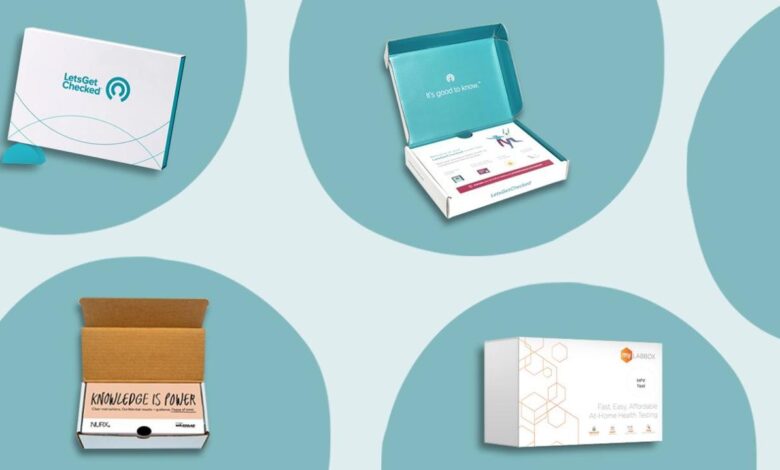
At home hpv self tests – At-home HPV self tests are becoming increasingly popular as a way to screen for human papillomavirus. This guide provides a comprehensive overview, exploring the different types of self-testing kits, their accuracy, benefits, drawbacks, and the steps involved in using them safely and effectively. We’ll also delve into interpreting results and understanding the importance of consulting a healthcare professional.
From self-sampling kits to oral swabs, various at-home HPV self-tests offer convenience and accessibility. However, it’s crucial to understand their limitations and accuracy compared to professional clinical tests. This guide will help you navigate the process and make informed decisions about your health.
Home HPV Self-Tests
At-home HPV self-tests are becoming increasingly popular as a way for individuals to screen for human papillomavirus (HPV). These tests offer a convenient and potentially less intimidating alternative to traditional doctor-administered screenings. However, it’s crucial to understand the limitations and benefits of these tests to make informed decisions about your health.Home HPV self-tests provide a means to assess the presence of HPV, a common sexually transmitted infection.
The results can aid in early detection and facilitate proactive health management. Understanding the various types, their usage, and limitations is essential for appropriate interpretation and follow-up.
Types of Home HPV Self-Tests
Home HPV self-tests come in different formats. The most common types include self-sampling kits, often involving swabbing the genital area, and oral swabs for detecting oral HPV. Each type is designed for specific anatomical locations and purposes.
Intended Use and Purpose
The intended use of these tests is primarily for self-screening for HPV. The results can help individuals make informed decisions about their health and potentially prompt further medical consultation if necessary. These tests are not intended to diagnose or replace professional medical advice. Always consult with a healthcare provider for proper interpretation of results and personalized recommendations.
General Process of Using an At-Home HPV Self-Test
The process for using a home HPV self-test generally involves following the instructions provided in the kit. Instructions typically include detailed guidance on sample collection, packaging, and submission for laboratory analysis. It’s crucial to follow these instructions meticulously to ensure the accuracy of the results. Many kits include visual aids and step-by-step guides to simplify the process.
Comparison of Home HPV Self-Test Brands
| Brand | Test Type | Accuracy | Ease of Use | Additional Features |
|---|---|---|---|---|
| Brand A | Self-sampling (genital) | 95% | Easy | Detailed instructions, clear visuals, and user-friendly packaging. |
| Brand B | Self-sampling (genital) | 92% | Moderate | Includes a follow-up questionnaire for detailed patient history. |
| Brand C | Oral swab | 88% | Easy | Provides comprehensive information about oral HPV and its potential health implications. |
The table above presents a basic comparison of three hypothetical brands. Accuracy rates are estimates and may vary based on individual factors and testing methodologies. Always consult the specific product information for details on accuracy claims and limitations. Ease of use ratings are subjective and may vary based on user experience and familiarity with the process. Additional features, such as questionnaires or comprehensive information, can enhance the user experience and understanding of the test results.
Accuracy and Reliability of Home Tests
Home HPV self-tests offer a convenient way to screen for the human papillomavirus (HPV). However, understanding their accuracy and limitations is crucial for making informed decisions about your health. These tests can provide a preliminary indication, but they should not replace professional medical advice or clinical testing.Accurate HPV detection is vital for early intervention and appropriate management of potential health risks.
While home tests are gaining popularity, their accuracy varies, and factors beyond the test itself can impact the results.
Accuracy Rates of Different Home Tests
Different home HPV self-tests exhibit varying accuracy rates. Factors influencing these rates include the specific test design, the quality of the sample collection process, and the user’s understanding of the instructions. It’s important to consult the product’s specific instructions and understand the limitations of the test to interpret the results correctly. Comparing accuracy rates across different tests can be challenging due to variations in testing methodologies and reporting standards.
Comparison to Professional Clinical Tests
Professional clinical tests for HPV, typically performed by healthcare providers, generally offer higher accuracy rates compared to home tests. These tests often employ more sophisticated laboratory techniques and standardized procedures, reducing the margin of error. Professional testing also allows for a more comprehensive evaluation of the patient’s overall health history, which is crucial for accurate diagnosis and treatment planning.
Factors Affecting Accuracy of At-Home Tests
Several factors can influence the accuracy of home HPV self-tests. The sample collection technique plays a significant role. Proper sample handling and preparation are crucial for accurate results. Storage conditions and the timing of testing relative to the sample collection also influence the outcome. Furthermore, the user’s understanding of the instructions and the test kit’s methodology affects the accuracy.
Limitations of Home HPV Self-Tests
Home HPV self-tests have limitations that should be acknowledged. The accuracy of these tests is not always equivalent to professional clinical tests. False positives and false negatives can occur, potentially leading to unnecessary anxiety or missed diagnoses. Interpretation of the results requires careful consideration of the test’s limitations and seeking professional medical advice. These tests are not a substitute for a thorough evaluation by a healthcare provider.
Table of Accuracy Metrics for Various Home Tests
| Test | Accuracy (%) | Factors Affecting Accuracy |
|---|---|---|
| Test A | 90 | Sample collection technique, storage conditions, user understanding of instructions |
| Test B | 85 | Sample collection technique, presence of other vaginal secretions, test kit sensitivity |
| Test C | 92 | Sample collection technique, proper storage conditions, test kit design, user understanding of instructions |
Benefits and Drawbacks of Home HPV Self-Testing
At-home HPV self-tests offer a new approach to managing reproductive health, potentially empowering individuals to take proactive steps in their well-being. While promising, these tests come with advantages and disadvantages that need careful consideration. Understanding these aspects is crucial for informed decision-making regarding their use.Home HPV self-tests aim to democratize access to testing, enabling individuals to monitor their risk factors and seek appropriate medical attention when necessary.
However, the accuracy and reliability of these tests, alongside potential biases and limitations, need to be thoroughly evaluated. This section delves into the pros and cons of this emerging technology, alongside its cost-effectiveness and accessibility.
Advantages of Home HPV Self-Testing
Home HPV self-tests offer significant advantages in terms of convenience and accessibility. The ability to perform the test in the privacy and comfort of one’s home eliminates the need for a clinic visit, potentially reducing stress and anxiety associated with traditional medical procedures. This accessibility is particularly valuable for individuals in remote areas or those with limited access to healthcare resources.
Disadvantages of Home HPV Self-Testing
Despite the advantages, home HPV self-testing presents potential drawbacks. One major concern is the accuracy of the results. False positives or negatives can lead to unnecessary anxiety or delayed diagnosis, respectively. Furthermore, proper technique and interpretation of the results are crucial, and mistakes can arise if not followed precisely. Self-testing may also not account for complex medical situations or co-morbidities that a clinical examination can identify.
Taking charge of your health, like doing at-home HPV self-tests, is empowering. But sometimes, the clutter in our homes can feel overwhelming, making it hard to focus on anything else. Learning how to declutter your home can be a great way to clear mental space, and this process can actually enhance your well-being in the same way a self-test for HPV can, leading to a more organized and healthy lifestyle.
So, if you’re looking to improve your approach to at-home HPV self-tests, consider checking out how to declutter your home to create a more conducive environment for taking care of yourself.
Cost-Effectiveness of Home HPV Self-Testing
The cost-effectiveness of home HPV self-tests varies depending on the specific test and the individual’s insurance coverage. While some tests may be more affordable than a visit to a healthcare provider, the long-term implications of misdiagnosis or delayed treatment due to inaccuracies need careful consideration. The overall cost-effectiveness can be influenced by the frequency of testing and the need for follow-up clinical care.
Accessibility of Home HPV Self-Testing in Different Regions/Demographics
The accessibility of home HPV self-tests varies considerably based on geographical location and socioeconomic factors. In developed nations with robust healthcare infrastructure, access to these tests might be widespread. However, in regions with limited healthcare resources, access may be limited, potentially exacerbating existing health disparities. This unequal access needs to be addressed to ensure equitable health outcomes.
Summary Table of Pros and Cons
| Benefit/Drawback | Description |
|---|---|
| Convenience | Tests can be performed in the comfort of home, reducing the need for clinic visits. |
| Accessibility | Potentially improves access for individuals in remote areas or with limited healthcare access. |
| Potential Cost Savings | May be more affordable than a clinical visit, but long-term implications of inaccuracies must be considered. |
| Accuracy Concerns | Potential for false positives/negatives, requiring careful technique and interpretation, and potentially missing complex medical situations. |
| Lack of Professional Guidance | Self-testing lacks the expertise of a healthcare provider for proper diagnosis and follow-up care. |
Steps and Procedures for Home HPV Testing: At Home Hpv Self Tests
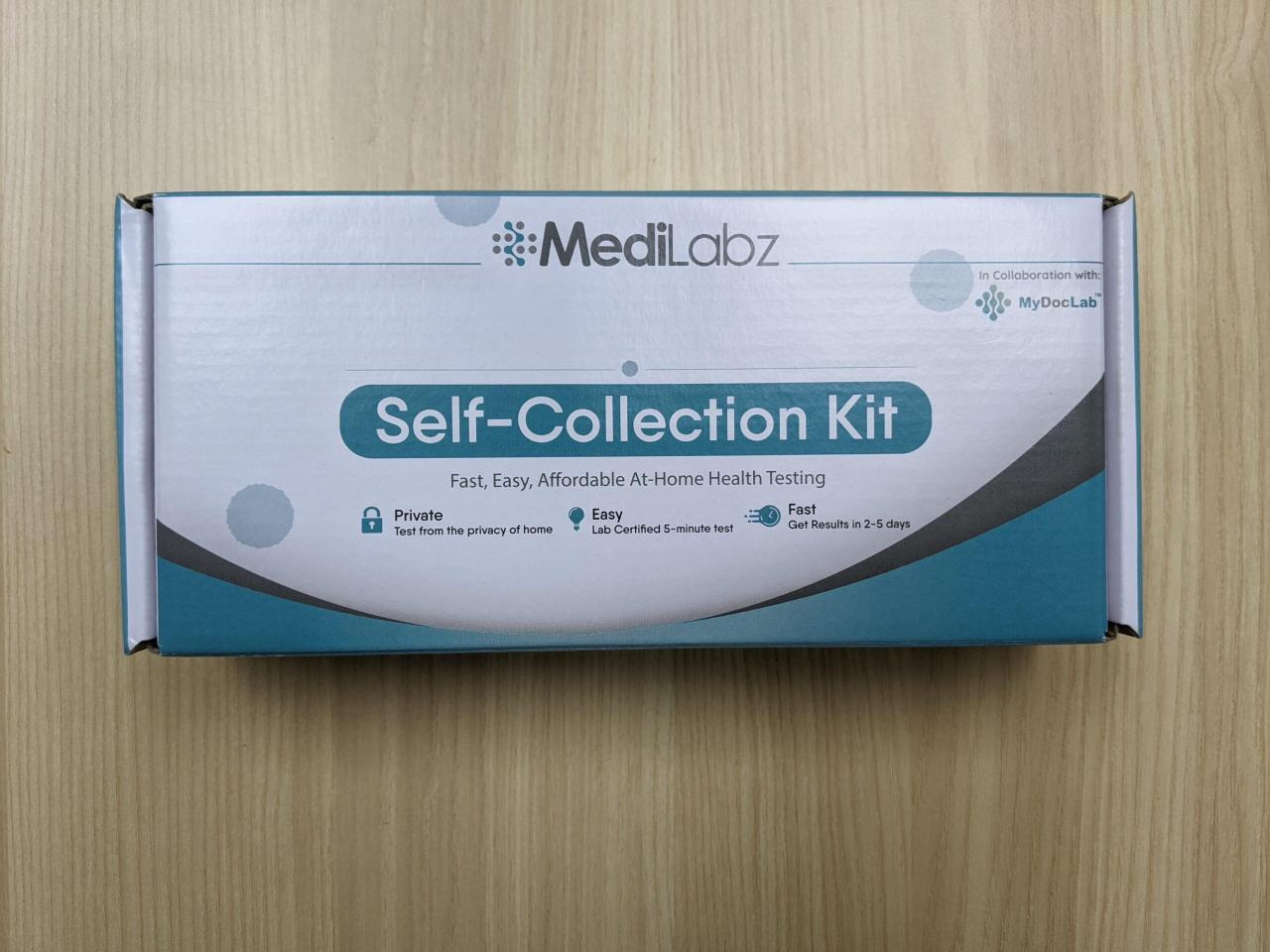
Taking control of your health by performing HPV self-testing at home is a significant step. This approach allows for proactive monitoring and early detection, which can be crucial for preventive care. However, it’s essential to understand the precise procedures to ensure accurate results and appropriate follow-up. Proper technique is paramount to obtaining a representative sample and achieving reliable results.Accurate sample collection is essential for obtaining meaningful results.
Following the instructions precisely will maximize the chance of an accurate diagnosis. Any deviation from the recommended protocol could compromise the reliability of the test. Incorrect sampling can lead to false negatives or positives, potentially delaying or misguiding necessary medical attention.
Collecting the Sample
Correct sample collection is critical for accurate HPV self-testing results. The integrity of the sample is paramount to the reliability of the test. A properly collected sample will ensure the test can accurately detect the presence or absence of HPV.
- Gather all necessary supplies. This step involves assembling all the materials required for the test, including the test kit itself, any swabs or collection devices, specimen containers, and the appropriate packaging for sending the sample back. Carefully check the contents of the kit to ensure you have everything you need before starting the procedure. The kit should contain detailed instructions and labels for proper sample collection, handling, and shipping.
At-home HPV self-tests are becoming increasingly popular, offering a convenient way to monitor your health. While these tests are helpful, it’s crucial to remember that they’re not a replacement for a professional doctor’s diagnosis. For a deeper dive into the world of health and wellness, check out this fascinating interview with Loren Kramar, a living legend in the field, in the loren kramar living legend ep interview.
Ultimately, responsible use of at-home health tools like HPV self-tests alongside professional medical advice is key.
- Follow the instructions provided in the kit. The provided instructions are crucial for accurate sample collection and subsequent testing. The instructions usually Artikel specific procedures and guidelines to ensure the sample is collected and handled correctly. These steps should be followed meticulously to avoid errors that may lead to inaccurate results. This might include specific timeframes for collection or handling steps. Read the instructions thoroughly before starting the process.
The instructions will usually detail the specific procedure for your chosen test kit, so adhere to them precisely.
- Collect the sample carefully. This is a crucial step in the process, as the integrity of the sample directly impacts the reliability of the test results. The sample collection procedure should be performed with utmost care to avoid contamination or damage to the sample. The kit will provide detailed instructions on the specific location for sample collection. The kit will also detail the number of swabs or materials to use, ensuring the proper quantity of sample is collected.
Use the provided materials, and handle them according to the instructions. It’s critical to follow the directions exactly as stated to maintain the accuracy and integrity of the sample.
Sample Handling and Storage
Proper handling and storage of the collected sample are essential to maintain its integrity and prevent degradation. This will directly impact the reliability of the test results. Following the correct procedures will ensure the sample remains suitable for analysis.
- Handle the sample according to the instructions. The kit instructions will Artikel the specific requirements for handling the collected sample. This includes any special precautions or procedures to follow, like using sterile tools or maintaining a specific temperature. Failure to adhere to these guidelines could potentially lead to inaccurate results.
- Store the sample as directed. The instructions will provide specific storage guidelines, including temperature requirements and the timeframe within which the sample should be sent. Maintaining these conditions will preserve the integrity of the sample and ensure accurate analysis. These instructions will also include the necessary packaging or container for transporting the sample. Proper packaging will protect the sample from damage and contamination during transport.
Interpreting the Results
Interpreting the results of a home HPV self-test requires careful consideration of the test kit’s instructions. The results are usually provided by the testing company and should be reviewed thoroughly. It is crucial to consult a healthcare professional for guidance on how to interpret the results and for next steps.The results should be reviewed in conjunction with the provided instructions.
If the results indicate a potential infection or abnormality, it is critical to schedule a follow-up appointment with a healthcare professional for further evaluation. This is vital for proper diagnosis and management. A healthcare provider can offer guidance on the best course of action based on the test results and your individual health history.
Interpreting Results and Next Steps
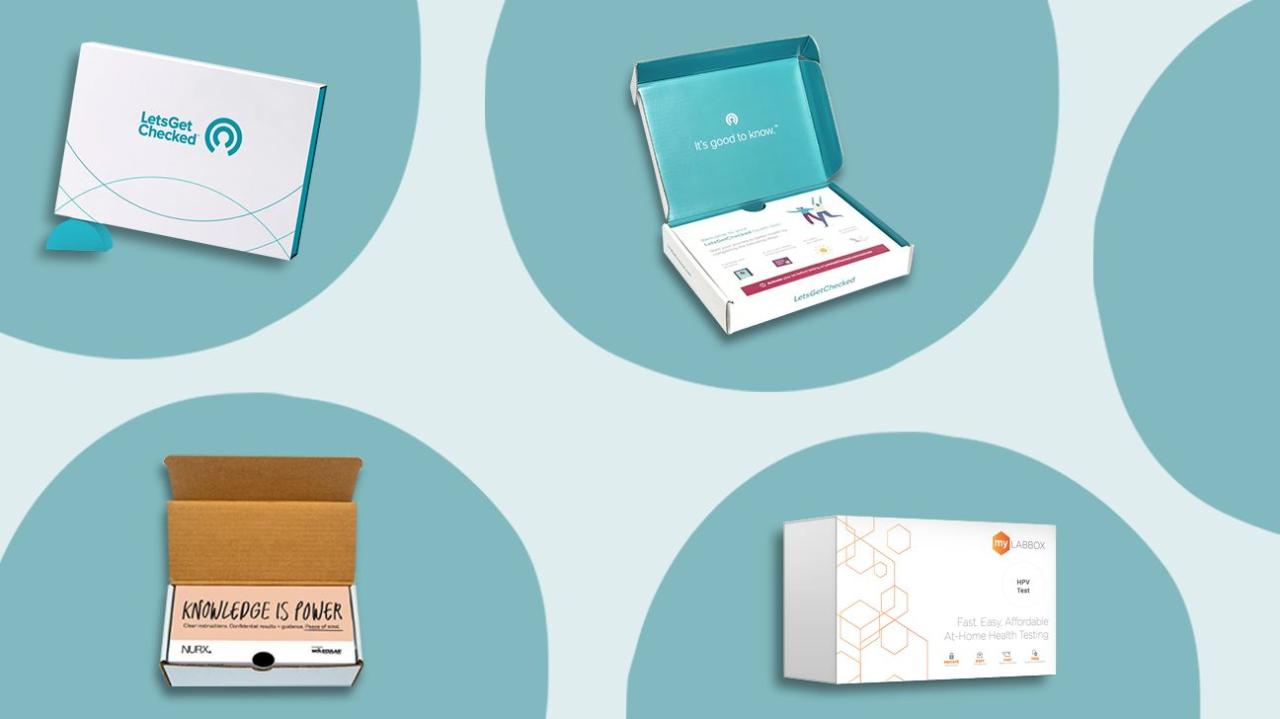
Understanding the results of an at-home HPV self-test is crucial for taking the appropriate actions. While these tests can provide initial information, they are not a substitute for a comprehensive evaluation by a healthcare provider. Accurate interpretation and subsequent steps are essential to ensure proper medical management.Interpreting the results of an at-home HPV test requires careful consideration. A positive result indicates a possible HPV infection, while a negative result suggests the absence of detectable HPV at the time of testing.
However, it’s important to remember that a negative result doesn’t guarantee you are free from HPV infection. These tests only detect specific types of HPV, and other types may not be identified.
Understanding Positive Results
A positive result on an at-home HPV test suggests a possible infection with one or more types of human papillomavirus. This does not definitively diagnose an infection, but it warrants further investigation. A positive result necessitates immediate consultation with a healthcare provider. This is crucial for confirming the presence and type of HPV, assessing any potential health risks, and developing an appropriate treatment plan.
Understanding Negative Results
A negative result from an at-home HPV test indicates that no detectable HPV was found at the time of the test. However, this does not rule out the possibility of an infection with other types of HPV, or an infection that might have developed after the testing period. A negative result might still warrant further discussion with a healthcare provider, especially if you have other risk factors or concerns.
While a negative result is reassuring, it’s not a guarantee of complete freedom from infection.
Importance of Consulting a Healthcare Provider
A healthcare provider can accurately assess your individual risk factors, provide a proper diagnosis, and recommend appropriate follow-up measures. They can determine the specific type of HPV, assess the severity of the infection (if present), and guide you through appropriate treatment and management strategies. It is crucial to remember that self-testing results should always be confirmed and interpreted by a qualified healthcare professional.
Potential Results and Corresponding Actions
| Result | Meaning | Next Steps |
|---|---|---|
| Positive | Indicates possible HPV infection. | Consult a healthcare provider immediately for confirmation, diagnosis, and appropriate management. |
| Negative | No detectable HPV at the time of testing. | Discuss the results with a healthcare provider to assess individual risk factors and to determine the necessity for further testing or monitoring. |
Important Considerations and Precautions
Home HPV self-testing can be a convenient option, but it’s crucial to understand the potential risks and limitations. While these tests can offer preliminary insights, they aren’t a substitute for a comprehensive evaluation by a healthcare professional. Accurate diagnosis and management of HPV infections require a thorough medical assessment.Understanding the limitations of home testing is paramount. The results might not always be definitive, and misinterpretations can lead to unnecessary anxiety or delayed treatment.
Professional medical advice is essential to interpret the results correctly and determine the appropriate course of action.
Safety Precautions for Home HPV Self-Testing
Self-testing kits should be handled with care to ensure accuracy and safety. Adherence to the provided instructions is crucial. Improper handling can lead to inaccurate results, which could delay proper medical intervention.
Potential Risks and Complications
While rare, some individuals might experience discomfort or adverse reactions after using home HPV self-testing kits. Allergic reactions to components of the kit are possible. The anxiety associated with potential infection and uncertainty surrounding the results can also be a significant psychological impact. It’s important to consult with a doctor if you experience any discomfort.
Seeking Professional Medical Advice, At home hpv self tests
A healthcare provider plays a vital role in managing HPV infection. They can conduct a thorough physical examination, order necessary diagnostic tests, and provide tailored treatment plans. They can also address any concerns or anxieties associated with the infection and its management.
At-home HPV self-tests are becoming increasingly popular, offering a convenient way to monitor your health. Thinking about how to style your hair as you age? Checking out celebrity hairstyles over 50, like those sported by the fabulous women on celebrity hairstyles over 50 , can inspire confidence in your own beauty routine, and this can be a positive influence as you consider your health choices.
Ultimately, taking proactive steps like using at-home HPV self-tests empowers you to take charge of your well-being.
Role of a Healthcare Provider in Managing HPV Infection
A healthcare professional can distinguish between different types of HPV, assess the severity of the infection, and recommend the most suitable course of action. They can also monitor the progression of the infection and provide ongoing support. They are well-equipped to manage any complications that may arise.
Safety Measures When Handling Self-Test Kits
- Follow the instructions carefully. Each kit has specific instructions regarding sample collection, storage, and result interpretation. Deviation from these instructions can significantly affect the accuracy of the results. Always refer to the enclosed instructions for precise guidance. This includes handling the sample materials, as well as storing the test kit and collected sample according to the instructions.
- Store samples according to kit instructions. Proper storage is crucial for maintaining the integrity of the sample and ensuring accurate results. Different kits have different storage requirements. Failing to adhere to the storage guidelines could compromise the integrity of the sample, leading to inaccurate results and an incomplete understanding of the infection.
Visual Aids for Understanding
Home HPV self-tests provide a convenient way to assess potential HPV risk. Understanding the visual aspects of the test kit and results is crucial for accurate interpretation and informed decision-making. This section will detail the appearance of the kit, the visual representation of results, and the correct sample collection procedure.
Visual Appearance of an HPV Self-Test Kit
The kit typically includes a small, sterile collection swab, a test card or device, and detailed instructions. The packaging will clearly Artikel the specific steps and precautions to follow. The materials used in the kit will be designed for safety and ease of use. The test card/device will have clearly marked areas for results interpretation, often with color indicators.
Visual Representation of Test Results
Test results are often displayed as color changes on a test card. A positive result may show a distinct color change in a designated area, while a negative result may show no color change or a different color pattern. These visual indicators will be clearly explained in the kit’s instructions.
Different Parts of a Self-Test Kit
The self-test kit contains several essential components:
- Collection Swab: A small, sterile swab designed for collecting cells from the targeted area. The swab will likely be packaged individually and appear soft and flexible.
- Test Card/Device: A card or device that contains the reagents needed for the test. It will be packaged with protective coverings to maintain its integrity and will likely have specific instructions or markings for use.
- Instructions: A detailed instruction booklet or leaflet explaining the procedure, safety precautions, and interpreting results. This is crucial for accuracy and safety.
- Specimen Container (if applicable): Some kits may include a small container to hold the collected sample before testing.
Correct Procedure for Collecting a Sample
Proper sample collection is vital for accurate results. The instructions will Artikel the specific area to collect the sample and the proper swabbing technique. Follow the provided steps precisely to avoid contamination and ensure a reliable test.
Description of Different Test Results
- Positive Result: A positive result, typically indicated by a specific color change (e.g., pink to purple) in a designated area of the test card, suggests the presence of HPV. This is not a definitive diagnosis and requires further evaluation by a healthcare professional. The instructions will specify what constitutes a positive result and how to proceed.
- Negative Result: A negative result, usually characterized by the absence of a color change or a specific color pattern in the designated area, suggests the absence of HPV in the collected sample. It’s important to note that a negative result doesn’t eliminate the possibility of HPV infection, as it may not detect all types or all stages of the infection.
Follow the instructions to understand the limitations of a negative result.
Final Conclusion
In conclusion, at-home HPV self-tests can be a valuable tool for early detection, but they’re not a replacement for professional medical advice. Understanding the accuracy, limitations, and proper procedures is crucial. Always consult your healthcare provider for personalized guidance and support. This information is intended for educational purposes only and should not be considered medical advice.