The Ultimate Guide to Beach Wedding Guest Dresses: Trends, Etiquette, and Style Strategies for 2024 and Beyond

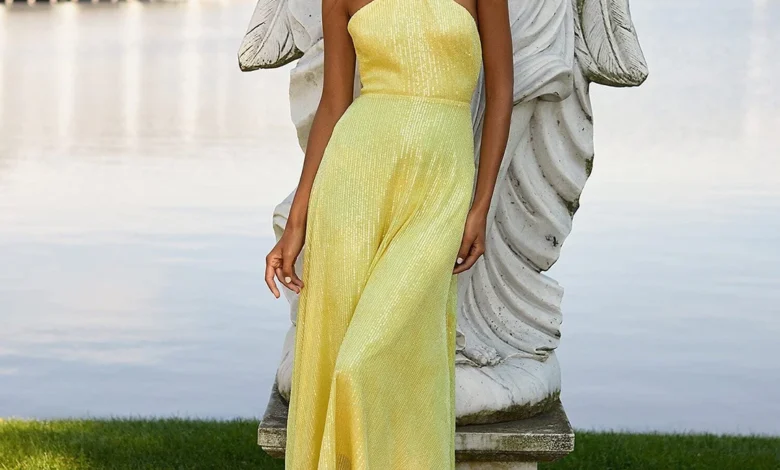
The modern wedding landscape has seen a significant shift toward coastal and destination ceremonies, necessitating a fundamental re-evaluation of traditional guest attire. While the core tenets of wedding etiquette remain rooted in respect for the couple’s vision, the environmental factors of a beach setting—ranging from high humidity and direct sun exposure to uneven terrain and shifting winds—demand a specialized approach to fashion. As the global destination wedding market continues to expand, projected to reach significant valuations by the late 2020s, guests are increasingly seeking a balance between sartorial elegance and the practicalities of a seaside environment.
The Evolution of the Coastal Wedding Aesthetic
Historically, weddings were confined to religious or civic institutions, requiring rigid formal wear. However, the rise of the "destination wedding" in the late 20th century began to dismantle these formalities. What started as niche elopements has transformed into a mainstream preference for "barefoot luxury." According to industry analysts, this shift has forced a transition in the textile industry, moving away from heavy satins and velvets toward breathable, high-performance natural fibers.
Expert fashion editors Anastasia Beluschenko and Kate Zakharova, who have tracked bridal and guest trends for over five years, note that the modern beach wedding guest is no longer restricted to a single "tropical" look. Instead, the category has branched into several sub-genres, including coastal chic, bohemian luxury, and tropical formal. This evolution reflects a broader societal move toward personalized celebrations that prioritize the experience of the location as much as the ceremony itself.
Strategic Fabric Selection and Climate Considerations
The primary challenge of a beach wedding is the climate. Standard formal wear often utilizes synthetic liners and heavy weaves that trap heat, leading to guest discomfort. Professional stylists now emphasize the "breathability index" of fabrics.
- Linen and Seersucker: Once reserved for casual daywear, high-quality linen blends have become a staple for semi-formal beach events due to their moisture-wicking properties.
- Chiffon and Organza: These sheer, lightweight fabrics allow for maximum airflow while providing the "floaty" aesthetic often desired for beach photography.
- Silk and Rayon: While visually stunning, pure silk can be sensitive to sweat and salt air; therefore, many modern guests opt for high-quality rayon or silk-blends that offer a similar sheen with more durability.
Data from retail trend reports indicates a 25% increase in the search for "breathable formal wear" over the last three seasons, suggesting that guests are prioritizing physical comfort as a prerequisite for emotional engagement with the event.
Navigating the Spectrum of Formality
Despite the relaxed setting, the level of formality at a beach wedding can vary wildly based on the time of day and the specific venue, such as a private resort versus a public shore.
Maxi and Midi Silhouettes
The maxi dress remains the gold standard for beach guest attire. The long, flowing hemline provides a sense of formality that compensates for the casual nature of the sand. Analysts suggest that the midi dress—falling between the knee and ankle—is the most versatile "investment piece" for guests. As Zakharova notes, midi dresses are timeless because they avoid the hazard of dragging in the sand while maintaining a sophisticated profile. Many contemporary designs now feature "transformative" elements, such as detachable sleeves or adjustable necklines, allowing guests to repurpose the outfit for different occasions.
Short and Cocktail Options
For afternoon ceremonies or high-heat environments, shorter hemlines are increasingly acceptable. The modern "short" beach dress avoids the "sundress" category by utilizing structured bodices, intricate lace, or high-end prints. This allows guests to maintain a celebratory look without the encumbrance of excess fabric.
Formal Beach Attire
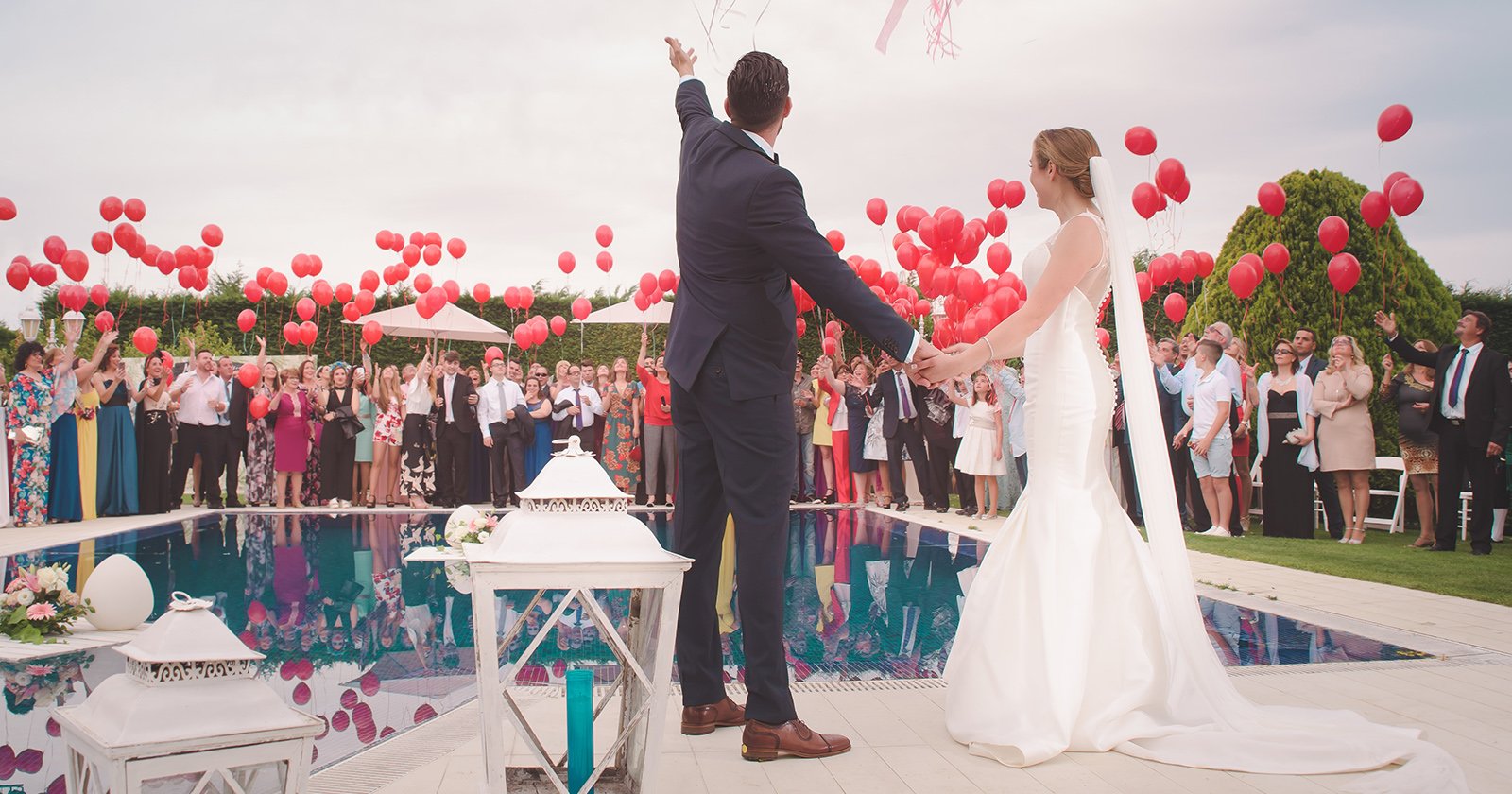
When a couple specifies "Beach Formal," it typically indicates an evening event at a luxury resort. In these instances, guests are encouraged to look toward floor-length gowns in lighter colors or jumpsuits in sophisticated fabrics like crepe. The inclusion of metallic accessories or statement jewelry can elevate a simple silhouette to meet formal standards without requiring the heavy beadwork seen in traditional ballroom settings.
The Color Palette Debate: Etiquette and Trends
Color choice is perhaps the most scrutinized aspect of wedding guest etiquette. The traditional prohibition against white remains the most steadfast rule in the industry.
The "White" Controversy
While some modern couples request an "all-white" guest list to create a specific photographic aesthetic, the general consensus among etiquette experts is that white, cream, and ivory remain off-limits unless explicitly requested. Wearing white is often interpreted as a lack of courtesy toward the bride. However, the rise of "coordinated palettes" has seen couples asking guests to stick to "sea glass tones," "sunset hues," or "neutral earth tones," which helps create a cohesive look for the wedding album.
Muted vs. Bold Tones
Current market data shows a split in consumer behavior. One segment favors "quiet luxury"—muted pastels, sage greens, and dusty blues that blend with the natural coastal background. Another segment embraces "tropical maximalism," characterized by bold floral prints, vibrant fuchsias, and deep turquoises. Both are considered appropriate, provided they do not distract from the wedding party.
Demographic-Specific Styling: Inclusivity in Fashion
The industry has seen a significant expansion in options for diverse body types and age groups, moving away from "one size fits all" solutions.
Plus-Size Coastal Elegance
The focus for plus-size beach attire has shifted toward "relaxed elegance." Designers are moving away from oversized, shapeless garments in favor of wrap dresses, empire waists, and A-line silhouettes that offer both comfort and definition. The use of stretch-liners and breathable mesh has improved the wearability of these garments in humid climates.
Sophisticated Options for Guests Over 50
For guests in the 50+ demographic, the priority is often a balance of coverage and cooling. Tea-length dresses in organza or lace provide a classic look that feels age-appropriate yet modern. Experts recommend layering with lightweight pashminas or unlined blazers to account for the drop in temperature that often occurs on the coast after sunset.

Footwear and Accessory Logistics
The "sand factor" is the most common logistical failure for wedding guests. Traditional stilettos are functionally impossible on a beach, leading to a surge in the popularity of:
- Block Heels: Providing stability on uneven surfaces.
- Dressy Sandals: Often featuring metallic leather or jewel embellishments.
- Espadrilles: A classic coastal choice that offers height without the risk of sinking into the terrain.
Furthermore, the "wedding guest kit" has evolved to include practical items like anti-frizz hair products, high-SPF mineral powders, and portable fans, reflecting the reality of attending a multi-hour outdoor event.
Economic and Environmental Impact
The trend toward beach weddings has also influenced the "slow fashion" movement. Because beach guest dresses are often more versatile than traditional evening gowns, they have a higher "re-wear" rate. This aligns with increasing consumer demand for sustainable fashion choices. Guests are moving away from "single-use" outfits, opting instead for high-quality pieces that can transition from a wedding guest outfit to a vacation staple or a summer cocktail dress.
Additionally, the destination wedding industry provides a significant economic boost to coastal communities. Local vendors, from boutiques to artisanal jewelers, have seen increased demand for items that cater to the specific "coastal guest" aesthetic, creating a specialized niche within the $300 billion global wedding industry.
Final Synthesis of Guest Strategy
Ultimately, successful beach wedding guest attire is the result of thorough planning and an understanding of the environment. The "Quick Navigation" through style choices—from boho-chic to formal elegance—allows guests to tailor their appearance to the couple’s vision while respecting their own physical comfort.
As summarized by industry veterans Beluschenko and Zakharova, the key is to avoid extremes: avoid fabrics that are too heavy, avoid colors that are too dark, and avoid styles that are too casual for the sanctity of the occasion. By adhering to these guidelines, guests contribute to the visual harmony of the event while ensuring they can fully participate in the celebration, regardless of the heat, wind, or sand. The future of beach wedding fashion lies in this intersection of high-end design and functional utility, ensuring that the "spirit of the theme" is maintained without sacrificing the guest experience.
Related posts: