The Best Non-Toxic Mattresses of 2026: A Decade of Expert Testing and Ethical Sleep Choices


For over a decade, the editorial team at The Good Trade has meticulously researched, tested, and genuinely loved products that align with principles of well-being and sustainability. This commitment extends profoundly to our sleep environments, recognizing that humans spend nearly a third of their lives in bed—making a mattress one of the most critical investments in overall health. Our comprehensive 2026 selections for non-toxic mattresses reflect years of rigorous evaluation across various price points, ensuring that consumers can find a safe, comfortable, and environmentally responsible option.

The Good Trade’s Unrivaled Testing Methodology
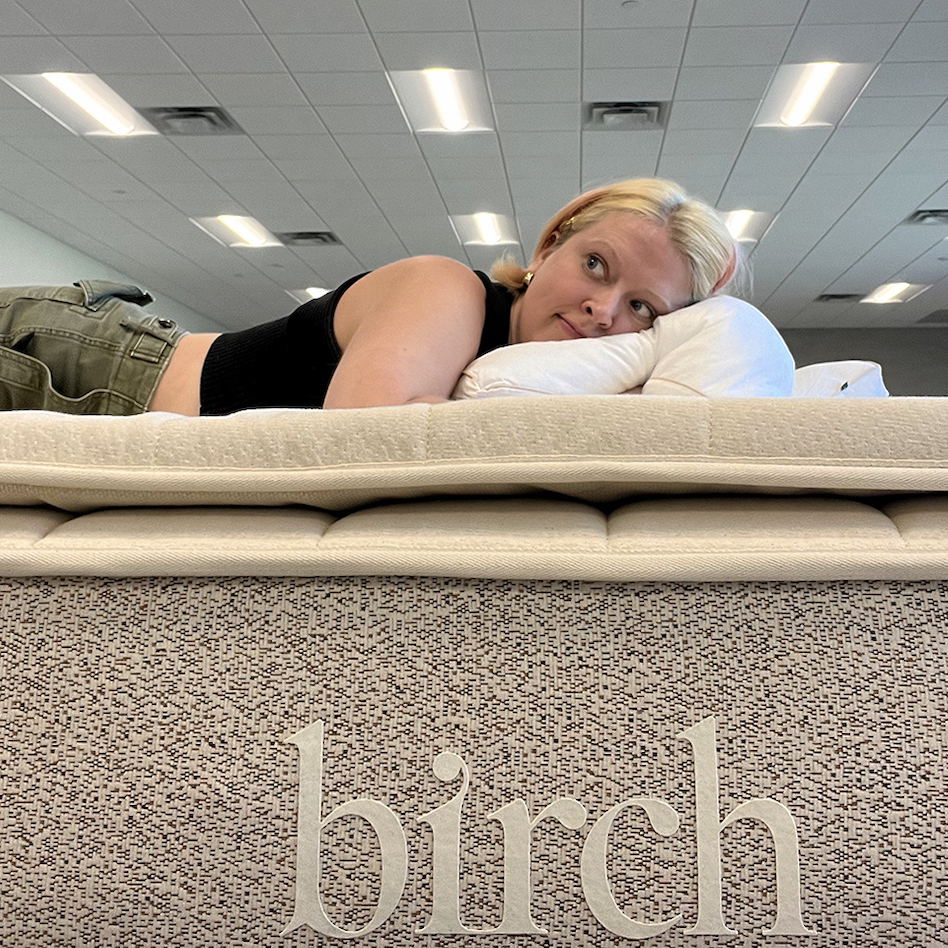
Our robust review process for identifying the best non-toxic mattresses is built on an unparalleled commitment to depth and transparency. Unlike conventional review sites, our team doesn’t merely assess mattresses in showrooms. Over the past twelve years, a dedicated team of ten testers has brought dozens of organic and non-toxic mattresses into their own homes, sleeping on them for months, and often years, to gauge long-term comfort, durability, and real-world performance. This hands-on experience is complemented by an extensive research framework: our editors regularly conduct in-person tours of mattress factories (completing over ten factory visits to date), meticulously investigate proper certification and material use, engage directly with brand leadership teams, scour thousands of online consumer reviews, and annually survey over 1,600 of our audience members to capture up-to-date consumer preferences. This multi-faceted approach, refined over a decade, ensures our recommendations are not just informed, but genuinely trustworthy. Our top considerations consistently revolve around health and safety, comfort, environmental impact, durability, and long-term value. Every mattress featured on our list undergoes this stringent process and receives medical review by experts such as Dr. Jaclyn Tolentino, a board-certified family physician.

Why the Shift to Organic Mattresses is Essential for Health
The growing consumer interest in organic mattresses is driven by a critical understanding of their health benefits. Organic mattresses are crafted from certified organic materials, primarily natural wool, latex, and cotton. This stands in stark contrast to many traditional mattresses, which often contain a cocktail of harmful synthetic substances. Chronic exposure to these chemicals can pose significant risks to human health. Dr. Jaclyn Tolentino, a recognized authority, emphasizes, "Repeated exposure to harmful chemicals in some traditional mattresses can impact your health, starting with how well you sleep. Some of these chemicals can contribute to symptoms including skin and respiratory irritation, hormone disruption, effects on your nervous system, and even impaired immune function." This concern is particularly acute for vulnerable populations, such as young children, as highlighted by a 2025 research study published in the prestigious journal Environmental Science and Technology, which underscored the importance of a safer sleep environment for their developing systems.
Beyond individual health, the choice of organic materials and production practices significantly reduces environmental impact. The Global Organic Textile Standard (GOTS) serves as the leading international body for the rigorous certification of organic fibers throughout the entire supply chain. Similarly, the Global Organic Latex Standard (GOLS) ensures the integrity of organic latex. Despite the prevalence of terms like "natural" and "organic" in marketing, it is crucial for consumers to understand that less than 2% of mattresses currently on the market actually achieve full organic certifications, a stark figure reported by Fortune Business Insights. This discrepancy underscores the necessity of scrutinizing certifications beyond mere marketing claims.

Demystifying "Non-Toxic": Combating Greenwashing in the Mattress Industry
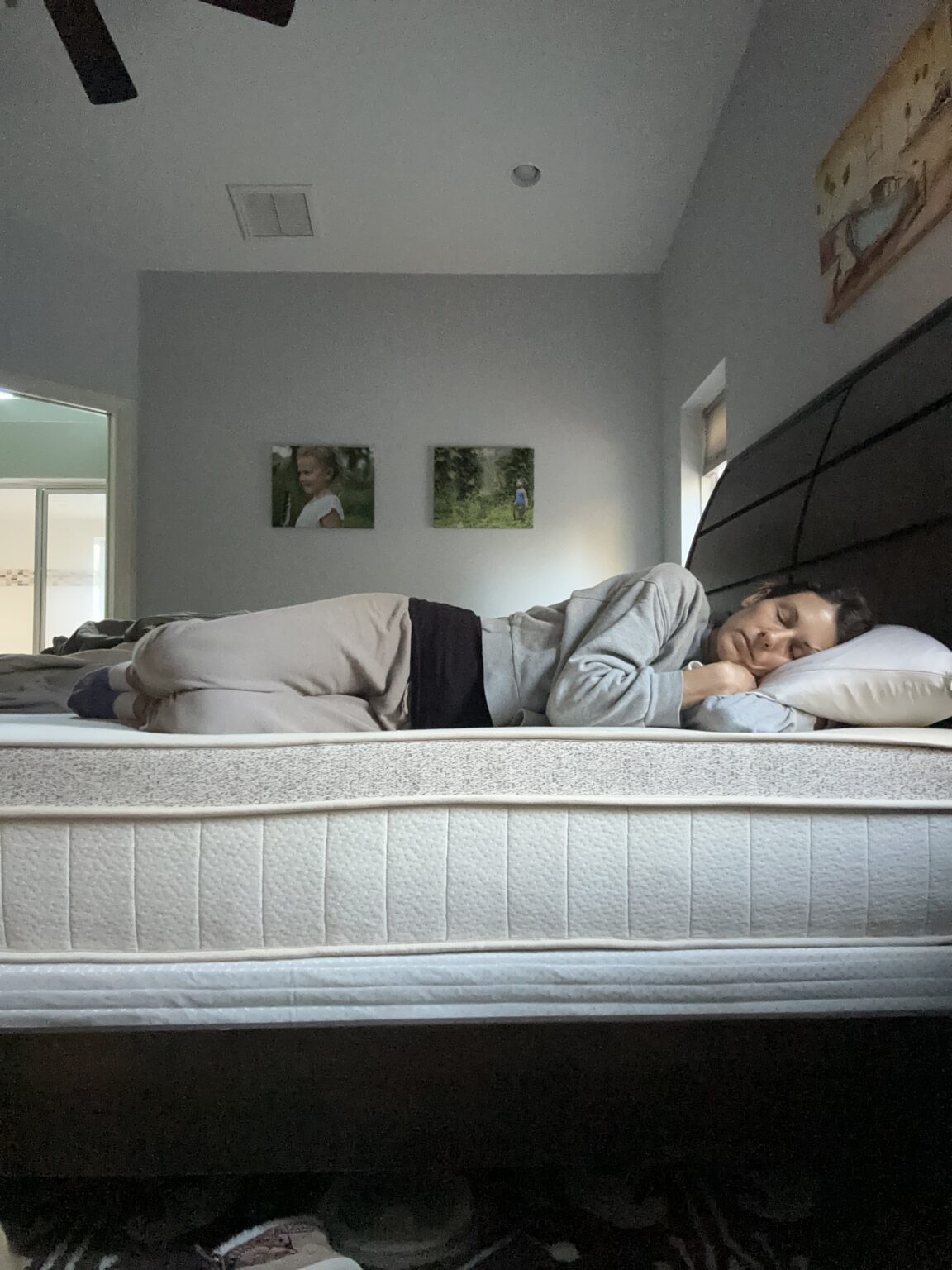
The term "non-toxic" is frequently deployed by brands, yet it often lacks definitive meaning without robust third-party verification. This phenomenon, known as greenwashing, is a pervasive marketing tactic used to persuade consumers that a product is safe or environmentally friendly when it may not be. Clean living expert Lindsay Dahl, author of Cleaning House, warns against this trend, stating, "While greenwashing is rampant, where brands misuse marketing terms or certifications to convey safety, it’s easier to shop for safer mattresses." She advises consumers to prioritize certifications like MADE SAFE, which confirms a product is made without a comprehensive list of known harmful chemicals. Dahl emphatically concludes, "Investing in a mattress without flame retardants or PFAS chemicals is one of the best choices you can make for protecting the health of your family. Peer-reviewed science shows us that household exposures to persistent and toxic chemicals commonly found in mattresses are a significant public health threat."
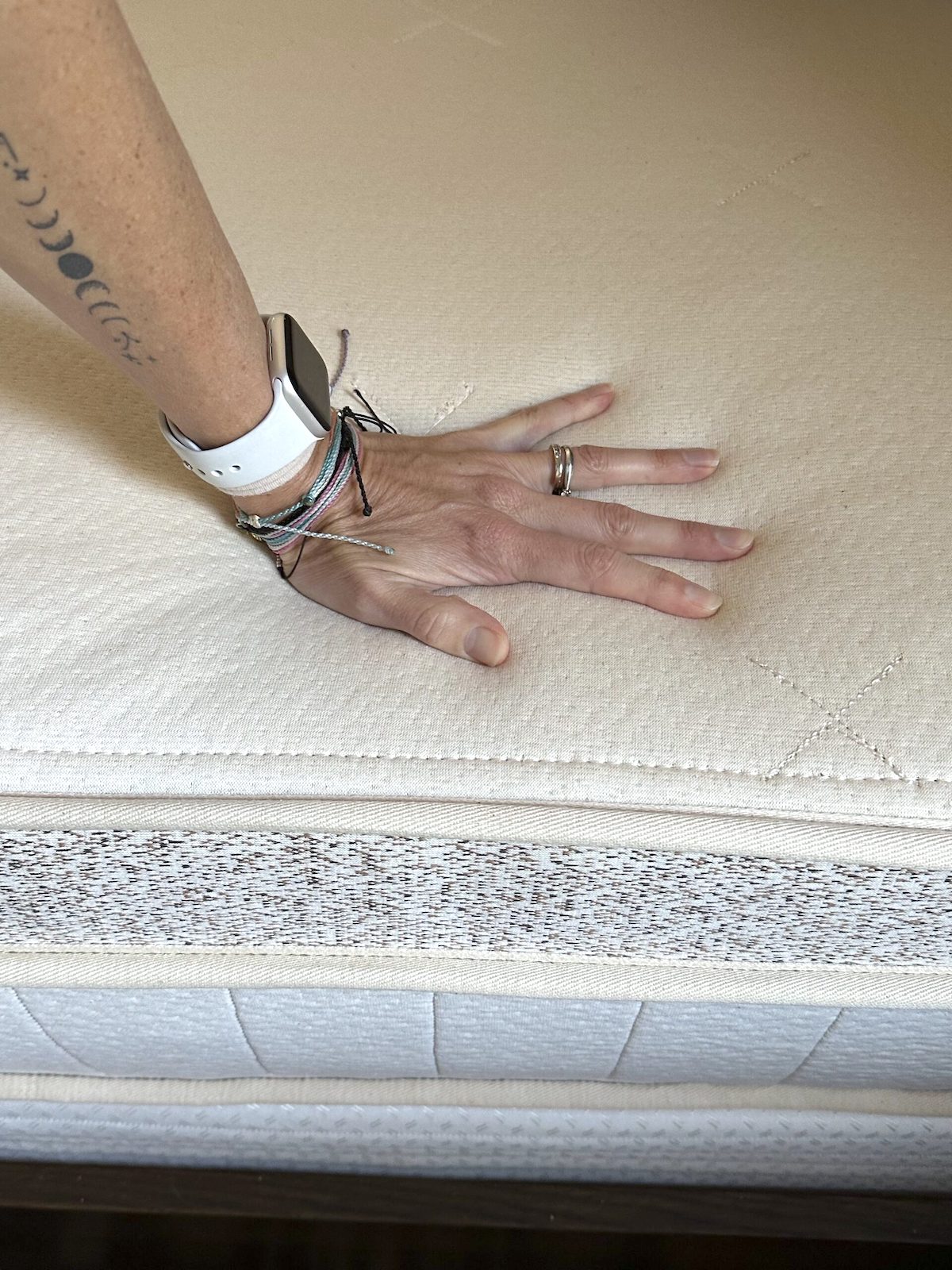
Therefore, for true assurance, consumers must look beyond buzzwords to verifiable certifications such as GOTS, GOLS, UL GREENGUARD Gold, OEKO-TEX Standard 100, CertiPUR-US, FSC (Forest Stewardship Council), Rainforest Alliance, and MADE SAFE. These certifications, backed by independent testing and review, are the only reliable indicators that a mattress is genuinely sustainable, organic, and free from harmful substances.

The 2026 Top Non-Toxic Mattress Selections
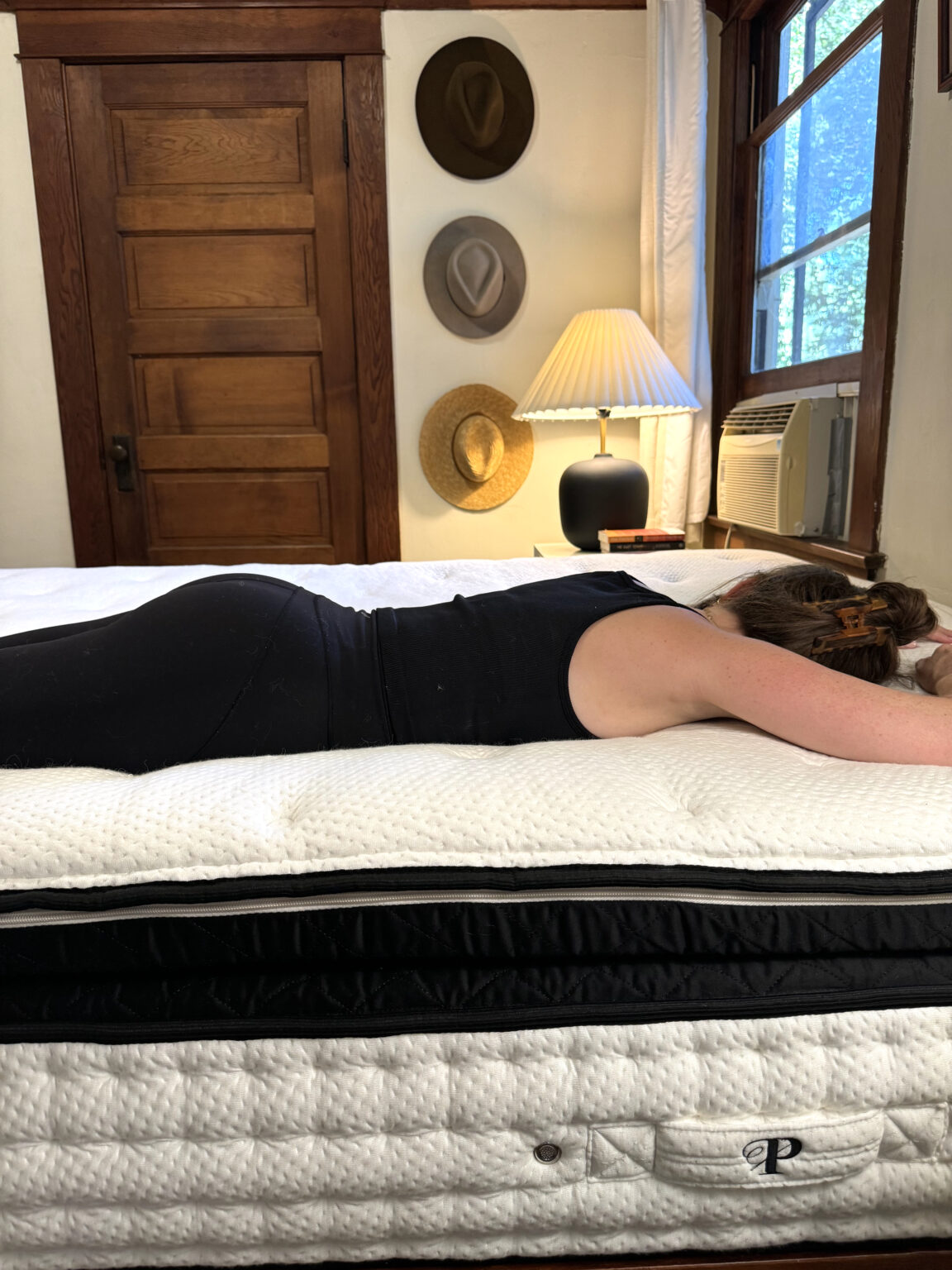
Our extensive evaluation has led us to highlight these leading brands for 2026, each demonstrating exceptional commitment to health, sustainability, and sleep quality:
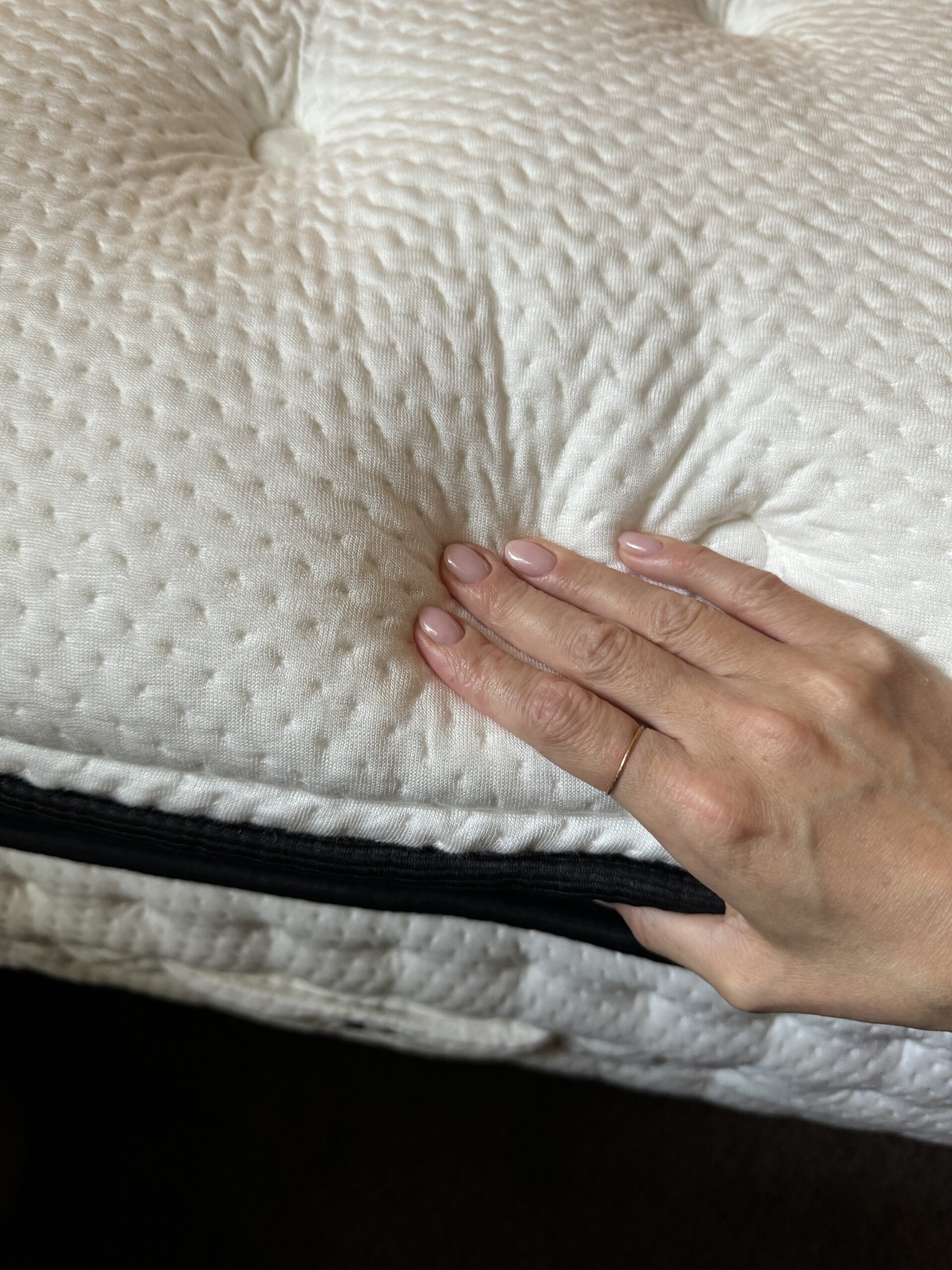
-
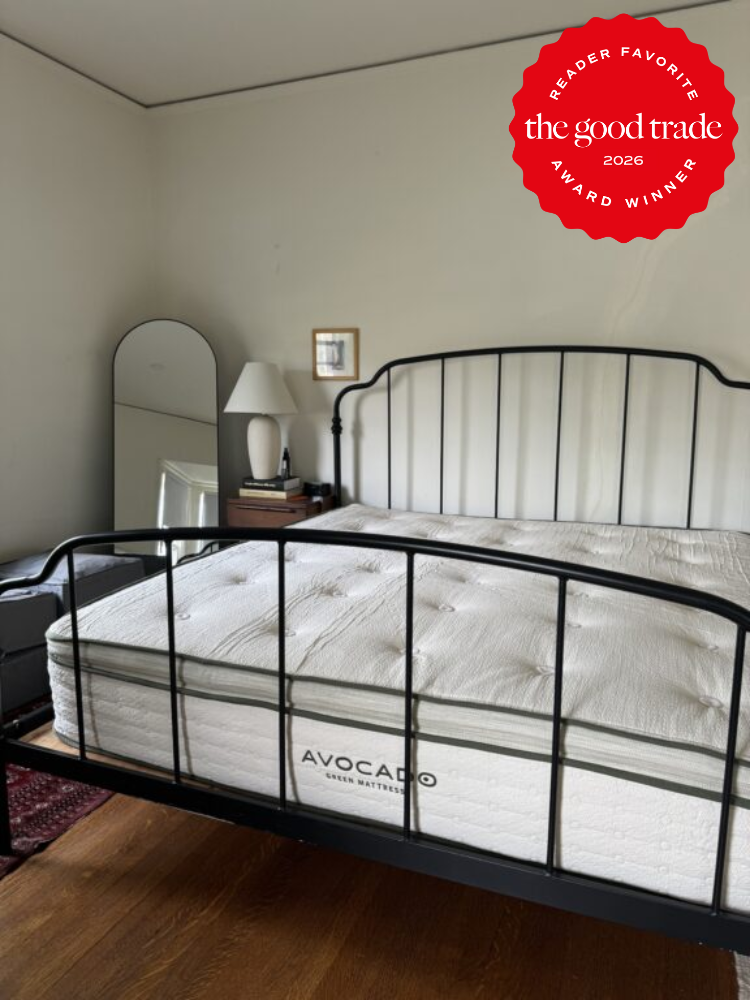
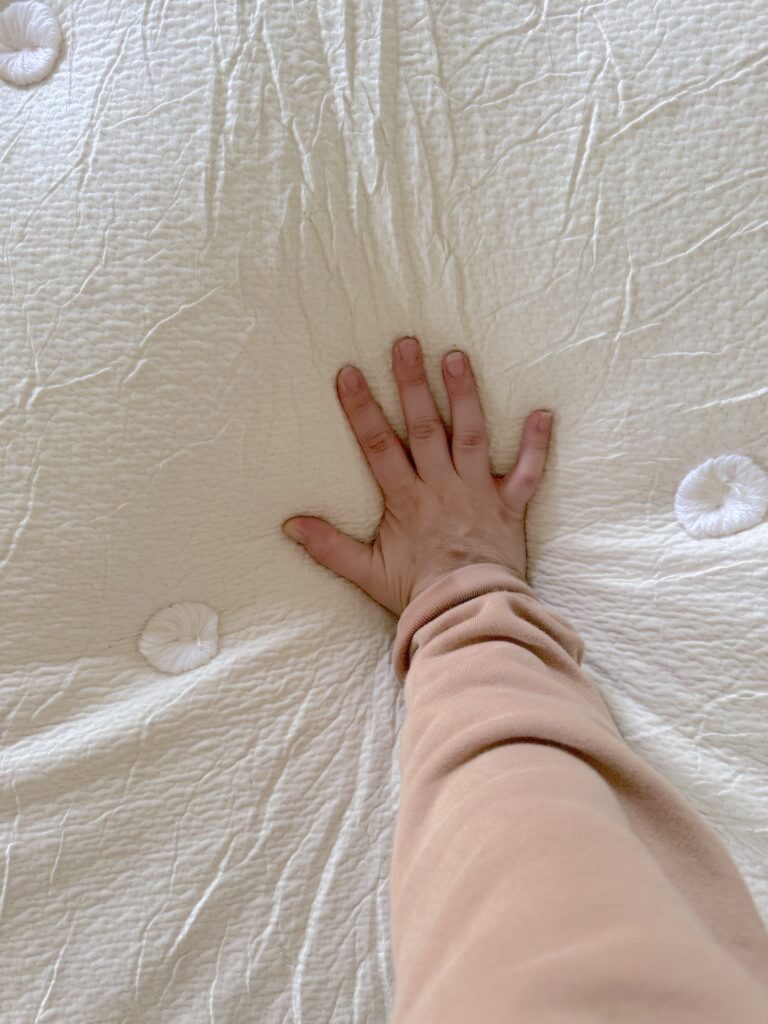
Avocado Green Mattress (Best Organic Mattress Overall): Avocado continues to be our top pick, lauded by editors for its certified materials, comfort, and transparency. Co-founders Alex and Jeff D’Andrea established the brand to address the scarcity of affordable, truly non-toxic mattresses free from petroleum-based polyurethane foams, toxic flame retardants, and VOCs. Avocado distinguishes itself by owning its entire supply chain and adhering to the most stringent health and sustainability standards. Handcrafted in California using GOTS-certified organic cotton and wool, and GOLS-certified organic latex, every Avocado mattress is GREENGUARD Gold Certified and designed for diverse sleeping positions. The brand offers vegan-certified options and extends its eco-conscious practices through its 1% for the Planet membership and B Corp certification. Senior Content Strategist Kayti Christian noted a significant improvement in her sleep scores and spinal health after switching to an Avocado Pillow-Top mattress, praising its supportive yet snuggled feel.

-
Birch (Fastest Shipping, Medium Firm): Birch stands out for its cozy yet supportive organic hybrid mattresses and efficient shipping. With OEKO-TEX and Rainforest Alliance certifications, Birch plants one tree for every mattress sold. Made with organic cotton, New Zealand wool, and sustainably-tapped latex, it provides excellent temperature regulation. The individually wrapped steel coils, made in the USA, offer superior pressure relief. Editorial Director Emily McGowan personally toured the 3Z manufacturing facility, witnessing the in-house production of springs and foam, confirming the brand’s commitment to quality. Contributing Editor Randi Donahue reported profound improvements in sleep quality and a reduction in aches after switching to a Birch Luxe, underscoring its medium-firm comfort and exceptional edge support.
-
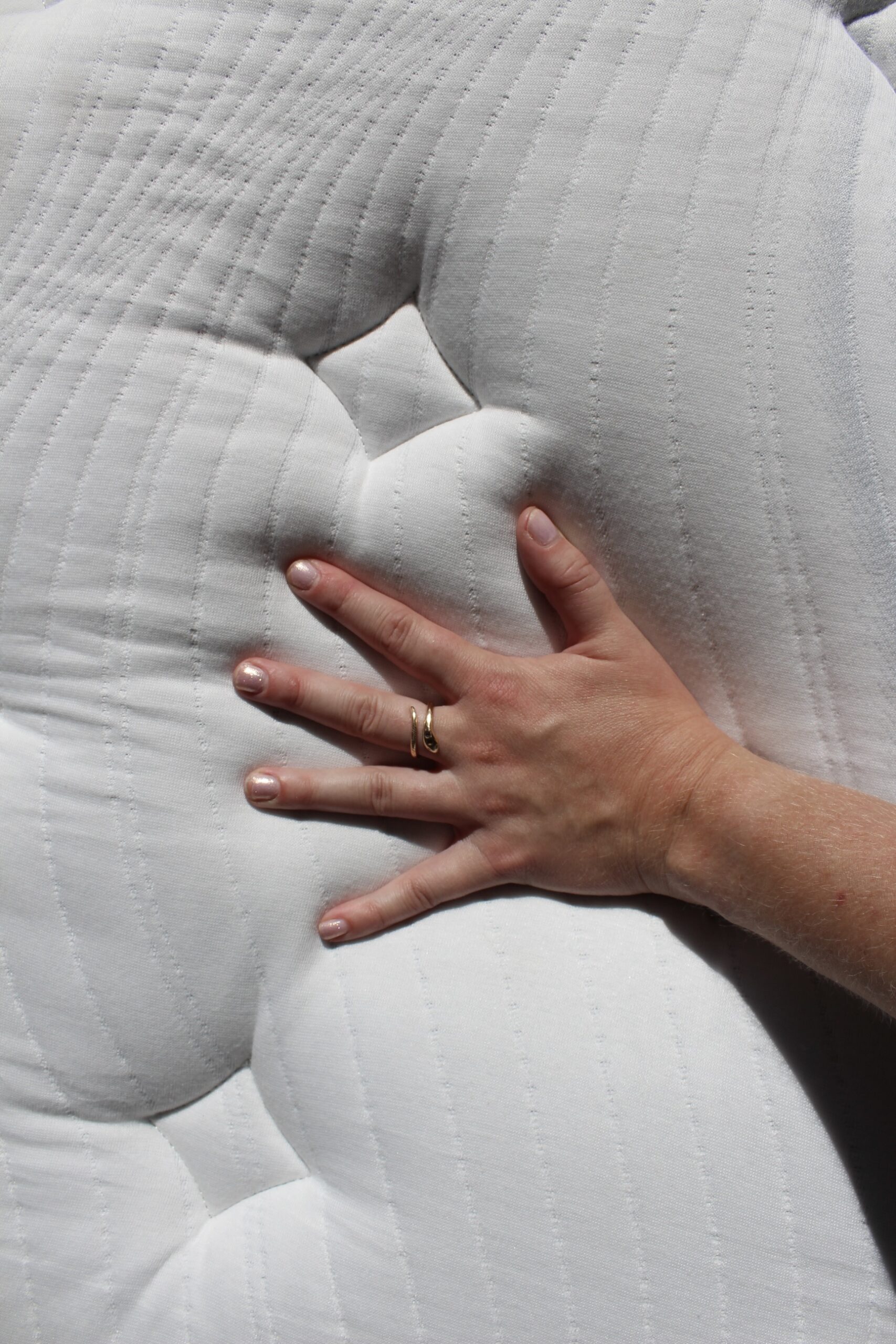
PlushBeds (Side Sleepers & Customizable): PlushBeds is a premier online luxury mattress manufacturer specializing in organic and non-toxic bedding. Handcrafted in their GOLS and GOTS-certified California facility, PlushBeds offers a wide selection of GREENGUARD Gold Certified mattresses at various price points, notably avoiding PFAS in production. The brand also supports environmental scholarships and offsets 100% of its carbon emissions. For side sleepers, PlushBeds’ memory foam options are highly recommended for their balanced firmness. Community Manager Kate Arceo praised her Signature Bliss mattress for eliminating morning aches and pains and significantly reducing motion transfer, even with a restless family.
-
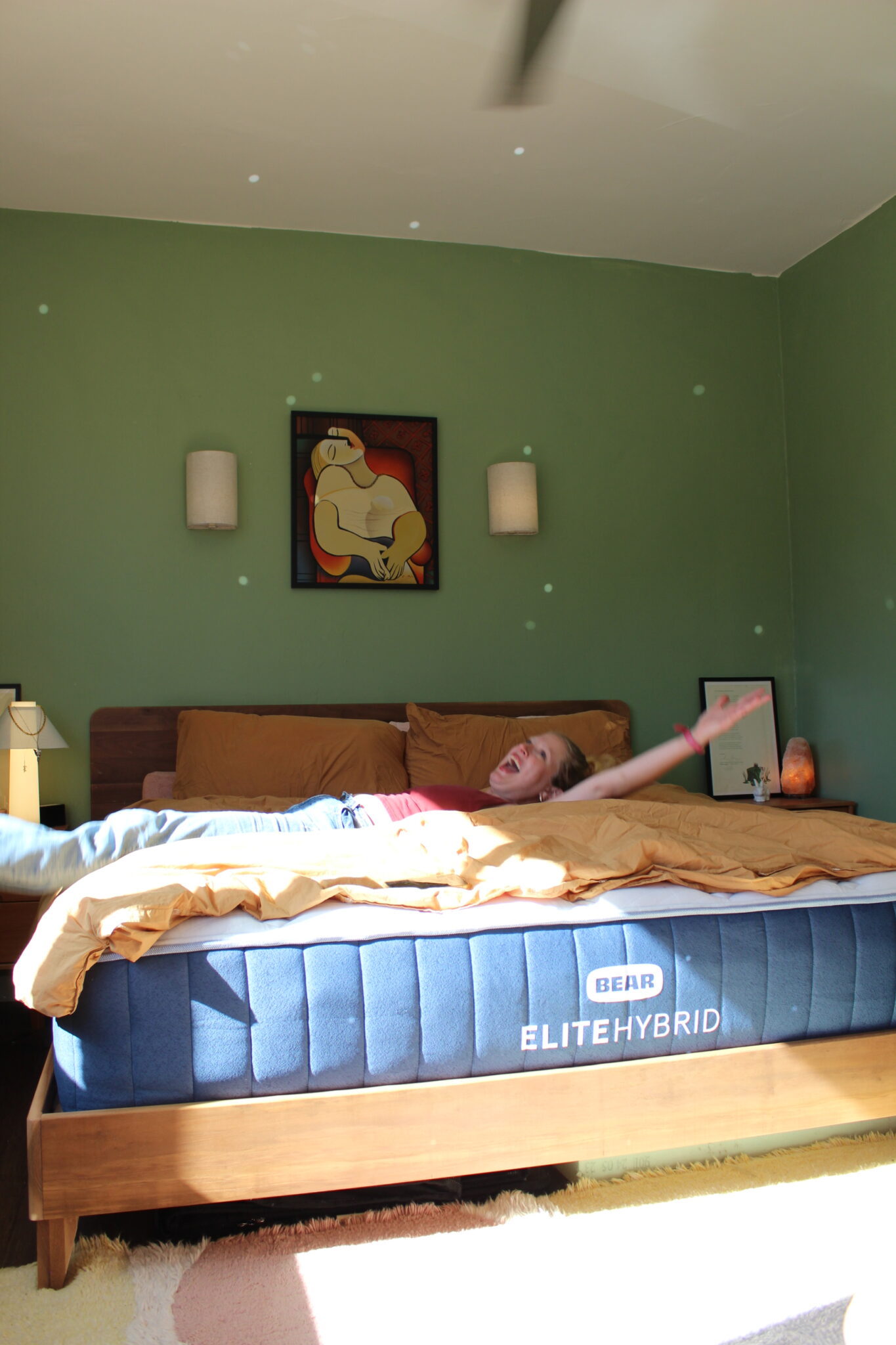
Bear (Most Affordable, Muscle Recovery): The Bear Hybrid mattress, GREENGUARD Gold Certified and designed with Celliant Sleep Technology, is an excellent choice for athletes and active individuals seeking faster muscle recovery. While not all Bear models carry the full suite of organic certifications as the top contenders, they are CertiPUR-US certified for low VOCs and freedom from toxic chemicals. The Bear Original offers a firm, budget-friendly option for back sleepers, while the Bear Natural provides a cozy pillowtop with minimal motion transfer. Editorial Director Emily McGowan found the Bear Elite alleviated night sweats and offered consistent sleep, appreciating its robust safety certifications despite not being fully organic.

-
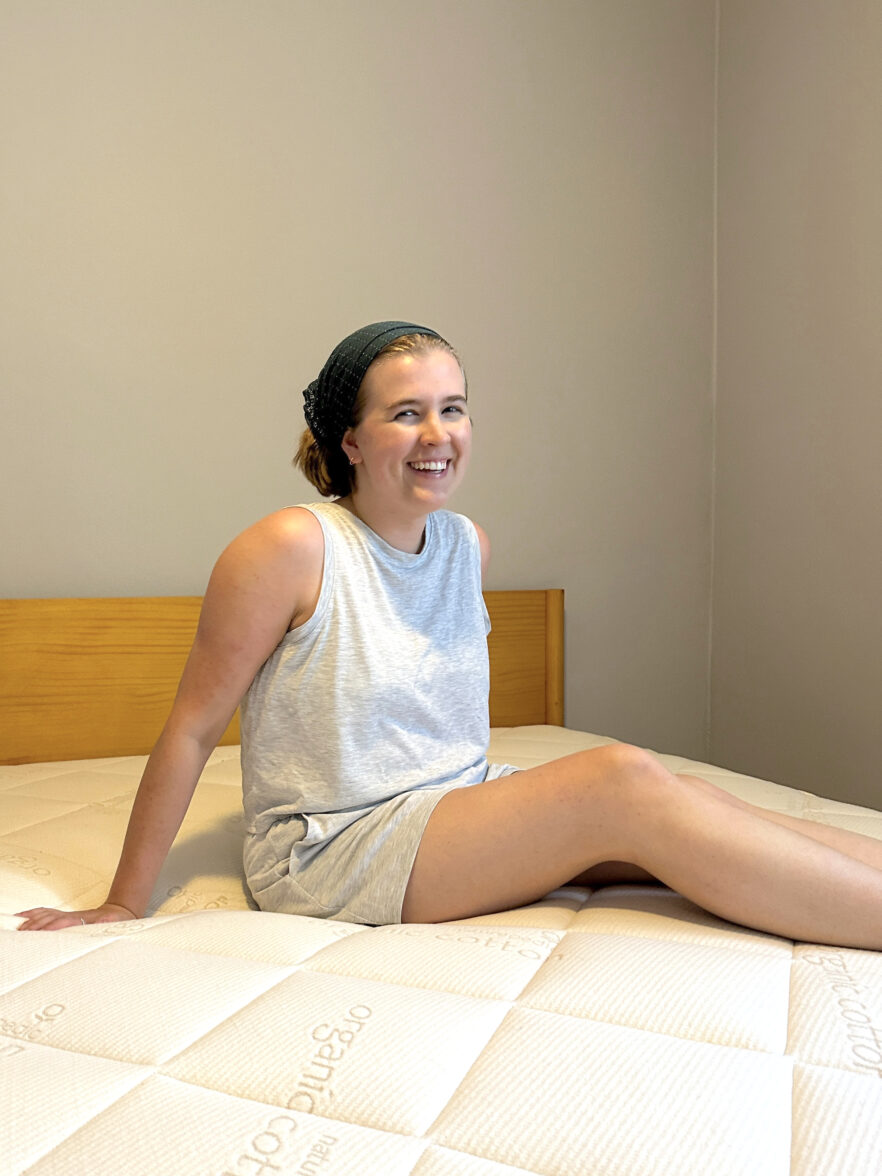
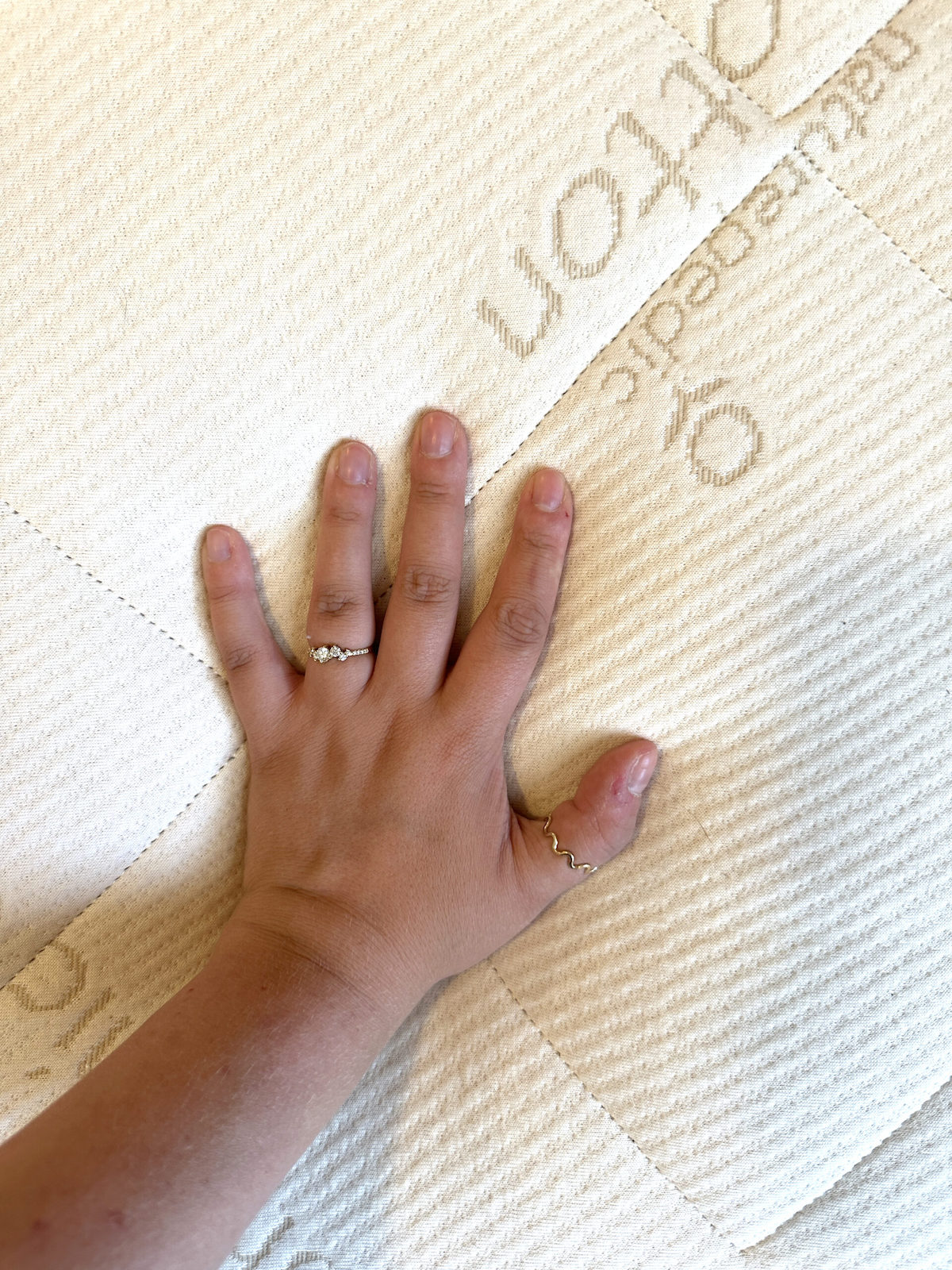
Naturepedic (Hypoallergenic Organic Latex): For over two decades, Naturepedic has been a pioneer in family-safe, non-toxic mattresses. Their offerings, including options for children and vegan mattresses, are hypoallergenic, formaldehyde-free, and made without PFAS or chemical flame retardants. Ideal for hot sleepers and allergy sufferers, Naturepedic mattresses are GOTS, GOLS, MADE SAFE, EWG Verified, and GREENGUARD Gold Certified. Despite a higher price point, their heirloom quality, crafted by an 80% Amish workforce in Ohio, promises decades of use. Contributing Editor Brianna Schubert, an allergy sufferer, experienced improved sleep and reduced motion transfer, highlighting the mattress’s cooling properties and support during a migraine.
-
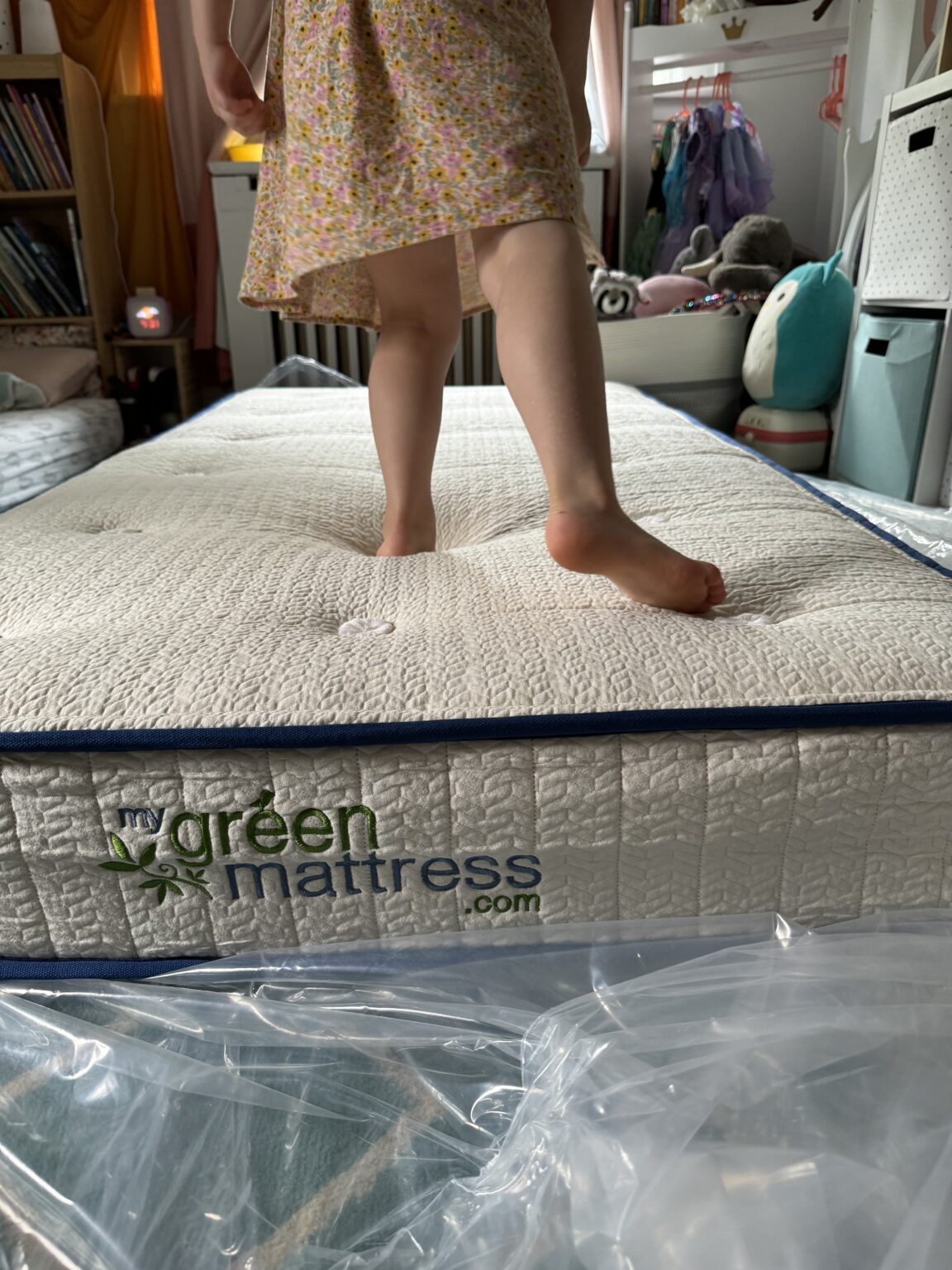
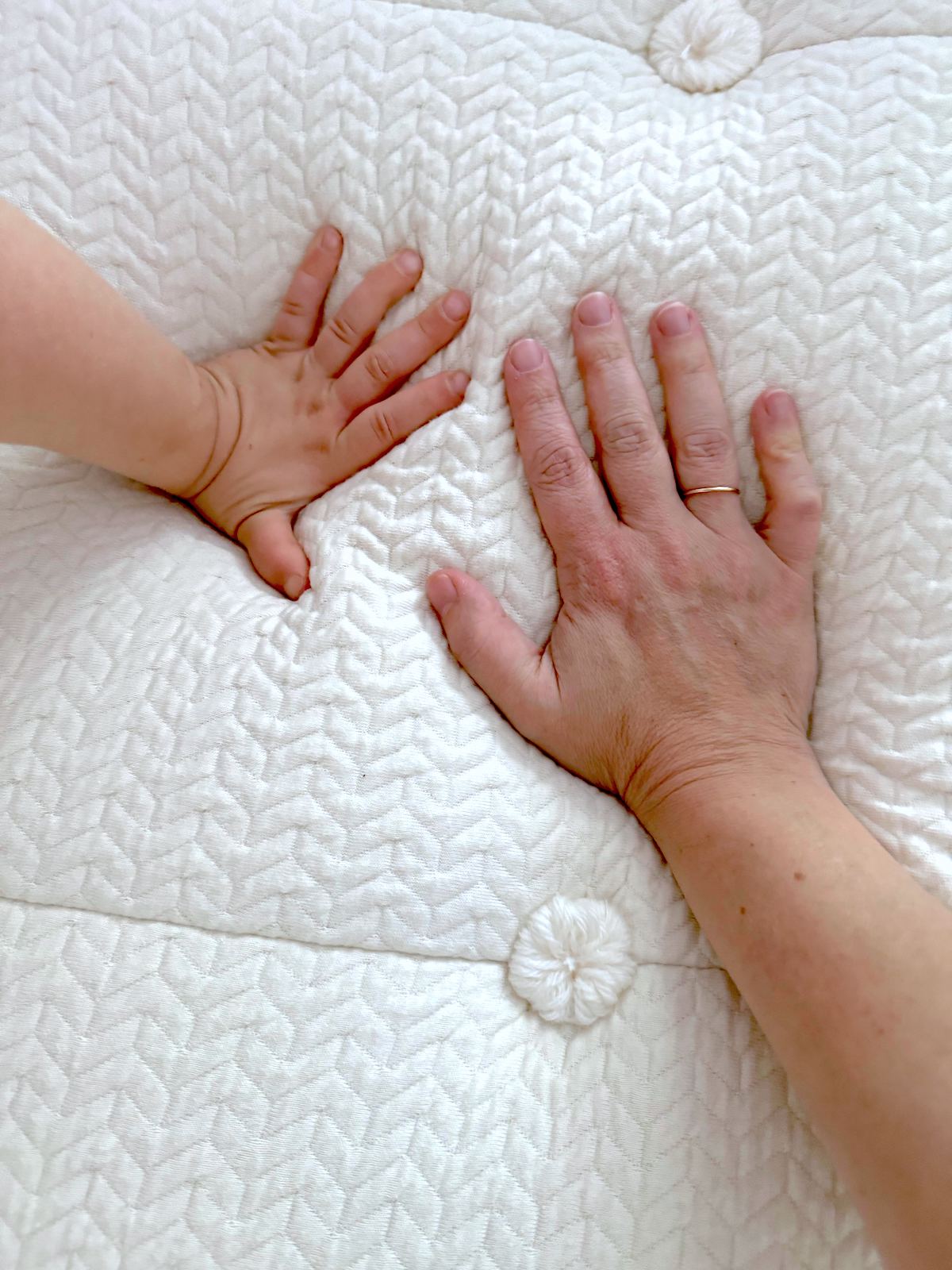
My Green Mattress (Child & Crib Mattresses): My Green Mattress stands out for its impressive array of certifications (GOLS, GOTS, OEKO-TEX, GREENGUARD, MADE SAFE) and its focus on child and crib mattresses. This Illinois-based company handcrafts hypoallergenic, toxin-free mattresses with organic coconut coir, a custom Madison spring system, and Dunlop latex for supportive comfort. With a 365-night sleep trial and a 20-year warranty, it offers excellent value, especially for bunk and trundle beds. Contributing Editor Stephanie Fallon praised the Pure Eco mattress for its plushness without compromising support, noting her daughter’s immediate and continued love for her new bed.
-
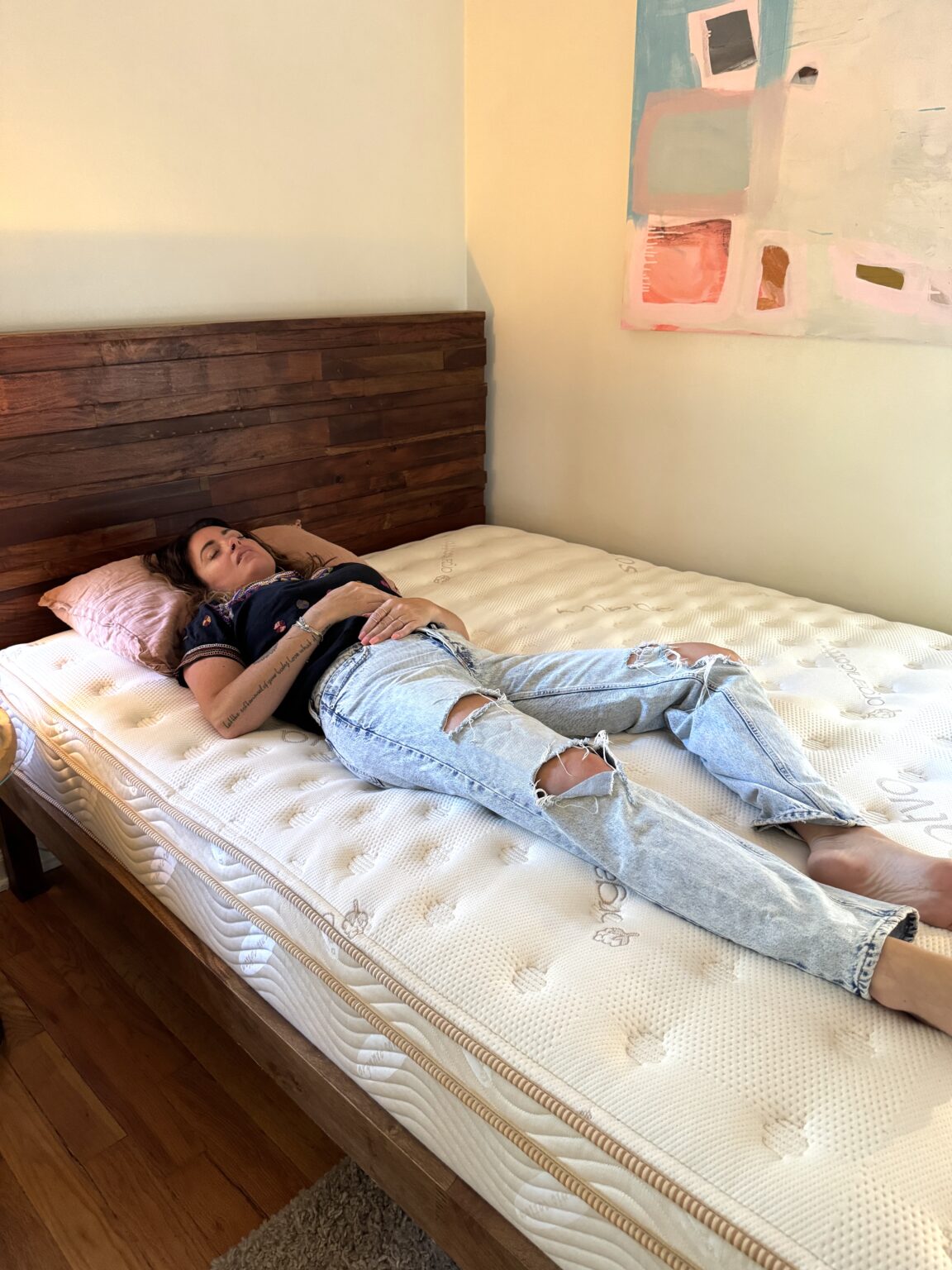
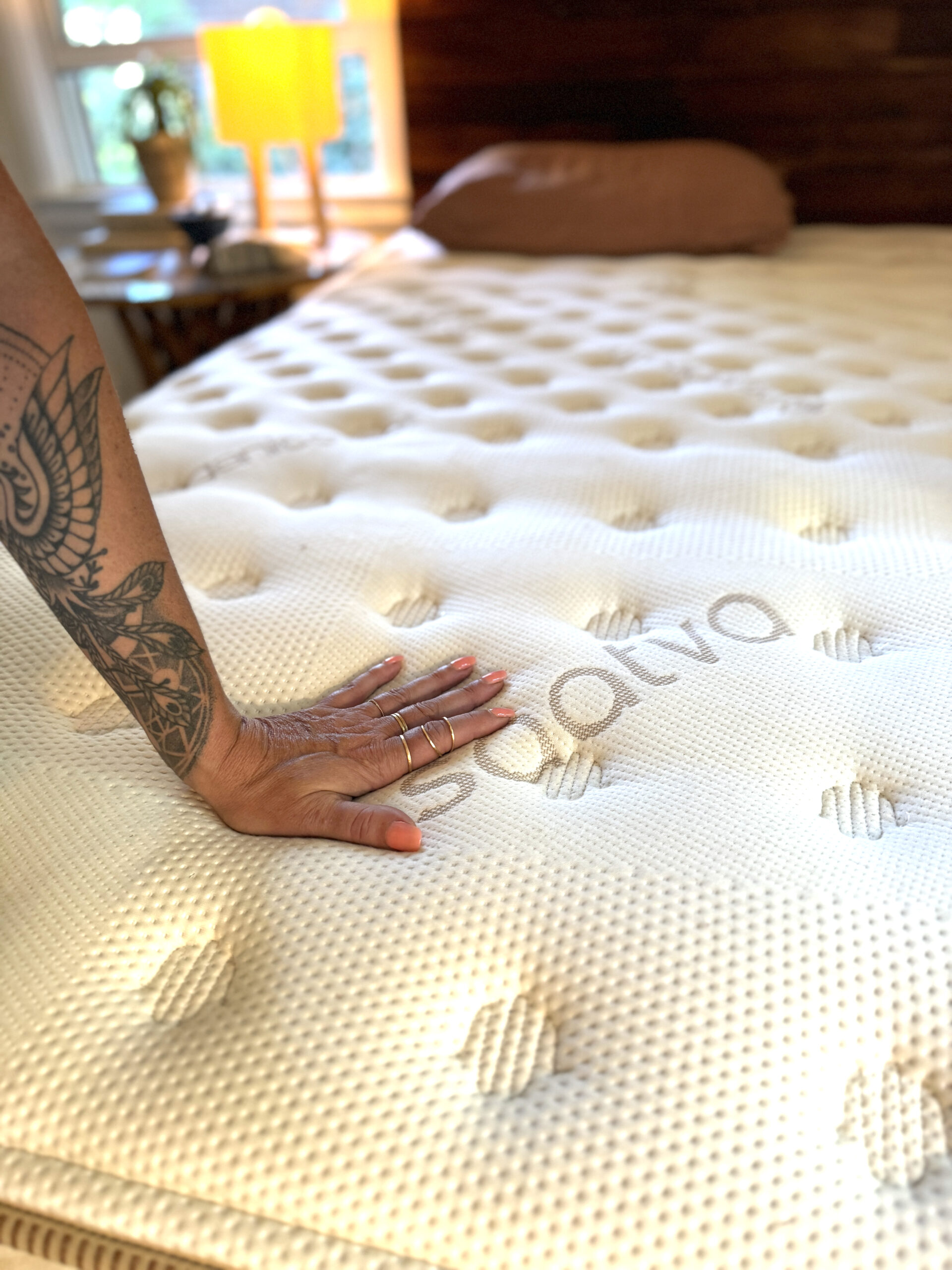
Saatva (Luxury Shoppers & Additional Support): Saatva is a significant disruptor in the luxury mattress market, offering a diverse collection from latex to memory foam at accessible prices by bypassing traditional retail. Their non-toxic mattresses are crafted in the USA using plant-based, eco-friendly materials and recycled steel coils. Saatva also contributes to charity by donating mattresses to high-need organizations. Several editors consider the Luxury Innerspring mattress their "forever pick" for its patented Lumbar Zone® Technology. Contributing Editor Trinity Wilbourn lauded the Saatva Classic for eliminating her lower back pain, recommending it for its superior support and firmer feel.

-
Brentwood Home (Memory Foam-Like & Affordable Organic): Handcrafting natural luxury mattresses in Los Angeles since 1987, Brentwood Home directly sources its natural, organic, and non-toxic materials, adhering to rigorous environmental and health standards. Their Hybrid Latex Mattress is GREENGUARD Gold Certified and represents a pinnacle of eco-conscious design. Brentwood Home actively supports social and environmental initiatives and offsets its carbon footprint. Their twin mattress is one of the most affordable organic options, making sustainable sleep accessible. Senior Editor Ashley D’Arcy found the Oceano mattress, despite its height, provided profound comfort and reduced aches, reminiscent of childhood comfort.
-
Silk & Snow (Combo Sleepers): This Canadian brand crafts organic hybrid mattresses in small batches, designed to suit a wide range of sleepers. Silk & Snow is transparent about its sourcing: GOLS-certified organic latex from Sri Lanka, GOTS-certified organic cotton from India, and double-tempered pocketed steel coils from Toronto. GOTS-certified organic wool acts as a natural fire retardant, ensuring no fiberglass or harmful chemicals. With no weight limit and firmness options from firm to plush, it’s ideal for couples and those who change positions frequently. Contributing Editor Silsila Bahrami reported consistently restful nights and a refreshed feeling upon waking, highlighting the mattress’s responsiveness, comfort, and temperature regulation over a year of use.
-
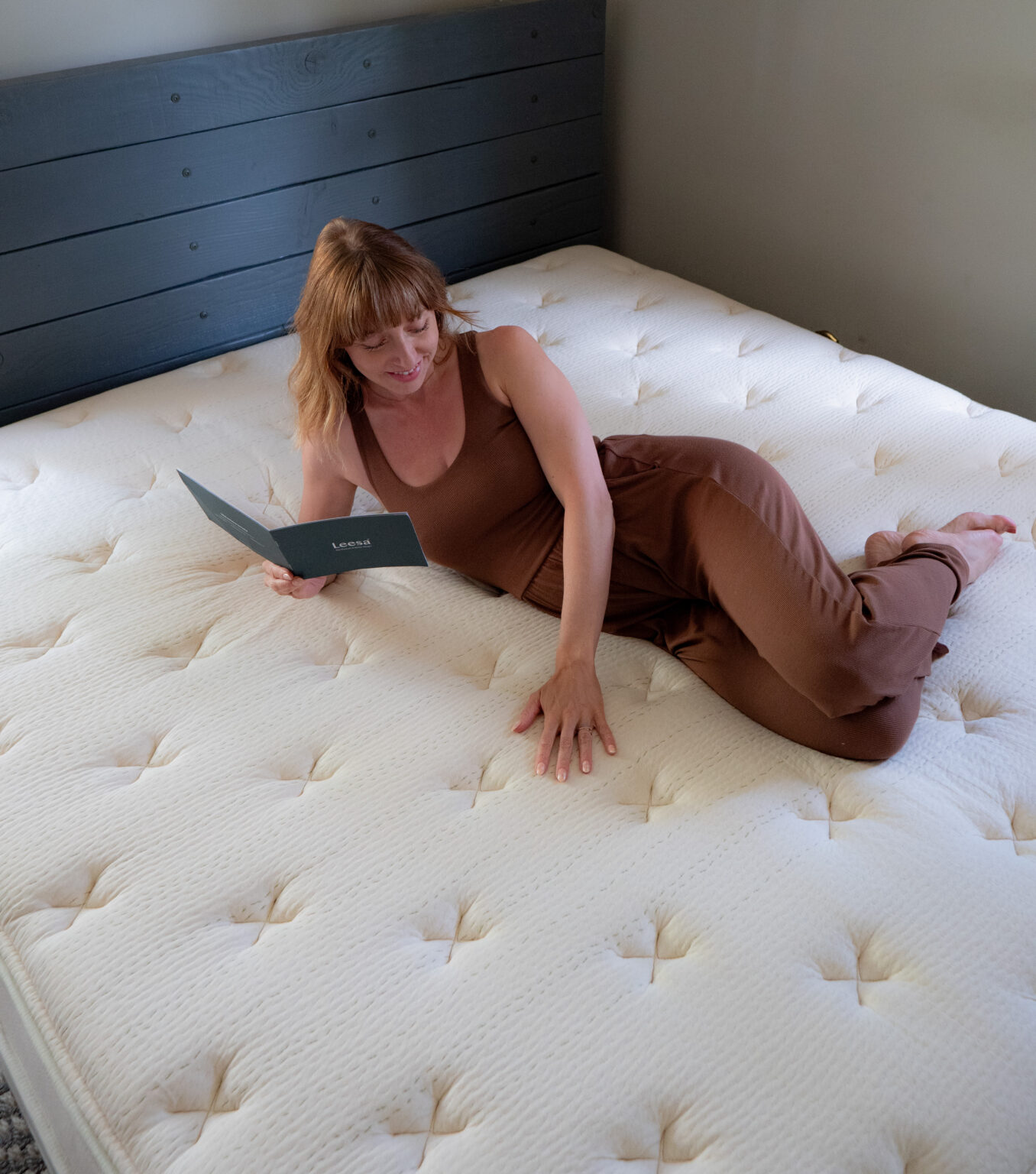
Leesa (Medium-Firm, Breathable & Moisture-Wicking): Leesa’s Natural Hybrid Mattress, a collaboration with West Elm, offers a cooling and supportive medium-firm experience. Designed and assembled in the USA, it features thick, responsive springs, buoyant Talalay latex (OEKO-TEX Certified, naturally antibacterial and temperature-neutral), and sustainably sourced Joma Wool® from New Zealand to wick away moisture. The brand uses CertiPUR-US certified foam and adds no PFAS. Leesa also donates mattresses to families in need and recycles ocean-bound plastic. Contributing Editor Courtney Jay Higgins noted significantly sounder sleep and the disappearance of minor neck and shoulder pains, attributing it to the individually encased springs that adapt to the body.

Choosing Your Ideal Sleep Sanctuary: A Comprehensive Guide
With over 175 "bed-in-a-box" mattress brands now available, the decision can feel overwhelming. As Dr. Matthew Walker, Professor of Neuroscience and Psychology at the University of California, Berkeley, eloquently states in "Why We Sleep," "Sleep is the single most effective thing we can do to reset our brain and body health each day." Therefore, selecting the right mattress is a deeply personal and significant investment. Dr. Michael Breus, a clinical psychologist and sleep medicine expert, further advises, "When putting together the ideal sleep environment, it’s not just about optimizing temperature, humidity, noise, and light. Having the right mattress, pillows, and bedding can also help you feel relaxed and ready for a good night’s rest."
When to Replace Your Mattress:
Most mainstream mattresses have a lifespan of 7-10 years. However, several indicators suggest it’s time for an upgrade. Visibly inspect for sagging, new lumps, or unusual noises (squeaking/creaking). More importantly, assess your sleep quality over the past few months. New aches in your shoulders, neck, or back, increased allergy symptoms, or persistent poor sleep can all signal that your mattress is no longer providing adequate support or a healthy environment. Upgrading to an organic mattress often addresses many of these concerns.

Types of Mattresses:
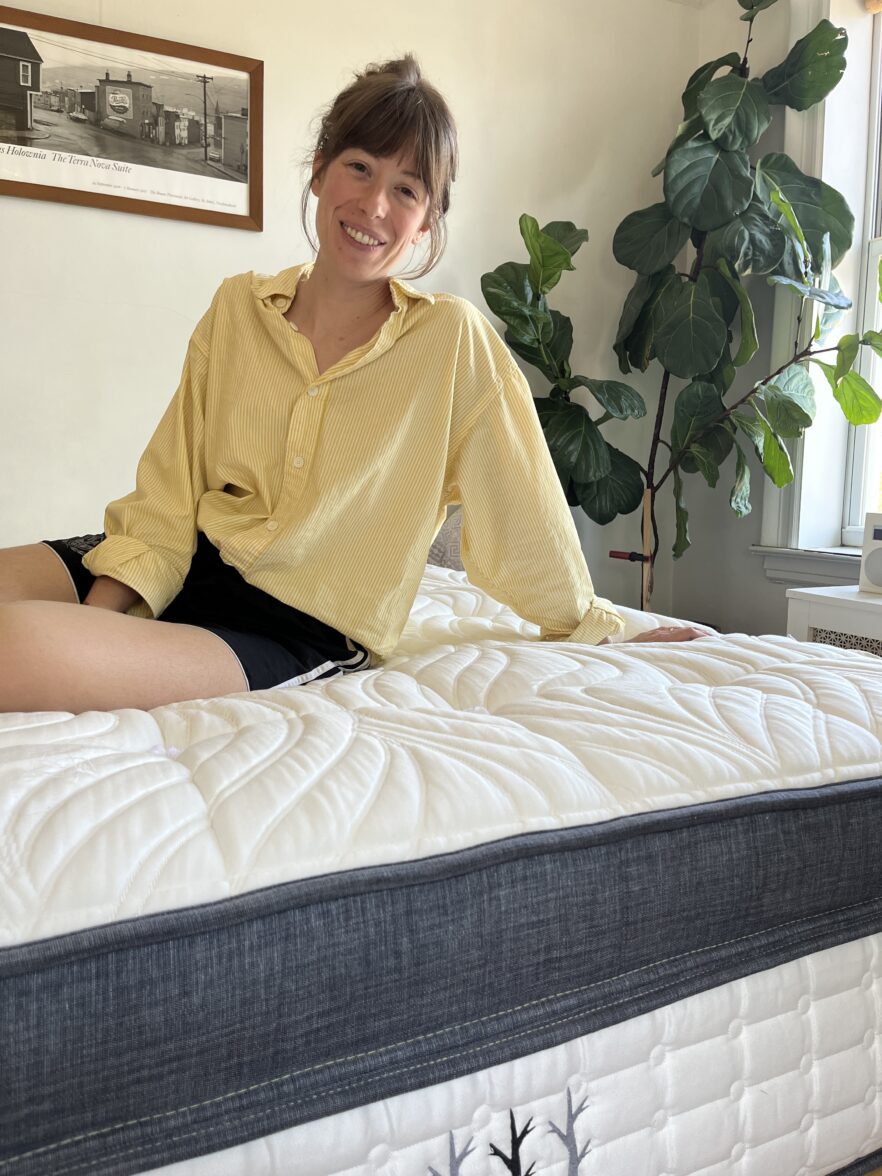
- Innerspring: Traditional, with coil support. Can be firm and breathable.
- Memory Foam: Conforms to the body, offering pressure relief. Can retain heat in conventional forms. Non-toxic versions use certified foams.
- Latex: Durable, responsive, and naturally breathable. Organic latex is highly sought after for its natural properties.
- Hybrid: Combines coils with layers of foam or latex, offering a balance of support and comfort.
Firmness Levels:
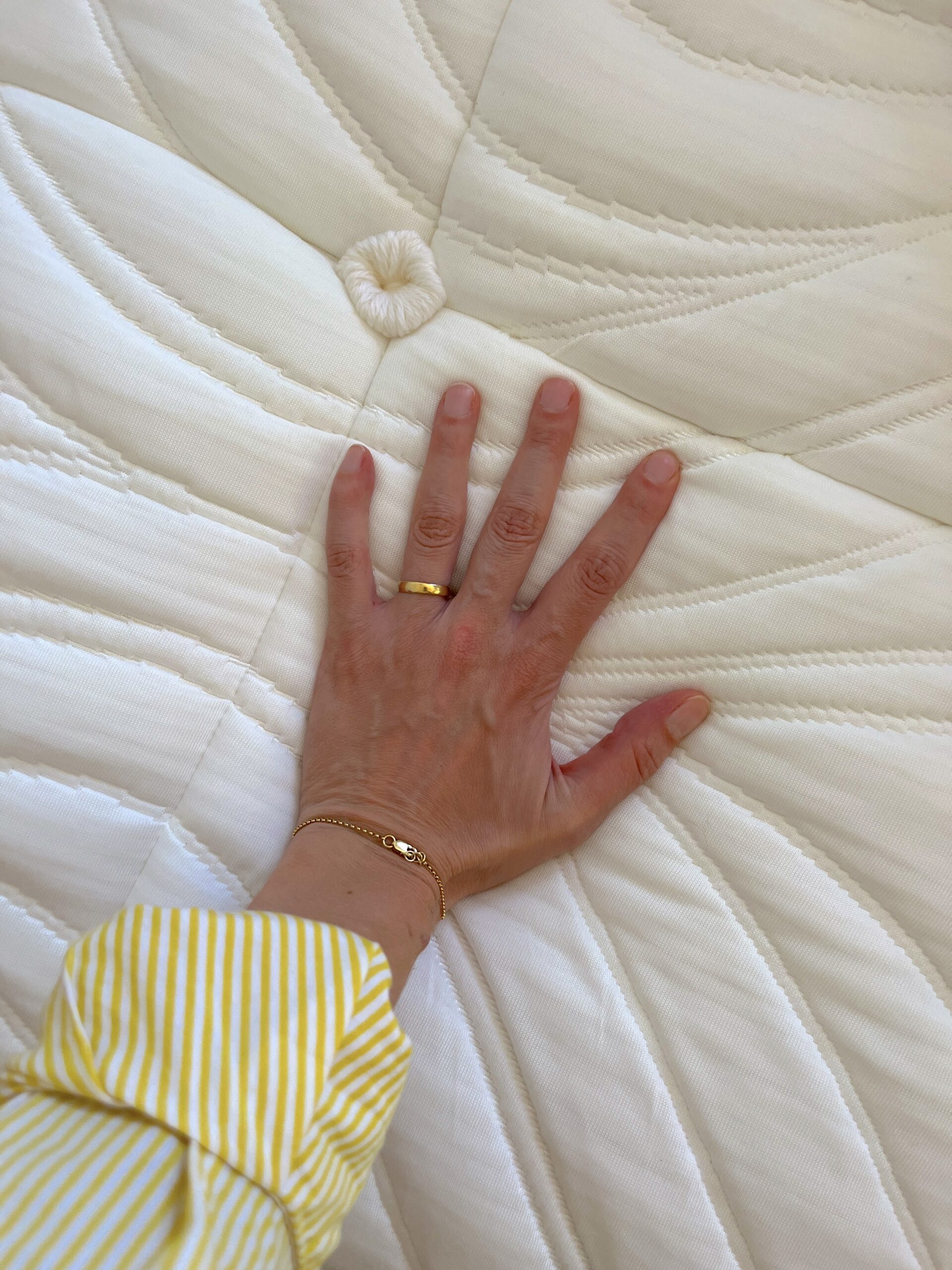
- Soft (1-3/10): Ideal for side sleepers and lighter individuals who need deep contouring.
- Medium (4-6/10): Versatile, suitable for most sleep positions and couples, offering a balance of pressure relief and support.
- Firm (7-10/10): Best for back and stomach sleepers, and heavier individuals who require robust support to maintain spinal alignment.
Other Important Considerations:

- Motion Isolation: Crucial for couples, preventing disturbances from partner movement.
- Temperature Regulation: Materials like wool and latex naturally wick moisture and promote airflow, essential for hot sleepers.
- Off-gassing: The release of volatile organic compounds (VOCs) from synthetic materials. Organic mattresses minimize this.
- Durability & Longevity: Organic materials generally offer superior durability and longer lifespans.
- Trial Periods & Warranties: Generous trial periods (100+ nights) and extensive warranties (10-25 years, or even lifetime) indicate a brand’s confidence in its product.
- Ethical Sourcing & Production: Look for transparency in the supply chain and commitments to fair labor and environmental stewardship.
Harmful Substances in Traditional Mattresses:
While organic options provide a healthier alternative, it’s vital to be aware of common harmful substances found in conventional mattresses:
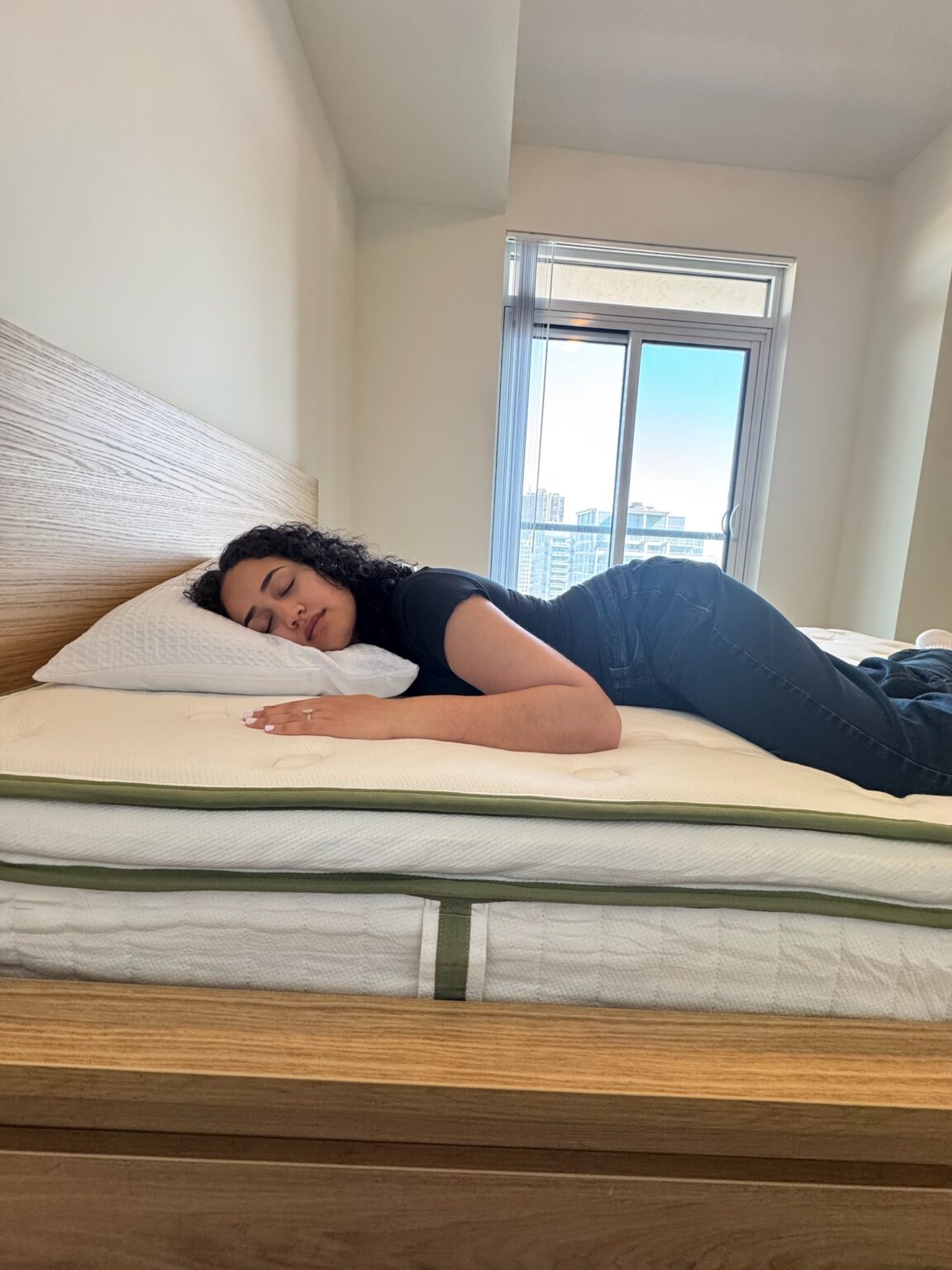
- Flame Retardants: Chemicals like PBDEs, often linked to developmental issues and endocrine disruption.
- PFAS (Per- and Polyfluoroalkyl Substances): "Forever chemicals" associated with various health problems, including cancer and immune system dysfunction.
- VOCs (Volatile Organic Compounds): Emitted from synthetic foams and adhesives, contributing to indoor air pollution and respiratory irritation.
- Phthalates: Used to make plastics more flexible, linked to hormone disruption.
- Formaldehyde: A known carcinogen, often used in adhesives and fabrics.
- Heavy Metals: Can be found in dyes and other components.
Caring for Your Organic Mattress for Lasting Comfort
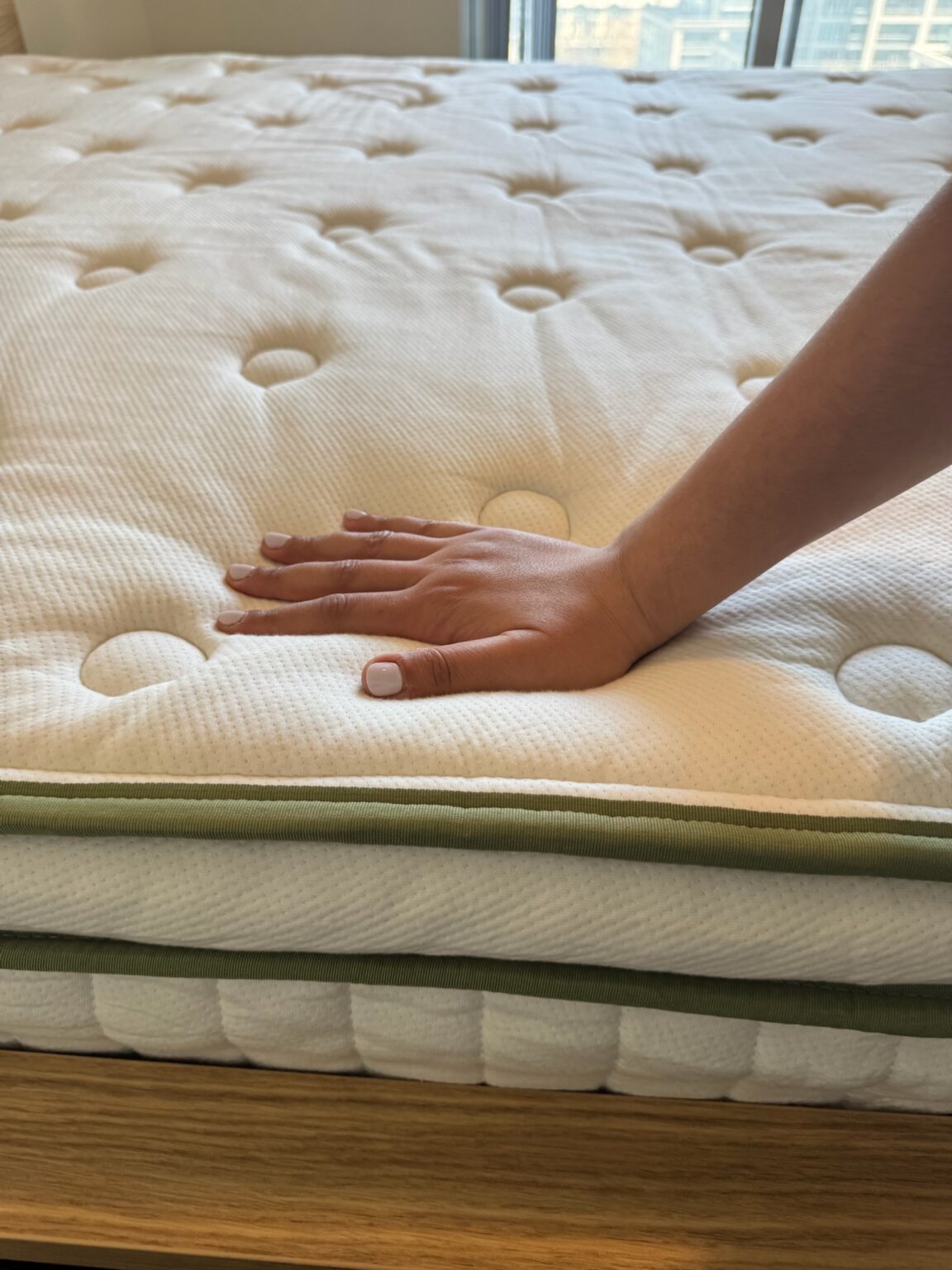
An organic or natural mattress represents a significant investment, but it’s one that promises superior longevity and sustained comfort. Many of the mattresses on our list are designed to last 25 years or more, far exceeding the 7-10 year lifespan of conventional options. This extended durability is a direct benefit of their high-quality, natural materials, which are less prone to the degradation and off-gassing that characterize synthetic alternatives. To ensure your organic mattress remains a cozy and supportive sanctuary for decades, proper care is essential:

- Use a Protector: An organic mattress protector safeguards against spills, dust mites, and allergens, preserving the integrity of your mattress.
- Rotate Regularly: Rotating your mattress every 3-6 months helps distribute wear evenly, preventing premature sagging and extending its life.
- Spot Clean: Address spills immediately with a mild, natural cleaner and a damp cloth. Avoid harsh chemicals that can damage organic materials.
- Ensure Proper Support: A sturdy, breathable foundation (like a slatted bed frame or an organic box spring) is crucial for maintaining mattress structure and airflow.
- Air Out: Occasionally remove bedding and allow your mattress to air out for a few hours, especially after cleaning, to prevent moisture buildup.
The Good Trade’s Ongoing Commitment to Informed Choices
The Good Trade’s editorial team comprises diverse writers and sustainable product enthusiasts dedicated to providing trusted brand recommendations. Our commitment stems from over ten years of personally sleeping on mattresses from these brands and confidently recommending them to friends and family. This direct experience is fortified by our proactive engagement with brands—meeting founders and makers, touring manufacturing facilities, and offering direct feedback to encourage even higher standards of sustainability and non-toxic certifications. Our goal is to empower readers to make genuinely healthier choices for their sleep.
We also offer comprehensive guides on related products, including the best organic bedding brands, mattress toppers, protectors, and pillows, ensuring a holistic approach to creating a truly safe and restorative sleep environment. Our mission is to cut through the noise of greenwashing and provide clear, fact-based guidance, so you can rest assured your investment contributes positively to your health and the planet.

(Editor’s note: This article, originally published in March 2016, is updated weekly to reflect the latest product innovations, pricing, certifications, and brand evaluations based on our ongoing reviews. The current content represents our most recent and comprehensive assessment of the best organic mattresses available in 2026.)