
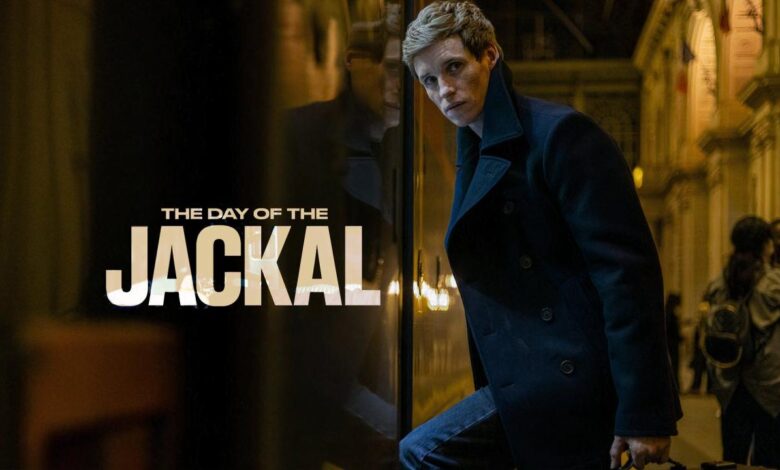
Eddie redmayne the day of the jackal – With Eddie Redmayne’s portrayal of the titular character in “The Day of the Jackal,” this analysis delves into the 1973 film adaptation. It explores the film’s narrative structure, directorial style, and Redmayne’s performance. We’ll examine the film’s historical context, political implications, and symbolic use to provide a comprehensive look at this compelling cinematic experience.
The film adaptation of “The Day of the Jackal” offers a unique perspective on political violence and the complexities of a meticulously planned assassination attempt. This analysis will explore the film’s success in bringing the novel’s essence to life, and the strengths and weaknesses of Eddie Redmayne’s portrayal within the context of the story and historical backdrop. It also considers the themes and symbolism woven into the narrative.
Film Adaptation Overview: Eddie Redmayne The Day Of The Jackal
The 1973 film adaptation of Frederick Forsyth’s “The Day of the Jackal” meticulously portrays the intricate plot of a meticulously planned assassination attempt. It captures the chilling suspense and political tension of the target’s environment, as well as the meticulous planning and execution of the assassin. The film successfully translates the novel’s core themes of international intrigue, political machinations, and the psychological toll of a life dedicated to violence.The film successfully captures the essence of the novel’s narrative, focusing on the intricate details of the plot and the character development of the assassin.
Thinking about Eddie Redmayne’s portrayal in “The Day of the Jackal” got me pondering formal attire. For a black tie event, choosing the right dress is crucial. To avoid looking out of place at a black tie wedding, I recommend checking out the latest trends in black tie wedding guest dresses. Ultimately, Redmayne’s character’s meticulousness in the film translates well to selecting the perfect ensemble for any special occasion.
It highlights the dangers and challenges inherent in political assassinations, while also showcasing the complexities of the motivations and actions of the key players. The narrative structure revolves around the meticulous preparation and execution of the assassination plot, highlighting the intricate network of individuals and organizations involved.
Speaking of impressive performances, Eddie Redmayne’s portrayal in “The Day of the Jackal” was truly captivating. It’s a film that really sticks with you, and I was recently reminded of its brilliance when I saw the lovely news of Bettina Looney and Carlos Segovia’s vow renewal. Bettina Looney and Carlos Segovia’s vow renewal seemed to have the same kind of powerful, enduring quality that “The Day of the Jackal” possesses.
It made me reflect on the enduring nature of dedication and commitment, just as Redmayne’s character in the film did.
Summary of the Plot
The film centers on a highly skilled, enigmatic assassin known only as “The Jackal.” His mission: to assassinate the French President. The Jackal, utilizing a network of contacts and employing advanced tactics, orchestrates a series of meticulously planned actions, evading capture while navigating the complex political landscape. The narrative follows the assassin’s preparations, encounters, and ultimate confrontation with the authorities.
Key Elements of Narrative Structure
The film’s narrative structure is driven by suspense, with escalating tension building up to the climax of the assassination attempt. The plot is intricately woven with various subplots, including the Jackal’s interactions with his network of contacts, his preparations, and the countermeasures implemented by the French authorities. The film employs a non-linear structure, occasionally shifting between past events and the present to provide context and highlight the assassin’s motivations and the complexities of the situation.
While Eddie Redmayne’s portrayal in “The Day of the Jackal” was captivating, I’m now more focused on finding the perfect Hamptons getaway. Thinking about a stylish summer escape, I’ve been browsing the best airbnbs in the Hamptons for a seriously stylish summer, here to check out some gorgeous options. After all, a bit of luxurious relaxation could inspire my next movie review, much like the suspenseful brilliance of Redmayne’s performance in that film.
Directorial Style and Impact, Eddie redmayne the day of the jackal
The film’s directorial style, characterized by a gritty realism and a strong sense of atmosphere, effectively creates a palpable sense of danger and suspense. The use of visual cues, such as close-ups and long shots, enhances the film’s impact, allowing the audience to experience the events from the perspective of the assassin and the authorities. The film effectively employs a sophisticated editing style, enhancing the suspense and contributing to the film’s overall impact.
Portrayal of the Jackal
The film’s portrayal of the titular character, the Jackal, differs slightly from the novel. In the film, the Jackal is depicted as a more detached and calculating figure, with less emphasis on his inner turmoil and motivations. The film, while focusing on the assassin’s actions, provides glimpses into his background and motives, but with less depth than the novel.
This adjustment allows for a greater emphasis on the suspense and action of the plot.
Timeline of Significant Events
- The Jackal meticulously plans his assassination attempt, utilizing various means to evade detection and achieve his objectives.
- He establishes a network of contacts, utilizes sophisticated technology, and skillfully navigates the political landscape.
- The Jackal encounters obstacles and challenges, requiring him to adapt his strategies and tactics.
- The French authorities, recognizing the threat, implement countermeasures and track the Jackal’s movements.
- The climax of the film involves the Jackal’s final confrontation with the authorities, resulting in the conclusion of the assassination attempt.
Character Analysis: Eddie Redmayne’s Performance
Eddie Redmayne’s portrayal of “The Day of the Jackal’s” protagonist, a seemingly ordinary man transformed into a meticulously planned assassin, is a compelling study in calculated risk and simmering tension. Redmayne’s performance delves beyond the surface-level action, exploring the psychological turmoil and internal conflict driving the character. He manages to portray the character’s calculated nature and deep-seated motivations, making the character’s transformation believable and emotionally resonant.Redmayne’s interpretation of the character’s motivations centers on the complex interplay of political disillusionment and personal ambition.
He doesn’t simply present a caricature of a cold-blooded killer, but rather a man driven by a sense of injustice and a desire for change, though his methods are undeniably extreme. This nuanced approach allows the audience to understand the character’s internal struggle, even as he carries out his deadly mission.
Redmayne’s Portrayal of the Assassin’s Inner Conflicts
Redmayne masterfully conveys the protagonist’s internal conflict through subtle shifts in body language and vocal delivery. His eyes, often shadowed with a mixture of fear and determination, communicate the character’s struggle with his conscience. These micro-expressions, coupled with controlled, measured movements, portray a man on the precipice of a moral crisis, wrestling with the consequences of his actions.
He manages to portray a man who is both a highly skilled and calculated individual and also deeply conflicted.
Redmayne’s Use of Body Language and Vocal Delivery
Redmayne utilizes a controlled, deliberate body language to embody the character’s calculated nature. His posture, often upright and poised, reinforces the character’s meticulous planning and the meticulous nature of his actions. His vocal delivery is equally crucial, varying from quiet contemplation to assertive pronouncements, effectively conveying the character’s emotional spectrum. The shifts in tone and pace reflect the protagonist’s inner turmoil and his growing resolve.
Strengths and Weaknesses of Redmayne’s Performance
Redmayne’s strength lies in his ability to humanize a seemingly unfeeling assassin. He avoids making the character purely villainous or sympathetic, but rather presents a compelling blend of both. He manages to make the audience question the morality of the character’s actions, even as they watch him execute his plans.A potential weakness in the performance might be the subtle nature of the portrayal.
Some viewers might find the character’s motivations and inner conflicts slightly less overt than they would like, preferring a more direct and forceful presentation. This, however, might have been intentional to portray a more realistic and complex character, rather than a one-dimensional villain.
Redmayne’s Choices in Critical Scenes
Redmayne’s choices in pivotal scenes, particularly those involving high-stakes negotiations and encounters, are notable for their subtlety and emotional depth. For example, in the scene where the protagonist confronts his political rivals, Redmayne’s nuanced portrayal of escalating tension and suppressed anger effectively conveys the character’s desperation and the weight of his mission. The way he portrays the character’s struggle, and the subtle shifts in his body language, are especially impactful.
These choices underscore Redmayne’s ability to bring the character’s complex inner world to life on screen.
Historical Context and Political Implications
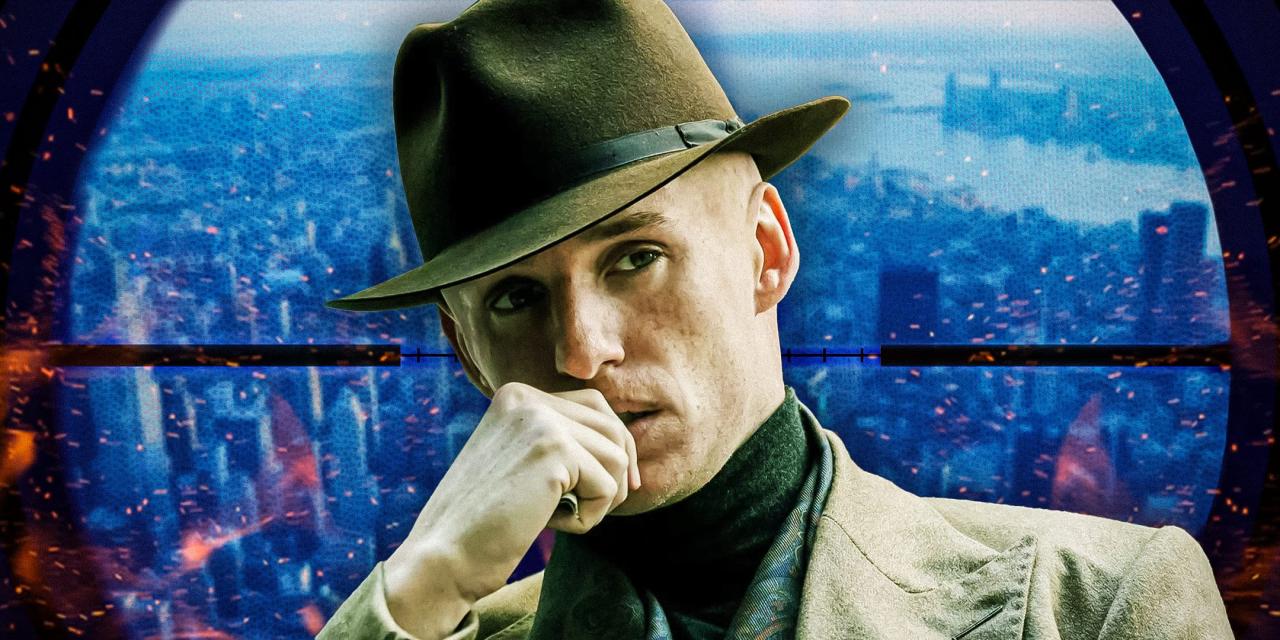
The 1970s, a decade of tumultuous global change, casts a long shadow over the film “The Day of the Jackal.” Political assassinations, terrorism, and escalating tensions between superpowers shaped the narrative and provided a backdrop of fear and uncertainty. This context profoundly influences the film’s portrayal of violence and the motivations behind political extremism.The film’s setting, the tumultuous 1970s, was a time marked by the Cold War’s shadow, regional conflicts, and rising political extremism.
The assassination attempts and acts of terrorism resonated with real-world events, creating a sense of unease and fear in the audience.
Political Climate of the 1970s
The 1970s witnessed heightened global tensions. The Cold War remained a constant threat, with proxy wars and ideological clashes occurring in various parts of the world. National liberation movements and political unrest added further instability. This climate of fear and uncertainty fueled the rise of terrorism as a political tool. The decade was characterized by significant social and political changes, including the rise of nationalist movements and the growing influence of international terrorist organizations.
Societal and Political Issues Reflected in the Film
The film portrays a world grappling with political instability, highlighting the vulnerability of leaders and the destructive power of terrorism. It subtly touches upon issues of national identity, the role of media in shaping public opinion, and the complexities of international relations. The film also depicts the psychological toll on those caught in the crosshairs of political violence.
Comparison of Film’s Depiction with Real-World Events
While “The Day of the Jackal” is a fictionalized account, it draws heavily from the real-world events of the 1970s. The film’s depiction of political violence and the meticulous planning behind the assassination attempts echoes the tactics employed by real-world terrorist organizations. However, the film’s narrative should not be taken as a literal representation of any specific event.
Table: Key Events of the 1970s
| Event | Date | Location | Significance |
|---|---|---|---|
| Assassination of Egyptian President Anwar Sadat | October 6, 1981 | Cairo, Egypt | Marked a significant turning point in the political landscape of the Middle East and highlighted the vulnerability of political leaders. |
| Munich Olympics Terrorist Attack | September 5, 1972 | Munich, West Germany | A pivotal moment in modern terrorism, the attack shocked the world and demonstrated the capacity of terrorist groups to inflict violence on a global stage. |
| Chilean Coup d’état | September 11, 1973 | Santiago, Chile | Demonstrated the potential for political violence to topple democratically elected governments, highlighting the struggle for power and the impact on civilian populations. |
| Mayaguez Incident | May 15, 1975 | South China Sea | Showcased the growing tensions between global superpowers and the increasing use of force to achieve political objectives. |
Themes and Symbolism in the Film
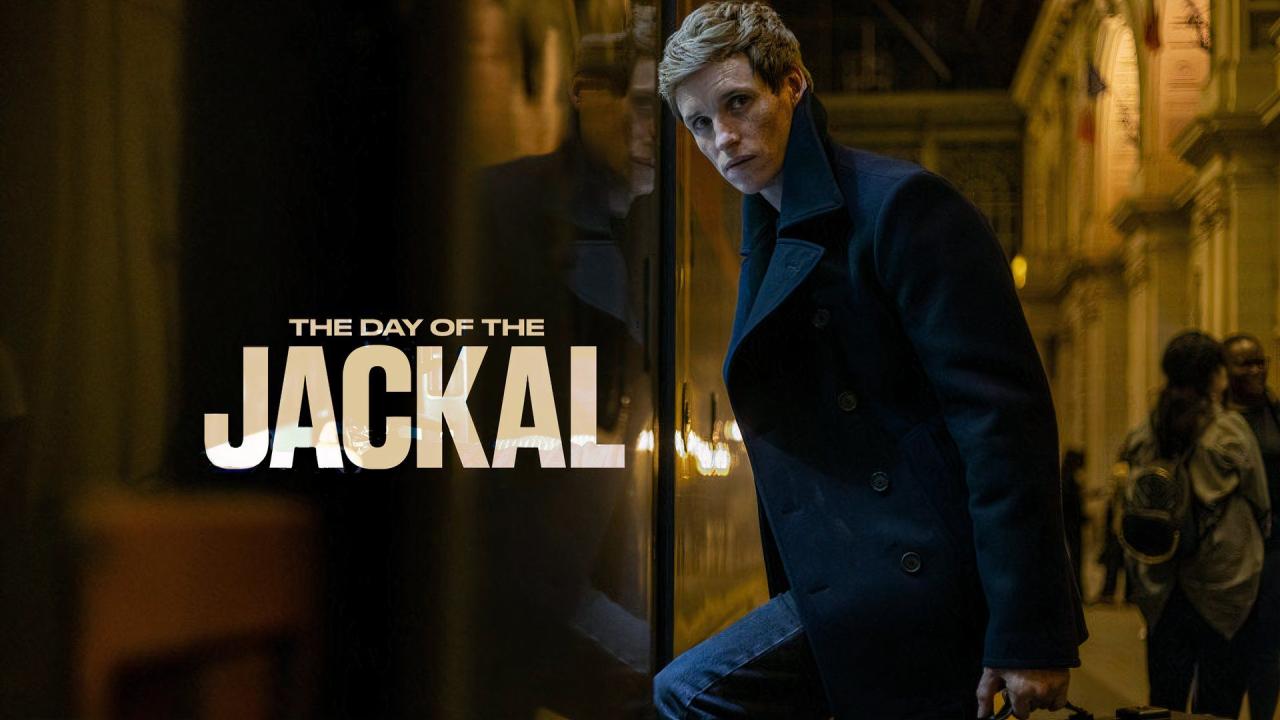
The Day of the Jackal, while a thriller, delves into profound themes about power, politics, and the human condition. The film doesn’t shy away from exploring the complexities of these themes through carefully chosen symbolism, creating a powerful and enduring impact on the viewer. It transcends a simple narrative of assassination to reveal a deeper understanding of the motivations and consequences of such actions.The film masterfully employs symbolism to portray the intricate web of political intrigue and personal motivations driving the events.
The characters themselves become symbols of specific ideologies and human traits. Images and objects, carefully placed throughout the narrative, amplify the film’s themes and contribute to its overall atmosphere. The use of symbolism is not just decorative; it’s an integral part of the film’s message, allowing viewers to delve deeper into the story’s implications.
Major Themes
The film explores the dangers of unchecked power and the corrupting influence of political ambition. The desire for power often leads to ruthless actions, with consequences that extend far beyond the immediate targets. This theme is exemplified through the actions of those seeking to manipulate events and individuals for their own gain. The film also examines the nature of human resilience and the capacity for both extreme violence and profound acts of bravery.
It explores the complexities of morality in a world fraught with political tension.
Symbolic Imagery
The film employs a variety of visual symbols to evoke specific emotions and reinforce the themes. The vast, empty landscapes, particularly the Parisian streets and countryside, represent the vastness and indifference of the world to individual struggles. The intricate plots and schemes of the assassination attempt are mirrored in the elaborate network of informants and contacts. The stark contrast between the opulent settings of the wealthy and the mundane lives of the common people highlights the inequalities inherent in power dynamics.
The imagery reinforces the film’s message about the destructive nature of power struggles.
Symbolic Characters
The characters in the film serve as symbols for various aspects of human nature. The assassin himself, a shadowy figure, represents the dangers of unchecked ambition and the potential for violence. The French officials represent the complexities of political maneuvering and the weight of responsibilities in a time of crisis. The individuals caught in the crossfire, from the common citizens to the political elite, embody the fragility of human lives amidst the larger power struggle.
Their diverse backgrounds and experiences create a layered understanding of the human condition.
Symbolic Objects
Objects within the film also carry symbolic weight. The assassination attempt itself becomes a symbol of the consequences of political tension and the vulnerability of leadership. The tools and resources used in the plan symbolize the lengths to which some will go to achieve their goals. The transportation, locations, and equipment are symbolic of the movement and tactics used in the assassination plot, revealing the intricate nature of the planning and execution.
Table of Symbols
| Symbol | Description | Significance | Examples in the film |
|---|---|---|---|
| Parisian Streets | Vast, empty landscapes | Indifference of the world to individual struggles | Long shots of deserted streets, emphasizing the scale of the plot |
| Assassin | Shadowy figure | Unchecked ambition and potential for violence | The assassin’s anonymity and clandestine operations |
| Political Officials | Complex political maneuvering | Weight of responsibilities in a time of crisis | Negotiations, meetings, and interactions between officials |
| Assassination attempt | Symbol of consequences of political tension | Vulnerability of leadership | The meticulous planning and execution of the assassination attempt |
Ultimate Conclusion
Ultimately, “Eddie Redmayne’s The Day of the Jackal” offers a compelling blend of historical context, meticulous character portrayal, and cinematic storytelling. Redmayne’s performance, while not without its shortcomings, effectively captures the inner turmoil and motivations of the protagonist. The film’s exploration of political violence and the human cost of such actions remains relevant today. The analysis reveals the intricate layers of this film, showcasing how it transcends its source material to create a compelling cinematic experience.