
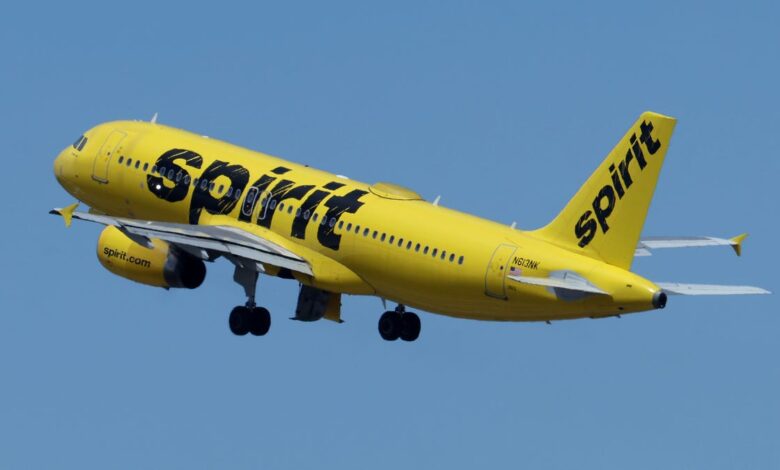
With goodbye to spirit airlines ode, we embark on a poetic journey reflecting on the rise and fall of a unique airline. This piece delves into the potential themes, emotions, and poetic structures that could be employed in an ode commemorating Spirit Airlines’s final flight. From the airline’s history and business model to the metaphorical “spirit” of the company, we explore the possible imagery, voices, and emotional depth of this imagined farewell.
The ode will examine the various perspectives on Spirit Airlines, from customers’ experiences to employees’ feelings and the industry’s broader view. It will analyze potential poetic devices, verse structures, and forms that could be employed to capture the essence of this airline’s legacy.
Overview of Spirit Airlines
Spirit Airlines, a low-cost carrier, has carved a distinctive niche in the airline industry. Its aggressive pricing strategy and focus on efficiency have made it a popular choice for budget-conscious travelers. However, this model also comes with its own set of trade-offs, impacting the overall passenger experience and the airline industry as a whole.Spirit’s unique business model, characterized by a laser focus on minimizing costs, has had a profound impact on the industry.
By stripping away extras like complimentary meals and checked baggage fees, they’ve created a remarkably affordable option for air travel. This has led to increased competition and a broader range of choices for travelers, forcing other airlines to consider more cost-effective practices. It has also fueled a debate about the overall passenger experience and the value proposition of such low-cost options.
History of Spirit Airlines
Spirit Airlines was founded in 1999, emerging from the ashes of a bankrupt airline. It initially operated under the banner of a smaller, regional carrier. The company’s rapid growth is largely attributed to its strategic decisions to focus on specific routes and underserved markets. Its early focus on efficiency and cost-cutting strategies proved successful in attracting a dedicated customer base.
| Date | Event | Key Figures |
|---|---|---|
| 1999 | Spirit Airlines is founded. | Early management team establishes initial operations and focus. |
| 2000s | Rapid growth through expansion and strategic route planning. | Continued cost-cutting measures and operational efficiency improvements. |
| 2010s | Significant expansion of fleet and network. | Development of a loyal customer base and significant market share gains. |
| Present | Continues to operate as a low-cost carrier, facing competition from other low-cost and traditional carriers. | Navigating industry challenges, including changing consumer preferences and fuel price fluctuations. |
Spirit’s Business Model
Spirit’s business model is built on a core principle of operational efficiency. This translates into a distinctive set of characteristics, including the following:
- Aggressive pricing strategy: Spirit offers very low fares, often with restrictions on amenities like checked baggage and in-flight meals. This attracts budget-conscious travelers who are willing to forgo these extras.
- Focus on ancillary revenue: The airline generates significant revenue from ancillary services like seat selection, baggage fees, and other add-ons. This strategy is a critical element in the company’s overall profitability.
- Extensive use of online booking and sales channels: Spirit’s website and online booking system are essential tools for maximizing efficiency and minimizing costs associated with traditional sales channels. This enables the company to offer its fares directly to customers, bypassing travel agents or intermediaries.
- Tight control over operational costs: From purchasing fuel and maintaining aircraft to managing labor costs, Spirit has streamlined operations to keep costs low. This often leads to a less luxurious passenger experience.
Current Market Position and Performance
Spirit Airlines currently holds a significant market share within the low-cost carrier segment. The airline’s performance is largely driven by the demand for affordable air travel and its ability to attract customers with competitive pricing. Its performance also depends on external factors, including economic conditions and fuel costs.
Key Values and Brand Identity
Spirit Airlines is known for its straightforward, no-frills approach to air travel. The company’s brand identity is primarily built around affordability and practicality, attracting customers who prioritize getting from point A to point B efficiently and at a low cost. Its brand image is often seen as unpretentious, focusing on the essentials of travel.
Analysis of “Goodbye to Spirit Airlines” Ode
A “Goodbye to Spirit Airlines” ode, if written with poetic license and insight, could be a powerful expression of complex feelings about the airline. It could capture the emotions of customers, employees, or even those observing the industry. The piece would likely explore the unique aspects of Spirit, from its low-cost model to its sometimes controversial practices.The ode could be a nuanced reflection on the airline’s impact, ranging from heartfelt nostalgia to biting satire, depending on the perspective and the poet’s intent.
The poetic devices used would play a crucial role in conveying these sentiments and creating a vivid picture for the reader.
Potential Themes and Emotions
The ode could explore a variety of themes and emotions, reflecting the multifaceted nature of Spirit Airlines. These could include the often-discussed themes of affordability versus convenience, customer experience versus cost-cutting, and the airline’s position within the larger aviation industry. The author might also explore themes of frustration, disillusionment, or even a sense of bittersweet nostalgia. A key emotion likely to be present is a sense of mixed feelings towards the airline’s unique approach.
Poetic Devices
The use of poetic devices would be vital in conveying the complex emotions and themes of the ode. Metaphors could be used to represent the airline’s policies or practices. For example, the baggage fees could be likened to “harpies snatching at your belongings” or the cramped seating to “a sardine can.” Similes could compare the customer experience to something relatable, such as the thrill of a fast-food meal, or the frustration of a long, bumpy ride.
Imagery could evoke vivid memories of specific experiences, like the color of the planes or the sound of announcements. These elements would help the ode stand out and resonate with the reader.
Perspectives in the Ode
The ode could take on several perspectives, each with its own unique emotional and thematic focus. A customer’s perspective might lament the lack of amenities while praising the low price. An employee’s perspective might depict the challenges of working for a low-cost carrier, perhaps contrasting the joy of teamwork with the stress of tight deadlines and low pay.
An industry observer might view Spirit Airlines as a disruptive force, analyzing its impact on the overall aviation market. The author could explore these differing viewpoints to create a more complete picture of the airline.
Tone and Style
The tone of the ode could vary significantly depending on the author’s intentions. It could be sentimental, expressing a longing for a certain era or a certain kind of experience. It could be satirical, using humor to highlight the absurdity of some practices. Alternatively, the tone could be reflective, examining the airline’s history and its impact on the lives of many.
Comparison of Themes and Tones
| Theme | Sentimental Tone | Satirical Tone | Reflective Tone |
|---|---|---|---|
| Affordability | Appreciation for budget-friendly travel | Exaggeration of the bargain, highlighting its limitations | Examination of affordability’s impact on customer service |
| Customer Experience | Nostalgia for simpler, cheaper travel | Humorously portraying the challenges of flying Spirit | Analysis of how Spirit has reshaped the customer experience |
| Industry Impact | Celebrating the airline’s role in opening up travel | Sarcastic commentary on Spirit’s impact on the industry | Exploring Spirit’s influence on the aviation landscape |
Potential Poetic Structures
Crafting an ode to Spirit Airlines requires careful consideration of poetic form and structure to convey the nuances of the experience. The choice of structure can significantly impact the overall tone and message of the poem, influencing how the reader perceives the airline and its impact. This exploration will delve into various poetic structures, examining their suitability for an ode about Spirit Airlines.
Verse Structures for the Ode
The structure of a poem directly impacts its rhythm and flow. A well-chosen verse structure enhances the poem’s ability to communicate specific emotions and ideas associated with Spirit Airlines. Different verse structures can highlight various aspects of the airline experience, from the often-uncomfortable seating arrangements to the sometimes-surprising deals.
So long, Spirit Airlines ode! It’s time to move on to new things. I’ve been reminiscing about all the flights, and now I’m ready to focus on something completely different: styling my hair. Thinking about a fresh new look? Check out this fantastic guide to curtain bangs guide to curtain bangs for some seriously chic inspiration.
While I’m saying goodbye to Spirit, I’m also excited to embrace a new chapter, and a new hairdo!
- Traditional Couplets: A traditional couplet structure, with two rhyming lines, can create a sense of concise and focused expression. This structure might work well for capturing the stark contrast between the low prices and the sometimes-unpleasant realities of flying Spirit. For example:
Low fares, a tempting sight,
But cramped seats and queues, a dreadful flight. - Tercets (Triplets): Using tercets, or three-line stanzas, allows for more depth in the exploration of themes. This structure could be used to contrast the thrill of finding a bargain flight with the frustrations of the Spirit experience. Example:
A deal so sweet, a bargain found,
But baggage fees, a constant pound.
The journey starts, the budget bound. - Quatrains: A quatrain, or four-line stanza, offers more room for complexity and development. It could be used to describe the overall experience, from the anticipation of the flight to the eventual arrival. Example:
With fingers crossed, the ticket clutched,
A journey starts, the heart is hushed.
But then the baggage fees appeared,
And the budget’s worth, is soon cleared.
Rhyming Schemes and Poetic Forms
Different rhyming schemes and poetic forms can influence the tone and rhythm of the ode. The selection of the scheme and form should be aligned with the specific emotions and experiences being conveyed.
- Rhyming Schemes: Common rhyming schemes, such as ABAB, CDCD, or ABCB, can create a sense of regularity and structure. These schemes can be used to build tension, or create a sense of anticipation and excitement, or contrast the anticipation of a cheap flight with the final reality of the experience.
- Poetic Forms: Consider using different poetic forms, like a sonnet, a villanelle, or a haiku. A sonnet could explore the complexities of the Spirit Airlines experience in a structured and concise manner. A haiku could offer a more concise, immediate impression of the journey. A free verse approach, however, allows for a more organic and spontaneous exploration of the emotions and experiences related to Spirit Airlines.
Examples of Poetic Devices
Poetic devices such as alliteration, assonance, and consonance can add depth and richness to the language.
- Alliteration: Using alliteration, where words start with the same consonant sound, can create a memorable effect. For example, ” A cramped cabin, a chaotic flight” uses alliteration to highlight the unwelcoming experience.
- Assonance: Assonance, where vowel sounds are repeated, can create a musical effect and a sense of mood. For example, ” A budget flight, a final flight” utilizes assonance to emphasize the economical aspect of the flight.
- Consonance: Consonance, where consonant sounds are repeated, can emphasize certain words and create a sense of rhythm. For example, ” The baggage fees, a heavy price” uses consonance to highlight the financial burden of flying with Spirit.
Verse Structure Examples
| Verse Structure | Characteristics | Example |
|---|---|---|
| Couplet | Two rhyming lines | Low fares, a tempting sight, But cramped seats and queues, a dreadful flight. |
| Tercet | Three-line stanza | A deal so sweet, a bargain found, But baggage fees, a constant pound. The journey starts, the budget bound. |
| Quatrain | Four-line stanza | With fingers crossed, the ticket clutched, A journey starts, the heart is hushed. But then the baggage fees appeared, And the budget’s worth, is soon cleared. |
Exploring the “Spirit” Concept
The word “spirit,” in its metaphorical sense, evokes a range of meanings, from the intangible essence of a person to the driving force behind a concept or organization. In the context of an airline, “spirit” takes on a particular significance, hinting at the company’s character, its approach to service, and the overall feeling it imparts to passengers. This analysis will delve into the metaphorical use of “spirit” within the ode, exploring its potential interpretations and symbolic weight.The concept of “spirit” in the context of an airline carries a multifaceted meaning.
Saying goodbye to Spirit Airlines’ ode to budget travel feels bittersweet. While I’m ready for a change, I’m also excited to see what new creative avenues emerge. Thankfully, the creative world keeps innovating, and the createcop art partner announces this year winners is a testament to that. It’s inspiring to see how artists continue to push boundaries, just as Spirit Airlines did in their own way, albeit with a different style of flight.
Hopefully, this new era of creativity brings about new experiences for everyone, mirroring the spirit of exploration that inspired Spirit’s earlier endeavors.
It represents the core values, the driving force, and the essence of the company’s operations. This could manifest as the company’s aggressive approach to low-cost travel, its unique brand identity, or the overall atmosphere it creates for passengers. For example, a company known for its vibrant, youthful energy might be described as having a “spirited” approach. Conversely, a company that prioritizes efficiency and practicality might be described as having a “spirited” focus on cost-effectiveness.
Metaphorical Interpretations of “Spirit”, Goodbye to spirit airlines ode
The word “spirit” can be used metaphorically in several ways within the ode. It could represent the company’s core values, the driving force behind its operations, the overall feeling it evokes in passengers, or the attitude of the employees. The “spirit” of the airline might be perceived as rebellious, innovative, or even adventurous, depending on the particular tone of the ode.
For instance, the “spirit” could be portrayed as the company’s willingness to challenge conventions in the industry or its ability to quickly adapt to market changes. It could also embody a playful or carefree attitude, highlighting the company’s focus on affordability and accessibility.
Symbolic Meaning in the Context of Spirit Airlines
The “spirit” of Spirit Airlines is likely to be interpreted in the context of its business model, characterized by low fares and no-frills service. This focus on affordability and efficiency might be highlighted as a core aspect of the “spirit.” The “spirit” could also be seen as a reflection of the company’s determination to carve out a niche in the airline industry, despite its unconventional approach.
Conversely, the “spirit” might be perceived as the essence of a more budget-conscious travel experience, which resonates with a specific segment of travelers.
Descriptive Paragraph Portraying Spirit Airlines’ Essence
Spirit Airlines’ “spirit” embodies a calculated, no-frills approach to air travel. Its focus on affordability and a relentless pursuit of cost-effectiveness defines its essence. This “spirit” translates to a unique experience for travelers, one characterized by direct flights, basic amenities, and a clear commitment to value. While not offering the luxury of other carriers, this “spirit” appeals to a segment of the market seeking economical and efficient travel options.
This “spirit” is likely to be perceived differently by different groups, ranging from budget-conscious travelers to those seeking more comprehensive services.
Imagining the Ode’s Imagery
Crafting a compelling ode to Spirit Airlines requires vivid imagery that captures the essence of the experience, both the thrill and the frustration. The imagery should evoke a strong emotional response in the reader, mirroring the rollercoaster of emotions associated with the airline. This will involve a multi-faceted approach, exploring the sensory details of the journey, contrasting the highs and lows, and ultimately encapsulating the bittersweet ending of an era.The imagery should be tailored to the specific tone and message of the ode.
If the ode is celebratory of the airline’s unique approach, the imagery might highlight the boldness and affordability of the experience. Conversely, if the ode is reflective of its struggles, the imagery should capture the chaos and compromises inherent in the airline’s operations. The imagery should reflect the changing landscape of the airline industry.
Sensory Details for the Spirit Experience
Sensory details are crucial in evoking specific feelings. Imagine the cacophony of announcements, the screech of the overhead compartments, the almost-too-loud music playing on the flight. The metallic tang of the overpriced snacks, the feeling of cramped seats, and the slightly stale air conditioning can be potent elements to create a concrete image for the reader. The smell of stale coffee and the almost-unbearable silence before take-off or landing are also vivid elements to capture the reality of the Spirit Airlines experience.
Visual Representations of the Spirit Experience
Visual imagery can powerfully convey the Spirit Airlines experience. Consider a crowded, slightly chaotic boarding gate as the opening scene. The fast-paced rush of passengers attempting to get through security and check-in can visually represent the airline’s approach. A metaphor of a brightly colored, but somewhat flimsy, paper airplane could represent the airline’s adventurous spirit, yet also its potential fragility.
The cramped, almost claustrophobic, cabin, could visually represent the limitations and constraints of the experience.
Metaphors for Capturing the Essence of the Ode
Metaphors can transform the ode from a simple description to a powerful visual representation. A metaphor of a “budget-friendly bird” taking off from a “concrete jungle” airport could capture the essence of affordability and the hustle and bustle of the airline’s operations. Another metaphor of a “flying rollercoaster” could evoke the unpredictable and often turbulent nature of the Spirit experience, including the unexpected costs.
Images Representing the Ending of an Era
Capturing the ending of an era requires a thoughtful approach. The imagery should not only reflect the airline’s final days but also the larger shift in the industry. A final, fading image of a Spirit Airlines plane, silhouetted against a sunset, could evoke a sense of melancholy and nostalgia. A metaphor of a “chapter closing” or “a curtain falling” can symbolize the conclusion of an era.
A montage of images, showing the transition from bustling terminals to quieter, emptier spaces, could visually represent the decline. The stark contrast between the past and present could also serve as a potent visual tool.
Addressing Departure and Farewell
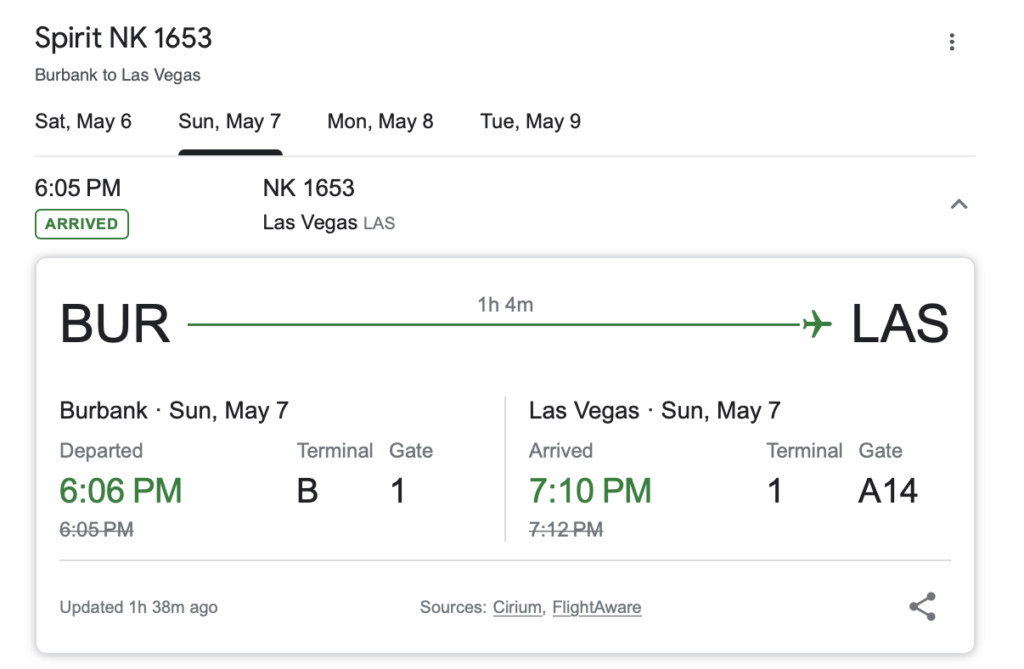
The final chapter of Spirit Airlines’ story demands a nuanced and heartfelt poetic response. A goodbye ode isn’t merely a recitation of facts; it’s an emotional exploration of the airline’s legacy, the feelings it evoked in travelers, and the impact of its impending departure. This section will delve into crafting poetic expressions of nostalgia, regret, or celebration surrounding this closure, and demonstrate how to effectively weave a sense of closure within the poetic structure.
Expressing Nostalgia and Bittersweet Feelings
Nostalgia, a potent emotion, can be evoked through vivid imagery of past experiences. The ode might recall specific flights, the quirky cabin atmosphere, or the unique interactions with Spirit’s staff. A bittersweet tone arises when juxtaposing fond memories with the undeniable reality of the airline’s demise. This emotional duality can be captured through contrasting images and evocative language.
Saying goodbye to Spirit Airlines’ ode to budget travel feels a bit like saying goodbye to a childhood friend. It’s a chapter closed, and now I’m focusing on the next adventure. That’s a lot like choosing a family name, a decision that affects everyone in the family, including the decision of sharing a last name with your husband and children.
Ultimately, it all boils down to embracing change and looking forward to what’s next. Goodbye, Spirit, hello, new horizons!
Different Approaches to Expressing Regret or Celebration
Regret, if present, can be subtly woven into the ode through a recognition of missed opportunities or potential for improvement. Perhaps the ode acknowledges a certain harshness or a lack of consideration for customer comfort. Conversely, celebration can be expressed through a recognition of Spirit’s role in democratizing air travel, its impact on the industry, or a sense of liberation from a certain model of air travel.
Creating a Sense of Closure in Poetic Form
Closure in poetry often manifests through a sense of acceptance or resolution. This might be achieved through symbolic imagery, such as the final flight fading into the horizon, or a metaphorical “closing of the chapter.” The use of evocative language and carefully chosen imagery can lead the reader to a place of understanding and acceptance regarding the airline’s end.
Types of Farewells
| Type of Farewell | Description | Example Poetic Technique |
|---|---|---|
| Nostalgic Farewell | Focusing on positive memories, bittersweet reflections. | Evoking imagery of specific flights, mentioning popular routes, using sensory details. |
| Regretful Farewell | Acknowledging shortcomings or missed opportunities. | Using metaphors of missed connections, or a missed opportunity for better service. |
| Celebratory Farewell | Highlighting a unique impact or a new beginning. | Celebrating the democratization of air travel, highlighting the company’s unconventional approach, or the freedom from certain restrictions. |
| Acceptance Farewell | Reaching a sense of understanding and resolution. | Using symbolic imagery of a final flight, ending with a sense of closure, a quiet acceptance of change. |
Possible Poetic Voices: Goodbye To Spirit Airlines Ode
Crafting a compelling ode requires a strong voice, one that resonates with the subject matter and conveys the intended emotions. The perspective from which the poem is delivered significantly impacts the reader’s experience and understanding of the subject. A carefully chosen persona can amplify the message and add layers of depth to the poetic exploration.
Potential Personas
Choosing a persona for the “Goodbye to Spirit Airlines” ode allows for a diverse range of perspectives. A persona embodies the spirit of the poem, offering a specific viewpoint on the airline’s departure. This section Artikels various possible personas and their potential contributions to the poem’s tone and style.
- A disillusioned traveler: This persona would focus on the negative aspects of Spirit’s practices, highlighting the frustrations and inconveniences encountered by passengers. The tone would be critical and perhaps even sarcastic, conveying a sense of disappointment and loss. The emotional range would span from anger and resentment to a quiet sadness at the loss of an option.
- A nostalgic frequent flyer: This persona would evoke a sense of longing and reminiscence, remembering past trips and experiences with Spirit. The tone would be reflective, perhaps wistful, and contain a mix of fondness and regret. Emotional tones would be a mix of bittersweet nostalgia and quiet melancholy.
- A concerned environmental activist: This persona would emphasize Spirit’s environmental impact, contrasting it with sustainable alternatives. The tone would be urgent and informative, aiming to educate and inspire change. Emotional tones would be a mix of concern, frustration, and hope for a better future.
- A cynical observer: This persona would offer a detached, almost humorous, view of the airline’s rise and fall. The tone would be ironic and observant, with a touch of amusement and cynicism. Emotional tones would range from amusement to a quiet sense of resignation.
- A hopeful young traveler: This persona would emphasize the potential of affordable travel, but acknowledge the need for change. The tone would be optimistic but critical, emphasizing the need for ethical and sustainable practices in the industry. Emotional tones would be a mix of hope, optimism, and cautious anticipation for the future of travel.
Emotional Range and Stylistic Traits
The choice of persona significantly affects the poem’s overall tone and the emotional impact it has on the reader. This table summarizes the potential personas, their emotional range, and stylistic characteristics.
| Persona | Emotional Range | Stylistic Traits |
|---|---|---|
| Disillusioned Traveler | Anger, resentment, sadness, disappointment | Critical, sarcastic, detailed, factual |
| Nostalgic Frequent Flyer | Longing, reminiscence, wistfulness, regret | Reflective, sentimental, evocative, descriptive |
| Concerned Environmental Activist | Concern, frustration, hope, urgency | Informative, persuasive, analytical, passionate |
| Cynical Observer | Amusement, cynicism, detachment, resignation | Ironic, observant, humorous, detached |
| Hopeful Young Traveler | Hope, optimism, cautious anticipation, critical thinking | Enthusiastic, hopeful, insightful, forward-looking |
Illustrative Imagery Examples
Capturing the essence of a Spirit Airlines experience in an ode requires vivid imagery that evokes the unique atmosphere of these flights. This section explores specific scenes, moods, and sensory details that can be employed to create a powerful and evocative portrayal of the journey.
A Scene on Board
Imagine a packed Spirit Airlines flight, jostling passengers crammed into narrow seats. The air is thick with the smell of stale coffee, cheap snacks, and the faint, metallic tang of recycled air. Overhead, the flickering fluorescent lights cast harsh shadows across the faces of passengers, their expressions ranging from resigned weariness to simmering frustration.
The scene is a microcosm of the airline’s experience: a cacophony of muted conversations, the rhythmic thump of a malfunctioning overhead compartment, the occasional irritated sigh. The overall impression is one of restrained anxiety and calculated economy, a stark contrast to the idealized notion of air travel.
Sensory Details
The ode can employ rich sensory details to fully immerse the reader in the scene. Focus on the sounds – the grating noise of the cabin’s pressurization, the muffled shouts from the gate agents, the rhythmic clatter of trays being stacked – to evoke a sense of relentless, controlled chaos. Include the smells – the chemical scent of the cabin cleaner, the sharp tang of cheap snacks, the subtle, yet pervasive, aroma of fear and anticipation.
- The visual impact of the scene can be heightened by using contrasting colors. The fluorescent lights, harsh and white, could be contrasted with the muted tones of the passengers’ clothes and the worn-out fabric of the seats.
- The mood of the scene should be palpable. The tension, frustration, and resignation of the passengers should permeate the imagery.
- The harshness of the scene, combined with the cramped quarters, will contribute to a sense of claustrophobia and unease.
A Visual Image
Picture a narrow aisle, lined with rows of tightly packed seats. Overhead, a flickering fluorescent light casts a stark, unyielding glow on a passenger’s face. The passenger is hunched over, staring at a tiny, flickering screen, their expression etched with a mix of fatigue and quiet desperation. A half-eaten bag of pretzels sits forlornly on the seat next to them, a small monument to the fleeting moments of normalcy within the sterile confines of the aircraft.
The overall impression is one of controlled chaos, of a meticulously designed space for maximum efficiency and minimum comfort.
Light, Shadow, and Color
The use of light, shadow, and color can significantly enhance the visual impact of the ode. Harsh, fluorescent lights, starkly illuminating the cramped interior, could be juxtaposed with the deep shadows lurking in the corners of the cabin. The muted tones of the passengers’ clothing and the worn-out fabric of the seats can be used to create a sense of the airline’s economy-focused approach.
The colors should be muted, emphasizing the feeling of restraint and constraint, creating a sense of foreboding and discomfort. This juxtaposition of light and shadow, combined with the use of muted color palettes, could serve to convey the oppressive atmosphere of the Spirit Airlines experience.
Wrap-Up
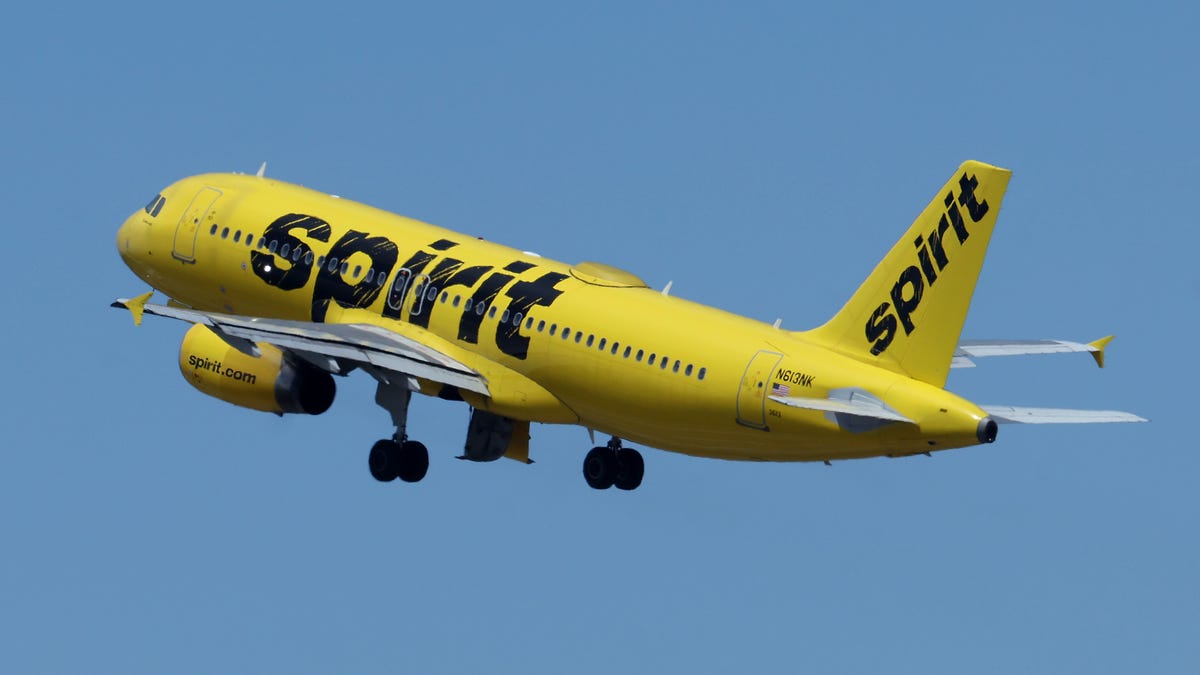
Ultimately, this exploration of a “Goodbye to Spirit Airlines Ode” invites reflection on the power of poetry to capture complex emotions and experiences. By examining the airline’s journey, the piece highlights the beauty of farewells, the richness of diverse perspectives, and the ability of poetry to immortalize a significant chapter in aviation history. We’ve considered various aspects, from historical context to potential poetic voices and imagery.
The ode could be a poignant tribute to a memorable airline.