

How real is the diplomat? This exploration delves into the multifaceted world of diplomacy, examining its realities beyond the polished images often presented. We’ll uncover the intricate balance between official protocols and the human element, revealing the often-hidden nuances that shape international relations.
From the historical context of diplomatic negotiations to the impact of modern technology, this in-depth look will reveal the truth behind the title ‘How real is the diplomat?’. We’ll analyze the public perception of diplomats, their roles in crisis management, and the influence of national interests on their actions.
Diplomatic Representation and Reality
Diplomacy, at its core, is the art and practice of conducting negotiations between nations. It involves a complex interplay of communication, compromise, and strategic maneuvering to achieve shared goals and resolve conflicts. Diplomats are the key figures in this intricate dance, representing their country’s interests and fostering positive relationships across the globe. Their actions significantly impact international relations and shape the trajectory of global events.Understanding the various facets of diplomatic representation—from the types of missions to the nuances of communication—is crucial to comprehending its true nature.
Figuring out how real the diplomat is can be tricky, right? It’s like trying to decipher a complex code. But maybe a little less intense than trying to master Selena Gomez’s date night makeup look, which, honestly, is pretty impressive. Selena Gomez’s date night makeup trick definitely takes some skill. Ultimately, though, the diplomat’s true nature, like the best makeup, is in the details.
So, maybe we’re all just overthinking the whole thing.
Diplomatic representation is more than just a formal exchange of pleasantries; it’s a dynamic process driven by the need to navigate the often-turbulent waters of international affairs.
Defining the Diplomat and Their Role, How real is the diplomat
A diplomat is a professional representative of a country’s government in another nation. Their primary role is to safeguard their country’s interests while promoting mutual understanding and cooperation. They act as intermediaries, fostering dialogue and resolving disputes. They also gather intelligence, assess situations, and report back to their home government. Diplomacy is often about managing expectations and finding common ground.
Types of Diplomatic Missions
Diplomatic missions vary in their form and function. Embassies are the primary representation, housing a wide array of personnel and resources. Consulates, on the other hand, focus on specific consular services, like issuing passports or dealing with citizen affairs in a particular region. Permanent missions to international organizations, such as the United Nations, represent a country’s interests within those bodies.
Each type of mission has its distinct responsibilities, contributing to the overall tapestry of international relations.
Official vs. Unofficial Diplomatic Activities
Official diplomatic activities are those conducted under the auspices of the government, through established channels and protocols. Unofficial activities, undertaken by individuals or organizations, can still play a significant role in shaping international relations. While they may not carry the same weight as official actions, they can be instrumental in building bridges and creating opportunities for dialogue. A key difference lies in the level of authority and the official recognition accorded to the actions.
The Importance of Protocol and Etiquette
Protocol and etiquette are integral to diplomatic interactions. They establish a framework for respectful conduct, ensuring that communication remains professional and that misunderstandings are minimized. Adherence to protocol demonstrates a country’s respect for the host nation and its customs, enhancing the overall effectiveness of diplomatic efforts. A breach of protocol can severely damage a relationship, highlighting the importance of cultural sensitivity and awareness.
Comparing Diplomatic Styles
| Diplomatic Style | Characteristics | Examples | Impact |
|---|---|---|---|
| Direct | Open communication, clear articulation of positions, straightforward negotiation. | Explicitly stating demands, offering solutions with specific terms, clear responses to proposals. | Can be efficient but can also be perceived as confrontational or insensitive. May lead to quick results but may also alienate the other party. |
| Indirect | Subtle communication, emphasis on building rapport, gradual approach to negotiation. | Using intermediaries, employing symbolism, offering suggestions rather than demands. | Can be more nuanced and less confrontational, fostering trust and potentially leading to more lasting agreements. May take longer to reach a resolution. |
Diplomatic styles vary significantly. Direct communication can be effective for urgent situations, while indirect approaches are often better for fostering long-term relationships and navigating complex issues. Choosing the appropriate style depends heavily on the specific context and the desired outcome. The table above highlights these distinctions.
The Public Perception of Diplomats: How Real Is The Diplomat
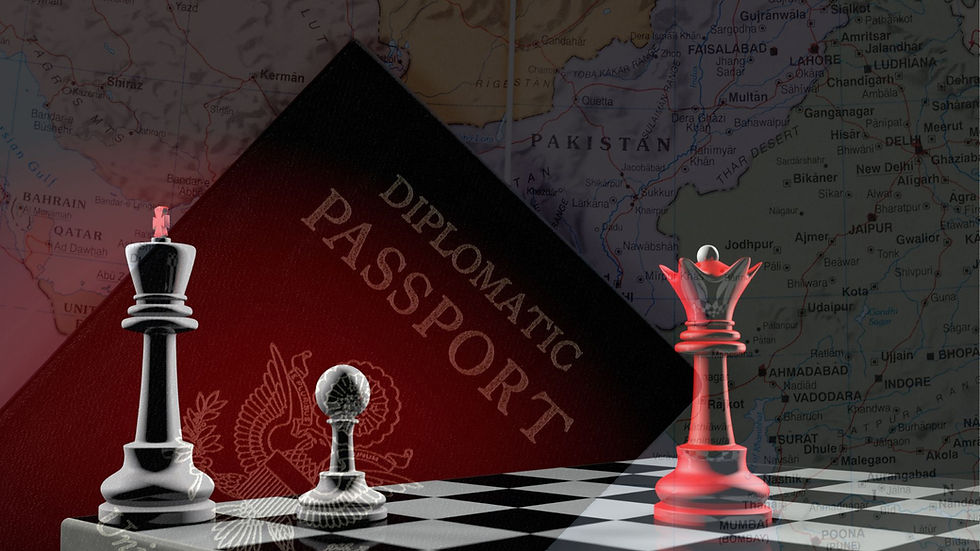
The image of a diplomat often conjures up images of high-stakes negotiations, eloquent speeches, and sophisticated social gatherings. However, the public perception of diplomats is frequently shaped by stereotypes and misconceptions, often influenced by media portrayals and personal experiences. This analysis delves into how public opinion about diplomats varies across different countries and how historical events have shaped these perceptions.Public perception of diplomats is often a complex mix of admiration, suspicion, and even disdain.
The role is often seen as an elite, almost glamorous one, with an expectation of polished diplomacy and smooth interactions. Yet, this idealized view can be at odds with the reality of diplomatic work, which often involves difficult compromises, long hours, and challenging situations. Furthermore, the role can be perceived as one of privilege, potentially leading to a lack of understanding or empathy for the challenges faced by ordinary citizens.
Common Stereotypes and Misconceptions
Diplomats are frequently portrayed as individuals possessing exceptional communication skills, political acumen, and a deep understanding of international affairs. However, these qualities are not always representative of the actual experiences of all diplomats. Some stereotypes might include an overemphasis on the social aspect of the role, potentially neglecting the hard work and often tedious aspects of diplomacy. Additionally, misconceptions exist regarding the level of influence diplomats actually hold.
The Role of Media in Shaping Public Opinion
Media coverage plays a significant role in shaping public perceptions of diplomats. News outlets, particularly those focused on international affairs, frequently highlight diplomatic efforts and outcomes, but they may also disproportionately focus on conflicts or crises, which can contribute to a negative or cynical public image. The selection and framing of stories can heavily influence public opinion about the effectiveness and impact of diplomatic actions.
This is particularly true in times of crisis, when the public is more likely to scrutinize the actions of diplomats.
Public Perception in Different Countries
Public perception of diplomats varies considerably between countries. In countries with strong nationalistic sentiments, diplomats may be viewed with suspicion, particularly when dealing with sensitive geopolitical issues. Conversely, in countries with a long history of international cooperation, diplomats might be viewed with more trust and respect. Furthermore, cultural differences and historical context can significantly influence how the public perceives diplomatic efforts.
Historical Examples of Diplomatic Successes and Failures
Historical events have significantly impacted public perception of diplomats. Successful diplomatic initiatives, such as the Treaty of Versailles or the Camp David Accords, often result in a more positive public image. Conversely, failures, such as the Munich Agreement or the Vietnam War, can create skepticism and mistrust. These events, often amplified by media coverage, can leave lasting impressions on public opinion, impacting future perceptions of diplomatic endeavors.
Public Interactions with Diplomats
| Interaction Method | Description | Frequency | Impact |
|---|---|---|---|
| Formal Events | Diplomats frequently attend formal events, such as embassy receptions, state dinners, and international conferences. These events provide opportunities for interaction with the public, business leaders, and government officials. | High | Positive, as these events create a sense of accessibility and promote goodwill. However, they can also be perceived as superficial or lacking substance if not managed well. |
| Social Media | Social media platforms are becoming increasingly important for diplomats to engage with the public and share information. They can use platforms to address public concerns, provide updates on diplomatic initiatives, and showcase their work. | Moderate to High | Significant, as it allows for direct engagement with a broad audience. However, the potential for miscommunication and misinterpretation is high. |
| Direct Engagement | Diplomats may engage directly with the public through town halls, public lectures, or community outreach programs. This can foster a stronger sense of connection and trust. | Low to Moderate | High, as it allows for a more personalized and intimate exchange. This method is often seen as more authentic and relatable. |
Diplomacy in Action
Diplomacy, often perceived as a subtle dance of negotiation and compromise, is ultimately a powerful tool for shaping international relations. This section delves into specific historical and contemporary cases, illustrating the complexities and nuances of diplomatic practice. From intricate negotiations to the fallout of unresolved conflicts, these examples highlight the crucial role diplomacy plays in navigating global challenges.
The Cuban Missile Crisis
The Cuban Missile Crisis of 1962 stands as a chilling reminder of the potential for nuclear conflict. The presence of Soviet missiles in Cuba, discovered by U.S. intelligence, brought the world to the brink of a catastrophic war. The crisis showcased the high-stakes nature of diplomacy, requiring careful communication and measured responses. President Kennedy’s measured response, combining a naval blockade with diplomatic pressure, ultimately led to the removal of the missiles.
The Iran Nuclear Deal
The Iran nuclear deal, a landmark agreement aimed at preventing Iran from developing nuclear weapons, exemplifies the intricacies of international negotiations. The deal, reached through years of painstaking negotiations, involved several key players, including the United States, Iran, and various European nations. The agreement ultimately faced challenges and controversy, highlighting the difficulty of achieving long-term stability in international affairs.
The eventual withdrawal of the US from the deal underscored the fragility of such agreements in the face of shifting political landscapes.
The Syrian Civil War
The Syrian civil war has been a source of ongoing diplomatic efforts. Multiple international actors have attempted to mediate the conflict, bringing together opposing parties and advocating for peaceful solutions. However, the sheer complexity of the situation, with deeply rooted conflicts and external interference, has made a lasting resolution elusive. The lack of consensus among major powers has hampered effective diplomatic intervention.
The failure to achieve a comprehensive resolution underscores the limitations of diplomacy when faced with entrenched hostility and external intervention.
Public Diplomacy in the Case of the 2010 Haiti Earthquake
The 2010 Haiti earthquake highlighted the vital role of public diplomacy in international relief efforts. The coordinated international response involved not just aid organizations, but also diplomatic efforts to garner support, coordinate resources, and ensure efficient distribution of aid. International public diplomacy initiatives played a crucial role in shaping public perception of the disaster and the international response, fostering cooperation and empathy.
The successful mobilization of aid and resources, in part facilitated by public diplomacy efforts, exemplifies the power of this approach in times of crisis.
Case Study: The Camp David Accords
| Player | Role | Action | Outcome |
|---|---|---|---|
| President Jimmy Carter (US) | Mediator | Facilitated negotiations between Israeli Prime Minister Menachem Begin and Egyptian President Anwar Sadat. | Led to the signing of the Camp David Accords, establishing a framework for peace between Israel and Egypt. |
| Israeli Prime Minister Menachem Begin | Negotiator | Engaged in negotiations with Egyptian President Sadat, aiming for peace. | Reached a landmark agreement that led to normalization of relations with Egypt. |
| Egyptian President Anwar Sadat | Negotiator | Participated in negotiations with Israeli Prime Minister Begin, seeking a resolution to the conflict. | Achieved a breakthrough in relations with Israel, resulting in a peace treaty. |
| United States | Host and Facilitator | Provided a neutral venue and facilitated discussions between the parties. | Played a crucial role in the successful outcome of the negotiations, earning the Nobel Peace Prize. |
The Role of Technology in Modern Diplomacy
Technology has irrevocably reshaped the landscape of international relations, profoundly impacting how diplomats communicate, collaborate, and navigate complex global challenges. This digital transformation has introduced new opportunities for cooperation and conflict resolution, while also presenting unique challenges and ethical dilemmas. The speed and reach of modern communication platforms allow for instantaneous global engagement, blurring geographical boundaries and facilitating dialogue across cultures.
So, how real is the diplomat? It’s a fascinating question, isn’t it? You know, sometimes it feels like a carefully constructed image, like a meticulously curated fashion statement. But then you think about the incredible vintage pieces on display at the Vogue Vintage Market – register to shop the vogue vintage market now! And maybe, just maybe, the diplomat’s persona is a bit more layered, a bit more complex than it seems at first glance.
Ultimately, how real they are remains a bit of a mystery, a hidden gem waiting to be unearthed.
Impact on Communication and Collaboration
Modern communication technologies have revolutionized how diplomats interact. Email, instant messaging, video conferencing, and social media platforms have become indispensable tools for facilitating communication between governments, international organizations, and individuals. This instantaneous communication fosters greater collaboration, enabling real-time updates on situations, facilitating faster responses to crises, and enabling more comprehensive understanding of different perspectives. The ability to share information and coordinate actions across vast distances has dramatically increased the efficiency of diplomatic processes.
The whole “how real is the diplomat” question feels a bit…overblown, doesn’t it? But then you see something like its demna at gucci fashions master maverick will helm italys largest luxury house , a major shift in the fashion world, and suddenly the seemingly abstract concept of diplomatic influence takes on a whole new layer of meaning. So, maybe the diplomat isn’t as unreal as we initially thought.
It’s all about perception, isn’t it?
Digital Tools in Diplomatic Negotiations
Digital tools are increasingly employed in diplomatic negotiations. Virtual platforms enable negotiators to engage in online meetings, reducing travel costs and increasing accessibility. Secure communication channels allow for confidential discussions and the exchange of sensitive information. Data analytics and AI tools can assist in analyzing vast amounts of information, identifying patterns, and predicting potential outcomes, enabling more informed decision-making during negotiations.
Crisis Management and Technology
Technology plays a critical role in managing diplomatic crises. Real-time information sharing through satellite imagery, social media monitoring, and communication networks enables diplomats to rapidly assess situations and coordinate responses. This rapid information flow is vital in preventing escalation and mitigating the impact of crises. Examples include the use of social media to disseminate information during natural disasters or political unrest.
Traditional Diplomacy vs. Digital Diplomacy
Traditional diplomacy, characterized by face-to-face interactions and formal protocols, still holds value. However, digital diplomacy has broadened the scope of diplomacy, making it more accessible and inclusive. Traditional diplomacy often relies on established channels and relationships, while digital diplomacy can leverage a broader range of actors and perspectives. The effectiveness of each approach depends on the specific context and objectives.
Challenges and Ethical Considerations
The increasing reliance on technology in diplomacy presents several challenges. Ensuring the security of digital communications and protecting sensitive information is paramount. The potential for misinformation and disinformation, amplified by the speed of online dissemination, poses a significant threat. Furthermore, the digital divide and unequal access to technology can exacerbate existing inequalities in international relations. The ethical implications of using AI and algorithms in diplomatic decision-making require careful consideration.
Table of Digital Tools in Modern Diplomacy
| Tool | Purpose | Strengths | Weaknesses |
|---|---|---|---|
| Video Conferencing Platforms (e.g., Zoom, Microsoft Teams) | Facilitating virtual meetings and collaborations | Cost-effective, time-saving, global accessibility | Potential for technical glitches, security concerns, accessibility issues |
| Secure Messaging Platforms (e.g., Signal, WhatsApp Business) | Confidential communication between diplomats | Enhanced security, real-time communication | Potential for interception, reliance on internet access |
| Social Media Monitoring Tools | Tracking public opinion and identifying emerging trends | Real-time insights, broad reach | Potential for misinformation, bias in data |
| Data Analytics and AI Tools | Supporting informed decision-making | Pattern recognition, predictive analysis | Cost, potential for bias in algorithms, ethical concerns |
| Satellite Imagery and Remote Sensing | Monitoring situations in real-time | Real-time visual data, remote access | Interpretation and analysis required, potential for misinterpretation |
Diplomacy and National Interests
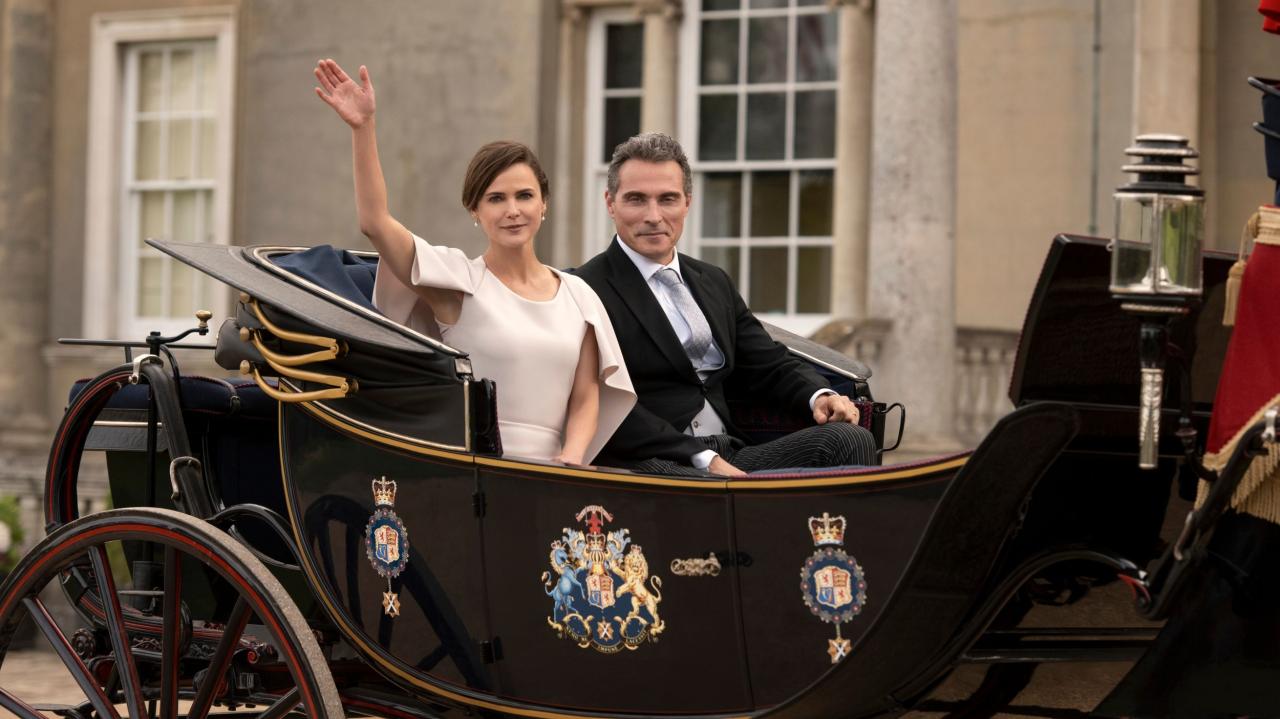
Diplomacy, at its core, is a reflection of national interests. These interests, complex and multifaceted, shape the strategies and actions of diplomats on the world stage. Understanding this interplay is crucial to comprehending the nuances of international relations. National interests are not static; they evolve with changing economic landscapes, geopolitical shifts, and societal values. This dynamic interaction often leads to tensions between national interests and the pursuit of international cooperation.
Influence of National Interests on Diplomatic Strategies
National interests significantly influence diplomatic strategies and decisions. A nation’s economic well-being, its security concerns, and its cultural values are all interwoven into its diplomatic approach. For example, a country heavily reliant on imported resources will prioritize trade agreements that secure access to those resources. Similarly, a nation facing a perceived security threat will likely focus its diplomatic efforts on alliances and partnerships that bolster its defense capabilities.
Diplomats act as instruments of these national interests, negotiating treaties, forging alliances, and advocating for policies that advance the country’s strategic goals.
Tension Between National Interests and International Cooperation
The pursuit of national interests can often create tension with the goals of international cooperation. While cooperation can lead to shared benefits and mutual progress, the pursuit of individual advantage can sometimes hinder collaborative efforts. This tension manifests in trade disputes, disagreements over international norms, and differing interpretations of shared security threats. Compromise and negotiation are often necessary to bridge these gaps, allowing for a degree of cooperation while still safeguarding national interests.
Economic Factors Impacting Diplomatic Relations
Economic factors play a significant role in shaping diplomatic relations. Trade agreements, investment opportunities, and resource access are all vital components of a nation’s economic interests. For instance, disputes over trade tariffs or investment restrictions can severely impact diplomatic ties between nations. Conversely, economic cooperation and mutual benefit can foster strong diplomatic relationships. The flow of capital, goods, and services often dictates the nature of diplomatic interactions.
Geopolitical Considerations in Diplomatic Interactions
Geopolitical considerations are fundamental to diplomatic interactions. A nation’s geographical location, its relationship with neighboring countries, and its position in the global power structure significantly influence its diplomatic strategies. For example, a country bordering a region experiencing conflict may prioritize diplomatic efforts aimed at maintaining stability in the region. Similarly, a nation with a significant global presence will likely pursue diplomatic strategies that reflect its influence on international affairs.
These considerations dictate the strategic focus and priorities of a nation’s diplomatic endeavors.
Table: Factors Influencing National Interests in Diplomacy
| Factor | Influence on National Interest | Example | Impact |
|---|---|---|---|
| Economics | Economic security, resource access, trade advantages, and investment opportunities shape a nation’s diplomatic strategies and priorities. | A country heavily reliant on imported oil will prioritize diplomatic efforts to secure stable access to oil supplies and favorable trade agreements. | Stronger diplomatic ties with oil-producing nations and potential economic sanctions against those disrupting supply. |
| Geopolitics | Geographical location, regional alliances, and global power dynamics influence diplomatic strategies, including military alliances, territorial disputes, and regional security. | A country bordering a region experiencing conflict will prioritize diplomatic efforts aimed at maintaining regional stability. | Potential for increased military spending, military alliances with other countries in the region, and increased diplomatic activity within the region. |
| Security | Defense capabilities, threat perceptions, and military alliances directly impact diplomatic strategies. | A nation experiencing a perceived security threat will prioritize diplomatic efforts focused on building alliances and enhancing its defense capabilities. | Potential for increased military spending, military alliances with other countries, and a shift towards a more assertive foreign policy. |
| Culture | Shared values, cultural affinities, and historical relationships shape diplomatic engagement and cooperation. | Countries with shared cultural values may engage in more collaborative diplomatic efforts. | Potential for increased cultural exchange programs, joint ventures, and a stronger sense of mutual understanding and cooperation. |
Ultimate Conclusion
Ultimately, the answer to “How real is the diplomat?” is complex and nuanced. While the image of the diplomat might be romanticized or misunderstood, their role in navigating global complexities is undeniable. This exploration highlights the realities of diplomacy, demonstrating the critical importance of effective communication, nuanced strategies, and a deep understanding of national interests in the pursuit of peaceful and productive international relations.