How to style coffee table decor is a captivating journey into the art of creating visually appealing and personalized spaces. From choosing the perfect style to arranging items with finesse, this guide delves into the nuances of crafting a coffee table that reflects your unique personality and complements your living room’s overall aesthetic.
We’ll explore different styles, essential elements, color schemes, and arrangement techniques to transform your coffee table into a statement piece. We’ll also cover seasonal decor, personal touches, and considerations for various table sizes, ensuring that your coffee table is not just functional but also a beautiful extension of your home’s design.
Choosing a Style for Your Coffee Table: How To Style Coffee Table Decor
Creating a welcoming and stylish living room often hinges on the coffee table. It’s the central hub for gatherings, a display area for cherished objects, and a visual anchor for the entire room. Choosing the right coffee table style is crucial for creating a cohesive and aesthetically pleasing space. This guide will explore five distinct styles, highlighting their key characteristics and how to seamlessly integrate them into your existing decor.Selecting a coffee table style that complements your living room’s existing aesthetic is essential for creating a harmonious space.
By understanding the core characteristics of different styles, you can select a coffee table that effortlessly enhances the room’s overall ambiance.
Coffee Table Styles
Understanding the diverse styles available allows you to choose a coffee table that resonates with your personal taste and complements your living room’s existing aesthetic. Consider the key characteristics and suitable furniture pieces for each style to find the perfect match.
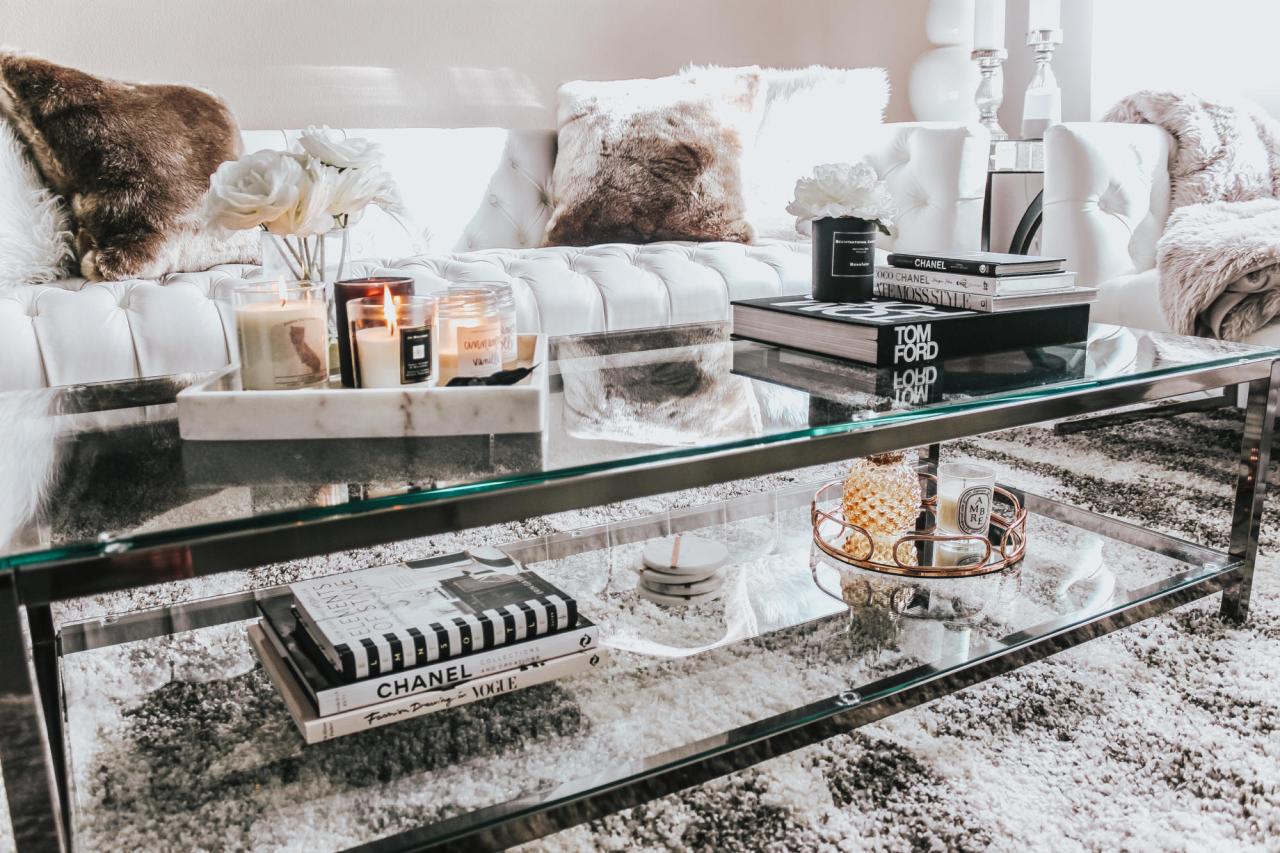
- Modern: This style emphasizes clean lines, geometric shapes, and neutral color palettes. Modern coffee tables often feature sleek designs with materials like glass, metal, or polished wood. Straight lines, angular forms, and minimalist aesthetic are hallmarks. Furniture pieces like a glass-top coffee table with a chrome base or a low, rectangular table made from dark-stained wood exemplify this style.
- Bohemian: Boasting a vibrant and eclectic mix of textures, patterns, and colors, bohemian coffee tables often showcase natural materials like wood, rattan, or macrame. The style is characterized by a relaxed and free-spirited ambiance. A coffee table made from reclaimed wood with intricate carvings or a large, round rattan table with colorful throws and cushions would represent this aesthetic well.
- Minimalist: Minimalist coffee tables prioritize simplicity and functionality. They often feature a neutral color palette and simple, unadorned shapes. Materials like polished concrete, light wood, or glass are commonly used. A low, square coffee table with a clear glass top and a simple metal base exemplifies this style.
- Traditional: Traditional coffee tables evoke a sense of warmth and elegance, often incorporating ornate details and rich wood tones. They typically feature classic shapes and a refined aesthetic. A large, wooden coffee table with intricate carvings or a pedestal-style table with a rich veneer embodies this classic style.
- Industrial: Industrial coffee tables exude a raw, rugged charm, showcasing exposed elements like metal frames, unfinished wood, or concrete surfaces. They often feature a bold aesthetic that complements a modern or urban-style living room. A coffee table constructed from reclaimed wood with metal legs or a metal-framed table with a concrete top would represent this style.
Identifying Your Existing Style
Before selecting a coffee table, it’s essential to understand the prevailing style of your living room. This involves examining the existing furniture, color scheme, and overall ambiance. A careful assessment of the room’s existing elements will guide you towards a coffee table that seamlessly integrates.
| Style | Furniture Pieces | Color Palette | Key Characteristics |
|---|---|---|---|
| Modern | Glass top with chrome base, low rectangular table | Neutral (black, white, gray) | Clean lines, geometric shapes, minimalist aesthetic |
| Bohemian | Reclaimed wood table with carvings, large round rattan table | Earthy tones, vibrant colors | Eclectic mix of textures, patterns, and colors; relaxed and free-spirited |
| Minimalist | Low, square table with clear glass top, simple metal base | Neutral (white, gray, beige) | Simplicity, functionality, unadorned shapes |
| Traditional | Large, wooden table with carvings, pedestal-style table with rich veneer | Warm wood tones, rich colors | Ornate details, classic shapes, refined aesthetic |
| Industrial | Reclaimed wood table with metal legs, metal-framed table with concrete top | Neutral, muted tones with exposed metal | Raw, rugged charm, exposed elements |
Visualizing the Styles
To illustrate the various coffee table styles, imagine a room with a contemporary layout. Visualize a modern coffee table with a sleek, glass top and a chrome base positioned in the center of a minimalist living room, emphasizing clean lines and a neutral color scheme. Alternatively, a bohemian coffee table made of natural wood with intricate carvings could complement a living room with a warm, earthy color palette and a variety of textures.
Selecting Essential Elements
Choosing the right elements for your coffee table is crucial for creating a cohesive and visually appealing space. It’s more than just throwing things on a surface; it’s about thoughtful arrangement and considering the overall aesthetic you’re aiming for. Understanding the essential elements and how they interact will transform your coffee table from a blank canvas to a captivating focal point.Beyond simply aesthetics, the elements you select contribute to the functionality and atmosphere of your living room.
Consider how the items you choose will enhance the space’s overall feel, whether it’s cozy, modern, or eclectic. The right combination will create a visually engaging and inviting environment for you and your guests.
Essential Decor Elements
The foundation of any successful coffee table arrangement lies in a few key elements. These elements not only add visual interest but also serve specific purposes, contributing to the overall harmony of the room.
- A Statement Piece: This could be a sculptural vase, an ornate tray, a unique bookend, or a framed artwork. Its purpose is to immediately draw the eye and set the tone for the rest of the arrangement. A striking piece can elevate the entire look and create a focal point that complements the chosen style.
- Textural Interest: Incorporating elements with varied textures—like a rough-hewn wooden bowl, a plush throw pillow, or a woven basket—adds depth and visual appeal. Different textures create a more dynamic and inviting atmosphere.
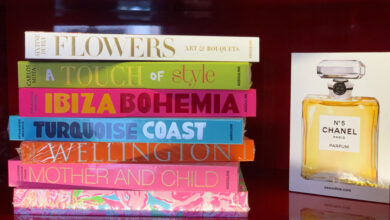
- Books and Magazines: Strategically placed books and magazines are both practical and decorative. They provide a sense of curated interest and can introduce a theme or color palette. Choose books with attractive spines or covers that complement the overall style.
- A Decorative Tray: A tray is a versatile element. It can hold smaller items, add a touch of elegance, and define space. The tray itself can be a statement piece or a neutral backdrop for other elements.
- Ambient Lighting: A small, stylish lamp or candle holder can provide a soft glow and create a warm ambiance. This is especially helpful in the evening or in rooms with lower natural light.
Decorative Objects for Visual Interest
A variety of objects can add personality and visual interest to your coffee table. Careful selection and arrangement will elevate the look and feel of the space.
- Vases and Bowls: These can house flowers, candles, or small decorative items, adding a touch of elegance and color. Varying heights and shapes create visual interest.
- Figurines and Sculptures: These can add a touch of personality and history. Choose pieces that complement your style and don’t overwhelm the space.
- Candles and Holders: Candles add a warm glow and a sense of ambiance. Consider different sizes and scents to create a personalized touch.
- Small Plants and Flowers: Greenery adds life and freshness to the arrangement. Choose plants that complement the style and space.
- Jewelry and Trinkets: Small, decorative items like jewelry or vintage trinkets can add a personal touch.
Scale and Proportion
Achieving the right balance is key. Too many small items can look cluttered, while a single large piece can appear isolated. Consider the size of your coffee table and the room’s overall aesthetic when selecting and arranging items.
- Balance is Key: The placement of items should create a sense of visual balance, avoiding one side being significantly heavier than the other. Use a variety of heights and widths to distribute weight and create visual interest.
- Size Matters: Consider the scale of your items relative to the coffee table’s size. A large coffee table can accommodate larger items, while a smaller one requires smaller, more delicate pieces.
- Grouping Items: Group items of similar sizes and shapes together to create visual cohesion and a sense of balance. Varying heights and textures also help.
Combining Elements for a Visually Appealing Arrangement
A well-designed arrangement balances visual interest with functionality. A structured approach will lead to a captivating display.
- Start with a Base: Place the statement piece or largest item in the center or slightly off-center to avoid a symmetrical look.
- Add Texture and Height: Incorporate elements with varied textures and heights to create depth and visual interest. Place smaller items around the statement piece to complete the composition.
- Introduce Color and Pattern: Consider the colors and patterns of the items to create a cohesive look that complements the room’s style.
- Consider the Room’s Style: Maintain a consistent theme with the overall aesthetic of the room. Choose elements that complement the style.
- Maintain Balance: Avoid over-crowding the table. Maintain balance between different elements by using varied heights, textures, and sizes.
Color and Texture Considerations
Elevating your coffee table decor goes beyond just choosing the right pieces. A harmonious blend of color and texture is crucial for creating a visually appealing and inviting space. Careful consideration of these elements can transform a simple coffee table into a focal point that reflects your personal style. Color and texture work together to create a cohesive aesthetic, ensuring every element complements the others.Understanding how color and texture interact is essential for crafting a truly stunning coffee table display.
Choosing the right colors and textures allows you to create a sense of visual harmony and flow. This careful selection will bring your vision to life, ensuring your coffee table is more than just a surface; it’s a statement piece.
Color Coordination
Color coordination is paramount for creating a cohesive and visually appealing coffee table display. A well-coordinated color scheme ensures that the coffee table, surrounding furniture, and decor items work harmoniously together. This balance enhances the overall aesthetic appeal and creates a more unified and inviting space. For instance, if your living room features sofas and armchairs in shades of deep teal and olive green, consider a coffee table with a similar color palette to maintain a sense of visual unity.
Alternatively, a contrasting color can create a bold statement. Choosing a coffee table in a complementary color can also be a great choice.
Texture and Visual Interest
Texture plays a vital role in adding depth and visual interest to your coffee table display. Varying textures through different materials and patterns creates a more dynamic and engaging look. For example, a smooth ceramic coffee table can be balanced with the textured warmth of a woven throw blanket or the rustic charm of a wooden tray. Using materials like leather, wood, metal, or glass can add depth and visual interest, each with its own unique character.
The variety in texture brings a unique touch to the overall design, adding a sense of dimension and personality. Mixing different textures creates a rich and layered effect.
Color Palettes and Schemes
Utilizing color palettes and color schemes is a powerful tool for creating a cohesive and visually stimulating coffee table display. Choosing a color palette that complements your existing furniture and decor is essential for achieving a harmonious look. A monochromatic palette, for example, uses variations of a single color, resulting in a sophisticated and streamlined design. Analogous color schemes use colors that are next to each other on the color wheel, creating a serene and balanced atmosphere.
Complementary color schemes use colors opposite each other on the color wheel, offering a bold and striking contrast. A triadic color scheme uses three colors that are evenly spaced on the color wheel, which can create a vibrant and lively feel.
Warm vs. Cool Color Palettes
Warm color palettes, such as those featuring reds, oranges, and yellows, evoke feelings of warmth, energy, and coziness. These palettes often create a vibrant and inviting atmosphere. Conversely, cool color palettes, incorporating blues, greens, and purples, create a sense of serenity, calmness, and spaciousness. The choice between a warm or cool palette depends on the desired mood and the overall aesthetic of the room.
The effect of warm colors can be to create a welcoming ambiance, while cool colors promote a sense of peace and relaxation. Understanding the psychological impact of these palettes allows you to make informed choices that reflect your personal preferences.
Arranging Items for Visual Appeal
Transforming your coffee table from a blank canvas to a stylish centerpiece involves more than just selecting the right pieces. The way you arrange those items is crucial for achieving a cohesive and visually appealing aesthetic. Effective arrangement principles create a focal point, avoid clutter, and maximize the impact of your chosen décor.A well-arranged coffee table not only showcases your style but also sets the tone for the entire room.
Strategic placement of elements, from the largest to the smallest, guides the eye and tells a story.
Visual Guide to Arrangement Styles
Different arrangement styles can dramatically alter the feel of a space. A symmetrical layout, for instance, exudes balance and formality, perfect for traditional or minimalist settings. Asymmetrical arrangements, on the other hand, offer a more relaxed and contemporary vibe, encouraging creativity and personal expression. Layering elements, stacking books, or grouping objects of varying heights, provides visual depth and interest.
| Arrangement Style | Description | Visual Impact |
|---|---|---|
| Symmetrical | Items are placed in mirrored positions on either side of a central point. | Formal, balanced, and often traditional. |
| Asymmetrical | Items are placed in an uneven distribution, creating visual interest. | Modern, relaxed, and dynamic. |
| Layered | Objects of varying heights and textures are stacked or grouped to create depth and dimension. | Intriguing, visually rich, and layered. |
Creating Focal Points
A focal point draws the eye and becomes the centerpiece of the coffee table arrangement. It could be a striking piece of artwork, a unique sculpture, or a collection of interesting objects. Consider using lighting to highlight your focal point, such as a strategically placed lamp or a vase with an inner light source. The focal point anchors the arrangement and dictates the overall flow of the design.
For example, a large, colorful vase placed centrally can draw attention and become the focal point.
Avoiding Overcrowding and Clutter
Avoiding clutter is paramount to maintaining a clean and inviting aesthetic. Overcrowding not only looks messy but also makes the space feel cramped and less welcoming. Assess the size of your coffee table and the items you’re considering. Only place items that fit comfortably on the surface without feeling cramped or overwhelmed. The goal is to present a curated selection, not a disorganized collection.
Speaking of stylish, have you considered how to style your coffee table decor? A few strategically placed books, a vase of fresh flowers, and a captivating piece of art can transform a simple surface into a focal point. But what if we shifted focus to something equally intriguing? Thinking about who should play whom in the inevitable Taylor Swift biopic is just as exciting, as discussed in detail in this article who should play whom in the inevitable seeming taylor swift biopic.
Ultimately, whether it’s choosing a striking sculpture or a beautifully framed print, the key to great coffee table decor is finding pieces that spark joy and tell a story.
- Consider the scale: Ensure that all objects are in proportion to the table size. A small table doesn’t accommodate large sculptures or heavy books.
- Group similar items: Clustering similar objects, such as books, candles, or decorative bowls, can create visual unity and avoid a scattered look. For example, group three similar books of a particular colour together.
- Keep it simple: Resist the urge to cram everything onto the surface. A minimalist approach can often create a more sophisticated and visually appealing look.
Utilizing Negative Space
Negative space, the empty areas around objects, is just as important as the objects themselves. It creates breathing room, allowing the focal points to stand out and preventing the arrangement from feeling cluttered. By strategically using negative space, you achieve a sense of calm and spaciousness. Negative space is vital for highlighting important pieces, making the room feel larger, and for avoiding overcrowding.
Consider leaving empty areas to avoid visual noise. An empty space, even a large one, can be just as visually appealing as a filled one.
Incorporating Plants and Greenery
Adding plants to your coffee table decor is a fantastic way to inject life and personality into the space. Plants bring a touch of nature indoors, instantly elevating the ambiance and creating a more inviting atmosphere. They can also help to balance other elements in your decor, such as bold colors or geometric patterns, by adding a softer, more organic feel.Plants can visually soften hard lines and add a sense of calm to any room.
They are not just decorative; they also contribute to the overall well-being and aesthetic appeal of your coffee table arrangement.
Plant Selection for Coffee Table Decor
Choosing the right plants is crucial for success. Consider factors like size, light requirements, and your ability to maintain them. Too large a plant will overwhelm the table, while a delicate plant may struggle in a less-than-ideal environment.
- Small to Medium-Sized Plants: These are ideal for coffee tables, as they won’t take up too much space. Snake plants, ZZ plants, and pothos are excellent choices, known for their low-maintenance nature and ability to thrive in various light conditions. Spider plants are also a great option due to their unique cascading nature.
- Considerations for Light and Maintenance: Assess the lighting conditions in the room where your coffee table is located. Plants that thrive in bright, indirect light might not do as well in a dimly lit space. Research the specific light and watering needs of each plant to ensure its long-term health. If you are new to plant care, choose plants with relatively simple needs to minimize stress and maximize success.
Displaying Plants Effectively
The way you display your plants is just as important as the plants themselves. Effective placement and grouping can significantly enhance the visual appeal of your coffee table.
- Elevated Displays: Consider using a tray or a decorative stand to elevate a plant or group of plants. This adds visual interest and allows for more creative arrangement options. A small, intricately carved wooden tray can beautifully showcase a single succulent, while a larger, ceramic tray could hold a grouping of small plants in varying heights and textures.
- Grouping Plants: Group plants of varying heights and textures for a more dynamic and interesting display. A collection of different succulent varieties, for instance, will create a more visually appealing arrangement than a single, isolated plant. Consider the color variations in leaves and stems for added visual interest.
Arranging Plants for Visual Impact
Strategic placement and grouping can transform a simple coffee table arrangement into a captivating display.
- Height Variation: Arrange plants in different heights for a layered effect. A taller plant in the center, flanked by two or three smaller ones, creates a visually interesting and balanced arrangement. Consider the overall shape of the plants and their growth patterns when making arrangements.
- Texture and Color Contrast: Combining plants with different textures and colors adds depth and visual interest. For example, a plant with smooth, glossy leaves could be contrasted with one featuring fuzzy or variegated leaves. Similarly, consider the color palette of the leaves; a mix of greens, greys, and even hints of burgundy can create a striking arrangement.
Seasonal and Holiday Decor
Bringing a touch of the season to your coffee table is a fantastic way to personalize your space and enhance the overall aesthetic. It’s an opportunity to showcase your creativity and make your home feel welcoming and festive. By thoughtfully selecting and arranging seasonal decor, you can create a warm and inviting atmosphere that reflects the spirit of each holiday or time of year.Seasonal decor allows you to express your unique personality and preferences while creating a sense of belonging in your home.
Choosing items that resonate with the season can greatly impact the mood and ambiance of your living space. Adapting your coffee table decor for different seasons is a simple yet impactful way to keep your home feeling fresh and exciting throughout the year.
Adapting Decor for Different Seasons
Seasonal shifts provide an excellent opportunity to refresh your coffee table’s aesthetic. A carefully curated selection of items can transform your coffee table from a simple surface to a focal point that reflects the spirit of the season. This allows you to express your personal style while creating a cohesive and inviting atmosphere.
Layering books, a striking vase, and a few carefully chosen decorative objects can elevate your coffee table style. Think about the overall aesthetic you’re aiming for – maybe something modern and minimalist, or perhaps something more eclectic and bohemian. Recently, the glamorous looks from the white lotus stars cast fashion month have inspired me to incorporate more luxurious textures and pops of colour into my coffee table arrangements.
Ultimately, the key is to create a display that feels personal and reflects your unique style.
Seasonal Decor Items, How to style coffee table decor
A variety of items can be used to incorporate seasonal themes into your coffee table decor. Fall leaves, pumpkins, and gourds are classic choices for autumn. Rustic wooden trays, adorned with warm-toned candles, and cozy throws evoke a sense of comfort and warmth. For winter, consider adding elegant candles, faux snow, and shimmering ornaments. Summer is perfect for displaying fresh flowers, vibrant fruits, and light-colored vases.
These are just a few examples, and the possibilities are endless!
Coordinating Decor with the Season
The key to coordinating decor is to consider the overall theme and color palette of the season. For example, in autumn, warm colors like oranges, reds, and browns can be used to create a cozy ambiance. In winter, white, silver, and gold tones evoke a sense of elegance and festivity. Summer often incorporates bright colors like pinks, yellows, and greens to create a lively and refreshing feel.
You can achieve this by selecting items that complement each other visually, creating a harmonious aesthetic.
Transitioning Decor from One Season to Another
Transitioning decor from one season to another can be a smooth and enjoyable process. This involves gradually incorporating elements of the upcoming season while subtly removing items from the previous season. To transition from summer to fall, you might replace summer flowers with autumn leaves and gourds, while maintaining elements of the summer decor like a neutral-colored tray or vase.
This gradual shift prevents a jarring change in the aesthetic. To transition from fall to winter, incorporate items like candles, faux snow, and silver accents, while keeping the warm tones of fall to maintain a cohesive look.
Creating a Personal Touch
Adding a personal touch to your coffee table decor elevates it from simply functional to a reflection of your unique personality and interests. It’s about weaving your story into the space, making it feel truly yours. This goes beyond choosing a style; it’s about curating a collection that speaks to you.Personal touches are the secret sauce that makes a coffee table display truly captivating.
Want to elevate your coffee table decor? Think about incorporating bold patterns, like the cow print seen in Selena Gomez and Benny Blanco’s recent date night style, which is absolutely stunning. This couture cow print offers a great starting point for inspiration, but you can also look to other high-end styles for ideas. Ultimately, the key is to choose pieces that reflect your personal taste and create a cohesive look that complements the rest of your living room.
They’re the subtle details that draw people in and make your space feel lived-in and inviting. These details tell a story, revealing facets of your personality and passions.
Identifying Personal Style and Interests
To create truly personalized coffee table decor, start by honestly assessing your personal style and interests. What are your favorite colors, textures, and patterns? What hobbies do you enjoy? What are your favorite travel destinations? Consider your personal aesthetic – whether it’s minimalist, bohemian, rustic, or something else entirely.
By recognizing these elements, you can intentionally incorporate them into your coffee table display.
Unique and Personalized Items
A wide array of items can reflect your personality. Books are a classic choice, displaying your reading tastes and interests. If you’re passionate about a specific subject, consider showcasing a collection of books on that topic. Travel photos are a beautiful way to showcase memories and adventures. Group them together in a visually appealing way, perhaps with a cohesive theme or color scheme.Small sculptures, handcrafted items, or decorative objects related to your passions can also add unique touches.
For example, if you enjoy gardening, a small ceramic figurine of a hummingbird or a set of miniature garden tools could be wonderful additions. Or, if you love vintage design, a charming antique tray or a vintage-inspired clock can add a unique charm.
Curating a Collection of Items That Tell a Story
A thoughtfully curated collection of items can tell a story about you. Group related items together. A collection of seashells from a favorite beach trip, a series of postcards from different cities you’ve visited, or a selection of vintage photographs from a family archive can create a visual narrative. Consider the colors, textures, and shapes of the items you choose to create a harmonious and cohesive display.
Examples of Personal Touches
- A collection of vintage postcards, showcasing your travels.
- A set of framed family photos, displaying cherished memories.
- Books related to your favorite hobbies or interests.
- A small sculpture representing a passion, like a figurine of a bird or a miniature model of a ship.
- A collection of hand-painted pottery, showcasing your artistic side.
- A collection of decorative bowls, each with a unique pattern and design, displaying your appreciation for aesthetics.
These are just a few examples; the possibilities are endless. Remember, the key is to select items that resonate with you and reflect your unique personality. By incorporating these personal touches, you’ll transform your coffee table from a simple surface to a compelling visual narrative that showcases your unique story.
Addressing Different Coffee Table Sizes
Coffee table decor is a wonderful way to express your personal style and create a welcoming atmosphere in your living space. However, the size of your coffee table significantly impacts how you can arrange items for optimal visual appeal. Understanding the nuances of decor strategies for different table sizes is key to achieving a polished and harmonious look.Effective decor for coffee tables considers not only aesthetics but also functionality.
The right arrangement allows for easy access to beverages and snacks while maintaining a visually pleasing environment. This section explores how to tailor your coffee table design to fit various sizes, ensuring a balanced and inviting aesthetic.
Small Coffee Tables
Small coffee tables, often found in apartments or smaller living rooms, present a unique challenge. The limited surface area requires careful planning to avoid a cluttered appearance. Maximizing visual impact with minimal items is the key.
- Prioritize fewer, impactful pieces. A striking sculptural piece, a beautiful vase, or a collection of books in a cohesive color palette can be more impactful than a multitude of smaller items.
- Utilize vertical space. Tall candles or decorative trays can add visual interest without taking up precious horizontal space. Consider a statement lamp or a decorative tray holding a few key items.
- Embrace grouping. A cluster of books, a collection of coasters, or a grouping of framed photos create a sense of cohesion and visual weight.
- Avoid overcrowding. Small coffee tables can easily become overwhelmed with too many items. Less is often more.
Medium Coffee Tables
Medium-sized coffee tables offer a happy medium. They provide ample space for a few key decorative elements without feeling overly large or overwhelming. The possibilities for arrangement are broad.
- Balance large and small items. A large sculptural piece can be balanced by a few smaller, equally interesting items. Consider placing a larger plant next to a few smaller decorative bowls.
- Incorporate trays and platters. Trays and platters not only add visual interest but also provide designated spaces for items like remotes, coasters, or snacks. This creates a sense of organization and a cohesive aesthetic.
- Consider a focal point. Choose a singular piece that draws the eye, such as a striking artwork, a decorative bowl, or a unique bookend set. This piece will anchor the arrangement and provide visual interest.
- Strategic placement of books and magazines. Books and magazines are a classic coffee table addition. Stack them thoughtfully, ensuring they are arranged in a visually appealing manner and are in line with your chosen style.
Large Coffee Tables
Large coffee tables present a chance to create a more expansive and visually rich display. The challenge lies in avoiding an overwhelming or scattered appearance.
- Introduce layers. Create depth by layering items. Place books or trays on top of a decorative bowl, then add plants and a lamp or vase for a multi-dimensional look.
- Utilize the space effectively. Large tables can accommodate larger plants, sculptures, or statement pieces. Consider placing a larger, statement plant or sculpture in the center to serve as a focal point.
- Maintain visual balance. Distribute items evenly across the table’s surface. Use mirrors or other reflective surfaces to create an illusion of more space and to reflect light and draw the eye.
- Choose a dominant piece. A large, striking artwork, a unique patterned rug, or a sculptural piece can serve as a focal point for the entire arrangement. This will prevent the table from feeling scattered.
Lighting and Ambiance

Creating a cozy and inviting atmosphere around your coffee table is just as crucial as selecting the perfect décor pieces. Lighting plays a pivotal role in setting the mood and enhancing the overall aesthetic appeal of the space. It’s not just about visibility; it’s about crafting an experience that resonates with the desired ambiance. Proper lighting can transform a simple coffee table arrangement into a focal point, adding depth and character to your living area.Lighting isn’t just about illuminating the objects on your coffee table; it’s about illuminating the entire space around it.
Well-chosen lighting fixtures can draw attention to specific features, highlighting textures and colors in a way that enhances the overall visual appeal. The right lighting can also create a sense of intimacy and warmth, making your living room a welcoming haven.
The Role of Lighting in Coffee Table Decor
Lighting is a crucial element in coffee table decor, influencing the overall ambiance. It can transform a space from functional to inviting and create a feeling of warmth, relaxation, or sophistication. It’s more than just illumination; it’s about mood setting. A well-lit coffee table area can draw the eye to the space and enhance the appreciation of the chosen decor.
Types of Lighting Suitable for Coffee Tables
Different types of lighting can create various moods and atmospheres. Consider the style of your home and the desired effect when choosing lighting for your coffee table. Ambient lighting, task lighting, and accent lighting all contribute to a well-rounded and inviting space.
- Ambient Lighting: Provides general illumination for the entire room. Floor lamps placed strategically near the coffee table can provide a soft, diffused glow that illuminates the area without harsh shadows. A table lamp, appropriately positioned, can also be a source of ambient lighting for the coffee table itself.
- Task Lighting: Focuses light on a specific area. A small, focused lamp placed on the coffee table can highlight decorative items or create a reading nook. This lighting is ideal for enhancing specific features on the table.
- Accent Lighting: Highlights specific details or elements. Small spotlights or LED strips can be used to draw attention to interesting textures, patterns, or artwork on the coffee table. String lights or fairy lights can also be used to create a warm and inviting ambiance.
Using Lamps and Candles for a Warm Atmosphere
Lamps and candles are powerful tools for creating a warm and inviting atmosphere. They can soften the overall lighting and add a sense of coziness.
- Lamps: Floor lamps with soft shades or table lamps with warm-toned bulbs can diffuse light and create a welcoming glow. Choose a lamp that complements the style of your coffee table decor.
- Candles: Scented candles can enhance the ambiance with a pleasant fragrance, while unscented candles provide a soft glow without overpowering the other elements. Place candles strategically on the table to complement the other items.
Impact of Natural Light on Coffee Table Decor
Natural light plays a significant role in coffee table decor. Maximizing natural light can enhance the vibrancy and depth of the displayed items.
- Positioning: Position your coffee table near a window to take advantage of natural light. This will brighten up the decor and make the colors pop.
- Light Filtering: Consider sheer curtains or blinds to soften the harshness of direct sunlight and allow diffused light to enhance the items on the table.
Troubleshooting Common Decor Mistakes
Creating a beautiful and inviting coffee table display is a rewarding process, but it’s easy to fall into common pitfalls. Understanding these mistakes and their impact is crucial to achieving a cohesive and visually appealing aesthetic. This section will delve into typical errors and provide actionable solutions, helping you avoid visual clutter and maintain a balanced, harmonious look.Often, the key to a successful coffee table display lies in understanding the subtle nuances of design principles.
By addressing these common mistakes, you can transform your coffee table from a cluttered space into a curated centerpiece that reflects your personal style.
Identifying and Avoiding Visual Clutter
Clutter is a common enemy of a well-designed coffee table. Overloading the space with too many items creates a chaotic and overwhelming effect. A balanced approach is essential to achieving visual harmony.
- Excessive items overwhelm the surface. Instead of cramming numerous small objects, focus on a few carefully chosen pieces that create a cohesive narrative. A good example would be replacing a collection of mismatched trinkets with a single, elegant vase or a sculptural bowl. This will make a significant impact without sacrificing aesthetic unity.
- Mismatched styles and patterns create a jarring effect. Items should complement each other in terms of style and color palette. For instance, if you choose a minimalist style, avoid adding ornate figurines or patterned textiles. Instead, select items that are consistent with the chosen style.
- Poorly chosen proportions and scales can disrupt the balance of the arrangement. Ensure that the objects on the coffee table are in proportion to one another and to the coffee table itself. A large, heavy book should not be placed beside a small, delicate figurine. Consider the visual weight of each item to avoid an unbalanced aesthetic.
Maintaining Cohesive Aesthetic
Maintaining a consistent aesthetic throughout the coffee table arrangement is paramount. This means selecting items that share a common thread, be it color, material, or style.
- Inconsistent color palettes can detract from the overall aesthetic. A curated color scheme helps unify the items and creates a more harmonious look. Instead of placing a vibrant red vase next to a pastel blue book, opt for a palette that complements each other, like blues and greens or warm neutrals.
- Using a variety of textures that clash can disrupt the visual harmony. Consider the interplay of textures in your arrangement. For instance, pairing smooth ceramics with rough-hewn wooden trays will create visual contrast and interest. However, avoid mixing very disparate textures, like a silky scarf with a rough-textured basket, as this can create visual disharmony.
- Mismatched materials create an inconsistent look. The materials of your chosen items should ideally complement each other in terms of style and aesthetic. Mixing different metals, such as a brass tray with a copper bowl, can create a visually interesting contrast. However, ensure that the materials are harmoniously related in terms of style and tone.
Achieving Balance and Proportion
Balance and proportion are crucial for creating a visually appealing and well-composed arrangement.
- Uneven distribution of items on the coffee table can disrupt the visual balance. Distribute items symmetrically or asymmetrically, but ensure the overall visual weight is balanced. A large, heavy object should be counterbalanced by smaller, lighter items or by strategically placed items on the other side of the table.
- Inadequate consideration of size relationships between items leads to a lack of visual harmony. Choose items that are proportionate to the coffee table’s size and to each other. Avoid placing a massive sculpture next to a tiny figurine; the sizes should complement each other.
- Ignoring negative space can create a cluttered and cramped appearance. Negative space is just as important as the items themselves. Leave some empty areas around your chosen objects to allow them to breathe and stand out. The space around the items will help them to appear more prominent and balanced.
Final Review
In conclusion, styling your coffee table decor is a dynamic process that involves thoughtful consideration of style, elements, color, and arrangement. By understanding the nuances of these aspects, you can transform your coffee table into a captivating centerpiece that reflects your personal style and enhances the ambiance of your living space. Remember, the key is to create a balance between aesthetics and functionality, and to embrace your personal touches for a truly unique look.
Happy decorating!