Hermès Navigates Geopolitical Headwinds as Q4 Earnings Miss Estimates, Shares Dip Amid Broader Luxury Sector Challenges

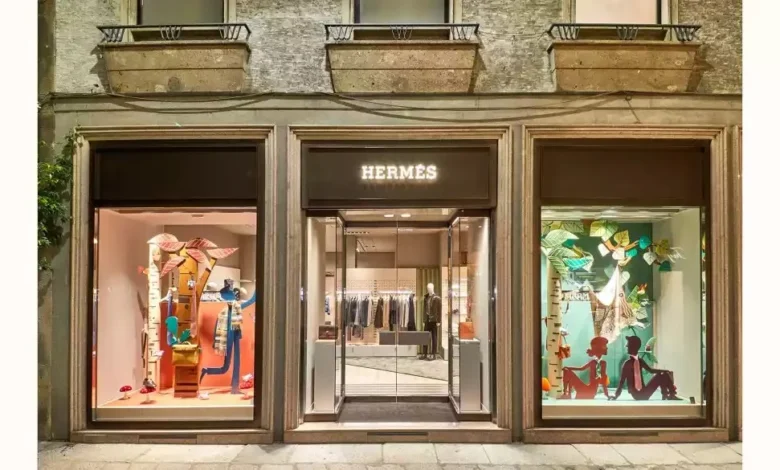
Paris, France – Luxury powerhouse Hermès International reported a significant deceleration in its fourth-quarter sales growth, missing analyst expectations and sending its shares tumbling over 8% on Wednesday. The unexpected slowdown underscores the increasing vulnerability of even the most resilient luxury brands to global economic shifts and geopolitical tensions, particularly in key emerging markets. This announcement places Hermès among a growing cohort of high-end brands, including Kering, that have recently signaled a more challenging operating environment, marking a departure from the robust post-pandemic recovery that characterized much of the luxury sector.
A Detailed Look at the Financial Performance
For the fourth quarter, Hermès reported total revenues of €3.36 billion (approximately $3.65 billion based on average Q4 exchange rates, or the $4.8 billion mentioned in the original source, which might refer to a different period or conversion) falling short of the consensus estimate of €3.4 billion. Sales growth, when adjusted for currency fluctuations, came in at 5.6% year-over-year, significantly below the over 7% growth anticipated by financial analysts. This miss, though seemingly marginal in percentage terms, represented a substantial deviation from the market’s high expectations for the consistently strong performer. The company’s full-year 2023 revenue reached €13.4 billion, a 16% increase at constant exchange rates, showcasing a strong overall year despite the Q4 slowdown. However, the Q4 figures are what primarily captured investor attention, signaling potential headwinds for the coming fiscal year.
The immediate market reaction was swift and pronounced. Hermès shares, which had enjoyed a sustained period of growth and often outperformed peers due to the brand’s unique positioning and perceived invulnerability, saw a sharp decline. The more than 8% drop on the Paris stock exchange erased billions from the company’s market capitalization, reflecting investor concerns about the sustainability of premium valuations in an increasingly uncertain global landscape. This downturn mirrored similar movements observed in the stock prices of other luxury conglomerates following their respective earnings reports, indicating a sector-wide re-evaluation.
Broader Context: The Shifting Sands of the Global Luxury Market
The performance of Hermès, often considered a bellwether for the ultra-luxury segment, provides critical insights into the evolving dynamics of the global luxury market. For several years following the initial shock of the COVID-19 pandemic, the luxury sector demonstrated remarkable resilience, driven by pent-up demand, strong savings rates among affluent consumers, and the "wealth effect" of rising asset prices. However, recent quarters have seen a tempering of this enthusiasm. High inflation, rising interest rates, and a general cooling of consumer confidence in major economies have begun to exert pressure.
Furthermore, geopolitical instability has emerged as a significant disruptor. The conflict in the Middle East, which intensified in late 2023, has had tangible economic consequences across the region. Consumer sentiment in key luxury markets like the United Arab Emirates (UAE) has been adversely affected, leading to reduced spending on discretionary goods. The original article highlights this by stating that sales in the Middle East were down 6% last quarter, directly attributed to "geopolitical developments" in Hermès’ earnings report. This decline is particularly impactful for Hermès, which maintains a substantial presence in the UAE, including two prominent stores and a workforce exceeding 400 employees. The disruption to tourism, local consumer sentiment, and overall economic activity in the region directly translates into reduced foot traffic and purchasing power for high-value items.
The luxury market is also grappling with a phenomenon often referred to as "normalization" after the post-pandemic boom. Consumers are shifting spending patterns back towards experiences (travel, hospitality) rather than solely on goods. This rebalancing, combined with macroeconomic pressures, has led to a more selective approach from consumers, even those at the higher end of the income spectrum.
Chronology of Economic and Geopolitical Influences
To understand the context of Hermès’ Q4 results, it is essential to trace the confluence of events that shaped the reporting period:
- Early 2023: The luxury sector continued its strong rebound from the pandemic, with China’s reopening fueling optimism and robust sales across Asia. Hermès, like many peers, reported impressive growth figures.
- Mid-2023: Signs of a slowdown began to emerge, particularly in the United States and Europe, as inflationary pressures persisted and central banks continued to raise interest rates. Luxury companies started to report mixed signals, with some categories (e.g., entry-level luxury) showing weakness.
- October 2023: The conflict in the Middle East escalated significantly. This event immediately triggered widespread concern about regional stability, impacting travel, consumer confidence, and economic forecasts across the Levant and Gulf regions. The timing of this escalation directly coincided with the final quarter of Hermès’ fiscal year, impacting sales in the region throughout November and December.
- Late 2023/Early 2024: Several major luxury groups, including LVMH and Kering, began releasing their Q4 and full-year results. While LVMH generally managed to meet expectations with diversified performance, Kering, the parent company of Gucci and Saint Laurent, reported particularly disappointing figures, signaling deeper issues within its brand portfolio and confirming a challenging environment. Hermès’ announcement followed, adding to the narrative of a sector facing increasing headwinds.
This timeline illustrates that Hermès’ Q4 performance was not an isolated incident but rather a reflection of broader economic and geopolitical forces that gained momentum during the latter half of 2023.
Regional Performance Disparities: A Tale of Two Markets
While the Middle East presented significant challenges, Hermès’ earnings report also highlighted areas of notable strength, particularly in the Americas. The company recorded a remarkable 17% increase in sales in the Americas region during the last quarter, making it the highest growth region globally for the brand. This growth was notably well-distributed across key markets, including the United States, Canada, and various South American nations, indicating a robust and diversified demand base.
The strong performance in the Americas can be attributed to several factors. The U.S. economy, despite inflation, has shown remarkable resilience, with a relatively strong job market and continued consumer spending among affluent segments. The appreciation of the U.S. dollar against other major currencies may have also made luxury goods more attractive to international buyers in dollar-denominated markets. Furthermore, Hermès’ strategy of maintaining exclusivity and controlled distribution resonates strongly with high-net-worth individuals in these mature luxury markets, who continue to value heritage, craftsmanship, and scarcity. Canada and parts of South America also contributed positively, suggesting a broad-based appeal for Hermès’ offerings across the continent. This regional strength acts as a crucial counterweight to the difficulties faced elsewhere, demonstrating the brand’s diversified geographic presence and ability to tap into different economic cycles.
Conversely, while not explicitly detailed in the original brief, other regions likely experienced varied fortunes. Asia, particularly Greater China, remains a critical market for luxury. The pace of recovery in China post-COVID has been slower and more uneven than initially anticipated, with economic uncertainties and a cautious consumer sentiment impacting high-end purchases. Europe, grappling with its own economic challenges and the ongoing conflict in Ukraine, might also present a mixed picture, with local demand potentially softening while tourism-driven sales provide some support. Hermès’ ability to navigate these diverse regional landscapes will be crucial for its sustained success.
Official Stance and Corporate Philosophy
In response to the challenging environment and the earnings report, Axel Dumas, Hermès’ executive chairman, reiterated the company’s steadfast commitment to its long-term vision. In an official press release, Dumas stated, “In a tense geopolitical environment, Hermès maintains its course, true to its long-term strategy. The fundamentals of the Hermès model are more than ever a differentiating strength.”
This statement underscores Hermès’ unique corporate philosophy, which prioritizes meticulous craftsmanship, timeless design, and a controlled distribution model over aggressive expansion or short-term revenue gains. Unlike some other luxury brands that might chase volume or rapidly adapt to fleeting trends, Hermès has historically focused on cultivating an image of exclusivity and scarcity. Its iconic products, such as the Birkin and Kelly bags, are renowned for their waiting lists and investment value, which often insulates the brand from the more volatile fluctuations affecting broader luxury markets.
Dumas’s emphasis on "differentiating strength" highlights the company’s belief that its core values – exceptional quality, heritage, and unique brand equity – will enable it to weather economic storms. This strategy often involves maintaining price points, investing in artisanal production, and selectively opening new stores in key strategic locations rather than widespread retail proliferation. For Hermès, a slight dip in quarterly growth might be viewed as a temporary blip rather than a fundamental flaw in its business model, especially if it maintains strong profitability and brand desirability.
Broader Impact and Implications for the Luxury Sector
The Hermès earnings report, alongside similar announcements from other luxury giants, carries significant implications for the broader luxury sector and investor sentiment.
- For Hermès: While the Q4 miss is a setback, the company’s robust full-year performance and strong position in the ultra-luxury segment suggest it is well-equipped to navigate current headwinds. The company’s long-term strategy of scarcity and high quality might serve as a buffer against broader market downturns, as its core clientele tends to be less sensitive to economic fluctuations. However, continued geopolitical instability and a prolonged slowdown in key markets could necessitate adjustments to its growth forecasts and regional strategies. Investors will be closely watching for signs of sustained recovery in affected regions and the continued strength of the Americas.
- For the Luxury Sector: The results from Hermès and Kering signal a potential turning point for the luxury market. The era of consistent double-digit growth seen post-pandemic might be giving way to a more moderate, and potentially more volatile, growth trajectory. This could lead to increased pressure on brands to innovate, optimize their retail strategies, and carefully manage their inventory and pricing. Brands with less distinct identities or those heavily reliant on specific, now-challenged markets may face greater difficulties. The "aspirational luxury" segment, catering to a broader consumer base, is typically more sensitive to economic downturns than the ultra-luxury segment, and these brands might feel the pinch more acutely.
- Economic Indicators: Luxury sales are often considered a proxy for the health of the affluent consumer segment and, by extension, broader economic confidence. A slowdown in this sector can indicate a broader cautiousness among high-net-worth individuals, which could eventually trickle down to other parts of the economy. The direct impact of geopolitical events on corporate earnings also underscores the interconnectedness of global markets and the increasing importance of geopolitical risk assessment for multinational corporations.
- Investor Sentiment: The dip in Hermès’ shares, a stock often considered a safe haven within the luxury sector, could lead to a broader re-evaluation of luxury stock valuations. Investors might adopt a more cautious approach, scrutinizing growth prospects more critically and differentiating between brands based on their resilience, market positioning, and geographic diversification. This could result in greater volatility for luxury equities in the short to medium term.
In conclusion, Hermès’ Q4 earnings report serves as a potent reminder that even the most prestigious luxury brands are not immune to the complexities of the global economic and geopolitical landscape. While the company’s long-term strategy and strong brand fundamentals remain intact, the challenges of a "tense geopolitical environment" and evolving consumer behaviors will undoubtedly shape its trajectory in the coming year, reflecting a new, more nuanced chapter for the luxury industry as a whole.
Related posts: