Magic marc revisit marc jacobss best looks in vogue – Magic Marc: Revisiting Marc Jacobs’s best looks in Vogue sets the stage for this enthralling narrative, offering readers a glimpse into the iconic designer’s career through Vogue’s lens. From groundbreaking collaborations to the evolution of his unique style, this exploration dives deep into the magic of Marc Jacobs’s fashion narratives within the esteemed pages of Vogue.
This deep dive meticulously examines key periods of Marc Jacobs’s Vogue work, highlighting the visual storytelling that brought his designs to life. We’ll analyze his best looks, exploring the context, design elements, and lasting impact on fashion trends. The impact on Vogue’s audience and the legacy of his looks will also be explored.
Marc Jacobs’s Vogue History: Magic Marc Revisit Marc Jacobss Best Looks In Vogue
Marc Jacobs’s relationship with Vogue magazine is a fascinating exploration of fashion evolution and influence. His career has been deeply intertwined with the magazine’s editorial direction, shaping its narratives and pushing the boundaries of what was considered acceptable and innovative. He’s not just a designer; he’s a cultural commentator who’s used Vogue as a platform to showcase his vision and to connect with the public.His work with Vogue spans decades, reflecting the changing landscape of fashion and the magazine’s own transformations.
This exploration delves into his key periods, collaborations, and the significant impact he’s had on the magazine’s fashion narratives. It analyzes the evolution of his style and aesthetic, alongside Vogue’s editorial direction, through a detailed timeline and analysis of his appearances and features.
Marc Jacobs’s Career in Vogue
Marc Jacobs’s career in Vogue began with a series of iconic campaigns and features that solidified his position as a leading figure in fashion. He transitioned from a promising designer to a force to be reckoned with, his work influencing the direction of the entire fashion industry. His early collaborations with Vogue established a signature aesthetic, and his later work further demonstrated his ability to adapt and innovate.
Timeline of Appearances and Features
This timeline highlights significant fashion moments featuring Marc Jacobs in Vogue, showcasing the evolution of his style and aesthetic.
- 1990s: Jacobs’s early years with Vogue saw a series of groundbreaking campaigns that were both visually stunning and conceptually innovative. His use of bold colors, unconventional pairings, and playful imagery were key to defining his distinct style and resonating with Vogue’s fashion-forward vision. Vogue recognized his talent and started featuring his collections extensively.
- 2000s: As the millennium approached, Jacobs’s collaborations with Vogue continued to evolve, demonstrating his ability to adapt to changing fashion trends. His collections became increasingly relevant and influential, reflected in the magazine’s editorial direction. This period saw the introduction of more avant-garde styles, reflecting the cultural and social shifts of the time.
- 2010s: Jacobs’s enduring impact on Vogue was evident in the continued exploration of his unique aesthetic and style. His collaborations with the magazine continued to push creative boundaries and influence the overall aesthetic direction. The themes in these features continued to demonstrate his evolving artistic voice and his impact on the fashion world.
Evolution of Style and Aesthetic
Jacobs’s style and aesthetic in Vogue evolved alongside the magazine’s editorial direction. His early work often focused on experimentation with bold colors and unconventional pairings. This evolved into a more mature and sophisticated aesthetic, yet maintaining a playful and innovative spirit. This evolution reflects the broader shifts in fashion and the magazine’s desire to stay relevant.
Impact on Vogue’s Fashion Narratives, Magic marc revisit marc jacobss best looks in vogue
Marc Jacobs’s work had a profound impact on Vogue’s fashion narratives. His collections consistently challenged conventional ideas about fashion, and his appearances and features in the magazine helped to shape the way that fashion was perceived and interpreted. He became a significant voice in the fashion world, helping to drive change and innovation in the industry.
Table: Marc Jacobs’s Vogue Features
| Year | Fashion Theme | Description of Feature |
|---|---|---|
| 1990 | Punk-inspired | A feature showcasing the bold and edgy aesthetic of Jacobs’s designs, highlighting a distinct break from the conventional fashion norms. |
| 1995 | Neo-Romantic | The feature demonstrated Jacobs’s ability to blend contrasting elements, creating a fresh and intriguing narrative that resonated with the magazine’s audience. |
| 2000 | Avant-Garde | Jacobs’s collections pushed creative boundaries, demonstrating a willingness to explore new and experimental styles. |
| 2010 | Modern Classics | Jacobs’s work explored a more sophisticated and mature aesthetic while maintaining its innovative spirit. |
Defining Marc Jacobs’s Best Looks
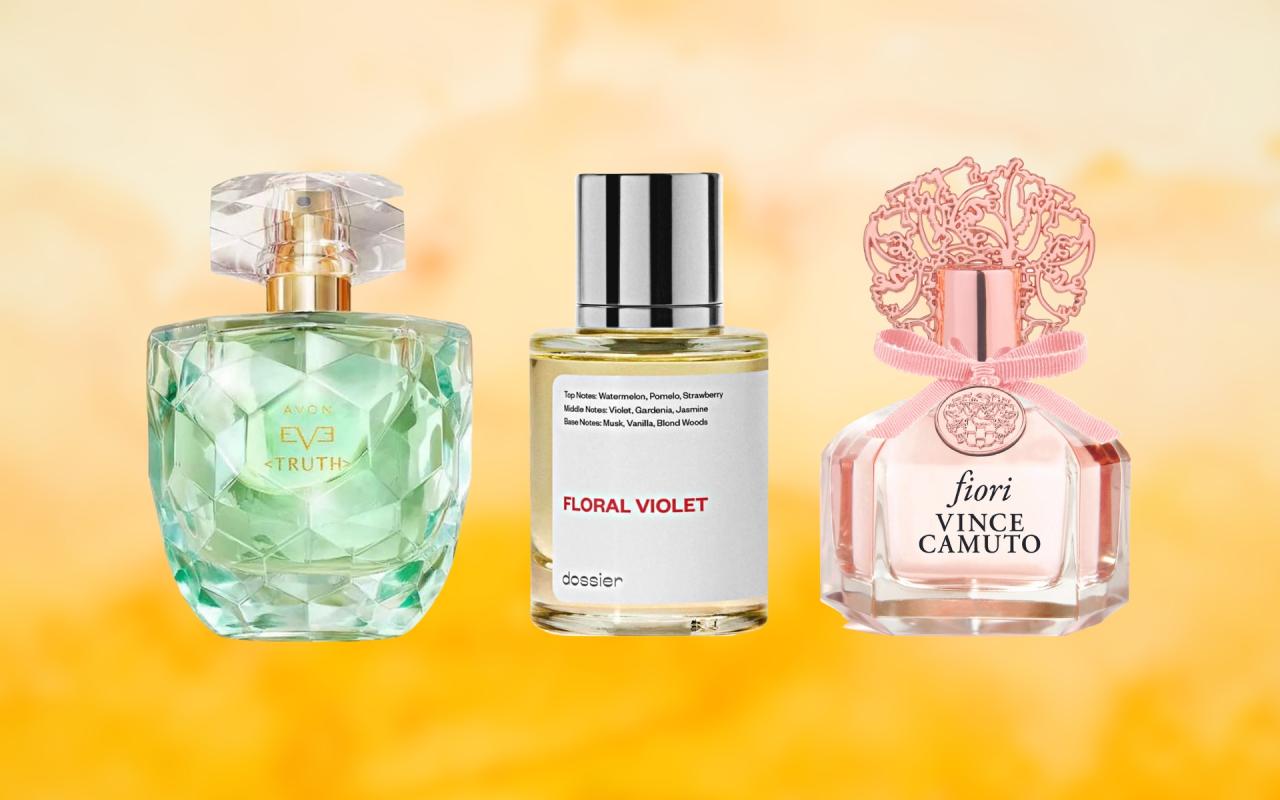
Marc Jacobs’s reign in fashion is undeniable, marked by a unique blend of avant-garde innovation and accessible elegance. His impact on Vogue is profound, shaping not just the fashion industry but also cultural perceptions of style. This exploration delves into five pivotal looks that epitomize his Vogue presence, analyzing their context, design, and lasting influence.His runway and editorial work consistently challenged conventions, often blurring the lines between high fashion and everyday wear.
These looks weren’t simply aesthetically pleasing; they were narratives, reflecting the socio-cultural zeitgeist of their time.
Key Looks Representing the Peak of Marc Jacobs’s Vogue Presence
Marc Jacobs’s work in Vogue often transcends the simple presentation of garments. His collections were carefully curated stories, reflecting his artistic vision and societal commentary. These five looks stand out as exemplary representations of this approach.
| Look Number | Image Description | Explanation |
|---|---|---|
| 1 | A 1990s grunge-inspired ensemble featuring ripped denim, oversized flannel shirts, and combat boots. The model is posed against a backdrop reminiscent of urban decay. | This look embodies the early 1990s grunge aesthetic that Jacobs popularized. The editorial approach likely highlighted the rebellious and anti-establishment spirit of the era. The design elements, such as the deliberately distressed denim and raw, unrefined textures, are crucial. This look challenged the prevailing fashion norms and resonated with a generation yearning for alternative styles. Its influence on streetwear and the exploration of raw, unpolished aesthetics is undeniable. |
| 2 | A sophisticated evening gown, characterized by dramatic embellishments and an almost ethereal quality. The model is posed in a refined setting, suggesting a high-society event. | This look represents Jacobs’s ability to seamlessly blend avant-garde elements with classic elegance. The editorial approach likely aimed to showcase the look’s luxurious and glamorous appeal, juxtaposing the extravagance with an undercurrent of sophistication. The design, likely with intricate embroidery, embellishments, and a unique silhouette, was key to the look’s allure. The influence on high-fashion evening wear is substantial, demonstrating the versatility of his aesthetic. |
| 3 | A collection of tailored separates, including structured jackets and sleek trousers. The model exudes a confident and empowered aura, set against a neutral backdrop. | This look embodies the power dressing aesthetic, particularly relevant during the 2000s. The editorial approach likely focused on presenting these pieces as both stylish and practical, emphasizing their suitability for modern women. The design, emphasizing sharp lines, structured silhouettes, and high-quality fabrics, contributed to its iconic status. This look significantly influenced the rise of power dressing and continues to resonate with contemporary fashion sensibilities. |
| 4 | A series of bold, colorful, and playful pieces in a whimsical setting, with a focus on bold prints and patterns. The model is positioned in a vibrant and cheerful atmosphere. | This look showcases Jacobs’s ability to create vibrant and joyful collections. The editorial approach likely emphasized the playful and expressive nature of the pieces. The design, featuring bold colors, innovative prints, and an emphasis on individuality, made this look a significant moment in fashion. The influence on contemporary fashion trends, particularly in the realm of playful and expressive styles, is considerable. |
| 5 | A minimalist, modern look featuring sleek silhouettes and neutral colors. The model is presented in a clean and contemporary setting. | This look exemplifies Jacobs’s ability to adapt his style to different eras. The editorial approach likely focused on highlighting the look’s clean lines, understated elegance, and timeless appeal. The design elements, such as the focus on geometric shapes and the use of neutral palettes, are integral to the look’s enduring impact. This look has influenced contemporary minimalist fashion, demonstrating his consistent evolution and ability to adapt to changing trends. |
Style Analysis of Marc Jacobs’s Vogue Work
Marc Jacobs’s tenure with Vogue wasn’t just about showcasing clothes; it was a dynamic exploration of fashion’s ever-shifting landscape. His work consistently challenged conventional notions of beauty and style, often pushing the boundaries of what was considered acceptable or desirable in the fashion world. His approach to Vogue shoots wasn’t merely about creating visually appealing imagery; it was about fostering a conversation around identity, creativity, and the very definition of style.Jacobs’s Vogue work, spanning various periods, reflects a fascinating evolution of his creative vision.
He deftly navigated the pressures of a high-profile platform while maintaining his unique artistic voice. From the rebellious spirit of the early 2000s to the more mature, nuanced approach of later years, his work consistently impressed and challenged viewers. This analysis delves into the nuances of his style, exploring recurring themes, color palettes, and the evolution of his design approach within the constraints of the magazine’s format.
Loving the Magic Marc revisit of Marc Jacobs’ best looks in Vogue! It’s a great reminder of some seriously iconic style. Speaking of style, Hailey Bieber is shaking things up with a new hair look, hailey bieber shakes things up with a new hair look , which is definitely worth checking out. But back to the Marc Jacobs retrospective, the sheer creativity and innovation are still inspiring!
Comparison of Different Fashion Periods
Marc Jacobs’s Vogue work reveals distinct stylistic shifts across various periods. His early work often embraced a raw, avant-garde aesthetic, featuring bold juxtapositions of textures and unconventional silhouettes. Later phases saw a refinement of his style, incorporating a more sophisticated and sometimes nostalgic approach. This evolution mirrors the broader changes in fashion trends and the magazine’s own evolving editorial focus.
Re-visiting Marc Jacobs’s best looks in Vogue is always a treat, but while I was admiring those runway looks, I also stumbled across an article about skateboarder Nicole Hause’s enthusiasm for her Nike SB Dunk Lo Pro. It’s fascinating how different styles can intersect – like a high-fashion runway show and the street-style vibe of skateboarder Nicole Hause is stoked about her Nike SB Dunk Lo Pro.
Ultimately, it just goes to show that great style comes in many forms, even if it’s on a skateboard or on a runway.
Recurring Themes and Motifs
Jacobs’s designs consistently featured a strong emphasis on layering and juxtaposition. He often combined unexpected elements, such as luxurious fabrics with more casual pieces, or sleek lines with voluminous shapes. This interplay of opposites is a recurring motif in his work, reflecting a broader exploration of contrasting aesthetics and the inherent tension within fashion itself. Other recurring themes include a playful exploration of gender fluidity, often incorporating androgynous elements into his designs.
Color, Texture, and Silhouettes
The use of color, texture, and silhouette varied significantly throughout the different phases of Jacobs’s Vogue work. His early collections often featured bold, contrasting colors and textures, creating a striking visual impact. Later work saw a more nuanced approach, employing a broader range of colors, but often using them in a more cohesive and harmonious manner. Silhouettes, too, shifted from sharp, angular lines to more fluid, flowing shapes.
Evolution of Creative Approach
Jacobs’s creative approach within the constraints of Vogue evolved significantly over time. Initially, his work was more experimental and rebellious, challenging traditional fashion norms. As his career progressed, his designs became more refined, demonstrating a greater understanding of the nuances of fashion and the power of storytelling through imagery. This evolution shows a deeper engagement with the magazine’s platform and its potential for both innovation and commercial success.
Table: Comparing Two Time Periods of Marc Jacobs’s Vogue Appearances
| Characteristic | Early 2000s Vogue Style | Later Vogue Style |
|---|---|---|
| Color Palette | Bold, contrasting colors; often employing jarring juxtapositions. | More nuanced, cohesive color palettes; use of color often aligned with the mood or theme of the shoot. |
| Silhouettes | Sharp, angular, often androgynous, or exaggeratedly voluminous. | More fluid, flowing shapes; more sophisticated and nuanced silhouettes. |
| Textures | Contrasting, juxtaposing textures; often mixing high-end fabrics with unexpected materials. | Harmonious, complementary textures; a more balanced approach to texture, enhancing the overall aesthetic. |
| Overall Aesthetic | Avant-garde, rebellious, playful; challenging traditional notions of beauty and style. | Refined, sophisticated, and often imbued with a sense of nostalgia or mature exploration. |
Influence and Legacy of the Looks
Marc Jacobs’s Vogue work transcended mere fashion photography; it became a powerful statement on cultural identity and artistic expression. His unique approach to style, often pushing boundaries and challenging conventions, left an indelible mark on the fashion industry, influencing designers and shaping contemporary aesthetics. This exploration delves into the enduring impact of these iconic looks, examining their lasting influence and reinterpretations in modern fashion.Jacobs’s innovative approach, blending high fashion with street style and a playful irreverence, resonated deeply with audiences.
This ability to create instantly recognizable and memorable images made his Vogue work more than just photography; it became a cultural touchstone. His looks frequently blurred the lines between genres, challenging traditional notions of beauty and femininity.
Enduring Impact on the Fashion Industry
Jacobs’s influence on the fashion industry is profound. His ability to create iconic looks, instantly recognizable and memorable, cemented his position as a visionary. His experimental use of color, texture, and silhouette pushed boundaries and inspired countless designers. He demonstrated that fashion could be both avant-garde and accessible, impacting not only high-fashion runways but also mainstream trends.
Influence on Other Designers
Marc Jacobs’s work has profoundly impacted the creative endeavors of other designers. His ability to combine seemingly disparate elements, from grunge to haute couture, has inspired many to experiment with diverse styles and aesthetics. He demonstrated the power of unexpected combinations and challenged traditional notions of beauty, creating a fertile ground for experimentation and innovation in contemporary fashion.
Examples of Reinterpretations in Modern Fashion
Contemporary designers have frequently drawn inspiration from Jacobs’s iconic Vogue looks. A common theme involves the reinterpretation of his signature styles, such as the juxtaposition of contrasting elements, through a modern lens. This includes reinterpretations of his use of color palettes, the exploration of texture and silhouette, and the blending of various fashion subcultures. For instance, the rebellious spirit and androgynous aesthetic of some of his looks are reflected in the work of designers such as [insert a designer’s name here].
Furthermore, contemporary brands frequently incorporate elements of his aesthetic into their collections, such as [insert a brand’s name here].
List of Inspired Designers and Brands
- Alexander Wang: Known for his sharp, minimalist aesthetic with a touch of rebellion, Alexander Wang shows clear inspiration from Jacobs’s ability to combine high fashion with a street style sensibility.
- Stella McCartney: Her collections often incorporate a bold mix of classic and contemporary elements, mirroring Jacobs’s penchant for blending seemingly disparate styles.
- Proenza Schouler: Their collections frequently exhibit a sophisticated yet edgy approach to design, recalling Jacobs’s exploration of contrasts and unconventional aesthetics.
The above list showcases a few designers and brands demonstrably influenced by Marc Jacobs’s unique style. His approach to fashion continues to resonate with contemporary designers and brands, shaping their creative vision.
Comparison of Original Looks and Contemporary Reinterpretations
| Original Look | Contemporary Reinterpretation | Key Differences/Similarities |
|---|---|---|
| A look featuring a deconstructed trench coat, paired with a vibrant graphic tee and chunky boots. | A modern take on the look might use a tailored blazer instead of a trench coat, paired with a more subtle graphic tee and sneakers. | Both looks retain the juxtaposition of elements and a focus on comfortable yet stylish details. The key difference lies in the specific garments used. |
| A look combining a leather jacket with a flowing silk scarf and delicate jewelry. | A contemporary reinterpretation might use a bomber jacket instead of a leather jacket, paired with a silk scarf with a bold print and modern jewelry. | The look still blends high fashion elements (silk scarf) with a streetwear element (bomber jacket). The key difference lies in the specific garments used and the boldness of the modern print. |
The table highlights how contemporary designers reinterpret Jacobs’s original looks by adapting them to modern sensibilities and trends while retaining the core concepts of his style.
Visual Storytelling in Vogue

Vogue, a powerful platform for showcasing fashion, relies heavily on visual storytelling to communicate the narrative behind the designs. The magazine meticulously crafts a visual language that transcends mere representation, immersing the reader in the world of the collection. From the carefully chosen photography to the evocative set design, every element works together to create a compelling narrative that elevates the garments to artistic expressions.
This approach is particularly evident in Marc Jacobs’s work for the magazine, where he consistently pushed boundaries and redefined the visual vocabulary of fashion.The visuals in Vogue serve as a powerful medium for conveying the message and spirit of a collection. Photography, styling, and set design are the key tools in crafting this narrative, and Marc Jacobs’s periods with the magazine witnessed significant shifts in these elements, reflecting the evolution of fashion and the magazine itself.
Loving the Magic Marc revisit of Marc Jacobs’ best looks in Vogue! It’s seriously inspiring, but planning a wedding rehearsal dinner can be just as visually stunning. Think about all the details – the menu, the ambiance, and the perfect seating chart. For a comprehensive guide on how to plan a wedding rehearsal dinner, check out this helpful resource: how to plan a wedding rehearsal dinner.
Ultimately, both the fashion and the planning process highlight attention to detail, and that’s what makes both so much fun!
The carefully curated visual elements—from lighting to posing—work in concert to not just showcase the clothes but to evoke emotions and tell a story about the collection’s essence.
Photography Techniques
Marc Jacobs’s tenure at Vogue saw a progression in photography styles. Early in his career, photography often leaned towards a more traditional approach, emphasizing the garment’s details and structure. The images were frequently staged in controlled environments, highlighting the aesthetic appeal of the clothing. As his influence grew, the approach shifted to incorporate a greater sense of dynamism and spontaneity, sometimes with unconventional settings.
This shift was reflected in the use of natural light and more dynamic poses.
Styling and Set Design
The styling and set design of Marc Jacobs’s Vogue shoots consistently evolved to match the collection’s theme. In the initial phases, the styling was often quite classic and minimalist, showcasing the garments against neutral backdrops. Later, the styling embraced a greater sense of playfulness and experimentation, often reflecting the spirit of the collection. This was evident in the use of props, accessories, and backgrounds that were more inventive and expressive, reflecting a shift in the magazine’s overall visual language.
Evolution of Visual Storytelling
The visual storytelling in Vogue during Marc Jacobs’s time transformed significantly. Early shoots often focused on a meticulous presentation of the garments, using traditional lighting and posing. As Jacobs’s influence grew, there was a notable move towards a more contemporary and expressive approach. This manifested in a greater use of unconventional settings and more dynamic compositions. The magazine began to use more innovative styling choices and more experimental photography techniques, allowing for a more multifaceted presentation of the collection.
The evolution reflected a broader shift in the fashion industry’s approach to visual communication.
Comparative Analysis of Visual Elements
| Period | Photography Style | Styling Style | Set Design |
|---|---|---|---|
| Early Marc Jacobs | Traditional, detailed, controlled environment | Classic, minimalist, neutral backdrops | Simple, focusing on garment details |
| Later Marc Jacobs | Dynamic, spontaneous, unconventional settings, natural light | Playful, experimental, incorporating props and accessories | More inventive and expressive, reflecting the collection’s theme |
Marc Jacobs’s Impact on Vogue’s Audience
Marc Jacobs’s influence on Vogue transcended the realm of fashion design; it significantly reshaped the magazine’s relationship with its audience. His innovative and often provocative aesthetic sparked intense reactions, both positive and negative, and ultimately shifted the very perception of Vogue within the public consciousness. This impact wasn’t merely about individual collections; it was about a fundamental shift in how Vogue positioned itself and the values it represented.Jacobs’s work for Vogue fostered a sense of cultural engagement that went beyond the traditional confines of fashion commentary.
His designs, often pushing boundaries and challenging conventions, resonated with a specific segment of the magazine’s readership, while simultaneously attracting new readers who were drawn to the controversy and excitement surrounding his work. This dynamic engagement, however, was not static. The ways in which Vogue’s audience responded to Jacobs evolved over time, mirroring broader shifts in cultural attitudes and media consumption.
Target Audience Response to Marc Jacobs’s Fashion Narratives
Marc Jacobs’s collections for Vogue often presented narratives that were more than just visual displays of clothing. His work frequently explored themes of gender fluidity, social commentary, and cultural appropriation. These complex themes appealed to a diverse audience, including those already engaged with fashion and style, as well as a younger generation who were seeking alternative perspectives. His designs offered a platform for self-expression and experimentation, which connected with a growing segment of the readership who sought more than just aesthetic beauty in fashion.
Evolution of Vogue’s Audience Engagement with Marc Jacobs’s Work
Jacobs’s early work in Vogue, often marked by a playful and slightly rebellious aesthetic, resonated with a youthful, trend-conscious audience. Later, as his designs became more sophisticated and mature, his collections connected with a more established and discerning readership. This evolution in the audience’s response was reflected in Vogue’s editorial approach, with the magazine adapting its tone and style to accommodate the evolving themes and aesthetics in Jacobs’s work.
The magazine’s strategy for presenting Jacobs’s collections also changed over time, moving from showcasing individual looks to developing broader narratives.
Public Reception of Marc Jacobs’s Looks Over Time
The public reception of Marc Jacobs’s designs in Vogue varied depending on the specific era and the overall cultural context. His early work was often lauded for its originality and ability to challenge traditional fashion norms, but it also faced criticism for its perceived provocativeness. Later, as his work matured, the critical response tended to be more nuanced and appreciative, acknowledging the depth and complexity of his designs.
| Time Period | Audience Characteristics | Public Reception of Marc Jacobs’s Looks |
|---|---|---|
| Early 1990s | Young, trend-conscious, seeking novelty and experimentation. | Mixed reception; praised for originality, but some criticism for perceived provocation. |
| Mid-1990s to 2000s | Established fashion enthusiasts, appreciating sophistication and artistry. | More nuanced and positive reception; recognized for artistic vision and complexity. |
| Present Day | Broader audience, including those interested in social commentary and cultural critique. | Continued appreciation for his lasting influence on fashion and cultural discourse. |
Final Summary
In conclusion, Marc Jacobs’s Vogue journey was a vibrant tapestry woven with innovation, style, and cultural influence. His work redefined fashion narratives, leaving an enduring legacy that continues to inspire designers and resonate with fashion enthusiasts today. This exploration of his best looks in Vogue provides a fascinating window into the creative process and the lasting impact of a true visionary.