Marc jacobs best collections of all time – Marc Jacobs’ best collections of all time set the stage for this enthralling narrative, offering readers a glimpse into a story rich in detail and brimming with originality. From defining “best” in the context of fashion to analyzing design elements and exploring cultural impact, we’ll delve into the collections that have shaped the designer’s legacy and left an indelible mark on the fashion world.
This journey through time will uncover the key pieces, historical context, and ultimately, what truly makes these collections stand out.
This exploration goes beyond simple popularity, examining the innovative spirit, cultural influence, and evolving design philosophy behind each collection. We’ll dissect the specific design elements – silhouettes, fabrics, color palettes, and accessories – that contributed to their success and cultural impact. This is more than just a list; it’s a deep dive into the creative process and lasting legacy of Marc Jacobs.
Defining “Best”
Defining the “best” Marc Jacobs collection is a complex task, as “best” itself is a subjective term. It’s not solely about popularity or critical acclaim, but rather a multifaceted evaluation encompassing aesthetic innovation, cultural impact, and historical context. A “best” collection might be groundbreaking in its design, deeply influential on future trends, or resonate deeply with a specific audience.Beyond simple popularity contests, the “best” Marc Jacobs collection must be viewed through a lens that considers the collection’s lasting impact and how it has shaped the fashion landscape.
It’s not merely about what was considered “best” at a given moment in time, but rather how that judgment evolves and shifts as tastes and societal norms change.
Diverse Perspectives on “Best”
Different stakeholders provide varied perspectives on Marc Jacobs’ best collections. Fashion critics often highlight collections that showcase innovative design and technical prowess, pushing boundaries in material usage and construction. For example, a collection might be lauded for its meticulous tailoring or the daring use of unconventional materials. Designers might be inspired by collections that demonstrated a unique vision or a fresh approach to design principles.
Marc Jacobs’s best collections are always a standout, pushing the boundaries of fashion. While diving deep into the details of his designs, I stumbled upon some interesting information about beauty pie sweepstakes terms and conditions US, beauty pie sweepstakes terms and conditions us. It got me thinking about how his designs often blend unexpected elements, similar to the unique approach in the sweepstakes, which made me appreciate his collections even more.
Ultimately, his ability to create truly memorable looks remains unmatched.
Consumers, on the other hand, often gravitate towards collections that reflect their own personal style, making them feel empowered and stylish. This diverse array of perspectives underscores the subjective nature of the “best” label.
Evolution of Judging Criteria
The criteria for judging a fashion collection’s quality evolves over time. What was considered innovative and groundbreaking in the 1990s might not hold the same weight in the 2020s. Fashion trends and consumer preferences shift, and consequently, the criteria for evaluating collections change as well. For example, the emphasis on sustainability and ethical production is a relatively recent addition to the criteria, a significant shift from earlier decades where sustainability was not a prominent factor.
Historical Context and Perception
Historical context plays a crucial role in shaping the perception of a collection’s “best” status. A collection might be deemed exceptional because it perfectly captured the zeitgeist of its time, reflecting the social and cultural climate. Furthermore, collections that challenge societal norms or address pressing social issues can be perceived as more significant than those that simply follow prevailing trends.
For example, a collection that tackled themes of body positivity or social justice would likely hold a greater cultural impact compared to a collection that simply followed the latest aesthetic trends. These collections may have a greater enduring impact, making them stand out as more “best” over time.
Identifying Key Collections
Marc Jacobs’ career is a fascinating journey through fashion evolution, marked by iconic collections that continue to resonate with audiences. Deconstructing these collections reveals not only stylistic choices but also the designer’s evolving vision and the cultural shifts he reflected. From the rebellious spirit of early work to the more refined elegance of later collections, each season holds a unique story to tell.These collections are more than just garments; they are cultural touchstones, capturing moments in time and influencing the broader fashion landscape.
Identifying the “best” collections is subjective, but exploring the common threads of praise provides valuable insights into the designer’s strengths and the enduring impact of his work.
Frequently Cited Contender Collections
Several collections consistently emerge as contenders for “best” in Marc Jacobs’ oeuvre. These are often lauded for their innovative designs, significant cultural impact, and reflection of the designer’s evolving aesthetic.
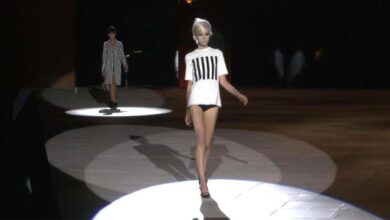
- The “grunge” collections of the 1990s, particularly those in the early to mid-1990s, frequently top the lists. These collections embraced a raw, anti-establishment aesthetic that reflected the cultural zeitgeist of the time. They often featured ripped denim, oversized silhouettes, and a deliberately “unpolished” look. This rebellious spirit resonated deeply with a generation, solidifying the collection’s position as a defining moment in both Marc Jacobs’ career and the fashion world.
- The “Spring/Summer 2001” collection is often celebrated for its innovative use of color and print. Bold and unexpected color palettes were combined with playful prints and patterns, reflecting a move towards a more vibrant and experimental approach. The collection’s striking visual impact set a new standard for contemporary fashion.
- The “Autumn/Winter 2000” collection, featuring a strong focus on classic American sportswear, is frequently cited as another standout. The collection reimagined iconic American apparel styles in a contemporary, sophisticated manner. It marked a subtle but significant shift in Marc Jacobs’ design philosophy, demonstrating a talent for blending classic American style with his signature flair.
Collections Reflecting Design Philosophy Shifts
Marc Jacobs’ design philosophy has undergone notable shifts throughout his career. Some collections serve as clear examples of these changes.
- The evolution from the rebellious, grunge-inspired aesthetics of the 1990s to the more refined, sophisticated looks of the 2000s is a significant shift. This evolution is apparent in collections like the “Autumn/Winter 2000” and “Spring/Summer 2001” collections, where a more controlled and structured aesthetic emerged.
- A key shift in the designer’s philosophy involved a move towards more nuanced and layered interpretations of classic styles, evident in some of his later collections. This transition is observable in collections where traditional elements are reimagined and given a modern twist. These collections often showcased a deeper understanding of silhouette, texture, and the interplay of different fabrics.
Notable Collections and Their Impact
This table highlights several key collections, their defining features, and the impact they had on the fashion world.
Marc Jacobs’ best collections are a total game-changer, right? His designs often push boundaries, and some of his earlier work really stood out. Thinking about Michelle Obama’s playful fashion era style, Michelle Obama’s playful fashion era style often borrowed elements of bold color and interesting silhouettes. Ultimately, though, Marc Jacobs’ innovative use of fabrics and his attention to detail remain the standout qualities of his best collections.
| Collection | Key Features | Design Elements | Impact |
|---|---|---|---|
| Spring/Summer 2001 | Bold colors, playful prints, experimental silhouettes | Use of vibrant colors, unusual patterns, and innovative cuts | Set a new standard for contemporary fashion; influenced subsequent collections and designers. |
| Autumn/Winter 2000 | Reinterpretation of classic American sportswear | Modern take on denim, sweatshirts, and other American staples | Demonstrated a talent for blending classic styles with a modern sensibility; established a new understanding of American fashion. |
| 1990s Grunge Collections | Raw, anti-establishment aesthetic | Ripped denim, oversized silhouettes, and a deliberately unpolished look | Defined a generation’s style and profoundly influenced the fashion industry’s understanding of rebellion and nonconformity. |
Analyzing Design Elements: Marc Jacobs Best Collections Of All Time

Marc Jacobs’s enduring success stems not just from his innovative vision but also from his meticulous attention to design elements. The silhouettes, fabrics, color palettes, and accessories he employs become inextricably linked with his brand’s identity, creating a distinctive aesthetic that resonates with audiences. This analysis delves into how these elements have contributed to the success of his most acclaimed collections, highlighting their evolution and influence.Specific design choices, from the iconic ’90s grunge aesthetic to the modern, minimalist looks, have helped shape Marc Jacobs’s brand image.
By understanding how these elements interact, we gain a deeper appreciation for the meticulous craftsmanship and artistic vision behind each collection.
Silhouettes and Their Evolution
The evolution of silhouettes in Marc Jacobs’s collections mirrors societal shifts and his own artistic development. Early collections often featured androgynous, oversized silhouettes, reflecting the ’90s counter-culture and his unique take on gender fluidity. Later collections transitioned to more streamlined, body-conscious shapes, but always with a touch of his signature unexpectedness. The ’00s saw a shift towards more feminine and romantic silhouettes, but even these were often juxtaposed with edgy details, maintaining a sense of his distinct aesthetic.
The modern Marc Jacobs collections continue to showcase a dynamic range of silhouettes, from oversized coats to fitted dresses, always maintaining a sense of individuality and sophistication.
Fabric Choices and Their Impact
Fabric selection is crucial in conveying the mood and essence of a collection. The use of luxurious silks, heavy wools, or innovative synthetics has a profound impact on the overall feel of a collection. Jacobs has masterfully employed a wide range of textures, from the soft drape of silk to the structured strength of leather. The selection of fabrics not only impacts the physical feel of the garments but also communicates the collection’s intended message.
For example, the use of denim in his grunge-inspired collections contrasted dramatically with the refined satins used in more contemporary, minimalist looks.
Color Palettes and Their Cultural Context
Marc Jacobs’s color palettes have often reflected prevailing cultural trends and his own artistic inspirations. The use of bold, contrasting colors in his early collections often mirrored the vibrant, experimental spirit of the ’90s. Subsequently, more muted, sophisticated color palettes became prominent, yet still incorporated elements of surprise. The designer often juxtaposes unexpected colors and patterns to create a unique and captivating visual impact.
He has also incorporated colors inspired by specific cultures or art movements, adding another layer of complexity and intrigue to his collections.
Accessories: A Defining Element
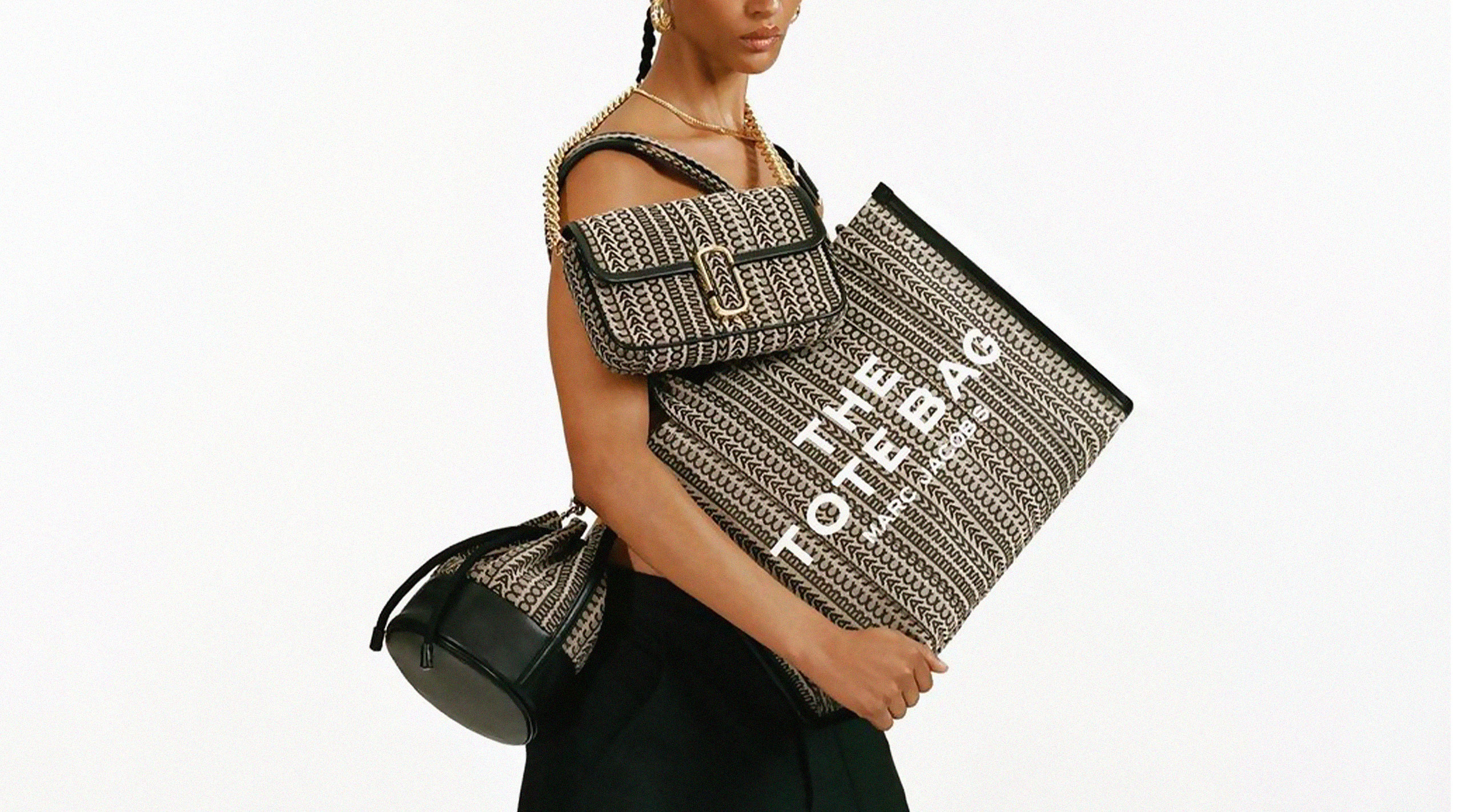
Accessories play a crucial role in elevating and defining Marc Jacobs’s collections. Iconic handbags, statement jewelry, and distinctive footwear are more than just functional items; they are integral parts of the overall aesthetic. From the iconic “The Marc Jacobs” handbag, which embodies the brand’s playful sophistication, to the innovative designs of his shoes, each accessory reinforces the unique character of the collection.
The choice of accessories not only complements the garments but also speaks volumes about the overall narrative and message of the collection.
Comparative Analysis of Color Palettes and Fabrics
| Collection Name | Dominant Colors | Key Fabrics | Key Design Elements |
|---|---|---|---|
| Spring/Summer 2000 | Bold, contrasting colors (neon pinks, electric blues) | Lightweight silks, sheer chiffons | Oversized silhouettes, avant-garde designs |
| Fall/Winter 2010 | Muted earth tones, deep jewel tones | Cashmere, wool, leather | Sleek, minimalist designs, sophisticated tailoring |
| Spring/Summer 2020 | Pastels, vibrant florals | Lightweight silks, linen | Bohemian-inspired silhouettes, romantic details |
Exploring Cultural Impact
Marc Jacobs’ best collections aren’t just about beautiful clothes; they’re about cultural shifts. These designs often acted as catalysts for broader conversations, influencing not only fashion trends but also social attitudes and media perception. The reception and lasting impact of these collections reveal a fascinating interplay between creative vision, public response, and the evolution of taste.The cultural impact of a fashion collection is multifaceted.
It encompasses the collection’s reception by the media and the public, its influence on other designers and trends, and even its ability to shape social attitudes. Marc Jacobs’ work often broke boundaries, sparking dialogue and generating significant buzz. The power of these collections lies in their ability to capture the zeitgeist and, in turn, shape it.
Media Coverage and Public Reception
Marc Jacobs’ collections frequently generated extensive media coverage, often shaping public perception and influencing the perceived value of the designs. Positive reviews and enthusiastic responses from critics and fashion enthusiasts can elevate a collection to iconic status, whereas less favorable reactions might result in the collection being seen as less significant. The media’s interpretation of the collection is crucial in defining its lasting cultural impact.
For instance, the media’s portrayal of the “grunge” aesthetic championed in some of his collections played a vital role in normalizing and mainstreaming that subculture.
Influence on Other Designers and Trends
Marc Jacobs’ innovative designs often inspired and influenced other designers and broader fashion trends. His use of bold colors, unconventional silhouettes, and playful juxtapositions frequently became a touchstone for subsequent collections. The influence isn’t just about copying specific elements but often about fostering a broader aesthetic direction or prompting creative experimentation. For example, the dramatic use of color and texture in his runway shows paved the way for similar approaches in contemporary fashion.
This influence transcended specific collections and extended to the overall direction of fashion design.
Demographic Resonance of Key Collections
| Collection | Target Demographic | Media Response | Cultural Impact |
|---|---|---|---|
| Spring/Summer 2001 | Millennials and Gen X, particularly those interested in street style and edgy aesthetics | Positive reception, praised for its blend of high fashion and street style elements | Significantly influenced the emergence of a new generation of fashion-conscious consumers and established Marc Jacobs as a leader in blending high fashion with streetwear |
| Fall/Winter 2010 | Gen Z and Millennials interested in vintage and retro styles, and those exploring a more nostalgic aesthetic. | Mixed reception, some found it overly nostalgic, while others appreciated the retro flair. | Introduced a new way of reinterpreting vintage styles into modern fashion and sparked discussions on the relevance of nostalgia in contemporary design. |
| Spring/Summer 2015 | Millennials and Gen Z, with an interest in sustainability and eco-conscious fashion. | Favorable reviews for the collection’s commitment to sustainability. | Helped to normalize the concept of sustainability in fashion and pushed the conversation towards more environmentally conscious design. |
This table demonstrates how different collections resonated with varying demographics. The media response and resulting cultural impact are significant indicators of the collection’s relevance and its ability to connect with diverse audiences.
Illustrating Key Pieces
Marc Jacobs’ best collections aren’t just about aesthetics; they’re about tangible expressions of a particular era’s spirit. Examining the key pieces reveals the designer’s vision, the materials’ significance, and the impact on fashion’s trajectory. Each garment, in essence, tells a story of the collection.These iconic pieces, carefully crafted and often pushing the boundaries of design, embody the spirit and vision of each collection.
They showcase the meticulous attention to detail, the experimental use of materials, and the designer’s unique understanding of the zeitgeist. Analyzing these specific pieces provides deeper insights into the evolution of Marc Jacobs’s design philosophy and the enduring influence of his collections.
Iconic Pieces from the “Best” Collections
These pieces, more than just garments, represent the essence of their respective collections. They highlight the unique design elements, materials, and construction techniques used to create them.
| Collection | Piece Name | Design Elements | Significance |
|---|---|---|---|
| Spring/Summer 2001 | The “grunge-meets-glamour” dress | A deconstructed silhouette, mixed textures (leather, lace, chiffon), and unexpected color combinations (e.g., black, deep emerald green, and rose) | This dress perfectly captures the rebellious yet refined aesthetic of the collection. It demonstrates Jacobs’s ability to fuse seemingly disparate styles into a cohesive whole. The materials highlight a shift towards a more experimental approach to fashion. |
| Fall/Winter 1999 | The “androgynous blazer” | Sharp, tailored lines, oversized proportions, and a color palette of deep blacks and greys. | This blazer, through its combination of tailored structure and unconventional sizing, challenged traditional gender roles in fashion. It symbolized a departure from conventional silhouettes and paved the way for a new generation of gender-fluid fashion. |
| Spring/Summer 2000 | The “floral patchwork coat” | A vibrant patchwork design featuring various floral prints, bold colors, and an unconventional cut. | This coat, with its bold use of color and pattern, represents the collection’s embrace of exuberance and playfulness. The materials and construction showcase the designer’s experimentation with texture and form. |
| Fall/Winter 2002 | The “metallic jumpsuit” | A sleek jumpsuit constructed from metallic fabrics, often with geometric patterns, and high-waisted silhouettes. | This jumpsuit embodies the collection’s focus on futuristic and sophisticated styles. The metallic material and tailored construction showcased Jacobs’s ability to blend modernism with classic tailoring. |
Historical Context
Marc Jacobs’ career has been deeply intertwined with the evolving landscape of fashion and society. His collections, far from being isolated stylistic choices, often mirror and sometimes even anticipate the cultural shifts of their time. Understanding the historical context surrounding these collections reveals a fascinating interplay between design, social movements, and the prevailing aesthetic preferences of each era.
This understanding adds another layer of depth to appreciating the genius of his work.The historical context surrounding each collection illuminates the designer’s response to the world around him. It’s not simply about what he
Marc Jacobs’s best collections are always a treat to see. His Fall/Winter 2001 show, with its edgy, almost punk-inspired aesthetic, was truly iconic. And while I’m on the subject of great design, I can’t help but also think about some of my favourite Christmas movies, like those old classics – like the perfect holiday cheer you’ll find in best classic Christmas movies.
But honestly, the overall impact of those Marc Jacobs collections is something I still adore and they’ll always be among the most memorable fashion moments.
- created*, but how he
- interpreted* and
- engaged* with the zeitgeist. This approach unveils a powerful narrative, connecting the designer’s vision with the broader cultural conversation of the time.
Key Events Shaping Marc Jacobs’ Fashion Journey
Understanding the milestones in Marc Jacobs’ career provides crucial context for appreciating his collections. These events not only shaped his design philosophy but also influenced the choices he made for specific collections. This timeline illustrates the significant moments that influenced his aesthetic.
- 1989: Debut Collection
– This marked a pivotal moment, launching Jacobs’ career and establishing a distinctive style. The collection was a bold statement, defying conventional norms and immediately garnering significant attention. This collection’s success laid the foundation for future experimentation and innovation. - 1990s: Grunge and Rebellion
-The rise of grunge culture, with its anti-establishment ethos and rebellious spirit, directly impacted the aesthetic of Jacobs’ collections during this decade. The combination of raw, unpolished textures, and unconventional color palettes became hallmarks of the era. - Late 1990s: Luxury Reimagined
-The late 1990s saw a shift towards a more luxurious interpretation of fashion. Jacobs’ collections during this time reflected a move towards more refined silhouettes, luxurious fabrics, and sophisticated color palettes, while still retaining a distinct artistic flair. This period also saw the rise of a more discerning consumer base. - 2000s and Beyond: Evolution of Style
– The 2000s and subsequent years saw Jacobs continually evolving his style. He adapted to changing trends while maintaining a consistent core identity. The introduction of new technologies and materials allowed for greater innovation in design, resulting in more experimental and creative collections.
Social and Cultural Influences
The fashion world is deeply intertwined with social and cultural movements. Marc Jacobs’ collections are no exception. Understanding the societal and cultural context allows for a more nuanced appreciation of his designs.
- The Impact of 1990s Grunge
-The rise of grunge culture, characterized by its rejection of traditional beauty standards and embrace of a raw, unpolished aesthetic, significantly influenced the design choices of the 1990s collections. This was particularly evident in the use of raw materials, unusual color palettes, and unconventional silhouettes. - The Role of Pop Culture
– Pop culture often serves as a catalyst for fashion trends. Popular music, movies, and other cultural phenomena frequently inspire designers and impact the designs of their collections. This was demonstrably clear in the influence of music and movies on Marc Jacobs’ work throughout his career. - Changing Gender Roles
-Shifting gender roles have consistently impacted fashion. Jacobs’ collections have reflected these changes through designs that blur traditional gender lines and challenge conventional notions of masculinity and femininity. This evolution was especially prominent in his more recent collections.
Aesthetic Preferences of the Era
The prevailing aesthetic preferences of each era play a critical role in shaping fashion trends. Jacobs’ collections often reflect and sometimes even anticipate these preferences, making his work a valuable lens through which to view the cultural shifts of his time.
- The 1990s: Anti-establishment and Individuality
– The 1990s aesthetic emphasized anti-establishment values, individuality, and a rejection of traditional standards. Jacobs’ collections embraced this spirit by creating designs that challenged the status quo and fostered self-expression. - The 2000s and Beyond: Sophistication and Experimentation
– The 2000s and beyond saw a move towards a more sophisticated and experimental aesthetic. Jacobs’ collections mirrored this evolution by integrating new technologies, materials, and design elements while retaining his signature style.
Evaluating the Collections
Marc Jacobs’ career is a fascinating tapestry woven with threads of innovation, controversy, and enduring influence. Evaluating the “best” collections requires a nuanced approach, moving beyond simplistic rankings and delving into the factors that propelled certain lines to iconic status. Understanding the criteria used to judge quality is crucial to appreciating the diverse and often contradictory nature of his work.Assessing the impact of a collection is not just about the immediate reaction; it’s about the long-term influence on the industry, its cultural resonance, and how it continues to shape design conversations.
Different collections resonate with different audiences and critics, making a definitive “best” subjective and highly dependent on the criteria employed.
Comparing Frequently Cited “Best” Collections, Marc jacobs best collections of all time
Several Marc Jacobs collections consistently top lists of the most influential and celebrated. The comparison reveals recurring themes and stylistic choices that define his signature aesthetic. For example, the Spring/Summer 2001 collection, often praised for its avant-garde approach, contrasts sharply with the more commercially driven yet still innovative Spring/Summer 2010 collection. These differing approaches highlight the multifaceted nature of Jacobs’s creativity and the diverse ways in which he has engaged with fashion.
Factors Contributing to Collection Influence
The lasting impact of a collection stems from a combination of factors. Beyond aesthetics, crucial elements include innovation in design, cultural context, and the collection’s ability to generate conversation and debate. The creative direction, its execution, and the response it elicits from critics and the public all play a part. The enduring legacy of certain collections can be attributed to their ability to capture a specific zeitgeist, a cultural moment, and their capacity to push the boundaries of design.
Criteria for Evaluating a Fashion Collection
Evaluating the quality of a fashion collection requires a multifaceted approach. A singular metric is insufficient. A comprehensive evaluation considers the originality of the design, the innovative use of materials, the skill and precision of the craftsmanship, and the collection’s broader influence on fashion and culture. The table below Artikels these criteria and provides examples.
| Criterion | Definition | Examples | Scoring System |
|---|---|---|---|
| Originality | The extent to which the collection presents fresh and unique ideas, departing from conventional designs and exploring new aesthetic territories. | Marc Jacobs’s use of deconstructed silhouettes in the 1990s, or the unconventional use of color palettes in more recent collections. | 1-5 (1 = derivative, 5 = groundbreaking) |
| Innovation | The collection’s ability to introduce new techniques, materials, or technologies that advance the field of fashion design. | The use of innovative fabrics, cutting-edge tailoring, or digital design techniques. | 1-5 (1 = incremental, 5 = revolutionary) |
| Craftsmanship | The meticulous execution of the design details, reflecting the skill and precision of the production process. | High-quality tailoring, intricate embroidery, or innovative construction techniques. | 1-5 (1 = sloppy, 5 = exquisite) |
| Influence | The collection’s impact on the fashion industry, broader culture, and the evolution of design trends. | Collections that become iconic references for later designers, or those that inspire significant cultural conversations. | 1-5 (1 = negligible, 5 = transformative) |
Final Thoughts
In conclusion, Marc Jacobs’ best collections aren’t just fashion statements; they’re cultural touchstones. From the revolutionary silhouettes to the innovative use of color and fabric, these collections demonstrate a remarkable ability to adapt and evolve while staying true to a unique aesthetic. The lasting impact on fashion and culture speaks volumes about the designer’s vision and the enduring appeal of these iconic creations.
This exploration has revealed not just the best collections, but the designer’s journey and the enduring power of fashion to shape our world.