Martha Graham 100 anniversary Halston: A century of groundbreaking artistry in dance and fashion intertwines in a celebration of innovation and influence. Graham’s revolutionary dance technique, pushing boundaries and challenging conventions, resonates powerfully with Halston’s vision for American fashion. This exploration delves into the parallels and connections between these two titans of 20th-century creativity, examining their artistic philosophies and the lasting impact on their respective fields.
The anniversary provides a unique lens through which to view the intersection of these two artistic forces. Their shared commitment to pushing the boundaries of their disciplines, their impact on the cultural landscape of their time, and the lasting influence they continue to exert on contemporary art forms are key elements that will be explored. We will see how their legacies intertwine and illuminate the profound connection between dance and fashion.
Martha Graham’s Legacy
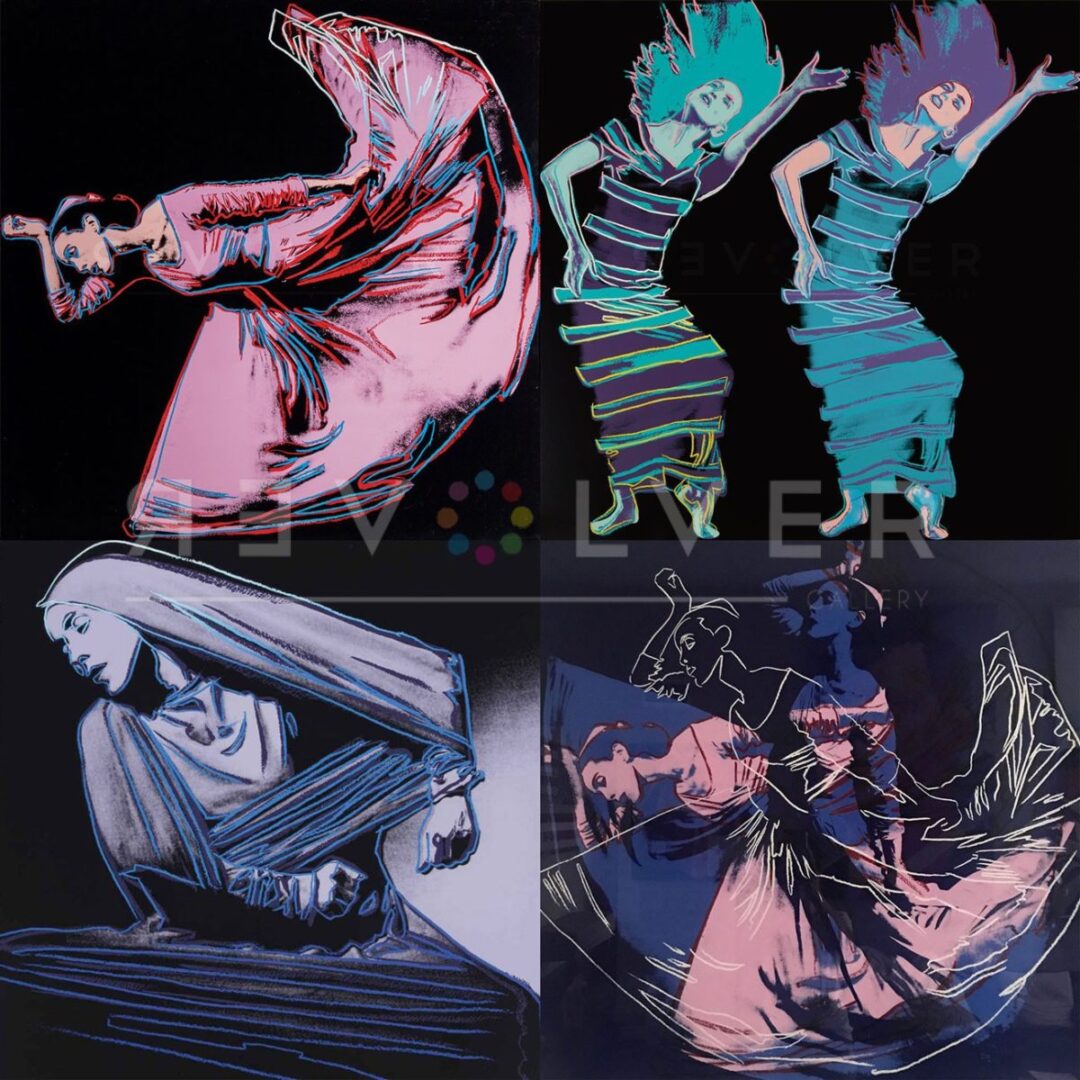
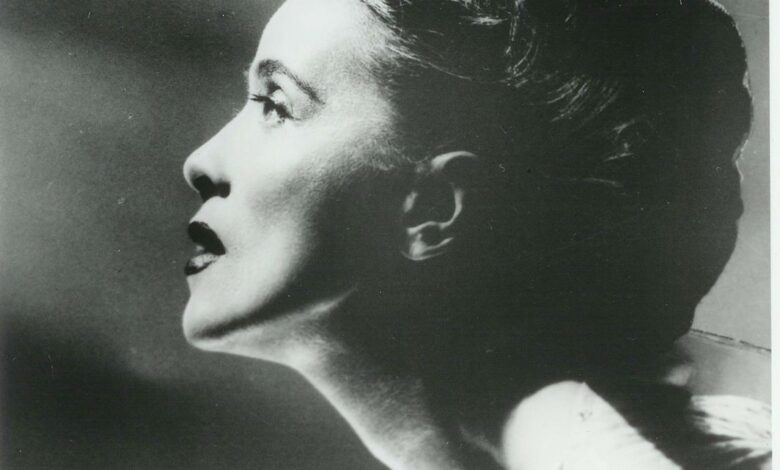
Martha Graham, a revolutionary figure in 20th-century dance, profoundly impacted the world of choreography and performance. Her innovative techniques and powerful, emotionally charged narratives redefined modern dance, leaving an enduring legacy that continues to inspire and influence contemporary artists. Graham’s relentless pursuit of artistic expression and her unflinching dedication to pushing the boundaries of dance form created a unique and lasting impact on the art form.
Celebrating Martha Graham’s 100th anniversary with Halston designs is a fantastic nod to dance history. It’s interesting to see how this design aesthetic connects to the enduring legacy of footwear like Manolo Blahnik’s Mary Janes, which are also marking a milestone 30th anniversary this year. Manolo Blahnik Mary Janes 30 year anniversary shows a similar commitment to craftsmanship and style.
Ultimately, both reflect a powerful connection to timeless elegance, and I can’t wait to see what further collaborations will come out of this year’s Graham centennial.
A Pioneer of Modern Dance, Martha graham 100 anniversary halston
Martha Graham was born in 1894 and, during her lifetime, witnessed significant social and cultural shifts. She developed a unique style, challenging the traditional ballet aesthetic and embracing the emotional and psychological depth of human experience. Her work was a powerful response to the changing times, exploring themes of social unrest, personal struggles, and the human condition. This approach established a new paradigm in dance, emphasizing movement’s ability to communicate complex emotions and ideas.
Artistic Principles
Graham’s choreography was rooted in a unique set of principles. She emphasized the use of contraction and release, drawing inspiration from the human body’s natural range of motion. Her exploration of the body’s potential for expression extended beyond the conventional postures and movements of ballet, resulting in a more visceral and emotionally charged aesthetic. She believed that dance should be a vehicle for storytelling and conveying profound human experiences, moving beyond mere physical display.
Evolution of Style
Graham’s style evolved throughout her career. Early works often focused on exploring the tensions and releases within the human form, reflecting a modernist sensibility. As her career progressed, her work became increasingly focused on themes of conflict, struggle, and personal transformation. This evolution mirrored the broader social and political context of the 20th century, demonstrating her commitment to using dance as a tool for social commentary.
Her exploration of psychological themes and the human condition also became more pronounced in later works.
Influential Works
Graham’s most influential works offer powerful portrayals of human experience. “Lamentation” is a prime example, using powerful and emotive movement to depict grief and despair. “Appalachian Spring” delves into themes of American identity and community, showcasing Graham’s ability to weave social and cultural narratives into her choreography. “Cave of the Heart” and “Errand into the Maze” are other significant examples, reflecting the evolution of her style and her deepening exploration of the human psyche.
Impact on Contemporary Dance
Graham’s technique, emphasizing the importance of the body’s inherent potential, has had a lasting impact on contemporary dance. Her innovative approach to movement, which went beyond the constraints of traditional ballet, paved the way for a wider range of expression in the field. The use of contraction and release, and the focus on emotional depth, continues to be a cornerstone of many contemporary dance styles.
Comparison with Other Choreographers
| Choreographer | Key Characteristics | Notable Differences from Graham |
|---|---|---|
| Martha Graham | Contraction/release; exploration of psychological themes; social commentary; powerful, emotionally charged movement. | Often more abstract than other choreographers; less emphasis on virtuosity; more focus on emotional and psychological expression. |
| Isadora Duncan | Naturalistic movement; inspiration from nature; focus on free and expressive movement. | More emphasis on the emotional and psychological aspects of the human experience, and social commentary; greater use of technical aspects of movement. |
| Doris Humphrey | Fall and recovery; exploration of dynamics; focus on gravity and energy. | Different approach to movement; Graham emphasized contraction and release more than the fall and recovery; Graham was more focused on emotional expression. |
| Merce Cunningham | Abstract and non-narrative; emphasis on movement for movement’s sake; rejection of emotional content. | Graham’s work is strongly narrative and focused on emotional expression; Cunningham’s work is abstract and non-narrative. |
This table highlights the distinct characteristics of Graham’s work in comparison to other significant 20th-century choreographers. The differences in emphasis, focus, and approach demonstrate the unique contribution of each artist to the evolution of modern dance.
Halston’s Fashion Vision
Halston’s impact on the American fashion scene was profound, transforming the 1970s with a unique and effortlessly chic aesthetic. He moved beyond the restrictive trends of the past, embracing a more relaxed and individualistic approach that resonated deeply with the changing cultural landscape of the time. He wasn’t just a designer; he was a cultural phenomenon.Halston’s designs embodied a sense of effortless elegance and understated glamour, capturing the spirit of the era.
He understood the power of simplicity and the desire for comfort and freedom in clothing, which appealed to a generation seeking a more liberated and less formal approach to style. He challenged traditional notions of high fashion, creating designs that felt both luxurious and approachable.
Halston’s Design Aesthetic
Halston’s design aesthetic was characterized by its simplicity and ease. He prioritized clean lines, relaxed silhouettes, and a focus on comfort and practicality. His signature style transcended rigid trends, focusing instead on the individual and their own sense of personal style.
Key Features of Halston’s Style
Halston’s designs were notable for several key features. His signature use of luxurious fabrics like silk, cashmere, and jersey, often in muted colors, created a sense of understated sophistication. His ability to blend high-end materials with everyday comfort made his clothes desirable to a wide range of individuals. A relaxed, almost casual, feel was a cornerstone of his style.
Silhouettes were fluid and flowing, often characterized by soft, natural drapes. Accessories, often minimal, were carefully chosen to complement the overall design.
Cultural Context of Halston’s Work in the 1970s
The 1970s were a time of significant social and cultural change. The counterculture movement, the rise of feminism, and a growing emphasis on individualism all played a role in shaping the fashion landscape. Halston’s designs perfectly captured the spirit of the era, with a focus on comfort, ease, and self-expression. His relaxed silhouettes and emphasis on individual style were perfectly in sync with the changing attitudes of the time.
The Martha Graham 100th anniversary Halston exhibit is fascinating, showcasing a unique blend of dance and fashion. It’s inspiring to see how dance can influence design, but it also got me thinking about contemporary travel style, like Tom Cruise and Ana de Armas’s choices. tom cruise ana de armas travel style offers some great insights into modern aesthetics.
Ultimately, the Halston exhibit still feels deeply relevant to the spirit of innovation in the world of fashion, echoing the powerful impact of dance and movement on style.
Silhouettes, Fabrics, and Accessories
Halston’s designs often featured flowing, A-line dresses, wide-leg pants, and relaxed jackets. These silhouettes reflected the desire for comfort and freedom in clothing. Fabrics like silk, cashmere, and jersey were often used, showcasing their drape and luxurious feel. Accessories were often minimal and elegant, with a focus on understated pieces that complemented the design.
Relationship Between Halston’s Designs and Social Trends
Halston’s designs reflected the evolving social and cultural trends of the 1970s. His emphasis on comfort and freedom resonated with the growing emphasis on self-expression and individuality. His designs were more about personal style than rigid adherence to specific trends, reflecting a more relaxed and liberated attitude towards fashion.
Comparison of Graham and Halston’s Impact
| Feature | Martha Graham | Halston |
|---|---|---|
| Creative Field | Modern Dance | Fashion Design |
| Impact on Field | Revolutionized modern dance with innovative techniques and choreography. | Revolutionized fashion design with effortless elegance and comfort. |
| Key Elements | Dynamic movement, use of the body, and emotional expression | Relaxed silhouettes, luxurious fabrics, and individual style |
| Cultural Context | Early-to-mid 20th century, evolving societal norms and artistic expression. | 1970s, era of social and cultural change and emphasis on individuality. |
The Intersection of Dance and Fashion
The intertwined histories of dance and fashion are rich with mutual inspiration and influence. From the flowing garments of ballet dancers to the avant-garde designs of modern choreographers, these art forms have constantly pushed boundaries and redefined aesthetics. This exploration delves into the specific connection between the artistic visions of Martha Graham and Halston, examining how their respective expressions resonated with and potentially inspired each other.The 20th century witnessed a dynamic exchange between dance and fashion, with each discipline shaping and responding to the other’s innovations.
This evolution stemmed from shared aesthetic concerns and a desire to create new forms of visual expression. The interplay between movement and form, between the body and clothing, became a powerful catalyst for creative experimentation in both realms.
Comparing Artistic Expressions
Martha Graham and Halston, though working in different disciplines, shared a common thread of innovation and a dedication to expressing the human condition through their respective mediums. Graham’s choreography, rooted in exploring the human psyche and emotion, often used angular, dynamic movements that defied traditional ballet aesthetics. Halston, conversely, revolutionized fashion with designs that embraced fluidity and emphasized the body’s natural contours.
Their approaches, while distinct, both sought to liberate the human form from restrictive norms.
Thematic Connections
Potential thematic connections between Graham’s movement and Halston’s designs lie in their shared emphasis on the human form and its potential for powerful expression. Graham’s angular, often minimalist, choreography might have found echoes in Halston’s streamlined silhouettes and bold use of fabric draping. The expressive quality of Graham’s dancers, conveying raw emotion through their movements, could have influenced Halston’s designs, pushing them towards clothing that emphasized the wearer’s physicality and conveyed a unique story.
Impact of Dance and Fashion
The impact of dance and fashion on each other in the 20th century was profound. Dance provided a platform for exploring innovative movement and body language, often influencing the silhouettes and styles of clothing. In turn, fashion provided the necessary garments and accessories to translate those movements into tangible, visual expressions. This interplay resulted in a constant cycle of inspiration and innovation.
Examples of Inspiration and Influence
Examples abound of how dance and fashion have inspired each other. The flowing, sculpted gowns of the 1950s, often worn by ballerinas, epitomize this synergy. The rise of modern dance in the mid-20th century, with its emphasis on natural movement, also led to a shift in fashion, moving away from restrictive silhouettes towards more flowing and adaptable garments.
Parallels in Artistic Philosophies
Graham and Halston both exhibited an understanding of the body’s potential for expression, and a desire to create garments and movements that spoke to the human condition. Graham’s focus on the emotional and psychological aspects of human experience found parallels in Halston’s exploration of individuality and self-expression through clothing.
Table: Dance and Fashion Interactions
| Historical Period | Dance Style | Fashion Style | Connection |
|---|---|---|---|
| Early 20th Century | Ballet | Corset-waisted gowns | Ballet’s elegant movements influenced the sculpted silhouettes of the period. |
| Mid-20th Century | Modern Dance | Shifting towards flowing garments | Modern dance’s emphasis on natural movement influenced more adaptable and expressive clothing styles. |
| Late 20th Century | Contemporary Dance | Avant-garde and minimalist designs | Contemporary dance’s exploration of new movements led to clothing that emphasized the body’s potential for expression, echoing the movement’s artistic language. |
100th Anniversary Celebration
A century after Martha Graham’s birth, a celebration of her enduring legacy presents a unique opportunity to explore the interconnectedness of art forms. This 100th anniversary provides a compelling framework to delve into the fascinating intersection of dance and fashion, specifically highlighting the profound influence of Graham’s artistry on Halston’s innovative vision. The synergy between these two titans of their respective fields promises to inspire new collaborations and fresh perspectives on creativity.This exploration delves into how the anniversary of Martha Graham’s birth can be reflected in Halston’s legacy.
It examines potential themes and motifs for commemorating the anniversary, and how Halston’s fashion can be linked to Graham’s dance. Furthermore, it underscores the significance of celebrating both artists together and the potential for inspiring new collaborations between dance and fashion.
Reflecting Graham’s Legacy in Halston’s Fashion
The centennial of Martha Graham’s birth offers a potent platform to showcase the influence of her groundbreaking dance on Halston’s fashion. The inherent connection between the expressive fluidity of Graham’s choreography and the bold, minimalist aesthetic of Halston’s designs is undeniable. By juxtaposing Graham’s pioneering work with Halston’s innovative spirit, a powerful narrative emerges, highlighting their shared commitment to pushing boundaries and celebrating the human form.
Possible Themes and Motifs
A celebration of this magnitude necessitates a selection of impactful themes and motifs that encapsulate the essence of both artists. A possible theme could be “The Modern Muse,” focusing on the transformative power of dance and fashion in shaping modern aesthetics. Another theme might be “The Body in Motion,” which explores the interplay between the human form in dance and the sculpted elegance of Halston’s garments.
The color palette could draw inspiration from Graham’s use of stark contrasts in her choreography, and Halston’s signature use of bold, vibrant hues. Geometric patterns, evocative of the structured lines and angles inherent in Graham’s technique, could also be incorporated.
Interpreting the Link Between Graham’s Dance and Halston’s Fashion
Halston’s garments, often characterized by their fluidity and ease of movement, could be presented in exhibitions alongside archival footage of Graham’s performances. The exhibition could showcase how Graham’s emphasis on the body’s natural lines influenced Halston’s designs, creating a harmonious interplay between the expressive power of movement and the sculpted elegance of clothing. This display would allow visitors to visualize the synergy between the dynamic nature of Graham’s dance and the structured yet adaptable nature of Halston’s fashion.
Significance of Celebrating Both Artists Together
Celebrating both Martha Graham and Halston together transcends a simple exhibition; it acknowledges the interconnectedness of artistic expression across disciplines. The juxtaposition of Graham’s pioneering dance with Halston’s revolutionary fashion provides a unique opportunity to explore the impact of artistic innovation on cultural landscapes. By showcasing both artists’ contributions, the exhibition fosters a deeper appreciation for their influence on the evolution of modern art and design.
The Martha Graham 100 anniversary Halston show is seriously buzzing, and I’m already picturing the stunning designs. It’s a fantastic homage to a true icon, but I’m also excited to see what’s happening in the menswear world. The recent announcement for the Issey Miyake Homme Plissé Pitti Uomo collection ( issey miyake homme plisse pitti uomo announcement ) is a fantastic example of innovation, and I’m sure the Graham anniversary show will feature similar fresh takes on classic design.
The creativity of both designers is inspiring, and I’m looking forward to seeing how this new generation pays tribute to the past.
Inspiring New Collaborations Between Dance and Fashion
The centennial celebration can be a catalyst for new collaborations between dance and fashion. The exhibition could inspire designers to incorporate elements of Graham’s choreography into their collections, resulting in innovative garments that reflect the fluidity and strength of dance. Likewise, choreographers could be inspired to create new works that draw inspiration from Halston’s aesthetic, creating pieces that embrace the elegance and boldness of his designs.
Potential Exhibition Themes and Content
| Exhibition Theme | Content |
|---|---|
| The Modern Muse | Showcase Graham’s impact on 20th-century aesthetics, demonstrating how Halston’s work reflected and expanded upon those principles. |
| The Body in Motion | Explore the interplay between the human form in dance and the sculpted elegance of Halston’s designs. Include archival footage and sketches. |
| Sculpting the Silhouette | Highlight the influence of Graham’s movement vocabulary on Halston’s dress forms, emphasizing the link between body language and garment design. |
| Color and Contrast | Compare the color palettes and contrasting elements in Graham’s choreography and Halston’s designs. |
Visual Representations: Martha Graham 100 Anniversary Halston
The intersection of Martha Graham’s groundbreaking choreography and Halston’s innovative fashion designs offers a compelling visual narrative. Exploring this connection through imagery allows us to appreciate the profound influence each artist had on their respective fields, and the enduring legacy they continue to leave on contemporary art and culture. These visual representations offer a unique lens through which to understand the evolution of both dance and fashion, showcasing the artistic dialogue and shared aesthetic principles.The visual representations below showcase the evolution and connection between these two titans of their respective fields, emphasizing the impact of Graham’s movement vocabulary and Halston’s design aesthetic.
These images highlight the conceptual similarities, specific aspects, and contrasts between the two artists’ styles, while illustrating their influence on their respective fields.
Conceptual Connection: Graham’s Choreography and Halston’s Designs
A visual representation of this conceptual connection could depict a series of overlapping images. One image might show a close-up of a Graham dancer in a dynamic pose, embodying raw emotion and angular movement. Another image could display a Halston gown, perhaps with a draped or sculpted silhouette that mirrors the dancer’s pose, or the energy of the movement.
A third image might depict the dancer wearing the gown, seamlessly merging the dance and fashion elements. This visual juxtaposition would emphasize the way Halston’s designs captured the essence of Graham’s powerful and expressive choreography.
Graham’s Movement and Halston’s Fashion
A visual representation of a specific aspect of Graham’s movement in relation to Halston’s fashion could focus on the “contraction and release” technique. The image might show a close-up of a dancer executing this technique, her body contorting and elongating, with the movement captured in multiple frames. Overlayed on this, or adjacent to it, would be a series of Halston dresses or gowns.
These garments could be designed with a focus on draping and shaping, reflecting the dancer’s contortions and elongations. The image would clearly demonstrate how Halston’s designs mirrored and amplified the physicality of Graham’s movements.
Graham’s Style Contrasting Halston’s
To visually represent the contrast between Graham’s style and Halston’s, one could use an image that juxtaposes a photograph of Graham in a performance with a photograph of a Halston runway show. The Graham image could feature a dancer in simple, flowing, yet form-fitting garments, reflecting the stark and grounded nature of her style. The Halston image would contrast this with extravagant, often bold, and highly sculpted garments that used luxurious fabrics and an array of colors.
This comparison would highlight the stark difference in aesthetics between the two, yet emphasize their shared dedication to innovation and artistic expression.
Impact on Respective Fields
An illustration showcasing the impact of each artist could present a timeline or a series of interconnected images. One segment might feature images of Graham’s dancers and choreographic works, showcasing the evolution of modern dance. Another segment would display images of Halston’s iconic fashion designs and runway shows, tracing the evolution of American fashion. The overlapping of these timelines would visually demonstrate the profound impact each artist had on their respective fields, fostering a new understanding of artistic influence.
Impact of the 100th Anniversary
An illustration showcasing the impact of the 100th anniversary on contemporary dance and fashion could present a collage. This collage could contain images of contemporary dancers performing Graham-inspired choreography, as well as images of contemporary designers incorporating Halston-esque elements into their work. These images would serve as visual representations of how the legacy of these two artists continues to inspire and shape modern artistic expression.
Evolution of Graham’s Dance and Halston’s Fashion
To illustrate the evolution of both Graham’s dance and Halston’s fashion, a series of images showcasing key moments from their careers would be ideal. A series of images could depict Graham’s early work, highlighting the evolution of her style and movement vocabulary. Concurrently, images of Halston’s early designs, such as his iconic use of fabrics and silhouettes, would complement the evolution of Graham’s work.
Later images would showcase Graham’s mature style, including her later works, and Halston’s later designs and fashion statements, showcasing their respective growth and evolution. These visual representations could span the entirety of their careers, emphasizing the continuous influence of their artistic vision.
Closing Notes
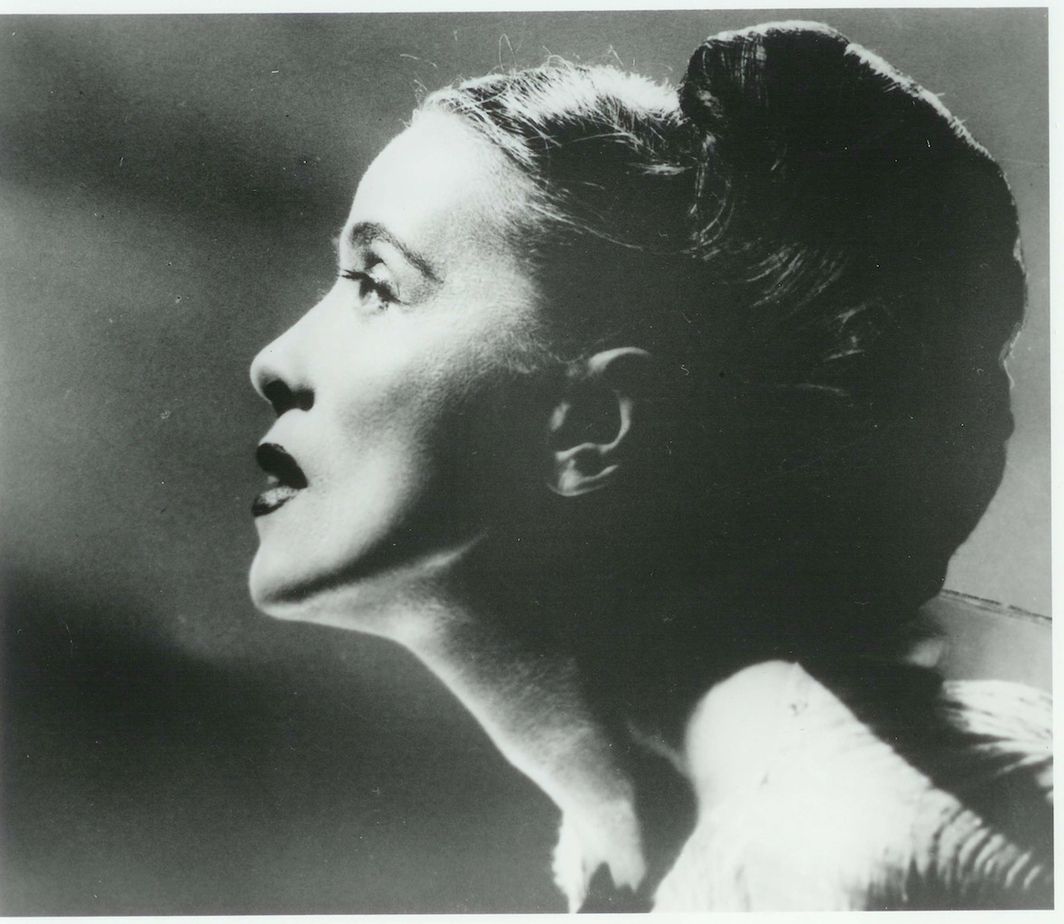
In conclusion, the Martha Graham 100 anniversary Halston celebration offers a compelling opportunity to reflect on the enduring power of artistic expression. Both Graham’s revolutionary dance and Halston’s innovative fashion continue to inspire and influence artists today. The parallels between their work highlight the interconnectedness of creativity and the ability of seemingly disparate art forms to resonate and inspire one another.