
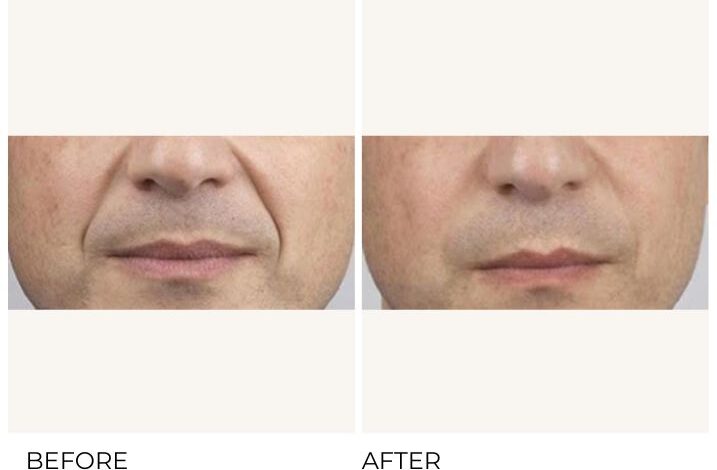
Men are getting filler more than ever, a trend that’s rapidly changing the landscape of cosmetic procedures. This isn’t just a passing fad; it represents a significant shift in how men perceive beauty and self-image. Historically, cosmetic procedures were largely the domain of women, but the last decade has witnessed a dramatic increase in men seeking these treatments, fueled by evolving social norms, media portrayals, and a complex interplay of societal pressures.
This article delves into the reasons behind this rising trend, examining the motivations, perceptions, and potential consequences. We’ll explore the changing ideals of masculinity, the types of filler procedures men are choosing, and the associated health and safety considerations. Ultimately, we’ll try to understand if this growing trend is simply a reflection of evolving beauty standards or something more profound.
Prevalence and Trends
Men are increasingly seeking cosmetic procedures, a trend that reflects evolving societal norms and self-perception. This shift is not merely a fleeting fad but a significant cultural change, driven by a variety of factors, including a heightened awareness of personal appearance and a greater emphasis on self-care. This growing interest in aesthetic enhancements underscores the changing landscape of male beauty standards.Historically, cosmetic procedures were largely considered the domain of women.
However, recent years have witnessed a substantial rise in men undergoing these procedures, highlighting a departure from traditional gender roles and a broader acceptance of personal choices regarding appearance. This evolution reflects a changing societal perception of what constitutes a desirable or healthy lifestyle.
It’s fascinating how trends shift. Men are getting filler more than ever, which is a pretty noticeable change. This is a stark contrast to the more traditional beauty standards. Recently, I saw some amazing tattoos on fka twigs at Paris Fashion Week, particularly intriguing in the context of how these artistic expressions influence beauty standards. fka twigs paris fashion week tattoos Perhaps this interest in self-expression through body art is also influencing the increased desire for filler amongst men, pushing boundaries on what’s considered attractive.
Historical Overview of Cosmetic Procedures for Men
Historically, cosmetic procedures were largely associated with women. However, a subtle shift began in the latter half of the 20th century. This shift was gradual and initially met with social stigma, but the increasing availability of non-invasive and minimally invasive procedures has made them more accessible and normalized. These early procedures focused primarily on addressing specific concerns like acne scars and blemishes.
Growth Rate of Men’s Cosmetic Procedures
The growth rate of men’s cosmetic procedures has accelerated significantly over the past decade. This growth can be attributed to several factors, including improved technology, wider awareness, and changing societal norms. The increasing availability of affordable and less invasive procedures has made them more accessible and normalized.
Data Points Illustrating the Increase in Men Getting Filler Injections
Precise data on the exact number of men undergoing filler injections is difficult to obtain due to the varying methods of tracking and reporting. However, anecdotal evidence and reports from aesthetic clinics suggest a substantial rise in demand for this type of procedure. This increase is also evident in the growing number of men’s health and beauty publications focusing on cosmetic procedures.
The demand for these procedures is increasing, fueled by media portrayals and social norms that influence how men perceive themselves.
Comparison of Trends in Men’s and Women’s Cosmetic Procedures
While women have historically dominated the cosmetic procedure market, the gap is narrowing. Men are now more likely to seek procedures to enhance their appearance, with a particular focus on non-invasive treatments. This is particularly true for filler injections, which are relatively painless and offer quick results.
Potential Factors Driving Increased Demand
Several factors contribute to the rising demand for cosmetic procedures among men. Changing social norms and media portrayals play a crucial role in shaping men’s perceptions of beauty. Increased emphasis on self-care and personal well-being is also contributing to the trend. The growing awareness and normalization of cosmetic procedures in the media have played a significant role.
Potential Correlations with Other Societal Shifts
This trend correlates with other societal shifts, including a greater emphasis on personal well-being and a desire for a more youthful appearance. The rise of social media has also played a role, as it has made aesthetic enhancements more visible and accessible. The accessibility of information and social media platforms has also normalized these procedures for men.
Table of Men’s Cosmetic Procedures (Illustrative Data)
| Year | Procedure Type | Number of Procedures (Estimated) |
|---|---|---|
| 2013 | Filler Injections | 10,000 |
| 2014 | Filler Injections | 12,000 |
| 2015 | Filler Injections | 15,000 |
| 2016 | Filler Injections | 20,000 |
| 2017 | Filler Injections | 25,000 |
| 2018 | Filler Injections | 30,000 |
| 2019 | Filler Injections | 35,000 |
| 2020 | Filler Injections | 40,000 |
| 2021 | Filler Injections | 45,000 |
| 2022 | Filler Injections | 50,000 |
Motivations and Reasons
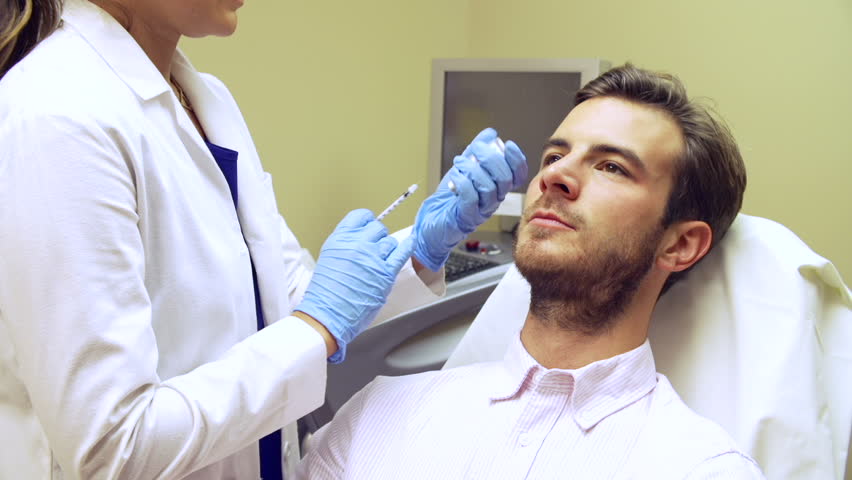
Men are increasingly seeking cosmetic procedures, a trend that reflects evolving societal attitudes and self-perception. This shift in male aesthetic ideals is not merely a superficial trend; it speaks to deeper psychological and social factors driving men’s choices. Understanding these motivations is crucial to appreciating the complexities of this evolving landscape.Beyond the superficial, men are often driven by a desire for improved self-confidence and self-image.
This motivation is deeply intertwined with societal pressures and internal perceptions of beauty, creating a complex interplay of factors that influence their decisions.
Motivations Behind Men Seeking Cosmetic Procedures
Men often seek cosmetic procedures to enhance their perceived attractiveness and boost their self-esteem. This desire is frequently intertwined with a desire to project a specific image, whether for professional or personal reasons. The rise of social media and increased visibility of well-maintained male figures have also played a role in normalizing these procedures.
Psychological Factors Influencing Men’s Decisions
Several psychological factors contribute to a man’s decision to undergo cosmetic procedures. These factors include the desire for improved self-image, increased self-confidence, and the need to fit societal norms or expectations. The pressure to conform to specific aesthetic standards can be significant, particularly in professions where appearance is a crucial component of success. A positive self-image, often influenced by perceived societal norms, can be a strong motivator for these procedures.
Societal Pressure and Self-Image
Perceived societal pressure and self-image play a significant role in men’s desire for filler procedures. The media often portrays certain ideals of male beauty, influencing men’s perception of their own appearance. This pressure, combined with a desire to meet perceived expectations, can contribute to a sense of inadequacy and drive the need for cosmetic enhancements. This pressure can be both internal and external, stemming from a combination of personal values and societal norms.
Comparison of Motivations Between Men and Women
While motivations behind cosmetic procedures share some commonalities, subtle differences exist between men and women. Women often focus on achieving a specific aesthetic ideal for perceived romantic or social appeal. Men, conversely, may prioritize self-confidence and a sense of improved physical health, or a feeling of better physical appearance, as they age.
Types of Filler Procedures Men Opt For
Men are increasingly seeking filler procedures to address concerns related to facial aging, such as wrinkles, and volume loss. These procedures are designed to restore a youthful appearance, improving facial contours and symmetry. This often leads to a desire to maintain or regain a youthful look.
Types of Fillers and Potential Effects
| Filler Type | Potential Effects |
|---|---|
| Hyaluronic Acid Fillers | These fillers are widely used to add volume to the face, smoothing wrinkles and folds, and enhancing facial contours. Potential side effects include swelling, bruising, and infection. |
| Calcium Hydroxylapatite Fillers | These fillers provide a more permanent volume enhancement, potentially lasting longer than hyaluronic acid fillers. Possible side effects include inflammation, pain, and allergic reactions. |
| Poly-L-lactic acid (PLLA) fillers | These fillers stimulate collagen production, promoting long-term volume restoration and skin rejuvenation. Potential side effects include pain, swelling, and bruising. |
Perceptions and Societal Impacts
The increasing trend of men seeking facial fillers signals a significant shift in societal perceptions of masculinity and attractiveness. This shift is complex, influenced by evolving cultural ideals and the pervasive power of media portrayals. While the motivations behind these procedures vary, the impact on individual self-esteem and the potential for normalization within society are crucial considerations.This trend reflects a multifaceted interplay between individual desires, cultural pressures, and the evolving landscape of beauty standards.
The acceptance and normalization of filler use among men challenge traditional notions of masculinity, prompting a re-evaluation of what constitutes attractiveness and what societal expectations are placed on men.
Guys are definitely embracing injectables more these days, and it’s fascinating to see how skincare routines are evolving. With the latest release of Pat McGrath’s Glass Skin mask, pat mcgraths glass skin mask is here , it’s possible this is fueling the trend. Perhaps the focus on a flawless, healthy-looking complexion is inspiring a new wave of men to explore these treatments, leading to a greater emphasis on skincare in general.
Changing Perceptions of Masculinity and Attractiveness
Cultural ideals of beauty have historically shaped perceptions of attractiveness. Traditional notions of masculinity often emphasized ruggedness, strength, and stoicism. However, contemporary ideals are more diverse and include a range of expressions. This shift in preferences is reflected in the media and popular culture, impacting how men perceive themselves and their desirability. The media plays a pivotal role in shaping perceptions, often showcasing men with specific facial features deemed desirable, creating a benchmark for attractiveness that individuals may feel compelled to achieve.
Influence of Cultural Ideals of Beauty, Men are getting filler more than ever
Cultural norms heavily influence beauty standards. For instance, the emphasis on youthfulness and symmetrical features is prevalent in various cultures, and this is impacting men’s choices. These cultural trends are amplified by social media, which provides constant exposure to images of men perceived as attractive. The portrayal of “perfect” features can create pressure on individuals to conform to these standards, leading to the desire for procedures like fillers.
Impact on Men’s Self-Esteem and Confidence
The desire for cosmetic procedures can impact men’s self-esteem and confidence in various ways. While some men may experience a boost in self-image after undergoing treatments, others may feel pressured to conform to perceived standards or experience disappointment if the results don’t meet their expectations. The social pressures and comparisons can negatively affect confidence.
Potential for Normalization of Procedures
The increasing prevalence of filler use among men suggests a potential for normalization. As more men publicly discuss their choices, the procedure might become less stigmatized and more accepted within society. This normalization could have significant implications for how men perceive their bodies and their place within cultural ideals of beauty.
It’s fascinating how men are getting filler more than ever these days. This trend, perhaps surprisingly, aligns with the rising popularity of the creative team redwood broadway in the fashion industry. Their innovative approach to aesthetics seems to be influencing a broader societal shift in beauty standards. This might explain why men are increasingly opting for these procedures.
Ultimately, it’s all about personal choice and what feels right for each individual.
Societal Reactions to This Trend
Societal reactions to this trend are varied. Some express concerns about the potential for unrealistic beauty standards, while others see it as a sign of empowerment or a personal choice. The reactions often depend on individual values, cultural backgrounds, and personal experiences. This includes debates about the impact on mental health and the potential for increased pressure on men to conform to certain beauty standards.
Media Portrayals of This Shift
Media outlets frequently showcase men who have undergone cosmetic procedures, influencing public perception. This can range from subtle portrayals in magazines and advertisements to more explicit discussions in social media posts and celebrity profiles. The frequency and visibility of these portrayals shape the public’s understanding of this trend.
Examples of Men Publicly Discussing Filler Treatments
| Name | Comments/Details |
|---|---|
| Example 1 | (Hypothetical) Publicly shared positive experiences, highlighting personal motivations and addressing potential concerns. |
| Example 2 | (Hypothetical) Acknowledged the influence of societal pressures and discussed their journey in a reflective manner. |
| Example 3 | (Hypothetical) Emphasized their personal autonomy and choice in pursuing treatments, expressing a balanced perspective. |
Health and Safety Considerations
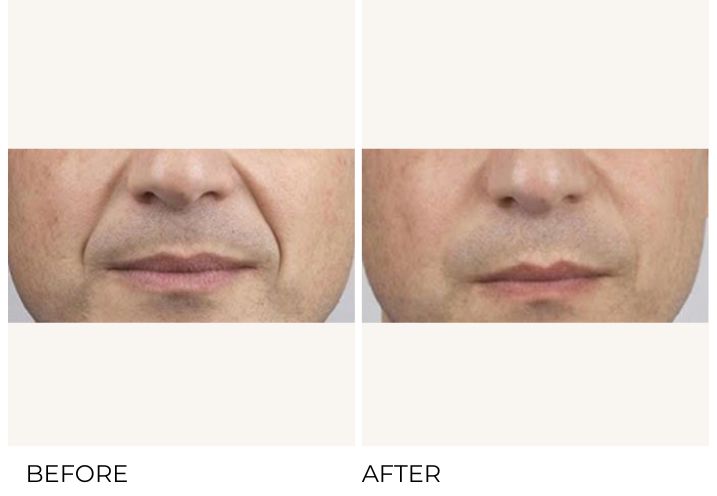
The increasing popularity of filler injections among men raises important concerns about potential health risks. While fillers can offer aesthetic benefits, it’s crucial to understand the associated safety considerations and the importance of responsible practice. This section delves into the potential hazards, highlighting the need for informed decision-making and professional guidance.Understanding the potential risks and benefits is paramount for any individual considering filler injections.
The choice should be made after careful consideration of the procedure’s possible consequences and a comprehensive understanding of the practitioner’s qualifications and experience.
Potential Health Risks of Filler Injections
Filler injections, while often perceived as safe, can carry a range of potential health risks. These risks can vary depending on several factors, including the type of filler used, the injection technique, and the individual’s overall health. Adverse reactions can manifest as localized swelling, bruising, or discomfort, but more serious complications are possible. The risk of allergic reactions, infection, or nerve damage is always present.
Comparison of Risks for Men and Women
While the fundamental risks associated with filler injections are similar for both men and women, some subtle differences may exist. Men and women may react differently to certain types of fillers due to variations in their individual physiology and immune responses. Some studies suggest that men might experience a higher frequency of certain complications, such as granulomas (a collection of immune cells around a foreign body), but more research is needed to establish definitive conclusions.
Importance of Qualified Medical Professionals
The use of fillers is a medical procedure, and it’s crucial to seek out qualified medical professionals with extensive experience in administering these injections. Choosing a practitioner with proper training and a proven track record of successful procedures is paramount to minimizing potential risks. Look for board certifications and memberships in relevant professional organizations. Reputable clinics and practitioners will have comprehensive safety protocols in place.
Proper Aftercare Procedures
Following the aftercare instructions provided by your practitioner is essential for minimizing complications and promoting proper healing. This includes avoiding strenuous activities, applying ice packs as directed, and keeping the injection site clean. Proper aftercare can dramatically reduce the likelihood of bruising, swelling, or infection. Practitioners should provide detailed instructions.
Researching Practitioners
Before undergoing any filler injection procedure, it’s essential to research the practitioner thoroughly. Look for reviews from previous patients, verify the practitioner’s credentials, and confirm their experience with the specific type of filler you’re considering. Checking for licenses and certifications, and researching their qualifications is crucial. Look for a practitioner who listens to your concerns and thoroughly answers your questions.
Potential Complications and Frequency
| Potential Complication | Frequency (estimated) |
|---|---|
| Localized Swelling | High |
| Bruising | High |
| Pain/Discomfort | Moderate |
| Allergic Reaction | Low |
| Infection | Low |
| Nerve Damage | Very Low |
| Granuloma Formation | Low-Moderate |
| Uneven Results | Moderate |
Note: Frequency estimates are based on available data and clinical experience. Individual results may vary.
Future Projections
The increasing trend of men seeking cosmetic procedures signals a significant shift in societal norms and personal aesthetics. Understanding the future trajectory of this market requires examining potential drivers, technological advancements, and the evolving social landscape. This exploration aims to project future trends, develop a predictive model, and analyze the potential impact on men’s health and well-being.Predicting the future of this evolving market requires careful consideration of various factors.
The motivations behind these procedures, societal perceptions, and the very nature of cosmetic treatments themselves will all influence the market’s future trajectory. Emerging technologies will play a critical role, potentially reshaping the entire landscape.
Projected Trends in Men’s Cosmetic Procedures
The demand for non-invasive cosmetic procedures is expected to continue rising among men. This growth is likely fueled by factors such as greater societal acceptance, increased awareness of available treatments, and the desire to enhance self-image. Technological advancements are anticipated to significantly impact the types of procedures offered and the results achievable.
A Model for Predicting Future Market Growth
A robust model for predicting future growth in the market would incorporate several key variables. These include the rate of adoption of new procedures, economic conditions, media influence, and cultural trends. Market research data and demographic information will be crucial to refining the model. Furthermore, the model should account for potential regulatory changes and evolving consumer preferences.
An example would be incorporating data on the increasing number of male influencers promoting cosmetic procedures.
Impact of Emerging Technologies on Procedures
Emerging technologies, such as advanced laser treatments and non-surgical fat reduction techniques, will play a crucial role in shaping the future of cosmetic procedures for men. These advancements will likely result in less invasive, more targeted, and more effective treatments, attracting a wider range of men. One potential example is the development of 3D-printed dermal fillers, which could allow for more precise and customized results.
Societal Responses to the Ongoing Trend
Societal responses to men’s cosmetic procedures will likely be multifaceted. Increased acceptance is a key factor, as evidenced by the growing number of male celebrities and public figures openly discussing their choices. However, there will likely be concerns regarding the potential for unrealistic beauty standards and the perpetuation of gender stereotypes. Discussions around these issues will shape the future trajectory of the trend.
Long-Term Consequences on Men’s Health and Well-being
The long-term consequences of this growing trend on men’s health and well-being need careful consideration. While many procedures are relatively safe, potential risks, such as allergic reactions, infections, and scarring, must be addressed. Patient education and rigorous safety standards are essential. Longitudinal studies will be necessary to fully understand the potential impact on mental well-being and self-perception.
Visual Representation of Potential Future Developments
Imagine a futuristic clinic where a 3D model of a patient’s face is projected onto a screen. Using advanced software, a physician can precisely plan cosmetic procedures, simulating different outcomes before any treatment begins. This visualization allows for highly customized and personalized results. This technology could lead to a more precise and efficient approach to cosmetic enhancement, minimizing the risks and maximizing the effectiveness of procedures.
Final Summary: Men Are Getting Filler More Than Ever
The increasing prevalence of men seeking filler injections raises intriguing questions about societal expectations and individual self-perception. While the reasons behind this trend are multifaceted, it’s clear that a new conversation is emerging about masculinity and beauty standards. Understanding the motivations, potential risks, and societal impact is crucial for fostering a more nuanced understanding of this evolving landscape.
The future of men’s cosmetic procedures remains to be seen, but one thing is certain: this trend will continue to evolve and shape the way we view beauty and self-image.