On assignment forces of fashion london sets the stage for this enthralling narrative, offering readers a glimpse into the dynamic world of fashion assignments in London. From historical context to the motivations of key players, this exploration delves into the creative processes, trends, and overall impact on the London fashion scene. We’ll uncover the people behind the assignments, the styles and trends they embody, and how these forces have shaped the city’s fashion identity.
This in-depth look at the concept of “On Assignment Forces of Fashion London” examines the various types of assignments, their outcomes, and their lasting influence. We’ll also analyze the visual representations of these assignments, highlighting the evolving styles and trends over time. Furthermore, the impact on the London fashion industry as a whole, from designers and retailers to the media and creative community, will be examined.
Introduction to “On Assignment Forces of Fashion London”
“On Assignment Forces of Fashion London” captures the dynamic pulse of London’s fashion scene through the lens of temporary, yet impactful, assignments. These assignments, often short-term collaborations, showcase the industry’s interconnectedness and the diverse skill sets required to make a mark in the fashion world. The concept goes beyond traditional internships, offering a unique perspective on the fast-paced and ever-evolving fashion landscape.London’s long-standing reputation as a global fashion hub is deeply intertwined with its history of fostering innovation and creativity.
From the rise of British designers in the 1960s to the current emphasis on sustainable practices and inclusivity, London has consistently pushed boundaries. Fashion assignments reflect this dynamic, offering a pathway for emerging talents to gain invaluable experience and established professionals to explore new avenues.
Historical Context and Significance
London’s fashion assignments have a rich history, evolving alongside the city’s burgeoning fashion scene. Early assignments focused on practical skills like pattern making and garment construction. However, as the industry diversified, assignments expanded to encompass a wider range of disciplines, from styling and photography to marketing and social media management. This evolution reflects the multifaceted nature of modern fashion.
The rise of social media and digital platforms has further reshaped these assignments, creating opportunities for rapid exposure and global reach.
The On Assignment Forces of Fashion London program is buzzing with incredible talent, and I’m particularly excited to highlight Maria Serena Ceravolo. Want to learn more about this rising star in the fashion world? Check out the profile on get to know Maria Serena Ceravolo. Her insights and experiences are sure to inspire and motivate anyone looking to break into the industry.
The program is clearly fostering a vibrant and dynamic environment for emerging designers in London.
Key Characteristics Defining the Assignment
Fashion assignments in London are characterized by their temporary nature, often lasting a few weeks to several months. This structured timeframe forces participants to prioritize and deliver results quickly. Assignments are often tailored to the specific needs of the participating brand or organization, providing highly targeted experience. The collaborative nature of assignments fosters networking opportunities, allowing participants to connect with industry professionals and gain valuable insights.
The assignments are frequently project-based, demanding a high degree of adaptability and problem-solving skills.
Aspects of the Fashion Industry Represented
This concept encompasses a wide array of fashion industry facets. Design, pattern making, and garment construction are fundamental elements. Beyond the creative side, aspects such as styling, photography, marketing, and social media management are equally important. Furthermore, the concept extends to consultancy roles, offering insights into market analysis, trend forecasting, and business strategy within the fashion realm.
The inclusion of sustainability and ethical practices in assignments is increasingly important, reflecting the evolving values of the modern consumer.
Perspectives on the Impact of Fashion Assignments
The impact of fashion assignments on the London scene is multifaceted. For emerging talents, these assignments offer a crucial springboard into the industry, providing practical experience and valuable networking opportunities. For established professionals, assignments can be a means of exploring new avenues, expanding skill sets, and staying abreast of industry trends. This fosters a continuous cycle of innovation and evolution within the fashion sector.
Furthermore, these assignments can also stimulate the city’s vibrant cultural scene, connecting different communities through fashion. Assignments frequently involve collaborating with diverse teams and stakeholders, creating a unique learning environment.
The People Behind “On Assignment Forces of Fashion London”
This assignment, “On Assignment Forces of Fashion London,” delves into the dynamic world of London’s fashion scene. Beyond the stunning visuals and trends, it’s the individuals behind the scenes who shape the narrative. Understanding their roles, motivations, and creative processes is key to appreciating the full impact of this assignment.This exploration delves into the diverse personalities involved in “On Assignment Forces of Fashion London.” From the photographers capturing the essence of the city’s fashion to the stylists meticulously crafting looks, each participant contributes a unique perspective.
The motivations behind their involvement, whether driven by passion for fashion, a desire to document the zeitgeist, or a personal creative vision, are as varied as the styles they represent.
Key Figures and Their Roles
The success of “On Assignment Forces of Fashion London” hinges on the collaborative efforts of various key figures. This section highlights their contributions and responsibilities.
- Fashion Photographers: These individuals are the visual storytellers, capturing the essence of London’s fashion scene through their lenses. Their roles extend beyond simply taking photographs; they meticulously compose shots, conveying moods and narratives through lighting, angles, and subject positioning. They are often responsible for choosing locations and models, ensuring that the images reflect the desired aesthetic. For example, a photographer might focus on street style, highlighting the unique fashion choices of everyday Londoners, while another might concentrate on high-fashion runway presentations, emphasizing the intricate details of designer garments.
- Stylists: The stylists play a critical role in defining the looks of the models or subjects featured in the assignment. They carefully curate outfits, selecting fabrics, colours, and accessories to reflect specific themes or trends. Their understanding of current fashion and their ability to interpret trends are essential for conveying a particular message or aesthetic through the chosen outfits.
For instance, a stylist might collaborate with a photographer to create a series of images showcasing the versatility of a particular designer’s collection, or they might style models to capture the essence of a specific cultural moment.
- Models: Models embody the designs and styles presented in the assignment. Their ability to project the desired image and pose effectively is crucial to conveying the aesthetic of the clothing or accessories. They are vital in translating the vision of the stylists and photographers into tangible imagery. For example, a model might showcase a range of looks with varying levels of formality, effectively communicating the versatility of the garments.
Models also often have an understanding of fashion trends and a keen eye for style.
- Editors and Curators: These individuals are responsible for shaping the final presentation of the assignment. They select the best images, arrange them in a cohesive manner, and ensure that the overall narrative is clear and engaging. Their judgment regarding the aesthetic quality and thematic coherence of the images is essential in conveying a compelling story.
Motivations and Creative Processes
The motivations behind participating in this assignment vary significantly, reflecting the personal interests and goals of each individual.
- Passion for Fashion: Many participants are driven by their deep-seated passion for fashion and a desire to contribute to its evolution. They see this assignment as a platform to express their creative vision and to share their insights with the world. For example, a photographer might use the assignment to explore a particular subculture within London’s fashion scene, while a stylist might experiment with unusual combinations of colours and fabrics.
- Artistic Expression: For some, the assignment represents a chance to explore their artistic expression through the lens of fashion. They see the process as an opportunity to experiment with different aesthetics, styles, and techniques, pushing boundaries and creating unique visuals. They might draw inspiration from art history or other artistic movements.
- Documenting the Zeitgeist: Others are motivated by a desire to document the evolving trends and styles of London’s fashion scene. They aim to capture the essence of a particular moment in time, providing a glimpse into the current state of fashion in the city. This could involve documenting street style trends, or showcasing the work of emerging designers.
Comparison of Approaches and Styles
The participants’ approaches and styles are diverse, showcasing the varied influences and motivations within the fashion community.
- Photography Styles: Some photographers might favor a documentary approach, capturing spontaneous moments, while others may opt for a more stylized, staged presentation. This difference is reflected in the composition, lighting, and overall mood of the images. For example, one photographer might focus on capturing candid expressions of models, while another might use elaborate lighting setups to create dramatic effects.
- Styling Approaches: Stylists may prioritize showcasing a specific designer’s collection or experimenting with unconventional pairings. These choices reflect their unique interpretations of current fashion trends and their individual aesthetic preferences. For example, one stylist might emphasize classic silhouettes, while another might favour avant-garde designs.
Fashion Assignments and Their Impact
London’s fashion scene is a dynamic ecosystem, constantly evolving with new trends and innovations. “On Assignment Forces of Fashion London” delves into the heart of this energy, exploring the various projects undertaken and their far-reaching consequences within the industry. From concept development to brand collaborations, these assignments provide a unique perspective on the challenges and opportunities facing designers and businesses.The diverse range of assignments undertaken by “On Assignment Forces of Fashion London” reflects the multifaceted nature of the fashion industry.
These projects, ranging from runway shows and store openings to social media campaigns and market research, offer valuable insights into the creative and commercial aspects of fashion. The impact of these assignments extends beyond the immediate projects themselves, influencing the industry’s overall direction and inspiring future innovation.
Types of Fashion Assignments, On assignment forces of fashion london
These assignments cover a broad spectrum of activities, reflecting the complex interplay of creativity and commerce in the fashion world. They encompass everything from conceptualizing and executing runway shows to designing limited-edition collections, conducting market research, and establishing brand collaborations. Furthermore, they delve into the world of social media marketing, influencing brand perception and engagement through digital platforms.
Outcomes and Results of Assignments
The outcomes of these assignments are varied and impactful. Successful runway shows can generate significant media attention, boosting brand visibility and attracting investor interest. Successful collaborations with established retailers can result in increased sales and market penetration. Effective social media campaigns can cultivate a loyal customer base and foster brand advocacy. Conversely, poorly executed assignments can result in negative publicity, diminished brand image, and ultimately, reduced market share.
Impact on the Wider Fashion Industry
These assignments have a significant impact on the wider fashion industry. Innovative runway shows often set trends and inspire designers and consumers alike. Strategic collaborations can reshape the fashion landscape by introducing new styles and techniques. The insights gleaned from market research and consumer analysis can help companies make informed decisions, shaping future collections and strategies. Consequently, these assignments can contribute to the overall evolution and direction of the fashion industry.
Examples of Successful and Unsuccessful Assignments
A successful assignment might involve a designer collaborating with a high-street retailer to create a limited-edition collection, resulting in significant sales and positive media coverage. This successful project highlights the potential for innovative collaborations to boost sales and visibility. An example of an unsuccessful assignment could be a social media campaign that fails to resonate with the target audience, resulting in a negative brand image and reduced engagement.
Challenges and Opportunities Faced During Assignments
The process of executing these assignments is often fraught with challenges, from securing funding and resources to managing time constraints and navigating the complexities of the fashion industry. The creative process itself can be demanding, requiring innovative thinking and a commitment to achieving specific goals. However, the opportunities to build networks, gain valuable experience, and make a significant impact within the fashion world are considerable.
Effective communication and strong project management skills are crucial for success in overcoming these challenges.
The Style and Trends of “On Assignment Forces of Fashion London”
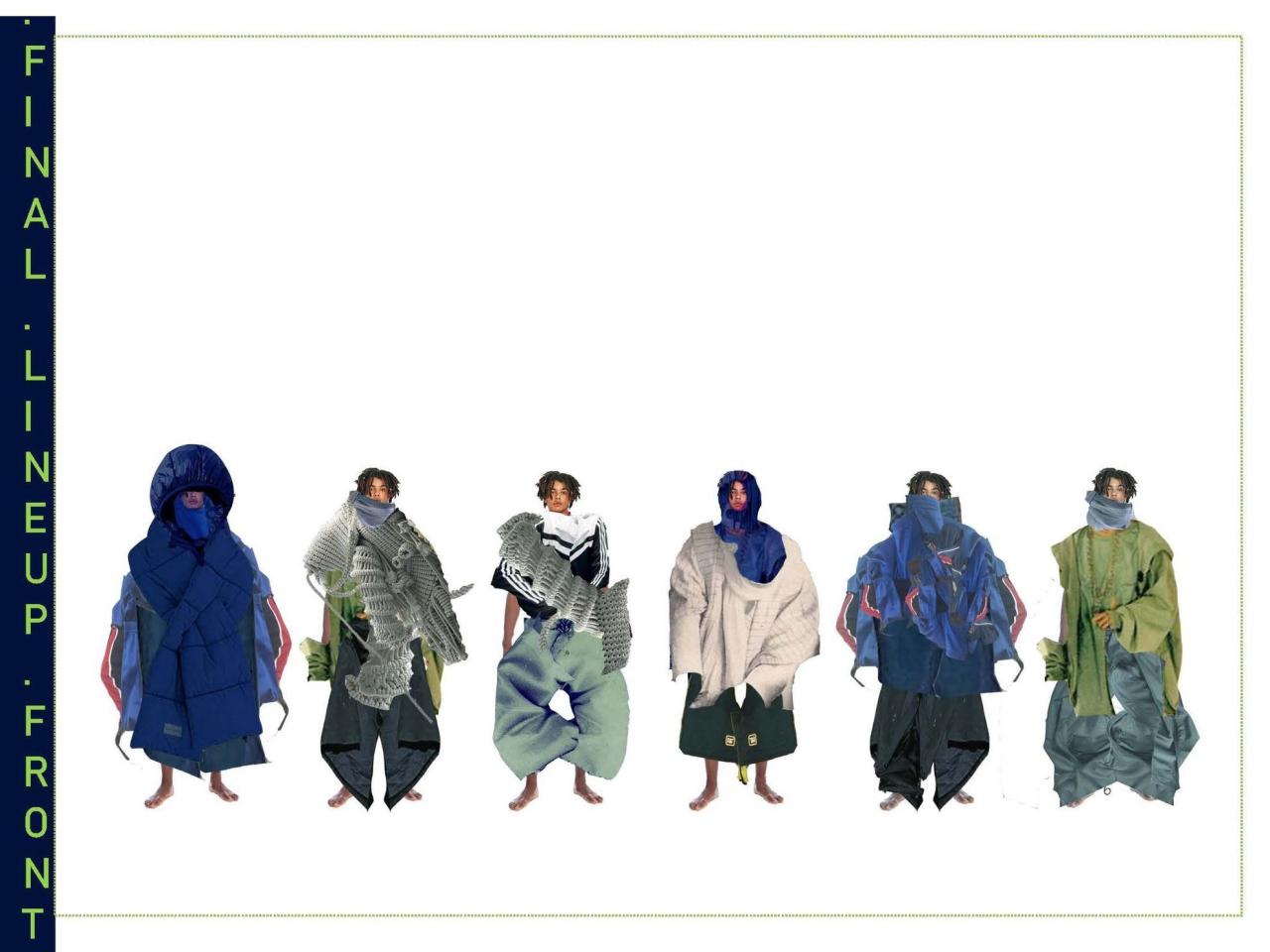
London, a city pulsating with creativity and innovation, is a fertile ground for fashion experimentation. “On Assignment Forces of Fashion London” captures this dynamism, showcasing a range of styles and trends that reflect the city’s eclectic spirit and global influences. The show offers a unique perspective on how London’s fashion scene is evolving, blending tradition with contemporary flair.The “On Assignment Forces of Fashion London” show is not just a snapshot of current trends, but a journey through the city’s fashion evolution.
It reveals the intricate interplay of various influences, from historical heritage to emerging subcultures, creating a dynamic tapestry of style. The show highlights how London’s fashion scene, unlike some others, consistently pushes boundaries, demonstrating its adaptability and originality.
Prominent Styles and Trends
The show showcases a diverse range of styles, from the classic tailored looks that remain a staple to more avant-garde, experimental pieces. Bold color palettes, often juxtaposed with unexpected textures, are a recurring theme. Streetwear, with its comfort and individuality, continues to gain prominence, integrating into high-fashion aesthetics. The show also displays a resurgence of vintage-inspired designs, demonstrating a strong appreciation for heritage and craftsmanship.
Sustainable fashion practices are also evident, showcasing eco-conscious design choices.
Influences Shaping Styles and Trends
London’s fashion scene is heavily influenced by the city’s multiculturalism and diverse population. Global influences, including those from Asia, Africa, and South America, are increasingly integrated into the styles and trends observed in the show. Furthermore, emerging subcultures, such as the punk and goth scenes, have historically shaped London’s fashion identity. The city’s proximity to Europe also allows for a constant exchange of ideas and inspirations.
Moreover, British designers’ creative approaches, often blending traditional techniques with modern interpretations, are a vital driving force.
Comparison with Other Fashion Hubs
Compared to Paris, known for its haute couture and classic elegance, London’s fashion scene often leans towards a more contemporary and street-inspired aesthetic. Milan, with its focus on luxury and Italian craftsmanship, displays a different approach. New York, with its fast-paced, commercial style, presents another distinct character. “On Assignment Forces of Fashion London” shows a unique mix of global influences, combining elements from these other hubs while forging its own identity.
My recent assignment, Forces of Fashion London, was seriously inspiring! I was completely captivated by the energy and creativity of the whole experience, but I also found myself thinking about the parallels with the recent opening night of Othello on Broadway. The sheer drama and powerful storytelling, similar to the intense fashion displays, reminded me of the incredible power of visual storytelling.
This particular production really elevated the play, and it made me appreciate the artistry and effort behind the scenes even more. Ultimately, both the fashion assignment and the opening night of opening night othello broadway highlighted the importance of powerful visual communication. Back to London, I’m already buzzing with ideas for my next assignment!
Evolution of Styles and Trends Over Time
The show demonstrates a continuous evolution of styles and trends. The shift from minimalist silhouettes to more elaborate, embellished designs highlights the dynamism of fashion. The increasing incorporation of sustainability and ethical considerations into design choices is another significant development. Trends in “On Assignment Forces of Fashion London” reflect the ever-changing societal values and the growing awareness of environmental impact.
Factors Driving Changing Styles and Trends
Several factors influence the evolution of styles and trends. Social media platforms play a significant role in disseminating fashion ideas and creating trends. Technological advancements in design and production techniques also contribute to the evolution of styles. Economic conditions, social movements, and cultural shifts have a considerable impact on the direction of fashion. Furthermore, the emergence of new designers and independent brands often introduces fresh perspectives and innovative approaches.
Impact on the London Fashion Scene
“On Assignment Forces of Fashion London” has undeniably left its mark on the city’s vibrant fashion landscape. The project’s impact extends far beyond showcasing individual designers and brands; it’s reshaped perceptions, fostered collaborations, and introduced new perspectives to the industry. This influence is felt throughout the London fashion ecosystem, from the bustling ateliers to the bustling retail spaces.The assignment’s influence on the London fashion industry is multi-faceted, encompassing everything from boosting visibility for emerging talent to inspiring new design directions.
The project’s meticulous documentation and dissemination of information has been pivotal in shaping the future of the industry.
Overall Impact on the London Fashion Scene
The project has significantly boosted the visibility of emerging talent in the London fashion scene. By showcasing their work, the assignment has provided opportunities for these designers to gain recognition and attract potential clients, collaborators, and investors. This increased visibility translates into a more dynamic and diverse fashion ecosystem.
Changes in the Fashion Industry Due to the Assignment
The assignment has spurred several changes within the industry. One notable shift is the increased focus on sustainable practices and ethical sourcing. The assignment highlighted the importance of environmentally conscious design and manufacturing, leading to a more ethical and responsible approach within the fashion industry. Furthermore, it’s introduced a renewed appreciation for the craftmanship and artistry involved in fashion design.
Effect on the Creative Community in London
The project fostered a more collaborative environment within the creative community. The assignment provided a platform for designers, models, stylists, and other creatives to connect and collaborate, leading to new partnerships and projects. This collaborative spirit is vital for innovation and growth in the creative industry. It fostered cross-disciplinary dialogue and inspired a sense of shared purpose within the London creative community.
Economic Implications of the Assignment
The economic impact of the assignment is substantial. Increased visibility for emerging designers can lead to higher sales and brand valuations. The assignment has likely generated revenue for retailers and businesses involved in the project. Furthermore, the assignment has boosted the overall reputation of London as a fashion hub, attracting both talent and investment.
Key Impacts on Different Sectors of the London Fashion Scene
| Sector | Impact |
|---|---|
| Designers (Emerging) | Increased visibility, potential for collaborations, and exposure to wider audiences, potentially leading to higher sales and brand recognition. |
| Retailers | Potential for increased sales of featured brands, new customer acquisition, and enhanced reputation as a platform for emerging talent. |
| Media | Enhanced coverage of the London fashion scene, new opportunities for stories and features, potential for increased engagement and viewership. |
| Models | Increased opportunities for exposure and potential collaborations, showcasing a broader range of talent and diversity. |
Visual Representation of the Assignment
“On Assignment Forces of Fashion London” isn’t just about words; it’s about a visual experience. The assignment’s power lies in its ability to capture the dynamism, innovation, and sheer style of London’s fashion scene. Visual representations, from striking photographs to carefully curated graphics, tell the story of the people, trends, and impact of the assignment.This section delves into the visual elements that bring “On Assignment Forces of Fashion London” to life, showcasing its essence and evolution through time.
London’s on-assignment forces of fashion are always pushing the boundaries, and staying ahead of the curve. It’s a whirlwind of inspiration, but looking after your skin is key. To get that extra glow, a potent vitamin C serum like the one from best vitamin c serum can work wonders. Whether you’re meeting with clients or strutting down the catwalk, healthy skin is a must-have in this industry.
It’s all part of the relentless energy of being on assignment in London’s fashion scene.
Visual Representation of Fashion Assignments
The visual narrative of fashion assignments is crucial in conveying the assignment’s message effectively. Visual elements, such as photography, graphics, and illustrations, contribute to the overall aesthetic and understanding of the assignment’s key takeaways.
| Image/Visual Representation | Description of the Image | Context/Significance | Related aspects of the fashion assignment |
|---|---|---|---|
| A vibrant street style photograph of a young woman wearing a bold, colourful outfit. | The photograph captures a young woman confidently showcasing a unique and contemporary outfit. The colours are bright and contrasting. | This image represents the street style scene in London, showcasing how fashion is integrated into everyday life. | The assignment explores the impact of street style on high fashion and the rise of individuality in fashion choices. |
| A close-up shot of a designer’s sketch. | The sketch features intricate details and a unique colour palette. | The sketch represents the creative process and the design inspiration behind the fashion creations. | The assignment highlights the creative spirit and innovative design process within the fashion industry. |
| A collage of images featuring various London fashion icons. | The collage combines photographs of prominent figures in the London fashion scene, including designers, models, and stylists. | The collage illustrates the interconnectedness of the fashion industry in London and the influential figures driving it. | The assignment delves into the contributions of key figures and their influence on the evolution of London fashion. |
| A graphic representation of fashion trends over time. | The graphic displays visual evolution from the 1920s to the present day, demonstrating the changing styles and trends. | This graphic visually represents the dynamic nature of fashion trends and their influence over time. | The assignment explores the historical context of fashion trends and their relevance in today’s fashion scene. |
Visual Elements and Their Impact
Visual elements are more than just aesthetics; they communicate trends, evoke emotion, and ultimately shape the perception of the assignment.
| Style | Trend | Visual Cues | Overall Impact |
|---|---|---|---|
| Edgy and experimental | Sustainable and ethical fashion | Raw materials, unconventional silhouettes, and muted colours. | To evoke a sense of rebellion and individuality, highlighting the rising importance of conscious fashion choices. |
| Bold and colourful | Street style and urban fashion | High-contrast colours, graphic prints, and oversized accessories. | To capture the vibrancy and diversity of London’s street style scene. |
| Modern and minimalist | High-fashion design | Clean lines, geometric shapes, and a focus on quality materials. | To showcase the sophistication and elegance of high-fashion design in London. |
| Romantic and nostalgic | Vintage and retro fashion | Flowy fabrics, delicate details, and muted tones. | To evoke a sense of historical reference and inspiration in contemporary fashion. |
Visual Essence of “On Assignment Forces of Fashion London”
The essence of the assignment is encapsulated in a combination of vibrant imagery and carefully curated graphics. Photographs capture the energy and diversity of London’s fashion scene, while graphics visually illustrate the trends and their evolution. Illustrations highlight the creativity and innovation of designers, showcasing the key elements of London’s contemporary fashion.
Visual Overview of the Assignment’s Aesthetic
The assignment’s aesthetic is a blend of street style photography, high fashion imagery, and illustrative graphics. The colour palette shifts from bold and contrasting hues to muted tones, reflecting the versatility of London’s fashion scene. Graphics emphasize the historical context and evolution of trends, illustrating the ever-changing landscape of London fashion.
Visual Representation of the Assignment’s Evolution
The visual representation of the assignment’s evolution demonstrates a clear shift from traditional fashion imagery to more contemporary and inclusive representations. Early images might focus on the high fashion runways, while later images capture the dynamism of street style and the diversity of fashion choices in London. This visual timeline effectively showcases the evolution of London fashion, from its historical roots to its contemporary expression.
Future of Fashion Assignments in London: On Assignment Forces Of Fashion London
London’s fashion scene, a vibrant hub of creativity and innovation, is constantly evolving. Fashion assignments, acting as vital links between aspiring designers and established houses, are poised for a fascinating transformation. The future holds exciting opportunities, alongside some unavoidable challenges. This evolution will reshape how emerging talent interacts with the industry, and ultimately, influence the very fabric of London’s fashion identity.
Potential Opportunities
The fashion industry is increasingly digital, and assignments will likely integrate more technology. Virtual reality and augmented reality could offer designers new platforms for showcasing their work, enabling broader reach and international collaborations. This shift could lead to faster feedback loops, streamlined processes, and a more accessible entry point for emerging talent. Furthermore, assignments could emphasize sustainability and ethical production, catering to a growing consumer demand for environmentally conscious brands.
This could lead to collaborations with eco-friendly materials and production methods, directly impacting the long-term sustainability of the fashion industry.
Potential Challenges
Competition for these assignments will likely intensify as the number of aspiring designers grows. Maintaining the quality and relevance of assignments, while accommodating the increasing demand for diverse perspectives, will be crucial. Budgetary constraints and the economic climate can also present obstacles, affecting the scope and scale of projects. The rise of independent designers and brands could potentially lead to more freelance assignments, necessitating adaptability and flexibility in the system.
Evolution of Fashion Assignments
Assignments will likely evolve beyond traditional placements, integrating mentorship programs and workshops. This could provide designers with more holistic support, nurturing their skills and knowledge. Moreover, assignments will need to be more flexible and adaptable to accommodate the diverse needs and schedules of both designers and mentors. This adaptation will also include offering assignments across different fashion sectors, encompassing areas like sustainable fashion, menswear, and accessories, allowing for a broader exploration of design disciplines.
Long-Term Impact on the Fashion Industry
The long-term impact of evolving assignments will be profound. It will foster a more inclusive and diverse fashion industry, offering greater opportunities for emerging talent. This, in turn, will contribute to a more vibrant and innovative fashion landscape. Assignments can also be a driving force for positive change, promoting ethical production and sustainable practices. The influence of these assignments will ripple through the entire industry, potentially shaping future trends and consumer choices.
Comparison of Past, Present, and Future Fashion Assignments in London
| Aspect | Past | Present | Future |
|---|---|---|---|
| Focus | Primarily on traditional placements within established houses. | Broader focus encompassing sustainability, digital platforms, and emerging talent. | Emphasis on mentorship, workshops, and a more inclusive, sustainable approach. |
| Technology | Limited use of digital tools. | Increasing use of digital platforms for showcasing and collaboration. | Extensive use of VR/AR for design presentations and interactive experiences. |
| Accessibility | Limited access for emerging designers. | Greater accessibility through online platforms and mentorship programs. | Highly accessible through flexible formats and international collaborations. |
| Impact | Limited impact on the wider fashion scene. | Impacting the scene through innovation and diverse voices. | Significant influence on industry trends, fostering sustainability and inclusivity. |
Summary
In conclusion, “On Assignment Forces of Fashion London” reveals a captivating story of creativity, innovation, and influence within the fashion industry. The assignment’s impact on the London fashion scene is multifaceted, shaping not only the styles and trends but also the very fabric of the city’s creative identity. From the people behind the assignments to the visual representations of the work, this exploration uncovers the rich tapestry of forces that drive fashion in London.
The future of these assignments holds exciting potential, promising continued evolution and influence within the industry.