The Global Rise of Bohemian Wedding Aesthetics: An In-Depth Analysis of Trends Design Innovation and the Future of Bridal Fashion

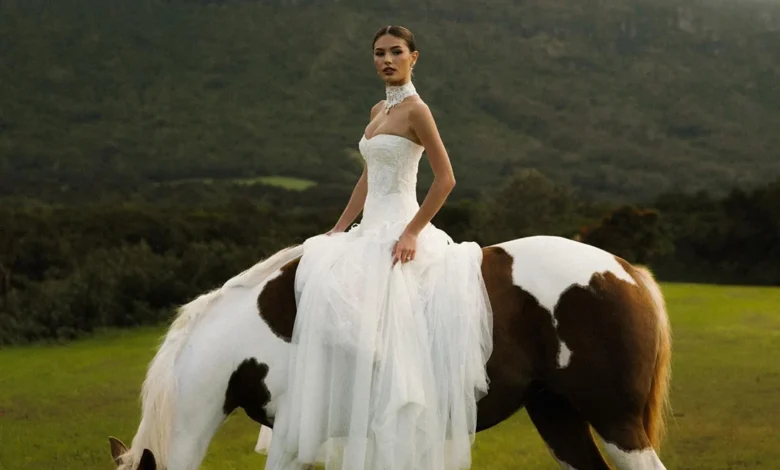
The landscape of the global bridal industry has undergone a seismic shift over the last decade, transitioning from the rigid structures of traditional ballgowns toward a more fluid, expressive, and "urbane" aesthetic known as bohemian chic. This movement, characterized by delicate lace, floral crowns, and low-volume fabrics, has moved from the fringes of "indie" weddings into the mainstream, redefining the modern bride as a figure of both elegance and free-spirited independence. As the industry looks toward the 2026 season, the "boho" trend shows no signs of waning; instead, it is evolving into a sophisticated fusion of vintage nostalgia and contemporary minimalism.
The Evolution of the Bohemian Bridal Movement
The term "bohemian," originally associated with the unconventional lifestyles of marginalized artists in 19th-century France, has been recontextualized in the 21st century as a premium fashion category. In the bridal sector, this evolution was catalyzed by a desire for comfort and authenticity. The traditional "meringue" style of the late 20th century often prioritized structural formality over the wearer’s mobility. The boho movement, by contrast, emphasizes the "benign bride"—one who is at ease in her environment, whether that be a rustic barn, a windswept cliffside, or an urban garden.
According to Megan Ziems, the founder and creative director of the influential label Grace Loves Lace, the shift toward bohemian silhouettes is rooted in a desire for simplicity. Ziems notes that gowns such as the "Goldie," "Grace," and "Jones" have gained international acclaim because they offer a "blank canvas" for brides. By utilizing high-quality silk, satin, and crepe fabrications, designers are providing women with the freedom to style their look up or down, moving away from the restrictive corsetry of the past.
Categorization of the Modern Boho Aesthetic
The bohemian category is no longer a monolith. It has branched into several distinct sub-genres, each catering to specific venue types and personal philosophies.
1. The Sleeved Silhouette: Functional Romance
Boho wedding dresses with sleeves have become a staple for year-round celebrations. While traditionally associated with cold-weather nuptials, the modern interpretation utilizes illusion lace, puff sleeves, and bell shapes to provide a timeless romanticism that transcends seasons. Industry data suggests that brides are increasingly prioritizing "practical comfort," seeking warmth for winter mountain ceremonies while opting for breathable long-sleeved lace for summer destination weddings in climates like Santorini.
However, technical design remains a challenge. Experts warn that sleeves must be engineered from active materials that do not limit mobility. The 2026 forecast indicates a shift toward "bishop" style sleeves and delicate embroidery, moving away from overly elaborate ruffles that can visually overwhelm the wearer.
2. Casual and Rustic Interpretations
The "micro-wedding" and "elopement" trends, which saw a massive surge during the 2020-2022 period, have solidified the demand for casual boho dresses. These garments typically feature cotton or linen—fabrics once considered too informal for bridal wear. The rustic sub-genre, popular for barn and outdoor weddings, often incorporates western influences, such as lace-up backs and fringe, which can be paired with non-traditional footwear like cowboy boots.
3. Coastal and Beach Boho
For oceanfront ceremonies, the aesthetic focuses on "ethereal lightness." Chiffon and tulle are the primary materials here, designed to catch the wind and facilitate ease of movement on sand. Design trends for 2026 in this category include 3D floral appliques and tropical-inspired embroidery, reflecting a broader movement toward "nature-loving" bridal fashion.
The Technicality of Lace and Vintage Nostalgia
Lace remains the cornerstone of the bohemian look. Unlike the stiff, heavy laces of traditional Victorian-style gowns, boho lace is characterized by its stretch and softness. Designers are currently experimenting with "3D floral laces" and layered skirts to create depth without adding weight.
Vintage boho gowns, meanwhile, serve as a bridge between the past and present. They often evoke the 1970s "flower child" era but are updated with modern tailoring. The "Mistakes to Avoid" in this category, according to style analysts, involve the over-complication of retro details. A successful vintage look requires a balance where the lace does not "suffocate" the overall vibe, maintaining a contemporary relevance.
Inclusivity and the Architecture of Plus-Size Boho
One of the most significant advancements in the bohemian bridal market is the focus on inclusivity. Historically, the "loose and flowing" nature of boho dresses was criticized for lacking the structure required for plus-size silhouettes. However, modern designers are debunking the myth that certain fabrics are restricted to specific body types.
Expert analysis suggests that the success of a plus-size boho gown lies in the internal architecture—the structure implemented beneath the fabric. For instance, shiny satin, which can be unforgiving as a single layer, is being used effectively as a ruched layer over hidden corsetry. This allows curvy brides to embrace the "free-spirited" aesthetic without sacrificing the support and flattering lines provided by traditional garment construction.
Economic Impact and Price Transparency
The bohemian bridal market spans a wide economic spectrum, from "budget-friendly" ready-to-wear options to "luxury" handmade couture. The price of a boho wedding dress is dictated by three primary factors: material quality, craftsmanship, and brand heritage.
- Mass-Market/Budget: Often utilizing synthetic blends and machine-made lace, these dresses cater to the price-conscious bride but may lack the breathability of natural fibers.
- Mid-Range: Brands like Grace Loves Lace or Dreamers & Lovers fall into this category, focusing on ethical production and high-grade stretch laces or silks.
- Luxury/Couture: These gowns feature hand-stitched embroidery, bespoke fittings, and exclusive lace patterns, often reaching price points comparable to traditional high-fashion houses.
The 2026 Forecast: What Lies Ahead
As the industry prepares for the 2026 season, several key trends are emerging that will define the next generation of bohemian bridal wear:
- Fabric Innovation: A move toward "airy" materials like sustainable chiffon and recycled lace.
- Aesthetic Shifts: The rise of "minimalist boho," which strips away heavy embellishments in favor of clean lines and subtle 3D accents.
- Color Palettes: While ivory remains dominant, there is an increasing shift toward "earthy" tones—champagne, sand, and muted pastels—that better complement outdoor settings.
- Modular Styling: The use of detachable sleeves, capes, and veils (such as the Pierlot Veil) to allow brides to transition from a formal ceremony look to a relaxed reception outfit.
Expert Recommendations and Accessorizing
Megan Ziems emphasizes that in the realm of bohemian styling, "less is more." The goal is to highlight the bride’s individuality rather than masking it behind accessories. The current trend involves using a veil as a "security blanket" for the aisle moment, which is then removed post-ceremony to reveal statement jewelry or a change in hairstyle.
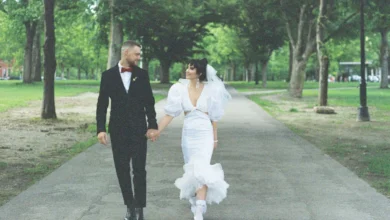
Footwear is also seeing a diversification. While barefoot sandals remain popular for beach weddings, the "urban boho" bride is increasingly opting for white boots or block heels, providing a grounded contrast to the ethereal nature of the dress.
Analysis of Broader Implications
The rise of the bohemian wedding dress is more than a fleeting fashion trend; it is a reflection of changing social values regarding marriage and self-expression. Modern couples are increasingly viewing their wedding not as a rigid social contract, but as a celebration of their unique partnership. The "boho" aesthetic, with its emphasis on nature, comfort, and unconventional beauty, perfectly aligns with this cultural shift.
Furthermore, the emphasis on sustainable fabrics like linen and cotton within the boho sector highlights a growing awareness of the environmental impact of the fashion industry. By choosing versatile, less structured gowns, brides are often selecting pieces that—while still specialized—feel less like a "costume" and more like an extension of their personal identity.
In conclusion, the bohemian wedding dress has solidified its place as a cornerstone of the global bridal industry. Through a combination of technical innovation, inclusive design, and a deep-rooted connection to nature and nostalgia, the "boho" style continues to offer brides a path to a unique and unforgettable wedding day look. As we move toward 2026, the trend will likely continue to refine itself, proving that the spirit of the bohemian bride is as timeless as it is transformative.