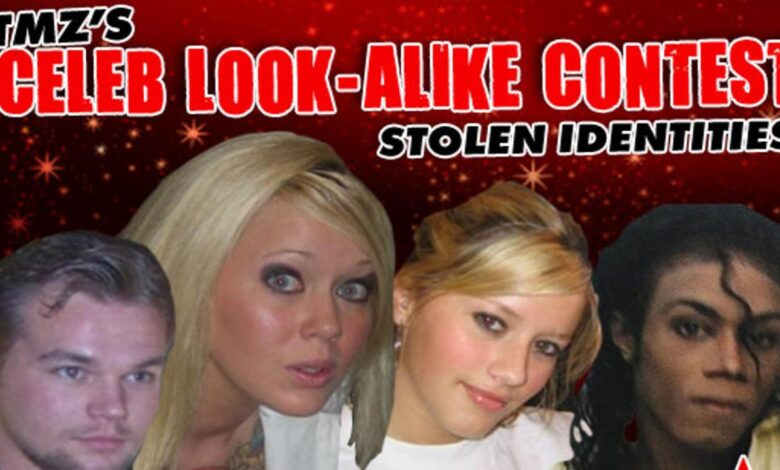
Real reward of all these celebrity lookalike contests unveils the hidden motivations and impacts of these popular competitions. Participants are driven by a complex interplay of desires, ranging from vanity and self-expression to the pursuit of social validation and recognition. Beyond the superficial appeal, these contests often reveal deeper psychological factors, impacting self-perception and potentially influencing societal views of beauty and attractiveness.
This exploration delves into the various motivations behind participation, analyzing demographics, psychological factors, and the role of social media. It examines the nature of rewards, both tangible and intangible, and their perceived value compared to the reality. Furthermore, the impact on self-perception, the social and cultural implications, and the financial and economic aspects of these contests will be examined.
Motivations Behind Participation
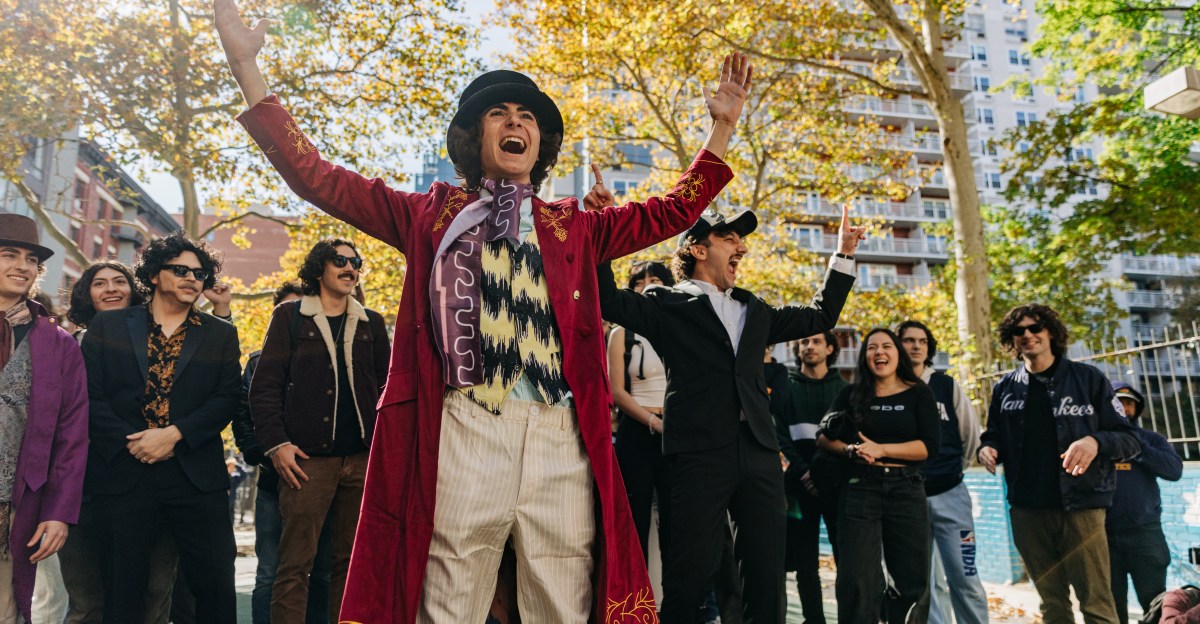
Celebrity lookalike contests, a seemingly frivolous pastime, reveal a surprisingly complex tapestry of motivations. Participants are driven by a range of desires, from the desire for self-expression and social validation to the pursuit of recognition and even a potential avenue for career advancement. Understanding these motivations helps illuminate the appeal of these contests and the underlying psychological factors at play.
Reasons for Participation
Understanding the motivations behind participation in celebrity lookalike contests is crucial for comprehending the appeal of these events. Participants are drawn to these contests for a multitude of reasons, often intertwined and overlapping.
- Vanity and Self-Image: A desire to showcase physical resemblance to a celebrity can stem from a variety of factors, ranging from a genuine fascination with the celebrity’s appearance to a need for validation of their own physical attributes. Some contestants might feel that their resemblance to a celebrity enhances their self-image and boosts their confidence.
- Self-Expression and Creativity: The contests provide a platform for self-expression. Participants may find a creative outlet in embodying a celebrity, allowing them to explore different aspects of their personality and identity. This can involve choosing costumes, makeup styles, and posing strategies that reflect their interpretation of the celebrity.
- Social Interaction and Community: These contests often bring together a community of individuals who share a common interest. The interaction with other contestants, judges, and spectators can create a sense of belonging and camaraderie.
- Recognition and Status: Winning a celebrity lookalike contest can bring recognition and a sense of accomplishment. The prestige associated with being a “lookalike” can lead to opportunities, such as modeling work or acting roles.
- Career Advancement: For some, these contests might serve as a stepping stone to a career in entertainment or modeling. Winning or placing highly can attract attention from talent scouts and open doors to new opportunities.
Demographic Differences in Motivation
The motivations behind participation in celebrity lookalike contests can vary significantly across different demographics. Age, gender, and socioeconomic background all play a role in shaping the reasons why individuals might be drawn to these competitions.
- Age: Younger participants might be more motivated by the social interaction and recognition aspect, while older participants may be driven by a desire for self-expression or a renewed sense of confidence. The appeal might also change as participants progress through life stages.
- Gender: While both genders participate, motivations might differ. Some studies suggest that women might be more motivated by the validation of their physical attributes, while men might be more interested in the creative expression and performance aspects of the competition.
- Socioeconomic Background: Individuals from different socioeconomic backgrounds might approach these contests with varying expectations. For some, it might be a form of entertainment or social interaction, while others might view it as a possible pathway to financial gain or a boost in their social standing.
Psychological Factors
The psychological underpinnings of participation in celebrity lookalike contests are multifaceted and complex. Self-esteem, social validation, and aspiration all play a significant role in motivating individuals to compete.
- Self-Esteem and Confidence: The pursuit of validation and recognition from judges and the public can be a significant motivator. For some, the process of embodying a celebrity can boost self-esteem and provide a sense of confidence. Winning, or even participating, can be a source of pride.
- Social Validation: Participants often seek validation from others. Positive feedback from judges, spectators, and social media interactions can play a significant role in reinforcing the desire to participate and potentially win.
- Aspiration and Role Models: Some participants might be drawn to the contests due to their admiration of the celebrity they are attempting to resemble. The contest can be a form of role-playing or aspiration, allowing participants to connect with their role models in a tangible way.
Role of Social Media
Social media platforms have become instrumental in fueling interest and participation in celebrity lookalike contests.
- Promotion and Visibility: Social media provides a platform for promoting these contests, reaching a wider audience and encouraging participation. Contest announcements, contestant photos, and discussions create a buzz around the event.
- Public Recognition and Feedback: Social media allows contestants to receive public feedback, which can significantly influence their motivation and drive. Positive feedback can increase self-esteem, while constructive criticism can help participants refine their performance.
- Community Building: Online communities related to celebrity lookalike contests facilitate interaction and support among participants. Sharing tips, strategies, and feedback creates a sense of shared experience and mutual encouragement.
Motivations Table
| Motivation Type | Demographic Group | Supporting Examples |
|---|---|---|
| Vanity | All demographics | Desire to showcase physical resemblance, enhance self-image. |
| Self-Expression | All demographics | Creative outlet, exploration of different aspects of personality. |
| Social Interaction | All demographics | Connecting with other contestants, building a sense of community. |
| Recognition | All demographics | Winning, placing high, achieving fame. |
| Career Advancement | Younger, career-oriented demographics | Utilizing contests as a stepping stone to modeling or acting. |
Nature of the Rewards
Celebrity lookalike contests, while often entertaining, offer a complex reward structure. Participants are drawn in by the promise of recognition and prizes, but the actual value of these rewards often falls short of the perceived allure. This discrepancy influences participant motivation and engagement in a significant way.The rewards in these contests vary greatly, encompassing both tangible and intangible benefits.
The perceived value, often fueled by the glamour of the competition and the desire to emulate a celebrity, can significantly impact a contestant’s enthusiasm and commitment. However, this perceived value often differs substantially from the actual, practical worth of the prizes.
Tangible Rewards
The tangible rewards in celebrity lookalike contests can range from modest to substantial. These include trophies, certificates, cash prizes, and potentially even product endorsements or modeling opportunities. The value of these items can be highly subjective and depend on the specific contest and its sponsors.
- Trophies and certificates, while seemingly valuable, often have little practical use beyond their symbolic meaning. Their perceived value stems from the recognition they represent rather than their monetary worth.
- Cash prizes can vary significantly, depending on the contest’s budget and popularity. While a substantial prize can be appealing, the amount might not always be commensurate with the effort and time invested by participants.
- Product endorsements and modeling opportunities are highly desirable but often depend on the participant’s existing skills and the industry’s need for look-alikes. The opportunity itself might not translate into immediate financial gain, but rather, a stepping stone towards further career opportunities.
Intangible Rewards
Beyond the physical prizes, the intangible rewards are crucial motivators for many participants. These include the personal satisfaction of competing, gaining recognition from a wider audience, and developing new skills.
- Personal satisfaction and self-improvement are crucial aspects of participating in such contests. The opportunity to develop public speaking skills, stage presence, and potentially enhance one’s self-confidence is a substantial reward.
- Public recognition, though not always tangible, can be a powerful motivator. The experience of being seen and appreciated by others, especially within a community of like-minded individuals, is a rewarding experience. Social media attention, often a byproduct of such competitions, can generate significant recognition.
- Developing skills in areas like posing, makeup application, and fashion sense are valuable side-effects that participants might gain. This self-improvement can contribute to future ventures or career aspirations.
Comparing Tangible and Intangible Rewards
| Category | Description | Examples |
|---|---|---|
| Tangible Rewards | Prizes that have a physical form and a quantifiable value. | Trophies, cash prizes, gift cards, modeling contracts, product endorsements. |
| Intangible Rewards | Rewards that are not physical but contribute to personal growth, confidence, and recognition. | Self-improvement, public recognition, increased confidence, networking opportunities, social media visibility, development of public speaking skills. |
The perceived value of these rewards significantly impacts participant engagement. Contestants motivated by the potential for tangible rewards (like substantial cash prizes) might be more focused on the immediate financial gain. However, those driven by the intangible rewards (like personal growth or public recognition) might find a more lasting and fulfilling experience. It’s often a combination of both that keeps participants engaged in these competitions.
Impact on Self-Perception
Celebrity lookalike contests, while offering a chance for recognition and potentially financial rewards, can have a significant impact on participants’ self-image and body image. The pressure to conform to unrealistic beauty standards, often amplified by the media’s portrayal of idealized aesthetics, can lead to negative consequences. Understanding these impacts and developing healthy coping mechanisms is crucial for navigating such contests constructively.The pursuit of a specific image, often fueled by the desire for validation and acceptance, can reshape participants’ self-perception.
The constant comparison to idealized images, particularly those presented in the media, can lead to feelings of inadequacy and low self-esteem. Participants may focus excessively on physical attributes rather than their intrinsic qualities, potentially affecting their overall well-being.
Unrealistic Beauty Standards
The beauty standards promoted in these contests often stem from unrealistic and unattainable ideals perpetuated by the media. These standards frequently focus on specific physical characteristics, such as a particular facial structure, body type, or hair color, that are frequently idealized and rarely represent the diversity of human beauty. The emphasis on these narrow definitions of beauty can lead to body dissatisfaction and negative self-perception.
Impact on Body Image
Participation in these contests can significantly affect a participant’s body image. The relentless focus on achieving a specific aesthetic can result in negative body image issues, including dissatisfaction with one’s own body and an increased drive to change or alter it. This can potentially manifest as disordered eating habits, excessive exercise, or unhealthy approaches to physical appearance. The pressure to meet an unattainable standard can be particularly damaging to young participants who are still developing their self-perception.
Media Representation and Cultural Expectations
Media representation plays a significant role in shaping perceptions of beauty and attractiveness. The constant exposure to images of idealized bodies and faces in magazines, television, and social media can foster unrealistic expectations. These unrealistic standards can lead to body dissatisfaction and negative self-image, impacting both men and women of all ages. Cultural expectations, often intertwined with societal norms, can further influence these perceptions.
These factors create a complex interplay that influences individuals’ self-perception and the pursuit of idealized appearances.
Honestly, the real reward of all these celebrity lookalike contests isn’t the fleeting fame, but the unexpected discoveries you make along the way. Digging through your closet for the perfect vintage piece, you’re essentially channeling your inner celebrity, and discovering the best vintage stores in amsterdam is key to achieving that perfect look. Finding that one unique treasure, like a vintage Chanel bag or a vintage leather jacket, really elevates the whole experience, making it all the more rewarding.
So, next time you’re looking for that special something, check out best vintage stores in amsterdam. The real reward is always in the hunt for the perfect vintage find, ultimately mirroring the essence of the celebrity lookalike contests.
Positive and Negative Outcomes
Positive outcomes can occur when participants engage with these contests in a healthy and constructive way, focusing on personal growth and development rather than solely on physical appearance. However, negative outcomes can arise from the pressure to conform to unrealistic beauty standards, leading to dissatisfaction and mental health concerns. For example, a participant might gain confidence from the attention and recognition they receive, but simultaneously develop a negative body image.
Navigating Contests Healthily
To navigate these contests in a healthy and constructive manner, participants should prioritize self-care and focus on their personal well-being. A crucial step is to recognize that these contests are not the sole measure of self-worth. Furthermore, individuals should foster self-acceptance and appreciate their unique features.
- Focus on inner qualities: Emphasize personal growth, skills, and talents instead of solely focusing on physical appearance.
- Seek support: Connect with friends, family, or mental health professionals for guidance and support.
- Cultivate self-compassion: Treat yourself with kindness and understanding, recognizing your inherent worth.
- Limit exposure to unrealistic beauty standards: Be mindful of the media’s influence and actively seek out diverse and realistic representations of beauty.
- Celebrate individuality: Acknowledge and embrace your unique characteristics and features.
Social and Cultural Implications: Real Reward Of All These Celebrity Lookalike Contests
Celebrity lookalike contests, while seemingly harmless, often reveal a complex interplay of social dynamics and cultural values. The desire to emulate or even surpass famous figures can reflect a broader societal fascination with fame and aspiration, but it also raises questions about the standards of beauty and the nature of competition in a world increasingly shaped by media influence.
The rewards, both tangible and intangible, further shape the cultural context of these contests.The underlying competitive nature of these contests, while seemingly playful, can create pressure and potentially foster a sense of rivalry among participants. This competition, however, can also intertwine with elements of camaraderie as contestants support each other in the pursuit of a shared goal or interest.
Honestly, the real reward of these celebrity lookalike contests isn’t about winning a trophy, it’s about the personal journey. It’s about embracing your unique style and finding confidence in your own beauty. For instance, Bozoma Saint John, in her candid discussion about fashion, loss, and life as a real housewife, bozoma saint john talks fashion loss and life as a real housewife , highlights how inner beauty and authenticity can be just as powerful as any look.
Ultimately, these contests, despite their superficiality, can lead to a deeper understanding of yourself and your personal style, making the real prize far more rewarding than a title.
This mixture of competition and support can shape social interactions and create unique social dynamics within the contest environment.
Competition and Camaraderie
The competitive aspect of celebrity lookalike contests can be intense, driven by the desire for recognition and the pursuit of a prize. This competitive environment, however, is often tempered by the support and encouragement among participants. Contestants often offer advice, feedback, and mutual support, creating a unique form of camaraderie within the contest. This demonstrates that the drive for individual achievement can coexist with a supportive social network.
Cultural Values Reflected
The popularity of these contests often reflects prevailing cultural values regarding beauty, fame, and aspiration. The emphasis on physical resemblance to celebrities suggests a cultural obsession with appearance and the perceived desirability of fame. This can be viewed as a reflection of the power of media images and the influence of pop culture on individual perceptions of self-worth.
Further, the contests often highlight the cultural significance of celebrities in shaping societal ideals.
Potential Stereotypes and Biases
These contests can potentially perpetuate stereotypes and biases, especially if they focus heavily on specific types of physical attributes associated with particular celebrities. This could reinforce existing cultural biases surrounding beauty standards and body image. For instance, a contest that heavily features only one type of facial structure or body type might implicitly reinforce a particular ideal of beauty.
While the glitz and glamour of celebrity lookalike contests might seem superficial, the real reward often lies in the unexpected opportunities that arise. For example, some contestants might discover a passion for fashion design, leading them to explore launching their own brands like independent designers launching brands. Ultimately, the journey of self-discovery and the chance to express creativity through these contests can be the true prize, far more valuable than any fleeting spotlight.
This raises questions about the inclusivity and representation of diverse beauty standards within these contests.
Influence on Societal Attitudes
The frequent media coverage of these contests can influence societal attitudes towards celebrities and beauty. The emphasis on physical resemblance, in particular, might contribute to a superficial understanding of celebrity and their value. This could contribute to a societal focus on external appearances rather than internal qualities, thereby fostering a culture of superficiality.
Comparison of Cultural Perspectives
| Culture | Perspective on Lookalike Contests | Motivations | Rewards Significance |
|---|---|---|---|
| Western Cultures | Generally embrace competition and the pursuit of fame, often emphasizing individual achievement. | Desire for recognition, validation, and material rewards. | Prizes and publicity are highly valued. |
| Eastern Cultures | May place greater emphasis on collective achievement and harmony. The emphasis on the group may reduce the intense focus on individual competition. | Potential for group recognition, familial pride, or even community benefits. | Prizes might hold less significance than personal growth or social standing. |
| Latin American Cultures | May emphasize the importance of family, community, and celebration. The competitive aspect may be tempered by social gatherings. | Sense of community, potential for social recognition, and family pride. | Community involvement and celebration might be more important than material rewards. |
The table above presents a simplified comparison. The reality is more nuanced and multifaceted, with considerable variations within each culture. Different subcultures and individual experiences within a culture will further shape these perspectives.
Financial and Economic Aspects
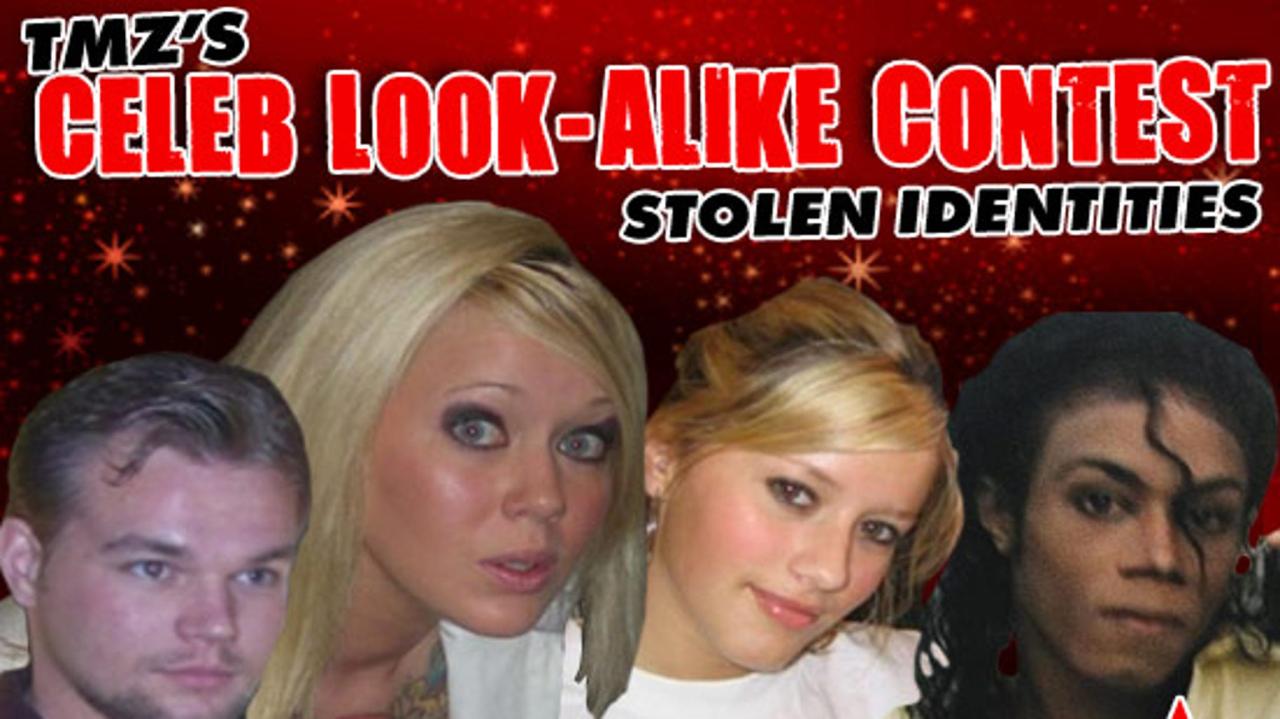
Celebrity lookalike contests, while entertaining, have significant financial implications for participants, organizers, and sponsors. Understanding these financial dynamics provides a clearer picture of the motivations behind both participation and organization. This section explores the costs, potential gains, and economic impact of these competitions.The financial landscape of these contests varies greatly depending on the scale and scope of the event.
Some local competitions might involve minimal costs, while large-scale, nationally televised contests can demand substantial investment. Participants’ motivations often intertwine with the financial incentives and potential returns.
Participant Financial Implications
Participants in lookalike contests often face various financial burdens. Travel expenses, wardrobe costs, and potential makeup artists’ fees can quickly add up. While there’s no guaranteed financial reward for most participants, some contests may offer prizes, including cash, gift cards, or merchandise. The likelihood of financial gain varies greatly, from a negligible amount to substantial sums for winners.
Contests with substantial prize pools can incentivize participants who are willing to invest time and resources.
Economic Impact on Businesses
The hosting and sponsoring of these contests generate considerable economic activity. Businesses involved in providing services like makeup, wardrobe rentals, or photography stand to benefit from increased clientele. Contest organizers also benefit from ticket sales, advertising revenue, and potential sponsorships. The scale of the economic impact depends on the contest’s reach and the involvement of various stakeholders.
Financial Incentives vs. Participation Costs, Real reward of all these celebrity lookalike contests
The financial incentives offered to participants often need to be weighed against the costs of participation. The potential financial gains might not always outweigh the expenses incurred by participants, especially for those who aren’t successful. Participants should carefully evaluate the cost-benefit ratio before committing to a contest. For instance, a participant might invest heavily in wardrobe and makeup, but the prize money may not adequately cover those expenses.
Revenue Streams for Contest Organizers
Contest organizers generate revenue through various channels. Ticket sales for live events, sponsorships from businesses, and advertising revenue contribute to their income. The specific revenue streams and their relative importance can differ depending on the format of the contest. Sponsorships from businesses associated with beauty, fashion, or entertainment are common revenue sources. The more prominent the contest, the greater the potential for revenue generation.
Financial Breakdown of Aspects
| Aspect | Description | Example |
|---|---|---|
| Participant Costs | Travel, accommodation, wardrobe, makeup, and other expenses. | $500-$5000 depending on the contest and the participant’s needs. |
| Participant Potential Gains | Cash prizes, merchandise, or other rewards. | $100-$100,000 depending on the contest’s prize pool. |
| Organizer Revenue | Ticket sales, sponsorships, advertising, and merchandise sales. | Tens of thousands to millions of dollars depending on the scale of the contest. |
| Economic Impact on Businesses | Increased clientele for makeup artists, wardrobe stylists, and other related businesses. | Makeup artists might experience a surge in bookings and income. |
Epilogue
Ultimately, the real reward of all these celebrity lookalike contests reveals a multifaceted picture. While the pursuit of recognition and validation is a significant driver, the contests also reveal the potential for positive and negative impacts on self-perception and social dynamics. Understanding the underlying motivations and the impact on individuals and society provides a crucial perspective on these popular competitions.