Amanda Wakeley Embarks on a Multi-Faceted Return to Fashion with John Lewis Partnership and New Style Guide

LONDON – Esteemed British designer Amanda Wakeley is making a significant return to the fashion landscape, marking a new chapter with a collection launching at John Lewis stores across the U.K. this Tuesday. This highly anticipated venture is complemented by the upcoming release of her new book, "Style DNA: How to Dress with Confidence," set to hit shelves in late June. This strategic re-entry into the industry follows a period of reflection after the winding down of her eponymous label in 2021, an enterprise that spanned three decades.
A Celebrated Return: Wakeley’s New Chapter in Retail
The collaboration with John Lewis represents Wakeley’s first foray back into fashion design since stepping away from her independent brand. This new collection is the culmination of a licensing partnership with Radius Brands, a model that allows Wakeley to leverage her creative vision without the operational complexities of running a full-scale fashion house. The initial offering will be available in 10 select John Lewis stores, strategically chosen to reach a discerning customer base.
In an exclusive interview, Wakeley revealed that the collection draws heavily from her extensive archives, reinterpreting classic elements for the contemporary woman. The focus is on "laid-back, but still elegant, occasionwear for summer." This approach addresses what Wakeley perceives as a significant void in the current market. "I feel there was a gap in the market for occasion dressing at this point in my life. These clothes are for women who don’t want to wear a floral frock, or a dress with a fitted bodice and a matching bolero jacket," Wakeley explained. "I love my granny – but I don’t want to look like her when I go out. This is dressing when you want to be cool, chic and a little bit effortless – not so done."
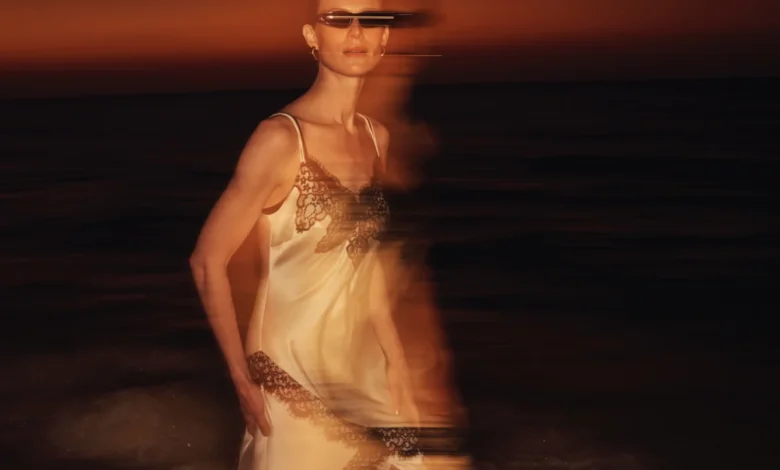
The 16-piece collection is characterized by rich jewel tones such as citrine, peridot, and sapphire, embodying a luxurious yet understated aesthetic. Fluid silhouettes and impeccable tailoring are central to the range. Key pieces include a bias-cut satin and lace slipdress, a modern interpretation of the timeless silhouette; the designer’s signature Air silk wrap shirt, celebrated for its versatility and flattering drape; and an easy, oversized suit featuring wide-leg trousers, offering a contemporary take on power dressing. A languid top and trousers adorned with a sophisticated paisley print further underscore the collection’s relaxed elegance. Prices for the collection range from 350 pounds for the Air silk shirt to 395 pounds for the slipdress, positioning it at an accessible luxury price point, a deliberate strategy to reach a wider audience than her previous high-end bespoke offerings.
The Strategic Partnership with John Lewis
The choice of John Lewis as a retail partner is significant. The venerable British department store, known for its quality and customer service, has been actively revitalizing its fashion departments to remain competitive in a rapidly evolving retail landscape. Partnering with a designer of Wakeley’s caliber not only enhances John Lewis’s occasionwear offering but also attracts a demographic appreciative of timeless style and established design credentials. For Wakeley, this licensing model provides the perfect balance: creative control over her intellectual property, which she retains, coupled with the extensive retail reach and marketing power of John Lewis and the commercial expertise of Radius Brands.

"I had always wanted to experiment with licensing," Wakeley stated, highlighting the long-held ambition behind this new business model. She emphasized the desire for this collection to be "accessibly priced, but not mass," a delicate balance achieved through this partnership. The initial success and strategic alignment are already paving the way for future developments, with John Lewis having confirmed late summer and autumn drops. These subsequent collections are slated to include more of Wakeley’s signature pieces, such as cashmere and satin sweaters, further mining her rich archive. Wakeley expressed her ambition to cultivate a long-term partnership with the department store, signaling a sustained commitment to this new venture.
From John Lewis’s perspective, this collaboration aligns with their broader strategy to offer a diverse and compelling fashion proposition. "We are thrilled to welcome Amanda Wakeley’s distinct vision to John Lewis," a representative for the department store might infer. "Her reputation for sophisticated, elegant design perfectly complements our commitment to quality and style, and we believe her collection will resonate deeply with our customers seeking modern occasionwear." Similarly, Radius Brands likely sees immense potential in leveraging Wakeley’s iconic status. "Our partnership with Amanda Wakeley allows us to bring her celebrated aesthetic to a broader market through an established retailer like John Lewis," a Radius Brands spokesperson could infer. "This licensing model represents a smart approach to brand extension, ensuring accessibility while maintaining the integrity of her design philosophy."
From Red Carpets to Retail Shelves: Wakeley’s Illustrious Career
Amanda Wakeley’s career spans over three decades, during which she established herself as a formidable presence in British fashion. Her eponymous label, founded in 1991, quickly became synonymous with elegant, empowering designs. She was a regular fixture at London Fashion Week, showcasing collections that blended modern sophistication with timeless glamour. Her brand expanded to include standalone stores and concessions, building a loyal clientele.
Wakeley’s designs graced some of the most prominent figures globally. Her roster of red-carpet clients included British royalty, such as Princess Diana, Kate Middleton, and Meghan Markle, as well as Hollywood luminaries like Angelina Jolie and Scarlett Johansson. These high-profile endorsements solidified her brand’s reputation for impeccable tailoring, luxurious fabrics, and a sophisticated aesthetic that celebrated the female form. Before its closure, her brand offered a comprehensive range including ready-to-wear, eveningwear, bridal collections, and accessories. A notable feature was a customization area, allowing shoppers to personalize items like trousers, jackets, and coats with stripes, patches, and other embellishments, reflecting an early embrace of bespoke experiences.
However, the tumultuous period of the global pandemic proved challenging for many independent designers, and Wakeley’s brand was no exception. The decision to wind down her label in 2021 came amidst the unprecedented disruptions of lockdowns, which severely impacted retail and supply chains. Wakeley candidly admitted that returning to design immediately after this experience was not feasible. "It was too traumatic – I was designing for so long, and felt spent of creativity," she reflected, highlighting the immense emotional and creative toll of running an independent label through such challenging times.
Navigating the Post-Pandemic Landscape: The Genesis of a Comeback
Following a year of much-needed rest and reflection, Wakeley embarked on a new trajectory, pivoting to explore different facets of the creative industry. This period of recuperation allowed her to channel her extensive knowledge and experience into new platforms, laying the groundwork for her eventual return to design. This "second act" demonstrates a growing trend among established designers who, after navigating the pressures of traditional fashion cycles, seek more flexible and personally fulfilling avenues to share their expertise. The pandemic, while disruptive, also spurred many creatives to reconsider their business models and embrace digital engagement.

Beyond Design: A Portfolio Career in Media
Wakeley’s post-label journey saw her transition into a dynamic portfolio career, leveraging digital media to connect with a broader audience and share her insights. A key initiative was the launch of her podcast, "Style DNA," where she interviews a diverse range of creatives and entrepreneurs from the worlds of fashion, beauty, entertainment, and lifestyle. The podcast, now in its 11th season, has featured prominent guests such as beauty mogul Trinny Woodall, acclaimed designer Clare Waight Keller, and musician James Blunt, showcasing Wakeley’s ability to engage in insightful conversations that delve into the essence of personal style and creative journeys. Most recently, she interviewed makeup icon Val Garland, further cementing the podcast’s reputation as a platform for in-depth industry discussions.
Complementing the podcast, Wakeley also curates a newsletter that offers subscribers deeper dives into her interviews, personal reflections on fashion, and her thoughts on contemporary style. This digital ecosystem extends to her YouTube channel, where she hosts "Friday Night Fashion" alongside former glossy magazine editor Jo Elvin. This program offers an immediate, unvarnished look at high street collections, with Wakeley and Elvin critiquing and analyzing trends, fabrics, and designs. "It’s all filmed on an iPhone, it’s very immediate and we’re building a very engaged following," Wakeley noted, emphasizing the authentic and accessible nature of the content. Her ability to discuss "seams, shoulder shapes, lapel widths and fabric quality" sets her apart from many content creators, offering a level of expert analysis rarely found on social media. This multifaceted approach to media has not only kept her relevant but has also allowed her to monetize her influence through affiliate links on her website, demonstrating a shrewd understanding of the digital economy.
"Style DNA: How to Dress with Confidence": A New Literary Endeavor
Further expanding her influence, Wakeley’s new book, "Style DNA: How to Dress with Confidence," is slated for release at the end of June. This literary work is a culmination of her lifelong learning about personal style, offering readers a guide to discovering and embracing their unique aesthetic. Wakeley emphasizes that the book moves beyond prescriptive rules or rigid body shape classifications. Instead, it advocates for a more intuitive approach: "It’s not about rules, or about body shapes but about finding your own style and wearing clothes that make you feel good," she explains.
The book delves into practical advice on wardrobe planning and editing, alongside insights into health and beauty. Crucially, Wakeley explores the profound psychological aspect of clothing, describing it as "a cocooning armor," and examining "how we send messages through what we wear." This philosophical underpinning reflects her understanding of fashion as a tool for self-expression and empowerment. "As women, we are not who we were 10 years ago – and we’ll be different 10 years from now. We change, and our bodies change. We have to embrace who we are, right now," she asserts, promoting a message of self-acceptance and adaptability.
Market Dynamics and Industry Implications
Amanda Wakeley’s return is indicative of several broader trends within the fashion industry. The licensing model, for instance, offers a sustainable path for established designers to maintain creative influence and brand presence without the immense financial and logistical burdens of operating an independent label. This model is gaining traction as designers seek more flexibility and retailers look to infuse their offerings with trusted brand names.

For John Lewis, the partnership comes at a time when traditional department stores are fighting for market share against online retailers and fast-fashion giants. By collaborating with a designer of Wakeley’s stature, John Lewis can differentiate its fashion proposition, attract a more discerning customer, and reinforce its image as a destination for quality and timeless style. The focus on "laid-back elegance" for occasionwear also aligns with shifting consumer preferences post-pandemic, where comfort, versatility, and investment pieces have taken precedence over fleeting trends. Consumers are increasingly seeking clothes that make them feel good and are adaptable to various life events, moving away from overly formal or restrictive attire.
The growth of Wakeley’s portfolio career in media also highlights the evolving role of fashion personalities. Designers are no longer confined to the design studio; they are content creators, influencers, and educators, building direct relationships with their audience through podcasts, newsletters, and video platforms. This direct engagement fosters brand loyalty and provides alternative revenue streams, making a designer’s "brand" more resilient and multi-dimensional.
A Vision for the Future
Wakeley’s enthusiasm for her current endeavors is palpable. "I had a blast in fashion, I loved it so much, but it was all-consuming I didn’t have a life. You couldn’t pay me to go back, and my gosh there are so many other chapters to explore," she declared, articulating a profound sense of liberation and excitement for her "second act." This sentiment resonates with many professionals who have navigated intense careers and are now seeking a more balanced and multifaceted existence.
Her vision extends beyond individual collections and books. "I feel like the past 35 years have been building up to this moment. There is so much I have learned, so much to share. And I still want women to feel the best version of themselves," she concluded. This overarching mission to empower women through style, whether through design, dialogue, or written guidance, remains the driving force behind all her ventures. Amanda Wakeley’s comprehensive return is not merely a comeback; it is a reinvention, demonstrating how a celebrated designer can adapt, innovate, and continue to inspire in an ever-changing industry.