The Evolution of Heritage Design at Tryon Hill A Portland Cape Cod Transformed Through the Art of Living Patina

The restoration of historic residences has long been governed by a rigid preservation logic that seeks to suspend architecture in a specific, idealized moment in time. Under this traditional framework, original details are meticulously restored, surfaces are hermetically sealed, and finishes are lacquered to resist the inevitable march of time. However, a recent project in Portland, Oregon, suggests a significant departure from this "museum-quality" approach. At Tryon Hill, a 1929 Cape Cod residence, designer Sara Gray of the Pacific Northwest-based practice Grayhaus has introduced a renovation philosophy that embraces the physical evidence of life. Rather than fighting the effects of daily use, the design utilizes a material palette specifically chosen for its ability to age, darken, and soften, treating the inevitable patina as a vital contributor to the home’s hospitality and character.

A Paradigm Shift in Heritage Preservation
The Tryon Hill project represents a sophisticated inversion of standard renovation formulas. In typical heritage works, there is often a sharp, intentional contrast between the historic "shell" and new, modern interventions. Grayhaus has avoided this jarring juxtaposition, opting instead for a seamless integration of old and new through the use of reactive materials. The project focuses on "living finishes"—surfaces that are not distressed to look old, but are left in a state that allows them to develop character in direct proportion to how the home is inhabited.

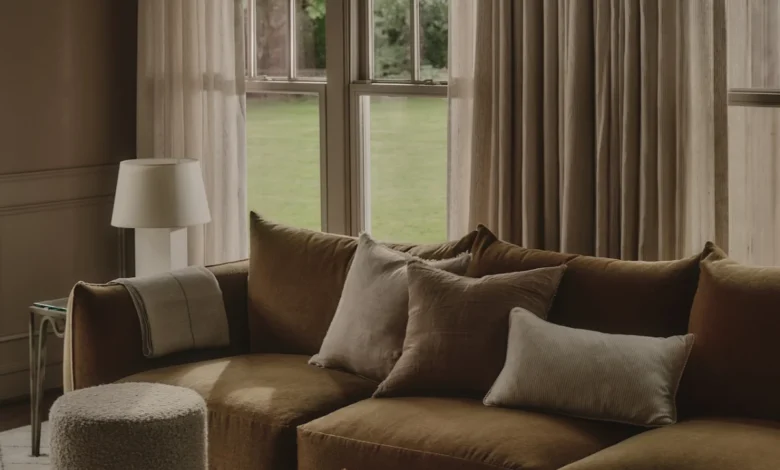
This approach acknowledges that a home is a dynamic environment rather than a static object. By selecting materials like unlacquered brass, Calacatta Viola marble, and natural linens, Gray has ensured that the residence will look different in five years than it does today. This is not seen as deterioration, but as a gradual accumulation of the history of the occupants. The hardware darkens where it is most frequently touched; the stone counters record the spills and prep work of family meals; and the velvet upholstery develops unique compression patterns where people sit most often.

Materiality as a Record of Inhabitation
The selection of materials at Tryon Hill serves as the primary vehicle for this philosophy of "active aging." The palette is a curated collection of high-tactility, natural substances:

- Unlacquered Brass: Unlike its lacquered counterparts, which remain bright and shiny until the coating eventually fails and peels, unlacquered brass reacts to oxygen and the oils from human hands. Over time, it develops a deep, mottled bronze-like finish that is unique to the specific touchpoints of the home.
- Calacatta Viola Marble: This material, characterized by its dramatic purple veining and creamy background, provides a bridge between the home’s 1920s roots and a contemporary aesthetic. As a natural stone, it is porous and reactive, allowing the marks of use to become part of the stone’s story.
- Mohair and Velvet: These textiles were chosen for their durability and their ability to "record" movement. Through repeated use, the pile of the fabric shifts and compresses, creating a visual map of where the inhabitants spend their time.
- Aged Wood and Natural Stone: By using reclaimed and natural flooring and wall surfaces, the design allows for subtle dips, divots, and wear patterns to emerge, reflecting the traffic and movement within the space.
This material strategy aligns with the growing global design trend of "Wabi-sabi"—the Japanese aesthetic centered on the acceptance of transience and imperfection. In a residential context, this translates to a space that feels lived-in and welcoming rather than precious or fragile.

Spatial Reconfiguration and the Salon Concept
While the material palette provides the atmospheric foundation, the spatial layout of Tryon Hill was also carefully reimagined to suit modern living while respecting the original 1929 proportions. The color story for the home was partially derived from the homeowner’s own wardrobe, ensuring a deeply personal connection between the inhabitant and the environment.

At the heart of the residence, Gray converted a small, underutilized room situated between the dining room and the kitchen into a dedicated "salon." This space serves as a pivot point for the home’s social life. To emphasize intimacy, the walls were finished in a deep burgundy, and the lighting was intentionally kept low and warm. This creates a scale and atmosphere specifically designed for conversation and repose, moving away from the "open concept" trend that often leaves historic homes feeling hollow or cavernous.

The tonal range across the rest of the home follows a similar logic. Muted jewel tones and inky, dark hues wrap the rooms in a sense of warmth and security. In specific areas, the palette tightens into near-monochromatic expressions, providing a subtle contemporary edge that remains cohesive with the home’s overall heritage.

Navigating the Structural Realities of a Centennial Home
The transformation of Tryon Hill was a complex 18-month endeavor that required navigating the structural idiosyncrasies common in homes approaching their centennial. Renovating a 1929 Cape Cod in the Pacific Northwest presents unique challenges, including the reconciliation of original construction methods with modern building codes and lifestyle expectations.

During the 18-month timeline, the Grayhaus team encountered several "hidden conditions" typical of the era:

- Irregular Joist Directions: Unlike modern homes with standardized framing, 1920s construction often featured idiosyncratic joist orientations that complicate the installation of modern plumbing, HVAC, and electrical systems.
- Preservation of Proportions: A key goal was to maintain the original molding profiles and the house’s inherent symmetry. This required a high level of craftsmanship to ensure that new structural supports did not disrupt the visual rhythm of the historic architecture.
- Modernizing Infrastructure: Integrating contemporary amenities into a 100-year-old shell requires a delicate balance. The project involved updating the home’s core systems while keeping the "bones" of the house legible beneath the new interior finishes.
The success of the project relied on a collaborative effort between the designer, engineers, and specialized contractors who understood the nuances of Portland’s historic residential architecture.

The Broader Context of Residential Design Trends in the Pacific Northwest
The renovation of Tryon Hill reflects a broader shift in the high-end residential market in cities like Portland, Seattle, and Vancouver. As the "fast furniture" and "disposable interior" trends of the last decade face increasing scrutiny, there is a renewed interest in longevity, sustainability, and material honesty.

Data from the architectural and design industry suggests that homeowners are increasingly prioritizing "timelessness" over "trendiness." A 2023 report on residential design trends noted a 15% increase in the specification of natural, unsealed materials in luxury renovations. This shift is driven by a desire for homes that feel grounded and authentic. In a digital age characterized by polished, filtered perfection, the "living patina" of a home like Tryon Hill offers a tangible, tactile connection to reality.

Furthermore, the Portland real estate market has seen a consistent premium placed on homes that successfully blend heritage preservation with modern functionality. In neighborhoods characterized by older housing stock, sensitive renovations that honor the original era while providing a sophisticated, contemporary lifestyle are highly valued.

Long-term Implications and the Future of Living Spaces
The implications of the Tryon Hill project extend beyond a single renovation. It serves as a case study for a more sustainable and psychologically healthy approach to interior design. By choosing materials that look better as they age, Grayhaus has created a home that does not require constant "refreshing" or the replacement of worn-out synthetic surfaces.

This "slow design" movement advocates for:

- Reduced Waste: Using materials like solid stone, wood, and metal that can be refinished or allowed to age naturally reduces the need for frequent replacements.
- Psychological Comfort: Environments that show signs of use can feel more "hospitable" and less stressful than those that require constant maintenance to remain "perfect."
- Historical Continuity: By maintaining the original molding and symmetry of the 1929 Cape Cod, the project ensures that the home remains a coherent part of Portland’s architectural history.
The result of the Tryon Hill renovation is a residence that functions as a living vessel for the family within it. It is a space where the architecture does not just house the inhabitants, but actively participates in their lives, recording their history in the darkening of a brass handle or the softening of a marble edge. As the home moves into its second century, it stands as a testament to the idea that true preservation is not about stopping time, but about allowing a house to age gracefully alongside those who call it home. Through the lens of Grayhaus, the 1929 Cape Cod has been reimagined not as a relic of the past, but as a vibrant, evolving environment for the future.
Related posts: