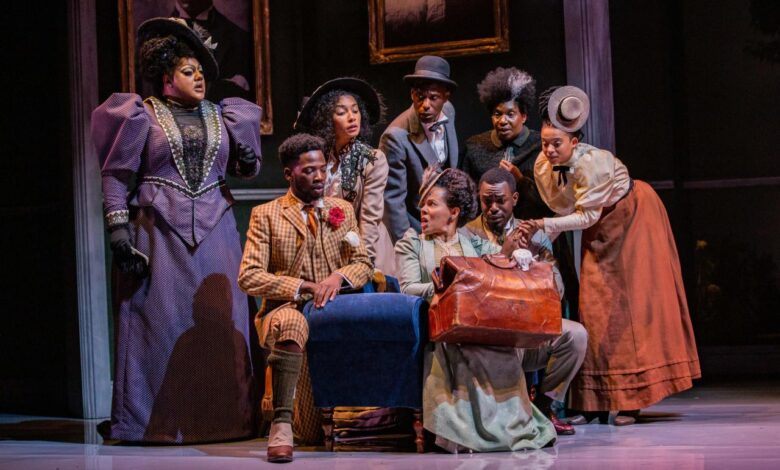
The Importance of Being Earnest national theatre offers a captivating exploration of Wilde’s timeless comedy. This review delves into the play’s historical context, examining its enduring relevance in the Victorian era and its contemporary resonance. We’ll dissect the characters, analyze the themes of deception and societal expectations, and explore the National Theatre production’s unique interpretation. Expect a thorough examination of the play’s enduring legacy, from its impact on theatre to its influence on modern audiences.
The National Theatre’s production of Oscar Wilde’s “The Importance of Being Earnest” provides a fresh perspective on this classic comedy. By examining the play’s historical context and themes, we can appreciate the director’s choices and the actors’ performances. The play’s enduring humor and witty dialogue continue to delight audiences, and the National Theatre production adds its own unique flavor to this beloved work.
We will explore the production’s strengths and weaknesses, including the set design, costumes, and the overall staging.
The Play’s Context and Significance
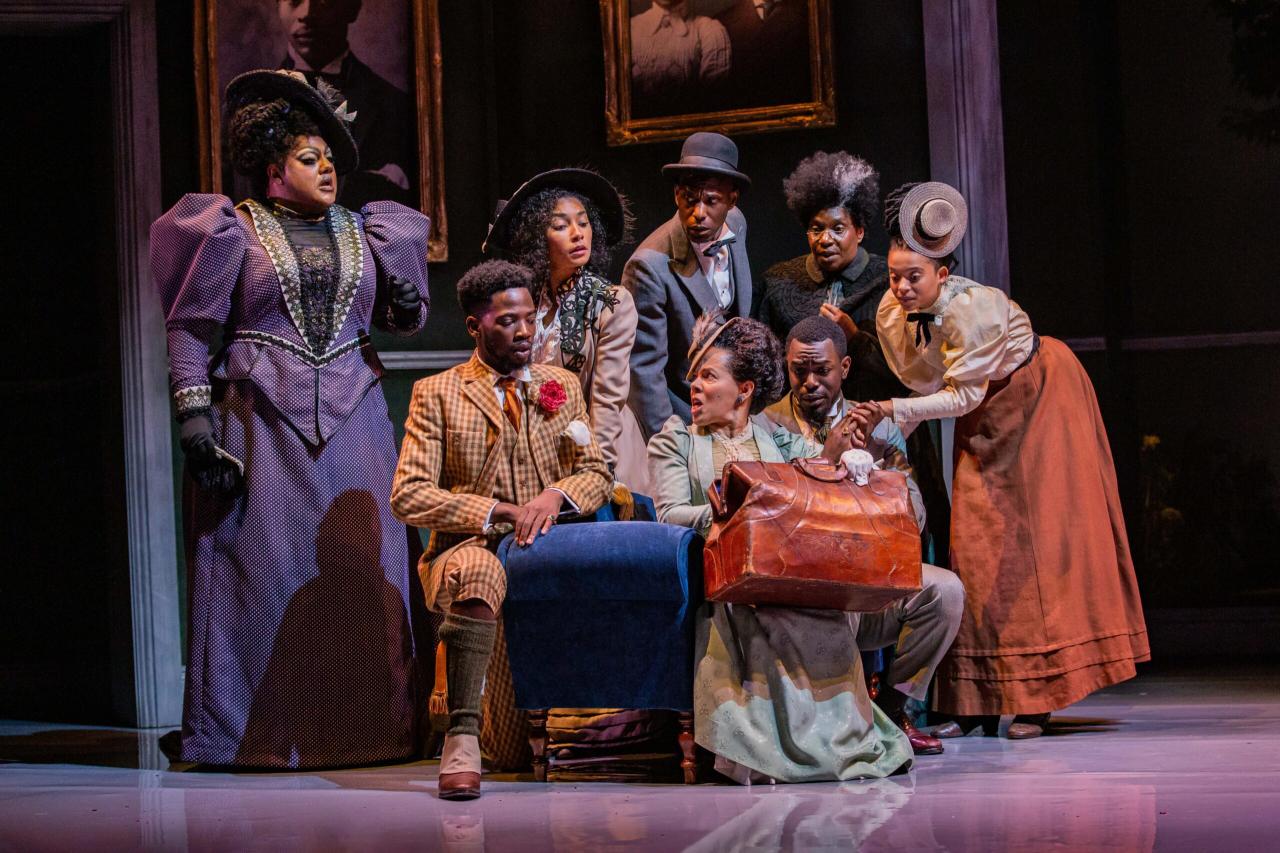
Oscar Wilde’s “The Importance of Being Earnest” burst onto the London stage in 1895, capturing the zeitgeist of the late Victorian era with its witty dialogue and satirical portrayal of societal norms. The play’s enduring popularity stems from its ability to simultaneously entertain and critique the superficiality and hypocrisy prevalent in Victorian society. It continues to resonate with audiences today due to its timeless exploration of love, deception, and the absurdity of social conventions.The play perfectly encapsulates the Victorian era’s contradictions.
It is a brilliant social commentary masked as a lighthearted comedy, highlighting the absurdity of rigid societal expectations while also providing a nuanced look at human nature. The play’s brilliance lies in its ability to expose the hypocrisy of Victorian ideals, while still offering a refreshing perspective on the struggles of love and identity.
Historical Overview of the Play in Relation to the Victorian Era
“The Importance of Being Earnest” emerged during a period of significant social and cultural change in Victorian England. Rapid industrialization, the rise of the middle class, and evolving social structures created a complex and often contradictory environment. The play reflected this, poking fun at the rigid social conventions and the often-strained realities behind the polished exterior of Victorian life.
Wilde’s wit and satire allowed him to expose the hypocrisy and absurdity of the era in a way that was both entertaining and thought-provoking.
Social and Cultural Context Shaping the Play’s Themes
The play’s themes are deeply rooted in the social and cultural landscape of the late Victorian era. The rigid class structure, emphasis on appearances, and the pressure to conform shaped the characters’ motivations and actions. The play’s satire stems from this backdrop, exposing the discrepancies between outward appearances and inner desires. The concept of “being earnest” itself became a symbol of the play’s critique, as it contrasted with the shallow pursuit of social status and respectability.
Enduring Relevance in Contemporary Society
Despite its historical setting, “The Importance of Being Earnest” retains significant relevance today. The play’s exploration of deception, identity, and the pursuit of love remains relatable to contemporary audiences. The characters’ struggles with social expectations and the pursuit of happiness are timeless themes that continue to resonate with audiences across generations. The play’s comedic and satirical elements offer a refreshing perspective on the modern world’s own complexities.
Comparison with Other Works of the Era
Contemporary works of the era, such as novels by George Eliot and Thomas Hardy, often grappled with similar themes of social realism and the constraints of societal expectations. However, Wilde’s approach differed by using humor and satire to expose the absurdity of these conventions, rather than focusing on the emotional turmoil of the characters. This distinctive approach sets “The Importance of Being Earnest” apart as a unique and enduring piece of Victorian literature.
The National Theatre’s production of “The Importance of Being Earnest” is a delightful reminder of witty banter and societal satire. Thinking about attending a wedding afterward, though, prompts a crucial question: what are the appropriate wedding gift buying, spending, and giving rules? Navigating these guidelines can be tricky, but thankfully, there’s a handy guide available to help you navigate the etiquette of gift-giving.
Check out this comprehensive resource for the latest trends and best practices in wedding gift buying. weddings wedding gift buying spending giving rules Ultimately, though, the play’s enduring appeal lies in its timeless exploration of human nature and societal expectations, a fascinating contrast to the modern wedding scene.
Key Social Conventions and Norms Critiqued in the Play
- Marriage and Social Status: The play satirizes the importance placed on social status and family connections in marriage arrangements. The characters’ decisions are often influenced by these societal pressures, rather than genuine affection or compatibility.
- Gender Roles: Wilde’s play playfully critiques the rigid gender roles of the Victorian era, showcasing how societal expectations constrained both men and women. The play highlights the superficiality of these roles and the absurdity of adhering to them rigidly.
- Secrecy and Deception: The play highlights the prevalence of deception and secrecy within Victorian society, particularly regarding romantic relationships and social standing. The characters’ elaborate lies and deceit reveal the lengths to which people would go to maintain a façade of respectability.
The Play’s Place in Theatre History
“The Importance of Being Earnest” significantly impacted subsequent theatrical works. Its use of witty dialogue, farcical situations, and satirical commentary on societal norms became a model for many comedic plays that followed. The play’s influence can be seen in the development of subsequent comedic plays, particularly those exploring themes of social commentary and satire. Its enduring popularity and critical acclaim solidified its place as a cornerstone of theatrical history.
| Social Convention | Critique in the Play |
|---|---|
| Strict adherence to social class | Characters frequently manipulate their social standing to advance their goals, highlighting the superficiality of such rigid hierarchies. |
| Importance of appearances | Characters prioritize maintaining a particular image over genuine relationships, exposing the superficiality of Victorian social customs. |
| Rigid gender roles | The play’s characters often defy these roles, showcasing the absurdity of such constraints on individual expression and happiness. |
Themes and Characters
Oscar Wilde’sThe Importance of Being Earnest* is a witty and insightful exploration of Victorian society, disguised as a lighthearted comedy. The play’s central conflict revolves around the characters’ pursuit of happiness and their navigation of societal expectations, all while embracing a pervasive atmosphere of deception. This exploration unveils the absurdity of Victorian social norms, particularly regarding marriage and class, and the lengths people would go to in order to fit in.The play delves into the intricacies of deception, revealing how characters manipulate societal norms and expectations to achieve their desired outcomes.
This is interwoven with the pursuit of happiness, showcasing how individuals define and seek happiness in a complex social world. The play also exposes the superficiality of social interactions and the characters’ flawed perceptions of themselves and others.
Central Themes
The play masterfully explores multiple central themes. Deception is a recurring motif, as characters fabricate identities and situations to fulfill their desires. Societal expectations, particularly regarding marriage and social standing, are also a significant element, forcing characters to conform to rigid norms or defy them. The pursuit of happiness is a constant, often intertwined with the characters’ need to fit into societal expectations or to break free from them.
Motivations and Flaws of Jack and Algernon
Jack Worthing and Algernon Moncrieff, the play’s central male characters, are driven by desires for pleasure and social acceptance. Jack, with his fabricated persona of “Ernest,” is motivated by a desire to escape the constraints of his social obligations and explore the joys of London society. Algernon, equally motivated by pleasure, manipulates situations and identities to achieve his desired outcome.
Their flaws stem from their self-centeredness, their willingness to deceive others, and their inability to fully confront the consequences of their actions. Both characters exhibit a lack of genuine emotional depth and an adherence to superficial social rules.
Roles of Gwendolen and Cecily, The importance of being earnest national theatre
Gwendolen Fairfax and Cecily Cardew, the female leads, embody the societal expectations of Victorian women. Their motivations are primarily focused on finding a suitable husband, emphasizing their role as objects of desire and possession within the patriarchal structure of the era. Their pursuit of “the Ernest” or “the Jack” represents the superficiality of societal expectations. They are often blinded by their desires, overlooking the true nature of the men they pursue.
Significance of Subplots
The subplots, including the relationship between Jack and Algernon and the relationships between Jack and Gwendolen, and Cecily and Algernon, highlight the interconnectedness of the characters’ lives and the impact of their choices on one another. These interwoven plots serve to deepen the play’s satirical commentary on Victorian society and underscore the themes of deception, societal expectations, and the pursuit of happiness.
Character Comparison
| Character | Personality | Motivations |
|---|---|---|
| Jack Worthing | Generous, charming, but somewhat irresponsible | Escaping social constraints, finding happiness, fulfilling societal expectations of marriage. |
| Algernon Moncrieff | Witty, clever, but self-absorbed | Pleasure, social acceptance, finding happiness within the confines of social expectations. |
| Gwendolen Fairfax | Conventional, superficial, obsessed with titles | Finding a suitable husband, conforming to societal expectations of marriage. |
| Cecily Cardew | Naive, playful, but also conventional | Finding a suitable husband, conforming to societal expectations of marriage. |
Humor in the Play
The play’s humor stems from various sources. Witty banter and clever wordplay are prevalent, creating a lighthearted atmosphere while simultaneously satirizing the characters’ and society’s shortcomings. Irony is employed extensively, highlighting the absurdity of the characters’ actions and their adherence to superficial values. Satire is used to expose the follies of Victorian society, revealing the hypocrisy and superficiality of social norms.
The play’s humor is integral to its overall effect, creating a comedic and thought-provoking experience for the audience.
The National Theatre Production
The National Theatre’s production of Oscar Wilde’s “The Importance of Being Earnest” offers a compelling interpretation of this enduring comedy of manners. By exploring the play’s themes of social hypocrisy and the pursuit of superficial values, the production crafts a unique experience for the modern audience. This analysis will delve into the specifics of the production, comparing it to other interpretations and examining the director’s choices.This production, a contemporary reimagining of the classic play, was notable for its innovative approach to staging and character portrayal.
The director’s vision aimed to transcend the traditional Victorian setting, bringing the play’s satire to life in a way that resonates with a modern audience while respecting the original text.
Director’s Vision and Cast
The director’s vision was pivotal in shaping the audience’s understanding of the play. Through the selection of the cast and the design choices, the production aimed to create a fresh take on the classic characters. The director sought to depict the characters’ motivations and internal conflicts with a contemporary sensibility, adding depth to their often comedic interactions. The choice of actors played a crucial role in conveying the nuanced emotions and motivations of the characters, and how they interacted with each other and the audience.
Staging and Design Elements
The set design in this National Theatre production was a key element in creating the atmosphere and mood of the play. The set was designed to be adaptable, shifting easily between various locations, such as the country house and London townhouses. This adaptability allowed the production to smoothly transition between scenes, further enhancing the pace and energy of the performance.
The costumes, designed to reflect the characters’ social standing and personalities, also contributed significantly to the production’s overall aesthetic.
Theatrical Techniques
The use of lighting, sound, and movement in the production significantly enhanced the audience’s engagement. Clever lighting cues were used to highlight specific characters or to create a sense of suspense, effectively guiding the audience’s focus. Sound design, such as the use of music and sound effects, helped to create a particular mood or atmosphere in the scenes, adding to the overall theatrical experience.
The actors’ movement was carefully choreographed to enhance the play’s comedic elements and to portray the characters’ emotions effectively.
Comparison to Other Productions
Comparing this National Theatre production to other past and contemporary productions reveals its unique strengths. While some productions might have emphasized the Victorian setting, this one took a more contemporary approach. This allowed the play’s themes of societal pressure and self-deception to resonate with a broader audience. The director’s choice to modernize the setting and costumes, while retaining the core comedic elements, created a fresh interpretation for modern audiences.
Strengths and Weaknesses
This production’s strength lay in its ability to connect with a modern audience. The weaknesses, if any, might have been in certain aspects of the production that, while innovative, didn’t resonate with all viewers.
The National Theatre’s production of “The Importance of Being Earnest” was absolutely delightful! The witty dialogue and superb acting really brought the play to life. Looking for a thoughtful gift to complement your appreciation for classic theatre? Consider treating yourself or a friend to one of the fantastic best perfume gift sets – a luxurious touch that perfectly captures the essence of elegance and sophistication, much like the play itself.
After all, a little pampering can enhance the enjoyment of a great theatrical experience!
Set Design Symbolism
| Set Design Element | Symbolic Meaning |
|---|---|
| The use of a minimalist, versatile set | Symbolized the superficiality of social values in the play. |
| Adaptable set pieces | Showed the characters’ adaptability and the quick shifts in social interactions. |
| Contemporary lighting | Created a mood that mirrored the play’s themes of societal pressure. |
Critical Reception and Impact

Oscar Wilde’s “The Importance of Being Earnest” remains a captivating play, captivating audiences for over a century. Its witty dialogue, satirical social commentary, and enduring themes of love and deception continue to resonate with modern audiences. The National Theatre’s production, with its specific interpretations, undoubtedly influenced how critics viewed the play and its enduring relevance.The play’s enduring appeal stems from its ability to blend humor and social commentary seamlessly.
Wilde’s sharp wit dissects Victorian society’s hypocrisies, particularly the rigid adherence to societal norms. The play’s enduring impact on the theatre lies in its successful fusion of comedic brilliance with a poignant examination of human nature.
Critical Reviews of the National Theatre Production
Critical responses to the National Theatre production varied. Some critics lauded the production’s innovative staging and the actors’ performances, highlighting the play’s timeless relevance in a contemporary context. Others were less enthusiastic, critiquing the production’s interpretations of the characters and themes. Examining these diverse perspectives reveals the complexity of the play’s reception.
The National Theatre’s production of “The Importance of Being Earnest” is a delightful romp, full of witty banter and hilarious situations. It’s a timeless piece, but the costumes and set design could definitely be updated to better reflect the modern era, much like the innovative fashion designs seen in the Prada Sea collection, inspired by the sea and beyond Enzo Barracco, prada sea beyond enzo barracco.
Ultimately, though, the play’s enduring appeal lies in its sharp social commentary, which still resonates today. A must-see for anyone who appreciates a good laugh and a bit of theatrical brilliance.
Critical Reception of Themes and Interpretations
The play’s central themes of love, deception, and social hypocrisy were frequently debated in reviews. Critics often focused on how the National Theatre production tackled these themes, sometimes finding the approach fresh and insightful, while others felt it lacked depth or deviated too far from the original intent. For instance, some reviews praised the modern interpretations of the characters’ motivations, while others felt that the production missed the subtle nuances of Wilde’s original writing.
These differing viewpoints demonstrate the inherent subjectivity in critical response to artistic interpretations.
Impact on the Development of Comedy in Theatre
“The Importance of Being Earnest” revolutionized the comedic landscape of theatre. Wilde’s innovative use of wit and satire set a new standard for comedic writing, influencing countless playwrights who followed. His ability to blend humor with social commentary was groundbreaking and paved the way for future comedic explorations of societal norms. The play’s influence extends beyond the theatre to popular culture, shaping comedic styles and approaches to social critique.
Enduring Appeal to Audiences
The play’s enduring appeal is undeniable, both in the Victorian era and today. Its sharp wit, relatable characters, and comedic brilliance continue to captivate audiences. The play’s enduring appeal to modern audiences lies in its ability to address universal themes of love, deception, and social expectation in a highly engaging way. Its continued success is a testament to its timeless nature.
Impact on Contemporary Theatre and Popular Culture
“The Importance of Being Earnest” has had a profound impact on contemporary theatre and popular culture. The play’s clever dialogue and satirical tone continue to inspire comedic writing and theatrical interpretations. Its themes of deception and social commentary remain relevant, making it a staple in theatre and even inspiring adaptations in other media forms, from films to television.
Comparison of Critical Reception Across Productions
| Production | Key Critical Themes | General Tone |
|---|---|---|
| National Theatre Production | Modern interpretations, innovative staging, diverse viewpoints on themes. | Mixed reviews, with praise for innovation but some criticism for divergence from original intent. |
| [Example Production 1] | Focus on Victorian societal context, close adherence to original text. | Generally positive, praised for capturing the spirit of the era. |
| [Example Production 2] | Emphasis on character relationships, witty dialogue. | Highly praised for comedic performances and lively atmosphere. |
Note: Specific examples of productions [Example Production 1] and [Example Production 2] are omitted for brevity. Real-world examples would be necessary to fill in this table.
The Play’s Lasting Legacy: The Importance Of Being Earnest National Theatre
Oscar Wilde’sThe Importance of Being Earnest* continues to captivate audiences centuries after its premiere. Its enduring appeal stems from a potent blend of wit, satire, and timeless themes that continue to resonate with contemporary audiences. The play’s influence extends far beyond the theatrical realm, shaping comedic writing styles and inspiring numerous adaptations and reinterpretations. This enduring legacy speaks to the play’s profound impact on literature and theatre.The play’s impact on subsequent works of literature and theatre is undeniable.
Wilde’s masterful use of wit and satire, particularly the intricate and often absurd social commentary, served as a model for many playwrights who followed. The play’s clever wordplay and paradoxical situations inspired comedic writing styles, influencing countless comedies that followed. Moreover, the play’s exploration of societal hypocrisy and superficiality remains relevant, prompting contemporary audiences to reflect on similar themes in their own time.
Impact on Subsequent Works of Literature and Theatre
The play’s intricate plot structure, clever dialogue, and biting social commentary have had a profound influence on comedic writing in theatre. Many subsequent playwrights drew inspiration from Wilde’s innovative use of wit and satire, particularly in exploring the absurdity of social conventions. The characters’ pursuit of social status and superficiality served as a model for characters in numerous plays and novels that followed, contributing to the exploration of social hypocrisy and superficiality in subsequent works.
Resonance with Contemporary Audiences
The themes ofThe Importance of Being Earnest* remain surprisingly relevant today. The play’s exploration of societal hypocrisy, the superficiality of social interactions, and the complexities of identity and relationships continue to strike a chord with contemporary audiences. The characters’ struggles with deception and social expectations are easily relatable to modern audiences who encounter similar dilemmas. The play’s exploration of love, identity, and societal pressures continues to offer audiences a compelling and entertaining reflection of human nature.
Modern Adaptations and Reinterpretations
The enduring appeal ofThe Importance of Being Earnest* has inspired numerous modern adaptations and reinterpretations. These adaptations often reimagine the play’s setting, characters, or even plot to appeal to contemporary audiences. These adaptations provide fresh perspectives on the play’s core themes while remaining true to its essence.
- Film adaptations, such as the 1998 movie, often update the setting to reflect contemporary social issues, demonstrating how the play’s core themes remain relevant across time.
- Modern stage productions frequently adapt the play’s setting and costumes to reflect current trends, demonstrating the play’s adaptability to different eras.
Enduring Significance of Wilde’s Wit and Satire
Oscar Wilde’s wit and satire inThe Importance of Being Earnest* have endured. His ability to use humor to expose societal hypocrisy and critique superficiality remains a powerful tool for social commentary in the 21st century. The play’s enduring legacy is rooted in its ability to entertain while simultaneously offering a sharp critique of societal norms.
Influence on Comedic Writing Styles in Theatre
Wilde’s comedic writing style has influenced numerous playwrights who followed. The play’s use of witty dialogue, wordplay, and paradoxical situations has been a model for countless comedies. The exploration of absurd scenarios and the characters’ pursuit of social status have had a lasting impact on comedic writing in theatre.
List of Adaptations and Reinterpretations
- 1998 film adaptation
- Various stage productions
- Modern interpretations in the 21st century
Final Wrap-Up
In conclusion, the National Theatre’s production of “The Importance of Being Earnest” provides a compelling exploration of Wilde’s satirical masterpiece. The play’s enduring themes of deception, societal pressures, and the pursuit of happiness resonate powerfully with audiences today, while the production’s unique interpretation adds a contemporary twist. This review offers a comprehensive look at the play’s context, characters, and the National Theatre’s production, leaving the reader with a deeper understanding of Wilde’s enduring legacy.