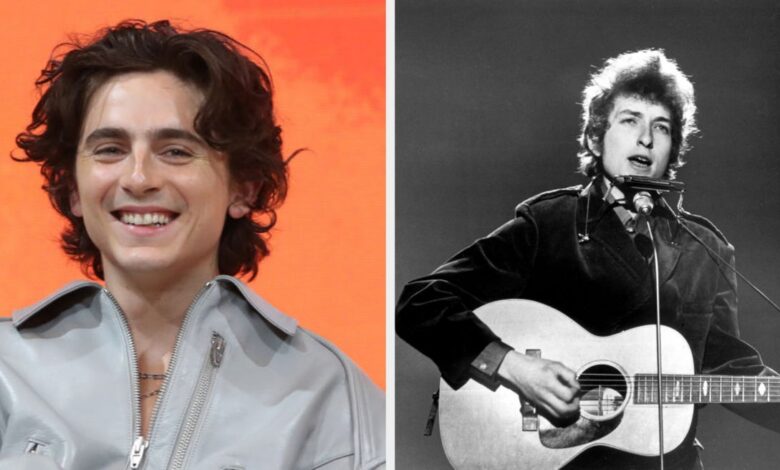
Timothee chalamet bob dylan biopic details – Timothée Chalamet Bob Dylan biopic details reveal a project promising a compelling look at the iconic singer-songwriter. The film will explore Bob Dylan’s life and career, focusing on key themes and periods. Casting Chalamet for the role suggests a particular approach to portraying Dylan’s complex persona, a decision that raises questions about both challenges and opportunities for the film.
The Artikel covers everything from the historical context surrounding Dylan’s life and career to potential narrative structures and visual elements. It also delves into the challenges of portraying Dylan’s multifaceted personality and the potential for this film to offer a fresh perspective on his legacy.
Overview of the Project
A biopic of Bob Dylan, focusing on a pivotal period of his life, promises a compelling exploration of artistic evolution and personal struggle. The film is poised to delve into the creative fires that shaped Dylan’s iconic persona, examining the pressures and influences that propelled him from folk singer to global icon. This narrative arc, tracing the development of his songwriting and musical style, will likely be interwoven with the personal challenges and societal shifts of the time.The film’s historical context is crucial to understanding the cultural climate that fueled Dylan’s rise.
The mid-20th century witnessed a profound shift in American music and society, a period of profound social change and artistic rebellion. The film is expected to accurately portray the anxieties, idealism, and political ferment of that era. Dylan’s own journey, from folk clubs to stadium concerts, mirrors the broader societal transformations of the time.
So, the Timothee Chalamet Bob Dylan biopic is shaping up to be pretty interesting. Apparently, it’s going to be a really in-depth look at Dylan’s early career, which is cool. Speaking of interesting things, did you see Taylor Swift rocking Chanel at Travis Kelce’s Chiefs game? taylor swift chanel travis kelce chiefs game It was a total fashion statement, for sure.
Either way, I’m really hoping the biopic will capture Dylan’s spirit and personality well.
Casting Timothée Chalamet
The casting of Timothée Chalamet as Bob Dylan is a significant choice. Chalamet’s talent for embodying complex characters, coupled with his recognizable charisma, suggests a potentially compelling portrayal. However, the challenge lies in capturing Dylan’s distinctive voice, both musically and vocally. The film will need to balance Chalamet’s natural performance style with the authentic representation of Dylan’s iconic stage presence and nuanced persona.
Comparisons to previous Dylan portrayals and the potential impact of Chalamet’s interpretation on the overall narrative are crucial aspects to consider.
Historical Context of the Period
The film’s chosen period likely encompasses Dylan’s transition from folk music to more experimental sounds. This period is characterized by a rise in counterculture, a growing youth movement, and an increasing awareness of social and political issues. Dylan’s evolving musical style reflected these shifts, and the film will likely explore the tensions between artistic innovation and societal expectations.
- The Civil Rights Movement: The Civil Rights Movement was a significant force during this time, profoundly impacting American society. Dylan’s own evolving political stances will likely be examined in the context of this major social movement.
- The Vietnam War: The escalating Vietnam War created a deep division in American society, influencing the artistic and political expressions of the era. The film will likely explore Dylan’s response to the war, reflecting the broader societal concerns of the time.
- The Folk Music Revival: Dylan’s early career was heavily influenced by the folk music revival, and the film will likely depict the vibrant folk music scene and the cultural significance of this movement. The film will likely portray the influence of other musicians and artists of the time on Dylan.
Potential Narrative Arcs
The narrative arcs will likely encompass Dylan’s musical evolution, personal struggles, and interactions with the cultural and political landscape of the time. These arcs will likely be intertwined to create a compelling portrayal of a multifaceted artist.
- The transition from folk to rock: The film will likely explore the creative pressures and personal motivations that led Dylan to transition from folk music to rock and roll, capturing the complexities of this evolution.
- Relationships and influences: Dylan’s relationships with other artists, musicians, and people will be examined, providing context to his artistic development and personal growth. The film will likely touch on the impact of his close relationships and the influences of the people he met during this period.
- Artistic growth and challenges: The film will depict the artistic struggles and triumphs faced by Dylan during this period, providing insight into his personal life and his creative journey.
Character Portrayal and Analysis
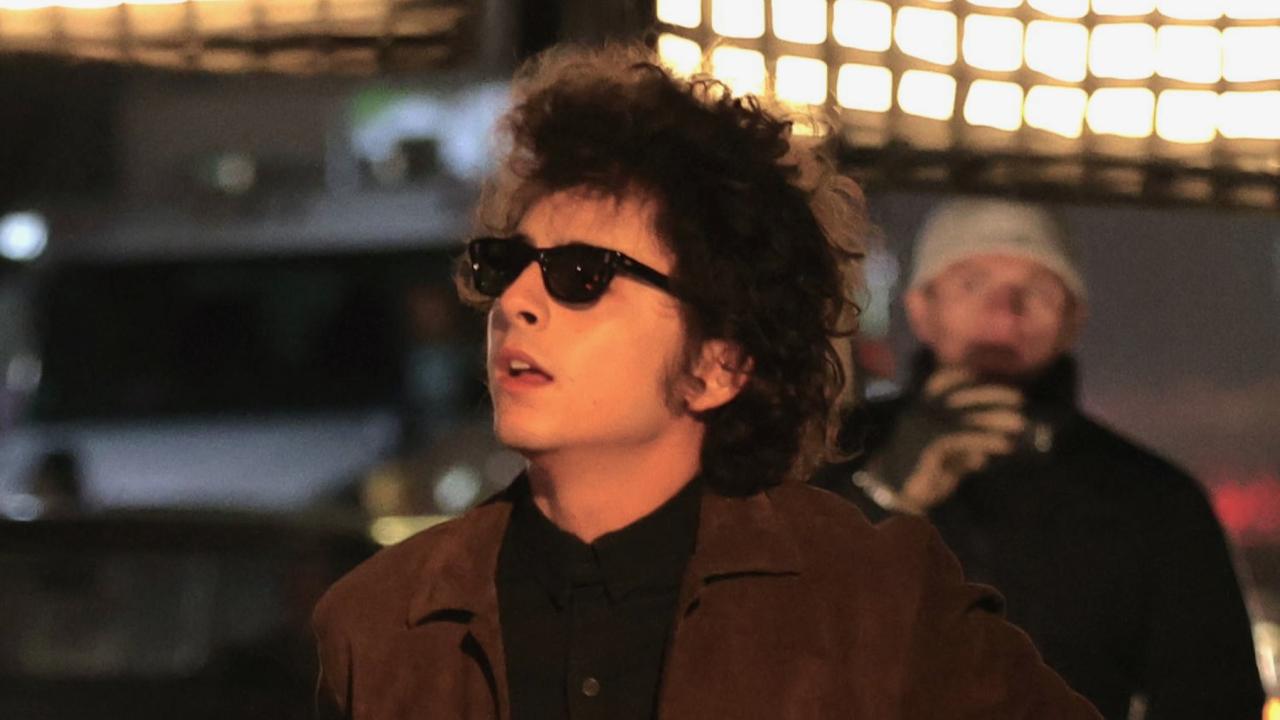
Portraying Bob Dylan, a cultural icon whose persona has evolved dramatically over decades, presents unique challenges for any actor. The multifaceted nature of Dylan’s public image, coupled with his enigmatic private life, necessitates a nuanced and thoughtful approach to capture the essence of the man behind the music. This analysis delves into the complexities of the task, examining potential thematic connections between Chalamet’s previous work and Dylan’s character arc, and identifying possible narrative conflicts.Dylan’s evolving persona throughout his career presents a fascinating challenge for the biopic.
His early folk protest songs contrast sharply with his later, more experimental and often ambiguous work. Successfully capturing this evolution, while respecting the complexities of Dylan’s artistic journey, will be crucial to the film’s success.
Potential Challenges in Portraying Dylan’s Complex Personality
Capturing the essence of Bob Dylan’s complex personality is a significant hurdle. His public persona often clashes with his personal life, creating a fascinating tension that must be carefully portrayed. Dylan’s shifting musical styles, coupled with his famously cryptic statements and behavior, necessitates a deep understanding of his artistry and character development. The film must carefully navigate this duality without sacrificing authenticity or creating a caricature.
Thematic Similarities and Differences Between Chalamet’s Previous Roles and Dylan’s Character
Timothée Chalamet has consistently demonstrated a talent for portraying complex and introspective characters. Roles like Elio Perlman in
- Call Me By Your Name* and the young, troubled poet in
- Ladybird* highlight his ability to portray characters grappling with identity and personal transformation. However, Bob Dylan presents a unique set of challenges. While Chalamet’s previous roles have explored themes of self-discovery and artistic pursuit, Dylan’s journey encompasses a broader spectrum, including social activism, artistic rebellion, and the complexities of fame.
Potential Conflicts or Contradictions in the Narrative
Bob Dylan’s public image and personal life often present contradictions. His early protest songs contrasted with his later, more commercially successful and sometimes controversial work. The film will need to address these potential conflicts and contradictions, showcasing the nuances of his character arc and maintaining a respectful and thoughtful portrayal. The film must explore how these public perceptions and private realities shaped his artistic evolution.
Comparison of Bob Dylan’s Persona Across Different Periods
| Period | Public Persona | Personal Life | Artistic Style |
|---|---|---|---|
| Early Folk Years (1960s) | Folk protest singer, social activist | Young, ambitious, seeking creative expression | Acoustic folk, socially conscious |
| Electric Years (Late 1960s) | Controversial, rebellious figure, alienated from the folk scene | Exploring personal identity and artistic freedom | Electric rock, experimental, more ambiguous |
| Later Career (1970s-Present) | Global music icon, commercially successful, enigma | Maintaining a degree of privacy, grappling with fame | Evolving styles, experimental, exploring different genres |
This table illustrates the shifting nature of Bob Dylan’s persona across different periods of his career. The challenge for the film will be to capture the essence of these evolving facets, without oversimplifying or reducing the complexities of his journey.
Timothée Chalamet’s portrayal of Bob Dylan promises a fascinating biopic, but the challenges facing US fashion brands, like those detailed in this article , highlight a different kind of existential threat. High tariffs are impacting supply chains and potentially the very future of these brands, a stark contrast to the more personal struggles likely to be explored in the Dylan biopic.
Ultimately, both stories point to significant shifts in the cultural and economic landscapes.
Narrative Structure and Themes
A biopic on Bob Dylan, especially one focusing on his formative years, presents a unique challenge. The film must capture the essence of his artistic evolution, the turbulent personal life that fueled it, and the profound cultural impact he had. The narrative structure needs to be dynamic, weaving together the personal and the public, the introspective and the revolutionary.
This requires careful consideration of the significant turning points in his career and the themes that resonate most deeply with his journey.This analysis explores potential plot points and thematic focuses, considering the significant life events and artistic evolution of Bob Dylan. It aims to create a compelling narrative structure that honors the complexity of Dylan’s persona and legacy.
The film should explore how his music reflected and shaped the changing cultural landscape of the time.
Potential Plot Points and Narrative Structure
The narrative could trace Dylan’s journey from his early life in Hibbing, Minnesota, to his rise as a folk singer, his transition to electric music, his exploration of different genres, and his continued evolution as an artist. Key turning points, like his encounter with Woody Guthrie, his early performances, the controversy surrounding his transition to electric music, and his later experiments with different genres, could be highlighted.
The film should also explore the tensions between his personal life and his public image. A central conflict could revolve around the pressure to conform to expectations versus the desire to push boundaries.
- The film could open with Dylan’s early life in Hibbing, highlighting the environment and influences that shaped his artistic vision. The introduction of Woody Guthrie could be pivotal, showing the formative influence he had on Dylan’s early musical journey.
- The rise of Dylan as a folk singer, with the iconic Greenwich Village folk scene as a backdrop, would showcase the growing recognition of his talent and the beginnings of his distinct style.
- The controversial shift to electric music could be depicted as a turning point, exploring the reactions from the folk community and the public, as well as Dylan’s internal struggles with this decision.
- His later experiments with various genres, including rock, country, and even classical music, could be presented as a testament to his creative versatility and his restless spirit.
- The film could also touch on Dylan’s personal relationships, including his marriages and romantic entanglements, as well as the impact they had on his life and work.
Thematic Focus
The film should explore themes of artistic integrity, personal identity, and the search for authenticity in a rapidly changing world. The film could focus on the conflict between Dylan’s desire for creative expression and the pressure to conform to expectations. The film should also examine the tensions between personal growth and the public’s perception of a celebrity.
- The film could delve into Dylan’s struggle with finding his voice and his place in the world, illustrating how his music served as a vehicle for self-discovery and social commentary.
- The film could explore the evolving relationship between art and rebellion, showing how Dylan’s music challenged societal norms and expectations.
- The film could illustrate how the public’s perception of artists and celebrities can clash with their personal lives, highlighting the often-complex nature of fame.
- The film could showcase Dylan’s resilience and perseverance in the face of adversity, and how his work reflected his inner journey.
Potential Scenes Illustrating Key Turning Points
These scenes would aim to capture the emotional and psychological weight of these pivotal moments in Dylan’s life.
- A scene depicting Dylan’s first encounter with Woody Guthrie, showing the profound impact of this meeting on his life and musical journey.
- A scene of a sold-out concert, illustrating the public’s response to Dylan’s growing popularity and the excitement surrounding his music.
- A scene of Dylan in a recording studio, surrounded by instruments, capturing the creative process and the intense focus required to craft his music.
- A scene of a media interview, highlighting the growing tensions between Dylan’s public persona and his personal life.
Film Structure
This table Artikels a potential structure for the film, including key scenes, characters, and locations.
| Scene | Characters | Locations | Themes |
|---|---|---|---|
| Dylan’s early life in Hibbing | Young Bob Dylan, family members, local figures | Hibbing, Minnesota | Identity, influences, early struggles |
| Rise as a folk singer | Dylan, Woody Guthrie, Greenwich Village musicians | Greenwich Village, NYC | Emerging talent, artistic expression |
| Transition to electric music | Dylan, fellow musicians, critics | Concert venues, recording studios | Rebellion, artistic evolution |
| Later career explorations | Dylan, collaborators, audiences | Various venues, studios, locations | Versatility, personal growth |
Visual and Musical Elements
This biopic of Bob Dylan will require a careful consideration of visual and musical elements to accurately portray the era and the artist’s evolution. The film’s aesthetic needs to transcend mere recreation and capture the spirit of the 1960s, conveying the cultural and political turmoil while reflecting Dylan’s changing image and persona. Music will be crucial in driving the narrative, evoking emotions, and highlighting the pivotal moments in Dylan’s career.The visual style must be more than just a backdrop; it must be an active participant in the story.
The film’s aesthetic should reflect the era’s fashion, from the mod sensibilities of the early 1960s to the burgeoning counterculture of the late period, while also capturing the raw energy and idealism of the time. This will require a delicate balance of authenticity and artistic license.
Visual Style and Period Setting
The film’s visual style should be deeply rooted in the aesthetic of the 1960s. Think of a blend of gritty realism, capturing the urban landscapes of the era, alongside a visual poetry that evokes the spirit of protest and social change. Locations should be authentically researched and meticulously recreated to provide an immersive experience for the viewer.
Costumes will be crucial to reflecting the evolving fashion of the time, from the sharp suits and mod styles of the early 1960s to the more casual and bohemian attire of the later years. This will help portray Dylan’s changing image and the cultural shifts around him.
Music’s Role in Character Development and Narrative, Timothee chalamet bob dylan biopic details
Music is not just background noise; it’s the heartbeat of the film. The soundtrack will be meticulously crafted to reflect the different phases of Dylan’s career and the evolving musical landscape of the time. Original compositions, alongside meticulous selections of Dylan’s songs, will be crucial in shaping the narrative and enhancing character development. The use of live recordings, particularly from concerts and performances, will add an extra layer of authenticity and immersive energy to the film.
This will allow the audience to feel the pulse of the era.
Iconic Imagery and Symbols
The film should leverage iconic imagery and symbols associated with Bob Dylan and the 1960s. Visual motifs, such as the iconic image of Dylan performing on stage or his distinctive attire, will be integrated subtly into the narrative, not just for visual appeal but for thematic depth. Consider incorporating visual representations of the social and political issues that shaped Dylan’s music, such as the Civil Rights Movement or the Vietnam War.
These visual representations can help the audience connect with the context and the artist’s message.
Musical Styles and Bob Dylan’s Career Phases
Different musical styles can effectively represent different phases of Bob Dylan’s career. A table showcasing these styles and their corresponding periods will help in understanding the thematic and stylistic transitions of the artist.
Timothée Chalamet’s Bob Dylan biopic is shaping up to be a fascinating project, with some intriguing details emerging. It’s definitely going to be interesting to see how the story unfolds. Meanwhile, did you know that Magda Butrym, a rising star in the fashion world, has just launched a stunning collaboration with H&M? magda butrym hm designer collaboration It’s a great example of how fashion and entertainment can intersect, and I’m excited to see how this collaboration translates into the marketplace.
The Bob Dylan biopic will likely be a stylish film, just like Magda Butrym’s designs.
| Dylan’s Career Phase | Dominant Musical Style | Example Songs | Visual Style |
|---|---|---|---|
| Early Folk | Acoustic Folk, Blues | “Blowin’ in the Wind,” “A Hard Rain’s A-Gonna Fall” | Bohemian, rural, grassroots |
| Folk-Rock Transition | Folk-Rock, Psychedelic | “Like a Rolling Stone,” “Subterranean Homesick Blues” | Urban, rebellious, heightened energy |
| Electric Rock | Electric Rock, Blues Rock | “All Along the Watchtower,” “Tangled Up in Blue” | Energetic, raw, powerful |
| Mature Folk | Acoustic Folk, Americana | “Hurricane,” “Things Have Changed” | Reflective, contemplative, mature |
Potential Challenges and Opportunities: Timothee Chalamet Bob Dylan Biopic Details
A biopic about Bob Dylan, particularly one starring Timothée Chalamet, presents a unique set of challenges and opportunities. The sheer magnitude of Dylan’s influence on music and culture necessitates careful consideration of how to capture his essence without simply replicating existing portrayals. This requires navigating the complexities of artistic interpretation, historical accuracy, and the inherent subjectivity of biographical storytelling.
The potential for both critical acclaim and audience engagement hinges on the film’s ability to strike a balance between these competing forces.Successfully portraying a complex and multifaceted figure like Bob Dylan requires a nuanced understanding of his persona and evolution. It’s crucial to delve beyond the surface-level portrayals of the iconic singer-songwriter and explore the man behind the music, the contradictions, and the evolving relationship with his own legend.
This delicate balance is key to creating a compelling and resonant portrayal.
Potential Challenges in Achieving Authenticity
Authenticity in portraying Bob Dylan’s life is a formidable hurdle. Dylan’s persona is famously elusive, and he often deliberately maintains a degree of ambiguity. The task of accurately capturing the nuances of his changing attitudes and evolving creative process will demand deep research and a keen understanding of his historical context. Furthermore, access to personal accounts and experiences, essential for a truly authentic portrayal, may be limited or unavailable.
Opportunities for a Fresh Perspective
While challenges abound, there’s significant potential for a fresh perspective on Dylan’s legacy. The film could explore aspects of his life not typically highlighted, such as his early influences or the socio-political contexts that shaped his artistic development. This could be achieved through insightful analysis and nuanced portrayal, rather than simply repeating existing narratives. By focusing on the less-explored aspects, the film can provide a more profound and holistic understanding of Dylan’s career.
Obstacles in Balancing Artistic Interpretation and Historical Accuracy
Balancing artistic interpretation with historical accuracy is a crucial aspect of any biographical film. In the case of Bob Dylan, this becomes especially complex. Dylan’s music and lyrics are often highly metaphorical and personal, demanding a sensitive interpretation that avoids simplistic reductions or oversimplifications. The film needs to avoid becoming a literal recreation of events, but rather offer a compelling artistic vision that remains faithful to the core essence of Dylan’s life and work.
This requires a delicate balancing act between honoring the facts and allowing for creative expression.
Summary of Potential Challenges and Opportunities
| Potential Challenges | Potential Opportunities |
|---|---|
| Capturing the elusive and complex nature of Bob Dylan’s persona. | Offering a fresh perspective on Bob Dylan’s legacy by exploring less-discussed aspects of his life. |
| Limited access to personal accounts and experiences. | Providing a nuanced and holistic understanding of Dylan’s career and personal journey. |
| Balancing artistic interpretation with historical accuracy. | Creating a compelling and resonant portrayal that respects the complexities of Dylan’s work and persona. |
Comparative Analysis (with other Bob Dylan biopics or portrayals)
This project aims to capture the essence of Bob Dylan, a complex and evolving figure. A crucial step in achieving this is understanding how other portrayals have tackled this challenge, their successes, and their shortcomings. Examining the spectrum of existing biopics and artistic interpretations of Dylan provides valuable context and inspiration for the unique approach this film intends to take.Analyzing past portrayals of Dylan reveals a variety of interpretations, each reflecting the filmmaker’s and actor’s individual perspectives.
By studying these examples, we can identify potential avenues for creative exploration and pitfalls to avoid, ensuring this biopic stands out from the crowd while honoring the subject’s multifaceted nature.
Comparison of Dylan Portrayals in Film
Different films have tackled the subject of Bob Dylan with varying degrees of success. The choice of actor, the specific period covered, and the overall narrative lens significantly impact the viewer’s perception.
- Early attempts at capturing Dylan’s essence often focused on specific eras or key moments, sometimes sacrificing the broader narrative arc. For instance, some portrayals concentrated on the early folk music period, highlighting his youthful angst and rebellious spirit, but lacked depth in examining his evolution.
- Other biopics, attempting a more comprehensive journey, might struggle to balance the complexities of Dylan’s persona. They may delve too deeply into the personal life, potentially overshadowing the profound impact of his music on society. The challenge lies in finding a delicate equilibrium between personal revelation and artistic impact.
Strengths and Weaknesses of Existing Dylan Biopics
Examining the strengths and weaknesses of previous Dylan portrayals provides crucial insights for the development of this new project.
- “I’m Not There” (2007), a notable example, used multiple actors to portray different facets of Dylan’s persona, acknowledging his multifaceted nature. However, this approach, while innovative, could be perceived as overly fragmented, potentially diluting the core narrative. A key question is how to encapsulate this complexity without sacrificing clarity and emotional resonance.
- “Don’t Look Back” (1967), a documentary capturing a pivotal moment in Dylan’s career, offers a raw and powerful insight into his journey. This approach emphasizes the historical context and captures the spirit of the times, but it might not fully explore the evolution of his personality.
Potential Critical Reception
The critical reception of past Dylan biopics and portrayals offers a valuable roadmap. Analyzing existing reviews can provide insights into what elements resonate with critics and what aspects may fall short.
- Past biopics of artists, including musicians, have often been praised for their nuanced portrayal of the subject’s creative process, their struggle, or their impact. Conversely, some have been criticized for oversimplifying complex figures or focusing too heavily on biographical details at the expense of compelling storytelling.
- The critical reception of films like “I’m Not There” demonstrates that innovative approaches, such as using multiple actors, can garner both praise and criticism. The key is to evaluate the potential benefits and risks of such choices and ensure that they enhance, rather than detract from, the narrative.
Comparative Table of Dylan Portrayals
| Film/Portrayal | Approach | Strengths | Weaknesses |
|---|---|---|---|
| “I’m Not There” | Multiple actors, diverse perspectives | Acknowledges Dylan’s complexity | Potentially fragmented narrative |
| “Don’t Look Back” | Documentary style, historical context | Captures raw energy of the era | Limited exploration of Dylan’s personal evolution |
| (Potential New Biopic) | (To be determined) | (To be determined) | (To be determined) |
Public Reception and Impact
This biopic of Bob Dylan, starring Timothée Chalamet, promises to be a captivating exploration of a cultural icon’s journey. The film’s potential for public reception hinges on its ability to connect with audiences on multiple levels, not just as a historical account, but as a story that resonates with contemporary concerns. The film’s success will likely depend on how well it captures the essence of Dylan’s artistry and the turbulent socio-political climate of the 1960s.
Potential Public Reception
The film’s portrayal of Bob Dylan, a complex and multifaceted figure, could garner significant attention from a broad audience. The subject matter’s inherent interest, coupled with Chalamet’s talent and the film’s anticipated artistic merit, will undoubtedly contribute to its appeal. Positive critical reception, particularly from music and film critics, will significantly influence public perception. The film’s success also hinges on its ability to engage audiences beyond the Dylan fanbase, drawing in viewers interested in historical context, social movements, and the evolution of art.
A significant factor will be how effectively the film navigates the inherent challenges of portraying a living, influential figure.
Impact on Perceptions of Bob Dylan and the 1960s
The film’s portrayal of Dylan could potentially reshape or reinforce existing perceptions of the artist. The film’s success will depend on its accuracy and its ability to portray the complex evolution of Dylan’s artistic vision and the social context in which it emerged. A nuanced depiction of the 1960s, highlighting the political and social upheaval of the era, could influence viewers’ understanding of the period.
However, the film’s portrayal may also spark debates and discussions about Dylan’s legacy, particularly given his evolving persona and public image over time.
Impact on Discussions About Music, Art, and Social Movements
The film’s success is inextricably linked to its ability to inspire meaningful dialogue about music, art, and social movements. The film’s narrative structure, including the depiction of the cultural landscape of the 1960s, could serve as a catalyst for conversations about the relationship between artistic expression and social change. The film might prompt reflection on the evolution of musical styles, artistic rebellion, and the impact of social movements on popular culture.
The film could encourage new perspectives on these critical themes, prompting audiences to examine these facets of society in a contemporary context.
Potential Impact on the Public and Cultural Relevance
| Aspect | Potential Impact |
|---|---|
| Critical Acclaim | Positive reviews from critics can significantly influence public perception and ticket sales, leading to wider cultural engagement. |
| Historical Accuracy | A balanced portrayal of the period and Dylan’s life can either reinforce existing views or stimulate fresh perspectives, sparking debate and further research. |
| Accessibility and Engagement | The film’s ability to connect with a broader audience, regardless of their prior knowledge of Dylan or the 1960s, will determine its cultural resonance. |
| Social and Political Commentary | The film’s handling of social and political issues of the time will determine whether it generates conversations and sparks reflection on relevant contemporary themes. |
| Cultural Impact on Music and Art | The film’s exploration of artistic evolution and creative expression can inspire new appreciation for music, art, and social movements, leading to broader cultural discussion and exploration. |
Last Word
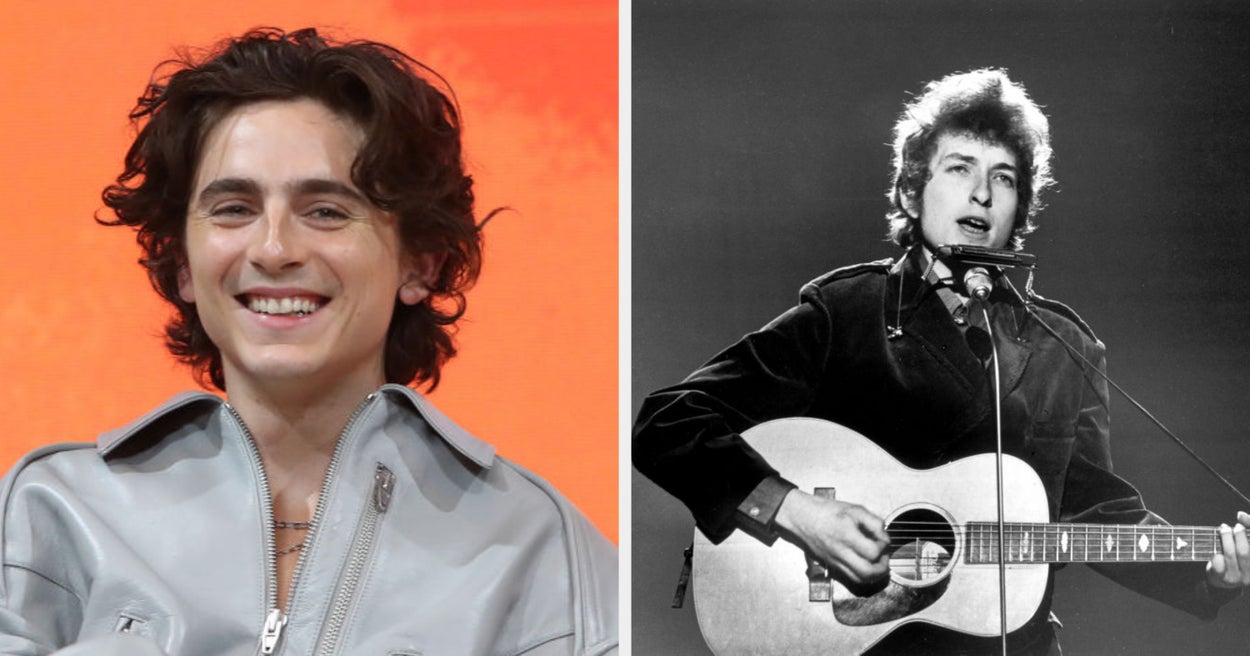
This in-depth look at the Timothée Chalamet Bob Dylan biopic highlights the ambitious scope of the project. The detailed Artikel suggests a film poised to explore the complexities of Dylan’s life, career, and artistic journey. Ultimately, the success of this biopic will depend on its ability to balance artistic interpretation with historical accuracy, a challenge that the creators will undoubtedly face.