
What to do if election doesnt go as hoped mental health – What to do if election doesn’t go as hoped mental health is crucial for navigating the emotional rollercoaster that often follows. This guide delves into understanding the wide range of feelings, from disappointment and anger to sadness and frustration, that can arise after an election. We’ll explore how these emotions might differ based on individual political beliefs and offer practical coping strategies.
This comprehensive resource will equip you with tools to recognize signs of distress, seek support, and maintain your well-being during politically charged times. We’ll also discuss fostering healthy political discourse and building resilience in the face of disappointment. Ultimately, this guide aims to help you navigate the emotional complexities of election outcomes and prioritize your mental health.
Understanding the Emotional Impact
An election outcome that doesn’t align with our hopes can trigger a range of powerful emotions. Disappointment, anger, and frustration are common responses, but the intensity and duration of these feelings can vary greatly depending on individual circumstances, political beliefs, and the perceived significance of the election. Recognizing and understanding these emotional responses is crucial for navigating this challenging period and promoting emotional well-being.The emotional landscape after an election can be complex and unpredictable.
It’s important to acknowledge that a variety of feelings, from sadness and disappointment to anger and fear, are valid responses to a perceived loss. This is a natural human reaction. It is crucial to allow ourselves to experience these feelings without judgment. Learning healthy coping mechanisms can help us navigate these emotions effectively.
Feeling down after an election result? It’s totally normal to experience a range of emotions. Taking care of your mental well-being is key. Focusing on self-care, connecting with loved ones, and engaging in activities you enjoy can help. This can include checking out inspiring fashion, like the striking designs of Haider Ackermann, particularly his new collection “the new classics antwerp haider ackermann” the new classics antwerp haider ackermann , to spark creativity and distract you from the news.
Ultimately, remember you’re not alone and prioritizing your mental health is important no matter what.
Range of Emotions Experienced
A wide spectrum of emotions might be felt following an election outcome that doesn’t align with expectations. These can include profound disappointment, leading to feelings of hopelessness and despair. Anger and frustration might manifest as resentment or a sense of injustice. Sadness and grief can also arise, particularly when the outcome impacts deeply held values or beliefs.
These emotional responses are not inherently negative; they are valid reactions to a significant life event.
Emotional Manifestations Across Demographics
Emotional responses to election outcomes can vary considerably across different demographics. Factors such as political affiliation, age, socioeconomic status, and cultural background can influence how individuals perceive and process the results. For example, individuals who strongly identify with a particular political party may experience a deeper sense of disappointment or anger if their candidate loses. Those who feel the outcome directly affects their economic well-being may exhibit more pronounced feelings of anxiety and fear.
Coping Mechanisms
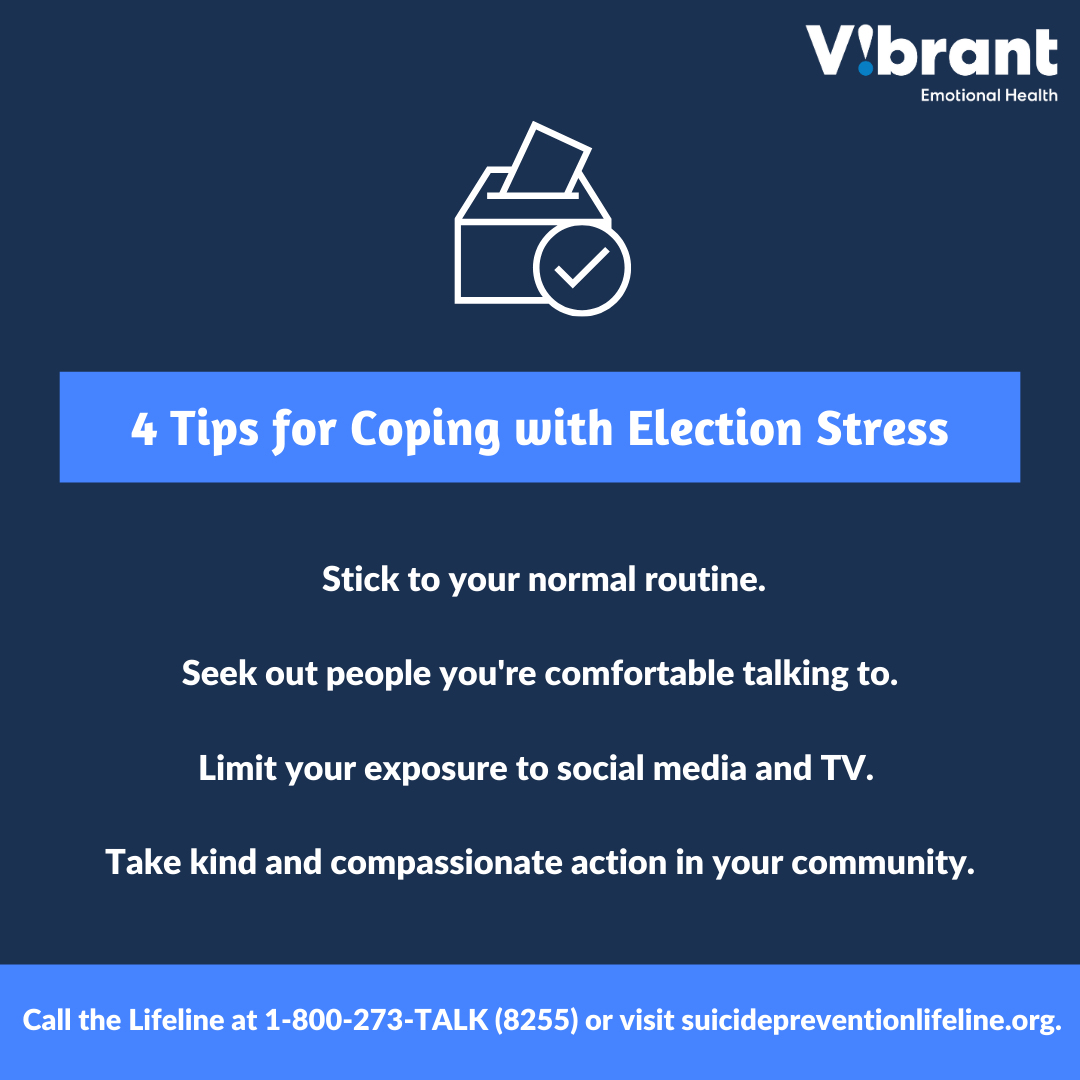
Developing healthy coping mechanisms is crucial for managing the emotional fallout of an election. Engaging in activities that promote relaxation and stress reduction, such as exercise, meditation, or spending time in nature, can be helpful. Seeking support from friends, family, or support groups can also provide comfort and perspective. Engaging in constructive dialogue with individuals who hold differing political views, while maintaining respectful communication, can foster understanding and empathy.
Journaling or creative expression can also be valuable outlets for processing emotions.
Comparative Emotional Responses
| Demographic | Potential Emotional Responses | Potential Coping Mechanisms |
|---|---|---|
| Strong Supporters of Winning Candidate | Relief, joy, optimism, validation of their beliefs. | Celebrating with others, engaging in positive self-reflection, focusing on shared values and unity. |
| Strong Supporters of Losing Candidate | Disappointment, anger, frustration, questioning their beliefs, sense of loss. | Seeking support from like-minded individuals, engaging in constructive dialogue, focusing on personal well-being, recognizing the validity of diverse perspectives. |
| Independents/Undecided Voters | Confusion, uncertainty, disappointment in the process, concern for the future. | Seeking information from diverse sources, engaging in respectful discussions, evaluating their personal values and beliefs, focusing on constructive actions. |
| Minorities/Marginalized Groups | Fear, anxiety, sense of vulnerability, concern for the future of their communities. | Seeking support from community leaders, engaging in advocacy efforts, focusing on building resilience, recognizing their collective strength. |
Recognizing the Signs of Distress
Following an election, navigating the emotional landscape can be challenging, even for those who have prepared for a variety of potential outcomes. Understanding the signs of significant distress is crucial for recognizing when support is needed and taking proactive steps toward well-being. This section will provide a framework for identifying warning signs and symptoms that could indicate a need for professional help.Recognizing the subtle shifts in mood, behavior, and thoughts following an election is key to fostering resilience and preventing the development of more serious mental health concerns.
By being aware of potential warning signs, individuals can proactively seek support and ensure their well-being.
Warning Signs of Emotional Distress
Understanding the range of potential reactions to election outcomes is important. Emotional distress can manifest in various ways, making it crucial to pay attention to a combination of indicators rather than relying on any single sign. Some individuals might experience subtle shifts, while others may exhibit more pronounced reactions. This necessitates a comprehensive approach to recognizing and responding to potential distress.
- Significant changes in sleep patterns, such as insomnia or excessive sleeping.
- Appetite changes, including loss of appetite or overeating.
- Increased irritability, anger, or frustration, disproportionate to the situation.
- Withdrawal from social activities and relationships.
- Difficulty concentrating or making decisions.
- Recurring thoughts or nightmares related to the election results.
- Feelings of hopelessness, despair, or helplessness.
- Unexplained physical symptoms, such as headaches, stomachaches, or muscle tension.
Symptoms Indicating Need for Professional Help
While some level of emotional response is normal, persistent or severe symptoms warrant professional attention. A combination of these signs and their duration are important factors to consider. Ignoring these indicators could delay the possibility of effective intervention.
- Thoughts of self-harm or suicide.
- Inability to perform daily tasks or responsibilities.
- Significant difficulty regulating emotions.
- Marked decline in personal hygiene or self-care.
- Persistent feelings of intense sadness, anxiety, or fear.
- Substance abuse or misuse to cope with the emotional distress.
Examples of Behaviors Suggesting Underlying Mental Health Concerns
Certain behaviors might suggest underlying mental health concerns. Observing patterns and changes in these areas is crucial. Pay attention to how these behaviors affect daily life and responsibilities.
- Social isolation, avoidance of social gatherings.
- Increased use of alcohol or drugs.
- Changes in personal appearance or habits.
- Difficulty functioning at work or school.
- Excessive complaining or negativity.
Emotional State Assessment Checklist
This checklist can be a useful tool for self-assessment. Use this to evaluate your emotional state and identify areas requiring attention. It can provide a snapshot of your emotional well-being.
| Normal Reactions | Signs of Significant Distress |
|---|---|
| Feeling disappointed or frustrated | Feeling overwhelming sadness or despair |
| Engaging in healthy coping mechanisms (e.g., exercise, talking to friends) | Engaging in harmful coping mechanisms (e.g., substance abuse, isolation) |
| Feeling anxious about the future | Experiencing intense anxiety that interferes with daily life |
| Expressing concerns about the election results | Expressing concerns about the future of the country or world |
Seeking Support and Resources
Navigating the emotional aftermath of an election can be challenging, especially when the outcome differs from what we hoped for. It’s crucial to remember that experiencing disappointment, frustration, or even anger is a normal human response. However, it’s equally important to recognize when these feelings become overwhelming and to seek support. This section will explore the significance of reaching out to trusted individuals and organizations for help, providing access to resources, and guiding you through the process of finding mental health professionals.Understanding that you’re not alone is a powerful first step in managing these complex emotions.
Reaching out to others can provide a sense of validation and perspective, allowing you to process your feelings in a healthier way. Support systems, both personal and professional, can offer crucial assistance in navigating the challenges that arise during times of political uncertainty.
Importance of Seeking Support
Seeking support from trusted individuals is vital for processing emotions and regaining a sense of stability. These individuals can provide a listening ear, a comforting presence, and a non-judgmental space for you to express your feelings. Friends, family members, or even trusted community members can offer emotional support and practical assistance. Furthermore, professional support can provide a structured approach to address underlying concerns and develop coping mechanisms.
Available Resources for Mental Health Support
A range of resources can provide support during periods of emotional distress. These resources can range from crisis hotlines to support groups and online platforms. Utilizing these resources can be a crucial step in managing the emotional impact of election outcomes.
Feeling down after an election result? It’s totally normal. Taking care of your mental well-being is crucial, and focusing on self-care activities can help. Thankfully, events like the miu miu literary club milan design week offer a chance to step away and appreciate the arts. But ultimately, remember to prioritize your emotional health and lean on support systems during these times.
- Crisis Hotlines: These services offer immediate support and guidance during times of emotional crisis. They provide a confidential space to express your feelings and receive immediate assistance. Many crisis hotlines offer multilingual support, making them accessible to a wider range of individuals.
- Support Groups: Support groups provide a platform for individuals facing similar challenges to connect and share experiences. These groups can offer a sense of community and understanding, allowing individuals to feel less isolated and more supported.
- Online Platforms: Online platforms, including social media groups and forums, can connect individuals with others who are experiencing similar emotions. These platforms can offer a sense of community and shared understanding, and many online communities offer support from peers or trained professionals.
Locating Mental Health Professionals and Therapists
Finding a mental health professional is an important step in addressing emotional distress. It’s crucial to find a therapist or counselor who specializes in issues related to stress, anxiety, and grief. Many mental health professionals have experience in assisting individuals who are struggling with the emotional impact of elections. A recommendation from a trusted friend or family member can help narrow down your search.
Utilizing online directories and search engines can help you find therapists in your area. Also, consider contacting your primary care physician or other healthcare providers, as they can offer guidance in locating qualified mental health professionals.
Organizations Offering Support for Election-Related Stress
Several organizations provide support specifically for individuals experiencing stress related to election outcomes. These organizations offer a range of resources and services to help manage the emotional impact of elections.
Feeling down after the election results? It’s totally normal. Taking care of your mental well-being is crucial, and sometimes a little self-expression can help. Maybe you’ll channel your feelings into a new look, like exploring how goth would you get how goth would you get. Finding healthy coping mechanisms, like spending time with loved ones or engaging in a hobby, can also make a big difference.
Ultimately, prioritizing your mental health is key, no matter the outcome.
- The American Psychological Association (APA): Offers resources and information on managing stress and anxiety, including guidance on coping mechanisms and stress reduction techniques.
- The National Alliance on Mental Illness (NAMI): Provides support and education for individuals and families affected by mental health conditions, including resources for stress management and coping strategies.
- The Crisis Text Line: Provides 24/7 crisis support via text message.
Table of Support Systems
| Support System Type | Contact Information |
|---|---|
| Crisis Hotlines | (Provide a list of national and local crisis hotlines here. Include contact numbers and website addresses) |
| Support Groups | (Provide examples of online or in-person support groups. Include links to websites or meeting locations) |
| Online Platforms | (List relevant social media groups or online forums) |
| Mental Health Professionals | (Provide a link to a directory or suggest searching online for “therapists near me”) |
| Organizations | (Provide website links for APA, NAMI, etc.) |
Maintaining Well-being During Political Times
Navigating politically charged periods can be emotionally taxing. From heated debates to unpredictable election outcomes, the constant barrage of information and differing opinions can take a toll on our mental and emotional well-being. This is especially true during election seasons, where anxieties and heightened emotions run high. This post will explore practical strategies for maintaining emotional equilibrium and navigating these challenging times.Understanding that political events often evoke strong reactions, it’s crucial to recognize these responses as valid and acknowledge the impact they have on individuals.
Developing healthy coping mechanisms is key to effectively managing stress and anxiety related to political outcomes.
Strategies for Emotional Well-being
Maintaining emotional well-being during politically charged periods requires conscious effort and self-care. Focus on activities that promote relaxation, reduce stress, and foster a sense of calm. This involves recognizing the importance of setting healthy boundaries and practicing mindfulness.
Managing Stress and Anxiety
Effective stress management is vital during politically charged periods. A range of techniques can help alleviate anxiety and promote emotional regulation. These techniques include deep breathing exercises, meditation, and progressive muscle relaxation. Practicing mindfulness, which involves focusing on the present moment, can also be highly effective in reducing stress and anxiety.
Processing Political Emotions
Acknowledging and processing political emotions is a crucial step towards maintaining emotional well-being. Journaling can be a helpful tool for expressing thoughts and feelings related to political events. Engaging in thoughtful discussions with trusted individuals, while maintaining respectful communication, can provide a supportive environment for processing emotions. Actively listening to differing viewpoints, even if you disagree, is also a valuable practice.
Respectful Dialogue and Engagement
Respectful dialogue is essential for navigating political differences. Instead of engaging in aggressive or confrontational arguments, strive for understanding and empathy. Consider actively listening to opposing viewpoints, even if you disagree with them. Recognize that people hold different perspectives for various reasons, and seek common ground wherever possible.
Limiting Political News and Social Media
Excessive exposure to political news and social media can contribute to stress and anxiety. Setting boundaries and limiting exposure to these sources can be beneficial. Consider scheduling specific times for checking news and social media, and avoid engaging in online arguments. Instead, focus on activities that bring you joy and relaxation.
Stress-Reducing Activities
Engaging in activities that promote relaxation and emotional balance is crucial. This can include spending time in nature, pursuing hobbies, engaging in creative activities, or spending time with loved ones. Physical exercise, such as yoga or a walk in the park, can also help reduce stress and promote a sense of well-being. Prioritizing activities that promote emotional well-being is key to maintaining a healthy emotional state during politically charged periods.
- Nature Walks: Immersing yourself in nature’s tranquility can be a powerful stress reliever. The sights, sounds, and fresh air can help calm your mind and reduce feelings of anxiety.
- Creative Pursuits: Engaging in activities like painting, drawing, writing, or playing music can be therapeutic and provide an outlet for expressing emotions.
- Quality Time with Loved Ones: Connecting with loved ones, engaging in meaningful conversations, and sharing experiences can foster a sense of support and belonging.
- Mindfulness Practices: Techniques like deep breathing, meditation, and mindfulness exercises can help you focus on the present moment, reducing stress and promoting emotional regulation.
Fostering Healthy Political Discourse
Navigating political disagreements constructively is crucial for a healthy democracy. Respectful communication, even when differing opinions exist, is essential for finding common ground and fostering understanding. This section explores strategies for productive political dialogue, emphasizing empathy, understanding, and constructive engagement. It also highlights the potential pitfalls of online discourse and how to mitigate them.
The Importance of Respectful Communication
Healthy political discourse hinges on respectful communication. It’s about acknowledging differing viewpoints, even if those viewpoints are deeply opposed to one’s own. This doesn’t imply agreement, but rather a commitment to understanding the other side’s perspective. Civility, active listening, and a willingness to consider alternative viewpoints are vital components of respectful communication. A lack of respect often escalates disagreements, hindering productive discussion and potentially fostering resentment.
Strategies for Navigating Disagreements with Empathy and Understanding
Empathy and understanding are fundamental to navigating political disagreements effectively. Actively listening to the other person’s perspective, seeking to comprehend their reasoning, and acknowledging their emotions are key strategies. Trying to see the issue from their point of view, even if you strongly disagree, can help de-escalate tension and foster a more productive exchange. Focusing on shared values and goals can also bridge divides and create common ground.
Examples of Constructive Ways to Engage in Political Conversations
Constructive political conversations involve a willingness to engage in respectful debate. This involves presenting well-reasoned arguments, supporting claims with evidence, and being prepared to revise or modify one’s stance based on compelling counterarguments. Avoiding personal attacks, name-calling, or inflammatory language is crucial. Instead, focusing on the merits of the ideas and the potential impact of policies on various groups can foster productive discussions.
Presenting different perspectives with nuance and providing factual evidence to support arguments, even if challenging, is key.
Identifying Potential Risks of Online Political Discourse and Mitigation Strategies
Online political discourse presents unique challenges. Anonymity can embolden aggressive behavior, and the speed and volume of information can lead to the spread of misinformation and mischaracterizations. The absence of non-verbal cues can easily misinterpret intentions and create misunderstandings. To mitigate these risks, it’s crucial to be mindful of the tone and language used in online interactions.
Fact-checking claims and seeking out diverse perspectives are essential to combat the spread of misinformation. Consider the potential for emotional escalation before responding to provocative comments, and take breaks if the conversation becomes heated.
Constructive vs. Destructive Political Dialogue
| Characteristic | Constructive Dialogue | Destructive Dialogue |
|---|---|---|
| Tone | Respectful, courteous, and empathetic | Aggressive, insulting, and dismissive |
| Language | Clear, concise, and factual | Vague, inflammatory, and emotionally charged |
| Focus | Understanding different perspectives and finding common ground | Attacking opponents and personal insults |
| Purpose | Learning and problem-solving | Winning arguments and discrediting others |
| Outcome | Increased understanding and potentially collaborative solutions | Increased animosity and polarization |
Building Resilience and Hope

Navigating political landscapes, especially when outcomes differ from our hopes, can be emotionally taxing. This section focuses on practical strategies for building resilience and maintaining hope during challenging times. Understanding how to cultivate these internal resources is crucial for personal well-being and effective engagement with the political process.Building resilience isn’t about ignoring or suppressing emotions, but about developing the mental fortitude to navigate difficult situations with grace and optimism.
It’s about fostering a growth mindset, accepting that setbacks are inevitable, and learning from them. Maintaining hope during times of political disappointment is vital, as it allows us to remain engaged with positive change.
Techniques for Building Resilience, What to do if election doesnt go as hoped mental health
Resilience is a skill that can be cultivated. It involves developing coping mechanisms and strategies for managing stress and adversity. Key techniques include:
- Mindfulness and Self-Care: Practicing mindfulness techniques like meditation or deep breathing can help regulate emotional responses to political events. Prioritizing self-care, including sufficient sleep, healthy eating, and engaging in enjoyable activities, is essential for maintaining emotional balance.
- Cognitive Restructuring: Identifying and challenging negative thought patterns related to political outcomes can be helpful. Replacing negative self-talk with more positive and realistic affirmations can shift perspective.
- Social Support Networks: Connecting with supportive friends, family, or community groups can provide a crucial buffer against stress. Sharing experiences and perspectives with others who understand can offer valuable emotional support.
- Problem-Solving Skills: Focusing on specific actions that can be taken, even if they seem small, can provide a sense of agency and control in a challenging situation. Identifying potential solutions, even if they seem far-fetched, can foster a sense of hope and proactive engagement.
Maintaining Hope and Optimism
Hope and optimism are essential for navigating political challenges. Maintaining a positive outlook doesn’t mean ignoring realities, but recognizing that progress is possible.
- Focusing on Positive Values: Connecting with and reaffirming personal values can provide a grounding force during difficult times. Remembering core principles like justice, equality, and compassion can provide a sense of direction and purpose.
- Celebrating Small Wins: Acknowledging and celebrating progress, no matter how small, is crucial for maintaining motivation. Focusing on successes, both personal and societal, can reinforce the belief in positive change.
- Learning from History: Studying historical examples of social and political change can demonstrate the power of collective action and the inevitability of progress. Understanding how past challenges were overcome can inspire hope for the future.
Importance of Focusing on Personal Well-being and Positive Values
Focusing on personal well-being and positive values provides a stable foundation during political turbulence. This internal strength can help navigate the complexities of the political process with a sense of resilience and clarity.
- Cultivating Self-Compassion: Treating oneself with kindness and understanding during challenging times is crucial. Acknowledging personal limitations and mistakes, without self-criticism, fosters resilience.
- Prioritizing Self-Care Practices: Engaging in activities that bring joy and relaxation, such as hobbies, nature walks, or creative pursuits, helps maintain a sense of balance.
Examples of Activities Fostering Community and Belonging
Engaging in activities that foster a sense of community and belonging can strengthen resilience and provide a support network.
- Volunteering: Participating in community service activities can provide a sense of purpose and connection with others who share similar values.
- Joining Interest Groups: Engaging in activities or groups aligned with personal interests can foster a sense of community and shared purpose.
- Civic Engagement: Actively participating in political discussions and supporting candidates or organizations aligned with personal values can foster a sense of belonging.
Strategies for Fostering Hope and Optimism in the Future
Maintaining hope for the future is essential for continued engagement in the political process. Developing strategies for optimism can support continued progress.
- Supporting Initiatives Aligned with Values: Actively supporting organizations and initiatives that align with personal values can foster a sense of hope and optimism in the future.
- Promoting Constructive Dialogue: Engaging in respectful and constructive dialogue with others, even those holding differing views, can help bridge divides and promote understanding.
- Focusing on Long-Term Goals: Developing a long-term vision for personal and societal well-being can provide a sense of direction and motivation during challenging times.
Addressing Specific Concerns
Navigating election outcomes can be particularly challenging for specific groups. Understanding the unique vulnerabilities and anxieties they face is crucial for fostering a supportive and inclusive environment. Recognizing the diverse impacts of these results and providing tailored support systems is essential for healing and moving forward.The election process, while intended to represent the collective will, can inadvertently amplify existing societal inequalities.
Marginalized communities, young people, and immigrants, among others, may experience disproportionate impacts, leading to a range of emotional responses, from disappointment and frustration to fear and anxiety. Addressing these specific concerns is not about minimizing the overall outcome, but about recognizing and responding to the real-life consequences for different segments of society.
Impact on Marginalized Communities
Marginalized communities, often already facing systemic disadvantages, may experience increased fear and anxiety due to election outcomes. This fear can manifest as feelings of isolation, distrust, and even a sense of powerlessness. They may worry about potential policy changes that could negatively impact their lives, their rights, and their access to essential services.
- Examples of these concerns include worries about reduced access to healthcare, housing, or educational opportunities, or concerns about increased discrimination or hate crimes.
- These anxieties can be exacerbated by historical injustices and ongoing systemic inequalities.
- Understanding and acknowledging these anxieties is the first step toward building support and creating a more equitable future.
Impact on Young People
Young people, particularly those entering adulthood during times of political uncertainty, may experience feelings of disillusionment and hopelessness. They may question the efficacy of the democratic process and feel a sense of disconnect from the political system. This can lead to apathy, or conversely, to a heightened sense of urgency and activism. The potential for policy changes impacting their future, from education to employment, can significantly affect their well-being and sense of hope.
- Young people may feel their voices are not being heard or that their concerns are not being addressed by elected officials.
- These feelings can lead to anxiety and depression, as well as a sense of powerlessness.
- Providing platforms for their voices to be heard and creating opportunities for constructive engagement are essential to fostering a sense of hope and empowerment.
Impact on Immigrants
Immigrant communities may experience heightened anxieties related to their legal status, potential changes in immigration policies, and the overall social climate. Concerns about family separation, deportation, and discrimination can create significant stress and mental health challenges. Fear of the unknown can lead to isolation and difficulty accessing resources. Maintaining a sense of community and providing access to legal aid and culturally sensitive support is critical.
- Many immigrants may fear losing their homes, jobs, or the ability to reunite with loved ones.
- These anxieties can be especially acute for undocumented immigrants and those with recent immigration status.
- Providing legal aid, community support groups, and access to mental health services specifically tailored to immigrant needs is essential.
Supporting Each Other
Building a supportive community is paramount. Sharing experiences, offering empathy, and actively listening to each other’s concerns are crucial. Initiatives such as community forums, support groups, and online platforms can facilitate these interactions. Volunteer groups and local organizations can also play a critical role in providing resources and support.
- Organize community events focused on fostering dialogue and understanding.
- Encourage individuals to reach out to trusted friends, family members, or mental health professionals.
- Actively participate in local initiatives that promote understanding and inclusion.
Resources for Specific Groups
| Group | Potential Concerns | Resources |
|---|---|---|
| Marginalized Communities | Discrimination, reduced access to resources | Local community centers, legal aid organizations, advocacy groups |
| Young People | Disillusionment, lack of political representation | Youth-focused organizations, mentorship programs, online forums |
| Immigrants | Fear of deportation, discrimination, limited access to resources | Immigrant advocacy groups, legal aid services, cultural centers |
End of Discussion: What To Do If Election Doesnt Go As Hoped Mental Health
Navigating the emotional aftermath of an election can be challenging, but it’s essential to remember that seeking support is a sign of strength, not weakness. This guide has provided a framework for understanding your feelings, recognizing signs of distress, and finding resources to help. Remember to prioritize self-care, connect with trusted individuals, and utilize the support systems available.
By focusing on your well-being and fostering healthy communication, you can navigate these politically charged times with resilience and hope.