Beyond the Boutique: How Prestige Beauty Brands are Mastering the Amazon Ecosystem

The prestige beauty and wellness landscape has reached a pivotal inflection point, as high-end brands transition from cautious skepticism to strategic integration within the Amazon marketplace. Historically, luxury houses prioritized exclusive, controlled environments to safeguard their brand equity and the intimate, tactile nature of the shopping experience. However, shifting consumer behaviors, characterized by a preference for frictionless convenience, have compelled these brands to reconsider their digital distribution strategies. With Amazon reporting that over 3.6 billion health and beauty product units were sold in the U.S. during 2025—reaching a staggering 140 million unique customers—the platform has evolved from a transactional utility into a critical engine for brand discovery and market penetration.
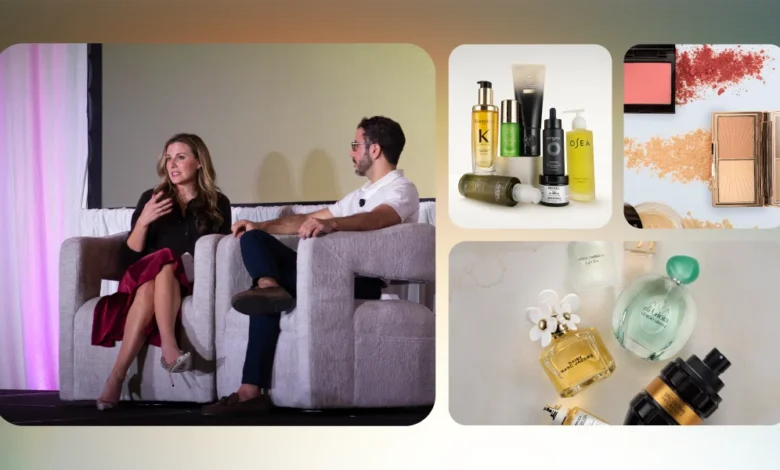
This paradigm shift was the central focus of the Glossy Beauty & Wellness Summit held in November 2026. As the retail industry grapples with the saturation of direct-to-consumer channels, the conversation among stakeholders has moved past the binary question of whether to join Amazon, focusing instead on how to maintain a premium identity while operating within a massive, algorithm-driven marketplace.
The Evolution of the Digital Discovery Platform
The traditional perception of Amazon as a "replenishment-only" destination is rapidly dissolving. Data from the Podean Intelligence Beauty eCommerce Report 2025 indicates that 41% of U.S. consumers now use online marketplaces as their primary starting point for beauty product discovery. This transition signifies that the platform is no longer merely a backend logistics provider for household staples; it is an active participant in the consumer’s consideration phase.
Kirsti White, head of business development for Amazon Beauty and Consumables, addressed this shift during the summit, noting that the company’s internal metrics confirm an increasing appetite for discovery. "Historically, people thought of Amazon as a place to restock products they already knew," White observed. "That is changing rapidly. Our data shows that customers are increasingly viewing us as a discovery platform, effectively bridging the gap between inspiration and conversion."
The Fundamentals of Operational Excellence
For prestige brands entering the Amazon ecosystem, the barrier to entry is not just creative—it is operational. The hallmark of Amazon’s consumer promise is speed and reliability. Brands that fail to harmonize their supply chains with these expectations risk negative reviews and algorithmic suppression, which can be devastating for a premium brand’s reputation.
Success on the platform is predicated on a "fundamentals-first" approach. This involves maintaining impeccable inventory levels and leveraging Amazon’s logistics network to ensure the delivery speed that modern shoppers demand. White emphasizes that once the logistics are stable, the focus must shift to digital merchandising. "Make sure your supply chain is dialed," she advised. "Beyond that, the detail pages and your brand store must feel immersive, educational, and engaging."
The brands currently seeing the most success are those that translate their visual and narrative identity into the Amazon format. By utilizing enhanced brand content—such as high-definition video, detailed ingredient breakdowns, and cohesive storefront layouts—brands like Milk Makeup and Tata Harper have successfully replicated their prestige positioning within a high-traffic environment. The recent high-profile arrival of Aesop on the platform serves as a benchmark for how heritage brands can enter the space without diluting their carefully curated image.
Bridging the Sensory Gap with Technology
One of the primary objections luxury brands have long cited regarding online marketplaces is the inability to replicate the sensory experience of a physical counter—the scent of a fragrance, the texture of a serum, or the precision of a color match. To mitigate this, Amazon has invested heavily in augmented reality (AR) and artificial intelligence.
The integration of "Shade Finder" and "Virtual Try-On" tools allows consumers to preview cosmetics on their own skin via mobile camera, reducing the uncertainty that typically accompanies online makeup purchases. Furthermore, the expansion of creator storefronts—where beauty influencers curate specific product collections—adds a layer of social proof and human connection that static product pages often lack.
The impact of these tools is evident in the company’s recent marketing activations. During the 2026-27 NFL season, Amazon partnered with Charlotte Tilbury to create an exclusive retail experience tied to the Dallas Cowboys Cheerleaders. By integrating real-time ad placements during Prime Video’s Thursday Night Football with shoppable storefronts, Amazon allowed viewers to transition instantly from watching a professional makeup look on-screen to purchasing the products in real time. This strategy effectively creates a closed loop between inspiration and commerce, a critical advancement for the beauty industry.
The Role of Artificial Intelligence in Consumer Confidence
As the volume of products on Amazon continues to swell, the challenge for the consumer is no longer a lack of choice, but rather "choice paralysis." AI is emerging as the primary solution to this bottleneck. Alexa for Shopping, the platform’s AI-powered assistant, has evolved from a simple voice-command tool into a sophisticated search concierge.
Instead of typing in specific brand names, users are now describing their skin concerns or desired ingredient profiles to the AI. According to Amazon’s third-quarter 2026 earnings call, over 400 million customers engaged with this agent in the past year, with those users exhibiting a 50% higher spend rate than those who rely solely on traditional search methods. This data suggests that AI is not just a novelty; it is a critical driver of conversion for complex categories like skincare, where consumers often require education before they are confident enough to commit to a purchase.
The Premium Beauty Program: A Controlled Entry
Recognizing the specific needs of luxury houses, Amazon has doubled down on its Premium Beauty program. With over 400 premium and mass beauty brands joining the platform in 2025, the need for a bifurcated experience became clear. The Premium Beauty segment provides participating brands with exclusive merchandising tools, dedicated storefront space, and the "Premium Brand Sourced" badge, which signals to the consumer that the product is authentic and directly managed by the brand.
This programmatic approach ensures that prestige brands maintain a distinct identity. The launch of Carolina Herrera’s Good Girl fragrance in September 2026 serves as a case study in this strategy. By linking the launch to a high-visibility event at New York Fashion Week and collaborating with editorial figures like Hayes Warner, Amazon moved the product beyond a mere listing. The campaign directed traffic from high-fashion editorial content directly to the Amazon store, demonstrating that luxury brands can leverage the marketplace’s reach while maintaining the prestige associated with high-fashion marketing.
Strategic Implications for the Future
The integration of prestige beauty into Amazon represents a broader consolidation of the digital retail landscape. As the platform matures, the distinction between "luxury retail" and "mass-market convenience" is blurring. For brands, the implications are two-fold:
- Marketplace Parity: Brands can no longer afford to view Amazon as a secondary channel. If a brand is not present, it is losing out on the primary discovery phase for millions of consumers.
- Data-Driven Agility: By utilizing the platform’s analytical tools, brands can gain real-time insights into consumer preferences, allowing for faster product development and more precise inventory management.
The successful prestige brands of the future will be those that master this duality—maintaining the "halo effect" of their brand identity through superior content and storytelling while utilizing the operational might and AI-driven discovery tools of the Amazon marketplace. As Kirsti White concluded at the Glossy summit, the objective is not to change what a brand represents, but to provide the tools and technology to ensure that identity remains intact, regardless of where the consumer chooses to shop.
As we look toward 2027, the focus for the beauty sector will likely shift toward further personalization. With AI-driven recommendations becoming more accurate and AR tools becoming more realistic, the digital shelf is rapidly becoming as informative as the physical one. For the prestige beauty industry, the "Amazon question" has been answered: it is not a matter of if, but of how effectively a brand can command its narrative in an era of unprecedented digital accessibility.