Shedding the Sartorial Straitjacket: Why Outdated Style Rules No Longer Define Modern Menswear

The landscape of men’s fashion, once rigidly defined by a seemingly endless array of "dos" and "don’ts," is undergoing a significant evolution. For generations, aspiring gentlemen have navigated a minefield of sartorial dogma, from the imperative to never wear brown in town to the staunch belief that black and navy are irreconcilable sartorial enemies. However, a closer examination reveals that many of these hallowed rules are not only arbitrary but increasingly anachronistic, hindering rather than helping genuine self-expression. This shift signifies a broader cultural embrace of individuality and a rejection of prescriptive norms in favor of personal style and comfort.
The Erosion of Arbitrary Dictums
The core of this sartorial liberation lies in the recognition that many established fashion guidelines were born from specific historical contexts and social strata that no longer hold universal sway. The idea that certain colors or combinations are inherently "wrong" often stems from an era when class distinctions were more pronounced and adherence to a uniform standard was paramount. Today, the globalized and interconnected nature of fashion, coupled with a growing appreciation for diverse aesthetics, has rendered many of these rigid pronouncements obsolete.
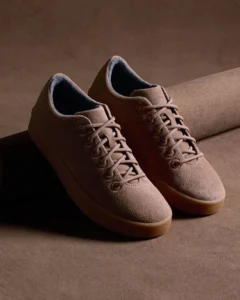
One of the most persistent and arguably most baseless rules is the injunction against wearing brown in urban environments. This dictum, which originated in the early 20th century, when a man’s attire was strictly segregated by social setting and activity, stipulated that brown shoes were the exclusive domain of country pursuits. This was a time when formal city attire was dominated by black footwear, and any deviation was seen as a mark of social faux pas. However, the reality of modern life, where the lines between work and leisure, city and country, have blurred considerably, makes such a rule nonsensical. Many urban professionals now find that brown shoes, in various shades from chocolate to tan, offer a versatile and sophisticated alternative to black, pairing elegantly with a wider range of suits and casual wear. Data from menswear retailers indicates a steady increase in the popularity of brown footwear, particularly in versatile shades, suggesting a growing consumer willingness to break from tradition.
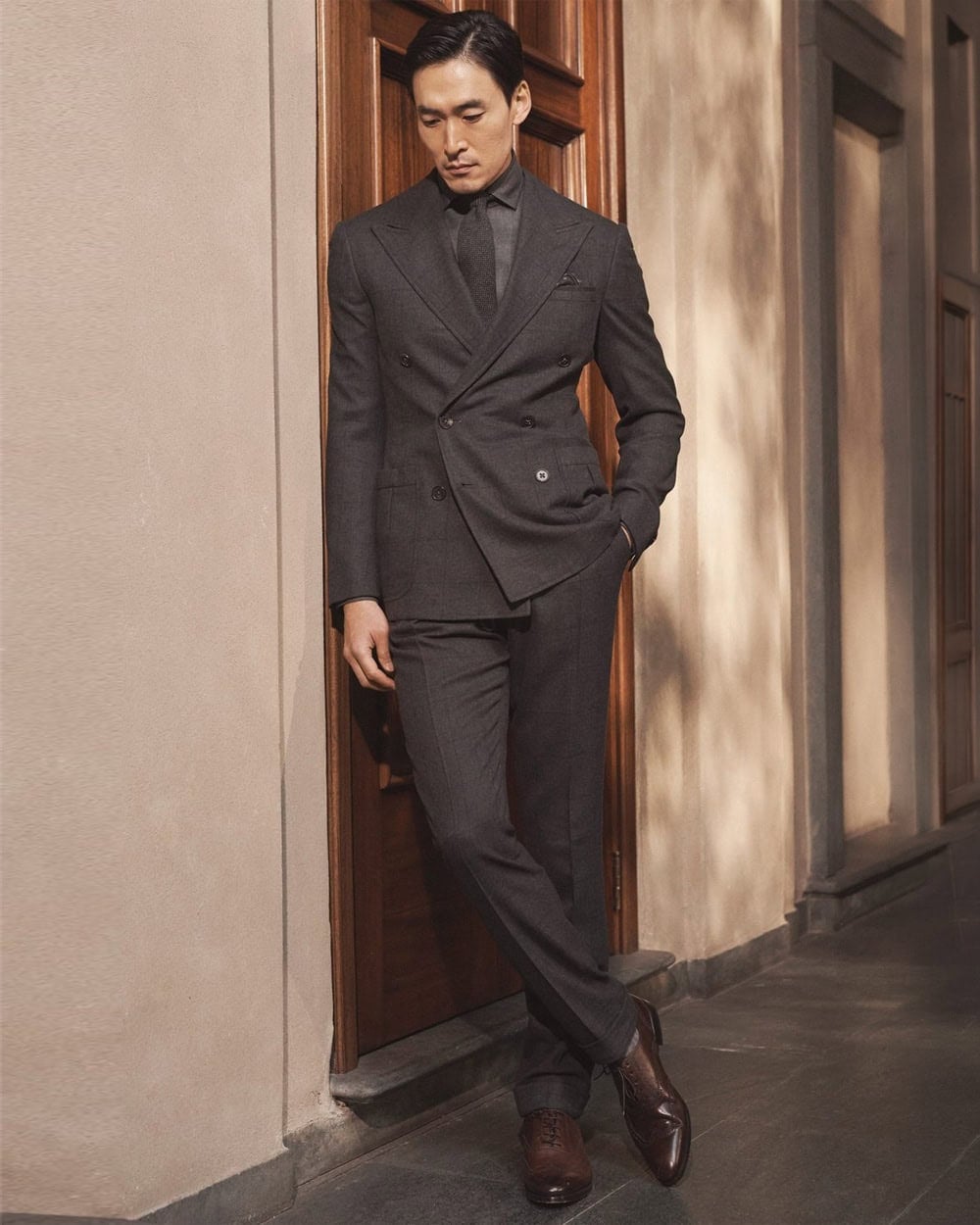
Similarly, the long-standing taboo against mixing black and navy, once considered a cardinal sin of dressing, has been largely dismantled. This rule, likely stemming from the difficulty in distinguishing between similar dark shades in artificial light and the desire for a clear visual distinction in formal wear, fails to acknowledge the nuanced interplay of textures and shades that can create a sophisticated and contemporary look. Modern stylists and fashion-forward individuals have embraced the subtle depth and visual interest that can be achieved by layering deep navy with washed blacks, or pairing black trousers with a navy blazer. This approach, far from being a clash, creates a refined, understated elegance that is both modern and mature. The proliferation of this combination in high-fashion photography and street style blogs underscores its acceptance and popularity.
Redefining Comfort and Style: The Rise of Casual Tailoring
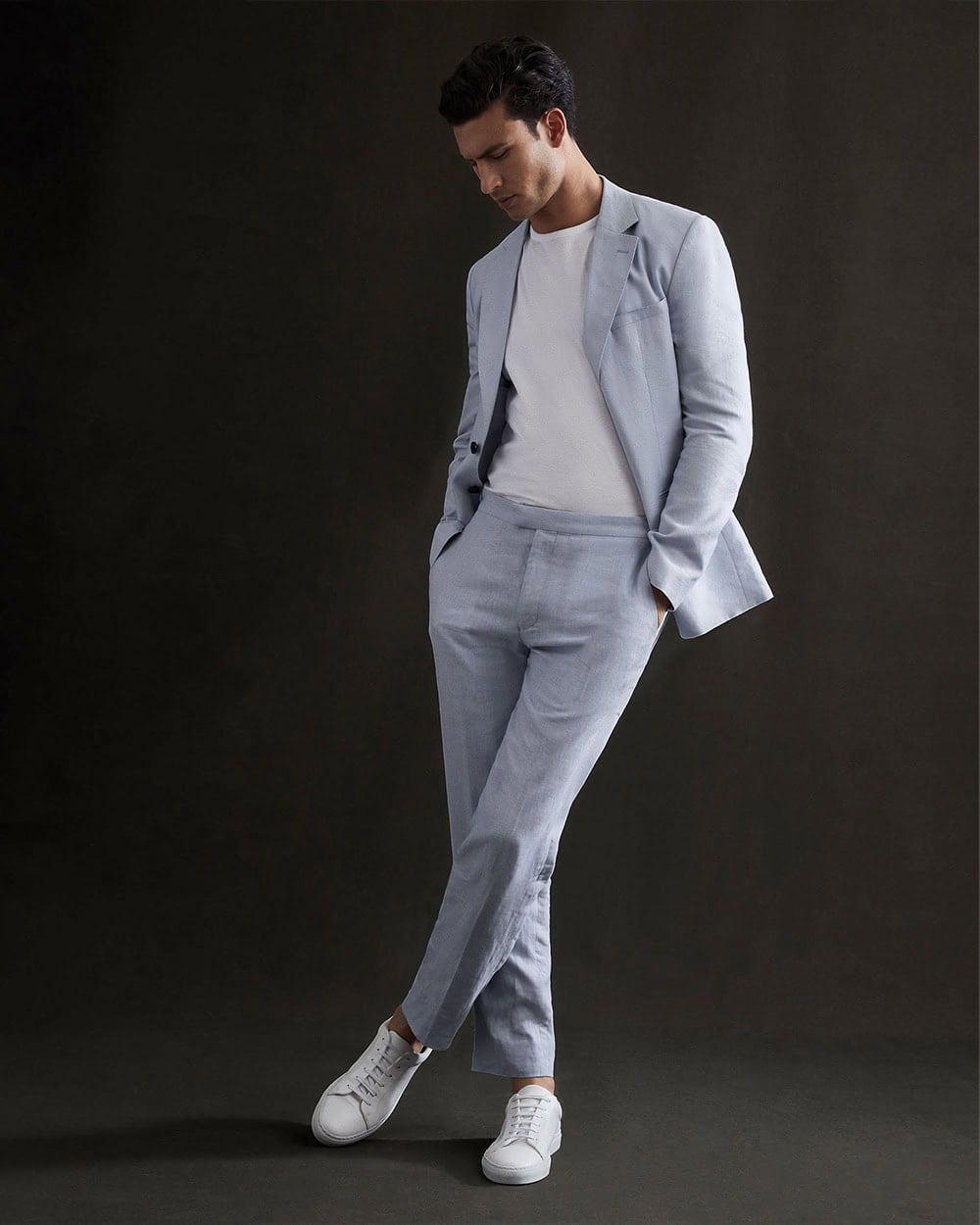
The perception of what constitutes "appropriate" attire has also undergone a seismic shift, particularly in the realm of smart casual and business attire. The notion that sneakers are anathema to tailoring, for instance, is a relic of a bygone era. While historically, wearing trainers with a suit would have signaled a lack of effort or a misunderstanding of formal dress codes, today, a clean, minimalist pair of leather sneakers has become a staple pairing with softer tailoring. This trend reflects a broader cultural movement towards prioritizing comfort without sacrificing style. The rise of athleisure and the increasing casualization of workplaces have paved the way for this integration. Brands specializing in luxury sneakers have seen significant growth, with many now offering designs specifically tailored to complement smart ensembles. This evolution is not about abandoning formality but about adapting it to contemporary lifestyles, where versatility and ease are paramount.
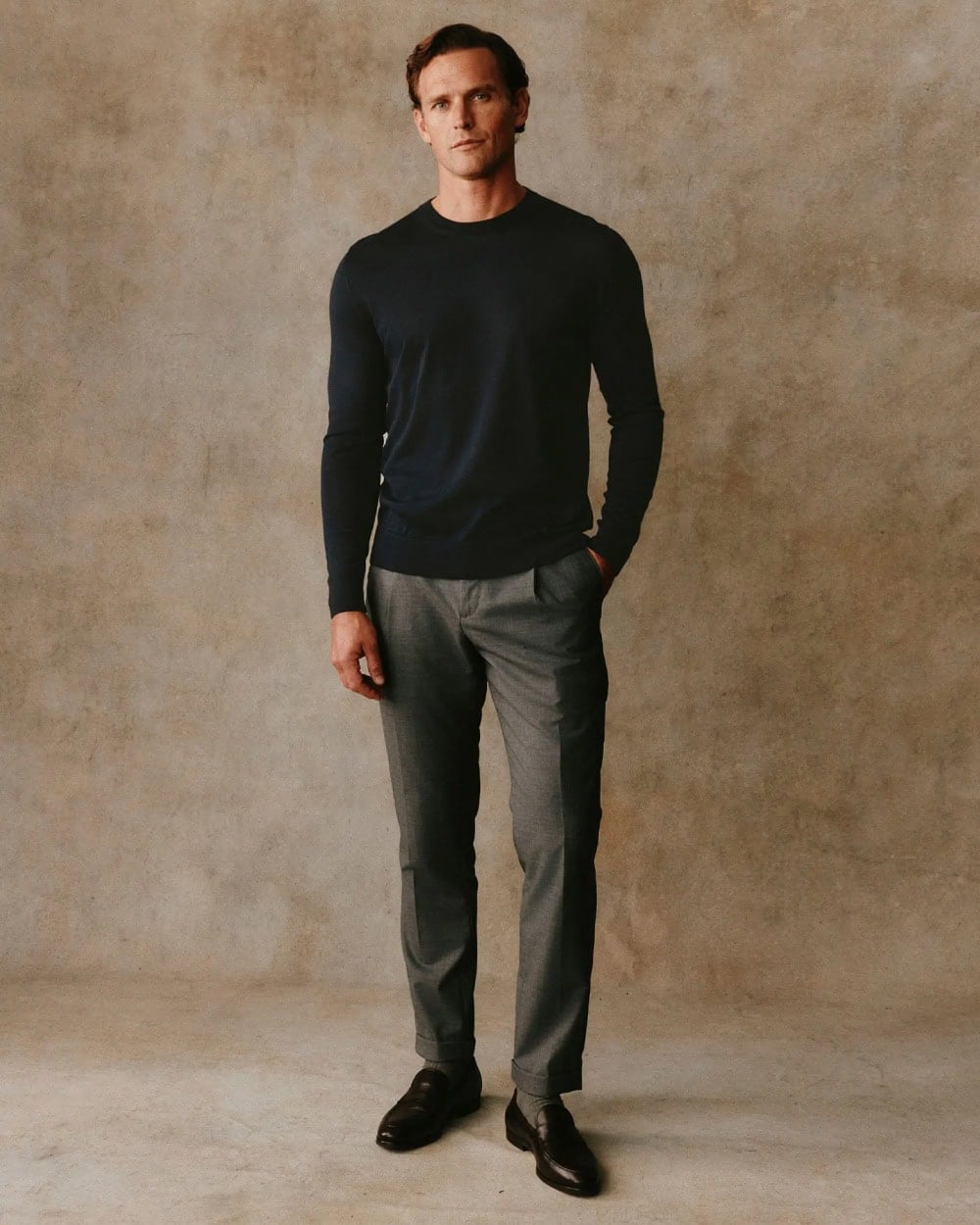
The "no socks with loafers" rule, another sartorial commandment rooted in a specific aesthetic, has also seen its authority wane. While the bare-ankle look may have had its moment in the sun, particularly during warmer months and with shorter hemlines, the practical and stylistic advantages of socks are now being recognized. Modern interpretations often involve ribbed cotton or fine wool socks in complementary colors or subtle patterns, which add texture, visual interest, and a degree of polish to the overall outfit. Beyond aesthetics, the practical benefit of preventing blisters and improving comfort, especially with prolonged wear, cannot be overstated. This shift signals a move towards a more practical and considered approach to dressing, where comfort is no longer sacrificed for perceived style.
The Personalization of Fashion: Beyond Age and Season
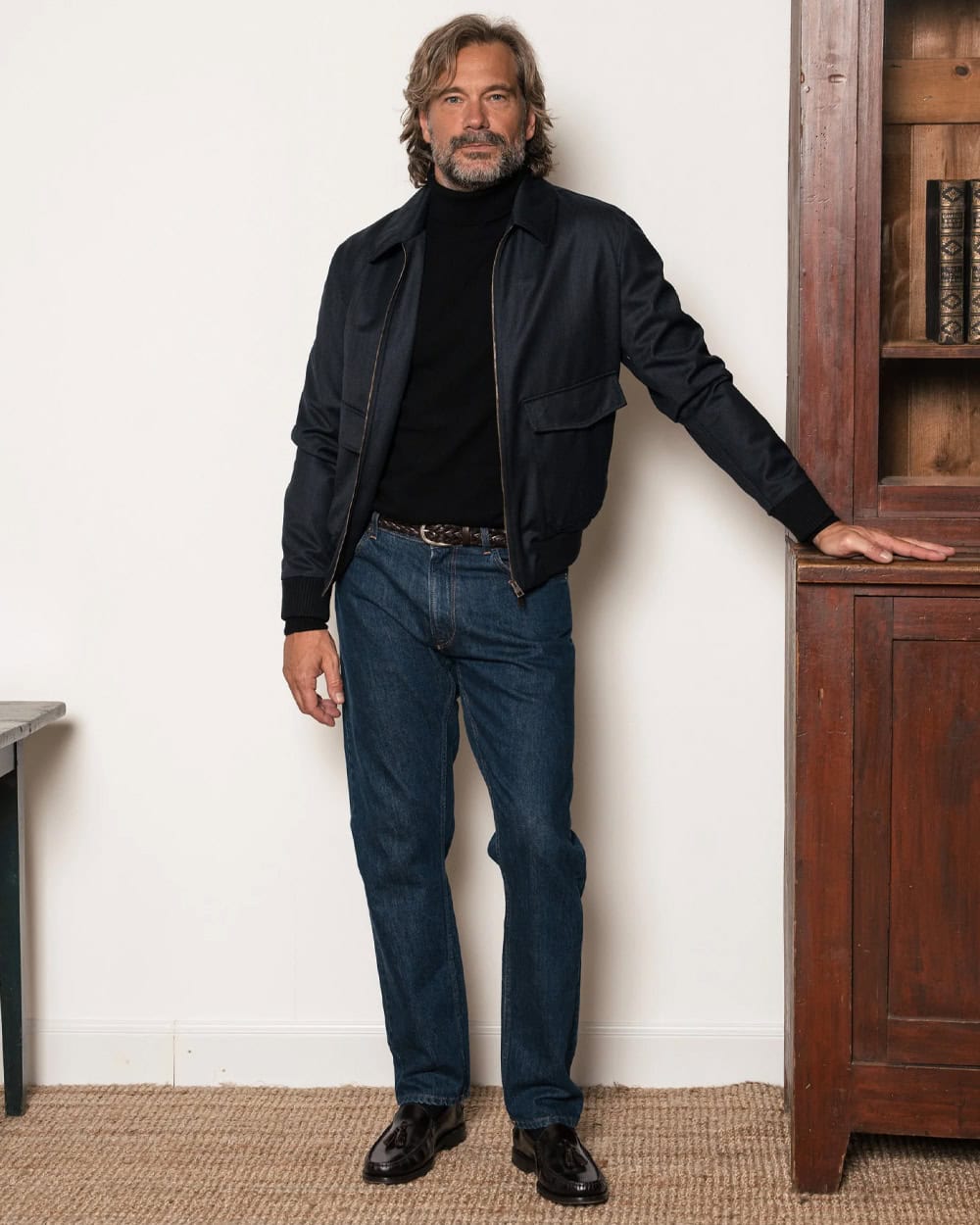
The concept of "dressing your age" is another rule that is rapidly becoming obsolete in the contemporary fashion discourse. This dictate, which implies that individuals should adopt a style appropriate to their chronological age, is inherently subjective and limiting. In an era where personal style is increasingly valued as a form of self-expression, age should not be a barrier to experimentation or adopting trends. The same garments, from denim and knitwear to tailored pieces and sneakers, can be styled effectively across different age groups, depending on the individual’s confidence and personal aesthetic. The focus has shifted from adhering to age-specific wardrobes to cultivating a personal style that reflects an individual’s personality and lifestyle, regardless of their birth year. This aligns with broader societal trends that champion diversity and inclusivity in all aspects of life, including fashion.
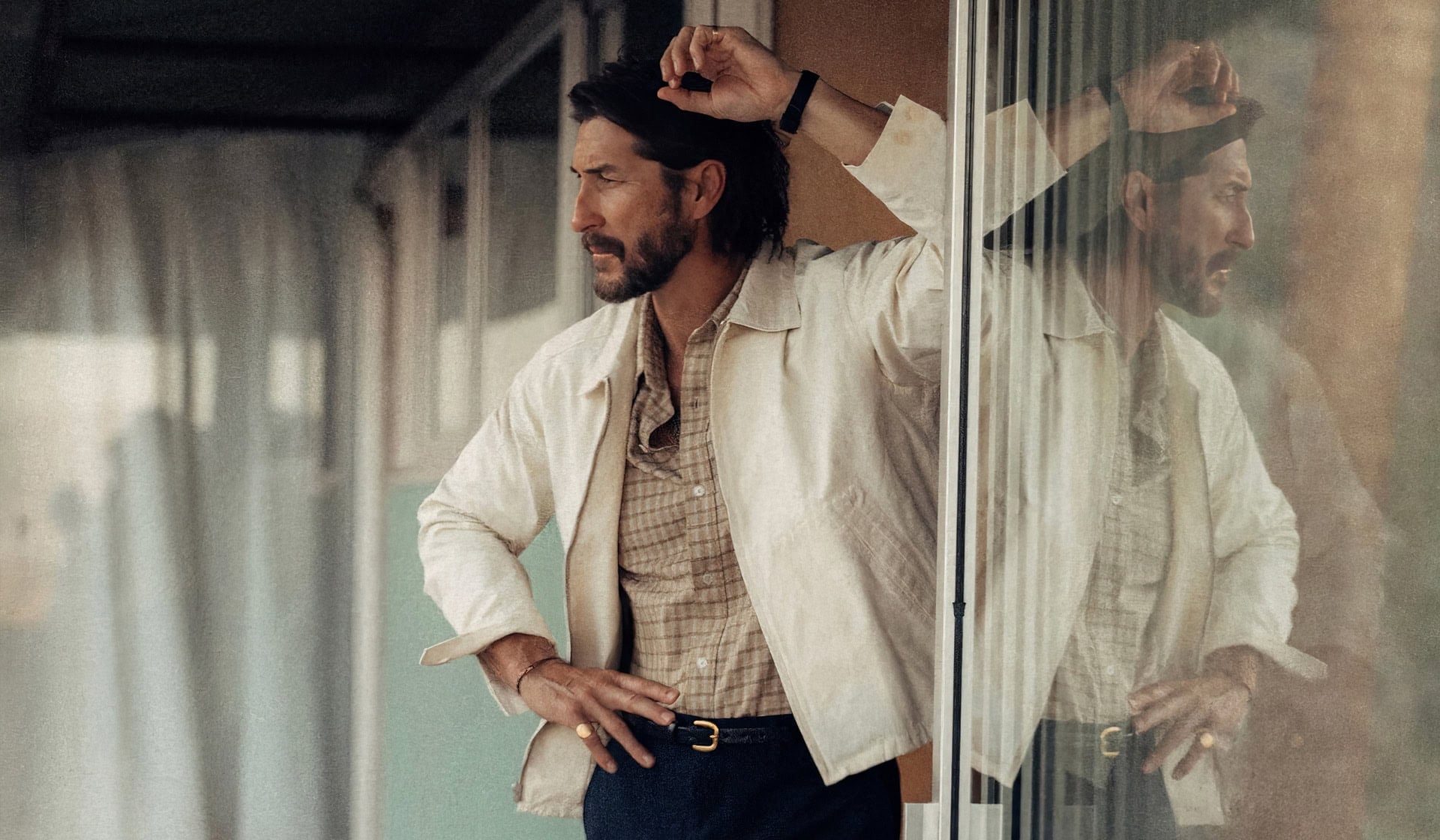
Similarly, the seasonal restrictions on color, particularly the notion that white is exclusively a summer color, are being challenged. The American "no white after Labor Day" rule, once a rigid guideline, is now largely disregarded by fashion-conscious individuals. In reality, white and off-white hues can be highly effective in colder months, providing a much-needed lightness and contrast to otherwise dark and heavy winter wardrobes. Ecru knitwear, off-white denim, and winter-weight cream trousers can inject a fresh and sophisticated element into autumnal and winter ensembles, breaking up monochromatic palettes of navy, grey, and black. This demonstrates a move towards a more intuitive and context-specific approach to dressing, where color choices are dictated by aesthetic appeal and personal preference rather than arbitrary seasonal dictates.
Embracing Individuality: Novelty and Self-Expression
The prohibition against "novelty" in dressing, which often encompassed anything from cartoon-themed socks to quirky ties, also reflects a desire to suppress perceived childishness in adulthood. However, this rigid stance fails to acknowledge the growing acceptance of playful and personal touches in fashion. From streetwear brands collaborating with iconic cartoon characters to more traditional tailoring houses incorporating subtle, whimsical details, the embrace of playful design is evident across the fashion spectrum. The argument for novelty lies in its ability to inject personality and a sense of joy into an outfit. A well-chosen novelty item, worn with confidence, can serve as a conversation starter and a unique expression of individuality. This mirrors a broader cultural shift towards valuing authenticity and self-expression, even in traditionally conservative domains like menswear.
The often-mocked combination of jeans and a blazer, once considered a sartorial faux pas, has evolved into a cornerstone of modern smart casual dressing. This pairing, which merges the informal with the formal, has become emblematic of the blurring lines in contemporary fashion. Initially dismissed as an attempt by older men to appear youthful, this combination has proven its enduring appeal. The evolution of tailoring towards softer silhouettes and the increasing sophistication of denim fabrics have made this pairing not only acceptable but often highly stylish. The key lies in the selection of the right components: well-fitting, darker wash jeans paired with a complementary blazer that strikes a balance between formality and relaxed elegance. This trend underscores the enduring power of mixing and matching, a testament to the evolving nature of style itself.
The Nuances of Coordination: Beyond Matchy-Matchy
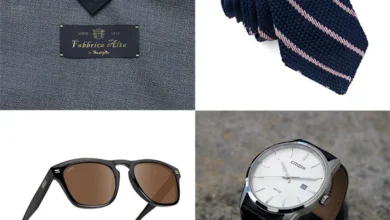
The age-old rule that belts and shoes must be the exact same color, while aiming for a sense of sartorial completion, can often lead to a predictable and somewhat pedestrian look. Modern style favors a more nuanced approach to coordination, emphasizing tonal harmony and complementary colors rather than strict matching. A belt that shares a similar color family or texture with shoes, without being identical, can create a more sophisticated and visually interesting ensemble. This allows for greater flexibility and personal expression, moving away from a rigid, formulaic approach to dressing. The legacy of style icons like Fred Astaire, who famously wore a tie as a belt, further illustrates that true style often lies in confident deviations from the norm, prioritizing personal flair over strict adherence to prescriptive rules.
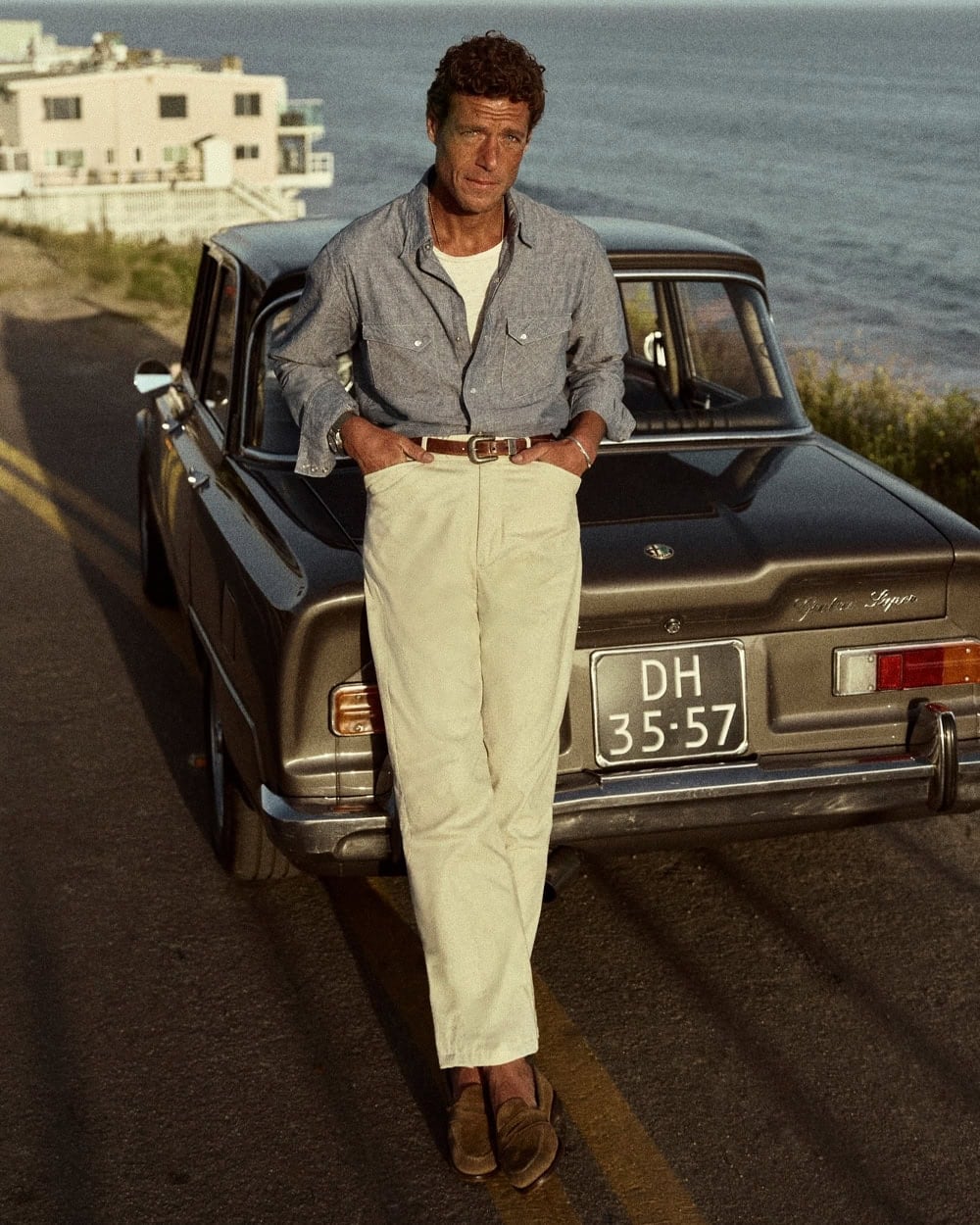
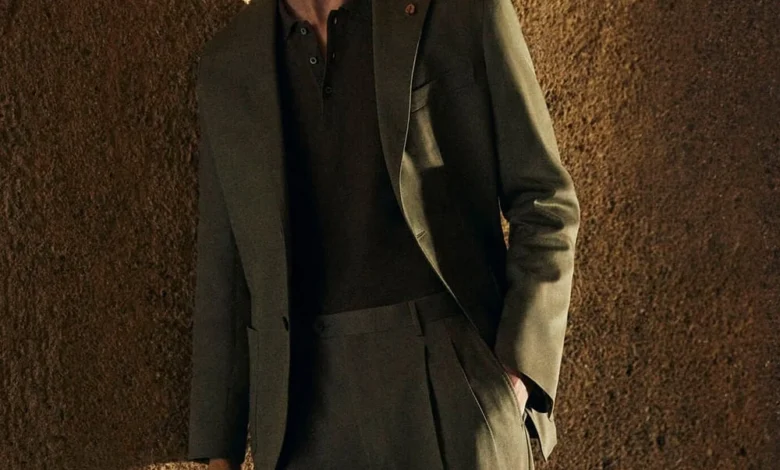
Finally, the directive to "always wear a tie with a suit" is perhaps one of the most deeply ingrained and increasingly challenged sartorial norms. While the tie has a long and distinguished history, predating the modern suit itself, its necessity in contemporary suiting is debatable. The argument that a tie "completes" a suit is often seen as a weak justification in an era where suits are worn in a variety of contexts and with a range of accompanying garments. The modern man has a wealth of options for pairing with a suit, including knitted polos, roll-neck sweaters, crew-neck t-shirts, or simply buttoning a shirt to the neck. This flexibility allows for a more adaptable and personal interpretation of suiting, demonstrating that formality does not always require a tie to be achieved.
In conclusion, the modern approach to menswear is characterized by a liberation from rigid, outdated rules. The emphasis has shifted from blind adherence to tradition to a more personalized and expressive form of style. As these historical sartorial dictums are reassessed and often discarded, men are empowered to curate wardrobes that reflect their individuality, comfort, and evolving understanding of what it means to dress well in the 21st century. The true golden rule, it appears, is to dress in a way that feels authentic and confident, allowing for personal interpretation and joyful self-expression.