The transition from the heavier, more enclosed footwear of cooler months to styles suited for warmer weather has long been a predictable, yet often overlooked, aspect of men’s fashion. As the seasons shift towards Spring/Summer 2026, a discernible evolution is underway in men’s footwear, moving beyond minimalist and forgettable options towards more directional designs characterized by stronger silhouettes and enhanced material quality. While runway trends often present aspirational aesthetics, their practical application in everyday wardrobes can be a challenge. This is where brands like Kleman, with their heritage rooted in durable workwear, offer a pragmatic bridge, translating high-fashion concepts into considered, wearable, and enduring styles.
The SS26 season signals a departure from the utilitarian sameness that can plague seasonal wardrobes. This year, footwear is poised to become a more significant statement piece, a deliberate choice that elevates an ensemble rather than merely completing it. The challenge for the discerning consumer lies in identifying trends that offer both aesthetic appeal and long-term wearability, moving beyond fleeting fads to invest in pieces that genuinely enhance a personal style. This exploration delves into the key men’s footwear trends for SS26, focusing on styles that are not only on-point but also practical and enduring, with a particular emphasis on how brands like Kleman are interpreting these shifts.
The Elevated Strappy Sandal: From Holiday Essential to Wardrobe Staple
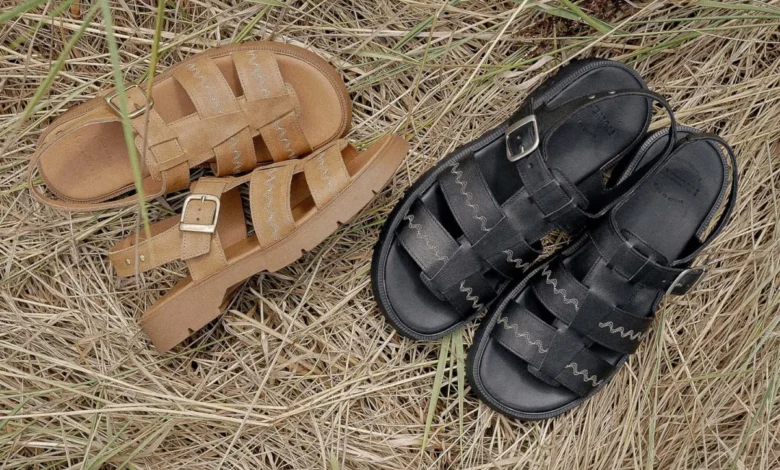
The humble sandal has undergone a significant metamorphosis, shedding its image as a purely casual, vacation-specific item to become a legitimate component of the modern man’s wardrobe. For SS26, the strappy sandal is making a powerful statement on runways globally, appearing in collections from luxury houses like Prada and Hermès. These iterations are styled with a diverse range of outfits, from relaxed tailoring to substantial outerwear, underscoring their versatility. However, the crucial distinction lies in translating these runway presentations into real-world applicability.
The success of the modern strappy sandal hinges on its construction and material. A robust build, characterized by thicker straps, high-quality leather, and a substantial sole, lends the sandal a sense of weight and purpose. This structural integrity is key to maintaining a masculine aesthetic and preventing the sandal from appearing flimsy or overly delicate. The goal is to achieve a sandal that feels like a deliberate shoe choice, rather than an afterthought.
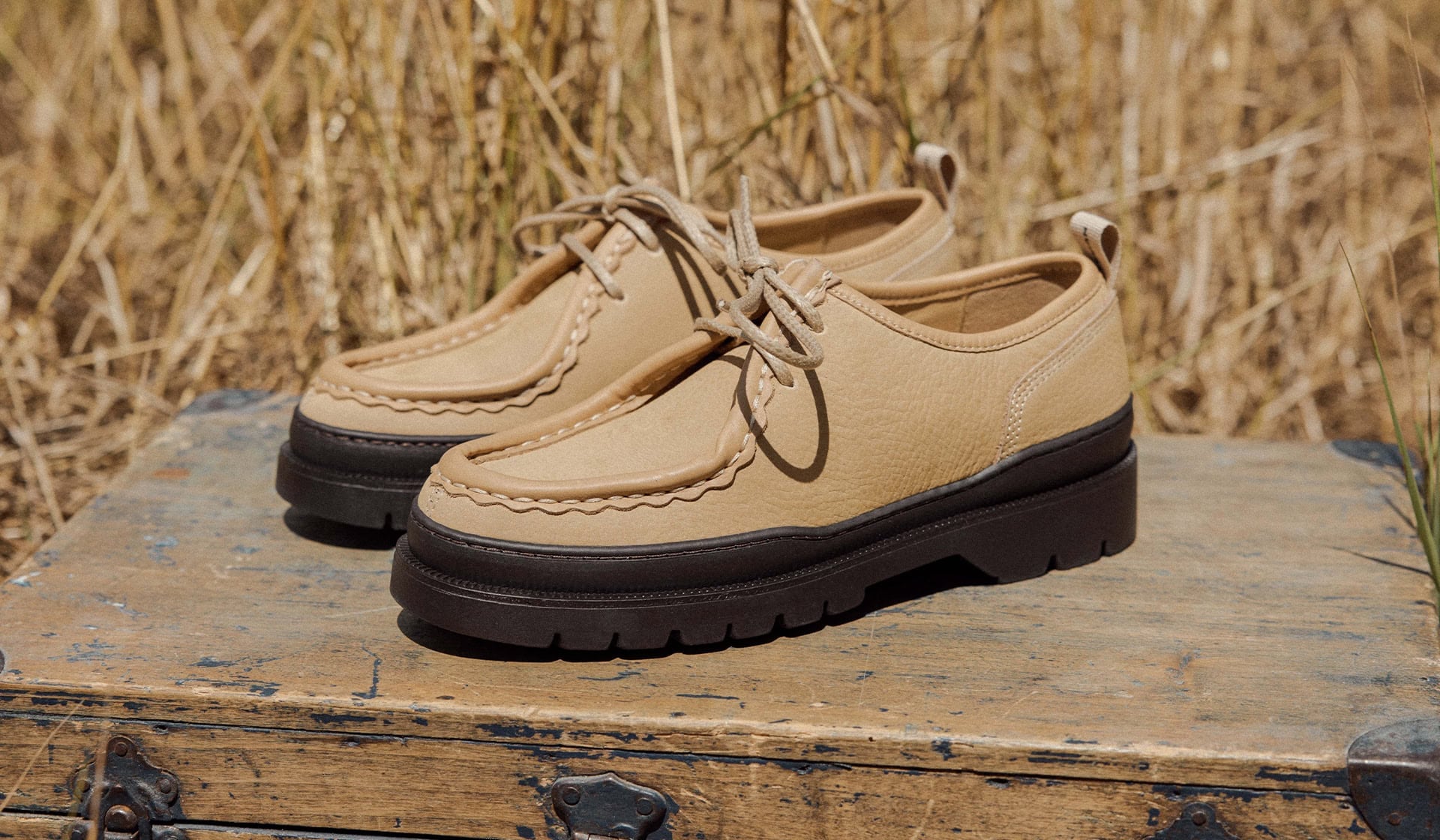
Kleman exemplifies this approach through its workwear-inspired designs. The "Ballast" model serves as a prime example, featuring wide straps and a sturdy base that conveys a grounded, practical feel. In warmer tones like cognac, it offers an approachable warmth, pairing effortlessly with ecru trousers or washed denim. The olive iteration introduces a subtly fashion-forward element without compromising wearability, while darker colorways provide a sharper, more versatile option for urban settings.
For those seeking a slightly more refined aesthetic, models like the "Ilot" offer a cleaner silhouette. While maintaining a structured and robust construction, its pared-back design allows it to integrate seamlessly with smarter attire. It is an ideal companion for lightweight trousers, loose-fitting shirts, and even soft tailoring during warmer days.
Styling these elevated sandals requires a nuanced approach, focusing on contrast. The sandal should serve to relax a look, but the overall ensemble must remain considered. This can be achieved by pairing them with tailored shorts, well-cut linen trousers, or pleated cotton pieces that possess inherent shape and intention. The interplay between the open, breathable sandal and more structured garments creates a dynamic and contemporary balance. The market for men’s sandals has seen a steady growth, with global sales projected to reach significant figures in the coming years, indicating a broader acceptance and demand for this category beyond traditional warm-weather footwear.
The Chunky Penny Loafer: A Modern Reinvention of a Classic
The penny loafer, a perennial favorite often associated with preppy polish and slim-fit tailoring, has been significantly reinterpreted for SS26. The contemporary iteration is characterized by a heavier, more grounded aesthetic, making it considerably more accessible for everyday wear. Designers from Miu Miu to Bottega Veneta are showcasing versions with chunkier soles and exaggerated proportions, imbuing the classic loafer with a distinctively modern attitude.
This evolution is subtle yet impactful. The focus shifts from sharp, formal precision to a sense of substance and presence. The added weight underfoot allows the loafer to integrate more harmoniously with contemporary wardrobes, particularly as trouser silhouettes widen and become more relaxed. The traditional formality of the penny loafer is softened, allowing it to bridge the gap between casual and formal wear more effectively.
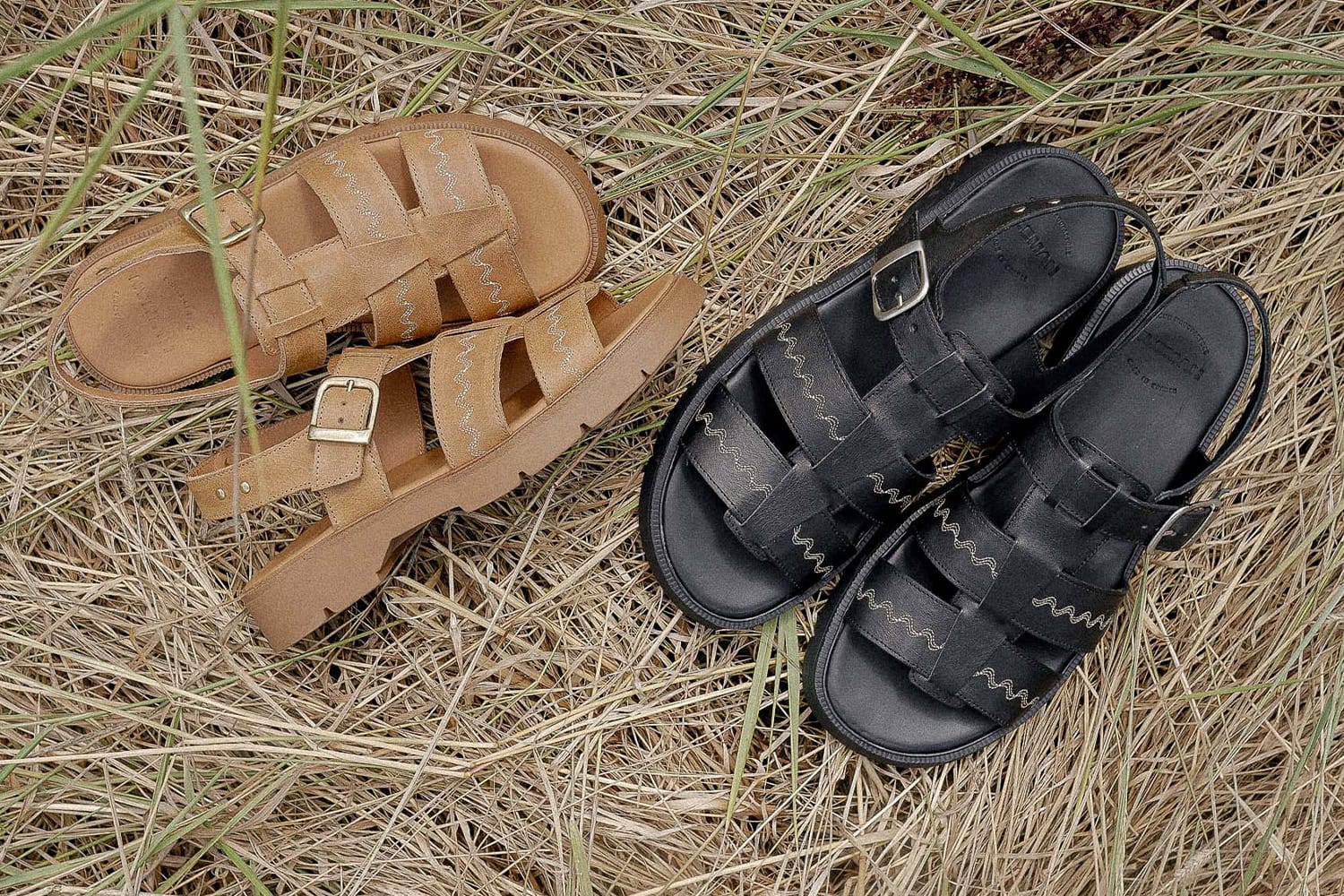
Kleman’s interpretation of the loafer naturally aligns with this trend. Their workwear heritage imbues their loafers with an inherent presence that surpasses that of more traditional designs, offering an accessible entry point into this evolving trend. The "Cotteur" model stands out, particularly in suede. While softer in texture, its robust sole maintains structural integrity, making it suitable for both spring and summer wear without sacrificing its inherent form. It pairs equally well with relaxed tailoring as it does with denim or utilitarian-style trousers.
For those desiring a sharper edge, leather versions offer a degree of polish without veering into overt formality. Darker hues present a cleaner, slightly dressier appearance, while lighter shades are well-suited for warmer weather and more casual styling. The adaptability of the chunky loafer is one of its greatest strengths. It can serve as a sophisticated alternative to sneakers when an elevated look is desired, yet it does not demand the same level of sartorial commitment as a formal dress shoe. When worn with shorts, it projects confidence rather than an attempt to overdress. With trousers, it provides a grounding element, adding weight and definition to an ensemble. The global market for men’s leather footwear has remained robust, with loafers consistently representing a significant segment due to their enduring appeal and versatility.
The Moc Toe Derby: The Epitome of Workwear-Inspired Versatility
Arguably the shoe that most distinctly defines Kleman’s design philosophy, the moc toe derby sits at a compelling intersection of workwear aesthetics and everyday style. For SS26, its relevance is amplified, mirroring a broader resurgence of utility, durability, and substance in menswear. Brands such as Auralee and Engineered Garments are increasingly incorporating workwear references into their collections, making the moc toe derby a natural fit within this sartorial landscape. Its appeal lies in its authenticity, offering a style that feels genuine rather than merely curated.
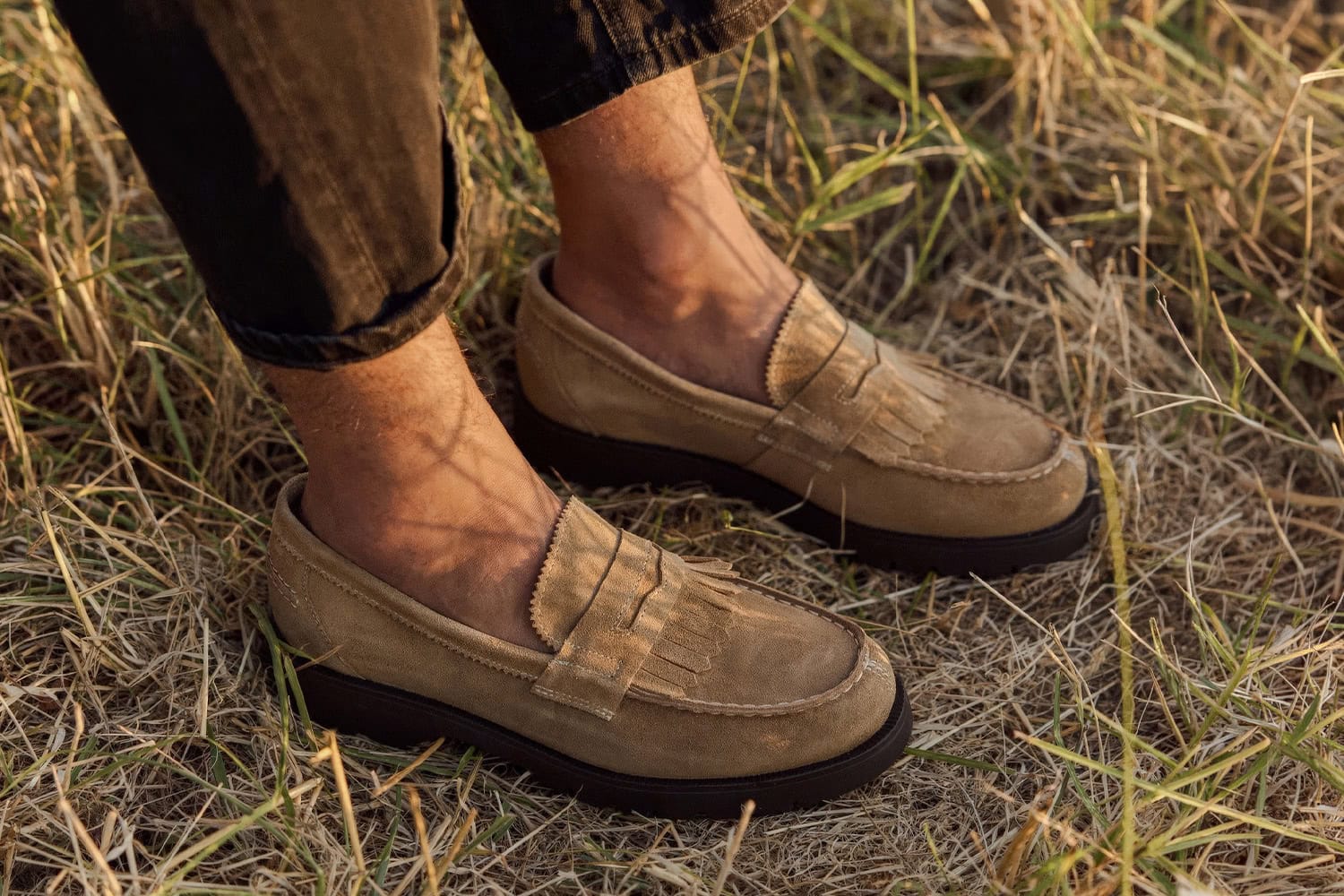
Kleman’s "Major" model serves as a benchmark for this style. Its defining characteristic is the distinctive moc-toe stitching, which lends it a familiar, almost boot-like quality. However, its low cut and refined construction make it eminently suitable for daily wear. It possesses a tangible presence without appearing bulky, and the sole provides sufficient weight to anchor wider trousers and looser silhouettes effectively.
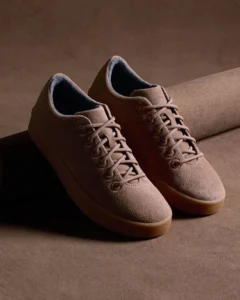
The shoe’s strength for spring and summer collections is further enhanced by its diverse finishes. Softer leathers and suede options, particularly in lighter tones such as beige or cognac, temper the shoe’s inherent ruggedness, making it feel more seasonally appropriate. These variations integrate seamlessly with ecru denim, pleated trousers, or even tailored separates, effectively blurring the lines between casual and smart attire.
Conversely, darker iterations of the moc toe derby adopt a more classic persona. They hold their own in sharper outfits and offer a dependable option when a more structured shoe is desired without resorting to a full dress shoe. This inherent versatility makes it an indispensable item for many, a pair that is reached for instinctively due to its comfort, adaptability, and subtle distinctiveness. The global market for men’s casual footwear continues to expand, with styles that blend heritage influences with modern wearability seeing particular demand.
The T-Bar: A Surprising Yet Sensible Seasonal Addition
The T-bar, while perhaps a more unexpected inclusion for the season, makes considerable sense when viewed within the current fashion context. This style has been steadily gaining traction for SS26, appearing in collections from designers like Maison Margiela and JW Anderson. It occupies an increasingly relevant niche, existing in a space between categories – not quite a sandal, yet not a traditional loafer. This unique positioning is precisely what contributes to its effectiveness.
At first impression, the T-bar might appear to be a bold statement. However, its wearability often exceeds initial expectations. The open upper provides welcome breathability, while the distinct strap offers just enough detail to imbue the shoe with character without overcomplicating its design. It strikes a balance between exposed and covered, offering a refined alternative to fully open sandals.
Kleman’s "Rade" model exemplifies the grounded approach to this trend. Its shape is clean, its construction is robust, and its color palette remains firmly within wearable territory. Camel and brown tones offer a warm and approachable feel for summer, while khaki provides a slightly different, yet not overly experimental, option.
The success of the T-bar lies in its interaction with the rest of an outfit. It has the ability to soften more substantial garments and introduce visual interest to simpler ensembles. Wide-leg trousers, cropped hemlines, and relaxed tailoring all benefit from the openness around the foot that the T-bar provides. Even a straightforward shirt-and-trousers combination can feel more considered and fashion-forward with this shoe. It’s not about making an overt statement; rather, it’s about possessing an item that subtly shifts the overall impression of an outfit. The market for niche footwear styles, particularly those that blend comfort with a unique aesthetic, is experiencing growth as consumers seek to differentiate their wardrobes.
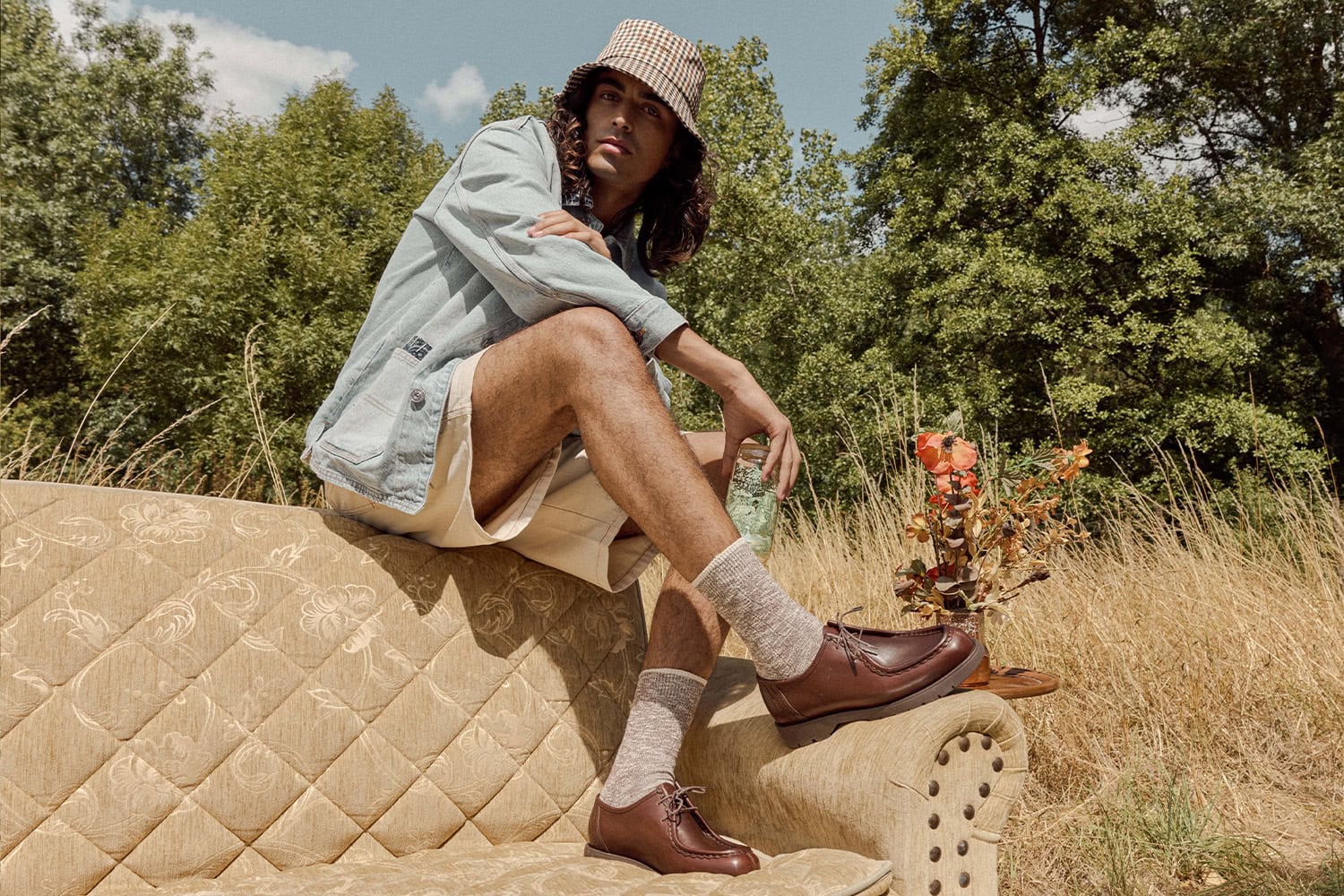
The SS26 men’s footwear landscape is characterized by a move towards more substantial, thoughtfully constructed shoes that bridge the gap between high fashion and everyday practicality. Brands like Kleman, with their unwavering commitment to quality and workwear-inspired durability, are perfectly positioned to offer consumers styles that are not only on-trend but also enduring investments in their personal style. The emphasis is on pieces that offer both aesthetic appeal and tangible wearability, ensuring that wardrobe choices for the warmer months are both stylish and sustainable.
A paid partnership with Kleman – words and opinions are Ape to Gentleman’s own.