Talia Luvaton Unveils TRACE Leather Vessels at Milan Design Week 2026: A Fusion of Ancestral Craft and Contemporary Form

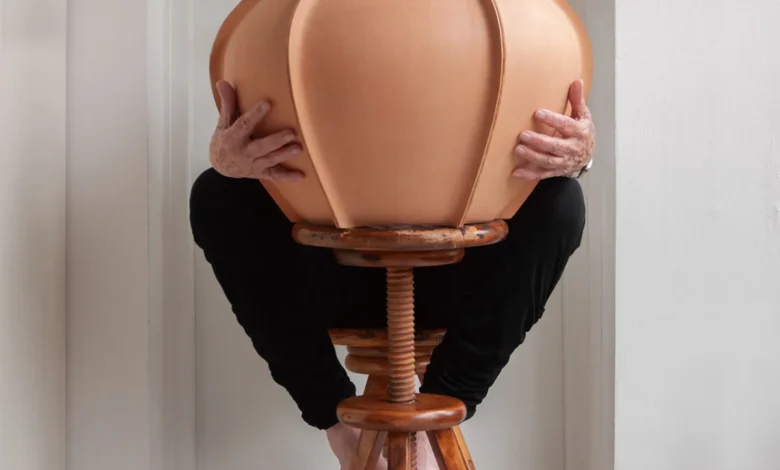
The international design community has converged in Italy for Milan Design Week 2026, where Israeli designer Talia Luvaton has debuted her latest collection, TRACE Leather Vessels. This exhibition represents a significant departure from conventional leather applications, moving the material from the realm of fashion and upholstery into the sphere of structural, sculptural art. By employing specialized wet-forming techniques and drawing upon a deep-seated family lineage of craftsmanship, Luvaton presents a series of vessels that challenge the modern reliance on synthetic polymers, suggesting instead a return to organic, durable, and biodegradable alternatives.
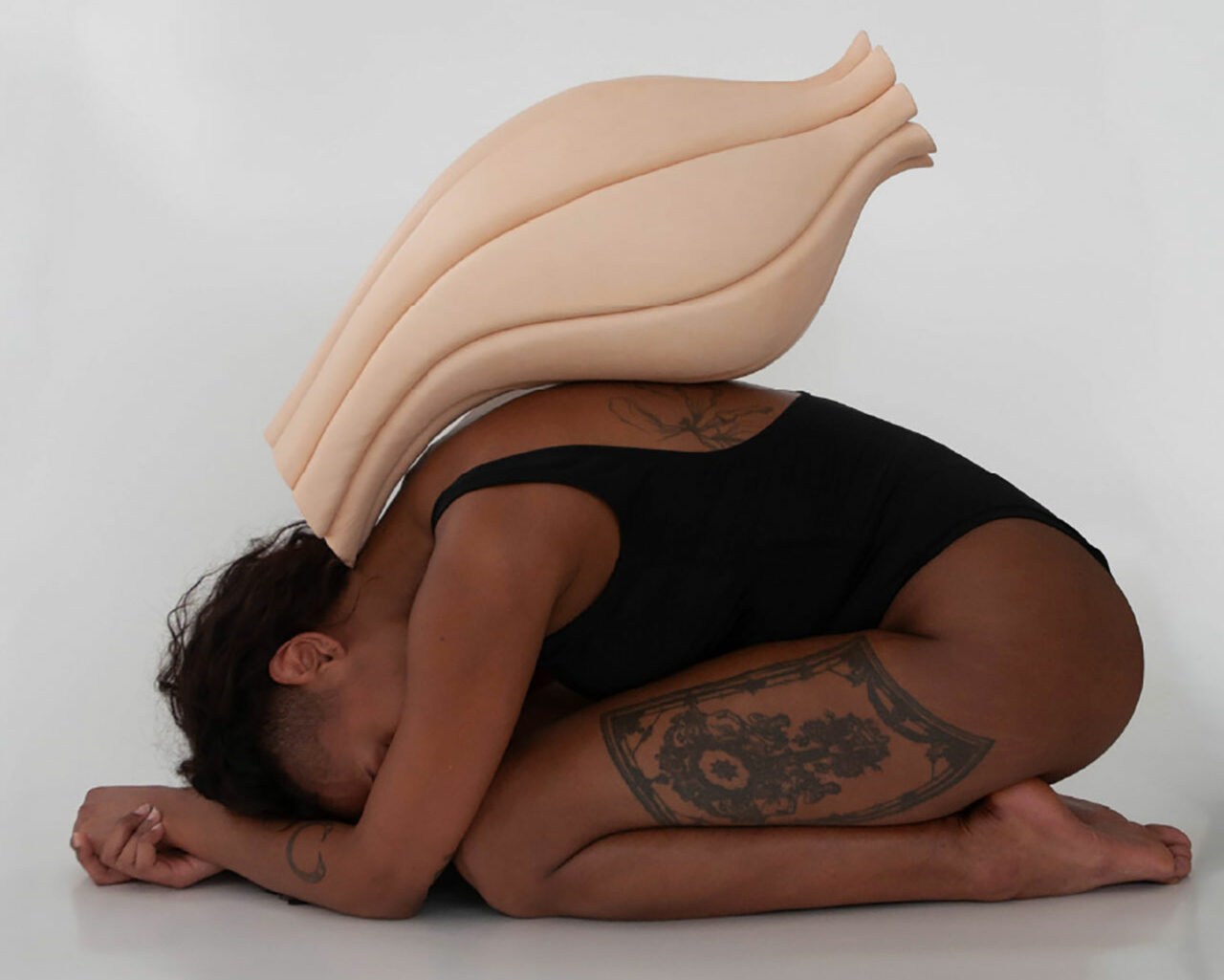
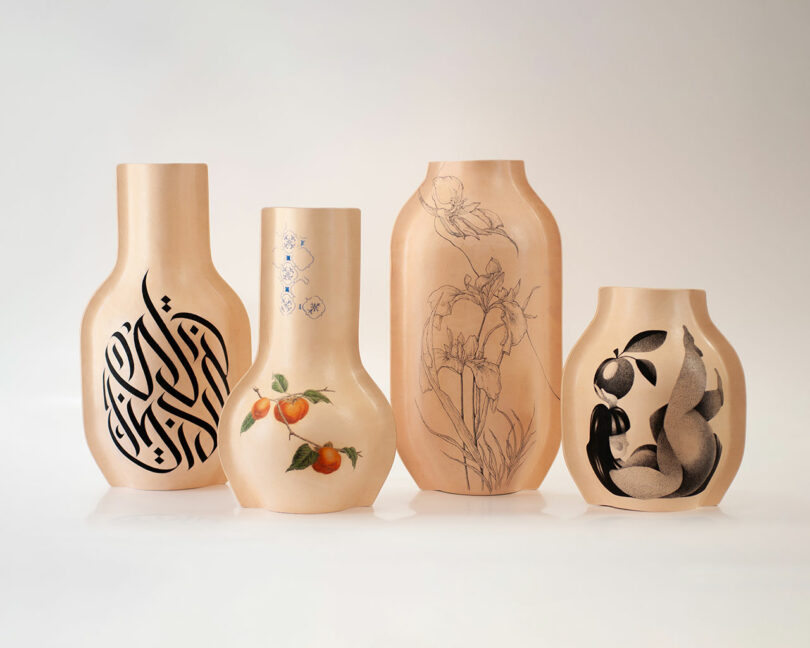
The TRACE collection is the culmination of years of material research and anatomical study. At its core, the project seeks to translate the fluid gestures of the human body into hardened, permanent forms. The resulting objects—vessels that serve as both functional containers and expressive sculptures—are being showcased as part of the broader Milan Design Week circuit, a venue traditionally reserved for the world’s most innovative leaps in furniture, lighting, and material science.
The Artistic Vision: From Movement to Matter
The genesis of TRACE lies in Luvaton’s observational drawings of the human form. Rather than focusing on static poses, the designer sought to capture the "traces" of movement—the subtle arcs of a turning torso or the tension in a flexed limb. These fluid, organic lines were extracted from two-dimensional sketches and abstracted into three-dimensional patterns.
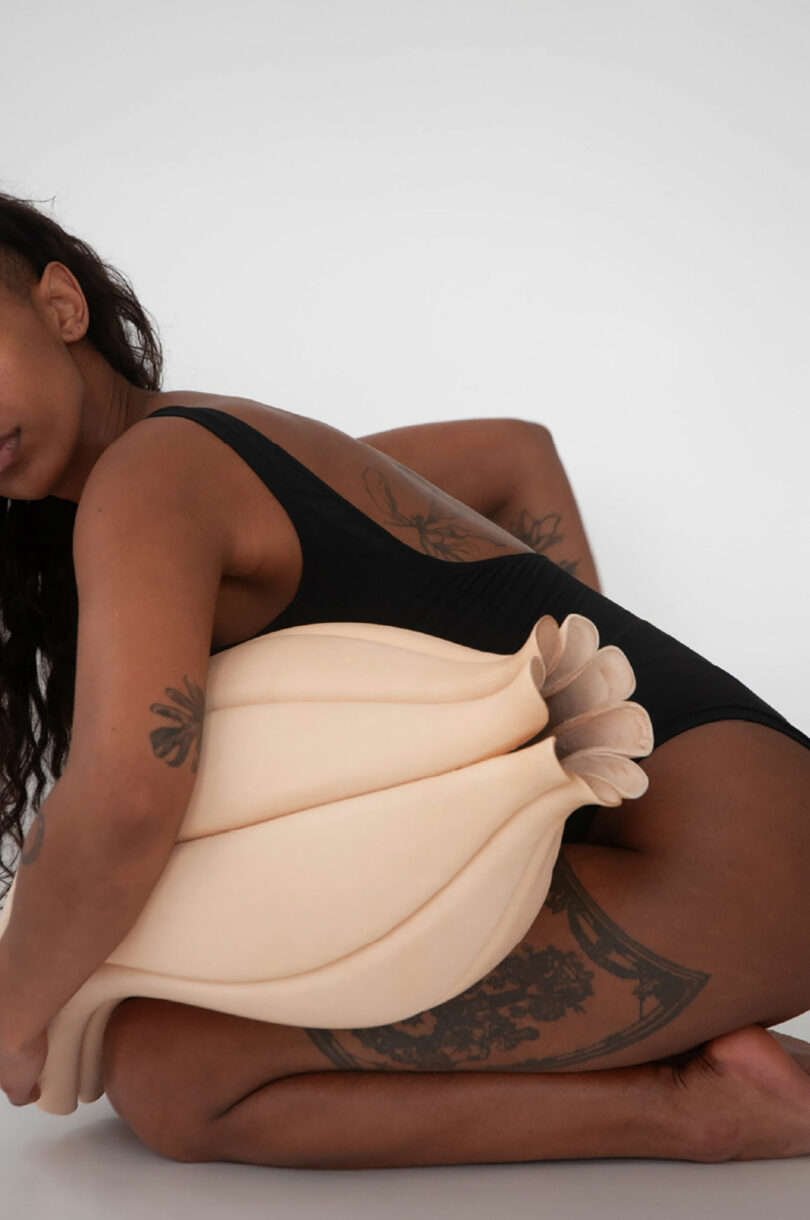
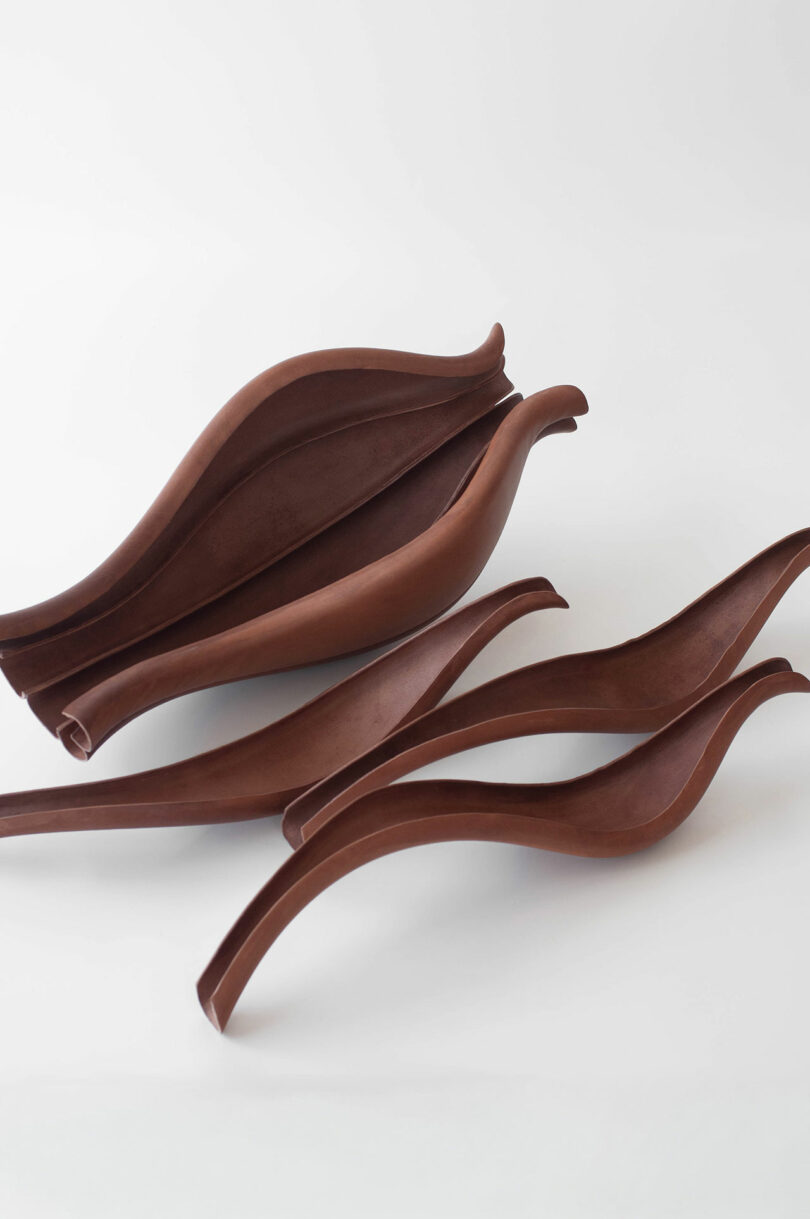
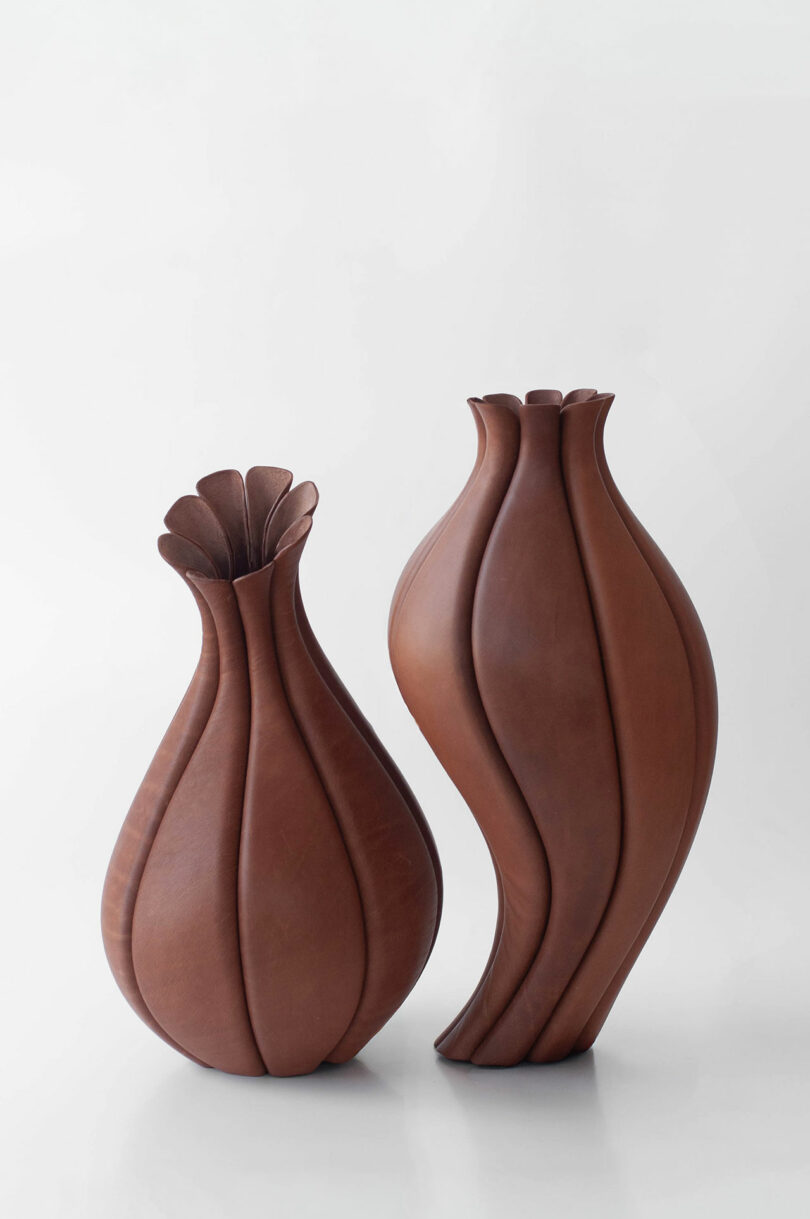
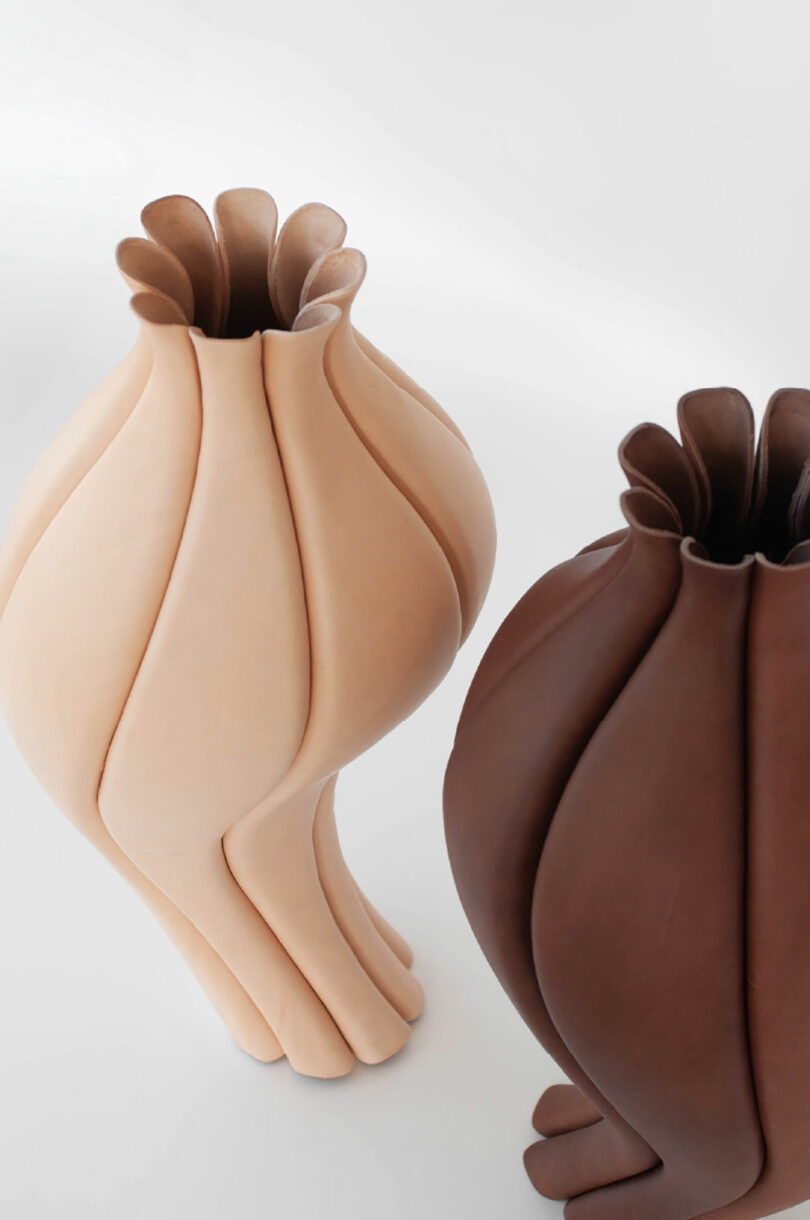
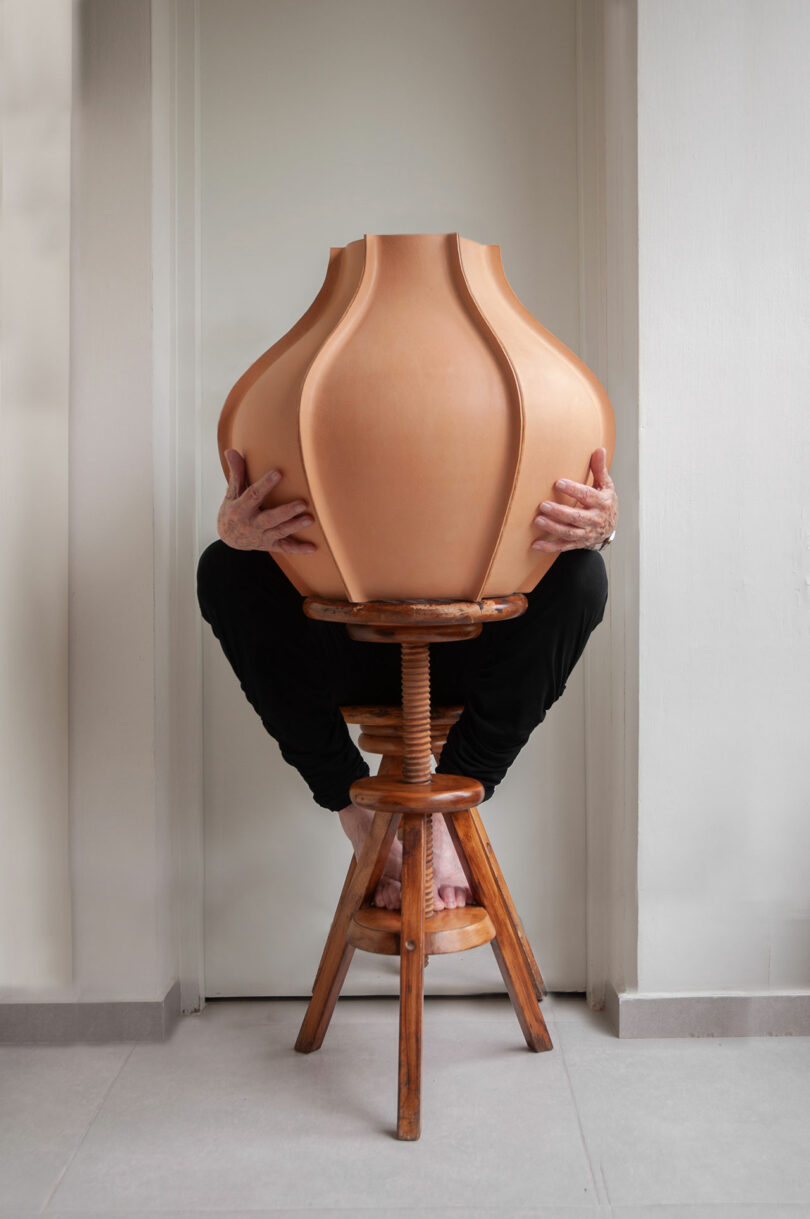
Luvaton’s process is described as a "continuous dialogue between hand, body, and mind." The designer works intuitively, allowing the inherent properties of the leather to dictate the final silhouette of each piece. Each vessel is composed of separately formed elements that are joined to create an anatomical whole. The resulting forms are immediately recognizable for their biological resonance, bearing curves that mimic the vertices of the human body. This connection creates a sense of intimacy between the object and the observer, imbuing the hardened material with a phantom sense of life.
Technical Mastery: The Wet-Forming Process
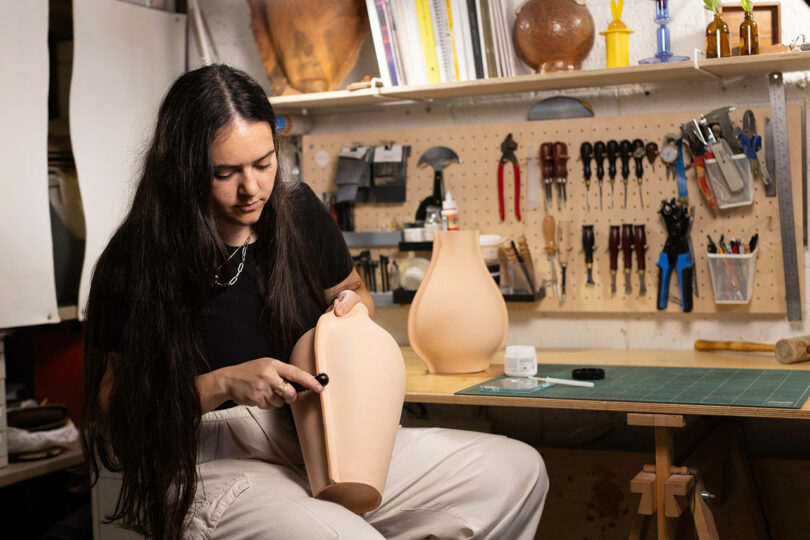
The primary technical achievement of the TRACE collection is Luvaton’s mastery of wet-forming, an ancient technique that she has refined for contemporary sculptural use. Vegetable-tanned leather, the primary medium for the collection, is uniquely responsive to moisture. When soaked, the leather’s fibers become porous and pliable, behaving more like a sponge or heavy fabric than a rigid skin.
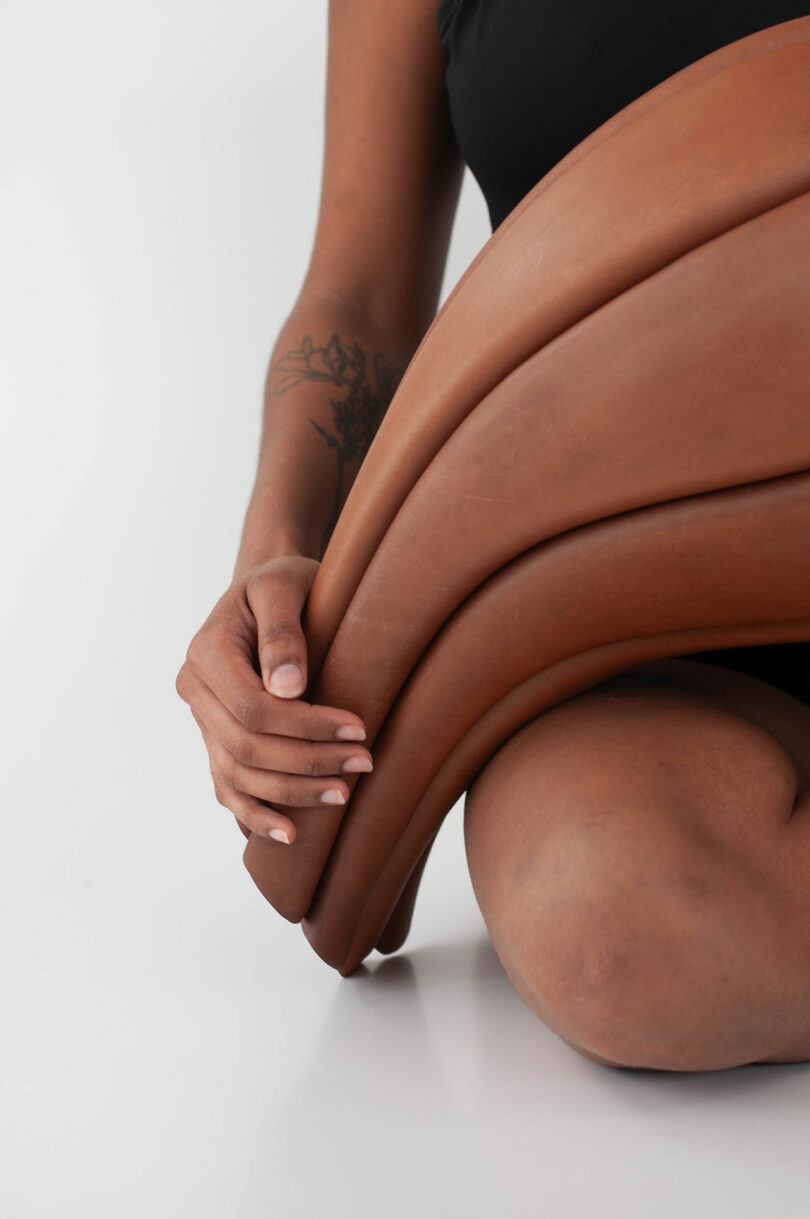
In this state, Luvaton stretches and shapes the leather over custom molds, some of which were developed specifically for this collection, while others involve the use of her grandfather’s original shoemaking tools. As the leather dries, it undergoes a material metamorphosis. The evaporation of moisture causes the fibers to contract and "crystallize," hardening the form into a structure that is remarkably durable and protective.
This transition from softness to strength is central to the collection’s philosophy. Once treated with natural oils and waxes, the leather becomes water-resistant and capable of surviving for generations. Unlike plastic vessels, which degrade into microplastics and lose structural integrity over time, Luvaton’s leather vessels are designed to age gracefully, developing a patina that reflects their history and usage.
A Heritage of Craftsmanship
Luvaton’s work is deeply rooted in a generational continuum of making. Her family history is steeped in the tactile arts: her parents are jewelers, and her grandfather was a master shoemaker. This lineage provides more than just inspiration; it provides the literal tools of the trade. By utilizing her grandfather’s shoemaking implements, Luvaton bridges the gap between historical utility and modern aesthetics.
This connection to the past is a vital component of the TRACE collection. It serves as a reminder that the skills required to manipulate leather are part of a long human history. In an era dominated by automated manufacturing and 3D printing, Luvaton’s insistence on handwork and the "personal touch" acts as a revival of artisanal values. The exhibition in Milan highlights how these traditional techniques can be adapted to meet contemporary design sensibilities, ensuring that the craft remains relevant for future makers.
Material Science and Sustainability
The choice of vegetable-tanned leather is a deliberate statement on the future of sustainable design. As the global design industry faces increasing pressure to reduce its carbon footprint and eliminate non-biodegradable waste, leather presents a compelling alternative to plastic.
Comparative Material Longevity
Archaeological records indicate that leather is one of the most resilient materials utilized by early civilizations. While textiles and woods often rot, leather objects treated with traditional preservatives have been found intact in burial sites and ancient settlements, surviving for millennia.
In contrast to synthetic materials:
- Plastic (Polyethylene/Polypropylene): Takes 20 to 500 years to decompose, often breaking down into harmful microplastics.
- Vegetable-Tanned Leather: A byproduct of the food industry that is fully biodegradable under the right environmental conditions and can last for centuries if properly maintained.
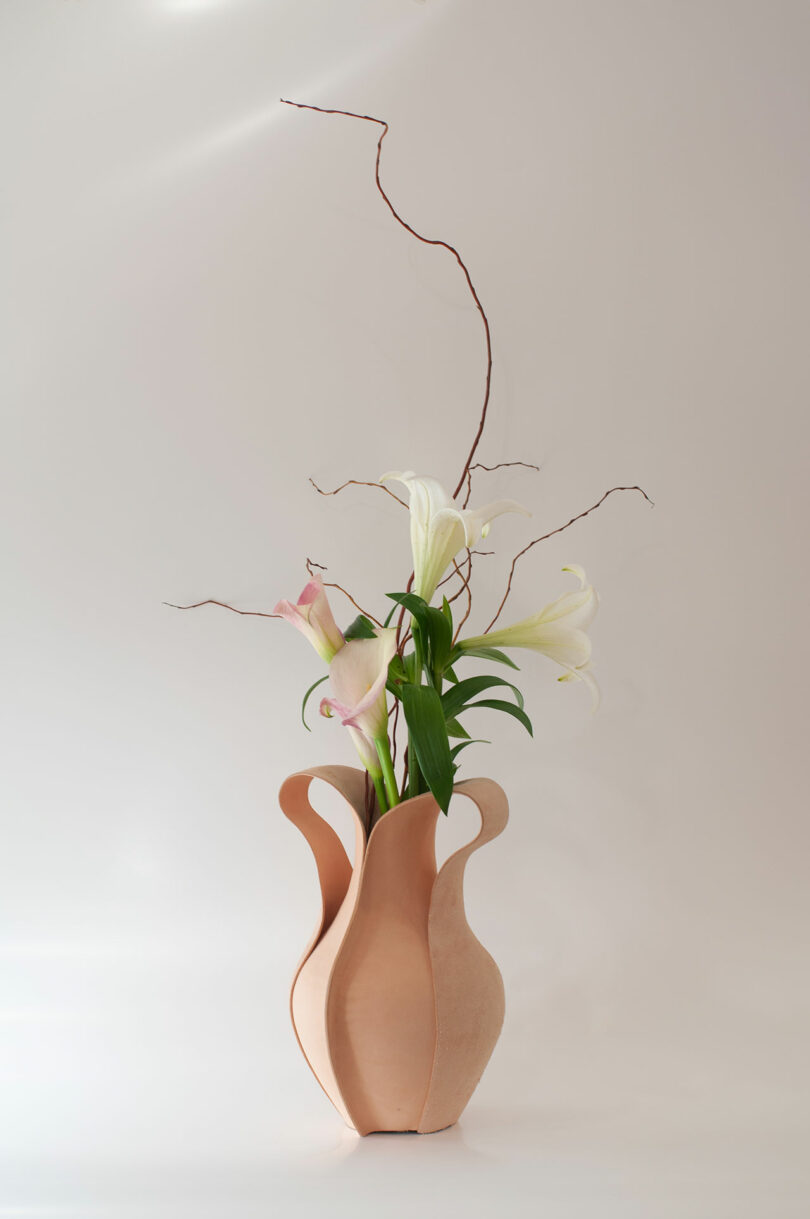
By showcasing vessels that once held food, water, and valuables, Luvaton taps into the historical "reverence" for the material. She argues that leather could replace a multitude of plastic applications in the near future, offering a naturally durable and waterproof solution that aligns with circular economy principles.
Milan Design Week 2026: The Context of Innovation
Milan Design Week remains the premier global event for the design industry, attracting over 400,000 visitors annually, including architects, interior designers, and collectors. The 2026 edition has seen a marked shift toward "Biophilic Materiality"—a trend that prioritizes materials derived from nature that support human well-being and ecological health.
Talia Luvaton’s presentation of TRACE at this venue places her at the forefront of this movement. Critics at the event have noted that her work stands out for its "material honesty." In a hall filled with high-tech composites, the raw, tactile nature of vegetable-tanned leather—with its natural variations in tone, texture, and grain—offers a grounding experience for the viewer.
Supporting Data and Industry Trends
The shift toward high-end artisanal leather goods is supported by recent market data. According to industry reports from early 2026, the "Craft-Based Luxury" segment has seen a 12% year-over-year growth. Consumers are increasingly seeking out "one-of-a-kind" objects that possess a narrative and a clear provenance.
Furthermore, the environmental impact of synthetic leather (often made from polyurethane or PVC) has led to a resurgence in traditional vegetable tanning. This process uses natural tannins found in tree bark and leaves, avoiding the heavy metals and toxic chemicals associated with chrome tanning. Luvaton’s commitment to this method ensures that her vessels are not only aesthetically pleasing but also environmentally responsible.
Official Responses and Critical Reception
While official statements from the Milan Design Week committee often focus on the broad strokes of the festival, individual curators have highlighted TRACE as a "must-see" installation. "Luvaton has managed to take a material we think we know and make it entirely new," commented one design critic during the opening night. "By focusing on the vessel—the most fundamental of human objects—she has created a bridge between our ancestral past and a more sustainable future."
Followers of Luvaton Studio have also noted the spiritual quality of the work. The designer herself describes the hardening of the leather as a "metamorphosis that is perhaps not strictly chemical, but deeply material, even spiritual." This sentiment resonates with a growing segment of the design world that seeks meaning beyond mere functionality.
Broader Impact and Implications
The success of TRACE Leather Vessels suggests a broader shift in how designers view "waste" and "byproducts." By elevating leather to a structural medium, Luvaton opens the door for other designers to explore the architectural potential of organic materials.
The implications for the interior design industry are significant. If leather can be wet-formed into stable, waterproof vessels, it can potentially be used for larger-scale applications, such as wall panels, lighting fixtures, or even furniture components that require no internal frame. This would further reduce the need for metal or plastic supports, leading to a more unified and sustainable approach to product design.
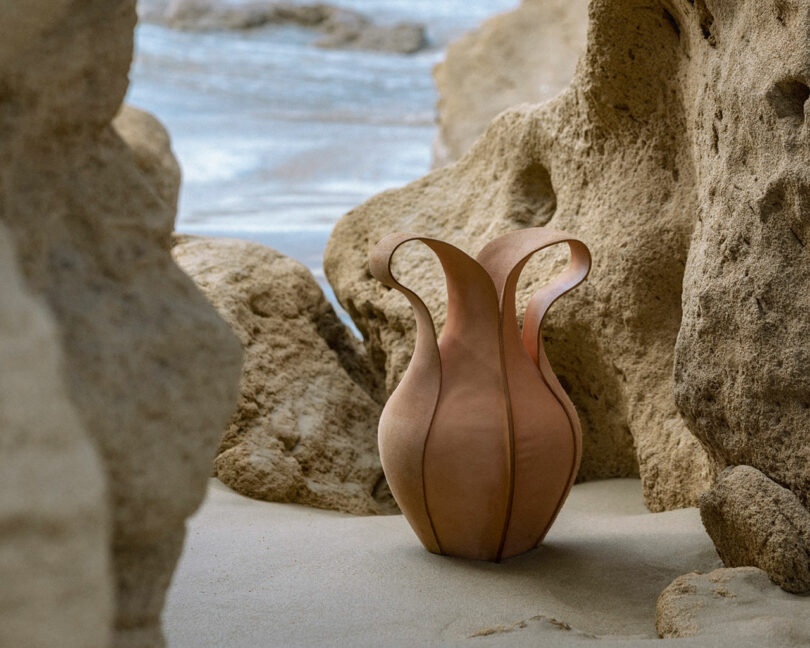
As Milan Design Week 2026 continues, the TRACE collection stands as a testament to the power of looking backward to move forward. Through the lens of Talia Luvaton’s craft, leather is no longer just a "second skin" for humans to wear; it is a structural, expressive, and enduring medium capable of holding form, function, and memory.
The exhibition remains open to the public through the duration of the festival, with Luvaton Studio providing further insights into the making of the collection through their digital platforms. As the design world moves toward a post-plastic era, the "traces" left by Luvaton’s work may well define the path for the next generation of makers.