Kering’s Ambitious Turnaround: De Meo’s Strategic Blueprint for Resurgence Amidst Luxury Market Shifts

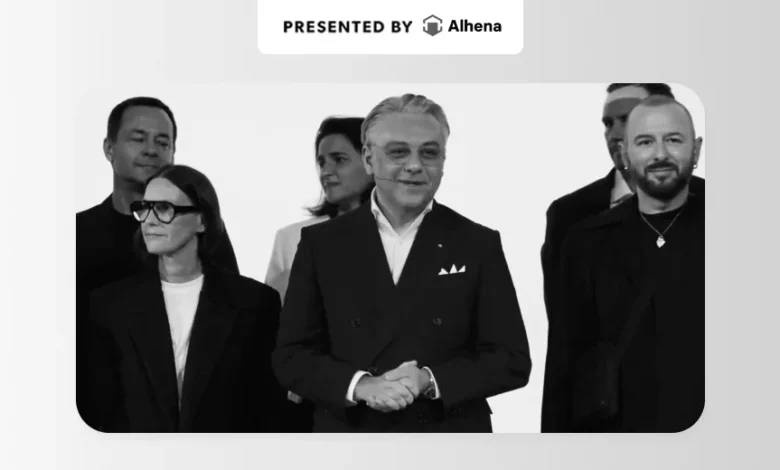
Kering, the French luxury conglomerate, is embarking on a comprehensive and ambitious strategic overhaul, as detailed in a recent episode of the Glossy Fashion Podcast. The discussion, featuring senior fashion reporter Danny Parisi and international reporter Zofia Zwieglinska, centered on Kering’s newly articulated plan by its purported new CEO, Luca de Meo, designed to navigate several years of notable sales declines and restore vitality, particularly to its flagship brand, Gucci. The move signals a critical juncture for the luxury group, necessitating a robust response to evolving market dynamics and internal challenges.
A Decade of Debt and Dispersal: The Genesis of Kering’s Challenges
The foundation of Kering’s current strategic pivot lies in a period characterized by significant debt accumulation and a perceived over-extension of its brand portfolio and retail footprint. According to insights shared on the Glossy Podcast, Kering has amassed a substantial debt load, which, despite efforts to reduce it over the past year, still hovers around an approximate $8 billion. This financial burden, as highlighted by Zofia Zwieglinska, has been a persistent issue, increasing over the last decade, partly driven by a competitive impulse to keep pace with industry behemoths like LVMH in terms of acquisitions and market expansion.
The previous strategic approach, described by de Meo as "trying to give everything for everyone," led to Kering spreading itself too thinly. This included an aggressive global retail expansion, seeing the company open an astonishing 1,700 stores worldwide, alongside various new acquisitions. While intended to foster growth and market penetration, these initiatives ultimately had a "wearing effect" on the business’s overall health and profitability. The rapid expansion, coupled with an apparent dilution of brand identities, led to a loss of exclusivity and, consequently, a weakening of pricing power and desirability, particularly for its most lucrative asset, Gucci.
Gucci’s Fading Luster: The Core of Kering’s Conundrum
Gucci, long the crown jewel in Kering’s portfolio, has been at the epicenter of the group’s struggles. For years, Gucci was a powerhouse of growth, driven by the distinctive maximalist aesthetic under former creative director Alessandro Michele and the strategic acumen of former CEO Marco Bizzarri. However, this period of unprecedented success began to wane, with sales growth decelerating significantly in recent years. Analysts point to several factors: market saturation, a lack of freshness in creative direction after an extended period, and an over-reliance on a single aesthetic that eventually tired consumers.
The slowdown at Gucci was particularly stark in key luxury markets, including China, where local consumers increasingly favored more exclusive or discreet luxury brands. This decline directly impacted Kering’s overall financial performance, given that Gucci historically accounted for a substantial portion of the group’s revenue and profit. The challenge for Kering’s leadership was clear: how to rejuvenate a brand that had become ubiquitous without alienating its existing customer base, while simultaneously restoring its coveted aura of exclusivity and high fashion relevance. The appointment of Sabato De Sarno as Gucci’s new creative director in January 2023, following Michele’s departure, marked an initial step in this revitalization effort, signaling a shift towards a more minimalist and sophisticated aesthetic, aiming to reposition the brand at the higher end of the luxury spectrum.
"ReconKering": De Meo’s Multi-pronged Revitalization Plan
In response to these formidable challenges, Luca de Meo, as discussed on the Glossy Podcast, has unveiled a far-reaching strategic blueprint, aptly dubbed "ReconKering," designed to stabilize finances, refocus brand strategies, and re-establish growth across the entire portfolio. The plan is notably detailed, encompassing specific goals for each brand under the Kering umbrella.
Financial Deleveraging and Strategic Divestments:
A cornerstone of de Meo’s plan is an aggressive push to reduce Kering’s debt. This includes two significant financial maneuvers:
- Pausing the Valentino Acquisition: Kering had been exploring a potential acquisition of Italian luxury house Valentino. However, the new strategy calls for a temporary halt to this pursuit. While specific financial terms or a definitive timeline for this pause were not detailed, the decision reflects a clear prioritization of debt reduction and financial prudence over immediate expansion. Acquisitions, especially large-scale ones like Valentino, entail significant capital outlay, and pausing such a move frees up substantial resources that can be directed towards strengthening the existing portfolio and deleveraging.
- Sale of Kering Beauté to L’Oréal: In a landmark deal announced in June 2023, Kering finalized an agreement to sell its beauty division, Kering Beauté, to L’Oréal for an estimated €3.5 billion (approximately $3.8 billion). Kering Beauté was established in 2023 with the intention of developing Kering’s in-house cosmetics and fragrance expertise. The sale to L’Oréal, a global leader in the beauty industry, allows Kering to unlock significant capital. This divestment not only contributes directly to reducing the group’s debt but also allows Kering to sharpen its focus on its core luxury fashion and jewelry segments, where it believes its competitive advantage is strongest. The move also leverages L’Oréal’s immense expertise in beauty product development, distribution, and marketing, potentially ensuring the long-term success of Kering’s brands in the beauty space through licensing agreements.
Gucci’s Precision Repositioning:
For Gucci, the strategy is about deliberate contraction and elevated focus:
- SKU Count Reduction: A critical component is the plan to reduce Gucci’s Stock Keeping Unit (SKU) count by 20%. This strategic decision aims to streamline product offerings, reduce complexity in inventory management, and, crucially, re-establish a sense of exclusivity and rarity for the brand. By offering fewer, more curated products, Gucci intends to elevate its perceived value and move away from the "everything for everyone" approach that contributed to its market saturation. This move aligns with a broader industry trend where top-tier luxury brands are increasingly prioritizing quality and exclusivity over sheer volume.
- Focus on Profitable Sectors: Jewelry and Leather Goods: The plan emphasizes concentrating resources on Gucci’s most profitable and resilient categories: jewelry and leather goods. These segments typically offer higher margins and are less susceptible to transient fashion trends compared to ready-to-wear. Kering is strategically well-positioned in this area, owning dedicated high-jewelry brands like Boucheron, Pomellato, Dodo, and Qeelin, alongside fashion houses with strong jewelry segments such as Saint Laurent. However, as Danny Parisi noted, the luxury jewelry space is intensely competitive, dominated by giants like Richemont (with Cartier, Van Cleef & Arpels) and LVMH (with Tiffany & Co., Bulgari). Gucci’s success in this renewed focus will depend on its ability to carve out a distinctive identity and capture market share amidst formidable rivals. The leather goods segment, historically a strong performer for Gucci, will also see renewed investment in craftsmanship, iconic designs, and elevated materials to reinforce its premium positioning.
Diversification and Strengthening the Portfolio:
Beyond Gucci, a core tenet of the "ReconKering" strategy is to foster the growth and distinct identity of Kering’s other brands, reducing the group’s over-reliance on a single entity. Kering’s portfolio includes powerhouse brands like Saint Laurent, Bottega Veneta, Balenciaga, and Alexander McQueen, alongside specialized houses such as Brioni.
Zofia Zwieglinska underscored the wisdom of this approach: "The fact that he’s focusing so much on defining these different brand identities seems smart. They don’t want to rely so much on Gucci. They talked a lot about growing the other brands. They don’t want a system that’s reliant on one brand to support everything, which seems a bit stupid when you look at the plethora of brands they have in their portfolio."
This strategy involves significant investment in the creative direction, marketing, and retail experience of these brands, empowering them to pursue their unique vision and capture their respective market segments more effectively. For instance, Saint Laurent has consistently been a strong performer for Kering, demonstrating steady growth and maintaining a clear, sophisticated brand identity. Bottega Veneta, under new creative leadership, is also regaining traction with its minimalist yet luxurious aesthetic. The objective is to cultivate multiple engines of growth, thereby diversifying risk and ensuring the overall stability and dynamism of the group.
Analysis of Implications and Outlook for Success
The strategic blueprint laid out by de Meo is being met with cautious optimism within industry circles. Both Danny Parisi and Zofia Zwieglinska on the Glossy Podcast characterized the plan as "sensible and thorough," highlighting its logical approach to addressing Kering’s deep-seated issues. The emphasis on financial discipline, targeted brand revitalization, and portfolio diversification resonates positively with analysts who have long called for a more balanced growth strategy from the group.
Challenges and Market Dynamics:
Despite the well-conceived nature of the plan, its success is not guaranteed and hinges on several internal and external factors.
- Execution Risk: Implementing such a wide-ranging transformation across multiple global brands is a monumental task. It requires flawless execution, clear communication, and strong leadership at every level. Any missteps in product development, marketing campaigns, or supply chain management could derail progress.
- Competitive Landscape: The luxury market remains fiercely competitive. LVMH continues its aggressive expansion, and Richemont holds a dominant position in hard luxury. Kering’s efforts to strengthen its jewelry and leather goods offerings will face intense rivalry from established players with deep pockets and strong brand legacies.
- Global Economic Headwinds: The luxury industry is not immune to broader economic challenges. Inflationary pressures, rising interest rates, and geopolitical instability continue to exert pressure on consumer spending habits.
- Geopolitical Instability: One of the most significant external factors, and one entirely beyond Kering’s control, is the ongoing geopolitical instability, particularly the "war in the Middle East." Such conflicts can significantly impact tourism, consumer confidence, and supply chains, directly affecting luxury sales in key regions. The broader global economic slowdown, exacerbated by regional conflicts, poses a considerable challenge for the entire luxury sector.
Strategic Mitigation: Investing in Emerging Markets:
Recognizing the vulnerabilities associated with an over-reliance on traditional luxury markets and politically volatile regions, Kering is strategically investing in emerging markets. The plan explicitly mentions significant focus on countries like Nigeria, Brazil, Mexico, and India. These markets represent vast untapped potential, characterized by growing middle classes, increasing disposable incomes, and a burgeoning appetite for luxury goods.
- India: With its rapidly expanding economy and a population increasingly exposed to global luxury trends, India is poised to become a major luxury consumer market. Kering’s focus here could yield substantial long-term returns.
- Brazil and Mexico: These Latin American powerhouses offer significant growth opportunities, with a rising affluent class and a strong cultural appreciation for luxury fashion.
- Nigeria: As Africa’s largest economy, Nigeria presents a unique, albeit challenging, market for luxury, with a growing number of high-net-worth individuals.
By diversifying its geographical footprint, Kering aims to mitigate risks associated with slowdowns or political instability in any single market, building a more resilient and globally balanced revenue stream.
Broader Impact and Future Outlook:
Kering’s turnaround strategy, if successful, could serve as a blueprint for other luxury conglomerates facing similar challenges of brand fatigue, market saturation, and the need for renewed exclusivity. The emphasis on financial discipline, brand identity differentiation, and strategic investment in high-margin categories and emerging markets reflects a mature and adaptive approach to luxury business management.
The shift away from a "growth at all costs" mentality towards a more curated and premium positioning for brands like Gucci is a critical signal to the market. It acknowledges that true luxury thrives on desirability, exclusivity, and impeccable craftsmanship, rather than sheer volume. The journey to "ReconKering" will be long and demanding, requiring unwavering commitment from leadership and creative teams. However, the comprehensive and logical nature of the plan, as discussed on the Glossy Podcast, suggests that Kering is equipped with a clear roadmap to navigate the complexities of the modern luxury landscape and potentially reclaim its position at the forefront of the industry. The ultimate success will be measured not just in financial recovery but in the restoration of the prestige and allure that define its iconic brands.