The uncertainty principle, a cornerstone of quantum mechanics famously illustrated by Schrödinger’s Cat, posits that a particle can exist in multiple states simultaneously until observed. In the realm of menswear, this quantum phenomenon finds a peculiar echo each spring when selecting footwear. An item of clothing, much like the hypothetical feline, can simultaneously represent both an astute fashion choice and a sartorial misstep, its true nature revealed only when one ventures outdoors and confronts the capricious spring weather. The moment of realization—that the chosen shoes are ill-suited for the temperature, a sudden downpour, or an unexpected gust of wind—often occurs at an inconvenient distance from home, rendering a return for a change of attire an awkward impossibility. This annual sartorial dilemma underscores the challenge of dressing for a season characterized by unpredictable conditions, prompting a need for footwear that can adapt and perform across a spectrum of scenarios.
To effectively navigate this sartorial uncertainty, the most prudent strategy involves embracing a philosophy of versatility. This approach prioritizes selecting pieces that possess the inherent adaptability to function well regardless of minor climatic fluctuations. Footwear, in particular, serves as a crucial element in this transitional wardrobe. The ideal spring shoe must offer comfort across varying temperatures, from cooler mornings to warmer afternoons, while instilling the wearer with confidence, come rain or shine.
Understanding the Footwear Spectrum for Spring
To achieve this balance, it is helpful to conceptualize footwear as existing on a spectrum. At one extreme lie the robust, insulated boots designed for the harshest winter conditions, while at the other are the minimal, open-toed sandals suited for peak summer heat. Spring, by its nature, rarely demands the extreme protection of winter footwear, nor does it typically permit the carefree liberation of flip-flops. Consequently, the most effective spring choices reside in the middle ground of this spectrum, offering a blend of coverage, breathability, and style.
Loafers: The Versatile Slip-On
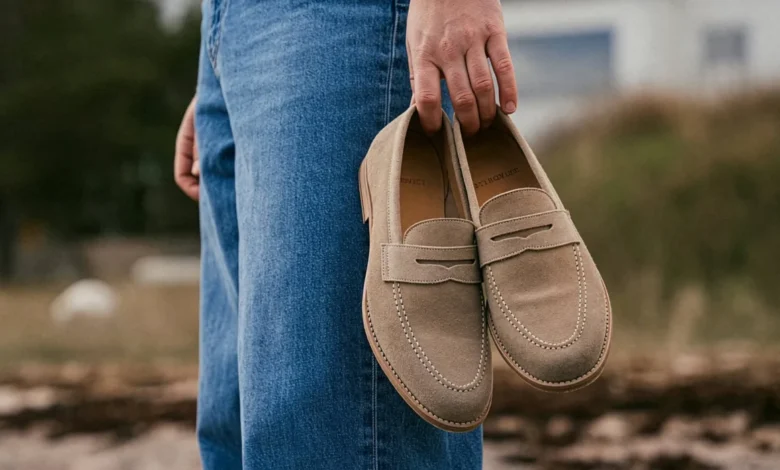
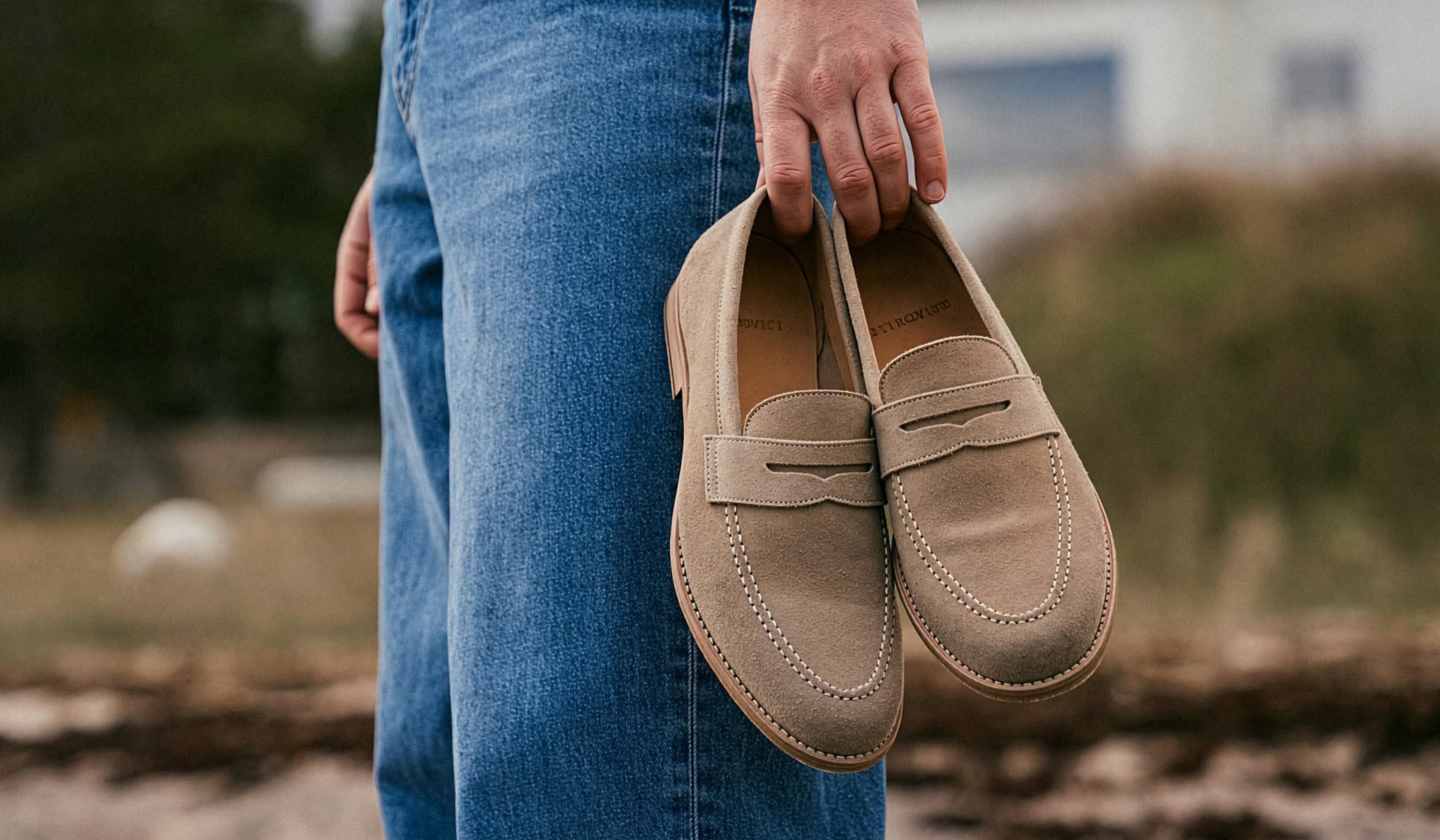
Among the most dependable options for the spring season are loafers. This classic slip-on style is a true three-season workhorse, offering reliable wear from early spring through to the damp, cooler days of autumn. Loafers strike an elegant balance between formality and relaxed sophistication. They possess a smart aesthetic that can seamlessly integrate with a variety of ensembles, ranging from tailored suits and smart trousers to more casual combinations like T-shirts and jeans. Indeed, the increasing popularity of pairing loafers with denim reflects a growing trend where these slip-on shoes are encroaching upon the territory traditionally occupied by sneakers.
What to Look For in Loafers:
For spring wear, both suede and leather are excellent material choices. Suede offers a slightly more refined texture and can provide an added layer of assurance for individuals residing in regions prone to frequent rainfall, provided they are treated with appropriate waterproofing. To maximize versatility, it is advisable to opt for styles that eschew excessive decorative embellishments such as tassels or horsebit detailing. A classic penny loafer, with its clean lines and understated design, typically offers the greatest adaptability and can be effortlessly integrated into a wider range of outfits.
How to Wear Loafers:
A common misconception is that loafers are exclusively a formal or dressy footwear option. To truly unlock their potential, it is beneficial to treat them as a more casual shoe. Do not hesitate to pair them with everyday staples such as jeans, shorts, and even athletic-inspired pieces like hoodies and baseball caps. The timeless appeal of Ivy League style offers a rich source of inspiration for incorporating loafers into a diverse array of looks. The key is to view them not as a rigid sartorial rule, but as a flexible foundation for building outfits that reflect personal style and adapt to the day’s activities.
Chukkas: The Transitional Boot
Positioned strategically between a low-profile shoe and a full boot, chukka boots emerge as ideal companions for the transitional months. Their mid-top silhouette provides more coverage than a standard shoe or sneaker, offering a degree of protection against cooler air and unexpected showers, while maintaining a soft, uncomplicated structure that harmonizes well with spring ensembles. Arguably, chukka boots represent a near-perfect choice for this time of year, blending practical coverage with a stylish, understated profile.

What to Look For in Chukkas:
When the term "chukka" is mentioned, many immediately envision the iconic desert boot, characterized by its crepe sole and simple two or three-eyelet lacing. While the desert boot is undoubtedly a versatile and timeless option, there are alternative chukka styles that may offer enhanced practicality for spring weather. A primary consideration with traditional crepe soles is their potential for slipperiness on wet surfaces. For those concerned about traction, chukka boots featuring a commando sole or other more robust rubber outsoles can provide superior grip and stability, particularly in damp conditions.
How to Wear Chukkas:
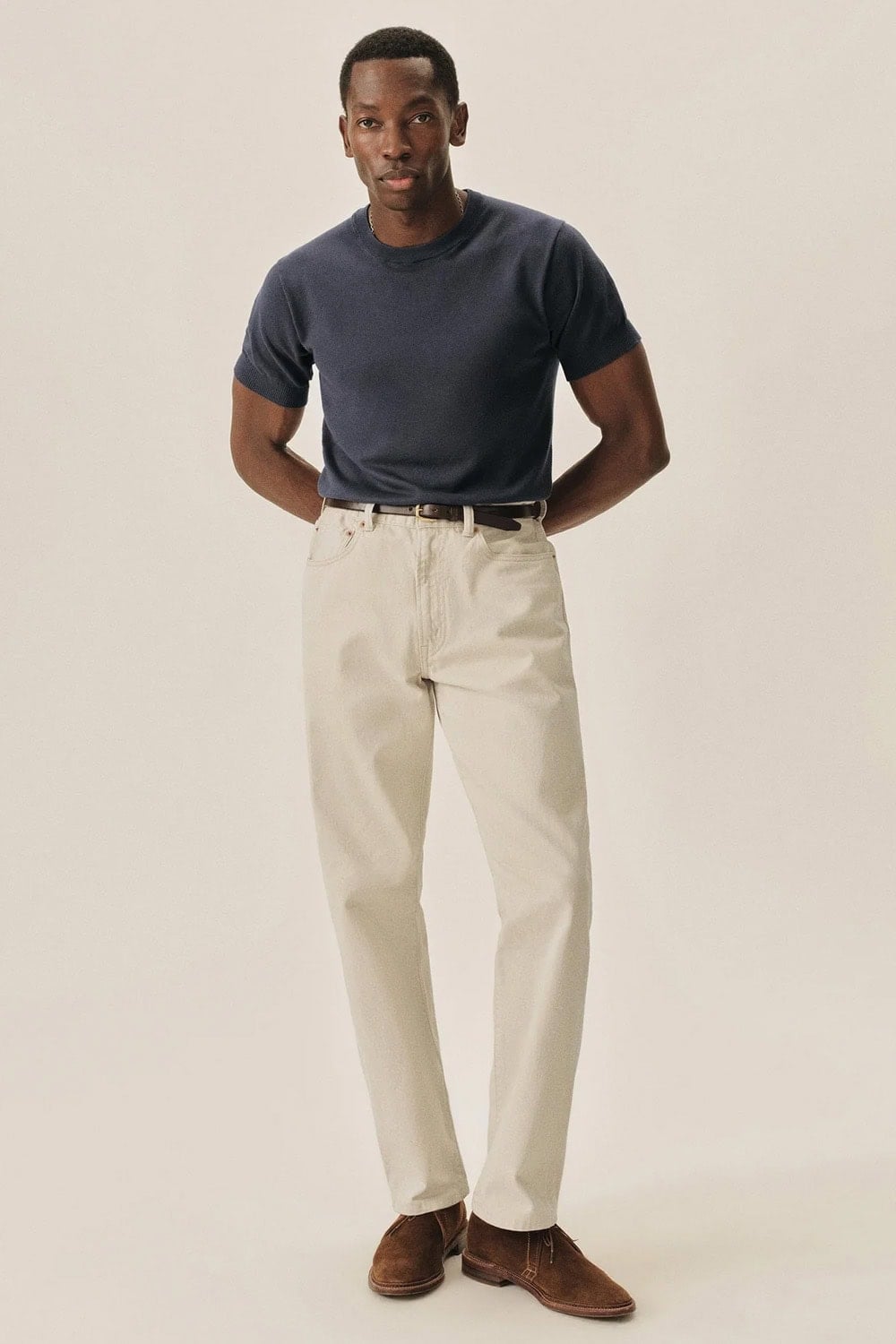
Styling chukka boots is remarkably straightforward. A classic suede or leather chukka in a neutral tone, such as brown, tan, or beige, will complement a vast majority of outfits. They are exceptionally versatile, pairing well with everything from chinos and jeans to casual trousers and even some more relaxed tailoring. The only significant exceptions to consider would be formal attire like tracksuits or tuxedos. By prioritizing versatility in your chukka selection, you empower yourself to effortlessly assemble stylish and appropriate spring outfits.
Derbies: Rethinking a Classic
The Derby shoe has, for some time, been burdened with an undeserved reputation for being overly formal or corporate. Often associated with stuffy office environments and black leather, round-toed styles that are perceived as difficult to integrate with casual wear, the Derby can appear intimidating to those seeking more relaxed styling options. However, this perception belies the shoe’s inherent versatility, making it a surprisingly suitable choice for spring, provided one selects the right style.
What to Look For in Derbies:
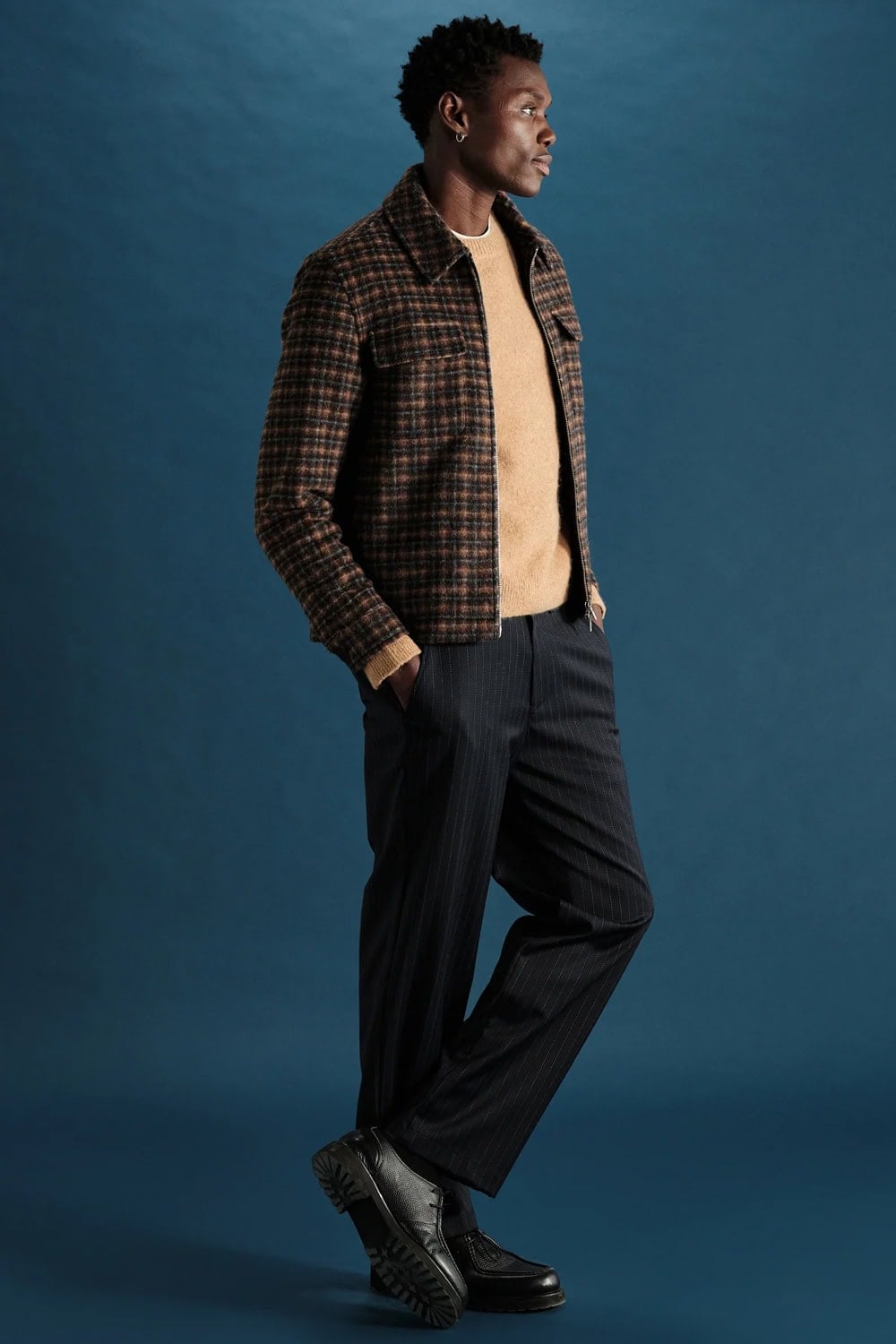
The term "Derby" encompasses a broad category of footwear, with significant variations in style, silhouette, and construction. While all Derbies share an open lacing system, the nuances in shape, sole unit, and decorative elements can dramatically alter their character. For a classic and timeless aesthetic, looking to established manufacturers, particularly those from traditional shoemaking regions, can yield simple, round-toe styles that possess enduring appeal. For a more contemporary and casual interpretation, consider heavier moc-toe versions or those featuring more substantial sole units. Brands like Kleman and Paraboot, for instance, offer Derbies with a more robust and fashion-forward profile that lends itself well to off-duty ensembles.
How to Wear Derbies:
The key to successfully integrating Derbies into a spring wardrobe lies in choosing a style that facilitates casual wear. More relaxed iterations, such as the moc-toe styles mentioned, are inherently easier to pair with a wider array of clothing. They can be effectively styled with casual tailoring for spring events, such as weddings or garden parties. On weekends, they can be paired with a hoodie and denim for a comfortable yet put-together look. For a reliable smart-casual balance, consider teaming them with loose-fitting chinos and a classic Oxford cloth button-down shirt. The aim is to select a Derby that inherently leans towards casual, making the styling process intuitive and effective.
Hiking Shoes: Embracing Outdoor Influence
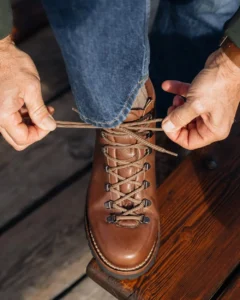
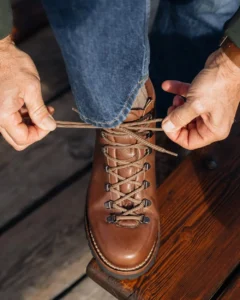
The increasing integration of outdoor and technical wear into mainstream menswear has introduced a compelling array of footwear options, including hiking shoes. From agile trail runners to approach shoes and retro-inspired hiking boots, these styles offer a practical and surprisingly stylish alternative for the spring season. Their inherent durability and weather-resistance make them well-suited to the changeable conditions, while their unique aesthetic can add an interesting dimension to an outfit.
What to Look For in Hiking Shoes:
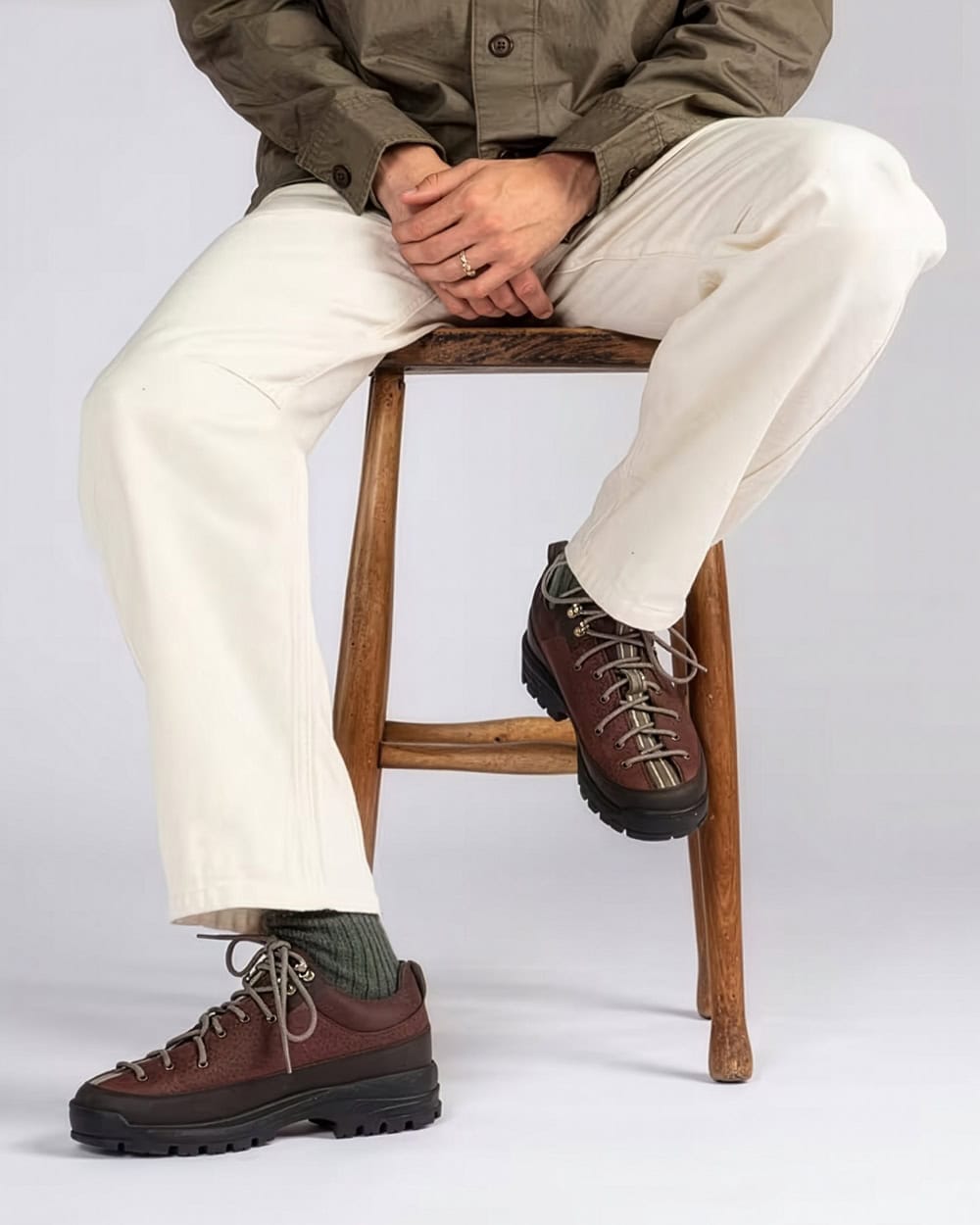
When selecting hiking shoes for everyday spring wear, it is important to temper the pursuit of waterproof features with an understanding of breathability. While waterproof materials are beneficial in heavy rain, they can lead to overheating in warmer spring temperatures. Instead, prioritize durable upper materials, a grippy and reliable sole, and a silhouette that complements existing wardrobe items. The goal is to find a shoe that offers robust construction and good traction without appearing overly technical or out of place in an urban setting.
How to Wear Hiking Shoes:
The key to styling hiking shoes effectively is to avoid an overly committed "head-to-toe" outdoor aesthetic. This can lead to an outfit that appears as if one is embarking on a serious trek rather than navigating a day in the city. To achieve a balanced look, pair hiking shoes with classic casual pieces. Consider teaming them with wool trousers, comfortable knitwear, and a waxed jacket. This combination strikes a seasonally appropriate balance, incorporating the practicality of the hiking shoe without sacrificing overall style. The intention is to borrow the ruggedness and functionality of the outdoor shoe while grounding it with more traditional menswear staples.
Deck Shoes: A Preppy Spring Staple
Deck shoes, also known as boat shoes, are a quintessential element of preppy casual style and are perfectly at home during the spring and summer months. Their low-profile silhouette and inherently smart-casual styling make them an effortless choice for warmer weather. Furthermore, deck shoes are currently experiencing a resurgence in popularity, making it an opportune moment to embrace this classic footwear option.
What to Look For in Deck Shoes:
While classic versions, such as Sperry’s iconic Topsider, remain timeless, slightly chunkier, lug-soled variations offer a more contemporary edge. Brands like Timberland, Paraboot, G.H. Bass, and Clarks produce a range of solid options that cater to different style preferences. When choosing, consider the intended use and overall aesthetic. A traditional leather or canvas deck shoe offers a lighter, more relaxed feel, while a lug-soled version can provide increased durability and a slightly more robust appearance.
How to Wear Deck Shoes:
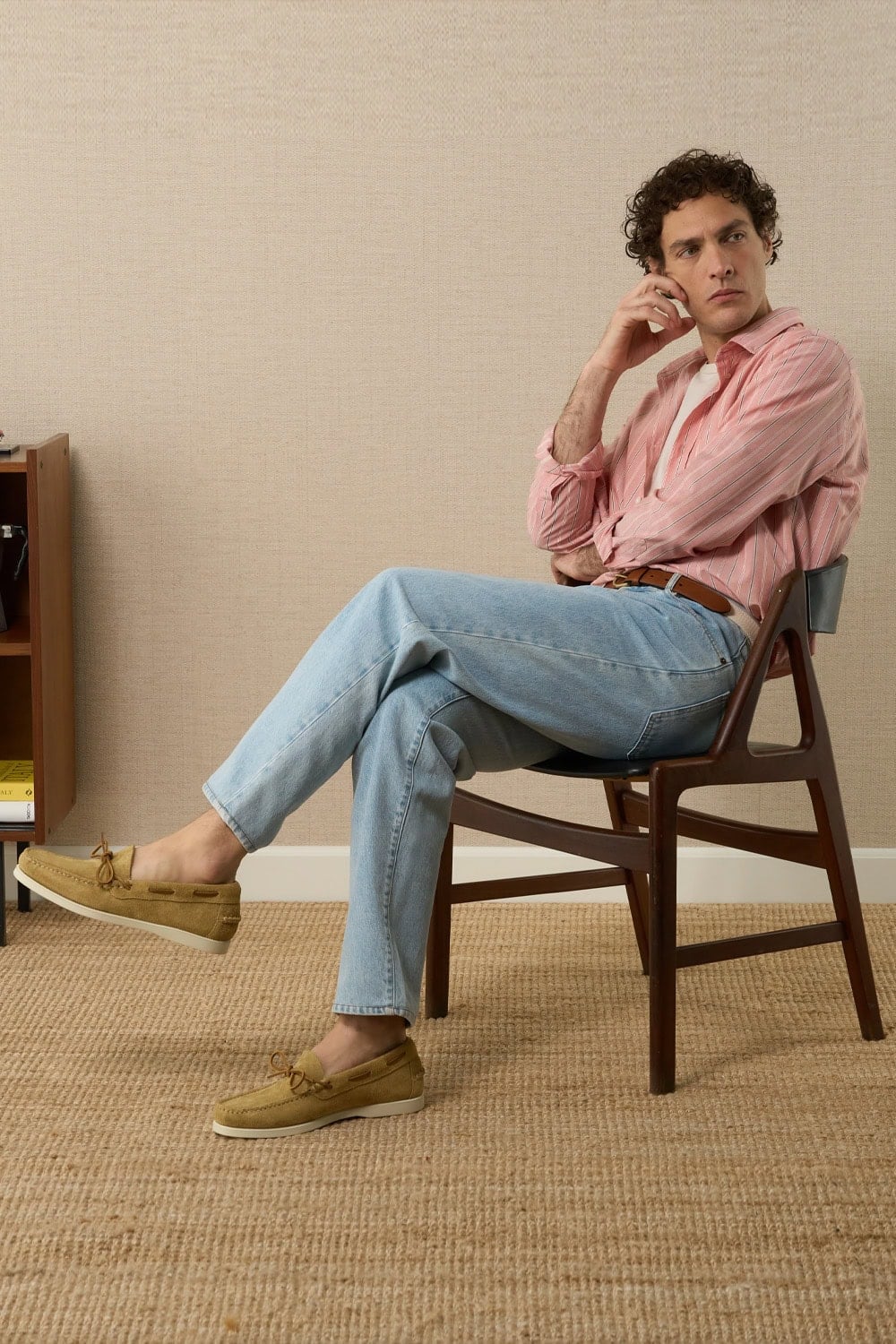
Deck shoes are remarkably versatile, but there is a particular synergy when paired with light-wash, straight-leg denim. This combination offers a timeless and effortlessly stylish look that is consistently pleasing. To complete the ensemble, a well-fitted white T-shirt, an Oxford shirt, and a lightweight jacket create a classic outfit that can be adapted for a wide range of occasions. This approach to styling deck shoes emphasizes simplicity and relies on the inherent charm of classic pieces to create a cohesive and appealing look.
Suede Sneakers: Casual Sophistication
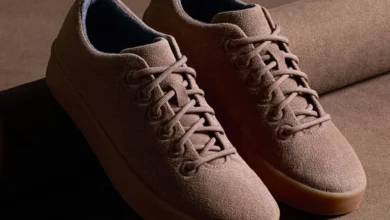
Suede sneakers offer a more considered and refined alternative to standard running shoes or gym trainers, while retaining a high degree of casual wearability. They bridge the gap between athletic-inspired footwear and more traditional shoe styles, making them suitable for a broad spectrum of outfits. A suede sneaker can integrate seamlessly with wool trousers for a smarter look, yet remains casual enough to pair with tracksuits for relaxed occasions.
What to Look For in Suede Sneakers:
The key to selecting versatile suede sneakers is simplicity. Opt for designs in a single, muted color, with minimal branding and clean, uncluttered panels. Shades of grey, navy, or off-white are highly adaptable and will complement most wardrobes. A good benchmark for this aesthetic can be found in certain lines from brands like New Balance, which often feature understated designs with premium materials. It is important to avoid overly chunky or aggressively sporty styles, as these can detract from the sophisticated casual appeal that makes suede sneakers so effective.
How to Wear Suede Sneakers:
Suede sneakers can be worn much like any other casual trainer. They pair effortlessly with jeans, chinos, and shorts in warmer weather. Their understated elegance also allows them to complement softer tailoring, such as unstructured blazers and drawstring trousers, without appearing forced or overly fashion-conscious. The primary appeal of suede sneakers lies in their effortless wearability; they are a shoe that does not require extensive styling effort to look good. The simplicity of the shoe encourages a similar simplicity in the rest of the outfit, creating a harmonious and polished casual appearance.
Trail Runners: Performance Meets Style
While trail runners are designed for outdoor exertion, a specific iteration of this footwear category has found a place in contemporary menswear. The key is to distinguish between models that are purely functional for athletic pursuits and those that possess a more refined aesthetic suitable for everyday wear. The right pair of trail runners can effectively handle inclement weather and long days on one’s feet without dominating an outfit or appearing out of place.
What to Look For in Trail Runners:
When seeking trail runners for general wear, it is advisable to steer clear of overly loud colorways and aggressive, exaggerated shapes. Opt for models in darker, more subdued tones or those with a muted palette. While grip and a robust sole remain important functional attributes, avoid designs that appear excessively bulky or cartoonish. The ideal trail runner for this purpose strikes a balance between performance features and a visually restrained design that integrates smoothly into a casual wardrobe.
How to Wear Trail Runners:
As with hiking shoes, the strategy for styling trail runners involves maintaining a straightforward approach with other wardrobe elements. Pair them with simple jeans, fatigues, or utilitarian trousers. For the upper half of the outfit, consider knitwear, sweatshirts, or jackets that you would normally wear. The critical mistake to avoid is leaning too heavily into the outdoor gear aesthetic. By balancing the trail runners with more conventional casual pieces, you create an ensemble that looks intentional and stylish, rather than purely functional or overly niche.
Low-Profile Sneakers: The Return to Simplicity
The era of oversized, statement sneakers has seen a significant correction with the ascendance of low-profile sneakers. These models are characterized by their lighter construction, slimmer silhouette, and inherent ease of wear with the types of clothing most individuals already own. Unlike their more voluminous counterparts, low-profile sneakers do not dominate an outfit, which is precisely why they are so effective. They offer a subtle yet stylish foundation for a variety of casual looks.
What to Look For in Low-Profile Sneakers:
The defining features of a low-profile sneaker include a thin sole, a clean and uncluttered shape, and minimal padding. For a slightly more polished appearance, leather is an excellent material choice, while canvas offers a more relaxed and casual option. Branding should be subtle and understated. Any sneaker that appears overtly designed for athletic performance, such as those intended for five-a-side football, should generally be avoided in favor of cleaner, more versatile designs.
How to Wear Low-Profile Sneakers:
Low-profile sneakers are exceptionally versatile and can be worn with almost any non-formal attire. They pair seamlessly with jeans, chinos, and shorts. They are particularly well-suited to straight-leg trousers, as the proportions of the shoe and the pant create a harmonious and balanced silhouette. The styling principle here is one of congruity: maintain the same level of simplicity and understated design in the rest of your outfit as you find in the sneakers themselves. This approach ensures a consistently polished and effortlessly cool casual aesthetic.
Related posts: