The History of Autofocus: From Rangefinders to AI Subject Recognition

Autofocus is one of photography’s most significant, yet often overlooked, technological leaps. When functioning optimally, it becomes an invisible collaborator, allowing photographers to raise their cameras, half-press the shutter, witness a focus point lock onto an eye, a fleeting bird, a speeding car, or a human face, and then have the lens smoothly adjust to achieve perfect sharpness. In the most advanced modern systems, this capability extends far beyond simple focusing; cameras now possess the ability to recognize, predict, track, and compensate for subject movement with remarkable sophistication. They can follow a soccer player sprinting towards the lens, a bird flitting against a complex background, a model turning their head, or a child darting unpredictably across a room. This perceived effortlessness is the culmination of nearly half a century of dedicated research and development.
Autofocus is not a singular technology but rather an intricate ecosystem of interconnected systems. A camera must first determine if its subject is in focus, then decide the direction in which focus needs to shift, calculate the precise distance the lens elements must travel, activate a motor to execute the movement, verify the result, and, in the case of continuous autofocus, repeat this entire process many times per second, even as both the subject and the photographer may be in motion. Consequently, the evolution of autofocus is not merely a narrative of sharper snapshots; it is a comprehensive history of advancements in sensors, motors, processors, lens mounts, mechanical couplings, optical theory, and, more recently, the integration of machine learning.
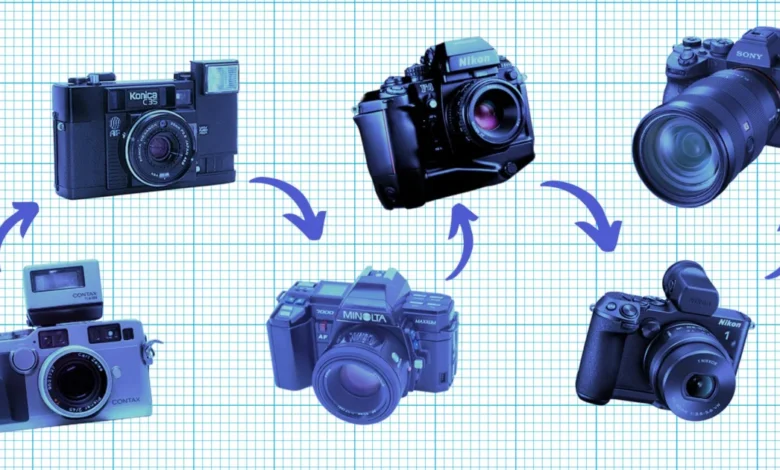
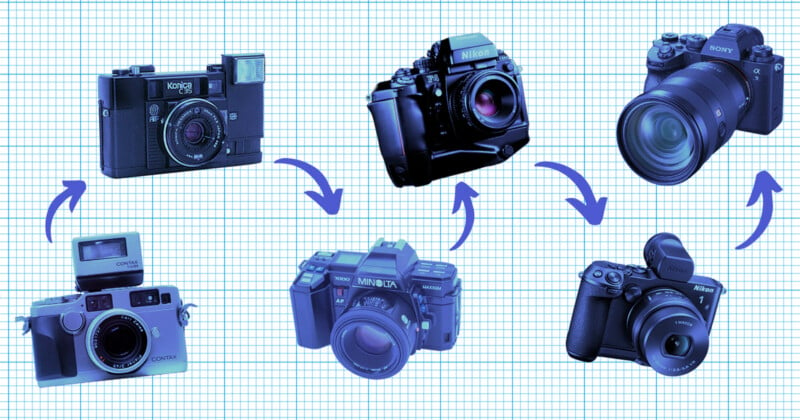
The journey from the earliest autofocus compact cameras to today’s AI-driven mirrorless bodies has been a winding one. Early autofocus systems often employed active infrared or ultrasonic ranging. Film Single-Lens Reflex (SLR) cameras utilized dedicated phase-detection modules. Compact digital cameras frequently relied on contrast detection derived from the imaging sensor. DSLRs refined dedicated AF modules to a high degree of proficiency, while mirrorless cameras ultimately integrated autofocus capabilities directly onto the image sensor itself. Concurrently, lens motors evolved from the often noisy screw-drive systems and geared micromotors to sophisticated ultrasonic, stepping, linear, and voice-coil motors capable of astonishing speed and precision.
Before Autofocus: Manual Focus and Rangefinder Principles
Prior to the advent of automatic focusing, photographers relied on a variety of manual methods. View cameras utilized a ground glass for composition and focusing. Rangefinder cameras employed coupled rangefinder mechanisms, while SLRs featured focusing screens, split-image prisms, and microprisms. Each of these techniques had its merits, but all were fundamentally dependent on the photographer’s judgment and skill.
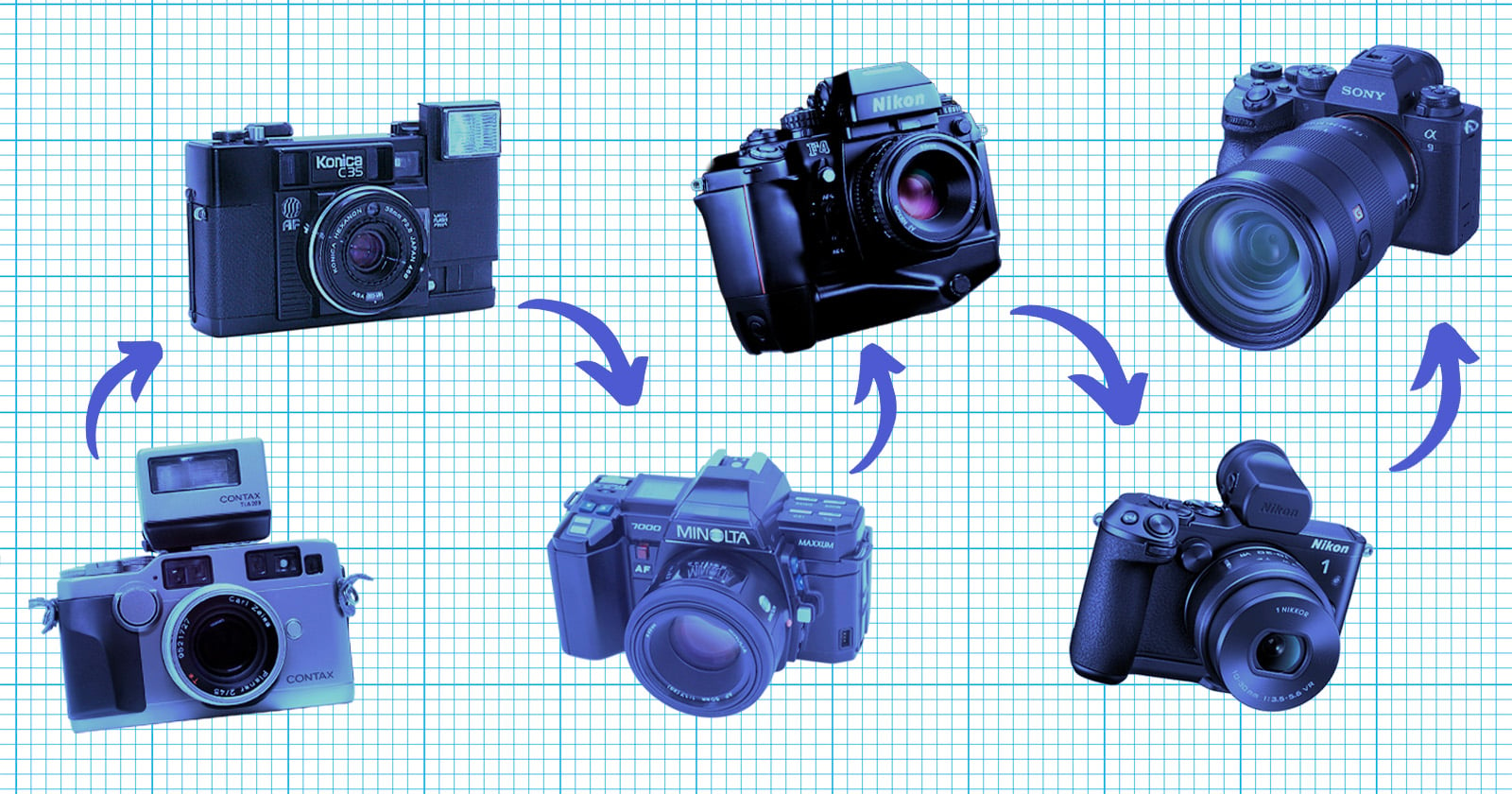
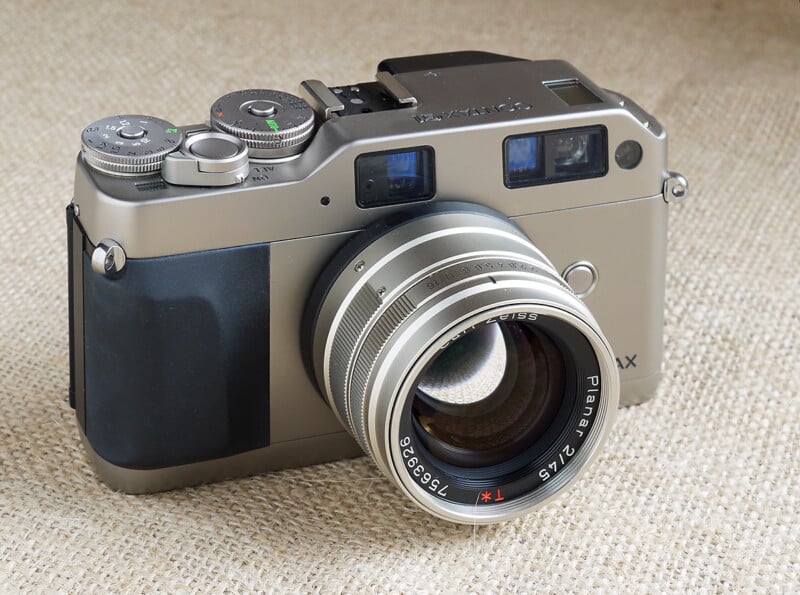
The rangefinder, in particular, holds significant historical importance in the development of autofocus. Many early autofocus concepts were, in essence, automated rangefinders. A traditional coupled rangefinder works by comparing two slightly offset views of the subject. When these two images align perfectly, the lens is focused at the corresponding distance. The photographer visually makes this comparison. An autofocus system can achieve a similar outcome electronically: it compares two images, calculates the discrepancy between them, and adjusts the lens until this discrepancy indicates optimal focus. Indeed, the Contax G1 and G2 cameras are notable examples that implemented this principle, earning them the distinction of being among the world’s only autofocus rangefinder systems.
This fundamental concept—using geometric principles to ascertain focus distance—permeates much of autofocus history. While phase-detection autofocus in SLRs differs from a coupled rangefinder, the underlying logic shares a familial resemblance. The camera analyzes light originating from different portions of the lens and uses observed differences to infer whether the subject is in focus, or if the focus is positioned in front of or behind the subject.
Early Experiments and the Pursuit of Automation
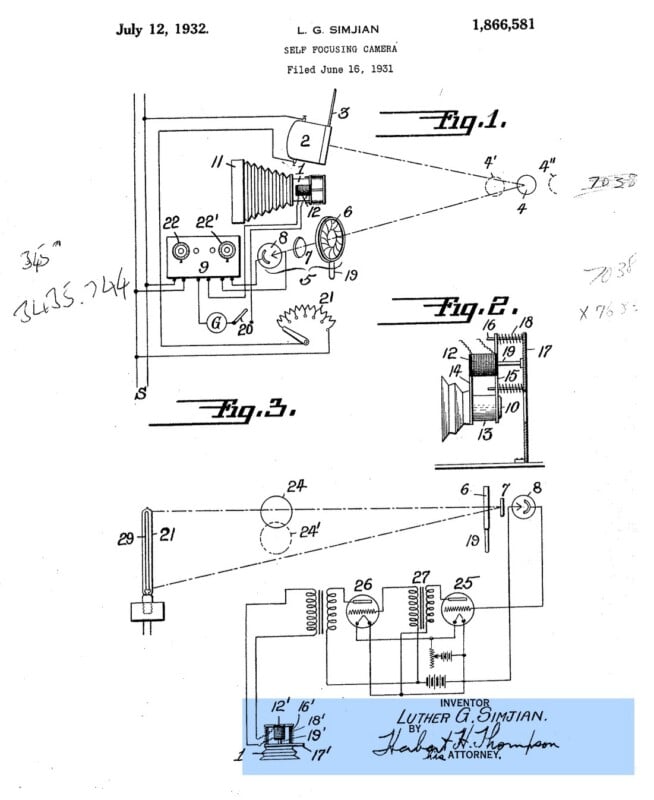
The aspiration to automate the focusing process predates the consumer cameras that would eventually popularize autofocus. Before the post-war drive towards practical autofocus systems, one of the earliest documented autofocus concepts emerged from a 1931 patent filed by Armenian-American inventor Luther George Simjian for a "self-focusing camera." Simjian was already operating at the intersection of photography, automation, optics, and self-portraiture. In 1929, he had patented a "pose-reflecting" photographic apparatus, which evolved into the PhotoReflex: a camera designed for self-photography, allowing the subject to compose their own portrait before the shutter was released. This innovation naturally led him to ponder the next logical question: if a camera could assist a subject in posing without a photographer present, could it also focus itself? His patent for a self-focusing camera, filed in June 1931 and granted in July 1932, did not single-handedly launch the modern autofocus industry, but it stands as a crucial conceptual starting point by framing focus as a parameter a camera’s mechanism could determine, rather than solely a judgment made by a human operator.
By the 1960s and 1970s, several manufacturers were actively experimenting with automated focusing technologies. Leica, for instance, developed and demonstrated autofocus concepts, some of which anticipated later through-the-lens (TTL) focusing methodologies. These prototypes proved the technical feasibility of autofocus, but they were not yet commercially viable.
The core challenge was not merely inventing a focus sensor. A truly successful autofocus system needed to be compact, affordable, reliable, fast, and practical for real-world photographic use. It had to function effectively in less-than-ideal lighting conditions. It needed to minimize battery consumption. Crucially, it had to move the lens with accuracy without making the camera excessively large or fragile. Furthermore, it had to convince photographers that relinquishing manual focus control was not merely a gimmick.
This last point was particularly critical. Professional photographers were not quick to embrace autofocus. Many early systems were perceived as slow, noisy, limited to focusing on the center of the frame, and prone to errors. Experienced photographers had valid reasons to trust their own eyesight and dexterity over nascent electronic systems. Autofocus had to earn its place in the photographer’s toolkit.
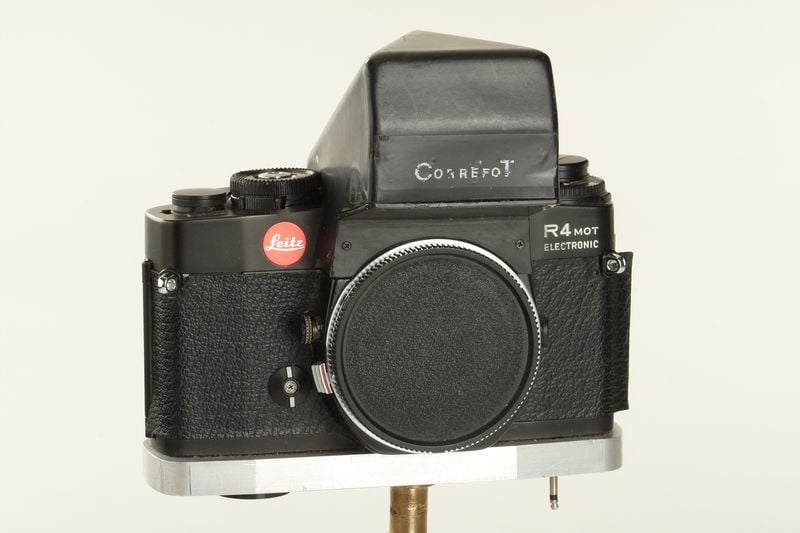
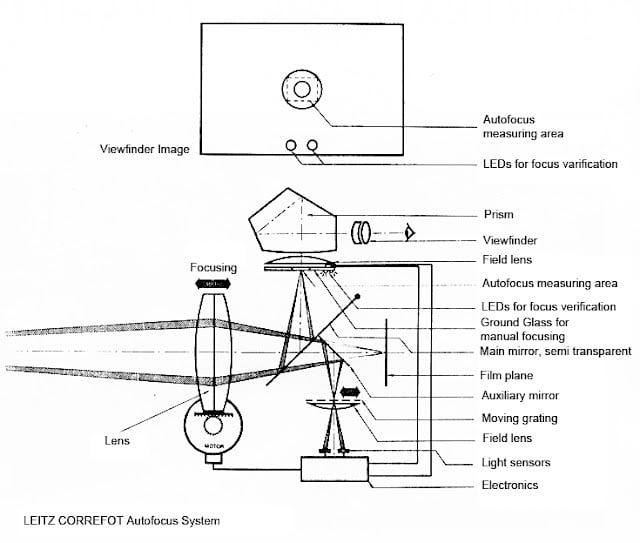
In 1976, Leica produced one of the most renowned pre-commercial autofocus prototypes: the Correfot system, unveiled at Photokina that year. Leica’s prototype incorporated a 50mm lens equipped with a servo motor and a contrast-detection arrangement supplemented by two LEDs positioned above the viewfinder. The system was designed to detect maximum subject contrast and then automatically drive the focusing ring. While it was large and complex, rendering it unsuitable for immediate consumer release, it clearly demonstrated how close the industry was to realizing the modern concept of autofocus: not merely estimating distance, but utilizing image information to enable the camera itself to determine the point of optimal sharpness.
The First Commercial Successes: Compact Autofocus Cameras
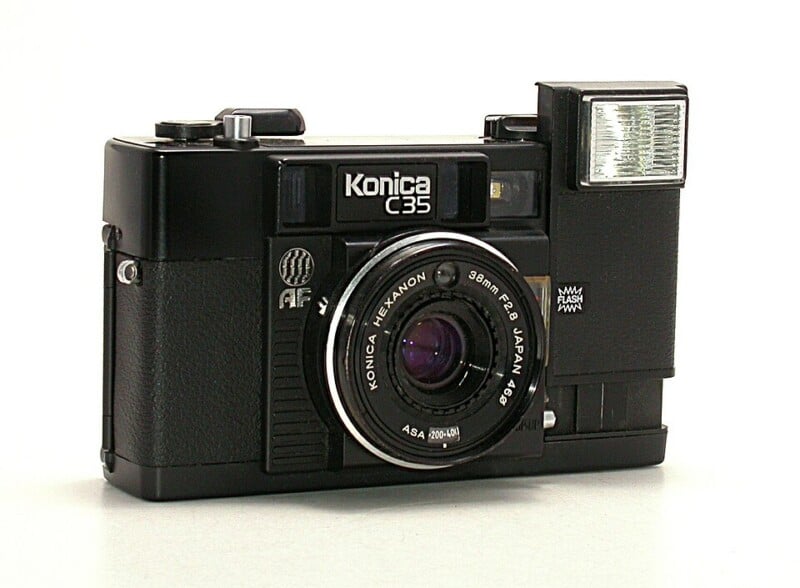
The initial significant breakthrough in autofocus technology did not occur in professional SLRs but rather in compact cameras. The Konica C35 AF, introduced in 1977, is widely regarded as the first commercially successful production autofocus camera. It employed Honeywell’s Visitronic system, which operated by comparing images in a manner analogous to a rangefinder, subsequently setting the lens focus accordingly. This was not through-the-lens autofocus as seen in later SLRs, but it effectively addressed the primary concern for casual photographers: point the camera, press the button, and obtain a reasonably sharp picture.
The significance of the Konica C35 AF should not be underestimated. While not a high-performance professional tool, it unequivocally demonstrated that autofocus held considerable appeal for the mass market. For the average user, manual focusing was not an engaging craft but often a source of missed photographic opportunities. Autofocus transformed the compact camera into a device that was far more aligned with the concept of a true point-and-shoot camera.
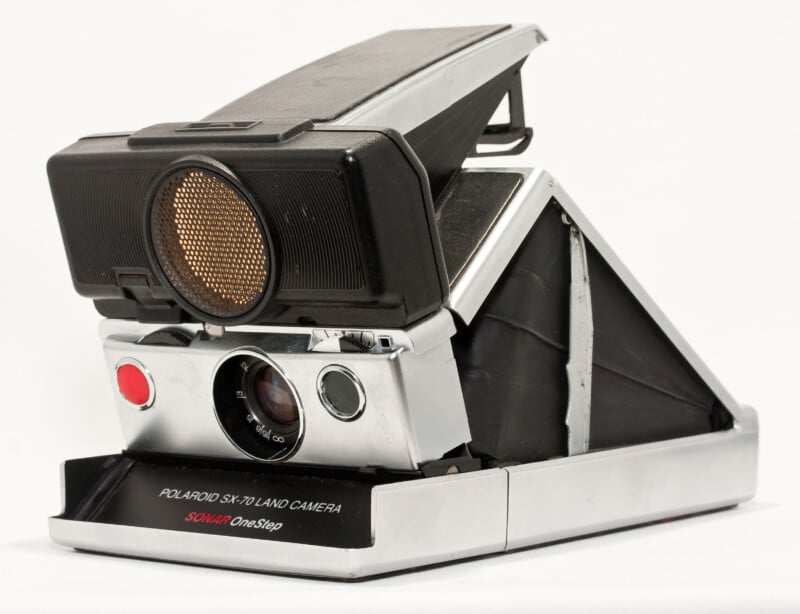
Polaroid also made a substantial early contribution with its sonar autofocus technology. The Polaroid SX-70 Sonar OneStep, launched in the late 1970s, utilized ultrasonic sound pulses to measure distance. The camera emitted a sound pulse, measured the time it took for the echo to return, and then set the focus based on this calculated distance. This represented an active autofocus system: rather than analyzing the visual image, the camera directly measured the subject’s distance.
Sonar autofocus was an ingenious and rapid solution, well-suited to the instant photography format. However, it also highlighted the limitations of active focusing methods. The system could be misled by glass surfaces, intervening obstacles, or subjects that did not reflect the ultrasonic signal as expected. It would measure distance to whatever object returned the pulse, which might not necessarily be the intended subject. Nevertheless, it was a crucial developmental step, proving that autofocus did not need to emulate the human eye and could employ entirely different sensing mechanisms.
Active Autofocus: Infrared, Sonar, and Triangulation
Early compact autofocus systems frequently employed active methodologies. These systems would emit a signal—typically infrared light or ultrasonic sound—into the scene and then measure the returning signal. Some systems utilized triangulation, comparing reflected infrared light from different angles, while others measured time-of-flight, as exemplified by Polaroid’s sonar system.
The primary advantage of active autofocus was its relative simplicity. It did not require the camera to perform complex image sharpness analysis. It could function even when the lens aperture was narrow, limiting the light reaching a sensor. It was also relatively fast for snapshot photography, enabling the camera to measure subject distance and move the lens to a pre-determined position.
The disadvantages, however, were equally apparent. Active AF systems often had limited focus coverage, typically confined to the center of the frame. They could be easily confused by reflective or transparent surfaces, and they might focus on an object situated between the camera and the intended subject. These systems were generally less suitable for telephoto lenses, interchangeable lens systems, and demanding professional photography. Active AF excelled at estimating distance but did not truly evaluate the image that would ultimately be captured.
As cameras grew more sophisticated, passive autofocus methods began to gain prominence. Passive systems utilize light originating directly from the scene, without emitting any external signal. Instead, they analyze the image or the light passing through the lens. Both phase detection and contrast detection are passive autofocus systems, and together they form the foundational technology of modern AF.
The First Autofocus SLRs
Integrating autofocus into 35mm SLRs presented a significantly greater challenge than incorporating it into compact cameras. SLRs are characterized by interchangeable lenses, a reflex mirror mechanism, and a through-the-lens viewing path. Any autofocus system had to be compatible with a wide array of focal lengths, varying maximum apertures, different focusing mechanisms, and diverse optical designs.
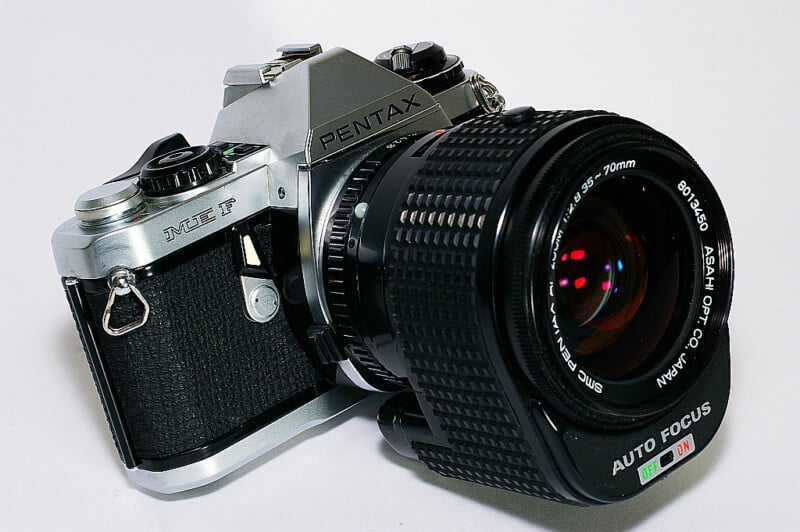
The Pentax ME-F, introduced in 1981, is generally recognized as the first autofocus 35mm SLR. It incorporated focus detection within the camera body but necessitated the use of a specialized motorized zoom lens. Nikon followed suit in 1983 with the F3AF, another transitional camera that adapted a professional manual-focus SLR architecture for autofocus functionality, albeit with the requirement of dedicated AF lenses.
These cameras were historically significant, marking the initial steps toward integrating autofocus into the SLR format. However, they did not represent the moment when autofocus became the dominant paradigm. They were often described as awkward hybrids, demonstrating that autofocus could be applied to an SLR but also revealing that simply retrofitting autofocus onto an existing manual-focus system was insufficient. A truly successful autofocus SLR needed to be conceived and engineered as an integrated AF camera from its inception.
Minolta and the Autofocus SLR Revolution
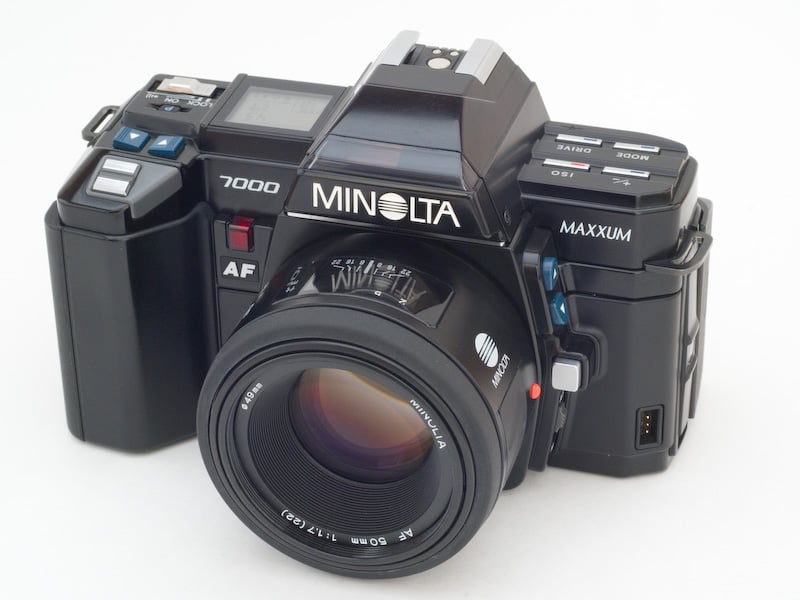
The pivotal breakthrough arrived in 1985 with the introduction of the Minolta Maxxum 7000. This camera was partly built upon technology derived from the Leica Correfot system, which Leitz had licensed to Konica Minolta following its initial demonstration at Photokina.
This camera truly modernized the concept of autofocus. It seamlessly integrated autofocus, autoexposure, motorized film advance, and a novel lens system into a cohesive package. Unlike earlier experimental or transitional AF SLRs, the Maxxum 7000 was not a manual-focus camera with autofocus capabilities added on; it was fundamentally designed as an autofocus camera.
Minolta’s system utilized a motor housed within the camera body to drive the focusing mechanism in compatible lenses. This screw-drive approach allowed for relatively simpler lens construction while enabling the camera body to provide the necessary motor power. The Maxxum system represented a commercial and technological paradigm shift, establishing autofocus as the undisputed future of the SLR market almost overnight.
The Maxxum 7000 also significantly altered the competitive landscape of the camera industry. Minolta, a respected but not dominant player in the professional SLR market, suddenly emerged as the leader in autofocus technology. Nikon, Canon, Pentax, and other manufacturers were compelled to respond rapidly. Autofocus transitioned from being a mere novelty to a systemic requirement.
Nikon’s Autofocus Path: Compatibility and Professional Refinement
Nikon’s approach to autofocus was profoundly shaped by its steadfast commitment to the F-mount system. The company possessed a substantial base of professional users and an extensive lens ecosystem. Abandoning compatibility entirely would have been a high-risk strategy. Instead, Nikon introduced autofocus while striving to maintain as much continuity as possible.
Early Nikon AF SLRs employed body-driven screw-drive autofocus. A motor within the camera body rotated a mechanical coupling that, in turn, moved the focusing elements within the lens. This design allowed many autofocus lenses to remain mechanically linked to the camera body, rather than requiring their own integrated motors. It was a practical and conservative solution, particularly for a company with a valuable professional system to protect.
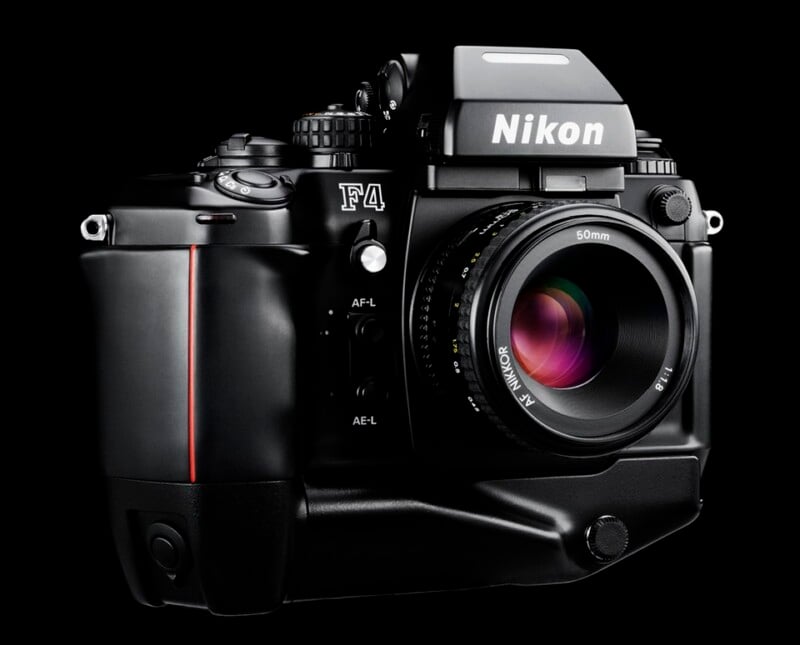
Nikon’s autofocus technology matured through cameras such as the F-501/N2020, F4, and F5. The F4 was particularly noteworthy for bridging the manual and autofocus eras. It supported autofocus while retaining complete compatibility with all manual Nikon lenses, including even pre-AI models. The F5 later represented the pinnacle of professional film SLR technology: boasting a fast motor drive, sophisticated metering, robust construction, and autofocus capabilities suitable for demanding sports, action, and photojournalism applications.
Nikon eventually transitioned to in-lens motors with its AF-I and later AF-S lenses, incorporating Silent Wave Motor (SWM) technology. These lenses offered enhanced speed and quieter operation, especially beneficial for telephoto and professional applications. However, Nikon’s extended reliance on screw-drive autofocus remains a significant example of how legacy lens mounts influenced the trajectory of autofocus development.
Canon EOS and the Fully Electronic Future
Canon made arguably the boldest strategic decision during the autofocus era. After experimenting with autofocus within its FD lens system (notably with the T80 and T90), Canon concluded that its existing mount was not the optimal foundation for future advancements. In 1987, Canon launched the EOS system and the EF mount, representing a decisive break from the past. EF lenses were not mechanically compatible with FD cameras, and FD lenses could not be directly integrated into the new EOS ecosystem.
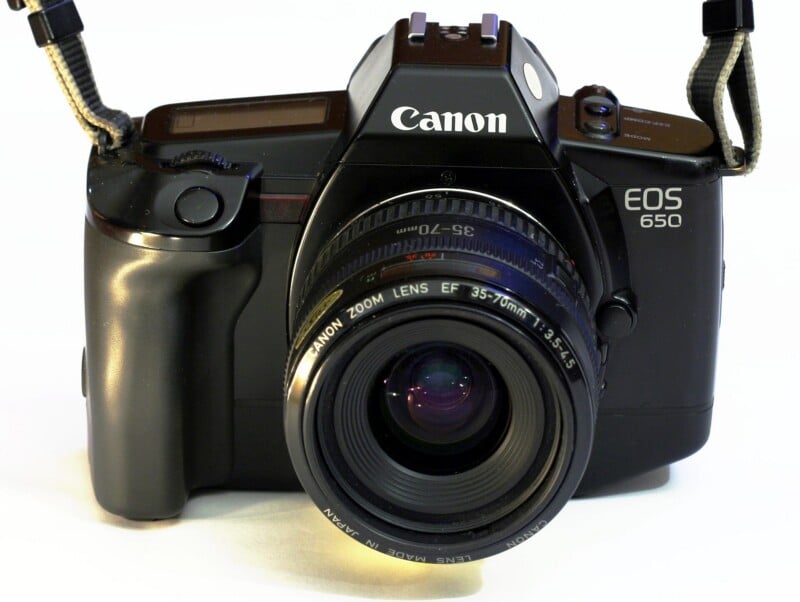
This decision, while alienating some existing Canon users, proved to be technically astute. The EF mount was designed as a fully electronic interface. It eliminated the need for mechanical aperture linkages and mechanical autofocus screw-drive connections. Each EF lens incorporated its own autofocus motor. Beginning with the EOS 650 in 1986, communication between the camera body and the lens became entirely electronic.
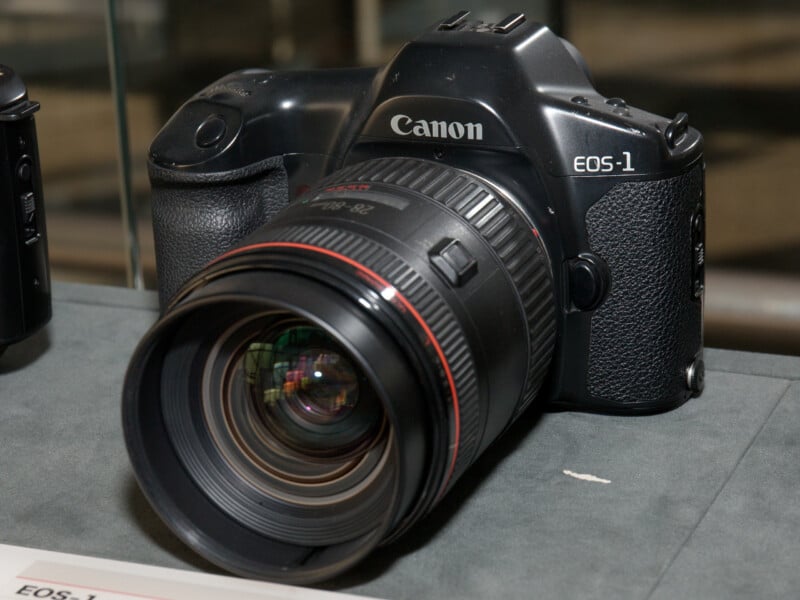
This fundamental shift provided Canon with a substantial long-term advantage. Lens motors could be precisely optimized for each specific lens. Electronic aperture control streamlined communication. The mount design offered ample room for future expansion and innovation. Canon’s professional EF lenses, particularly those featuring ring-type Ultrasonic Motor (USM) technology, quickly gained a reputation for fast, quiet autofocus performance. The EOS-1 series established itself as a dominant professional platform across genres such as sports, wildlife, and photojournalism.
Canon’s deliberate departure from its legacy system foreshadowed the future direction of virtually all major camera manufacturers. Modern mirrorless mounts from Canon, Nikon, Sony, Fujifilm, Panasonic, and others are characterized by their deeply electronic nature. Mechanical couplings have been largely supplanted by continuous data exchange between the lens and body. Autofocus is no longer simply a motor command but a sophisticated dialogue.
How Phase-Detection Autofocus Works
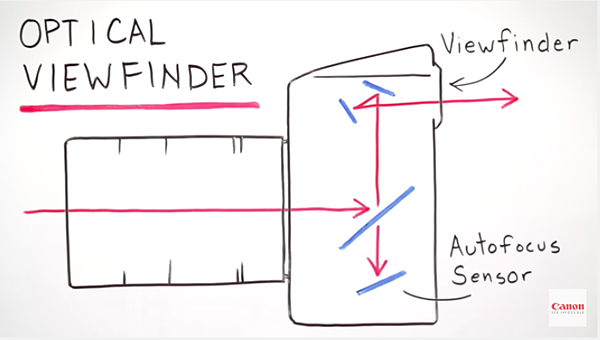
Phase-detection autofocus emerged as the defining technology for film SLRs and DSLRs. In a traditional SLR or DSLR, the main mirror directs most of the light upwards towards the viewfinder. However, a portion of this light passes through a semi-transparent section of the mirror and is directed to a secondary mirror. This secondary mirror then channels the light downwards to a dedicated autofocus module located at the camera’s base.
The AF module receives paired images, each formed by light passing through different segments of the lens. If the subject is in focus, these paired images align perfectly. If they do not align, the system can accurately determine whether the focus is positioned in front of or behind the subject. This ability to ascertain direction is the paramount advantage of phase detection, enabling it to instruct the lens not just that focus is incorrect, but also the specific direction in which to move.
This capability made phase detection significantly faster than traditional contrast detection for action photography. A phase-detection system can command the lens to move directly towards the correct focus point, bypassing the need to hunt back and forth. It can also predict subject motion by analyzing changes in focus distance over time. This predictive capability is why phase detection became indispensable for sports, wildlife, and professional news photography.
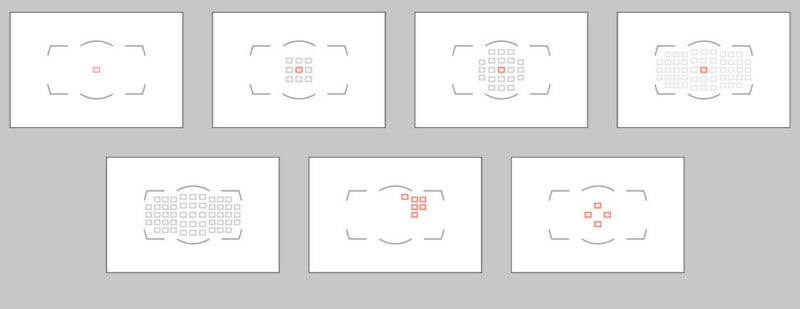
Over time, phase-detection systems evolved to include a greater number of AF points, improved low-light sensitivity, cross-type sensors, and more sophisticated tracking algorithms. A cross-type AF point can detect contrast in both horizontal and vertical orientations, making it more reliable than single-axis points. Some AF points are specifically optimized for lenses with certain maximum apertures, such as f/2.8, where the wider cone of light allows for more precise focus measurement.
The DSLR era represented the zenith of dedicated autofocus modules. Cameras like the Nikon D3, D4, D5, Canon EOS-1D series, and later high-end enthusiast models featured exceptionally sophisticated AF systems. They could track subjects at high frame rates, analyze motion patterns, and coordinate autofocus with metering sensors (known as AF-C on Nikon, Sony, and Pentax, and AI Servo on Canon).
These systems were highly specialized. Professional DSLRs often featured a central cluster of AF points, with the most sensitive points concentrated near the frame’s center. This configuration reflected the physical limitations imposed by the mirror box and the AF module. The dedicated AF sensor could not readily cover the entire image area. Nevertheless, within this central region, advanced DSLR autofocus systems demonstrated astonishing capability.
A significant drawback of these dedicated modules was the potential for calibration errors. The AF module operated on a separate optical path from the imaging sensor. Slight misalignments in the mirror, the AF module’s position, lens calibration, or manufacturing tolerances could lead to front-focusing or back-focusing issues. These problems were particularly noticeable with fast lenses used at wide apertures. DSLR users became familiar with AF micro-adjustment features, designed to compensate for systematic focus errors.
When properly calibrated, DSLR phase detection was superb. However, the system’s reliance on a separate focusing path inherently involved a compromise. Mirrorless cameras would eventually overcome this limitation by performing autofocus directly on the imaging sensor.
Contrast-Detection Autofocus and the Digital Compact Era
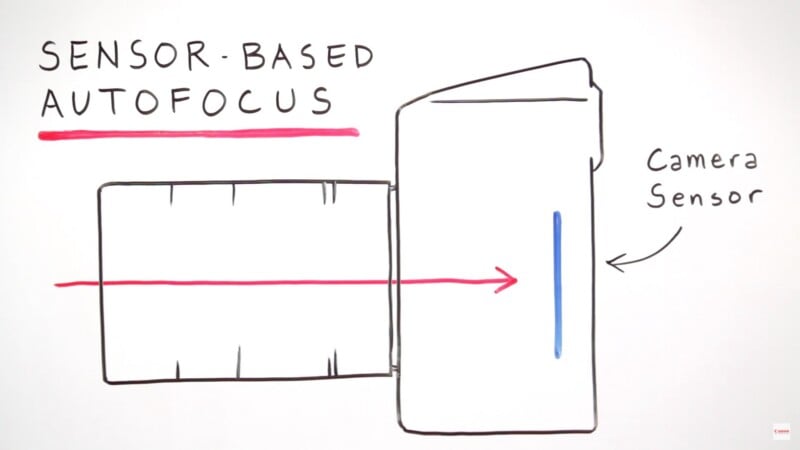
While SLRs and DSLRs predominantly utilized phase detection, digital compact cameras and early mirrorless models frequently employed contrast-detection autofocus. Contrast detection functions by analyzing the image captured on the sensor and seeking areas of maximum contrast. A sharply focused edge exhibits higher local contrast than a blurred one. The camera systematically moves the lens until peak contrast is achieved.
The primary advantage of contrast detection lies in its inherent accuracy. By utilizing the imaging sensor itself, it evaluates the actual image being recorded. This eliminates the need for separate AF module calibration, thereby preventing focus errors arising from mismatched optical paths. If contrast is maximized on the sensor, the subject is precisely in focus on the sensor.
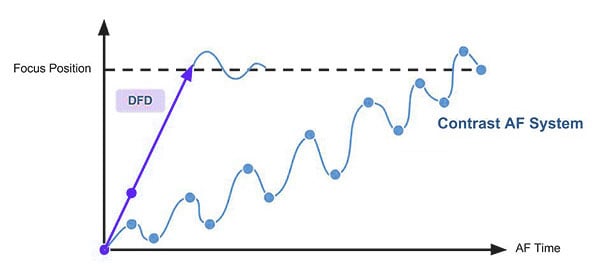
The principal limitation, however, is that contrast detection does not inherently possess directional information. If an image is out of focus, the camera may not immediately know whether the lens should move closer or farther away. It must resort to a trial-and-error process: attempting movement in one direction, assessing if contrast improves, and reversing course if necessary. This results in the familiar "hunting" behavior observed in many compact cameras and early mirrorless devices.
Contrast detection can deliver highly accurate results for stationary subjects, landscapes, product photography, and tripod-based work. However, for moving subjects, particularly those approaching or receding from the camera, traditional contrast detection struggles. It is fundamentally reactive rather than predictive.
Panasonic DFD and Smarter Contrast AF
Panasonic developed a particularly innovative alternative to conventional contrast detection: Depth From Defocus, or DFD. Rather than relying solely on the trial-and-error contrast hunting method, DFD analyzes defocused images and leverages knowledge of the lens’s specific blur characteristics to estimate distance and focus direction.
In essence, Panasonic sought to enhance contrast autofocus by providing the camera with a model of how each compatible lens renders out-of-focus blur. By comparing two images exhibiting different defocus patterns, the camera could estimate the required distance and direction for lens movement. This significantly accelerated single-shot autofocus performance in many Panasonic cameras.
DFD represented a clever technical solution, but it also underscored the industry’s evolving direction. The future clearly belonged to systems capable of determining focus direction directly from the imaging sensor. Most manufacturers eventually adopted on-sensor phase-detection technologies. Panasonic, after maintaining its commitment to DFD in some product lines for an extended period, ultimately integrated phase-detection autofocus into its newer mirrorless models.
On-Sensor Phase Detection and the Mirrorless Breakthrough
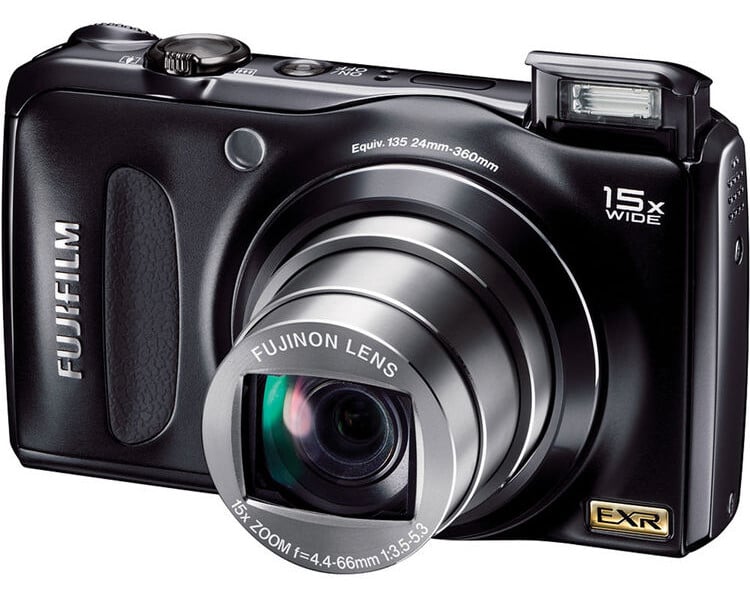
The paramount breakthrough in mirrorless autofocus technology was the widespread implementation of on-sensor phase detection (ONPDAF). Instead of employing a separate AF module situated beneath a reflex mirror, cameras began integrating phase-detection pixels directly onto the imaging sensor. These pixels enable the camera to ascertain focus direction while simultaneously evaluating focus at the actual image plane. The Fujifilm FinePix F300EXR, released in 2010, is widely credited as the first camera to feature this technology, utilizing a unique SuperCCD sensor design with dedicated photosites for phase-detection autofocus.
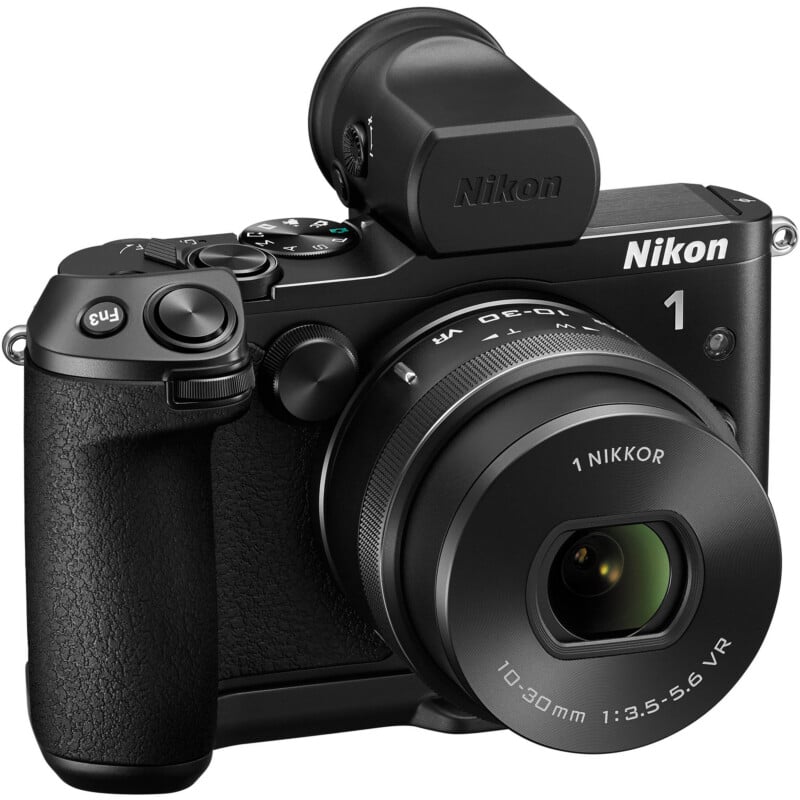
The following year, Nikon introduced its Nikon 1 series of mirrorless cameras, which offered remarkably high performance for their time. The ONPDAF implemented in the Nikon 1 V1 made it the first interchangeable-lens camera (ILC) to incorporate this feature. In 2012, Sony released the NEX-5R, and subsequently, Sony cross-licensed its patent portfolio with Aptina, the developer of the Nikon 1 sensors.
On-sensor phase detection autofocus effectively resolved two significant challenges simultaneously. Firstly, it endowed mirrorless cameras with the directional speed characteristic of phase detection. Secondly, it eliminated the calibration issues inherent in DSLRs, as autofocus was now measured on the same sensor that recorded the image. This removed the need for mirror alignment and separate AF modules, thereby preventing front-focus or back-focus errors caused by misaligned optical paths.
Early on-sensor phase-detection systems were not without their imperfections. They could exhibit limited coverage, occasional striping artifacts in extreme conditions, reduced performance in low light, or less robust tracking compared to professional DSLRs. However, these systems improved rapidly. As sensor readout speeds increased and processors became more powerful, mirrorless autofocus transitioned from being merely adequate to exceptionally capable.
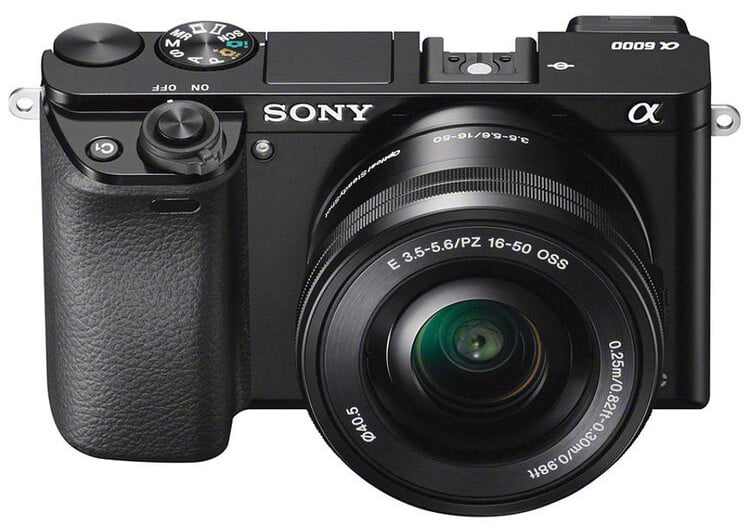
Sony played a pivotal role in popularizing high-performance mirrorless autofocus, particularly with its Alpha series. Cameras such as the Sony a6000 (widely regarded as the best-selling mirrorless camera of all time, still in production over a decade after its release), Sony a9, Sony a7 III, and later the Sony a1, demonstrated that mirrorless cameras could not only rival DSLRs but, in certain aspects, surpass them.
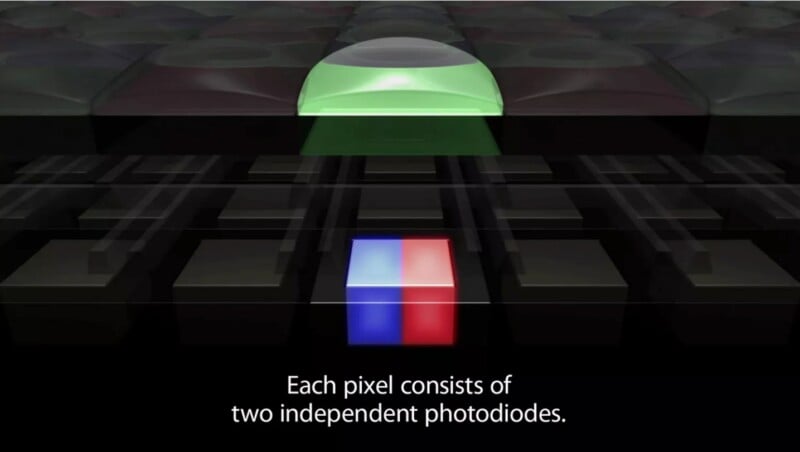
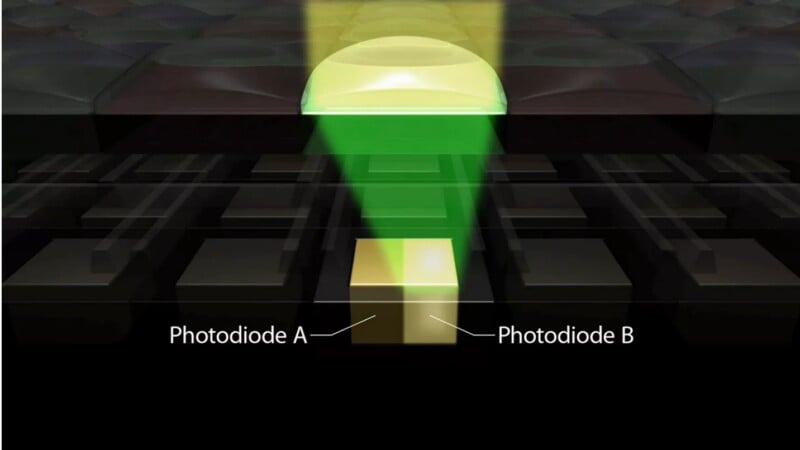
Canon’s Dual Pixel CMOS AF, first introduced in July 2013 with the EOS 70D, represented another significant advancement. This technology, unique to Canon, utilized paired photodiodes within each pixel, enabling smooth, confident phase-detection autofocus for both still photography and video recording.
Dual Pixel AF proved particularly advantageous for videographers, as it delivered natural focus transitions without the distracting hunting behavior often associated with contrast detection. DPAF alone made cinema cameras like the Canon C200, C300 Mark II and III, and hybrid stills/video models such as the 5D Mark IV, 90D, and 1DX Mark III, highly popular choices for documentary and reality television productions. Their advanced ability to smoothly track subjects represented a significant leap in on-set focus capabilities at the time.
Face Detection, Eye Detection, and Subject Recognition
Once autofocus capabilities were integrated onto the imaging sensor, cameras gained the ability to perform more sophisticated analyses of the scene beyond mere focus measurement. Face detection was an early iteration of this trend. Instead of requiring the photographer to manually place an AF point over a face, the camera could automatically identify faces within the frame and prioritize them for focus.
Eye detection represented an even more significant advancement. With the advent of fast lenses and high-resolution sensors, focusing solely on the face was sometimes insufficient. At apertures like f/1.2 or f/1.4, the subtle differences between eyelashes, iris, and ear could become apparent. Eye AF revolutionized portrait photography by enabling the camera to directly identify and track a subject’s eye. This greatly enhanced the reliability of shallow-depth-of-field portraiture, especially with mirrorless cameras where AF points could cover a much larger portion of the frame.
Modern cameras push these capabilities further, now capable of recognizing a wide array of subjects, including humans, animals, birds, insects, cars, motorcycles, trains, and airplanes. This is often referred to as "AI autofocus," although "machine learning" might be a more precise descriptor, given the frequent demonization of "AI" in the wake of generative AI models. In practical terms, cameras have been trained to identify subject patterns and prioritize focus accordingly.
This represents a profound philosophical shift in autofocus technology. Traditional autofocus systems asked: "Is the selected area sharp?" Modern autofocus systems inquire: "What is the subject, where is its most critical part, how is it moving, and where will it be positioned at the moment of exposure?"
Predictive Autofocus and Continuous Tracking
Continuous autofocus represents one of the most formidable challenges in camera design. A subject moving directly towards the camera necessitates constant adjustments to focus distance. If the camera only registers the subject’s position from a fraction of a second prior, the resulting photograph may lack sharpness. The system must accurately predict the subject’s location at the precise moment the shutter opens.
Film SLRs and DSLRs developed sophisticated predictive AF algorithms specifically for sports and action photography. The camera repeatedly measured focus distance, calculated the subject’s speed and direction of movement, and then commanded the lens to move to a predicted position. This became an indispensable feature for high-speed motor drives.
Mirrorless cameras introduced new possibilities by leveraging the imaging sensor’s capacity to provide more data more frequently. A modern camera can integrate phase-detection data, subject recognition information, gyro data, lens position feedback, and extensive image analysis. This allows it to track a subject across a substantial portion of the frame, moving beyond the limitations of central AF-point clusters.
The practical implication of these advancements is that modern autofocus systems are less dependent on the photographer’s ability to meticulously maintain a single AF point on the subject. While the photographer’s role remains crucial, the burden has shifted. Instead of manually holding focus, the photographer now selects AF modes, subject types, tracking sensitivity, and composition, while the camera manages much of the intricate mechanical execution.
Autofocus Lens Technology
Screw-Drive Systems
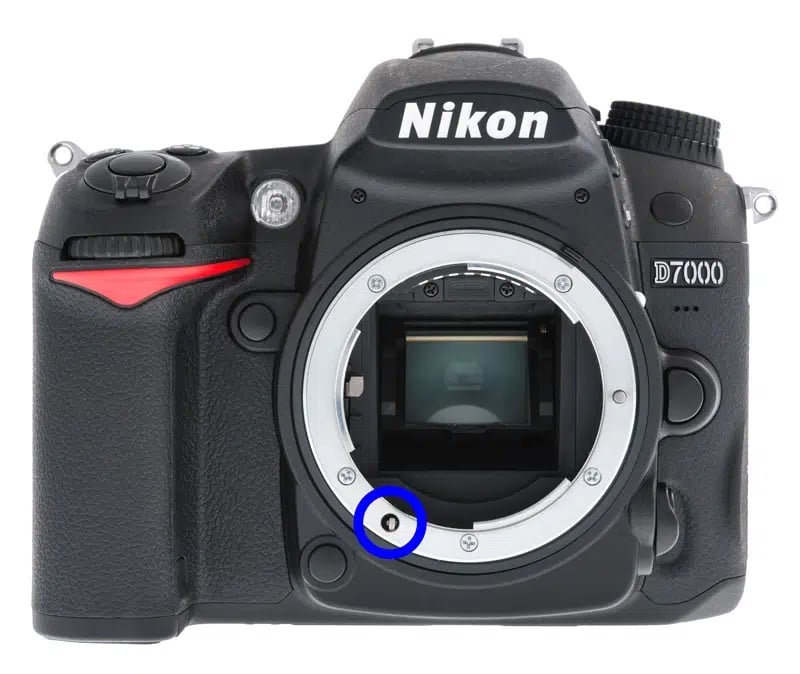
The evolution of autofocus motors is as critical to understanding AF history as the development of AF sensors. Early SLR autofocus systems frequently employed screw-drive mechanisms. In a screw-drive setup, the motor is housed within the camera body. A mechanical shaft or coupling then drives a screw mechanism within the lens, causing the focusing elements to move.
Screw-drive autofocus offered distinct advantages. It kept lenses relatively inexpensive and simpler in design. It allowed manufacturers to integrate autofocus into camera bodies while preserving a degree of compatibility with existing lens mount architectures. Furthermore, with appropriate body and lens combinations, it could achieve impressively fast focusing speeds.
However, screw-drive AF was inherently noisy and mechanically constrained. The camera body’s motor had to drive a diverse range of lenses, each with different focusing masses. Achieving fine control was more challenging. The system was not ideally suited for video applications, where smooth and silent focusing is paramount. Screw-drive autofocus represents a transitional technology from the mechanical-electronic era: effective and sometimes remarkably fast, but lacking the elegance of modern solutions.
Micromotors and Geared Lens Motors
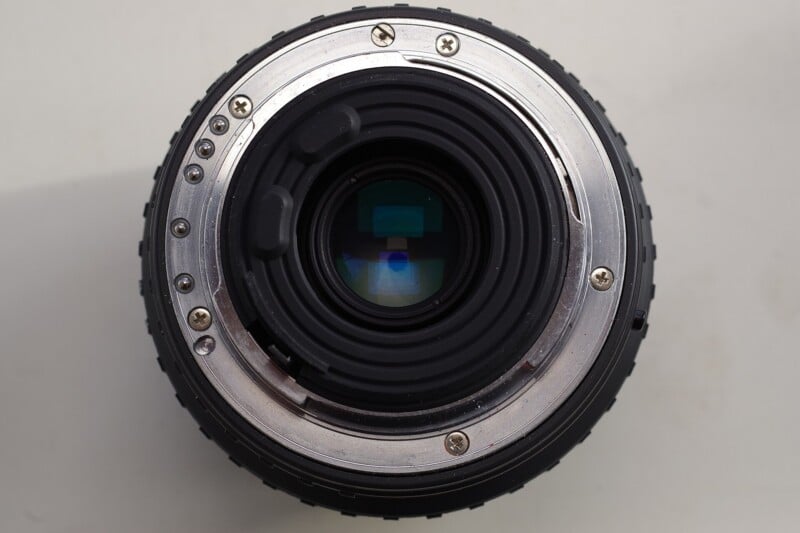
Another early approach involved incorporating in-lens micromotors. These compact DC motors utilized gears to actuate the focusing elements. They were commonly found in consumer autofocus lenses due to their affordability and ease of integration.
Lenses equipped with micromotors were often slower and noisier than professional ultrasonic lenses. Manual focus operation could also feel less refined. Nevertheless, they played a vital role in making autofocus accessible to a broader market. Not every lens required a sophisticated ring-type ultrasonic motor. For basic kit zooms and economical prime lenses, geared micromotors provided an adequate solution.
Even today, some lower-cost lenses incorporate relatively simple motor systems. However, user expectations have evolved. Modern consumers increasingly demand quiet focus operation, compatibility with video recording, and precise continuous AF. This trend has driven even consumer-oriented lenses towards adopting stepper or linear motors.
Ultrasonic Motors
Ultrasonic motors—a type of piezoelectric motor—represented a significant advancement in autofocus actuation. Canon’s USM, Nikon’s SWM, Sigma’s HSM, Tamron’s USD, and similar technologies employ high-frequency vibrations to generate motion. Ring-type ultrasonic motors, in particular, became crucial in professional lenses, offering a combination of speed, quiet operation, and power.
A well-designed ring-type ultrasonic motor can rapidly move large focusing elements. It also enables full-time manual focus override, allowing photographers to adjust focus manually without disengaging the autofocus system. This feature became a hallmark of professional autofocus lenses.
Ultrasonic motors proved especially beneficial for telephoto lenses. Sports and wildlife photographers require rapid focusing capabilities, particularly when dealing with large optical elements. While body-driven screw systems could function, in-lens ultrasonic motors allowed the lens itself to be optimized for these demanding applications.
For many photographers, the advent of ultrasonic motors signaled the point at which autofocus transitioned from a consumer convenience to an essential professional tool.
Stepping Motors
Stepping, or stepper, motors have become increasingly prevalent with the rise of live view and mirrorless cameras. A stepper motor moves in precise increments, making it well-suited for smooth, controlled focus transitions. Canon’s STM lenses and Nikon’s AF-P lenses are prominent examples of this technology.
While stepper motors may not always offer the absolute fastest performance for high-end sports photography, they are typically quiet, compact, and capable of exceptionally smooth operation. This makes them highly valuable for video applications. In video recording, focus behavior is assessed differently than in still photography. A stills lens can snap into focus abruptly and still be considered excellent. However, a video lens, or a hybrid lens designed for both, must avoid visible hunting, pulsing, or sudden jumps during focus transitions.
The proliferation of hybrid stills/video cameras has significantly influenced autofocus motor priorities. Photographers require speed, while videographers demand smoothness and silence. Modern lens design must often satisfy both sets of requirements.
Linear Motors, Voice-Coil Motors, and Modern Mirrorless Lenses
Modern mirrorless lenses increasingly incorporate linear motors, voice-coil actuators, and other electromagnetic focusing systems that represent a departure from older SLR and DSLR autofocus mechanisms. In many earlier lenses, the motor generated rotational movement, which was then translated into linear motion via gears, cams, helicoids, or threaded mechanisms. Essentially, autofocus often functioned by motorizing a version of the same mechanical motion used in manual-focus lenses.
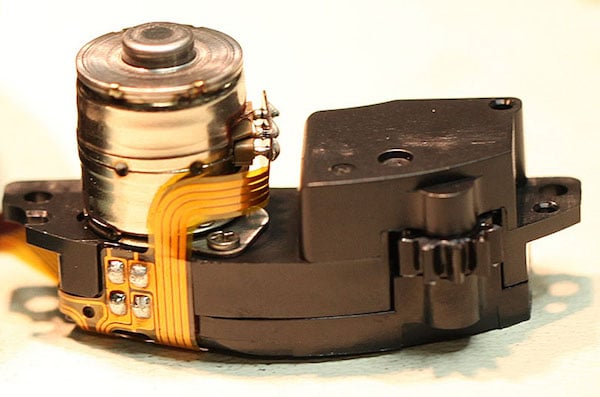
Linear and voice-coil systems (VCM technology, similar to that used in smartphones, is also employed) offer a more direct approach. Instead of rotating a helicoid, an electromagnetic actuator moves a focusing group forward or backward along guides or rails. The fundamental principle is analogous to a loudspeaker’s voice coil: controlled electrical current interacts with magnets to produce motion. In a lens, this motion precisely moves a small optical group along the optical axis. This design can reduce mechanical complexity, backlash, gear noise, and the inertia associated with older drive systems.
This direct movement is particularly advantageous for mirrorless autofocus. Modern cameras perform constant, minute focus corrections using on-sensor phase detection, contrast confirmation, subject tracking, eye detection, and video AF algorithms. The lens must be capable of rapid movement, precise stopping, instantaneous direction reversal, and settling without overshoot. Linear motors are exceptionally well-suited to this type of rapid, repeated adjustment. They are also typically very quiet, a factor of increasing importance as still cameras are now expected to perform as serious video cameras.
These systems also afford optical designers greater flexibility. Instead of moving a large front group or an entire optical block, many modern lenses move one or more small internal focusing groups. Some high-end lenses utilize multiple motors to control different groups independently, enhancing close-focus performance, reducing aberrations, or maintaining sharpness across the focus range. In these sophisticated designs, autofocus is not merely an add-on to the optical formula; it becomes an integral component of the lens’s overall optical performance.
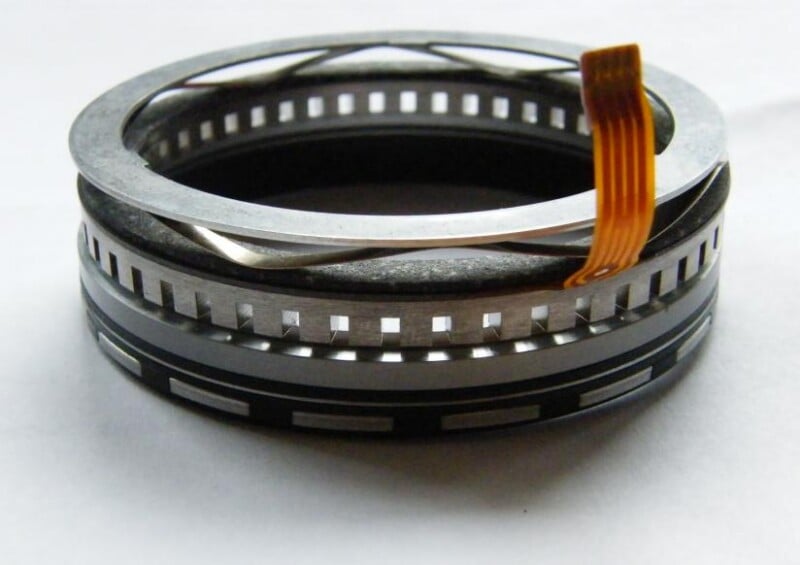
There are, of course, trade-offs. Linear and voice-coil systems rely on precision guides, position sensors, magnets, coils, flex cables, and advanced firmware. A "linear motor" is not inherently superior to a ring-type ultrasonic motor in every lens; execution is paramount. A well-designed ultrasonic telephoto lens can still deliver excellent performance, while a poorly implemented linear system might prove fragile, inconsistent, or difficult to repair.
The overarching point is that modern autofocus performance is now a collaborative effort between the camera body and the lens. The camera identifies the subject, measures focus error, predicts motion, and transmits commands; the lens then precisely moves its focusing group with extreme accuracy and speed. Without fast, quiet electromagnetic motors, the most advanced mirrorless AF algorithms would be unable to translate their intelligence into sharp photographs.
From Focusing Aid to Photographic Intelligence
The history of autofocus is, in essence, the story of cameras becoming increasingly aware of the scenes before them. Early systems merely estimated distance. SLR phase detection evolved to identify focus direction. Contrast detection utilized the imaging sensor to confirm sharpness. On-sensor phase detection combined speed and accuracy. Subject recognition introduced semantic understanding: moving beyond "is this sharp?" to "this is the eye," "this is the bird," "this is the car," or "this is the person the photographer most likely wants in focus."
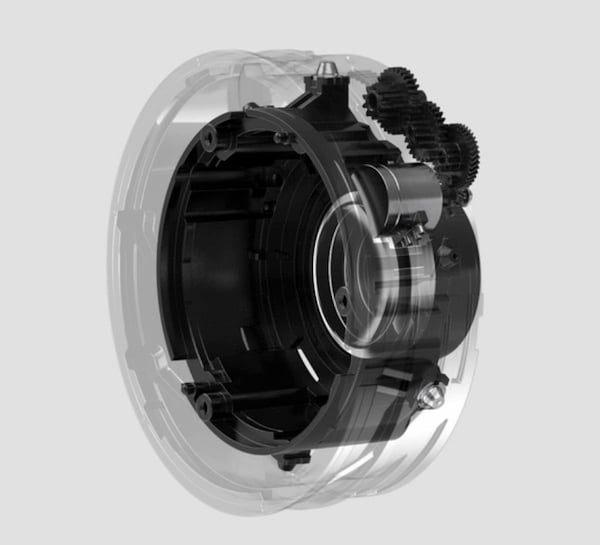
Autofocus began as a convenience for individuals who preferred not to engage in manual focusing. It subsequently evolved into a professional necessity for sports and action photography. Today, it stands as one of the central arenas of competition in camera design. The most advanced autofocus systems do not simply move glass elements rapidly; they interpret the image, anticipate future events, and collaborate intelligently with the photographer’s intent.
Manual focus remains a valuable technique, essential for certain cinematic applications, macro photography, technical imaging, and deliberate creative practice. However, autofocus has undeniably become one of the defining achievements of modern camera engineering. It has transformed focusing from a purely mechanical act into an electronic, optical, computational, and increasingly intelligent process. The camera has not superseded the photographer’s eye, but it has become far more adept at assisting that eye in achieving absolute sharpness.