Multicultural Elegance in Lake Como: The Union of Zhe and Shankar Blends Chinese, Indian, and American Traditions

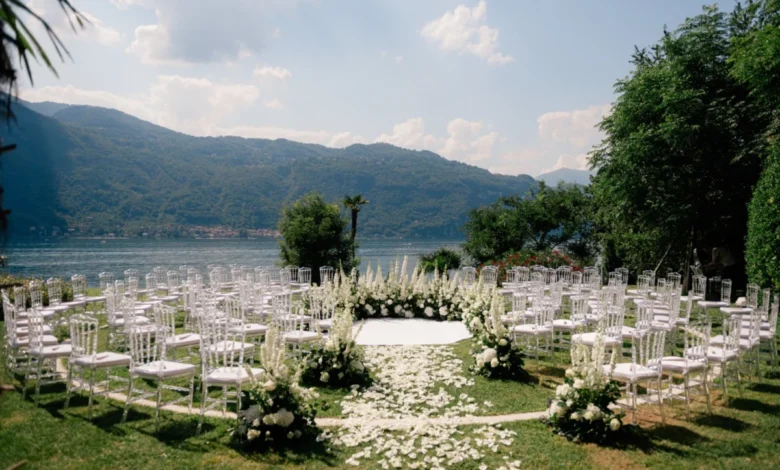
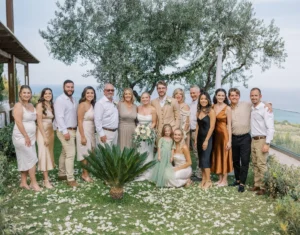
The shores of Lake Como, long regarded as the pinnacle of Italian luxury and romance, recently served as the backdrop for a sophisticated multi-day wedding celebration that harmoniously integrated Chinese, Indian, and American cultural heritages. Zhe and Shankar, a couple based in New York City, orchestrated a series of events at the prestigious Villa Lario del Mandello and Lido di Lenno, showcasing a growing trend in the luxury travel sector: the high-production, multicultural destination wedding. Captured by the photography firm ManiSol Wedding, the celebration was not merely a personal milestone but a complex logistical feat that required over two years of planning and the coordination of international vendors to bring a vision of "modern and light-hearted" tradition to life.

A Foundation in New York: The Couple’s Journey
The union of Zhe and Shankar began in the professional sphere of New York City in 2017. Initially forming a bond as colleagues and friends, the couple’s relationship evolved through shared interests in athletics, global travel, and the vibrant cultural landscape of Manhattan. Their shared affinity for live sporting events and tennis became the cornerstone of their early relationship, leading to a deep partnership rooted in mutual respect for their diverse backgrounds.
The path to the altar was formalized in April 2021 during a getaway to Newport, Rhode Island. Shankar chose the Castle Hill Inn—a historic location renowned for its views of the Atlantic and passing sailboats—as the site for his proposal. This choice of location, emphasizing maritime beauty and classic elegance, would later influence the aesthetic direction of their wedding in Italy.

Strategic Planning in a Global Context
Planning a destination wedding of this magnitude requires significant lead time and local expertise, particularly when navigating the complexities of international travel and diverse cultural requirements. The couple enlisted Zaira of "I Do in Lake Como" to manage the intricate details. Because the planning process began during the constraints of the COVID-19 pandemic, the couple was forced to select their venues virtually—a testament to the increasing reliance on digital site tours and the reputation of the Lombardy region’s hospitality infrastructure.
The selection of Villa Lario del Mandello was strategic. The venue offered a customizable experience and a unique architectural feature: a natural cave that served as the location for the event’s after-party. For the more traditional elements of the weekend, the couple chose Lido di Lenno, a venue that provided the necessary lakeside proximity for a dramatic water-based entrance.

Chronology of a Two-Day Celebration
The wedding was structured as a two-day event, allowing sufficient time to honor specific cultural rites without compromising the flow of the celebration.
Day One: The Hindu Ceremony and the Waterborne Baraat
The first day was dedicated to Shankar’s Indian heritage. The day commenced with the Haldi ritual, a traditional ceremony where a paste of turmeric, oil, and water is applied to the groom by family members to bless the union.

The highlight of the afternoon was the Baraat, the groom’s wedding procession. In a creative adaptation of tradition to the local geography, Shankar arrived at Lido di Lenno via a luxury boat across Lake Como. This "water-baraat" replaced the traditional horse or elephant, blending the grandeur of Indian custom with the iconic nautical culture of Northern Italy. The ceremony itself featured a circular seating arrangement, a modern design choice that fostered a sense of intimacy and inclusion among the guests.
Day Two: The Symbolic Ceremony and Cultural Synthesis
The second day focused on a symbolic ceremony that mirrored American wedding traditions while incorporating elements of the couple’s personal story. The day began with a relaxed morning; the bridal party enjoyed a traditional Italian meal of spaghetti and champagne at the villa, a moment of levity before the formal proceedings.

During the symbolic ceremony, the couple exchanged personal vows that emphasized their daily commitment to one another. The evening transitioned into a high-energy reception featuring live jazz and DJ remixes. As the night reached its crescendo, the couple incorporated a tribute to Zhe’s Chinese heritage. Zhe and her mother appeared in traditional Qipaos, a symbolic gesture honoring their ancestry. The night concluded with a music-synchronized fireworks display over the lake, a hallmark of luxury events in the region.
Sartorial Choices and Aesthetic Design
The fashion of the weekend was a deliberate reflection of the cultural synthesis. For the symbolic ceremony, Zhe wore a Monique Lhuillier gown characterized by a sculptural shape and a minimalist, elegant neckline. The choice reflected a modern American bridal aesthetic, focusing on silhouette and craftsmanship.

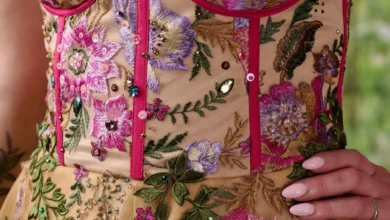
In contrast, for the Hindu ceremony, Zhe opted for an ivory lehenga by renowned Indian designer Anita Dongre. The garment featured intricate floral embroideries that were selected to complement the "lake and beach" atmosphere of the venue. Shankar’s attire was equally considered; he wore a custom-made dark navy tuxedo from Suit Supply, paired with Belgian shoes, maintaining a classic professional aesthetic that transitioned seamlessly between the various cultural segments of the wedding.
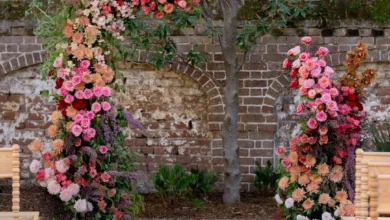
The floral arrangements, designed by Barbara Botta Fiori, utilized a vibrant color palette to bridge the gap between the romanticism of the Italian landscape and the bold colors traditionally associated with Indian celebrations. The design focused on creating an atmosphere that was "romantic and elegant" while remaining grounded in the natural beauty of the Mandello del Lario area.

Data and Context: The Destination Wedding Market in Italy
The wedding of Zhe and Shankar represents a significant sector of the Italian tourism economy. According to data from the Destination Weddings in Italy Observatory, the market for international weddings in Italy reached a value of approximately €599 million in recent years, with the Lombardy region—specifically Lake Como—consistently ranking as one of the top three most sought-after destinations.
Multicultural or "fusion" weddings are an increasing subset of this market. Industry analysts note that couples from the United States, particularly those from diverse ethnic backgrounds, are increasingly seeking destinations that can accommodate complex, multi-day itineraries. The average expenditure for a high-end destination wedding in Lake Como can exceed €2,000 per guest, contributing significantly to local luxury hospitality, floral, and transportation sectors.

Professional Analysis of the Event’s Execution
From a logistical perspective, the success of the Zhe-Shankar wedding can be attributed to three factors:
- Vendor Synergy: The collaboration between the local planner (I Do in Lake Como) and the photography team (ManiSol Wedding) ensured that the logistical hurdles—such as the boat-based Baraat—were not only executed safely but were also documented with high production value.
- Cultural Fluidity: Rather than treating the different traditions as separate silos, the couple integrated them through design. The circular seating for the Hindu ceremony and the Qipao presentation during an otherwise Western-style reception allowed for a seamless narrative of their combined identities.
- Venue Versatility: The use of Villa Lario’s natural cave for an after-party demonstrates a trend toward "experiential" wedding planning, where venues are selected for their ability to provide distinct environments for different phases of the event.
Official Reactions and Broader Implications
While the couple’s reflections were centered on the joy of bringing global friends and family together after the isolation of the pandemic, the broader implications for the wedding industry are clear. The "destination fusion wedding" is no longer a niche market but a standard for high-net-worth individuals who view their nuptials as a global summit of family, culture, and luxury.

The ability of Lake Como’s vendors to adapt traditional Indian rituals (like the Baraat) or Chinese customs (like the Qipao presentation) to the Italian landscape reinforces the region’s status as a global leader in the luxury event space. As international travel continues to stabilize, the demand for such high-complexity, culturally rich celebrations is expected to grow, further cementing the bond between heritage and the global luxury travel industry.
In the end, the marriage of Zhe and Shankar was more than a union of two individuals; it was a sophisticated display of how modern couples are rewriting the rules of tradition, using the world’s most beautiful landscapes as a canvas for their unique, multicultural identities.