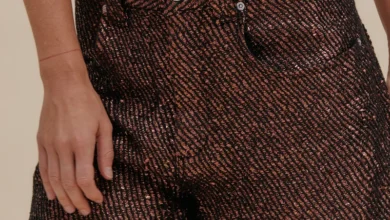
Beyond Yoga Embraces Lifestyle Transformation, Driving Robust Growth Beyond Its Activewear Roots


Beyond Yoga, the 21-year-old activewear brand, is increasingly living up to the broader implications of its name, successfully transitioning from a specialized yoga apparel provider to a comprehensive active lifestyle brand. This strategic evolution, significantly accelerated since its acquisition by Levi Strauss & Co. in 2021, has seen the company diversify its product offerings well beyond its foundational leggings and sports bras, yielding impressive financial results and repositioning it within the competitive global apparel market.
A Strategic Pivot: From Niche to Lifestyle Powerhouse
Founded in 2005, Beyond Yoga initially carved a niche for itself with its premium, comfortable activewear, particularly known for its proprietary Spacedye fabric. For years, the brand was synonymous with high-quality yoga attire, cultivating a loyal customer base, predominantly in regions with mild climates like its hometown of Los Angeles. However, this focused approach also presented limitations, confining its market reach and growth potential.
The pivotal shift gained significant momentum following its acquisition by Levi’s in August 2021 for an estimated $400 million. This move was part of Levi’s broader strategy to diversify its portfolio, reduce reliance on its core denim business, and tap into the burgeoning, yet increasingly competitive, premium activewear and casual lifestyle segments. Levi’s recognized Beyond Yoga’s strong brand equity, loyal customer base, and significant growth potential, especially if expanded beyond its core offerings.
When Nancy Green assumed the role of CEO in 2024, the brand’s profile was notably concentrated. Green reported that a striking 90% of the business was centered on Spacedye, with leggings dominating sales. This highly specialized product mix, while indicative of a strong core, also highlighted an untapped opportunity for broader market penetration. Green’s mandate was clear: to leverage Beyond Yoga’s established reputation for comfort and quality and translate it into a wider array of lifestyle products. "We wanted to be an active lifestyle brand, and we started to think, ‘What are the items we need to build into that?’" Green explained, articulating the strategic imperative behind the brand’s transformation.
Accelerated Diversification and Product Innovation
Over the past two years, Beyond Yoga has embarked on an aggressive expansion of its product categories, moving deliberately beyond the confines of traditional activewear. This diversification includes significant forays into knitwear, outerwear, dresses, jumpsuits, and even children’s clothing. Complementing these new apparel lines, the brand has also introduced a wider range of materials, incorporating linen, wool, and fleece into its collections. This move reflects a conscious effort to cater to diverse climates, activities, and consumer needs, broadening its appeal far beyond the yoga studio.
A critical factor enabling this rapid expansion has been the strategic leveraging of Levi Strauss & Co.’s extensive global supply chain and infrastructure. This access has provided Beyond Yoga with the necessary operational backbone—from sourcing and manufacturing to logistics and distribution—to launch new categories at an accelerated pace, a capability that would have been far more challenging as an independent brand. Furthermore, the brand has bolstered its internal capabilities by hiring new designers and product development experts, bringing in specialized experience in these varied categories to ensure authenticity and quality.
The geographic rationale behind this diversification is equally significant. While Beyond Yoga’s initial product range perfectly suited the mild, stable climate of Los Angeles, its largest market is, in fact, New York City. Recognizing the distinct seasonal demands of such markets, the brand has developed products like puffer jackets and thick fleece sweaters, which cater to colder weather and broader lifestyle requirements, thereby expanding its addressable market and deepening its relevance in key urban centers.
Financial Triumphs and Market Validation
This strategic shift has unequivocally paid off, translating into substantial financial growth. In the most recent quarter, Beyond Yoga’s overall sales surged by 14% year-over-year, while its direct-to-consumer revenue experienced an even more impressive 40% increase. The impact of the diversification strategy is starkly evident in the revenue breakdown: newer categories, distinct from the brand’s original core of yoga pants, leggings, and sports bras, now contribute over 60% of Beyond Yoga’s total revenue. This represents a monumental shift from its previous product concentration, demonstrating the successful capture of new market segments.
With annual revenues now exceeding $150 million, Beyond Yoga is solidifying its position as a significant player in the premium active lifestyle market. Its products are available not only through its direct channels, including its rapidly expanding network of owned retail stores (now over 14 locations), but also through partnerships with major high-end retailers such as Nordstrom, REI, Bloomingdale’s, and Neiman Marcus, ensuring a robust omnichannel presence.
The brand’s commitment to innovation is exemplified by its latest product launch: Glowzone. After two years of intensive development, Glowzone is a new high-sweat performance fabric specifically engineered to withstand high temperatures, catering to the rising popularity of heated workout classes. True to its expanded strategy, Glowzone is being integrated into both traditional active products like sports bras and bike shorts, as well as lifestyle apparel such as cropped shirts and straight-leg pants, blurring the lines between performance and everyday wear.
The Evolving Landscape of Activewear and Lifestyle Apparel
Beyond Yoga’s journey reflects a broader industry trend where activewear brands are increasingly venturing into general lifestyle products. The global activewear market, which experienced a massive boom during the COVID-19 pandemic as consumers prioritized comfort and health, witnessed double-digit annual sales growth. However, in the post-pandemic era, this growth has moderated, slowing to an average of 4-6% annually, according to industry reports. This deceleration has prompted many brands to seek new avenues for expansion and revenue generation.
Several competitors have already made similar strategic moves. Brands like Rhone, Fabletics, and Vuori have successfully introduced products ranging from blazers and polo shirts to dresses and even jeans, effectively transforming from activewear specialists into comprehensive lifestyle labels. Lululemon, a titan in the activewear space, has also expanded its offerings into footwear, menswear, and various accessories, constantly pushing the boundaries of what an "athletic apparel" brand can encompass. This convergence signifies a fundamental shift in consumer behavior and market expectations, where the demand for versatile, comfortable, and stylish clothing that seamlessly transitions between various activities and settings is paramount.
Navigating Challenges and Seizing Opportunities
While the expansion into new categories presents significant growth opportunities, it also introduces a new set of challenges. Dawn Del Russo, a seasoned fashion consultant and owner of the New York boutique Bella Dawn, acknowledges the viability of this strategy, particularly for brands with established customer loyalty. "Since [active brands] already have the customer loyalty, it can help to add another segment to the brand," she observes. However, she also cautions that these brands must now contend more directly with established fashion and lifestyle companies, a battleground where design aesthetics and trend-forwardness are crucial. "But they can quickly fall short by not being fashion-forward enough. Many people have their dedicated fashion brand they love to wear, and it may be hard to create that change," Del Russo warns.
Furthermore, diversifying product lines often entails managing a greater variety of manufacturing costs and supply chain complexities. For instance, producing denim, a category some activewear brands are exploring, typically involves higher labor and manufacturing costs compared to traditional activewear. Brands must meticulously manage these operational nuances to maintain profitability and product quality across their expanded assortments. The challenge lies in maintaining the core brand identity and quality perception while venturing into unfamiliar territory, ensuring that the "Beyond Yoga" ethos of comfort and style permeates every new category.
Levi’s Endorsement and Future Outlook
The parent company, Levi Strauss & Co., has expressed strong satisfaction with Beyond Yoga’s trajectory. Michelle Gass, CEO of Levi’s, reiterated this sentiment during the company’s most recent earnings call on July 8. "Momentum continues to be fueled by newness and expansion into lifestyle categories, including the launch of a new linen capsule, which quickly became one of the brand’s top-selling collections," Gass stated, highlighting specific successes of the diversification strategy. This endorsement underscores Beyond Yoga’s critical role in Levi’s broader growth strategy and its contribution to the conglomerate’s overall financial health.
Looking ahead, Nancy Green remains optimistic about Beyond Yoga’s continued growth trajectory. She emphasizes that the synergy between new lifestyle categories and the expansion of the brand’s physical retail footprint are the twin engines driving its recent success. "The new categories are driving the growth, and expanding the store footprint is driving the growth," Green affirmed. "Diversifying has transformed the brand. And we will continue to evolve as we continue the high growth." This forward-looking statement suggests that Beyond Yoga is committed to further innovation and expansion, potentially exploring even more categories, deepening its presence in existing ones, and expanding its global reach.
Beyond Yoga’s strategic pivot serves as a compelling case study in brand evolution within the dynamic apparel industry. By skillfully leveraging its brand equity, embracing product diversification, and harnessing the operational strengths of its parent company, Beyond Yoga has successfully transcended its origins to become a versatile active lifestyle brand, poised for sustained growth in a competitive and ever-changing market.
Related posts: