The global fashion industry, long dominated by the rapid-fire cycles of "fast fashion," is currently facing a fundamental reckoning as both manufacturers and consumers demand a more transparent, ethical, and sustainable supply chain. At the heart of this shift is the "farm to closet" movement—a holistic philosophy that seeks to reconnect the modern consumer with the biological and human origins of their clothing. By treating apparel not as a disposable commodity but as a product of land stewardship and craftsmanship, this model aims to mitigate the catastrophic environmental and social costs associated with mass-market textile production.
The Anatomy of a Global Crisis
The current state of the fashion industry is defined by an unsustainable trajectory. According to data from the United Nations Environment Programme (UNEP), the fashion sector is responsible for approximately 2% to 8% of global carbon emissions and is the second-largest consumer of water worldwide. The fast fashion business model thrives on a high-volume, low-cost strategy, where garments are designed to be worn a handful of times before being discarded. Research suggests that a garbage truck full of textiles is landfilled or burned every single second.
This systemic acceleration has decoupled the price of a garment from its actual environmental and human cost. By moving toward a "farm to closet" model, proponents argue that the industry can re-establish the value chain. This involves shifting from extractive industrial agriculture—which relies heavily on chemical pesticides and synthetic fertilizers—to regenerative agriculture, which focuses on soil health, biodiversity, and carbon sequestration.
Chronology of the Slow Fashion Shift
The origins of the modern push for transparency in fashion can be traced back to the early 2010s, catalyzed by the 2013 Rana Plaza collapse in Bangladesh, which claimed the lives of over 1,100 garment workers. This tragedy served as a global wake-up call, exposing the hazardous conditions and lack of oversight in the global garment supply chain.
- 2013–2015: The immediate aftermath of the Rana Plaza disaster led to the formation of movements like Fashion Revolution, which advocated for "Who Made My Clothes?" transparency campaigns.
- 2016–2019: Small-scale pioneers began experimenting with localized supply chains, moving away from globalized outsourcing. The concept of "farm to closet" began to gain traction in niche markets, drawing parallels to the established "farm to table" food movement.
- 2020–2023: The COVID-19 pandemic disrupted global supply chains, revealing the extreme fragility of the fast fashion model. Brands were forced to re-examine their reliance on distant, opaque manufacturing hubs.
- 2024–Present: Regulatory pressure from the European Union and the United States, specifically regarding supply chain due diligence and textile waste management, has shifted the "farm to closet" concept from an idealistic niche to a potential blueprint for corporate compliance.
SukkhaCitta and the Regenerative Model
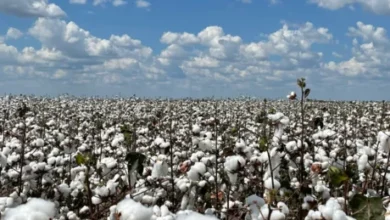
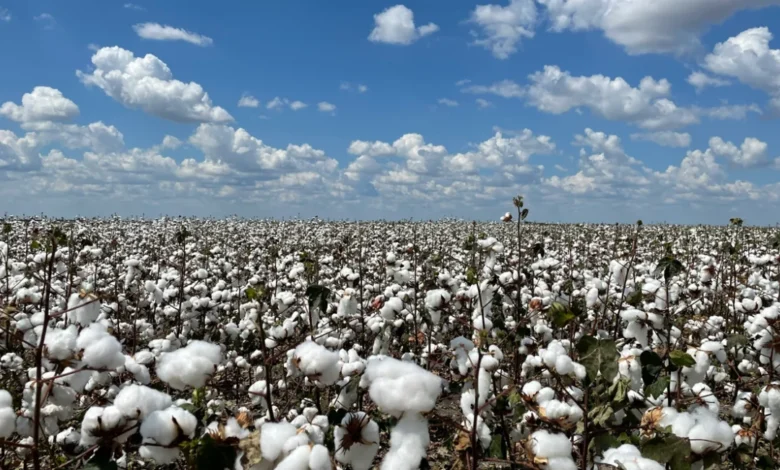
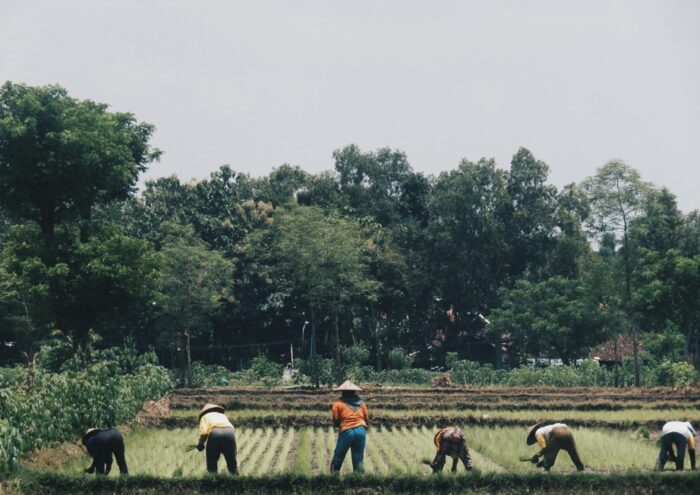
A leading example of this movement in practice is the Indonesian brand SukkhaCitta. Operating on a model that starts with the farmer, the brand emphasizes the complete traceability of its materials. By partnering with rural artisans and farmers, the organization ensures that the raw material—such as cotton or natural fibers—is grown using regenerative practices that improve the soil rather than depleting it.
The process is inherently slow. For instance, the use of natural dyes, such as traditional indigo, requires a labor-intensive, artisanal approach that cannot be replicated by automated, chemical-heavy industrial vats. The indigo leaf, once harvested, must undergo a meticulous fermentation and oxidation process. This practice not only preserves traditional cultural knowledge but also eliminates the toxic wastewater runoff that is a hallmark of industrial dyeing, which currently accounts for roughly 20% of global industrial water pollution.
Economic and Environmental Implications
The transition to a "farm to closet" structure presents significant economic challenges, primarily regarding scalability. Critics of the model often point to the "luxury tax" inherent in slow fashion—because the labor is paid a fair, living wage and the materials are sourced sustainably, the end product is naturally more expensive than a mass-produced alternative.
However, advocates argue that this is not an increase in cost, but rather a correction of an artificial discount. When the environmental degradation, healthcare costs for workers, and waste management of fast fashion are factored in, the "cheap" garment actually carries a massive externalized cost. By investing in regenerative supply chains, brands like SukkhaCitta are fostering economic resilience in rural communities. When women are empowered through fair-trade textile work, studies from the World Bank suggest that this capital is more likely to be reinvested in local education and healthcare, creating a multiplier effect for economic development.
Official Responses and Industry Trends
Industry analysts have noted a growing "ESG" (Environmental, Social, and Governance) focus among major fashion conglomerates. While major fast-fashion retailers have been accused of "greenwashing"—the act of making misleading claims about the environmental benefits of a product—the pressure from regulatory bodies is increasing. The EU’s Strategy for Sustainable and Circular Textiles is a primary driver, aiming to ensure that by 2030, textile products placed on the EU market are durable, repairable, and recyclable.

"The industry is at a crossroads," says Sarah Jenkins, a sustainability consultant for textile supply chains. "The ‘farm to closet’ model is no longer just a marketing slogan; it is becoming a risk-mitigation strategy. Brands that cannot prove where their fiber comes from will soon find themselves locked out of major markets due to new transparency laws."
A Holistic View of the Future
The future of fashion, as envisioned by proponents of the "farm to closet" model, is not necessarily about abandoning modern technology, but about integrating it into a more responsible framework. Blockchain and digital product passports are increasingly being used to track the journey of a garment from the farm to the store shelf. These tools allow a consumer to scan a QR code and see the specific village where the fiber was grown and the artisan who stitched the fabric.
This level of intimacy changes the consumer-product relationship. When a person knows the story behind their clothing, they are statistically more likely to maintain, repair, and cherish the item, thereby extending its lifecycle. This behavior is essential to reversing the culture of disposability that currently defines the sector.
Conclusion: The Path Toward Responsibility
The "farm to closet" movement represents a radical departure from the last fifty years of fashion production. It asks for a shift in perspective from both the supply side—which must prioritize land health and human dignity—and the demand side, which must transition toward a mindset of "less, but better."
While the challenges of scaling this model remain immense, the evidence suggests that the current trajectory of the fashion industry is physically and environmentally unsustainable. Whether through small-scale, regenerative brands like SukkhaCitta or larger systemic changes forced by international legislation, the path toward a more transparent future is being forged. The fashion of the future will likely be defined by a return to the basics: knowing the origin of the fiber, the health of the soil that grew it, and the hands that crafted it into the final piece of apparel. As the industry matures, the value of a garment will increasingly be measured not by its price tag, but by the integrity of its journey from the farm to the closet.
Related posts: