How Smart Lighting Transforms Interior Spaces and Emotional Well-Being as the Seasons Shift

As daylight hours diminish and the winter months approach, interior design paradigms inevitably pivot away from the open, sun-drenched aesthetics of summer toward more enclosed, light-managed environments. While traditional home renovations require substantial financial investments in new furniture, structural alterations, or complete repainting projects, interior lighting has emerged as a dynamic, non-permanent medium for redefining a room’s aesthetic and psychological temperature. In collaboration with global smart-lighting brand Govee, design experts are increasingly looking toward layered, intelligent illumination as a primary tool for combating seasonal affective changes and reshaping domestic spaces without altering their physical architecture.
The Psychological and Physiological Impact of Seasonal Lighting Transitions
The human body relies heavily on environmental cues to regulate its circadian rhythm, a biological clock dictated largely by exposure to natural light. During spring and summer, abundant daylight floods interior spaces, fostering alertness, productivity, and an outward-looking focus. However, the abrupt shortening of daylight hours in autumn and winter often triggers feelings of lethargy and isolation as natural luminescence gives way to premature dusk.
According to Sherry Ye, chief marketing officer at Govee, the introduction of warm, layered artificial lighting serves a vital biological and psychological function during these darker months. "Color temperature sets our biological clock," Ye explains. "Warm, low-Kelvin light—ranging from candlelight to soft warm white—signals safety and rest, whereas cool white light promotes alertness and focus."
Physiologically, the visual void left by early evening darkness can make cold architectural surfaces feel stark and unwelcoming. By strategically mimicking the amber warmth of a natural sunset through adjustable smart-lighting ecosystems, homeowners can manipulate the emotional temperature of their living environments. This shift helps convert static rooms into comforting, restorative sanctuaries designed to support mental well-being during months when people spend significantly more time indoors.
Zonal Design Strategies: Tailoring Illumination to Room Function
Modern interior design rejects the uniform lighting schemes of the past, favoring a zonal approach that recognizes the distinct psychological requirements of different rooms. Govee’s comprehensive lighting framework divides the residential landscape into three core zones: the living room, the bedroom, and the home office. Each area demands a tailored configuration of height, color temperature, and fixture type to optimize its intended use.
Fostering Intimacy and Connection in the Living Room
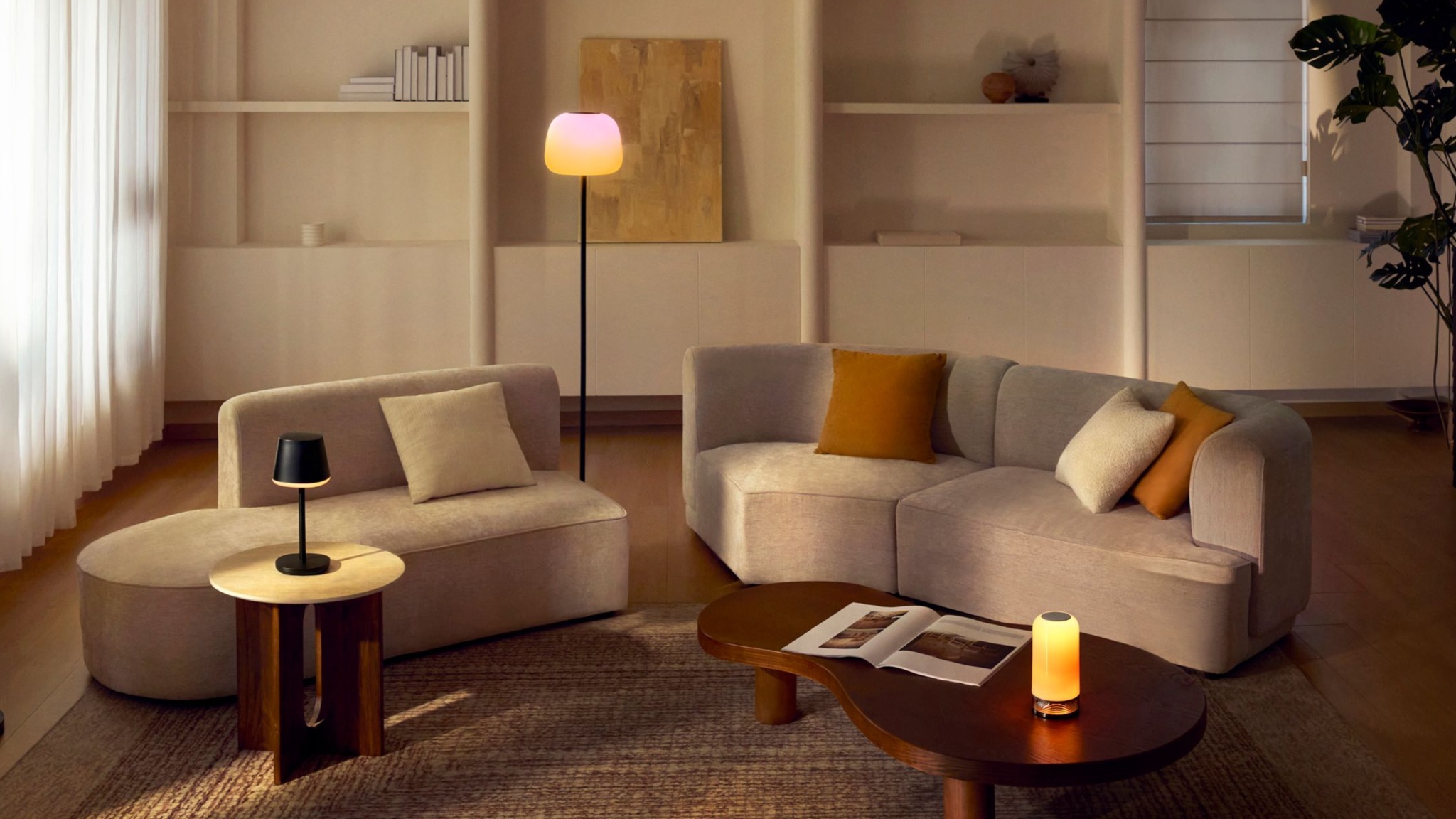
The living room serves as the central social hub of the household, requiring an atmosphere that balances openness with cocoon-like comfort. To achieve this balance without relying on harsh overhead fixtures, designers recommend layered lighting deployed at varying heights.
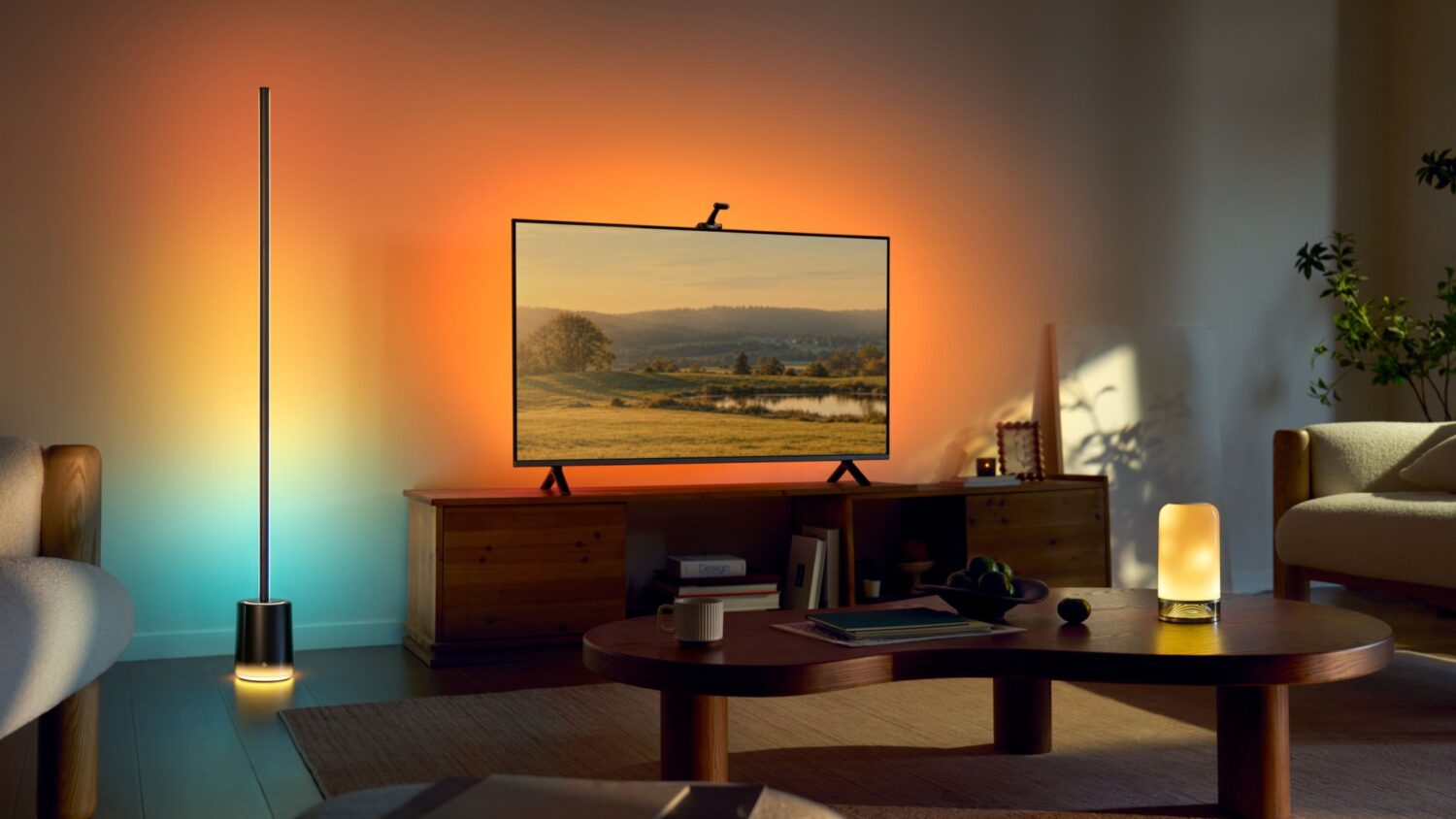
The strategy relies on a combination of ambient corner washes, task-level accents, and screen-contrast management. For instance, positioning a double-sided accent fixture such as the Govee Floor Lamp 3 in a corner bathes adjacent walls in a soft, diffused glow. Complementing this with a smaller table lamp on a side shelf introduces a second tier of illumination. Furthermore, integrating a TV backlight behind the main display—such as the Govee TV Backlight 3—softens the stark contrast between a luminous screen and a dark surrounding wall.
When these elements are synchronized and dimmed through a centralized application, the living room transforms into an intimate, inviting space that draws occupants inward, encouraging socialization and relaxation as the evening progresses.
Promoting Rest and Circadian Alignment in the Bedroom
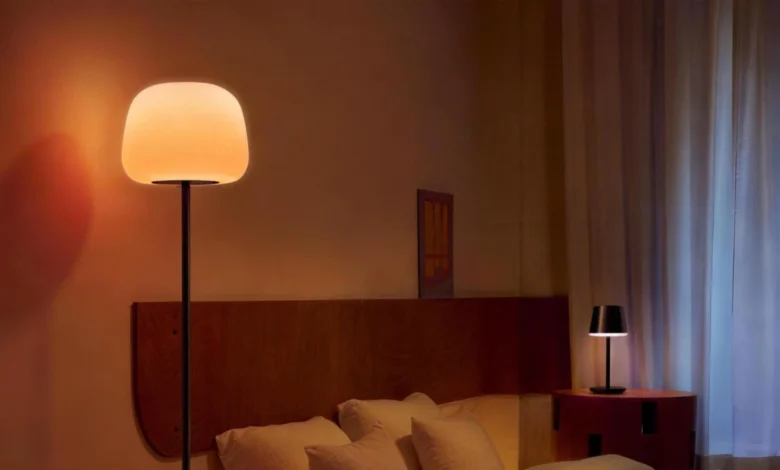
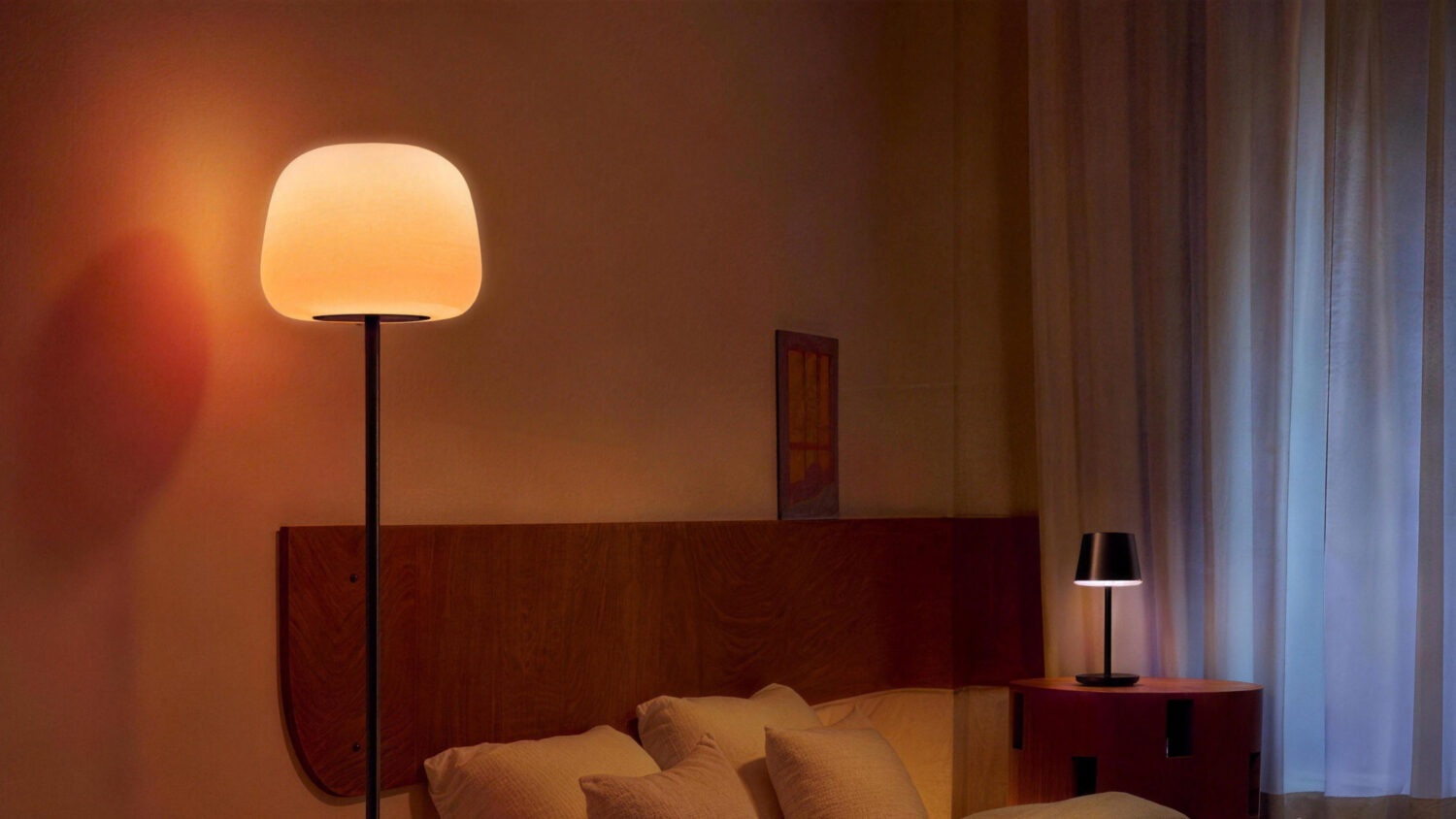
In stark contrast to the living room’s focus on connection, the bedroom prioritizes rest, relaxation, and mental decompression. Lighting schemes in this private sanctuary must be low-intensity and indirect to facilitate the body’s natural wind-down process before sleep.
Achieving a restful atmosphere involves combining wide-reaching ambient floor illumination with gentle wash effects. Utilizing devices like the Govee Lantern Floor Lamp alongside a classic bedside table lamp creates a balanced, calming environment. To enhance this effect, low-profile linear solutions—such as the Govee COB Strip Light 2 Pro—can be discreetly applied to headboards or architectural ledges. These strips emit desaturated blue and purple accents alongside warm 2500K to 2700K lighting, offering a subtle, halo-like glow that calms the mind without overstimulating the visual cortex.
Balancing Focus and Comfort in the Home Office
The rise of remote and hybrid work models has elevated the home office to a critical residential zone, yet designing this space presents a distinct challenge: maintaining high functionality without creating a sterile, clinical environment.
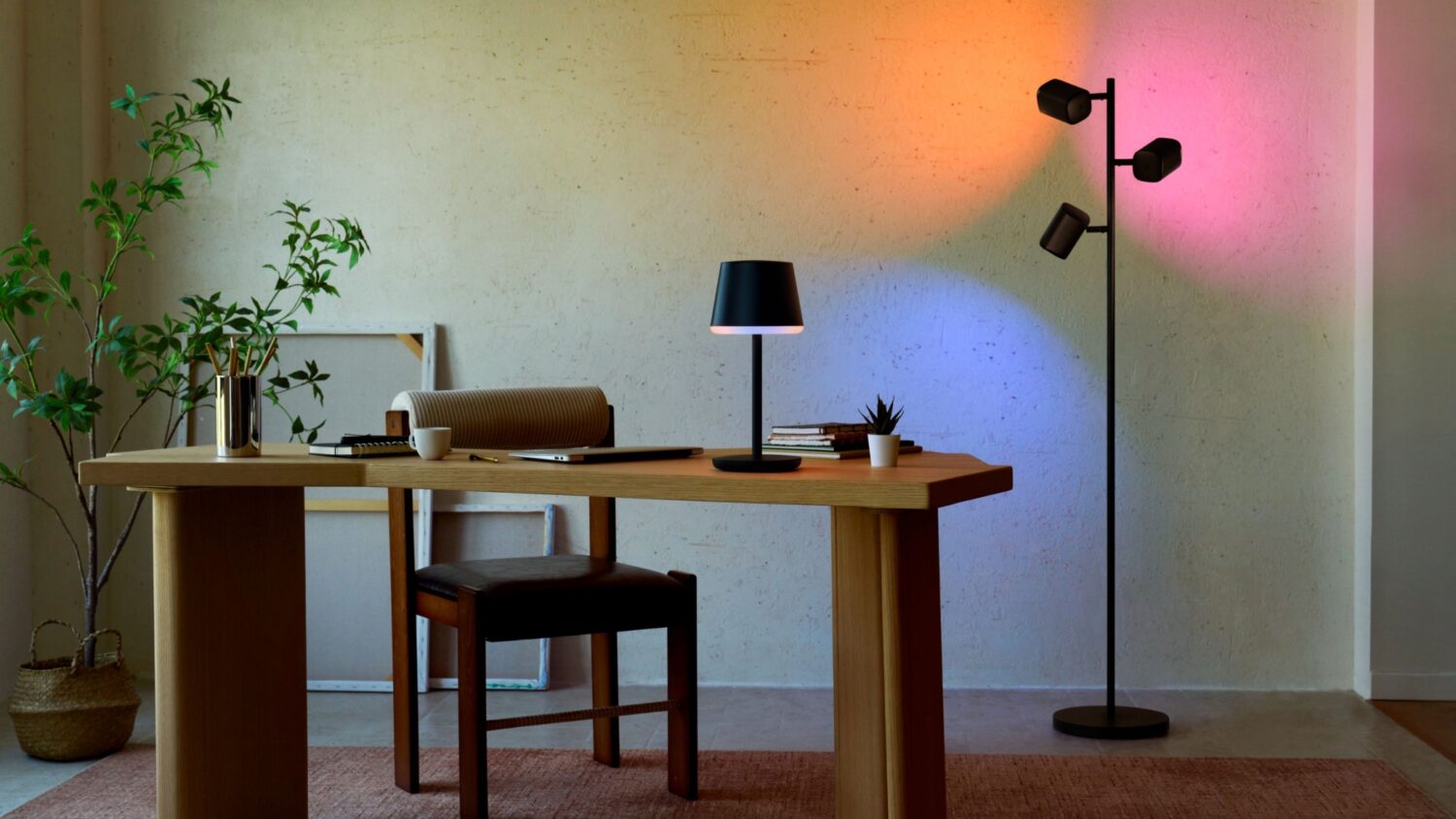
To prevent eye fatigue and sustain cognitive alertness during long winter work sessions, a dual-layer approach is essential. The workspace can be anchored by a clear, energizing overhead source—such as the Govee Sky Ceiling Light—emitting high-Kelvin white light in the 4000K to 6000K range to maximize visual clarity and concentration. However, to counteract the potential coldness of task lighting, designers recommend softening the room’s edges with warm accent fixtures like a tree floor lamp or a classic table lamp.
"This contrast prevents eye fatigue, keeps the mind alert, and ensures the room feels human and inviting, even during long winter work sessions," notes Ye. By bridging the gap between clinical efficiency and domestic comfort, smart lighting allows home offices to transition seamlessly from productive daytime workstations to relaxing evening retreats.
The Mechanics of Mood: Color Temperature, Gradients, and Placement
Beyond basic brightness, contemporary lighting design leverages advanced color science to alter spatial perception. The human eye and brain register the nuanced differences between a cozy reading nook and a brightly lit workspace on both a conscious and subconscious level.
Color temperature, measured in Kelvin (K), dictates much of this response. Low Kelvin values impart warmth and intimacy, while higher values sharpen focus and simulate daylight. However, modern smart-lighting technology extends far beyond simple color temperature adjustments by incorporating advanced color-blending algorithms and smooth multi-tone gradients.
These visual effects mimic the subtle, natural tonal shifts found outdoors during dawn and dusk. By playing with saturation and gradient transitions, homeowners can introduce visual depth and texture to otherwise flat or static walls. Furthermore, these lighting effects interact dynamically with natural materials such as exposed wood grain, woven linen, and natural stone, drawing out their inherent character and warmth.
Strategic placement is equally critical to this design methodology. Instead of relying on a single central light source, designers use accent lighting to spotlight architectural features, indoor foliage, or hanging artwork, while indirect lighting softens hard geometric lines. Flexible smart systems empower homeowners to experiment with these variables—adjusting brightness, placement, and color profiles in real-time—without the need for expensive structural rewiring or permanent installations.
The Broader Implications of Light as "Invisible Architecture"
The growing reliance on smart-lighting solutions reflects a broader evolution in consumer attitudes toward interior design. Rather than engaging in frequent, resource-intensive redecorating cycles, modern homeowners are increasingly viewing light as a flexible, sustainable medium for refreshing their living spaces.
Industry professionals frequently refer to light as the "invisible architecture" of a home. Without thoughtful illumination, even the most meticulously curated interiors—featuring high-end materials, bespoke furniture, and valuable art—can appear flat, sterile, and uninspired. Light fundamentally dictates how the human eye perceives color, texture, scale, and spatial proportion.
As global lifestyle trends continue to emphasize mental health, wellness, and adaptability within the home, the demand for sophisticated, user-controlled lighting ecosystems is expected to accelerate. By offering the ability to shift an entire home’s emotional climate instantaneously, smart lighting bridges the gap between functional necessity and artistic expression. As the seasons turn and households retreat indoors, this adaptable technology provides a seamless, non-invasive method for reclaiming interior spaces as personalized sanctuaries of comfort and resilience.