Amazon Unveils Joy Delivered Christmas Advertising Campaign for 2026

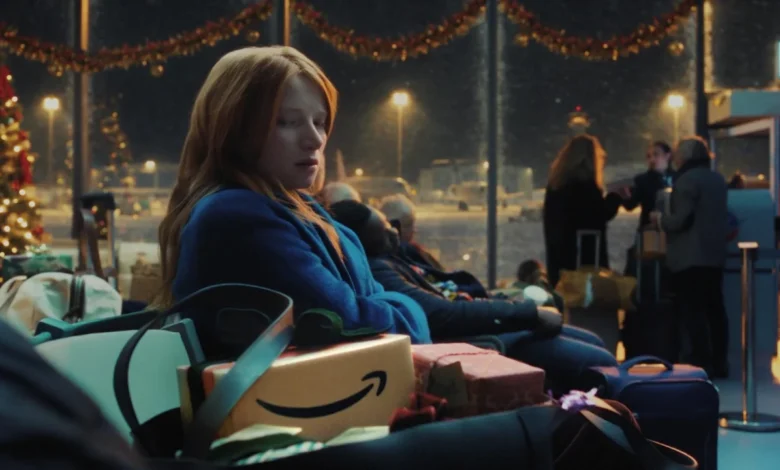
Amazon has officially launched its 2026 festive marketing campaign, titled Joy Delivered, marking a significant departure from traditional product-focused retail advertising. The 60-second cinematic feature focuses on the emotional narrative of a young woman’s odyssey to reunite with her family during the Christmas season. By centering the campaign on themes of human connection, spontaneous generosity, and the resilience of the holiday spirit, the retail giant is positioning itself not merely as a delivery service, but as an enabler of meaningful human experiences.
The film follows the protagonist, Joy, portrayed by New Zealand actress Kate Laidler. The narrative arc begins with a relatable holiday frustration: a cancelled flight on Christmas Eve caused by severe weather conditions. Stranded and determined, Joy embarks on a multi-modal journey home, relying on the goodwill of strangers. As she traverses the landscape, she encounters various individuals—drivers, shelter providers, and fellow travelers—to whom she offers the gifts she had originally intended for her own family. By the time she reaches her destination, her original inventory of presents is nearly exhausted, save for a single package reserved for her mother. The film concludes with an emotional reunion, underscoring the brand’s message that the essence of the season is defined by presence rather than presents.
Cinematic Production and Artistic Direction
The campaign represents a high-budget creative undertaking, filmed entirely on location in New Zealand. To achieve the desired emotional resonance, Amazon’s in-house creative division collaborated with the production company Smuggler, tapping three-time Emmy nominee Mark Molloy to direct the project. The aesthetic quality of the film is further elevated by the involvement of Oscar-nominated costume designer Malgosia Turzanska, who helped craft the grounded, authentic look of the characters.
The auditory experience is anchored by a bespoke arrangement of The Beatles’ classic Golden Slumbers. The choice of music serves to soften the tone of the narrative, moving away from the high-energy, fast-paced retail advertisements often seen during the "Golden Quarter." By prioritizing a slower, more deliberate emotional build, Amazon is seeking to foster brand affinity during a period of increased consumer sensitivity toward inflation and economic uncertainty.
Strategic Rollout and Media Placement
The campaign is slated for a comprehensive multi-channel release, beginning with a UK television premiere on 6 November. Amazon has opted for a diverse range of formats to capture different audience segments, including 30-second, 60-second, and 90-second cuts. These will be deployed across linear television, streaming platforms, cinema screens, and various digital social media channels. The campaign will remain active through the end of December, capturing the entirety of the holiday shopping window.
This strategic rollout aligns with Amazon’s broader operational objectives for the 2026 season. While the advertisement emphasizes the intangible value of family time, the company is concurrently highlighting its logistical infrastructure. By positioning its delivery services as a mechanism that provides customers with the "gift of time," Amazon seeks to justify its premium subscription services and convenience-oriented retail model.
Labor Market Expansion and Operational Context
Behind the veneer of the Joy Delivered narrative lies a massive logistical operation. Amazon has confirmed it is recruiting more than 300,000 additional seasonal workers to support its global supply chain during the 2026 Christmas rush. This move is particularly noteworthy as it marks the company’s first increase in seasonal hiring volume in three years, signaling a shift in its growth trajectory.
In recent years, the retail giant had scaled back its temporary recruitment in favor of automation and increased reliance on permanent full-time fulfillment center staff. However, the decision to boost hiring for the 2026 season suggests that Amazon anticipates a robust increase in consumer demand. Industry analysts suggest that this uptick in human labor is a response to both competitive pressures from rival e-commerce platforms and the need for a more agile response to the unpredictable weather patterns and supply chain bottlenecks that the advertising campaign itself mirrors.
Industry Implications and Market Analysis
The pivot toward highly produced, sentiment-driven advertising in the 2026 holiday season is indicative of a broader trend among major retailers. In an environment where consumers are increasingly bombarded by digital advertisements, brands are finding that emotional storytelling yields higher engagement rates than direct price-cutting messaging.
"Amazon’s decision to move away from a traditional product showcase is a calculated risk," says a senior retail analyst. "By focusing on the ‘Joy Delivered’ theme, they are essentially humanizing a massive corporate entity. They are acknowledging that in a digital-first world, the most premium product they offer is the time saved by their service, which allows for the very reunions depicted in their film."
Furthermore, the campaign arrives at a critical juncture for the retail sector. With inflation having impacted household budgets throughout 2026, consumers are becoming more discerning regarding their discretionary spending. By centering the message on the importance of "being there," Amazon is attempting to align its brand with the core values of its target demographic, potentially mitigating the friction associated with rising service costs.
Historical Context and Evolution of Amazon’s Holiday Strategy
Amazon’s approach to holiday marketing has evolved significantly over the past decade. In the early 2010s, the company’s advertisements were almost exclusively focused on functionality: fast shipping, deep discounts, and the sheer volume of items available. As the company matured into a global powerhouse, its marketing strategy transitioned to emphasize the "smile" of the logo and the emotional satisfaction of receiving a package.
The 2026 campaign represents the next logical step in this evolution: moving the focus from the package itself to the outcome of the delivery. By showcasing the lengths to which an individual will go to return home, the company is effectively leveraging the "hero’s journey" archetype, which is a staple of successful holiday storytelling in the advertising industry.
Response and Public Reception
While full-scale consumer sentiment data will be aggregated following the 6 November debut, early industry reactions have been largely positive. Creative directors have praised the casting of Kate Laidler and the decision to film in New Zealand, noting that the cinematography provides a sense of scale and isolation that emphasizes the protagonist’s struggle.
From an operational standpoint, the campaign also serves as a morale-boosting tool for the company’s vast workforce. By celebrating the spirit of the season through a story of travel and reunion, the company indirectly acknowledges the hard work of the thousands of delivery drivers and warehouse employees who are essential to the fulfillment of such holiday narratives.
Future Outlook for the 2026 Holiday Season
As the retail sector prepares for the peak trading period, the success of the Joy Delivered campaign will likely be measured by more than just immediate conversion rates. Amazon is tracking metrics related to brand sentiment, social media mentions, and the duration of customer engagement with the film.
Moreover, the emphasis on hiring 300,000 workers provides a floor for the company’s expected service levels. As e-commerce continues to compete with the renewed interest in physical "high street" shopping, the ability to promise and deliver on time before Christmas Day becomes a competitive advantage. The Joy Delivered campaign is essentially the public-facing side of this massive logistical machine, framing the company’s operational efficiency as a contributor to the emotional wellbeing of its customers.
In conclusion, Amazon’s 2026 Christmas campaign represents a sophisticated integration of high-end cinematic storytelling and strategic corporate messaging. By tapping into universal themes of struggle and connection, the company is attempting to secure its place in the consumer consciousness not just as a provider of goods, but as a vital part of the fabric of the holiday season. Whether this emotional appeal will translate into record-breaking sales will be determined in the coming weeks, but the campaign itself sets a high bar for creative production in the retail space. As the countdown to the holiday season begins, the Joy Delivered film stands as a poignant reminder of the complexities of the modern festive experience.