Beyond the Ring Light: Inside the Evolution of Influence, Expertise, and Strategy at Glossy Pop NYC

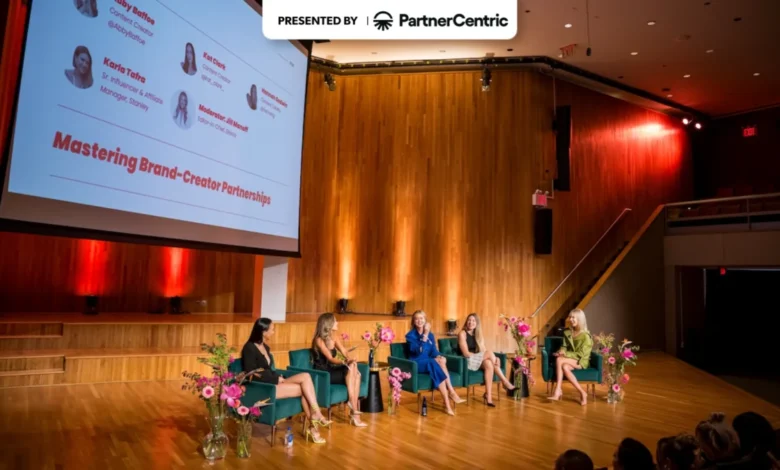
The intersection of fashion, beauty, and digital content creation has entered a definitive era of maturation, moving far beyond the nascent days of unboxing videos, ring lights, and surface-level brand endorsements. Earlier this month, industry leaders, top-tier content creators, brand executives, and fervent fans converged in New York City for the latest edition of Glossy Pop NYC, an annual epicenter for dialogue regarding the forces shaping the contemporary consumer landscape. Against a backdrop of rapid technological shifts—including the integration of artificial intelligence, evolving digital marketing algorithms, and streamlined product development lifecycles—the central theme of this year’s gathering focused on a fundamental question: What does it take for a creator or brand to stand out in an increasingly saturated market?
As the creator economy matures into a multi-billion-dollar global industry, the definition of what it means to "influence" consumers is undergoing a radical transformation. No longer satisfied with static product placements or rigid, scripted ad reads, both brands and top-tier creators are demanding deeper integrations, multi-faceted career trajectories, and, most importantly, verifiable real-world expertise.
The Maturation of the Creator Economy: From Niche Beginnings to Lifestyle Expansion
The modern digital landscape bears little resemblance to the internet of a decade ago. In the early days of social media monetization, conventional wisdom dictated that aspiring influencers must hyper-specialize in a single, narrow vertical—whether that be hair tutorials, skincare routines, or budget-friendly fashion hauls—to capture algorithmic favor and build a loyal audience.
However, as creators grow alongside their audiences, rigid categorization has begun to feel limiting. Content creator Abby Baffoe, who initially broke into the digital space in 2019 with a focus on detailed hair tutorials, shared insights during the NYC event regarding her transition into a broader lifestyle creator.
"Having a niche works for some people, but for me, it felt restricting," Baffoe explained to the audience, detailing how her content evolved to encompass daily routines, fashion, and wellness. Despite moving away from hyper-specific tutorial content, Baffoe has successfully maintained enduring relationships with legacy brand partners like TRESemmé and L’Oréal. The longevity of these partnerships highlights a vital shift in marketing strategy: brands are increasingly willing to partner with creators whose broader, authentic daily lives naturally accommodate diverse product integrations, rather than forcing creators to stick to rigid, single-topic boxes.
This evolution is mirrored in other verticals, particularly where sports and entertainment marketing intersect. Brand marketers have become increasingly enamored with professional athletes, viewing them as powerful vectors for reaching demographic segments that traditional influencers may miss. Yet, athletes entering the creator and brand partnership space are demanding a seat at the table that goes far beyond the traditional role of a paid spokesperson.
WNBA star Hailey Van Lith addressed the shifting dynamic between athletes and corporate sponsors during the conference. Historically, elite athletes were treated largely as living billboards—tasked with wearing a branded jersey, holding a product for a quick photo-op, or reciting a promotional line with little creative input. Van Lith noted that while some athletes view the commercial side of sports as merely a financial supplement to their athletic careers, her approach is vastly different.
"I like the experience of even deciding what the shoot is going to look like," Van Lith said, emphasizing her preference for collaborating closely with brands on product design and overarching marketing strategy. This hands-on approach reflects a broader industry trend: athletes and creators alike are leveraging their personal equity to co-create campaigns and products, demanding creative autonomy that respects their personal brands.
The Tension Between Authenticity and Corporate Guidelines
Despite the continuous industry-wide mantra demanding "authenticity" from online personalities, a stark operational dichotomy remains when creators cross paths with luxury and high-end fashion houses. While everyday consumer goods campaigns often encourage creators to chase virality through unscripted, highly relatable, and spontaneous content, luxury marketing operates under an entirely different set of rules.
Tessa Brooks, a prominent creator, dancer, and actress boasting a massive cross-platform following of over 25 million users across Instagram and TikTok, highlighted this operational friction during the event. According to Brooks, managing campaigns for non-luxury brands typically involves prioritizing algorithmic performance and organic engagement hooks designed to spark viral traction.
However, high-fashion partnerships require a delicate, highly regulated approach. "When it comes to high-fashion brands, it’s very different because they’re so specific about who they are and their image," Brooks noted. For legacy fashion houses—where heritage, exclusivity, and visual control are paramount—creators are often required to adhere to strict ad reads, carefully curated visual guidelines, and measured brand safety protocols. This friction illustrates the ongoing balancing act modern creators must perform: satisfying the platform-native demand for raw, unfiltered relatability while simultaneously preserving the pristine, controlled aesthetic demanded by legacy luxury houses.
The Backlash Against the ‘Influencer’ Label: Why Real-World Expertise Matters
Perhaps the most provocative conversation at Glossy Pop NYC centered around the devaluation of the term "influencer" itself. For seasoned industry veterans, the barrier to entry for content creation has become so low that the label has been stripped of any meaningful association with true authority or expertise.
Fashion public relations veteran Kelly Cutrone did not mince words when addressing the audience on this topic. "For me, the word ‘influencer’ or ‘microinfluencer,’ it’s whatever," Cutrone stated bluntly. She pointed out that the democratization of digital technology has made it remarkably simple for anyone to enter the space. "Today, you can go to Amazon and order a mic and get a cool background and have an opinion."
Cutrone argued that this extreme democratization has blurred the lines between genuine industry expertise, rigorous professional experience, and casual commentary. "There is a difference between an opinion and experience," she emphasized, cautioning that digital popularity does not automatically equate to industry authority.
Cutrone’s skepticism toward unverified digital commentary was reinforced by industry professionals who transitioned into brand ownership backed by decades of technical training and real-world execution. Mary Phillips, renowned celebrity makeup artist and founder of the emerging beauty brand M.ph by Mary Phillips, shared how her extensive career background served as her greatest asset when entering the highly competitive beauty market.
When Phillips and her team pitched their brand concept to retail giant Sephora before a single physical product had even been manufactured, they did not rely on follower counts or viral social media trends to secure a deal. Instead, they relied on decades of professional credibility.
"When we pitched our idea to Sephora before having any products, they said, ‘Great, we want it,’" Phillips recalled. Highlighting Sephora’s strategic mindset, she added, "They’re a great partner because they want what you do and what you know." Phillips’ experience underscores a vital market correction: while social media reach can successfully launch a product, enduring retail success and consumer trust increasingly require deep, foundational industry knowledge and proven technical skills.
Chronology and Industry Milestones: The Shift Toward Professionalized Influence
To understand the current landscape discussed at Glossy Pop NYC, it is helpful to examine the chronological evolution of digital marketing over the past decade:
- 2014–2017 (The Wild West of Blogging and Early Instagram): Influence was measured primarily by follower counts and aesthetic grid layouts. Brands doled out budgets for simple sponsored posts with minimal oversight, and the term "influencer" was synonymous with early lifestyle bloggers.
- 2018–2020 (The Rise of Video and Niche Saturation): Platforms like TikTok emerged, shifting the priority from polished curation to rapid-fire, relatable video content. Creators doubled down on narrow niches to capture algorithmic growth, while brands began demanding performance metrics beyond vanity numbers.
- 2021–2023 (The Professionalization and Creator-Economy Boom): Fueled by pandemic-era digital consumption, the creator economy transformed into a formal economic sector. Creators began launching their own direct-to-consumer brands, negotiating equity deals, and moving away from one-off sponsorships toward long-term brand ambassadorships.
- 2024–Present (The Era of Expertise and Creative Co-Production): Market saturation has forced a reckoning. Audiences and brands are growing fatigued by generic sponsored content. As discussed at Glossy Pop NYC, the current era prioritizes multi-hyphenate lifestyle creators, professional athletes demanding creative control, and established industry veterans who leverage real-world expertise to build credible, long-lasting commercial enterprises.
Broader Implications and Future Outlook for Brands and Creators
The insights shared at Glossy Pop NYC point to a maturing industry undergoing a necessary phase of consolidation and professionalization. For brands navigating digital marketing budgets in an increasingly complex media ecosystem, the takeaway is clear: the era of spraying budgets across thousands of unvetted creators is giving way to targeted, strategic partnerships based on mutual creative collaboration and verified expertise.
As artificial intelligence begins to reshape content generation and digital advertising metrics grow more sophisticated, human authenticity combined with genuine professional skill will serve as the ultimate differentiator. For aspiring professionals looking to enter the fashion and beauty sectors—whether through content creation or traditional business operations—Kelly Cutrone’s concluding advice serves as both a warning and an endorsement of the lifestyle required to succeed in a demanding field.
"As crazy as this industry is, it’s given me everything," Cutrone reflected.
Ultimately, the future belongs to those who recognize that digital influence is no longer just about commanding an audience’s attention through a screen; it is about combining technological fluency with real-world mastery, creative integrity, and strategic execution.
Related posts: