Mastering the Retail Landscape: How Ilia Beauty Scaled Sephora and Shaped the Clean Beauty Movement

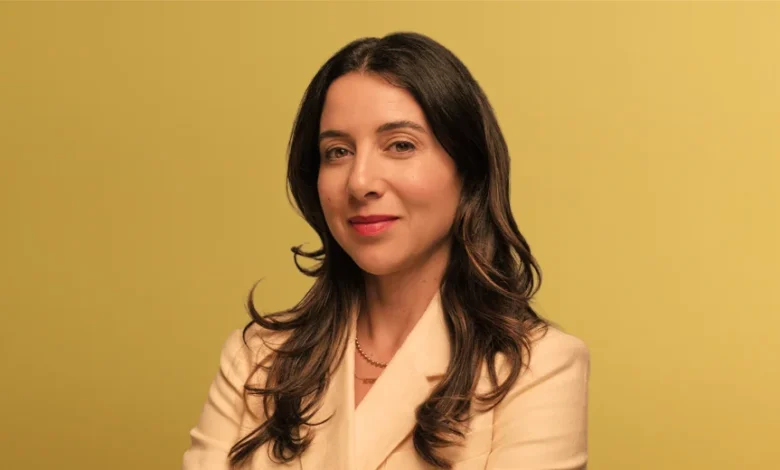
The modern beauty and wellness industries operate within a high-stakes, hyper-competitive ecosystem where retail partnerships can make or break an emerging brand overnight. Among the many success stories emerging from America’s premier specialty beauty retailers, few rival the trajectory of Ilia Beauty. Founded by Sasha Plavsic, the clean color-cosmetics brand has spent a decade anchoring itself as a powerhouse within Sephora, developing industry-leading products, and helping to architect standards that continue to shape the broader marketplace.
In a recent appearance on the Glossy Beauty Podcast hosted by Lexy Lebsack, Plavsic offered an unfiltered look into the realities of scaling a beauty brand. Her insights provide a definitive blueprint for navigating major retail partnerships, managing rapid organizational growth, and surviving the pressures of the modern consumer goods landscape.
A Decade-Long Foundation and Strategic Evolution
The genesis of Ilia Beauty dates back to 2008 and 2009, long before clean beauty became the ubiquitous retail category it is today. At the time, the market for high-performance, aesthetically driven clean cosmetics was virtually nonexistent. This wide-open sector presented a rare window of opportunity for an entrepreneur willing to experiment.
Plavsic officially launched the brand in 2011, initially focusing on direct-to-consumer (DTC) e-commerce and distribution through small, independent beauty boutiques. Unlike many modern startups fueled by aggressive venture capital and multimillion-dollar seed rounds from day one, Ilia’s early years were characterized by lean operations and constrained budgets.
This prolonged developmental phase—spanning nearly a decade before explosive growth hit in 2018—forced the company to cultivate financial discipline. Plavsic notes that having the runway to make mistakes, refine operations, and learn from early missteps without the immediate pressure of institutional investors was crucial to the brand’s long-term survival.
By 2016, the brand had reached a critical inflection point, prompting its entry into Sephora. The partnership catalyzed a period of exponential acceleration. To support this sudden demand, Ilia secured external funding, aligning capital injection with retail expansion to maximize market penetration.
Over subsequent years, Ilia diversified its retail footprint well beyond its foundational channels. Today, the brand’s products are available across a carefully curated mix of prestige and specialty platforms, including Credo, Mecca, Revolve, Nordstrom, Amazon, and an anticipated 2025 rollout into Ulta Beauty. According to Plavsic, entering Ulta represents a strategic expansion to capture a distinct consumer demographic separate from the core Sephora shopper.
Pioneering the Clean at Sephora Movement
Long before clean beauty was formalized into strict regulatory guidelines and retail standards, Ilia was drafted to help build the framework for what would become one of the industry’s most influential retail initiatives.
When Sephora began conceptualizing its "Clean at Sephora" seal in the mid-2010s, the corporate team identified Ilia as an ideal candidate due to the brand’s established formulation ethos. In 2015 and 2016, Plavsic participated in foundational discussions with Sephora executives who explicitly designated the brand as a pioneer for the clean color-cosmetics category.
Serving essentially as a commercial guinea pig, Ilia worked collaboratively with Sephora to evaluate ingredients, establish compliance metrics, and help define the initial parameters of the clean category. When Clean at Sephora officially launched, Ilia was among the inaugural roster of brands featured under the seal. This collaboration not only validated Ilia’s formulation philosophy but also cemented its reputation as a credible authority within the clean beauty movement.
This early alignment with Sephora’s strategic retail initiatives paid massive dividends. However, Plavsic emphasizes that joining forces with the retail giant required immediate operational maturity.
The Realities of Scaling Within Sephora
Securing shelf space in Sephora is widely considered a pinnacle achievement for indie beauty brands, but the partnership demands rigorous execution. Plavsic describes the retail environment candidly, noting that brands are given a finite window to demonstrate commercial viability.
When a major retailer dedicates valuable real estate to an emerging brand, expectations are exceptionally high. Plavsic cautions that brands must possess the internal infrastructure, inventory management, and financial backing required to support accelerated growth before entering high-volume retail agreements. Failure to scale operations alongside retail demand can quickly strain supplier relationships and compromise brand equity.
At the same time, Plavsic pushes back against founders who view demanding retail partnerships purely as adversarial. She stresses the importance of transparent communication and collaboration with retail buyers. Rather than viewing retailer requests as unreasonable demands, successful brands must align their internal teams with retail best practices to map out a sustainable path to profitability.
Growth fueled by a major specialty retailer can be intensely painful due to the sheer velocity of consumer demand. Yet, Plavsic maintains that the magnitude of the opportunity outweighs the operational friction, making it an imperative venture for brands aiming for scale.
Product Innovation and Market Dominance
A cornerstone of Ilia’s enduring success within Sephora is its product portfolio, most notably the Limitless Lash Mascara. Launched around 2017 or 2018, the product started as an unknown entity in a saturated category historically dominated by legacy beauty conglomerates.
Through steady consumer adoption and targeted marketing rooted in brand values, the mascara methodically climbed the ranks. It eventually captured the No. 1 best-selling mascara spot at Sephora—a position it has successfully defended for several consecutive years. Furthermore, market data places the product among the top five best-selling mascaras in the United States overall, an extraordinary feat for an independent clean beauty brand competing against multi-billion-dollar parent companies.
The triumph of Limitless Lash Mascara highlights a broader product strategy: identifying gaps in the market where mainstream offerings fail to meet evolving consumer expectations. By delivering performance that matches or exceeds conventional alternatives, Ilia converted skepticism surrounding clean beauty into long-term brand loyalty.
Acquisition and the Next Phase of Growth
Ilia’s market performance and robust operational foundation ultimately attracted the attention of global luxury conglomerates. In 2022, the brand was acquired by Famille C, the Courtin-Clarins family holding company and owner of the venerable French skincare house Clarins.
The acquisition provided Ilia with the backing of a multi-generational beauty dynasty, equipping the brand with deeper global resources while allowing Plavsic and her executive team to maintain operational independence. This strategic backing has enabled continued product innovation and aggressive international expansion without sacrificing the core DNA that defined the brand’s early boutique days.
Implications for the Broader Beauty Industry
Ilia Beauty’s trajectory offers several critical lessons for contemporary beauty entrepreneurs navigating the post-pandemic retail landscape.
First, the brand underscores the value of strategic patience. While modern venture-backed startups often prioritize immediate hyper-growth and aggressive customer acquisition, Ilia’s decade-long gestation period highlights the benefits of organic brand-building, tight fiscal management, and deep product iteration.
Second, the case illustrates the symbiotic relationship between specialty retailers and independent brands. Retailers like Sephora rely on agile, mission-driven brands to attract discerning modern consumers looking for innovation, while emerging brands rely on retail giants for mainstream visibility and massive scaling opportunities.
Finally, Ilia’s multi-channel distribution strategy—balancing high-end specialty boutiques, prestige department stores, mass-market digital platforms, and upcoming partnerships with Ulta Beauty—demonstrates that modern beauty brands can successfully target segmented consumer demographics without diluting their core brand identity. As the clean beauty category continues to mature and consolidate, Ilia remains a benchmark for sustainable scaling in a volatile commercial environment.
Related posts: