The Intersection of Cinema and Luxury Heritage
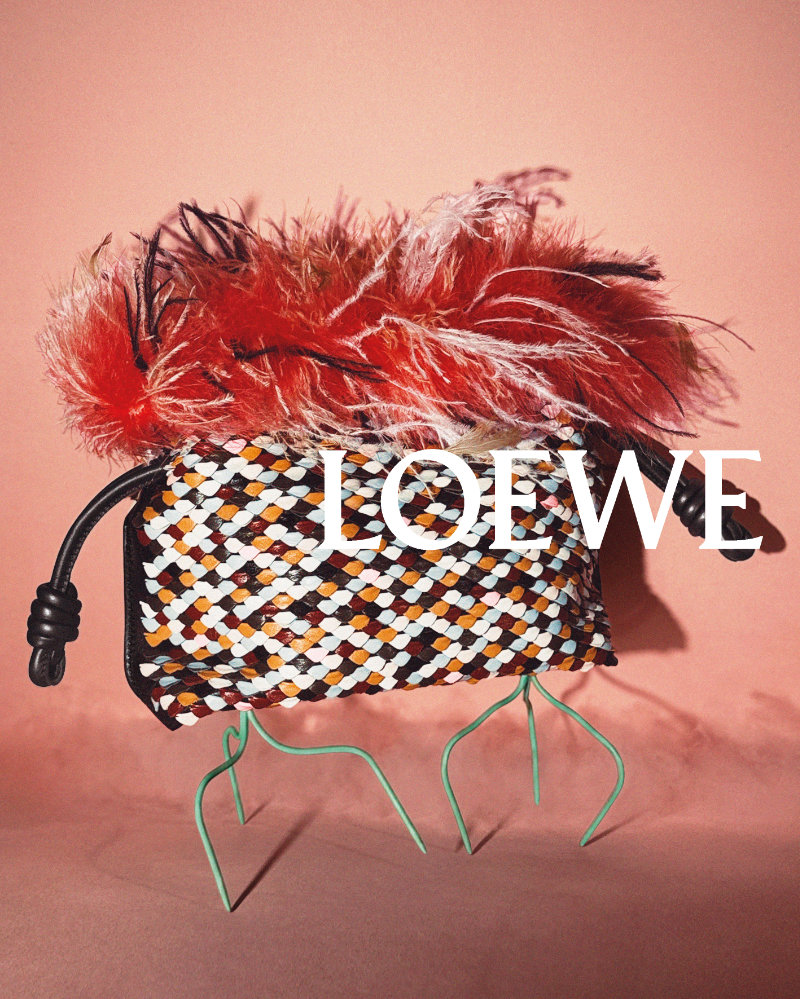
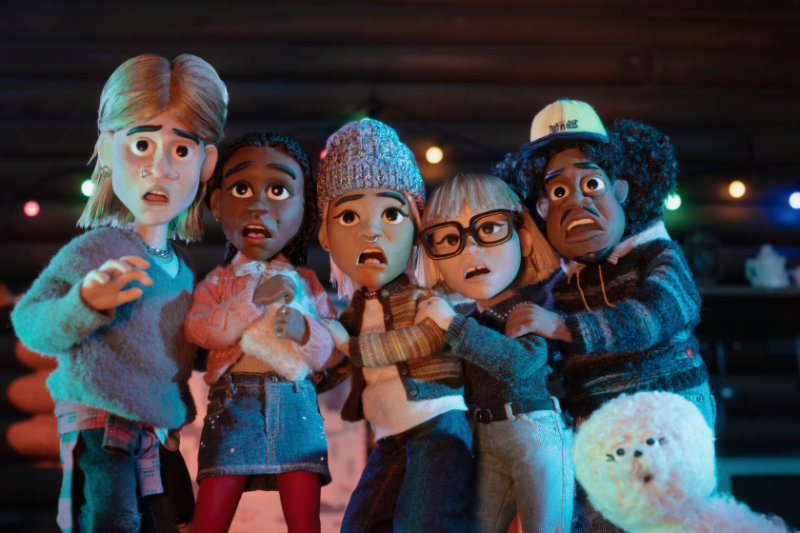
The holiday season of 2026 has witnessed a unique convergence of high fashion and cinematic history, most notably through the collaboration between LOEWE and the works of Tim Burton. By reimagining The Nightmare Before Christmas, LOEWE has managed to tap into a cross-generational cultural touchstone, transforming it into a luxury collectible. This strategy of "cinematic infusion" is not merely a marketing tactic but a structural shift in how luxury houses engage with intellectual property. The release of the Moonlight Eau de Parfum and character-inspired candles represents a diversification of the product portfolio, moving beyond apparel into home-centric luxury goods.
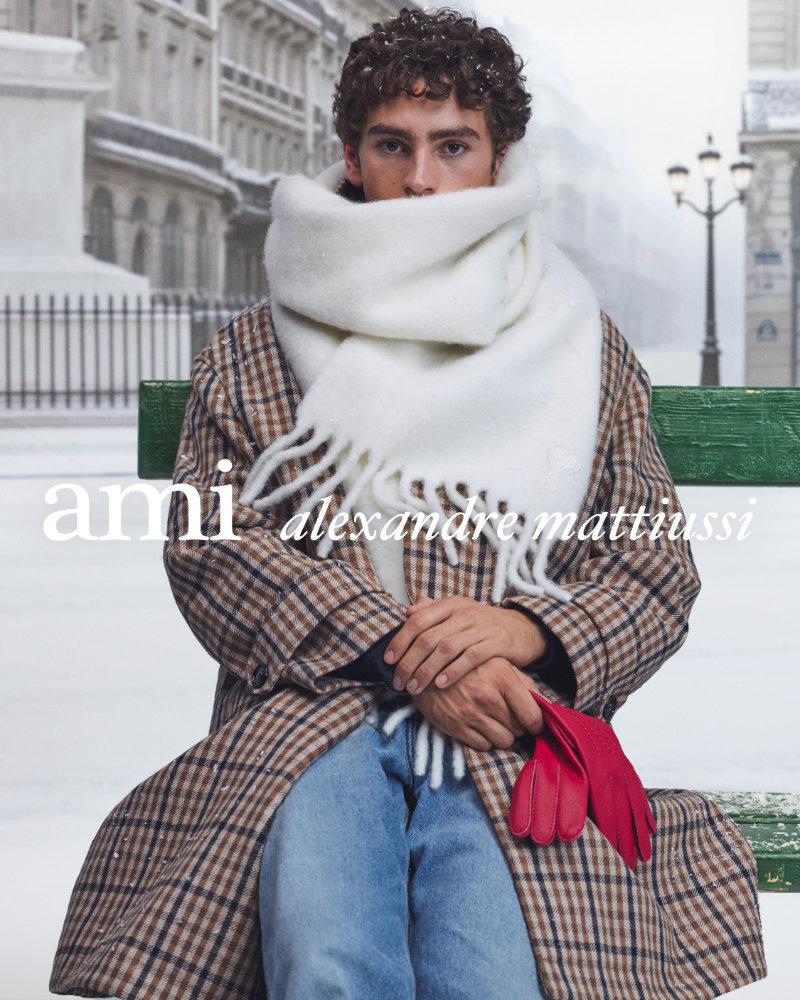
Data from recent retail analyses suggests that such limited-edition collaborations generate approximately 25% higher engagement rates on social platforms compared to standard seasonal campaigns. This trend of "lifestyle expansion" is also evident in the activities of other houses, such as Saint Laurent, which has curated a specific Holiday Edit, and AMI Paris, which continues to leverage its "Ami d’Hiver" campaign to cement its identity within the Parisian fashion lexicon.
Craftsmanship and the Evolution of Material Memory
While heritage remains a core pillar, material innovation is the driving force behind the Spring/Summer 2027 previews, specifically seen in the work of Countrymade. Their collection, Material Memory, offers an analytical look at the evolution of workwear, focusing on the preservation of Indian craftsmanship. This move highlights a broader industry trend toward "slow fashion" and the romanticization of the production process.
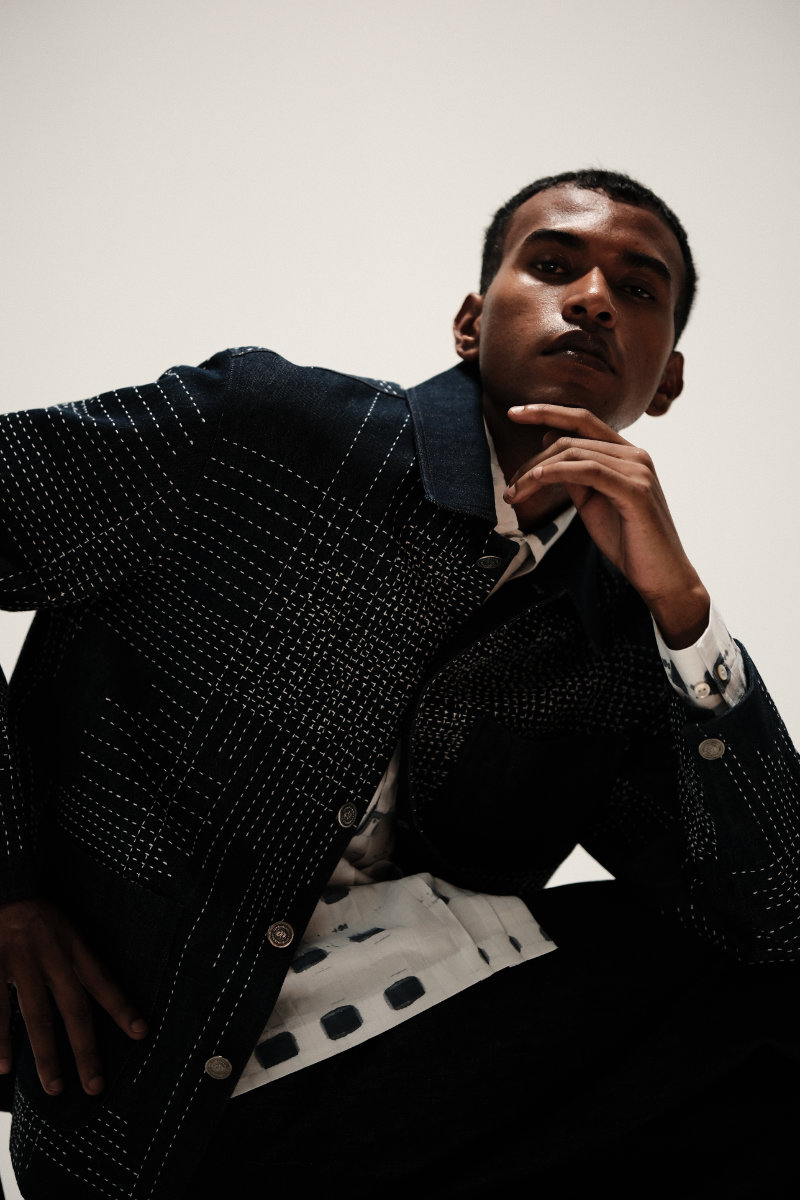
The importance of this shift cannot be overstated. With global supply chains under constant scrutiny, brands that emphasize transparency in their textile treatments—as seen in the SS27 collections—are positioned to capture the interest of the conscious consumer. The emphasis on "Material Memory" serves as a counter-narrative to the fast-fashion cycle, suggesting that garments should possess a historical narrative that extends beyond a single season.
The Resurgence of Sport-Retro and Functional Design
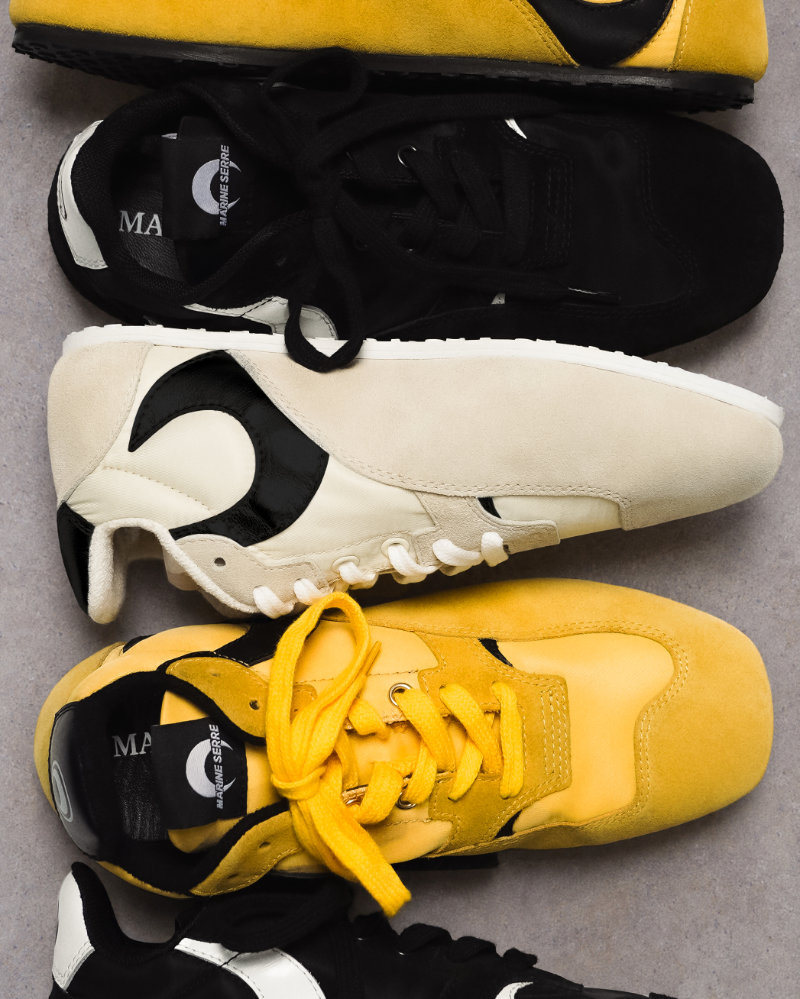
The footwear and accessory markets have seen a deliberate fusion of sport-retro aesthetics and functional utility. Marine Serre’s introduction of the MS Rise III sneaker, which utilizes recycled rubber soles and iconic Moon detailing, perfectly encapsulates the industry’s attempt to reconcile sustainability with high-performance design.
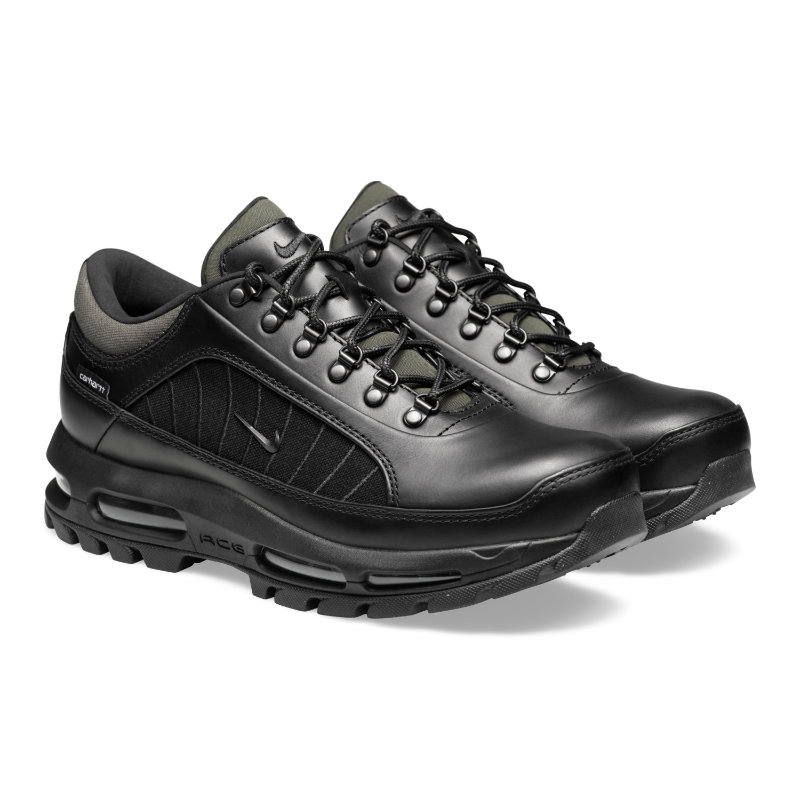
This trend is mirrored in the collaboration between Nike ACG and Helinox, which focuses on ultralight outdoor equipment. The move toward modular, packable, and durable gear indicates that luxury consumers are increasingly valuing "lifestyle versatility." Similarly, the partnership between Carhartt WIP and Nike, featuring the Air Max Goadome Low, demonstrates that the boundaries between workwear and athletic wear have become entirely porous. By integrating workwear-inspired aesthetics into technical footwear, these brands are catering to a demographic that requires clothing to transition seamlessly from urban environments to outdoor excursions.
Cultural Curation: From Exhibitions to Retail Spaces
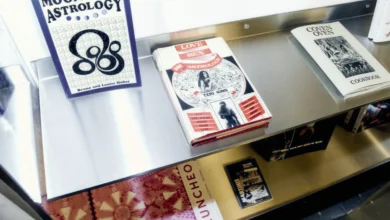
The expansion of cultural spaces, such as the opening of "La Escalera" by AM in Madrid, signifies a shift in how fashion brands establish physical presence. By hosting an archive exhibition curated by Luis Venegas, AM is not just selling clothing; they are positioning themselves as a custodian of cultural history. This transition from "retailer" to "cultural institution" is a critical evolution.
When a brand invests in archival preservation, it builds brand equity that is far more durable than seasonal sales. Paris Photo 2026, celebrating its 29th edition and the bicentenary of the medium, further highlights the importance of institutional recognition in the fashion world. As photography and fashion remain inextricably linked, the presence of fashion houses at such fairs validates their contribution to the visual arts.
Fragrance and Sensory Branding
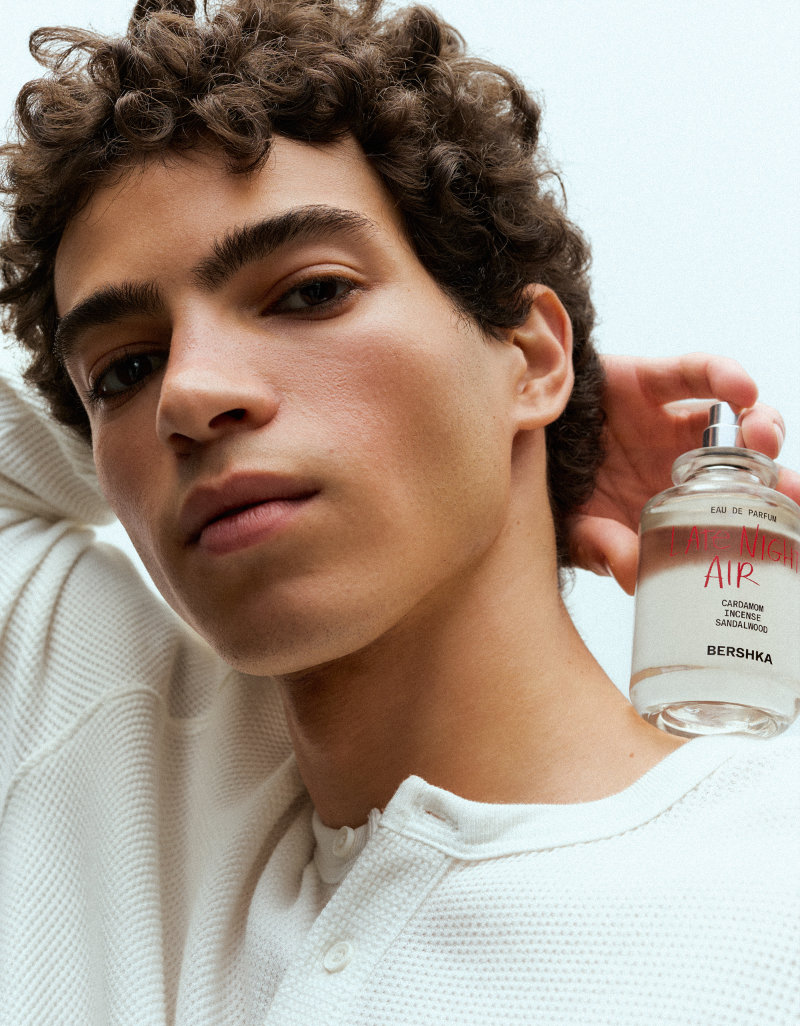
The fragrance sector is undergoing a massive transformation, with brands like Bershka and Willy Chavarria taking divergent approaches to olfactory identity. Bershka’s decision to launch nine new Eau de Parfum scents across three distinct "universes" (Fresh, Oriental, and Gourmand) points to a strategy of mass-market personalization. Conversely, the partnership between Willy Chavarria and the Mexico City fragrance house Xinú demonstrates a more niche, culturally focused approach to scent as a form of self-expression.
The implication here is clear: fragrance is becoming the primary entry point for younger consumers into the luxury ecosystem. It is a high-margin, low-barrier product that allows for deep emotional resonance with a brand’s aesthetic, even when the apparel itself may be out of reach for a portion of the customer base.
Artistic Explorations of Identity and Memory
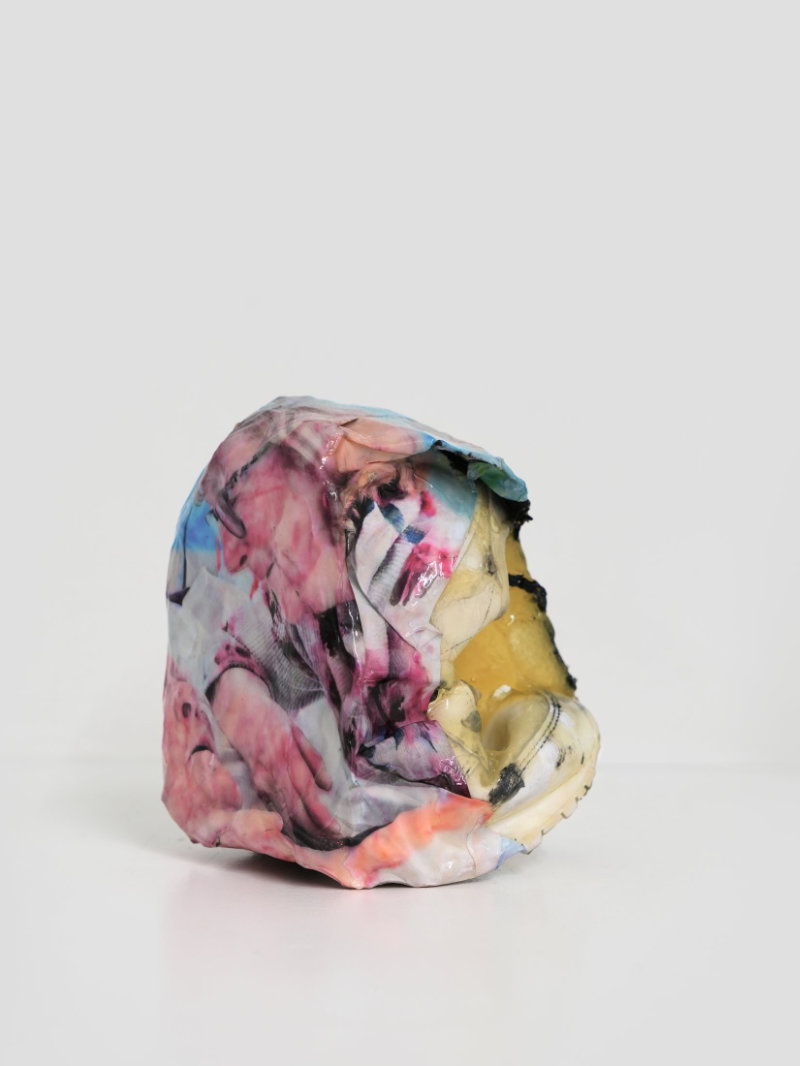
Beyond the commercial landscape, the industry is witnessing a profound exploration of identity. Artists such as Richie Culver are utilizing "The Persistence of Things" to explore memory loss and club culture, proving that the fashion-adjacent art world is currently preoccupied with the fragility of the human experience.
Similarly, the debut of G—AY, founded by Goksenin Ay, and the artistic output of figures like FURIO, emphasize that designers are moving away from traditional seasonal tropes to focus on autobiography. These works serve as a reminder that fashion is a language—one that can articulate trauma, heritage, and the search for belonging. The "endless contradictions" embraced by figures like FURIO reflect the current mood of a generation that rejects binary categorizations in favor of a more fluid, expressive identity.
Implications for the Future of Retail
As we look toward the start of 2027, several key implications emerge for the fashion industry:

- The Digital-Physical Hybrid: Brands that successfully bridge the gap between their digital storytelling (campaign videos, social media) and their physical experiences (pop-up shops, archives, exhibitions) will dominate market share.
- Archival Value: The "Archival Action" seen at La Escalera indicates that consumers are increasingly interested in the history of a garment. Brands that can demonstrate a long-term commitment to their own design lineage will see higher resale and collection value.
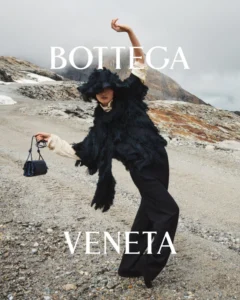
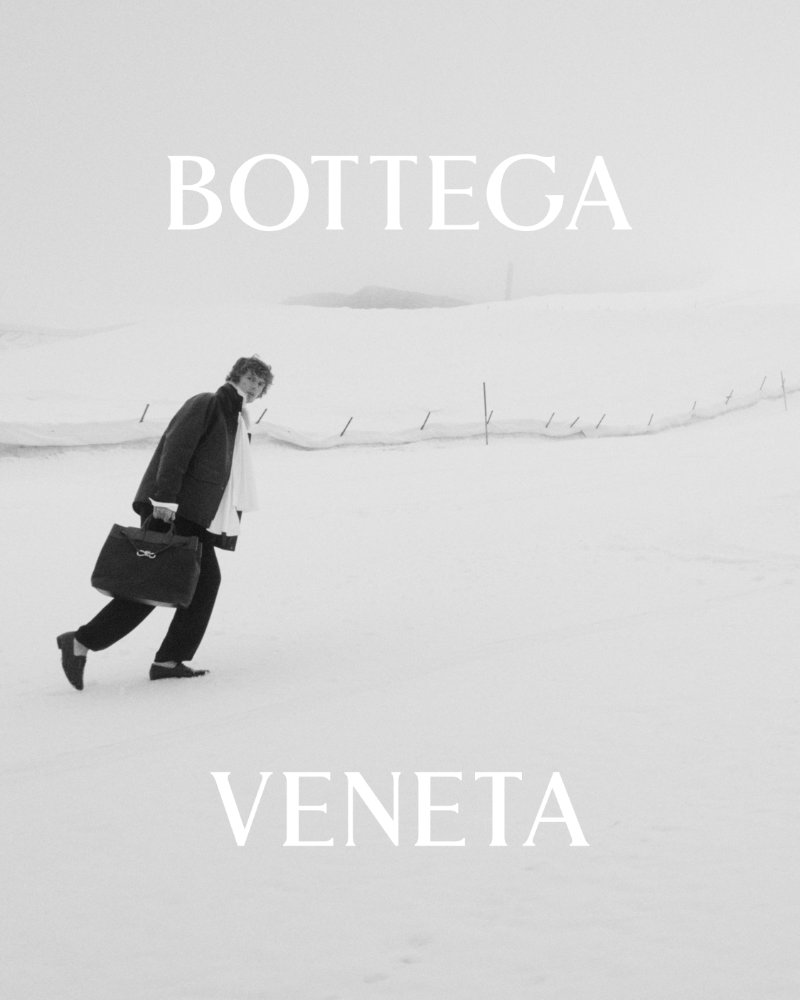
- Community-Centric Campaigns: Campaigns like Bottega Veneta’s They Dance Too and Tommy Jeans’ Open Road demonstrate a shift toward community-led narratives. By moving the focus away from the individual model toward a collective or a subculture, brands create a sense of belonging that resonates with modern values of inclusivity.
- Sustainability as a Design Constraint: Sustainability is no longer a marketing "add-on" but a design constraint. Projects like the MS Rise III sneaker prove that recycling and modularity are now considered baseline expectations for high-end product development.
In conclusion, the current landscape of the creative industry is one of reflection and re-evaluation. Whether through the lens of a Tim Burton film, the archival photographs at the Grand Palais, or the personal memories embedded in a piece of workwear, the fashion industry of late 2026 is deeply engaged in the act of storytelling. The brands that succeed in the coming months will be those that can successfully synthesize these disparate threads—craft, culture, and personal identity—into a cohesive narrative that speaks to the complexities of modern life. As the industry moves into 2027, the focus will undoubtedly remain on authenticity, with the most successful players being those who treat their products as pieces of a larger, evolving cultural puzzle.