Global Standards Launches the Global Responsible Textile Standard to Fill Critical Industry Gap for Non-Organic and Recycled Fibres

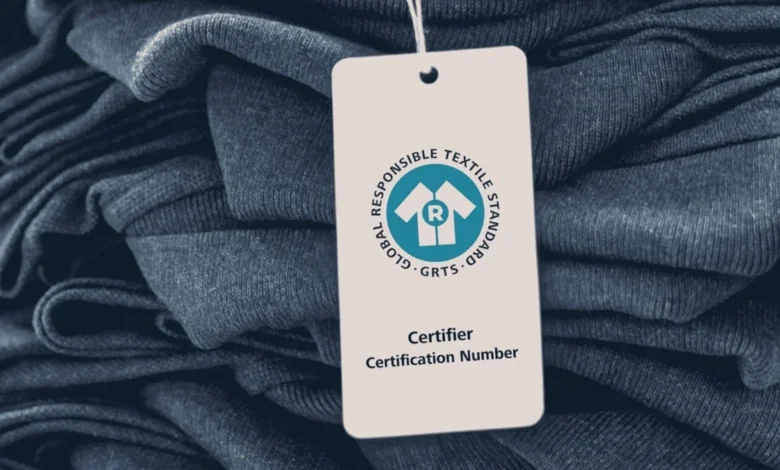
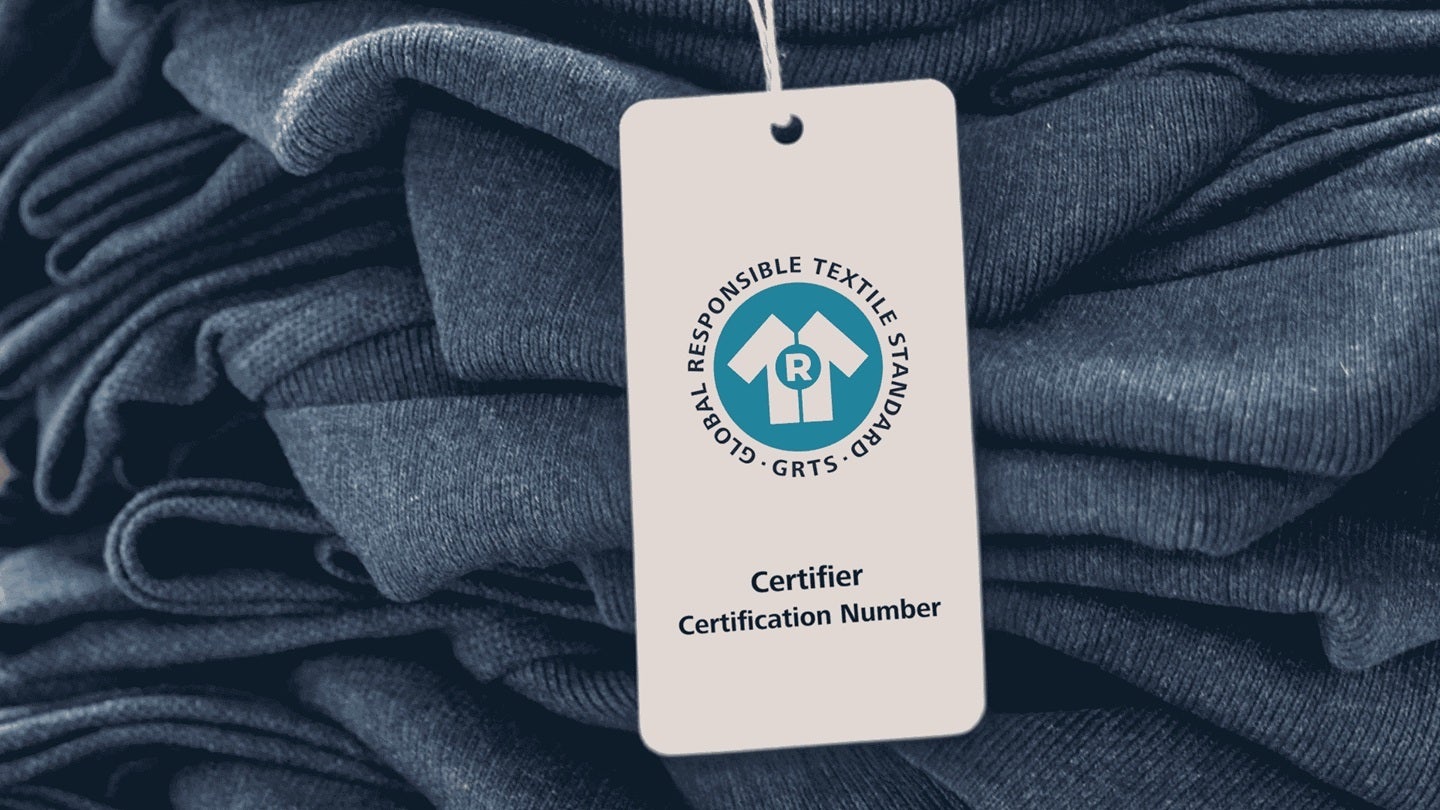
The global textile and apparel industry has long grappled with a fundamental structural challenge: while rigorous sustainability frameworks existed for organic materials, a comparable, all-encompassing system for non-organic, synthetic, man-made cellulosic, and recycled fibres remained notably absent. Non-profit organisation Global Standards has officially sought to bridge this persistent industry divide with the launch of the Global Responsible Textile Standard (GRTS). Designed as a comprehensive, voluntary certification framework, GRTS broadens the scope of responsible textile processing, offering stringent environmental and human rights criteria across a significantly wider array of raw material categories than previously supported under the organisation’s legacy frameworks.
Building Upon Decades of Regulatory Expertise
The creation of the GRTS framework did not occur in a vacuum; rather, it is the product of decades of institutional knowledge, regulatory refinement, and operational experience gained through the administration of the widely recognized Global Organic Textile Standard (GOTS). While GOTS established a gold standard for organic fibre processing, its strict prerequisite that products be manufactured primarily from organic raw materials inadvertently created a bottleneck for the broader textile ecosystem. Manufacturers working with recycled synthetics, conventional plant fibres, animal fibres outside the organic scope, and man-made cellulosics often found themselves navigating a fragmented landscape of lesser-known or inconsistent certifications.
By introducing GRTS, Global Standards has established a bridge that connects these previously siloed segments of the textile supply chain. Drawing on the robust verification mechanisms, oversight protocols, and structural integrity of the GOTS ecosystem, GRTS enables brands, manufacturers, and processors to validate the sustainability credentials of a diverse mix of materials without compromising on the depth of scrutiny or the credibility of the certification.
Core Architecture and Eligibility Requirements of GRTS
At its core, the GRTS framework is underpinned by rigorous thresholds and uncompromising verification standards designed to prevent greenwashing and enforce genuine accountability throughout the supply chain. To achieve and maintain GRTS certification, a textile product must contain a minimum of 90% fibres that have been independently verified by third-party standards officially recognized within the GRTS system.
The standard mandates compliance across a multi-faceted spectrum of responsible business practices. These encompass comprehensive environmental performance metrics, strict chemical management controls, absolute adherence to human rights, ethical business conduct, rigorous due diligence, and unbroken traceability for all processed materials. Furthermore, the framework maintains zero-tolerance policies regarding certain high-risk inputs, explicitly restricting the use of highly hazardous chemicals and genetically modified organisms (GMOs) at various stages of processing.
Chain of Custody and Independent Verification
Ensuring the integrity of a global textile supply chain requires an airtight tracking infrastructure. The GRTS framework addresses this imperative by incorporating sophisticated chain-of-custody principles, strict identity preservation protocols, and mandatory transaction certificates. These mechanisms are deployed to track and verify certified fibre content meticulously as raw materials move through spinning, weaving, knitting, dyeing, and finishing stages, right up to the final finished product.
This intricate verification process is administered through an expansive network of 27 independent, accredited certification bodies. These third-party entities are authorized to perform rigorous on-site assessments, audits, and evaluations at every stage of processing and trading, ensuring that participating facilities continuously adhere to the stringent benchmarks established by Global Standards.
Leadership Perspective and Strategic Vision
Claudia Kersten, Managing Director of Global Standards, emphasized the strategic importance of the rollout in addressing long-standing market demands. Explaining the motivation behind the initiative, Kersten noted that as a non-profit Voluntary Sustainability Standard setter, the organisation’s core mission is to guarantee the highest achievable level of social and environmental impact across complex global textile value chains.
Kersten described GRTS as a strategic and exciting milestone for the organisation. By introducing a standard that successfully accounts for fibres beyond the organic category while deliberately constructing it on the exact same institutional system as GOTS, Global Standards aims to actively reinforce the commercial business case for industry-wide sustainability. According to leadership, this alignment empowers businesses of all scales to scale up their sustainability targets and deliver tangible, positive impacts collectively.
Contextualizing the Industry Shift and Market Demands
The arrival of GRTS comes at a critical juncture for the textile and apparel sectors. Over the past decade, regulatory pressures from governing bodies—particularly within the European Union and North America—have intensified dramatically. Policymakers are cracking down on unsubstantiated environmental claims, demanding greater supply chain transparency, and holding fashion and textile brands legally accountable for human rights abuses and environmental degradation across their extended supply networks.
Simultaneously, consumer demand for recycled and sustainably sourced non-organic materials, such as recycled polyester, nylon, and responsible man-made cellulosics, has skyrocketed. However, the market has historically suffered from a lack of unified harmonization. Brands frequently struggled to compare disparate certifications or verify claims made by tier-two and tier-three suppliers. By providing a credible, standardized pathway that recognizes third-party fibre standards across multiple categories, GRTS offers a much-needed mechanism to streamline compliance, mitigate regulatory risks, and satisfy discerning consumer bases.
Operational Synergies for Existing GOTS Stakeholders
One of the most practical advantages of the GRTS launch is its operational synergy with the existing GOTS infrastructure. Textile processing facilities, mills, brands, and traders already operating under GOTS certification will find the transition to—or concurrent adoption of—GRTS certification significantly streamlined.
Because both standards share foundational requirements, administrative protocols, and verification methodologies, businesses already integrated into the GOTS ecosystem can leverage their existing compliance frameworks to adopt GRTS with minimal disruption and reduced administrative overhead. This interoperability is expected to accelerate uptake among major manufacturers who process both organic and non-organic or recycled material streams simultaneously.
Broader Implications and Future Outlook
The introduction of the Global Responsible Textile Standard marks a paradigm shift in how the industry approaches multi-fibre sustainability. By filling the glaring vacuum that previously existed for non-organic and recycled material streams, Global Standards has provided the market with a tool that marries flexibility with uncompromising rigour.
As regulatory scrutiny continues to tighten globally and stakeholder expectations regarding corporate social responsibility reach unprecedented heights, frameworks like GRTS are expected to become indispensable components of modern supply chain management. By uniting diverse material categories under a single, trusted umbrella of accountability, GRTS paves the way for a more transparent, ethically sound, and environmentally responsible future for global textile manufacturing.