Greggs and Just Eat partner for London Fashion Week to offer luxury pre-loved handbags with lunch orders

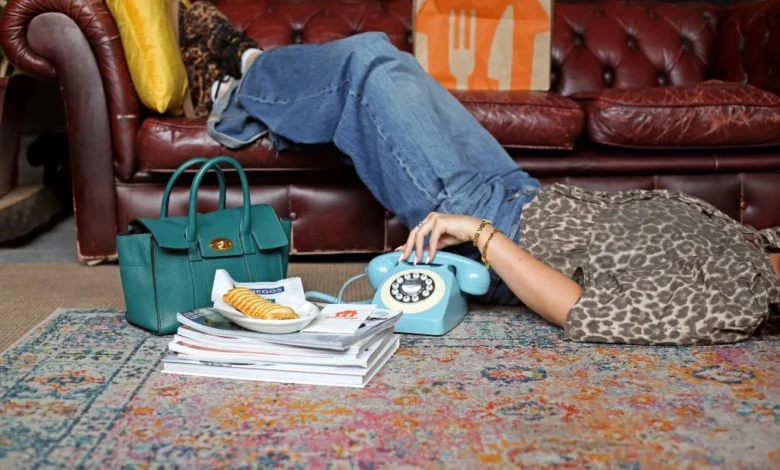
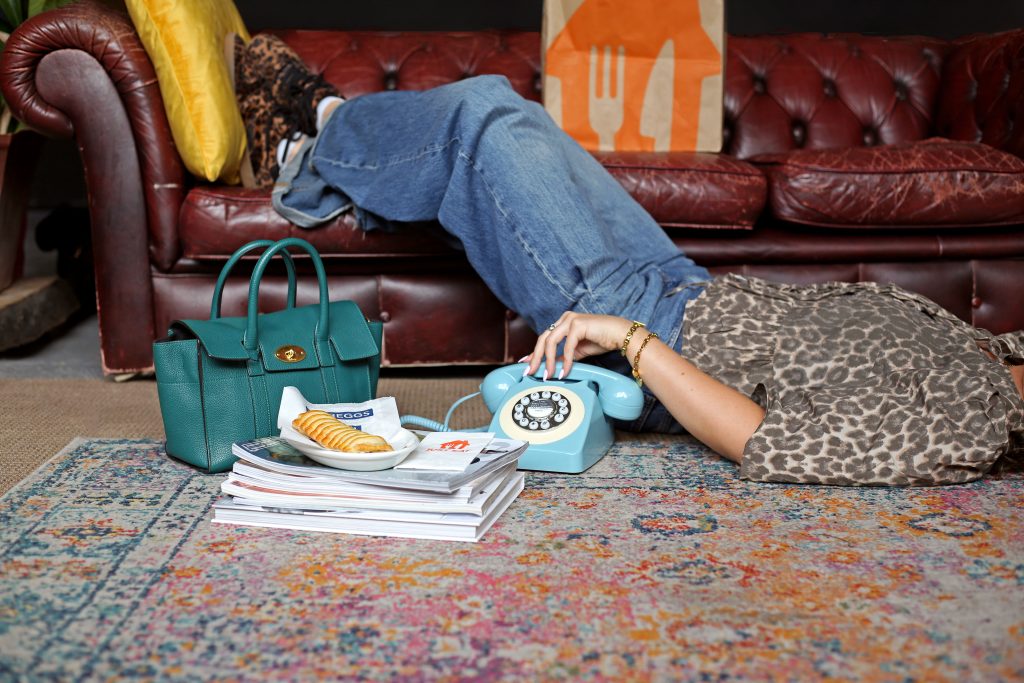
In an unconventional fusion of high-street convenience and luxury fashion, Greggs and Just Eat have announced a collaborative campaign that will see authentic, pre-loved designer handbags distributed to lucky customers during London Fashion Week. This initiative, designed to intersect the disparate worlds of bakery staples and premium accessories, represents a bold marketing maneuver for both brands as they attempt to capture the cultural zeitgeist surrounding one of the world’s most prestigious fashion events.
The promotion, which is scheduled for Thursday, September 17, incentivizes customers to engage with the Greggs digital storefront via the Just Eat platform. By placing an order of £20 or more between the hours of 11:00 am and 1:00 pm, participants in selected cities become eligible to receive a curated, authentic pre-loved designer handbag. The logistics of the campaign rely on a first-come, first-served model, emphasizing the exclusivity and limited nature of the inventory.
The Intersection of Retail and High Fashion
London Fashion Week, which traditionally draws international attention to the United Kingdom’s capital, serves as the backdrop for this campaign. Historically, fashion week events have been the exclusive domain of luxury houses, high-end retailers, and elite media circles. However, the move by Greggs—a brand synonymous with affordable, mass-market comfort food—to enter this space signals a strategic shift in retail marketing.
By positioning the "Sausage Roll" alongside luxury accessories, Greggs is leveraging the concept of "accessible luxury." This strategy aims to humanize the brand while capitalizing on the growing consumer interest in the circular economy, specifically the pre-loved or second-hand luxury goods market. The handbags provided in the promotion have been handpicked for their aesthetic value and quality, ensuring that the items remain desirable to fashion-conscious consumers despite their pre-owned status.
Geographic Scope and Operational Logistics
The activation is limited to specific urban centers, reflecting the concentrated demand for both high-end fashion and rapid food delivery services. The participating cities include London, Manchester, Leeds, and Edinburgh. These locations represent key economic hubs where both the Just Eat delivery infrastructure is robust and the consumer appetite for experiential marketing campaigns is high.
The logistical framework of the promotion is straightforward but aggressive. Because the supply of bags is finite, the "first-ordered, first-served" condition creates a sense of urgency. For the Just Eat platform, this serves to drive high-volume traffic during the peak midday period, demonstrating the efficacy of food delivery apps as marketing channels for non-food brands. For Greggs, it elevates the perceived value of their menu items, turning a standard lunch order into a potential entry point for a luxury lifestyle experience.
The Rise of the Pre-Loved Luxury Market
The decision to utilize pre-loved handbags is not merely a promotional gimmick; it aligns with broader economic and environmental trends. The global second-hand luxury market has seen unprecedented growth over the last five years. According to industry reports from platforms such as ThredUp and various luxury resale aggregators, the resale market is growing at a rate 11 times faster than traditional retail.
Consumers, particularly those within the Gen Z and Millennial demographics, are increasingly driven by sustainability and the desire to own authentic designer goods without the prohibitive cost of retail prices. By facilitating this partnership, Greggs and Just Eat are tapping into the "circular fashion" narrative, framing the possession of a pre-loved bag as both a stylistic choice and an environmentally conscious decision. This alignment helps polish the brands’ images, moving them away from simple consumption toward a more nuanced, modern retail identity.
Official Responses and Brand Positioning
Zoe Harris, the Customer Director at Greggs, has framed the campaign as an evolution of the brand’s identity. "From Sausage Rolls to statement bags, this might just be our most fashionable launch yet," Harris remarked. She noted that the objective is to bridge the gap between high-end fashion aspirations and everyday value. By "stitching together the worlds of high fashion and everyday value," the company is attempting to claim a unique space in the retail landscape—one that is both irreverent and aspirational.
Just Eat, meanwhile, views the partnership as an opportunity to reinforce its position as more than just a food delivery intermediary. By offering non-food rewards, Just Eat is diversifying its value proposition, transforming the act of ordering lunch into a digital event. This type of experiential marketing is increasingly vital in a saturated delivery market where consumer loyalty is often fickle and price-sensitive.
Broader Economic and Marketing Implications
The implications of this campaign extend beyond the immediate PR impact. Analysts suggest that this represents a maturation of "brand co-creation." As traditional advertising channels like television and print continue to see declining engagement, brands are forced to find creative, disruptive ways to reach consumers. The Greggs-Just Eat initiative provides a blueprint for how food-service brands can partner with the fashion sector to create viral moments that translate into tangible sales data.
Furthermore, the campaign underscores the power of "gamified retail." By setting a spending threshold of £20—an amount that might be slightly higher than a typical individual lunch order—the brands are successfully incentivizing group orders or larger baskets. This increases the Average Order Value (AOV) for both the delivery platform and the restaurant chain, providing a direct financial incentive to continue such experimental marketing efforts.
Chronology and Event Planning
The timeline for the event highlights the short, high-impact nature of modern promotional campaigns:
- Announcement Phase: The reveal of the partnership creates anticipation and allows for social media momentum to build prior to the event date.
- The Launch (September 17, 11:00 am): The operational window opens. Success hinges on the platform’s ability to handle concurrent traffic spikes.
- Execution (September 17, 11:00 am – 1:00 pm): The distribution window. The limited timeframe is calculated to concentrate demand, ensuring the promotion stays within the media cycle and remains a "limited edition" event.
- Post-Event Analysis: Post-campaign metrics, including social media engagement, app download rates, and total order volume, will be analyzed to determine the viability of similar future partnerships.
Sociological Context: The Democratization of Luxury
Historically, the "democratization of luxury" referred to high-end brands creating diffusion lines for middle-market retailers. This campaign flips that model, bringing luxury into the mainstream by associating it with a brand that is a cultural staple of the British high street.
The social impact of this campaign is likely to be significant, as it encourages consumers to view their daily habits through a lens of fashion. By normalizing the "pre-loved" label, the campaign contributes to the destigmatization of second-hand goods. This cultural shift is essential for the long-term sustainability goals of the fashion industry, which is under increasing pressure to address the waste generated by fast fashion cycles.
Conclusion
The Greggs and Just Eat campaign is a sophisticated example of modern retail marketing. By leveraging the buzz of London Fashion Week and the ubiquity of food delivery services, the two companies have created a promotional event that satisfies consumer desires for novelty, value, and sustainable consumption.
While the immediate goal is to drive orders on September 17, the long-term objective is to cement a brand identity that is both relevant and adaptable. As the retail sector continues to blur the lines between product categories, consumers can expect to see more of these "deliciously unexpected" collaborations. Whether this particular strategy will be replicated on a larger scale remains to be seen, but for now, the partnership serves as a testament to the fact that in the current retail environment, the most effective marketing is that which catches the consumer off guard while providing tangible, high-value rewards. The collaboration between a bakery chain and a delivery platform to offer designer goods is a stark reminder that in the digital age, retail is no longer about just selling a product—it is about selling an experience.
Related posts: