Kyotographie International Photography Festival: A Global Lens on South African Narratives

Established in the picturesque and historically rich city of Kyoto, the Kyotographie International Photography Festival has, over its 14-year history, consistently pushed the boundaries of photographic exhibition. For its latest edition, the festival has turned its discerning gaze towards South Africa, showcasing a powerful and multifaceted exploration of the nation’s complex past and evolving present through the lens of its photographers. This year’s theme, "EDGE," delves into the most pressing global issues, with a particular emphasis on how photography can illuminate suppressed histories and challenge dominant narratives.
Kyoto, a city synonymous with traditional Japanese aesthetics and a history of carefully curated isolation, might initially appear an unconventional setting for a forward-thinking, international photography festival. However, it is precisely this juxtaposition that co-founders and co-directors Lucille Reyboz and Yusuke Nakanishi sought to harness. Since its inception in 2013, Kyotographie has coincided with the ephemeral beauty of Kyoto’s cherry blossom season, transforming the city into a vibrant hub for photographic discourse.
The genesis of Kyotographie can be traced back to a profound moment of collective introspection in Japan: the 2011 earthquake and the subsequent Fukushima nuclear disaster. Reyboz and Nakanishi, who met in Tokyo shortly before these events, describe a pervasive sense of unease and a critical lack of transparency surrounding official information, particularly regarding radiation levels. "At the time, we felt an imbalance," Nakanishi recounted. "There was a lack of clarity around official information on radiation. We thought a photofestival could be the creation of a new media, showing what’s happening now in the world and in this country." This desire to foster clarity and provide alternative perspectives through the medium of photography became a cornerstone of the festival’s mission.
While acknowledging the influence of established festivals like Les Rencontres d’Arles, Kyotographie has meticulously cultivated its own distinct identity, shaped by a deep consideration of cultural nuances and the pragmatic realities of the art market. Reyboz articulated this vision: "We wanted to create a stage for Japanese photography, which has more visibility overseas than here. [In Japan] photographers cannot live from their work because there is little market, few collectors and very few magazines." This commitment to supporting and promoting artists, both domestically and internationally, underpins the festival’s curatorial choices.
A Thematic Exploration: "EDGE" and the Power of South African Photography
This year’s 14th edition, themed "EDGE," bravely confronts contemporary challenges. "The global situation imposed," explained Reyboz, referring to the pervasive sense of precariousness and uncertainty that defines the current global landscape. "We are on the edge… We should question ourselves and where photography is going today." This overarching theme provides a fertile ground for exploring complex societal issues, and the festival’s decision to center South African work is particularly resonant within this framework.
Reyboz, who spent her formative years in Africa, noted that while the festival has always featured African photography, this edition marks a significant deepening of focus. "We have always highlighted African photography," she stated, "but this edition marks a focused shift, centering South Africa via exhibitions of work by three generations of artists – Ernest Cole, Pieter Hugo, and Lebohang Kganye." This deliberate choice aims to bridge a perceived knowledge gap within Japan, where understanding of South Africa’s historical trajectory is often limited. "Very few people here have an understanding of what happened in South Africa," Reyboz observed. "There’s a tendency to turn a blind eye. The story of South Africa speaks to broader histories of oppression and erasure, and how photography has the capacity to record lived experiences that might otherwise be forgotten."
The festival’s commitment to shedding light on often-overlooked narratives extends to its tribute honoring Palestinian photographer and activist Fatma Hassona, whose work offers critical insights into political and social struggles.
Generations of Vision: Cole, Hugo, and Kganye
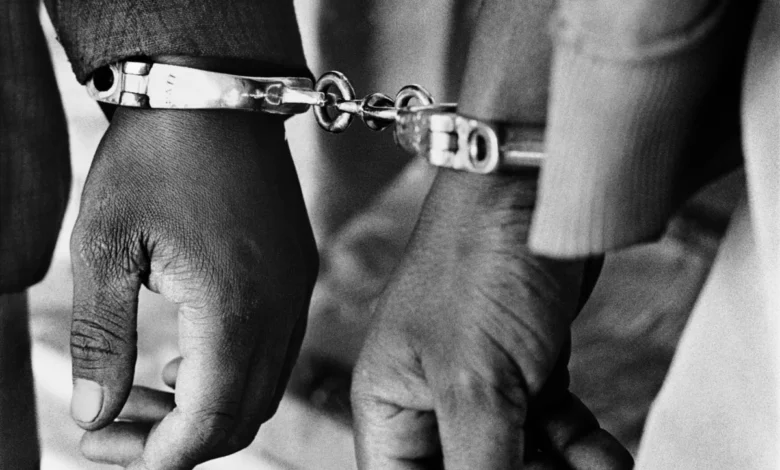
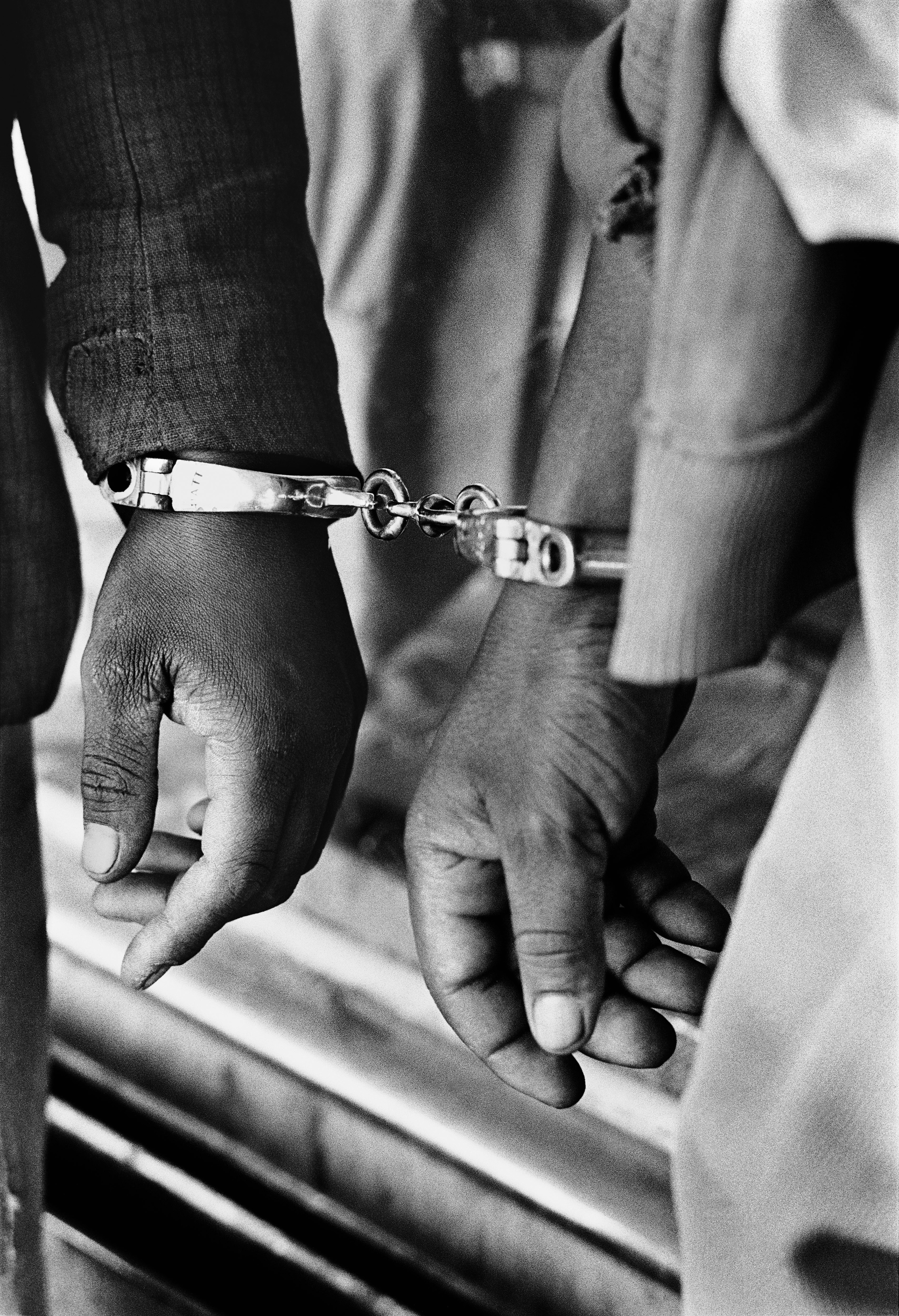
The exhibition dedicated to Ernest Cole, a pioneering South African photographer, offers a stark and unflinching look at the brutal realities of apartheid. His seminal 1960s work, such as the image "Handcuffed blacks were arrested for being in a white area illegally, South Africa, 1960s," captured the pervasive injustices and systemic discrimination that defined the era. Cole’s photographic documentation served as a powerful indictment of the apartheid regime, revealing the lived experiences of Black South Africans in ways that official narratives sought to suppress. His work stands as a testament to photography’s role in bearing witness to historical atrocities and advocating for social change.
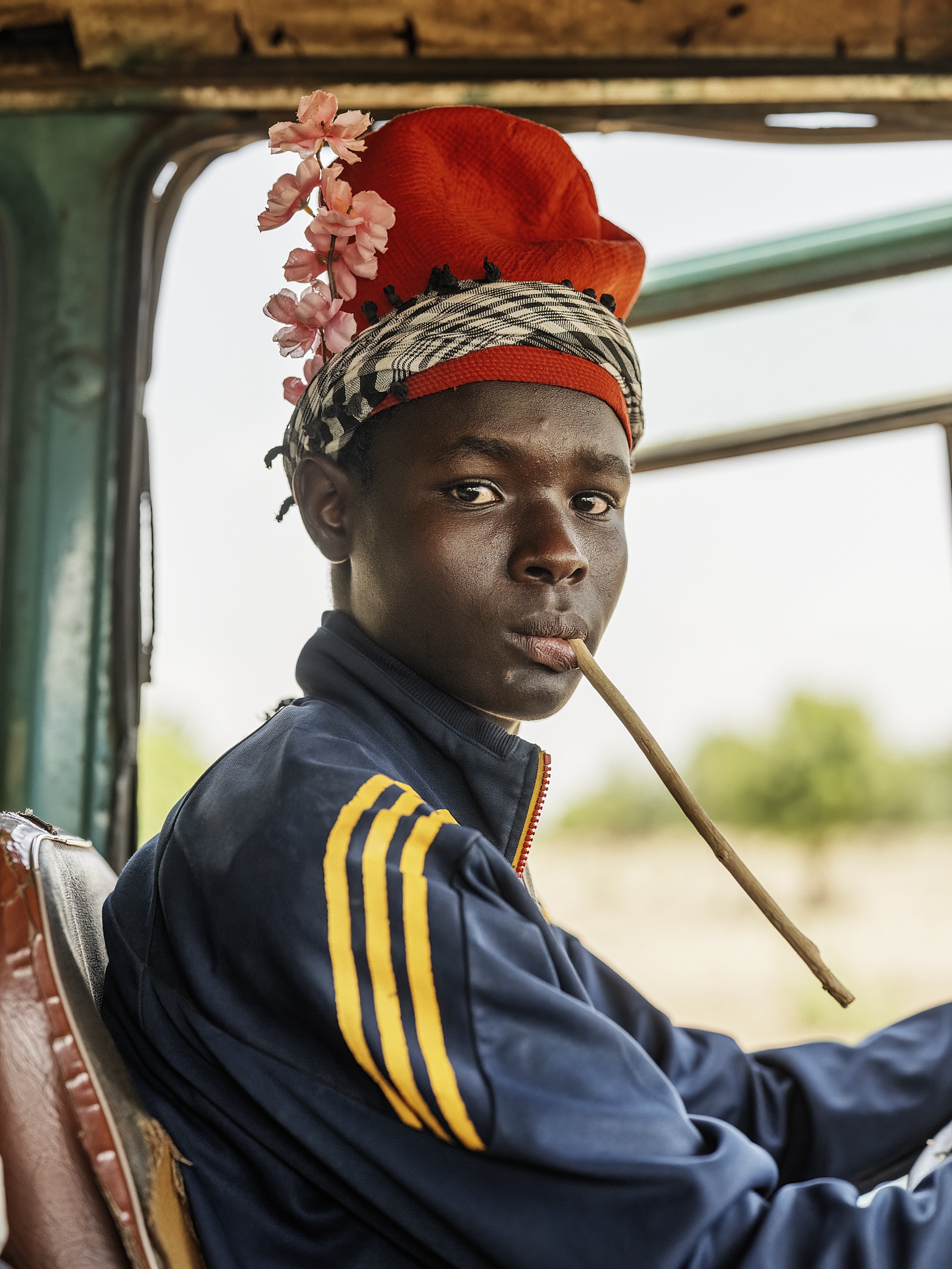
Pieter Hugo, representing a later generation of South African photographers, brings his distinct perspective to the festival. His series, exemplified by the image "Truck driver, Kano, 2023," often delves into the complex social and cultural landscapes of contemporary Africa. Hugo’s approach frequently explores the visual vernacular of specific communities and professions, offering nuanced portraits that challenge simplistic representations. His inclusion signifies a bridge between historical documentation and contemporary artistic interpretation, demonstrating the evolving nature of photographic practice in South Africa.
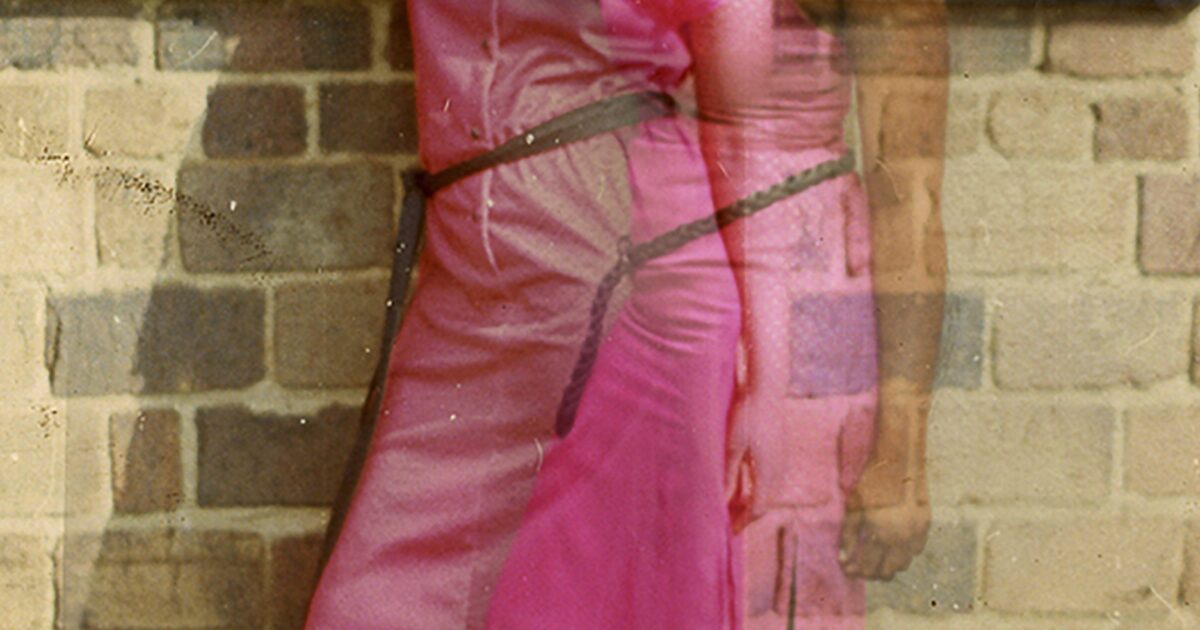
Lebohang Kganye, a contemporary artist, further expands this generational dialogue. Her work, such as the striking "Setupung sa Kwana Hae II © Lebohang Kganye, 2013," often engages with themes of identity, memory, and lineage, frequently incorporating elements of performance and storytelling. Kganye’s artistic practice represents the cutting edge of South African photography, where personal narratives intersect with broader socio-political contexts, offering fresh perspectives on the nation’s ongoing journey.
The Photobook as Archive: "Photo book! Photo-book! Photobook!"
Complementing these individual exhibitions is "Photo book! Photo-book! Photobook!", a meticulously curated display of publications overseen by writer and curator Sean O’Toole. Following a residency at Cape Town’s A4 Arts Foundation, O’Toole has assembled a collection of 250 photobooks, spanning from 1945 to the present day. This comprehensive survey offers a chronological exploration of South Africa’s deep-seated contradictions and the formal innovations within the photobook medium.
O’Toole’s selection highlights what he terms "edge publications," juxtaposing state-sanctioned imagery with dissident voices. A prime example is the stark contrast between Sam Haskins’ "African Image" (1967), a seemingly romanticized portrayal of rural Black life, and Ernest Cole’s "House of Bondage" (1967), a harrowing expose of urban Black oppression. "Both books were published in 1967 but offer diametrically opposing points of view," O’Toole noted, adding, "One was immediately banned in South Africa. The other became highly influential." This comparison underscores the potent role of photobooks in shaping public perception and serving as sites of both propaganda and resistance.
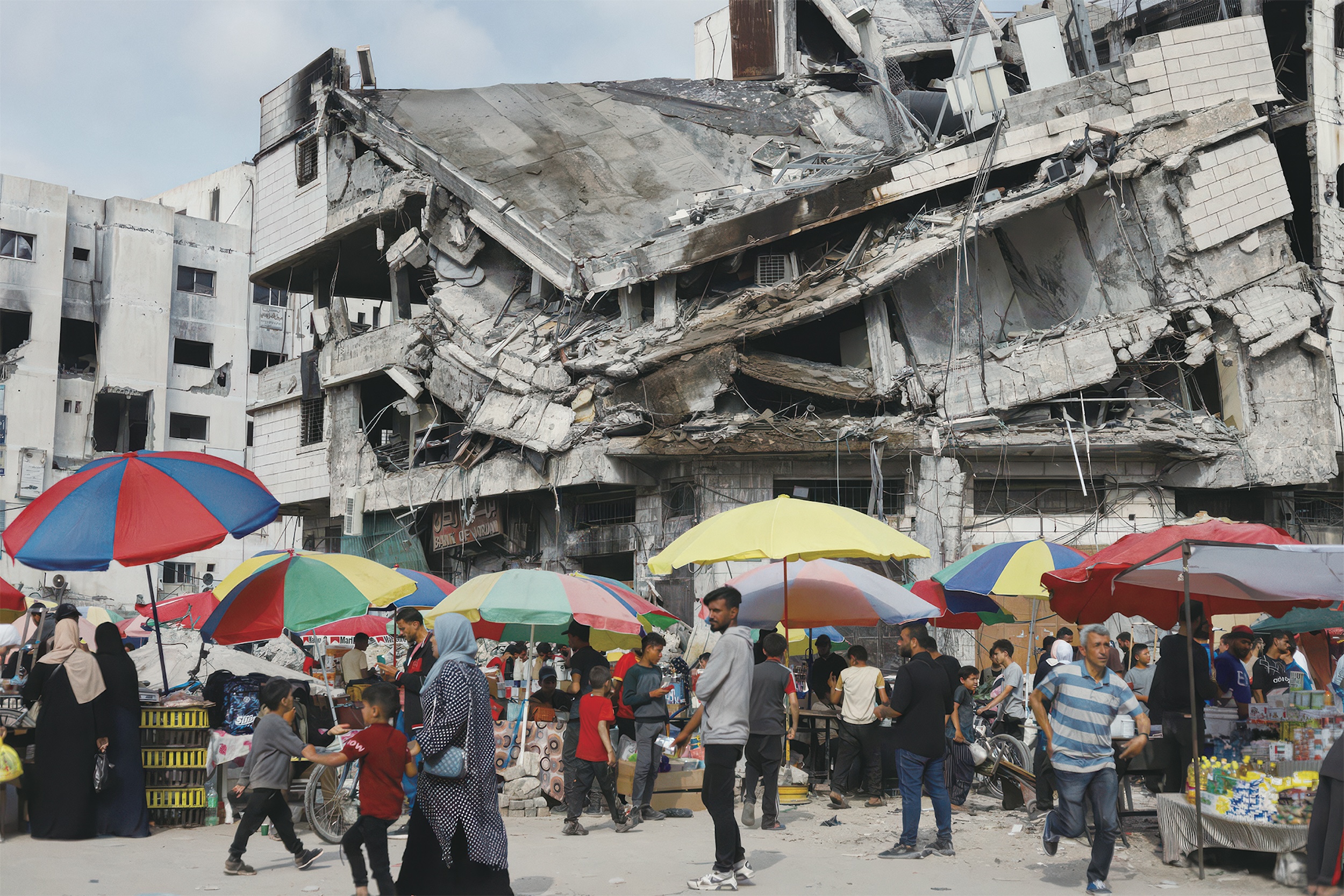
O’Toole’s forthcoming book on the project, launching at the festival, delves further into how South Africa has historically utilized photography for damaging anthropological and ethnographic documentation. It also examines the country’s explicit censorship, a pervasive tool during the apartheid years. "During the 1960s and 70s, industrial furnaces [were used] to burn confiscated books," he revealed. "A number of photobooks were swept up in this, most famously Ernest Cole’s." This historical context provides crucial background for understanding the significance of preserving and exhibiting these photographic records.
Pushing Boundaries: Technology, Nature, and Spiritual Resonance
Beyond its focus on South Africa, Kyotographie continues to explore the evolving landscape of photography itself. The "EDGE" theme extends to an examination of emerging technologies and their impact on visual culture. "EDGE also explores ‘how we can jump to a brighter future’," Reyboz stated, "offering insights into our world, but also photography itself." This forward-looking perspective is evident in the inclusion of programming that touches upon Artificial Intelligence (AI).
The festival is also showcasing new work by French duo Yves Marchand & Romain Meffre, which notably incorporates AI in its creation process, reflecting a growing trend in contemporary art. Additionally, the programming acknowledges pioneers of experimental photographic practices, such as Daidō Moriyama, a Japanese photographer known for his raw and visceral approach, reinforcing the festival’s commitment to both established masters and emerging talents.
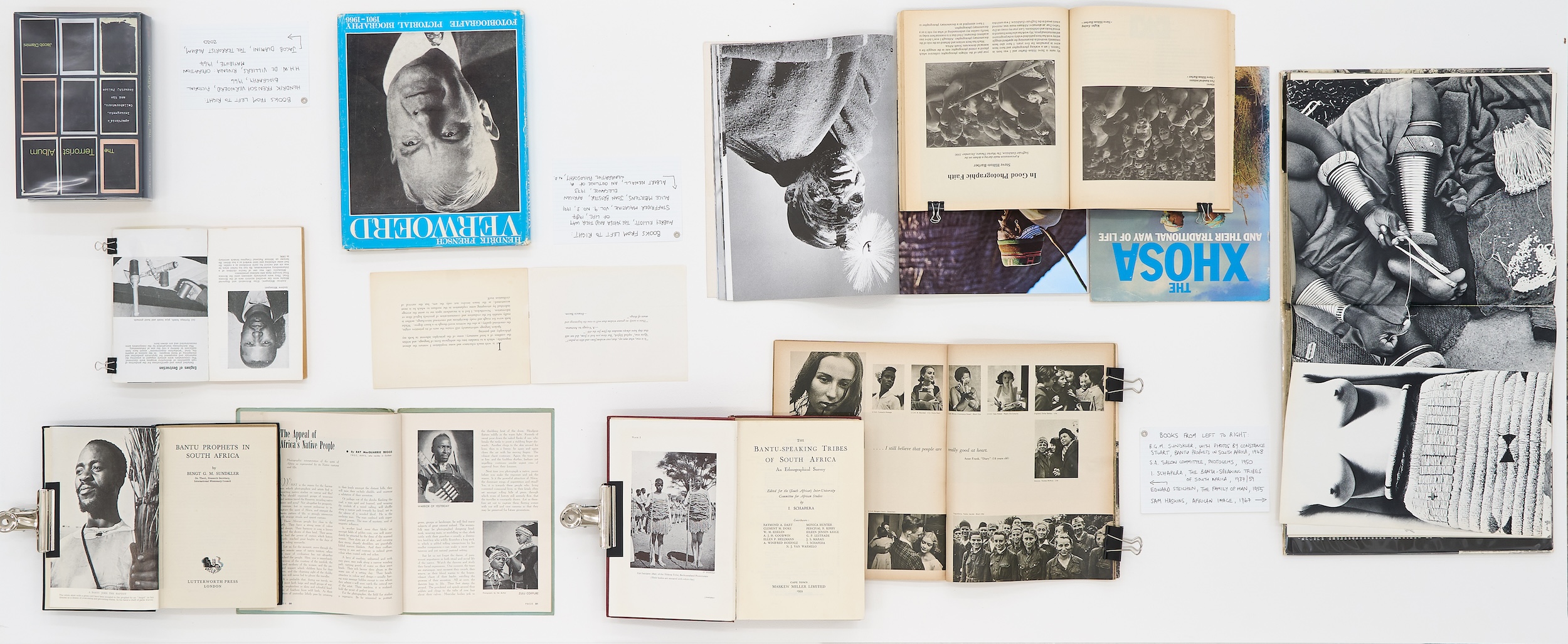
The festival’s unique approach to exhibition design, leveraging Kyoto’s rich heritage sites, continues to be a defining characteristic. The prohibition of hanging works directly on walls in many historical locations has spurred creative solutions, leading to immersive and site-specific installations. "Year after year we push the scenography further," Reyboz explained. "There is dialogue between the artist, curator, architect, scenographer and craftsmen from the very beginning." This collaborative approach ensures that the display of images is not merely functional but an integral part of the artistic experience, creating a dialogue between the artwork, its context, and the viewer.
This year, one exhibition will be housed in a former monk’s dormitory, now abandoned and being reclaimed by nature. "It’s a building that has been almost completely taken over by greenery," Reyboz mused, hinting at the evocative setting. Such choices underscore the festival’s ability to find profound resonance between artistic vision and physical space.
The festival also highlights the work of British artist Linder Sterling, renowned for her provocative and surreal imagery, and Dutch photographer Anton Corbijn, known for his iconic portraits of musicians and filmmakers. Kenyan artist Thandiwe Muriu’s vibrant and culturally rich photography offers another significant international perspective.
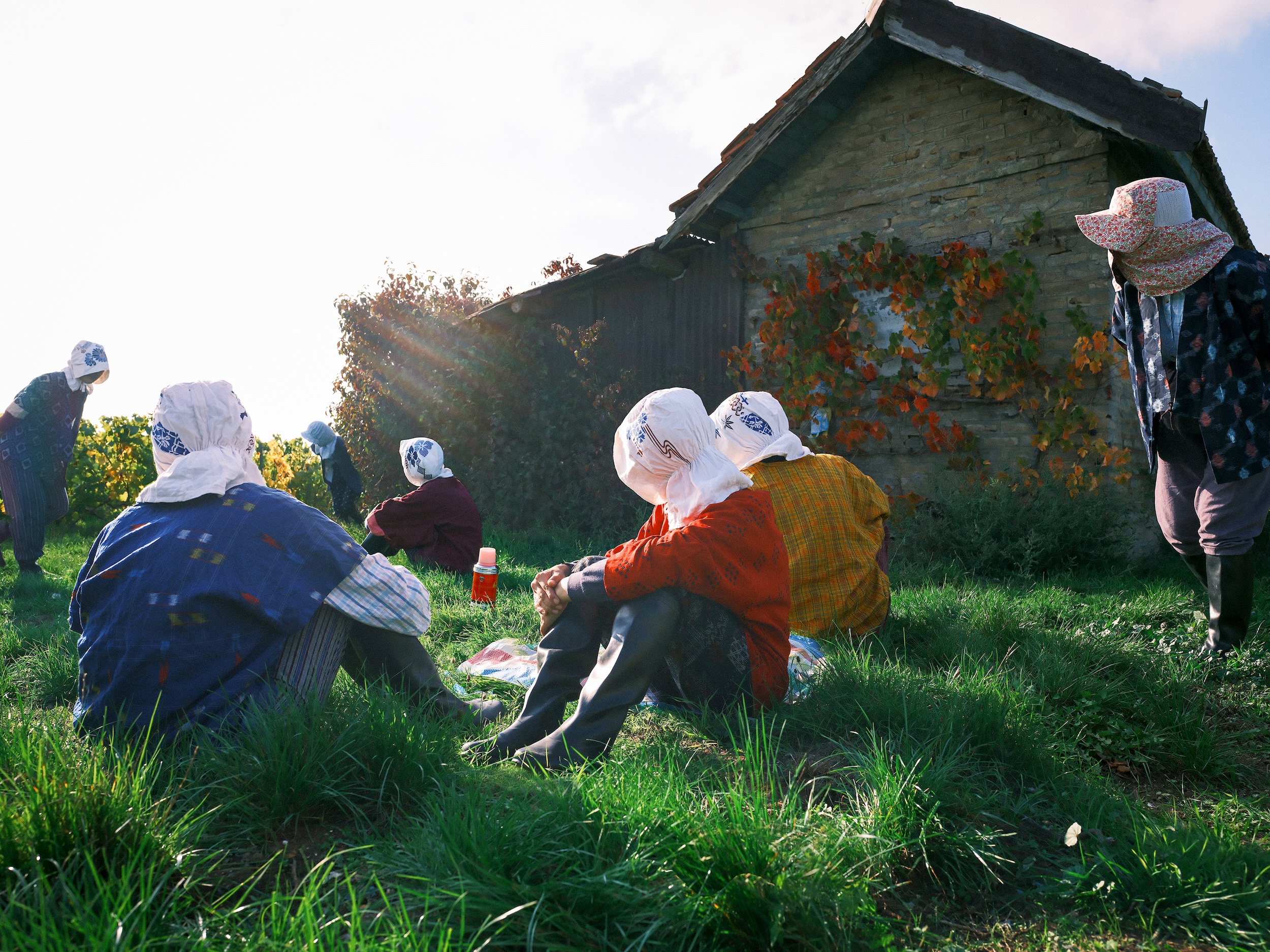
Further enriching the program are the works of Sari Shibata, winner of the Ruinart Japan Award 2025, whose art bridges Japan’s forests and France’s vineyards, and French artist Juliette Agnel, whose "Susceptibility of Rocks" series, created in collaboration with Van Cleef & Arpels, explores the intersection of art, nature, and luxury. Agnel’s profound connection to nature and elements, coupled with her unique visual sensibility, will be showcased in an old house formerly a school of philosophy, strategically located near the Emperor’s Palace, a setting Reyboz believes will amplify the resonance of her work.
A Legacy of Openness and Community
As Kyotographie reaches its 14th edition, its impact on the global photography community is undeniable. Reyboz and Nakanishi reflect on their achievement: "After 14 years, we feel the festival has begun to open up new ways of seeing," Reyboz stated. "People are coming from all around the world to support the photography community." This sentiment speaks to the festival’s success not only as an exhibition platform but also as a vital gathering point that fosters connection, dialogue, and a shared appreciation for the power of photography to illuminate, challenge, and inspire. The enduring legacy of Kyotographie lies in its ability to transform a historically rich city into a dynamic stage for contemporary visual storytelling, inviting the world to engage with diverse perspectives and to contemplate the critical role of images in shaping our understanding of the world.