The Conscious Wardrobe: How Sustainable Fashion is Reshaping Consumer Choices and Industry Practices


The fashion industry, long dominated by rapid production cycles and fleeting trends, is undergoing a significant transformation as consumers increasingly prioritize sustainable and ethical choices. This shift is moving beyond individual preferences, evolving into a widespread re-evaluation of how clothing is produced, consumed, and discarded, driven by growing awareness of environmental degradation and social inequities inherent in the fast fashion model. What was once a niche movement is now a powerful force influencing supply chains, material innovation, and consumer psychology, prompting a systemic change in how individuals approach their daily act of getting dressed.
The Pervasive Impact of Fast Fashion
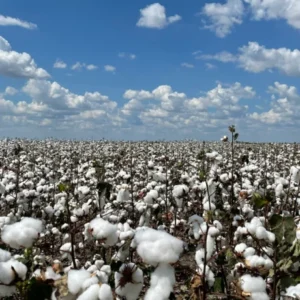
For decades, the allure of inexpensive, trend-driven clothing fostered a culture of disposability. The fast fashion business model, characterized by quick turnarounds from design to retail, low prices, and frequent collections, has allowed consumers to accumulate vast wardrobes. However, this convenience has come at a steep cost. Environmentally, the industry is a major polluter. According to the United Nations Environment Programme (UNEP), the fashion industry is responsible for 8-10% of global carbon emissions, more than all international flights and maritime shipping combined. Textile production is also incredibly resource-intensive, consuming vast amounts of water and often relying on harmful chemicals. For instance, it can take up to 2,700 liters of water to produce a single cotton t-shirt, equivalent to what one person drinks in 2.5 years. Moreover, synthetic fibers like polyester, prevalent in fast fashion, are derived from fossil fuels and release microplastics into waterways with every wash.
The social implications are equally stark. The drive for low production costs often translates into exploitative labor practices in developing countries. Workers, predominantly women, frequently face low wages, unsafe working conditions, and excessive hours. The collapse of the Rana Plaza factory in Bangladesh in 2013, which killed over 1,100 garment workers, served as a grim global wake-up call, exposing the devastating human cost behind cheap clothing and galvanizing public demand for greater transparency and accountability in supply chains. This incident marked a critical turning point, pushing consumer advocacy groups and ethical brands to amplify calls for systemic reform.
Beyond the environmental and social footprint, the sheer volume of clothing produced and discarded is overwhelming. The U.S. Environmental Protection Agency (EPA) reported that in 2018, 17 million tons of textile waste ended up in landfills, representing 5.8% of total municipal solid waste. The average consumer now buys 60% more clothing than 15 years ago but keeps each garment for half as long. This cycle of overconsumption and rapid disposal contributes significantly to landfill burden and resource depletion.
The Emergence of Conscious Consumerism
In response to these pervasive issues, a growing segment of the population, often termed "conscious consumers," has begun to actively seek alternatives. This demographic is increasingly informed by digital platforms and social media, which shed light on corporate practices and facilitate knowledge sharing about ethical sourcing and production. For many, the mental burden of a cluttered wardrobe, coupled with the ethical unease of contributing to environmental and social harm, has become unsustainable. The original article’s personal reflection on "guilt and frustration" over a closet full of unaligned choices mirrors a broader societal sentiment, where the pursuit of mindful living extends to purchasing habits.
This shift is not merely about altruism; it’s also about a desire for higher quality, longevity, and a deeper connection to personal values. Consumers are discovering that while fast fashion offers immediate gratification, it often leads to a cycle of dissatisfaction, poor quality garments that quickly degrade, and a constant feeling of needing "more." The appeal of sustainable fashion lies in its promise of greater transparency, superior craftsmanship, and a sense of purpose behind each purchase.
Defining Sustainable Fashion: Principles and Practices
Sustainable fashion encompasses a broad range of practices aimed at minimizing the environmental and social impact of clothing production and consumption. Key principles include:
- Ethical Production: Ensuring fair wages, safe working conditions, and respect for human rights throughout the supply chain. This often involves third-party certifications like Fair Trade.
- Eco-Friendly Materials: Prioritizing organic, recycled, upcycled, or innovative bio-based materials (e.g., organic cotton, recycled polyester, hemp, linen, Tencel, Piñatex). These materials reduce reliance on virgin resources, minimize chemical use, and often have lower water footprints.
- Circular Economy Principles: Designing products for longevity, repairability, and recyclability. This includes initiatives like take-back programs, rental services, and robust resale markets to keep garments in use for as long as possible and divert them from landfills.
- Reduced Waste: Implementing zero-waste design techniques, efficient cutting, and repurposing textile scraps.
- Water and Energy Conservation: Employing manufacturing processes that minimize water usage, reduce chemical discharge, and utilize renewable energy sources.
- Transparency and Traceability: Providing consumers with clear information about where and how products are made, the materials used, and the conditions of workers.
Industry analysts highlight that brands adopting these principles are not just appealing to a niche market but are strategically positioning themselves for long-term resilience in an evolving consumer landscape. The growth of certifications and consumer-facing labels (e.g., GOTS for organic textiles, B Corp for social and environmental performance) further empowers consumers to make informed choices.
The Economic and Psychological Shift
The transition to sustainable fashion often involves a re-evaluation of cost. While individual sustainable pieces may have a higher upfront price tag than their fast fashion counterparts, the concept of "cost per wear" becomes a crucial economic metric. A high-quality, ethically produced garment that lasts for years and retains its aesthetic appeal ultimately offers greater value than multiple cheaper items that quickly fall apart or go out of style.
A 2021 study by Statista projected that the global market for sustainable fashion would reach $10.3 billion by 2025, up from $6.35 billion in 2020, underscoring the significant economic momentum behind the movement. This growth is attracting investment and innovation, with established brands diversifying their portfolios and new eco-conscious labels emerging rapidly. Resale platforms like ThredUp and Poshmark are also booming, with ThredUp’s 2023 Resale Report estimating the global secondhand market will nearly double by 2027, reaching $350 billion. This indicates a profound shift in how consumers value and interact with clothing, moving towards a model of extended use and shared ownership.

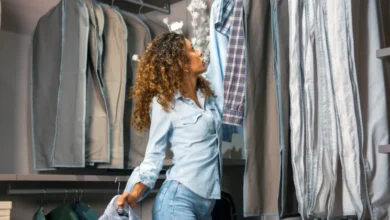
Beyond the financial calculus, the psychological benefits for consumers are significant. As observed in the original reflection, adopting sustainable fashion can lead to "unexpected mental clarity" and a reduction in "decision fatigue." When a wardrobe is curated with intention, each piece reflecting personal values and aesthetic preferences, the daily act of getting dressed transforms from a chore into a source of pleasure and alignment. This deliberate approach fosters a stronger sense of self and reduces the cognitive load associated with navigating an overwhelming array of choices. Eliminating the "constant churn of trends and sales" frees up mental space, allowing individuals to focus on more meaningful aspects of their lives. This resonates with broader trends in minimalism and mindful living, where individuals seek to reduce clutter and consumption to enhance well-being.
Building a Wardrobe That Aligns with Values
The process of transitioning to a sustainable wardrobe often forces individuals to articulate their authentic style, independent of fleeting trends. This introspection leads to choices based on personal preference, comfort, and versatility, resulting in a more cohesive and enduring collection of garments. For many, this means gravitating towards classic designs, natural fibers, and a harmonious color palette that allows for easy mixing and matching.
The deliberate nature of purchasing sustainable items—often involving research into brands’ practices, material sourcing, and mission—cultivates a deeper appreciation for each piece. This slower, more intentional approach to acquisition can evoke a sense of "welcoming something meaningful" rather than merely filling a void. This echoes cultural traditions observed globally, such as the Japanese concept of mottainai (a sense of regret concerning waste) or the European tradition of investing in high-quality, durable garments meant to last for decades. These historical precedents highlight that valuing longevity and craftsmanship over transient trends is not a novel concept but a return to practices that were marginalized by the rise of mass production.
Ripple Effects and Broader Implications
The individual decision to embrace sustainable fashion generates wider ripple effects that extend beyond personal satisfaction. When individuals feel genuinely aligned with their clothing choices, it can foster increased confidence and a more authentic presence in the world. This internal shift often translates into external interactions; conversations about clothing become opportunities to advocate for ethical brands and normalize sustainable consumption patterns. Such discussions contribute to raising collective awareness and shifting societal norms around fashion.
Economically, the shift towards sustainable fashion can lead to reduced overall spending on clothing for individuals, despite potentially higher per-item costs. The longevity of quality pieces means fewer replacements, ultimately resulting in lower annual expenditure. This reframing of value from "price tag" to "cost per wear" is fundamental to a more sustainable consumption model.
For the fashion industry, the implications are profound. Brands that fail to adapt to these evolving consumer expectations risk losing market share and relevance. Companies are being compelled to invest in sustainable innovation, from developing new eco-friendly materials and manufacturing processes to implementing robust circularity programs. This pressure drives technological advancements in areas such as textile recycling, waterless dyeing, and biodegradable fibers. Regulatory bodies are also beginning to respond, with initiatives like the EU Strategy for Sustainable and Circular Textiles aiming to make textiles more durable, repairable, and recyclable.
Navigating the Transition: Practical Steps
Making the transition to a sustainable wardrobe does not require an immediate, overwhelming overhaul. Experts and advocates recommend a phased approach:
- Start Small: Begin by focusing on one clothing category, such as basics (t-shirts, jeans) or outerwear, replacing items as they wear out.
- Research Brands: Identify sustainable brands that align with personal values and budget. Many mid-range sustainable brands offer comparable prices to conventional labels, especially when considering the longevity of their products. Resources like directories of ethical brands or sustainable fashion blogs can be invaluable.
- Prioritize Quality and Durability: Look for well-constructed garments made from durable materials. Read reviews and examine product details to gauge expected lifespan.
- Embrace Secondhand: Explore thrift stores, consignment shops, and online resale platforms. Buying used clothing is one of the most sustainable fashion choices, extending the life cycle of garments.
- Care for Your Clothes: Proper care, including gentle washing, air-drying, and timely repairs, significantly extends the lifespan of garments, regardless of their origin.
- Understand Your Style: Develop a clear understanding of personal style and what truly makes one feel good. This reduces impulse purchases and ensures new additions integrate seamlessly into the existing wardrobe.
- Consider Cost Per Wear: Evaluate purchases based on how many times an item will likely be worn versus its initial price, rather than just the upfront cost.
This iterative process acknowledges that building a sustainable wardrobe is a journey, not an instantaneous destination. It involves continuous learning, mindful consumption, and a gradual shift in habits.
Conclusion: A Future of Intentional Dressing
The narrative around clothing is fundamentally changing. What was once a daily ritual fraught with decision paralysis and ethical concerns for many consumers is evolving into a moment of simple pleasure and conscious alignment. The movement away from fast fashion towards sustainable choices is providing individuals with the freedom to enjoy getting dressed without the mental gymnastics of justification. Each morning, conscious consumers can choose from pieces that reflect their values, support practices they believe in, and contribute to a more equitable and environmentally sound future.
This transformation signifies more than just a change in buying habits; it represents a broader societal re-evaluation of consumption, value, and personal responsibility. As the global conversation around climate change and social justice intensifies, the fashion industry’s role in these critical issues becomes increasingly prominent. The shift towards sustainable fashion is not merely a trend; it is an imperative, promising a future where clothing serves as an extension of our best selves and our commitment to a better world, rather than a silent contributor to its degradation. The question for individuals and the industry alike is no longer if to embrace sustainable fashion, but how quickly and how thoroughly.