Streetwear, once a distinct subculture within menswear, has fundamentally reshaped the fashion landscape, evolving from its countercultural roots into a dominant force that now blurs the lines with high fashion. This pervasive influence has ushered in a more relaxed approach to dressing, encouraging the innovative mixing and matching of garments that were once considered disparate. While this broadened sartorial scope is a positive development, the escalating prices of coveted streetwear brands have created a barrier for many enthusiasts. Fortunately, a vibrant ecosystem of accessible brands continues to cater to those seeking to embrace the streetwear aesthetic without an exorbitant financial commitment. This article explores the trajectory of streetwear and highlights key brands that offer enduring style at attainable price points.
The Meteoric Rise of Streetwear
The genesis of streetwear can be traced back to the late 20th century, often associated with youth subcultures such as skateboarding, hip-hop, and surfing. In its nascent stages, it was characterized by its affordability, often revolving around graphic-heavy t-shirts, hoodies, and sneakers adorned with brand logos. These items served as a visual language, signaling affiliation with particular communities and a shared appreciation for a casual, expressive style. Brands like Stüssy, founded in the early 1980s, and FUBU, emerging in the early 1990s, were pioneers in this space, building their appeal on authenticity and a direct connection with their audience.
The turn of the millennium marked a significant shift. As streetwear gained mainstream traction, collaborations between sportswear giants and high-fashion houses began to emerge. The early 2010s witnessed a surge in the popularity of brands like Supreme, known for its limited-edition drops and iconic box logo, and Off-White, founded by Virgil Abloh, which masterfully blended luxury aesthetics with streetwear sensibilities. These collaborations, coupled with the rise of social media platforms that amplified trends globally, propelled streetwear into a realm of exclusivity and high demand. Limited releases, often selling out within minutes, and a robust resale market further inflated prices, transforming what was once accessible apparel into aspirational luxury goods.
The economic implications of this shift are considerable. For brands like Supreme, an original t-shirt might have retailed for $30-$40, but its resale value could easily reach several hundred dollars, if not more, for highly sought-after items. Similarly, Off-White’s sneakers, initially priced in the $400-$600 range, often commanded prices of $1,000 or more on the secondary market. This pricing strategy, while lucrative for the brands and resellers, effectively priced out a significant portion of the original streetwear demographic – young individuals and those with more modest incomes.
The Democratization of Style: Affordable Streetwear Alternatives
Despite the ascent of luxury streetwear, a parallel movement of brands has maintained an unwavering commitment to accessibility and quality. These labels, ranging from heritage workwear brands that have seamlessly integrated into the streetwear vernacular to modern brands focused on sustainable and ethical production, offer compelling alternatives for the discerning consumer.

Carhartt WIP: Enduring Workwear Meets Modern Style
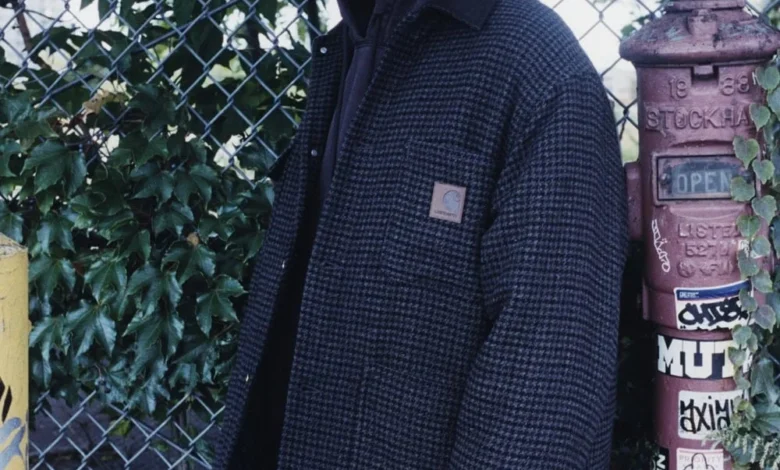
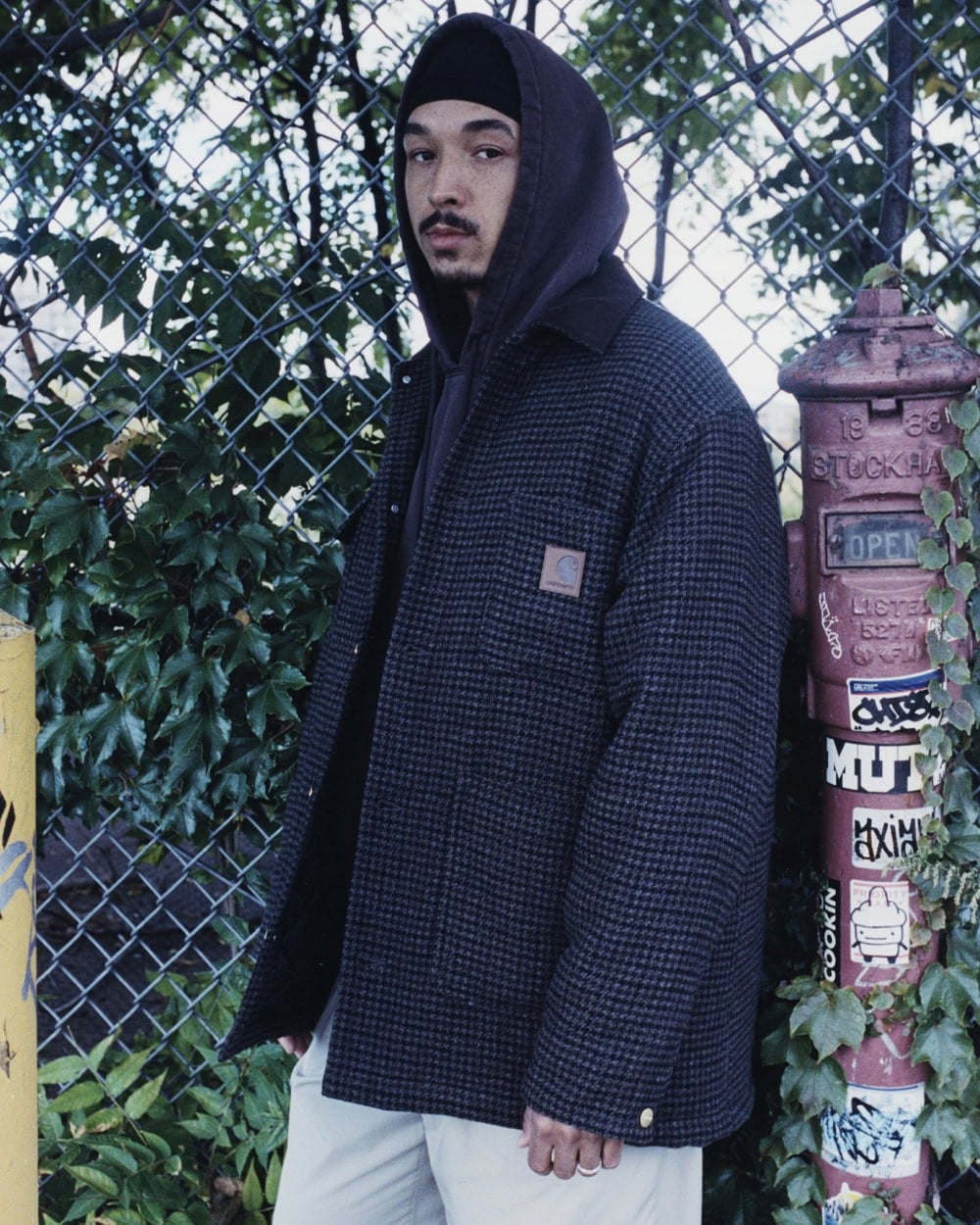
Carhartt, a brand with a century-long legacy in durable workwear, established its "Work In Progress" (WIP) division to cater to a more fashion-conscious audience. Carhartt WIP strikes an impressive balance between its heritage of robust construction and contemporary streetwear aesthetics. Its offerings include essential basics like well-made hoodies, sweatpants, and t-shirts, all produced with a focus on longevity and comfort. Beyond these staples, Carhartt WIP also excels in more expressive pieces such as patterned shirts, cardigans, and fleeces, as well as a strong lineup of outerwear. The brand’s ability to maintain accessible price points, even as its popularity has soared, makes it a cornerstone for anyone looking to build a versatile streetwear-inspired wardrobe. For instance, a classic Carhartt WIP hoodie typically retails between $90-$130, offering significant value for its quality and design.
Stan Ray: American Heritage with a Workwear Edge
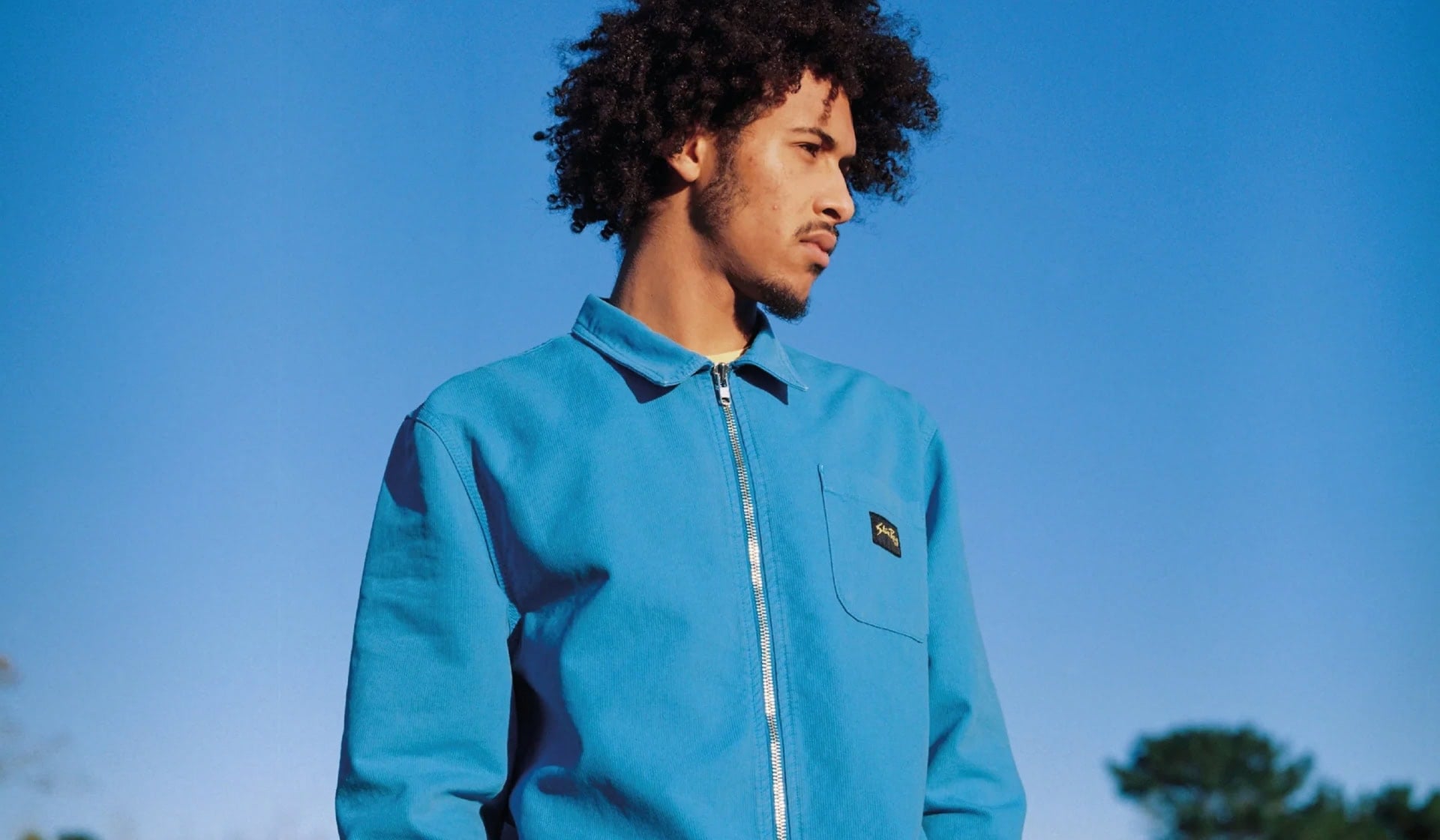
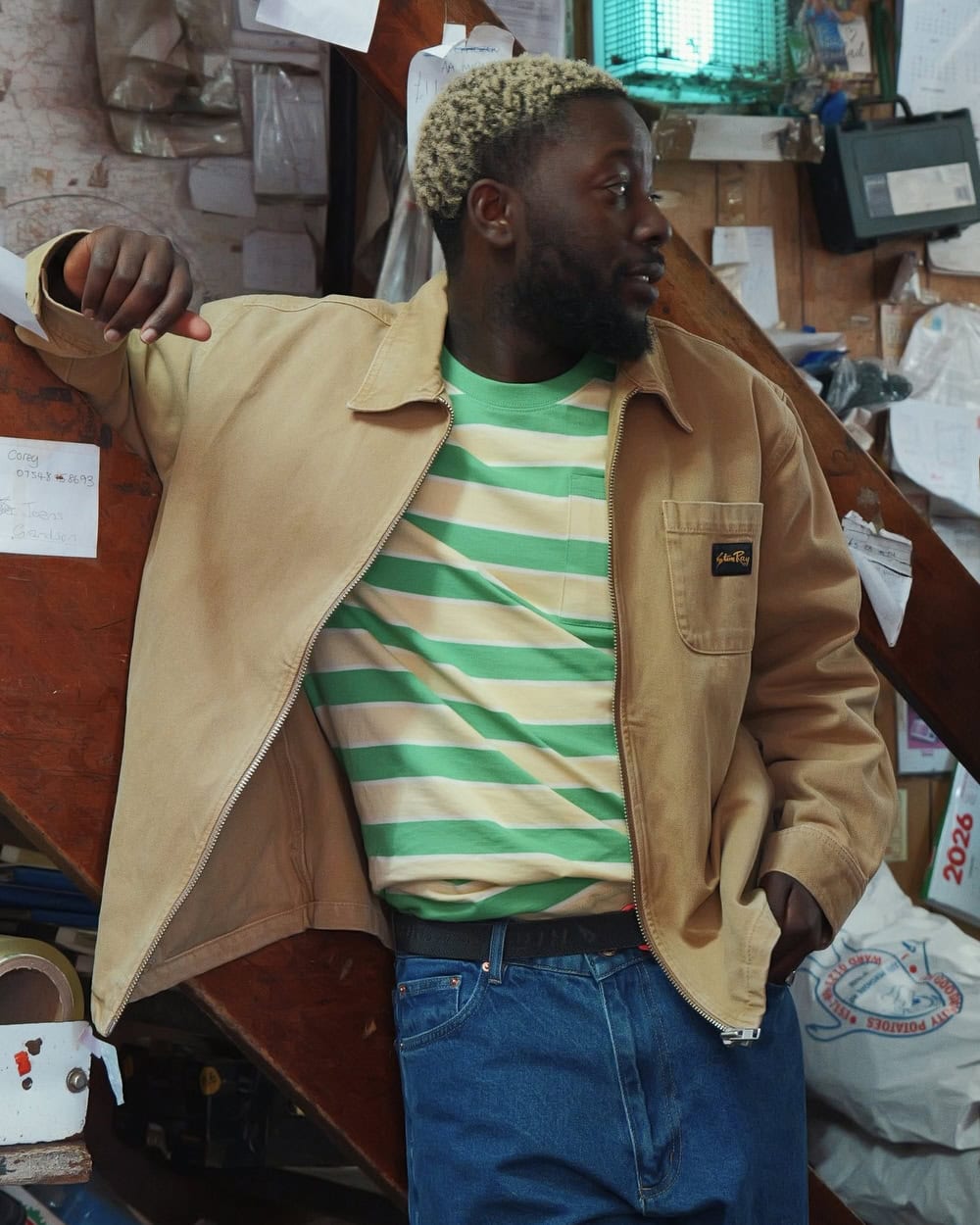
Echoing Carhartt’s trajectory, Stan Ray is another American brand deeply rooted in blue-collar workwear that has found a significant following in streetwear circles. The brand is celebrated for its loose-fitting, hard-wearing essentials that carry an unmistakable workwear influence. Its signature work pants, available in a variety of relaxed cuts, feature practical pocket designs and durable cotton construction, making them a highly coveted item for streetwear enthusiasts. These versatile pants often retail in the $70-$100 range, providing a stylish and functional foundation for numerous outfits.
Champion: A Historic Contributor to Casual Comfort
Champion, founded in Rochester, New York, in 1919, was producing what we now recognize as streetwear long before the term existed. Originally a performance athletics brand, it specialized in high-quality sweatshirts, hoodies, joggers, and t-shirts designed for athletes and sports enthusiasts. In later decades, these comfortable and functional garments were adopted by the burgeoning streetwear culture, a trend that Champion has wholeheartedly embraced. The brand’s historical significance and its continued production of reliable basics at accessible prices, with hoodies and sweatshirts often available for $50-$80, solidify its place as a foundational streetwear label.
Gramicci: From Climbing Routes to Urban Style
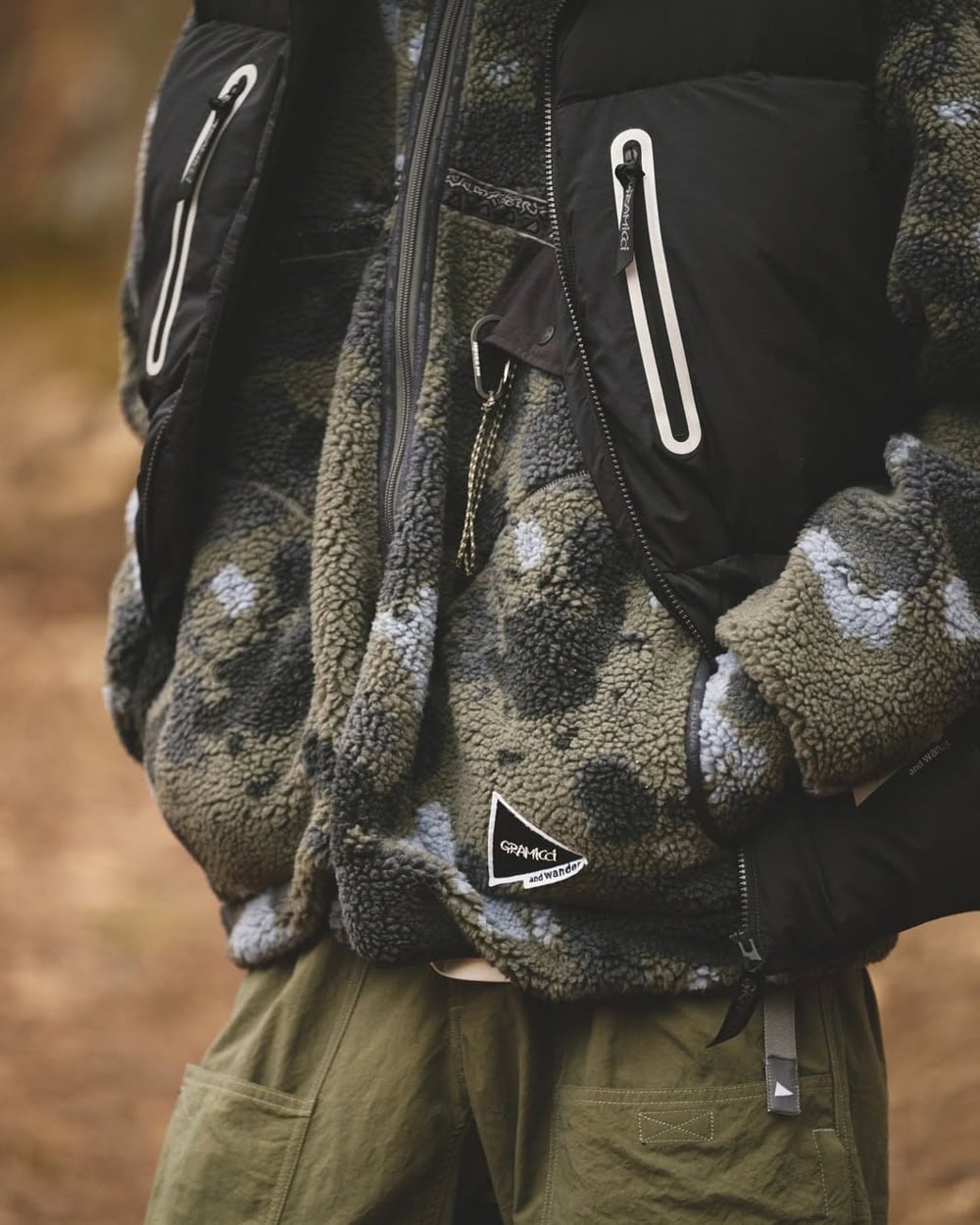
Gramicci brings a unique perspective to streetwear, stemming from its origins in rock climbing. This American-born, now Japanese-owned label prioritizes loose-fitting, comfortable clothing suitable for both outdoor adventures and urban exploration. Its standout pieces are undoubtedly its pants, characterized by relaxed fits, roomy legs, and the brand’s signature integrated webbing belt. These functional and stylish trousers often fall within the $80-$120 price bracket, offering a distinctive silhouette that appeals to those seeking both comfort and a touch of ruggedness.
MKI Miyuki Zoku: Contemporary Design with British Roots
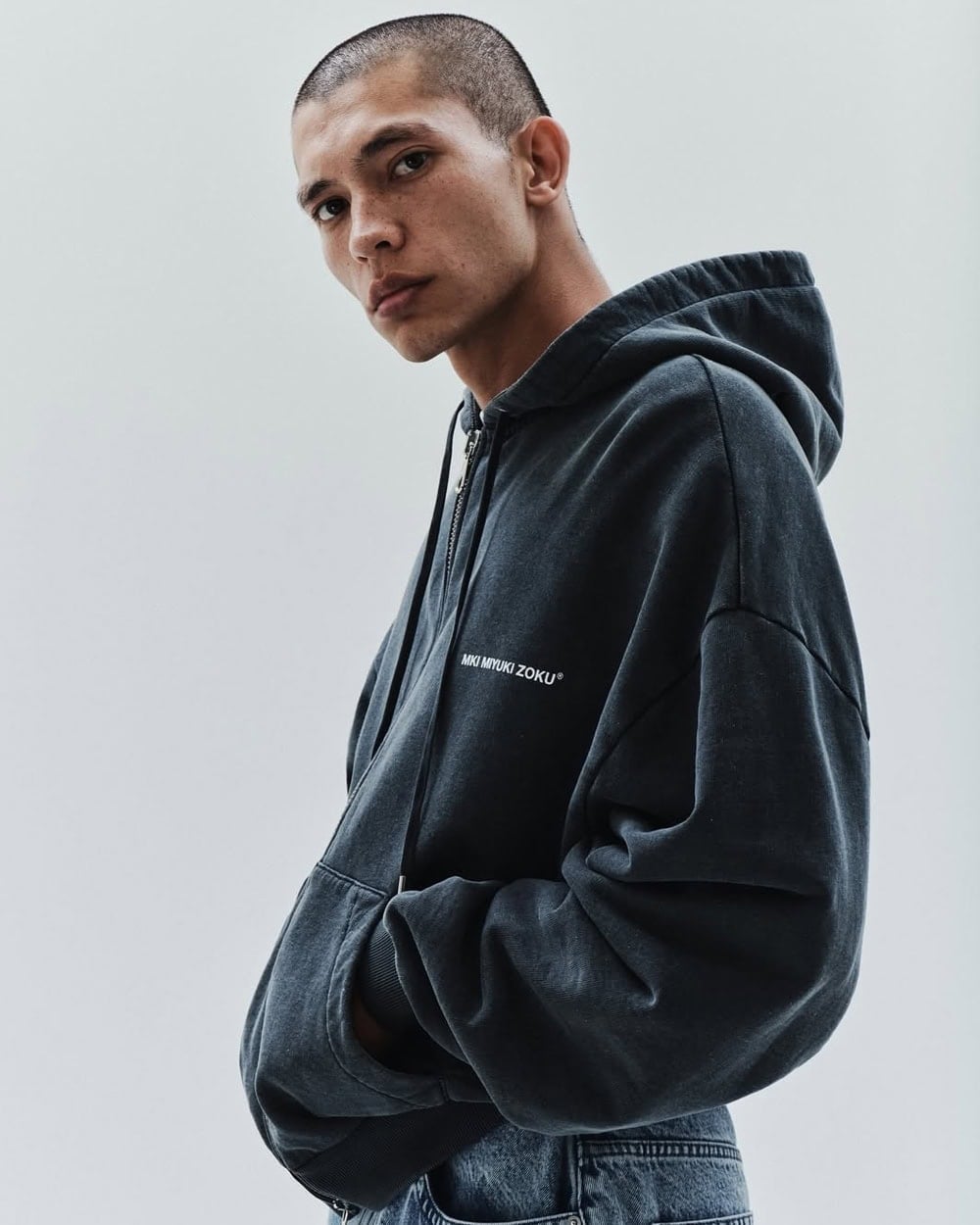
Founded in Leeds, England, in 2010, MKI Miyuki Zoku has rapidly established a reputation for delivering stylish, streetwear-infused menswear at accessible price points. The brand offers a comprehensive range, from substantial outerwear to knitwear. However, its heavyweight sweats and hoodies, crafted in Portugal from weighty loopback cotton, are particularly noteworthy. These garments are praised for their robustness and a desirable boxy, relaxed cut that is perfect for achieving an authentic streetwear look. Prices for these premium hoodies typically range from $100-$150, representing excellent value for their construction and design.
Obey: Artistry and Activism in Streetwear
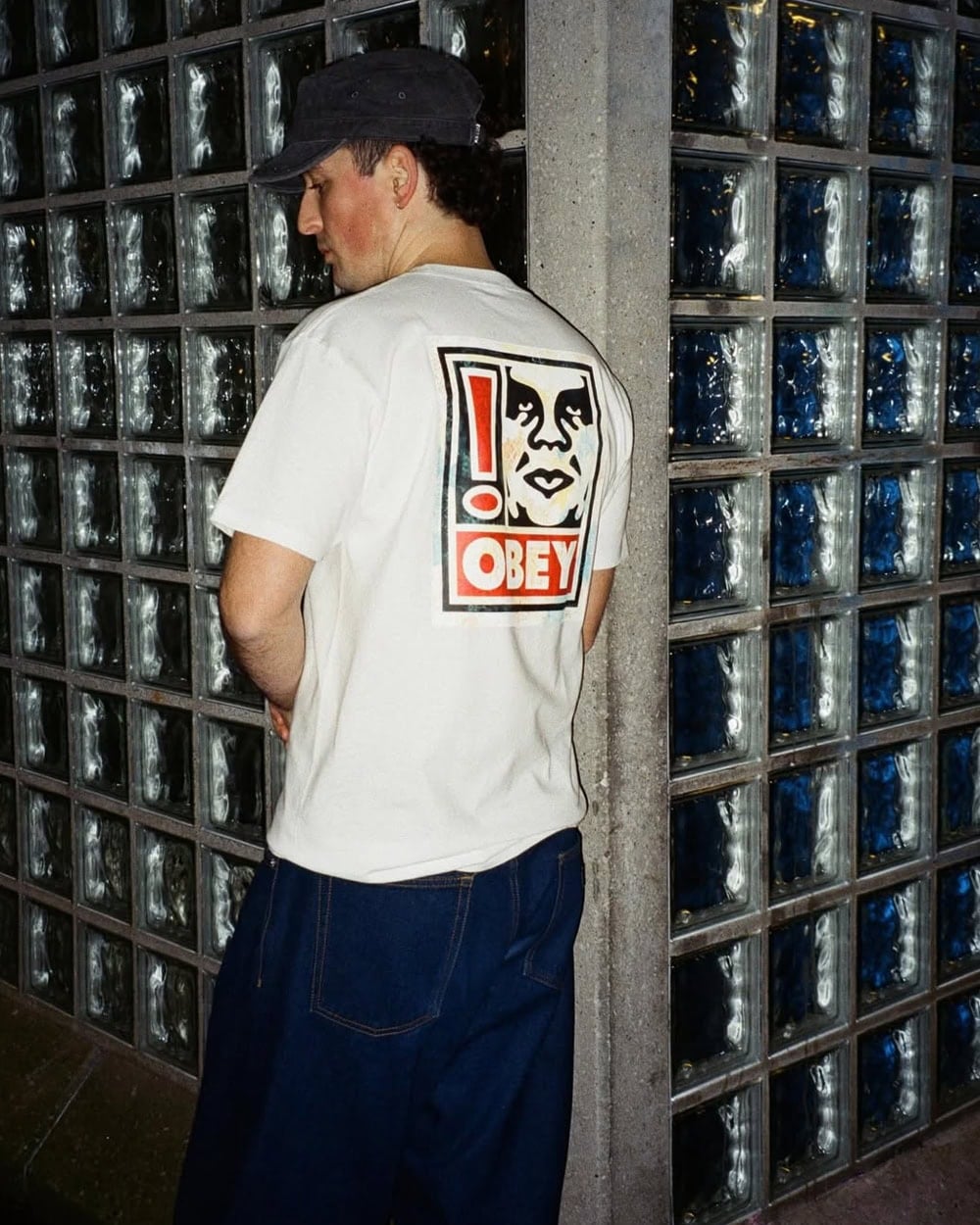
Obey, the brainchild of renowned street artist Shepard Fairey, has been a significant player in the streetwear scene since its inception in 2001. The brand’s identity is deeply intertwined with Fairey’s iconic artwork and graphics, often featuring his distinctive face logo and "Obey" branding. What sets Obey apart in the current market is its commitment to affordability. T-shirts often retail around $40, and the brand frequently participates in sales, making its artistically driven pieces accessible to a wider audience.
Uniqlo U: Elevated Basics for the Modern Wardrobe
Uniqlo is a global retail giant renowned for its wallet-friendly, stylish apparel. While its mainline collection provides excellent everyday essentials, the Uniqlo U line offers a more pronounced streetwear influence. This collection presents a curated selection of understated basics reimagined with contemporary silhouettes, including oversized tees, relaxed outerwear, and boxy hoodies. These pieces are designed to integrate seamlessly into streetwear-heavy wardrobes, with items like t-shirts typically priced between $20-$30 and hoodies around $50-$70, offering exceptional value for their quality and modern design.
Nike and Adidas: Athletic Heritage as Streetwear Staples
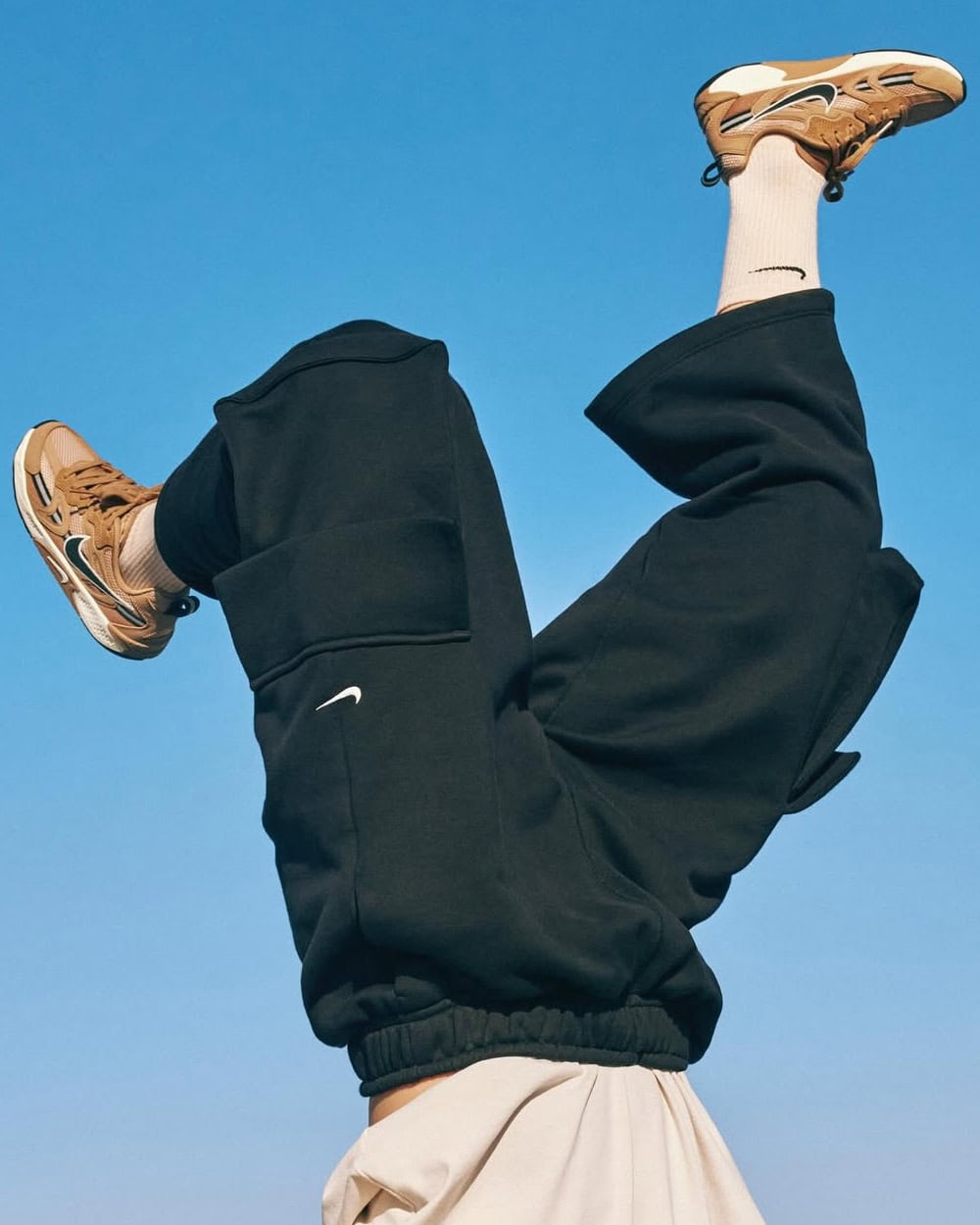
Nike and Adidas, while not strictly streetwear brands, have played an indispensable role in shaping the culture. Their athletic footwear, particularly iconic sneaker models, has been foundational to streetwear since its inception. Nike’s Air Force 1, Dunk, and Air Jordan lines, and Adidas’s Stan Smith, Superstar, and Gazelle, are not only performance shoes but cultural artifacts that have defined sneaker culture and, by extension, streetwear. While limited-edition releases can command exorbitant prices on the resale market, the core offerings from both brands – including t-shirts, hoodies, tracksuits, and everyday sneakers – remain largely affordable. Basic Nike or Adidas t-shirts can be found for $30-$50, and sneakers often range from $70-$150, making them accessible entry points into the streetwear aesthetic. The historical context is significant; Adidas’s association with early hip-hop culture, particularly Run DMC’s embrace of the Superstar sneaker and tracksuit, cemented its status as a streetwear precursor.

Dickies: The Budget-Friendly Workwear Powerhouse
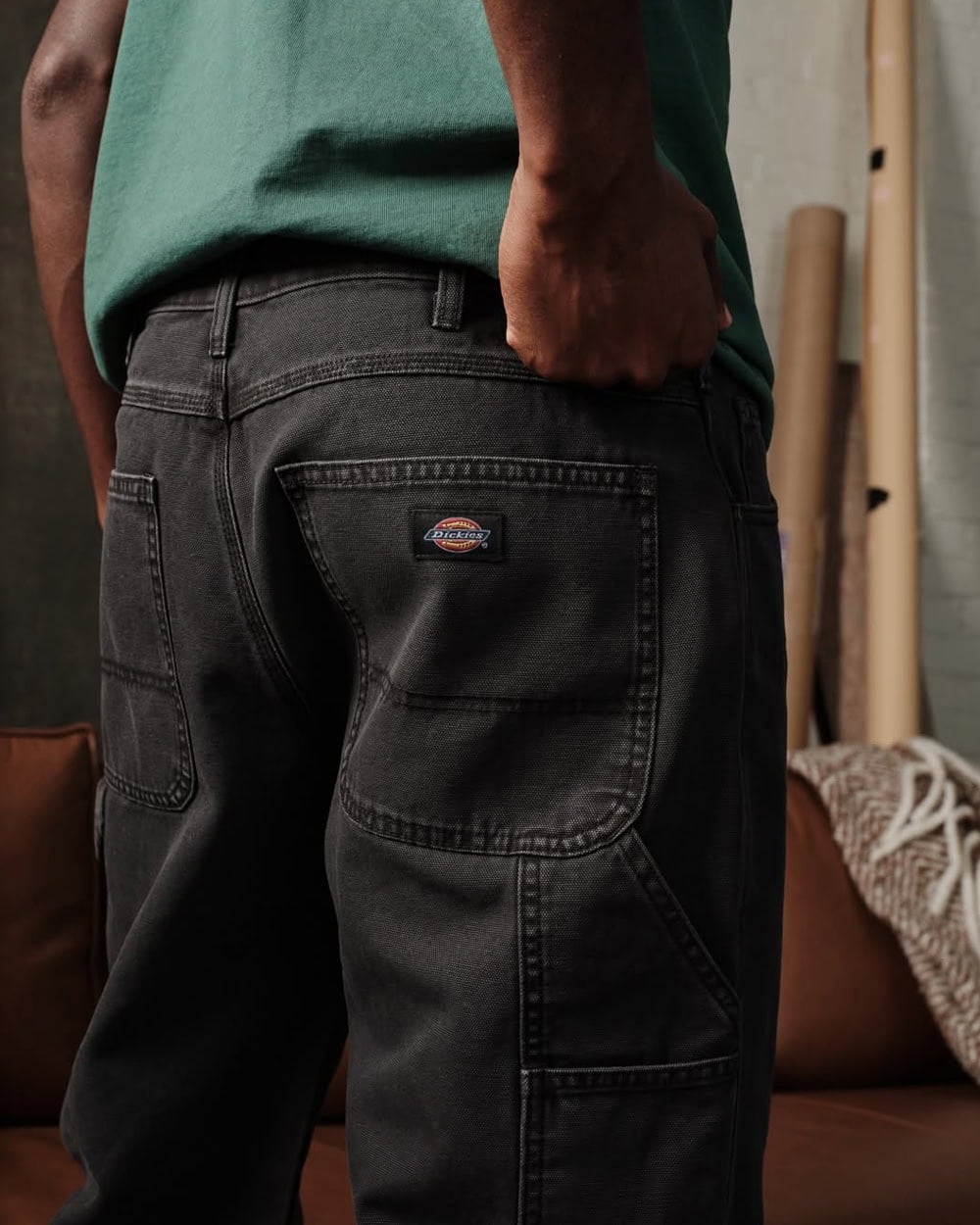
Among the heritage workwear brands that have transitioned into streetwear, Dickies stands out for its exceptional affordability. The brand produces items comparable to Carhartt and Stan Ray but at considerably lower price points. Dickies’ work pants, especially the iconic 874 model, are a staple in streetwear circles, bridging the gap between chinos, work trousers, and smart casual wear. These versatile pants typically retail between $40-$60, offering unparalleled value and durability.
Columbia: Outdoor Functionality Meets Street Style
Columbia, an outdoor apparel brand founded in the 1930s, has expanded its offerings to include a significant amount of streetwear-inspired clothing. While still producing high-performance gear for outdoor enthusiasts, the brand has incorporated a lifestyle focus, making pieces like retro fleece jackets and sporty windbreakers that appeal to the "gorpcore" aesthetic – a trend that blends outdoor functionality with urban fashion. These items often fall into the $70-$150 range, providing durable and stylish options for those who appreciate practical, adventure-ready clothing.
Vans: OG Status with Accessible Pricing
Hailing from California, Vans is one of the original streetwear brands, deeply intertwined with the birth of skateboarding culture. Despite its foundational role and enduring popularity, Vans has managed to keep its products relatively affordable. Its iconic skate shoes, such as the Old Skool and Sk8-Hi, rarely exceed $100, and basic items like t-shirts are priced even more accessibly, often in the $30-$40 range. This commitment to affordability has allowed Vans to remain a relevant and accessible choice for generations of streetwear enthusiasts.
Reebok: A Legacy of Iconic Footwear
Reebok, a British sportswear brand, made a significant impact in the 1980s with its high-top aerobics shoes and innovative pump-action basketball sneakers. Many of its classic models, such as the Club C, Instapump Fury, and Classic, have transcended their original purpose to become bona fide streetwear staples. Their timeless designs and frequent collaborations with fashion brands and tastemakers have solidified their place in the streetwear canon. While specific collaboration models can be expensive, the core Reebok sneaker lines offer stylish and historically significant options at accessible price points, often ranging from $70-$120.

HUF: Skateboarding Roots and Enduring Cool
Founded by the late pro skateboarder Keith Hufnagel, HUF has been a consistent force in streetwear for over two decades. The skatewear label draws heavily on its Californian skateboarding heritage, producing clothing, shoes, and accessories that reflect this origin. Over time, HUF has evolved into a fully fledged streetwear brand, adopted by celebrities and musicians, and offering a diverse range of products beyond its early, more niche offerings. While prices can vary, staple items like t-shirts and socks remain relatively affordable, often in the $30-$50 range for apparel.
Puma: Sportswear Staples for the Modern Wardrobe
Puma, another major sportswear brand, excels in producing streetwear staples, from classic suede sneakers to track tops and joggers. Like Nike and Adidas, Puma is not always the cheapest option, but its prices for core pieces remain competitive compared to high-fashion streetwear crossovers. Simple t-shirts and hoodies can often be found for $40-$70, making Puma a practical choice for integrating sporty, comfortable elements into a streetwear-inspired wardrobe.
Parlez: Sustainable Style with a Nautical Twist
Parlez, a streetwear label from Bristol, UK, artfully blends elements of sportswear, sailing, and workwear, all with a commitment to sustainability. The brand’s collection features streetwear favorites like logo tees and hoodies, alongside nautical-inspired outerwear and accessories. Parlez distinguishes itself with reasonable pricing; t-shirts typically retail around $40, and jackets start from approximately $100, offering a fresh and ethically conscious take on streetwear.
The enduring appeal of streetwear lies in its ability to adapt and evolve, reflecting cultural shifts and individual expression. While the market has seen a significant influx of high-priced luxury items, the fundamental spirit of streetwear – its connection to subcultures, its emphasis on comfort and self-expression, and its embrace of diverse influences – remains accessible. The brands highlighted above demonstrate that achieving a stylish and relevant streetwear look does not necessitate breaking the bank, proving that authenticity and style can indeed be found at a range of price points. The continued availability of these brands ensures that the democratizing spirit of streetwear endures, allowing a broad spectrum of individuals to participate in and contribute to this dynamic fashion movement.