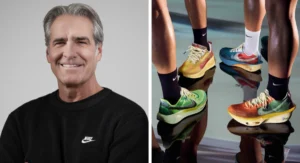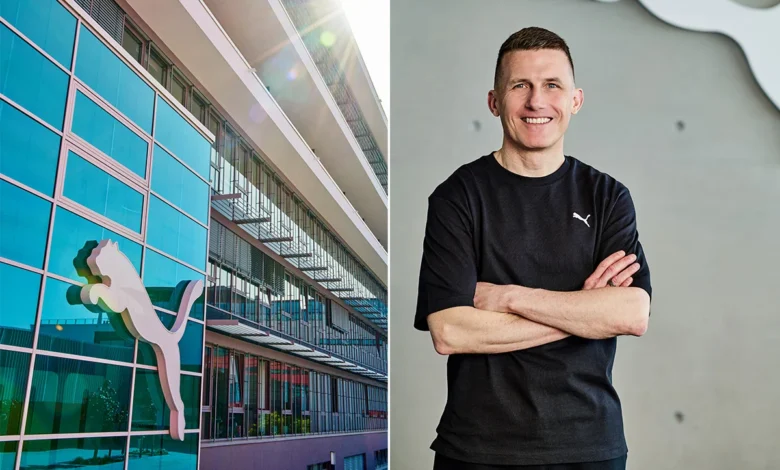
Puma, the venerable German sportswear giant, has announced the appointment of footwear industry luminary James Carnes to the newly created role of Senior Vice President of Creative Direction, a move explicitly designed to reignite consumer enthusiasm and align the brand’s aesthetic narrative with its ambitious strategic objectives. This significant leadership addition is poised to play a pivotal role in Puma’s broader initiative to revitalize its market presence and navigate a fiercely competitive global sportswear landscape.
A Strategic Mandate for Brand Rejuvenation
In his new capacity, James Carnes will assume a comprehensive mandate, tasked with harmonizing creative direction across all facets of Puma’s operations with the company’s overarching strategic ambitions. His responsibilities will encompass establishing the seasonal creative direction for Puma’s diverse business units and meticulously crafting a consistent, long-term visual and experiential identity for the brand across every consumer touchpoint. This holistic approach underscores Puma’s commitment to presenting a unified and compelling brand image, from product design and marketing campaigns to retail experiences and digital engagements. Carnes will report directly to Maria Valdes, Puma’s Chief Brand Officer, signaling the critical importance of this role within the company’s refreshed organizational structure.
Maria Valdes articulated the strategic significance of Carnes’ appointment, stating, "James is a very highly regarded leader in our industry, and he has been instrumental in shaping some of the most influential performance and lifestyle products, labels, and platforms. With a strong background in industrial design and a deep understanding of both athletes and consumers, he will play an important role in getting our customers and consumers excited about Puma once again." Valdes’ remarks highlight Carnes’ unique blend of technical design expertise and commercial acumen, qualities deemed essential for rejuvenating Puma’s brand appeal and fostering deeper connections with its global consumer base. The emphasis on "once again" implicitly acknowledges recent challenges and underscores the urgency of this creative reset.
A Distinguished Career in Sportswear Innovation
James Carnes brings to Puma a wealth of experience cultivated over decades within the high-stakes footwear and apparel industry. Before joining Puma, Carnes operated as an independent consultant and investor in the broader footwear sector since 2021, providing strategic insights and fostering innovation across various brands. His most extensive and impactful tenure, however, was nearly two decades at Adidas, Puma’s long-standing competitor and fellow German sportswear titan. During his distinguished career at Adidas, Carnes held several influential leadership positions spanning design, creative direction, and strategy, contributing significantly to some of Adidas’s most iconic product lines and brand initiatives.
His previous roles at Adidas included Vice President of Global Brand Strategy and Sustainability, a position that would have given him deep insights into market trends, consumer values, and the increasing importance of ethical and environmental considerations in brand building. Prior to that, he served as Senior Vice President of Global Design and Creative Director of Sport Performance, where he was directly responsible for the aesthetic and functional innovation of Adidas’s core athletic offerings. This dual experience across both performance and lifestyle segments, combined with a strategic understanding of brand narrative and sustainability, positions Carnes as an ideal candidate to steer Puma’s creative direction in a complex and rapidly evolving market. His background in industrial design further suggests a meticulous approach to product development, blending form, function, and brand storytelling.
Carnes’ Vision: Beyond Seasonal Trends
Commenting on his new role, Carnes articulated a vision for creative direction that transcends ephemeral trends. "Creative direction is about more than seasonal trends and colors," Carnes affirmed. "It is about defining how Puma holistically presents itself in the market, harnessing the company’s portfolio of world-class innovation, and deeply connecting with consumers. We have the amazing opportunity to modernize the image and style of one of the most iconic sports brands in the world, and I look forward to leading our teams and collaborating with my colleagues to make this happen."
This statement offers a clear insight into Carnes’ strategic approach. He emphasizes a comprehensive brand presentation, suggesting an integrated strategy where product innovation, marketing messages, and brand identity are seamlessly woven together. By focusing on "modernizing the image and style" of Puma, Carnes acknowledges the brand’s rich heritage while signaling an intent to evolve its aesthetic to resonate with contemporary audiences and future trends. This modernization effort is crucial for a brand like Puma, which, despite its iconic status, faces constant pressure to remain relevant and aspirational to a younger, digitally-native demographic.
Puma’s Comprehensive Strategic Overhaul and Organizational Restructure
Carnes’ appointment is not an isolated event but rather a cornerstone of a more extensive strategic overhaul initiated by Puma in recent months. In October, the company undertook a significant organizational restructure, consolidating key functions under a single global organization led by Chief Brand Officer Maria Valdes. This integrated division now encompasses brand marketing, product development, creative direction, innovation, and go-to-market strategies. At the time of this strategic realignment, Puma stated that the move was intended to facilitate "stronger and more consistent" storytelling for its products, ensuring a cohesive narrative across all consumer touchpoints. The hiring of a high-caliber leader like James Carnes for the newly created SVP of Creative Direction role is a direct outcome of this restructuring, underscoring the company’s commitment to empowering this new, integrated brand division with top-tier talent.
This organizational shift reflects a broader industry trend towards more streamlined and agile operational models, where brand consistency and speed-to-market are paramount. By centralizing these critical functions, Puma aims to break down traditional silos, foster greater collaboration, and ensure that creative vision, product innovation, and marketing efforts are perfectly aligned, thereby maximizing impact and consumer engagement.
Navigating Financial Headwinds and the Drive for Growth
These decisive strategic and personnel changes come at a critical juncture for Puma, as the brand navigates significant financial headwinds. The company’s recent financial performance has underscored the urgency for a brand revitalization. In February, Puma reported a substantial Q4 sales drop of 20.1 percent on a currency-adjusted basis, totaling 1.56 billion euros. This decline contributed to an overall annual sales decrease of 8.1 percent in currency-adjusted terms, with total sales falling to 7.29 billion euros, down from 8.39 billion euros in the previous year. While these annual figures were slightly better than some market consensus predictions, they nonetheless painted a picture of a brand struggling to maintain momentum in a challenging economic environment.
Puma Chief Executive Officer Arthur Hoeld openly acknowledged these challenges in a statement in February, characterizing the past year as a "reset year." Hoeld articulated a clear objective for the company’s future: "We want to… return to above-industry growth and generate healthy profits in the medium term." This declaration underscores the high stakes associated with the current strategic maneuvers, including Carnes’ appointment. The goal is not merely to stabilize but to accelerate growth beyond the industry average, a testament to Puma’s ambition despite its recent performance. Achieving this will require not only operational efficiencies but, crucially, a renewed brand appeal that can capture market share and foster customer loyalty.
The Broader Competitive Landscape and Brand Identity
Puma operates in an intensely competitive global sportswear market, dominated by behemoths like Nike and Adidas, and challenged by agile players such as New Balance, Under Armour, and a growing array of niche brands. In this environment, differentiation through innovation, compelling design, and authentic brand storytelling is paramount. Puma has a rich heritage, having been founded in 1948 by Rudolf Dassler, brother of Adidas founder Adi Dassler. Over the decades, Puma has established itself with iconic moments in sports history, from Pelé lacing up Puma boots in the 1970 World Cup to Usain Bolt shattering records on the track. The brand has also made significant inroads in the lifestyle segment, notably through high-profile collaborations with fashion designers and celebrities like Rihanna.
However, maintaining this dual identity – as a credible performance brand and a relevant lifestyle icon – requires constant innovation and a clear, consistent creative vision. The athleisure trend, while offering opportunities, also intensifies competition as fashion brands increasingly enter the sportswear space. Consumers today demand not only performance and style but also authenticity, sustainability, and a brand narrative that resonates with their values. Carnes’ background, particularly his experience with brand strategy and sustainability at Adidas, positions him well to address these multifaceted consumer expectations and reinforce Puma’s distinct identity.
The Anta Sports Investment: A New Chapter in Ownership
Adding another layer of complexity and potential opportunity to Puma’s strategic trajectory is the recent investment by Anta Sports Products Limited. In January, the Chinese sportswear conglomerate inked an agreement with Groupe Artémis, the investment company of the Pinault family, to acquire a 29.06 percent stake in Puma SE. This significant transaction, valued at 1.5 billion euros (approximately $1.8 billion), is expected to close by the end of 2026.
This substantial investment by Anta Sports, one of the largest sportswear companies in China, could have profound implications for Puma’s future. It not only represents a significant vote of confidence in Puma’s long-term potential but also potentially opens new avenues for market penetration, particularly in the rapidly growing Asian markets where Anta has a dominant presence. Strategic collaborations with Anta could provide Puma with enhanced manufacturing capabilities, distribution networks, and insights into localized consumer preferences. Conversely, it could also introduce new dynamics to Puma’s corporate governance and strategic priorities, necessitating careful navigation to preserve Puma’s distinct brand identity and global market positioning. The long closing period for the transaction suggests a measured approach, allowing Puma’s current leadership to implement their strategic reset before the full impact of the new ownership structure materializes.
Industry Reactions and Future Outlook
The appointment of James Carnes has been met with positive sentiment from industry observers, who view it as a clear signal of Puma’s intent to revitalize its brand through design and creative leadership. Analysts suggest that this move, coupled with the broader organizational restructuring, indicates a renewed focus on brand equity and consumer connection, which are crucial for long-term growth in the sportswear sector. The market often rewards brands that demonstrate a clear vision and invest in top-tier talent to execute that vision.
However, challenges remain. The sportswear market is notoriously fickle, with consumer preferences shifting rapidly. Puma will need to not only innovate in product design but also master digital engagement, cultivate compelling storytelling, and ensure its sustainability initiatives are authentic and impactful. Carnes’ task is monumental: to weave together Puma’s athletic heritage with contemporary fashion sensibilities, all while aligning with the company’s ambitious growth targets and navigating a competitive landscape exacerbated by economic uncertainties.
The path forward for Puma is one of strategic evolution. With James Carnes at the helm of creative direction, supported by Maria Valdes’ integrated brand vision and Arthur Hoeld’s growth mandate, Puma is clearly positioning itself for a new era. The combination of a strong creative leader, a streamlined organizational structure, and significant external investment from Anta Sports suggests a concerted effort to transform recent financial challenges into a springboard for renewed success. The coming years will reveal how effectively Puma can translate these strategic moves into tangible excitement among consumers and sustainable, profitable growth in the global sportswear arena.