The Gem Gossip Key Collaboration Project An Analytical Review of a Multi-Designer Initiative in the Fine Jewelry Sector

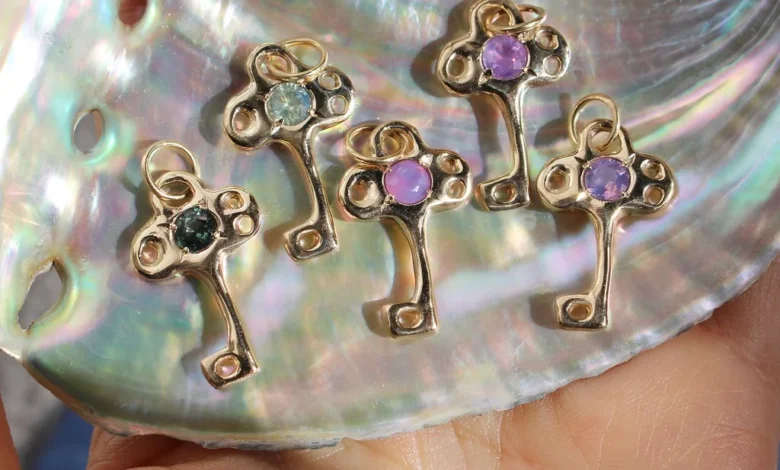
The intersection of personal collecting and commercial jewelry design has reached a new milestone with the formalization of the Gem Gossip Key Collaboration project. This initiative, spearheaded by the jewelry industry influencer and archivist known as Gem Gossip, has transitioned from a private obsession with vintage motifs into a structured series of limited-edition partnerships with independent designers. By leveraging the historical symbolism of the key—a motif representing mystery, transition, and access—the project has successfully bridged the gap between niche antique appreciation and contemporary retail demand. The project’s framework relies on a rigorous collaborative process where the founder’s aesthetic preferences are synthesized with the technical "native elements" of various high-end jewelry designers, resulting in a curated "Official Checklist" of collectible artifacts.

The Genesis of the Key Motif and Market Gap Identification
The project’s foundations are rooted in the long-term archival efforts of the Gem Gossip brand, which began with the acquisition of sentimental pieces such as an Italian gold key and a ruby-set heart key. Over several years, these personal artifacts fostered a broader interest in the "larger than life" aura of keys in jewelry history. However, as the founder sought to expand a personal key charm necklace, a significant void in the modern marketplace became apparent. While vintage keys were readily available through auction houses and estate dealers, contemporary designers were rarely utilizing the motif as a central design element.
Recognizing this market scarcity, the Gem Gossip Key Collaboration was launched to modernize the key silhouette. The project was designed with a specific strategic objective: to incorporate the signature styles of modern independent jewelers into a unified, yet diverse, collection of charms. This approach not only filled a stylistic void but also provided a platform for designers to experiment with a specific form factor under the guidance of an established industry tastemaker.

Strategic Framework and Collaborative Constraints
To maintain the integrity and exclusivity of the project, a strict set of operational rules was established. These parameters ensure that while each key is distinct, the collection remains cohesive. Key constraints include:
- Integration of Native Design Elements: Every collaboration must feature the specific techniques or motifs that define the participating designer’s brand identity.
- Size and Cost Standardization: To ensure the pieces are wearable as charms and accessible to a specific tier of collectors, strict rules regarding dimensions and price points are enforced.
- Limited Batch Production: Most designs are produced in small runs, often ranging from 15 to 30 units. This scarcity drives high sell-through rates and establishes the pieces as "retired" collectibles once the initial run is exhausted.
- Curation of Ethical and Aesthetic Values: Designers are selected based on their ethos and their unique contributions to the jewelry industry, ensuring that each partnership is a reflection of shared professional standards.
A Chronological Record of Collaborations: 2023–2025
The project has evolved through a series of ten distinct phases, each represented by a different designer and a unique interpretation of the key motif.

Phase 1: Kimberly Doyle Jewelry (The Pioneer Release)
The inaugural collaboration featured Kimberly Doyle, known for her "Karat Jack" series—a play on the vintage Cracker Jack prize concept. The design utilized moonstones sourced from Tucson, set in a North-South orientation to provide a contemporary edge to a classic silhouette. Limited to 30 pieces, this release established the "retired" status model that would define future drops.
Phase 2: The Gem Gossip "Celestial Key"
Acting as an in-house design, the Celestial Key was born from a missed opportunity at an auction. By recreating a lost vintage design with modernized proportions, the project lead introduced a version featuring cabochon-cut emeralds, sapphires, and aquamarines. This release emphasized the project’s roots in archival restoration and archival-inspired design.

Phase 3: Sister Sister Jewelry (The "Danielle" Seashell Key)
Debuting in the summer of 2024, this collaboration focused on the symbolic resilience of women. Designer Lisa incorporated her signature seashell motif into the key’s handle. The rapid sell-out of the 20-unit run led to the introduction of a gemstone customization service, marking the first time the project allowed for client-specific iterations.
Phase 4: Yi Collection (The Made-to-Order Model)
The sapphire key with Yi Collection introduced a "made-to-order" logistics model. Unlike previous limited batches, this piece utilized elements from Yi’s existing ring designs and remains available for purchase with a three-week production lead time. This shift demonstrated the project’s flexibility in accommodating different designer business models.

Phase 5: Vance Davidson Jewelry (The "Rooted" Series)
This collaboration adapted Erin’s Rooted Collection into a key format. It became one of the most frequently restocked items due to high consumer demand. The design has evolved through various gemstone iterations, including opalescent sapphires and, most recently, antique old mine cut diamonds, illustrating how a single silhouette can be refreshed through material sourcing.
Phase 6: Olivve NYC (The Sequin Key)
In the fall of 2024, Olivia of Olivve NYC applied her signature "sequin" motif to the key design. Limited to 15 pieces, this collaboration highlighted the project’s commitment to showcasing diverse textures and handcrafted metalwork.

Phase 7: Svetlana Lazar (The "Wishing Well" Key)
This release featured a technical innovation known as the "Wishing Well" setting. Invented in Lazar’s NYC studio, the setting creates an optical illusion where gemstones appear to have moving water beneath them. This collaboration emphasized the project’s role in bringing avant-garde jewelry technology to a broader audience.
Phase 8: Mejia Jewelry (The "Sun Keeper")
Designed by Elise of Mejia Jewelry, the Sun Keeper acted as a solar counterpart to the earlier Celestial Key. This release was notable for its use of exotic gemstones, including yellow beryl, sunstone, tsavorite, and blue-green tourmaline, showcasing a sophisticated approach to color theory and stone selection.

Phase 9: Twyla Dill (The Golden Crochet Lace Key)
Debuting in August 2025, this collaboration utilized a unique hand-crocheting technique. Designer Twyla Dill creates lace by hand, which is then cast into solid gold using a specialized mold process. This fusion of textile arts and metallurgy represents one of the most technically complex entries in the series.
Phase 10: LeConte Jewelry (The "Vanity" Key)
The most recent release, designed by Eunmi Han, draws inspiration from the framing of artwork in museums. The "Vanity" key treats each gemstone as a "painting" from nature, encasing it in a gold frame that mimics museum brushstrokes. This design achieved the fastest sell-out in the project’s history, underscoring the growing momentum of the collection.

Industry Data and Market Trends
The success of the Gem Gossip Key Collaboration reflects broader trends in the $300 billion global jewelry market. According to recent industry reports, the "charm and pendant" segment has seen a resurgence as consumers move toward personalized, "storytelling" jewelry. Key data points relevant to this project include:
- The Rise of the Micro-Drop: By limiting production to small batches (often under 50 units), the project taps into the "scarcity principle," which increases perceived value and urgency among collectors.
- Influencer-Designer Synergy: Research indicates that collaborative jewelry lines between influencers and independent designers can increase a brand’s social media engagement by up to 40%, providing boutique designers with access to established, high-intent audiences.
- Artisanal Casting Techniques: The use of specialized techniques like Twyla Dill’s crochet casting or Svetlana Lazar’s optical settings reflects a consumer shift away from mass-produced "fast jewelry" toward pieces that demonstrate high craftsmanship and technical ingenuity.
Analysis of Implications and Future Outlook
The Gem Gossip Key Collaboration serves as a case study for successful brand extension within the jewelry industry. By focusing on a single motif—the key—the project has created a recognizable brand identity that transcends any individual designer. This "Official Checklist" approach encourages "completionist" behavior among collectors, where buyers are motivated to acquire every piece in the series.

Furthermore, the project provides a blueprint for how independent designers can navigate the competitive retail landscape. By partnering with a curator who understands market gaps and consumer desires, designers can focus on their technical strengths while the collaborator handles the narrative and market positioning.
As the project moves into late 2025 and beyond, the "retired" status of early designs is expected to drive a secondary market for these pieces on resale platforms. The focus on high-quality materials (solid gold and natural gemstones) ensures that these charms maintain their intrinsic value, while their limited availability secures their status as modern heirlooms. The continued expansion into innovative materials and techniques suggests that the key motif remains a fertile ground for artistic exploration, with the potential to influence broader jewelry trends in the years to come.