The sartorial challenge of attending a spring or summer wedding, particularly those with a semi-formal or "smart casual" dress code, often centers on striking a balance between festive attire and understated elegance. This common wedding scenario, where ceremonies might take place in diverse settings from houses of worship to outdoor venues, followed by receptions in halls or under open skies, demands thoughtful outfit selection. The goal for guests is to present a polished appearance without overshadowing the wedding party, whose attire, often coordinated suits for the groom and groomsmen, typically aligns with the bridesmaids’ dresses. The essence of guest attire in such events is to be "styled, but not stiff," a principle that guides the selection of appropriate garments for the occasion.
Understanding the "Smart but Not Stuffy" Wedding Guest Aesthetic
The prevailing trend in contemporary weddings, especially during the warmer months, leans towards celebrations that blend tradition with a more relaxed, yet still sophisticated, atmosphere. These events frequently feature a ceremony held in a location that may require a degree of formality, such as a church or a botanical garden, transitioning into a reception that embraces a more convivial, often al fresco, setting. The groom and his attendants are typically attired in matching suits, their ties often color-coordinated with the bridesmaids’ dresses, establishing a visual harmony for the bridal party. For wedding guests, this context necessitates an ensemble that acknowledges the significance of the occasion without veering into ostentatious displays. The fundamental principle is to honor the couple’s special day by dressing with care and consideration.
This "smart but not stuffy" approach translates to choosing outfits that are refined and well-put-together, yet comfortable and conducive to enjoying the celebration. It discourages overly formal attire, such as a full tuxedo, and equally dismisses overly casual wear like jeans or t-shirts. The ideal guest wardrobe for such an event embodies a contemporary sensibility, incorporating elements of classic style with modern trends in a way that feels effortless and appropriate. This balance is key to ensuring guests feel confident and appropriately dressed throughout the day’s festivities.
Curating the Ideal Wedding Guest Ensemble: A Detailed Breakdown
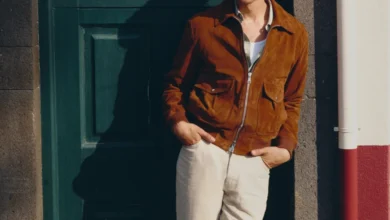
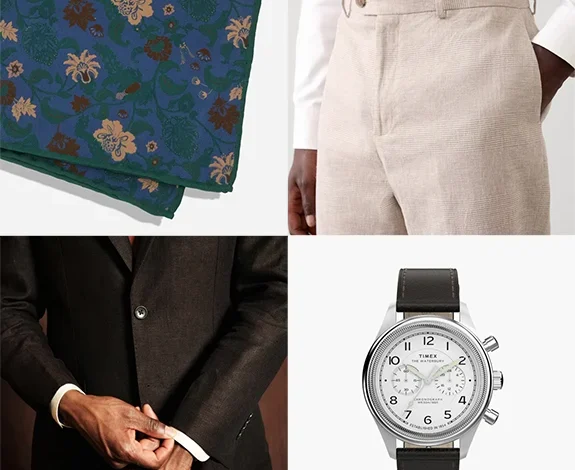
For a spring or summer wedding that calls for a "smart but not stuffy" aesthetic, a well-chosen sport coat forms the cornerstone of a sophisticated yet relaxed outfit. Lightweight fabrics are paramount for comfort in warmer weather. A brown linen jacket, for instance, offers a rich hue that is both grounding and stylish. The choice of linen, known for its breathability and natural texture, lends an air of casual elegance. Opting for an unlined jacket further enhances its suitability for spring and summer, allowing for better air circulation and a less structured silhouette. The color brown, particularly a chocolate shade, provides a versatile alternative to traditional navy or grey, pairing well with a variety of pant colors and shirt styles.
Complementing the jacket, a well-selected pocket square adds a touch of personality and visual interest. A floral navy pocket square, for example, introduces a subtle pattern and a splash of color that can tie into other elements of the outfit or the wedding’s theme. The floral motif, when rendered in a refined pattern, adds a touch of spring-like vibrancy without being overwhelming. This accessory serves as a sophisticated detail, elevating the overall presentation of the ensemble.
The foundation of the outfit often lies in the choice of shirt. A crisp, well-fitting dress shirt is essential. While high-end options are available, surprisingly decent and affordable shirts can be found from mainstream retailers. For a smart casual wedding, a light-colored shirt, such as white or a pale blue, provides a clean and classic base. The fabric should be comfortable and breathable, with cotton being a popular and practical choice. Attention to fit is crucial; a shirt that is too tight or too loose can detract from the polished appearance.
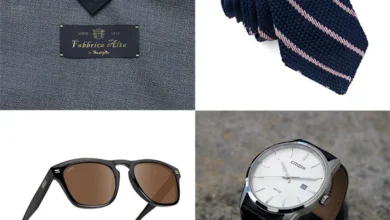
Trousers play a pivotal role in defining the overall formality and style of the outfit. For a "smart but not stuffy" look, linen-cotton blend trousers offer an excellent combination of comfort, breathability, and a sophisticated appearance. A glen plaid pattern in these trousers can introduce a subtle visual texture and a touch of classic menswear styling. While technically part of a suit, when paired with a solid, contrasting jacket, these trousers can effectively create a sport coat and trousers combination that is less formal than a full suit but more elevated than separates. The blend of fabrics, including linen, cotton, and potentially lyocell and elastane, ensures a comfortable drape and a touch of stretch for ease of movement.
Essential Accessories: The Details That Define Style
Beyond the core garments, accessories are instrumental in refining a wedding guest’s attire. Sunglasses, for instance, can add a touch of cool sophistication, especially for outdoor ceremonies or daytime events. Acetate polarized retro square sunglasses offer a classic yet contemporary look. While tortoiseshell is a common choice, a slightly different pattern can add a unique touch without appearing too avant-garde. The key is to select sunglasses that complement the face shape and the overall color palette of the outfit.
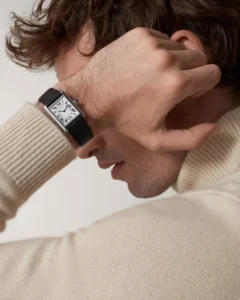
A timepiece is another crucial accessory that conveys attention to detail. A dress chronograph watch, with its sophisticated design and functional appeal, can elevate the ensemble. Features like a clean dial, a leather strap, and a polished case contribute to its suitability for a wedding. The ability to easily return an item through a reputable retailer like Nordstrom adds a layer of confidence to the purchase.
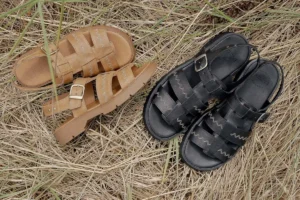
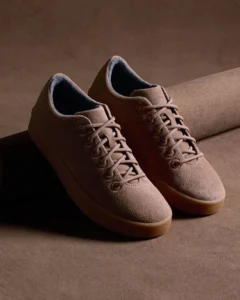
Footwear and socks are often overlooked but are critical components of a well-assembled outfit. For a smart casual wedding, loafers are an excellent choice, offering a balance between dressiness and comfort. Penny loafers or tassel loafers in a rich leather color, such as cognac or dark brown, pair well with the chosen trousers and sport coat. The material and construction of the shoe are important; Italian-made loafers often signify quality craftsmanship. While the sockless look can be appealing, especially in warm weather, it is advisable to consider socks for comfort and practicality, particularly if the event involves dancing or extended periods of standing. Merino wool blend socks are a practical choice, offering moisture-wicking properties and cushioning to prevent blisters.
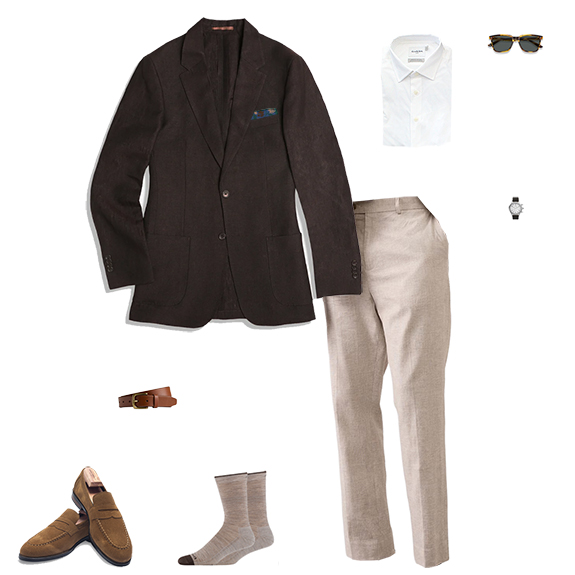
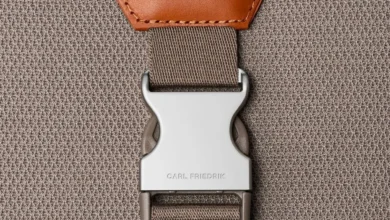
A leather belt is a necessary accessory that should coordinate with the shoes. A cognac leather belt with a brass-toned buckle offers a classic and versatile option that complements a range of shoe colors. The rich hue and understated buckle contribute to a polished finish without being overly flashy. The affordability and frequent availability of sales on such items make them a practical addition to any wardrobe.
The Broader Context: Wedding Attire Trends and Societal Shifts
The evolution of wedding guest attire reflects broader societal shifts in formality and personal expression. Historically, weddings, particularly those of a certain social standing, adhered to strict dress codes. White-tie events were common for formal evening weddings, while black-tie was standard for less formal but still significant occasions. The rise of the "smart casual" or "cocktail attire" dress code for weddings, particularly in the late 20th and early 21st centuries, signifies a move towards greater guest comfort and a desire for personal style to be expressed within established parameters.
This shift can be attributed to several factors. Firstly, the increasing diversity of wedding venues and styles has led to a broader interpretation of appropriate guest attire. Outdoor weddings, destination weddings, and barn weddings, for example, often call for more relaxed dress codes than traditional ballroom affairs. Secondly, there has been a cultural emphasis on individuality and self-expression. Guests are often encouraged to bring their personal style to their wedding attire, provided it respects the couple’s wishes and the overall tone of the event.
The "smart but not stuffy" aesthetic can be seen as a direct response to these evolving expectations. It acknowledges the desire for guests to look and feel their best, to participate fully in the celebration, and to do so without the constraints of overly formal or uncomfortable clothing. This approach empowers guests to make informed choices that align with the specific demands of the wedding, fostering a more inclusive and enjoyable experience for all involved.
Data and Analysis: The Economic Impact of Wedding Guest Fashion
The economic impact of wedding guest fashion is substantial. Annually, millions of weddings take place globally, with each guest contributing to a significant market for occasion wear. Data from various market research firms consistently show a robust demand for dresses, suits, separates, and accessories specifically purchased for wedding guest attire. For instance, reports from industry analysts indicate that the global wedding industry, encompassing all aspects of wedding planning and execution, is valued in the tens of billions of dollars, with a notable portion attributed to guest attire and related expenditures.
Consumers often allocate a specific budget for wedding guest outfits, especially during peak wedding seasons. This budget can range widely depending on the number of weddings attended, the formality of the events, and individual purchasing habits. The rise of online retail and rental services has further democratized access to stylish wedding guest attire, offering a wider range of options and price points. The trend towards purchasing versatile pieces that can be re-worn for other occasions also influences consumer spending patterns.
Analysis of consumer behavior suggests that guests are increasingly prioritizing value and sustainability. This includes seeking out well-made garments that can withstand multiple wears, exploring rental options for high-end designer pieces, and considering eco-friendly brands. The "smart but not stuffy" approach aligns with this trend by emphasizing timeless styles and versatile pieces that can be integrated into a guest’s existing wardrobe. The focus is on making thoughtful purchases that offer both style and longevity, rather than disposable fashion.
Expert Insights and Future Projections
Fashion experts and stylists consistently emphasize the importance of understanding the wedding’s dress code and communicating with the couple if there is any ambiguity. For the "smart but not stuffy" category, the advice often centers on versatility and thoughtful layering. A well-chosen sport coat, for example, can be dressed up with a tie for a slightly more formal feel or worn open with a dress shirt for a more relaxed look. Similarly, trousers that can stand alone as smart casual wear are highly valued.
Looking ahead, the trend towards personalized and adaptable wedding guest attire is likely to continue. As couples increasingly opt for unique and intimate celebrations, the demand for guest outfits that reflect individual style and suit diverse settings will grow. We can anticipate a continued emphasis on comfort, breathability, and the use of natural fabrics in spring and summer wedding guest fashion. Furthermore, the influence of sustainable fashion practices is expected to become even more pronounced, with a greater focus on rental, resale, and ethically produced garments. The "smart but not stuffy" philosophy, with its inherent emphasis on considered choices and enduring style, is well-positioned to remain a guiding principle for wedding guests navigating the sartorial landscape of spring and summer celebrations.