A Clouded Jaguar Sighting in Honduras’s Sierra del Merendón Mountains Marks a Significant Conservation Milestone

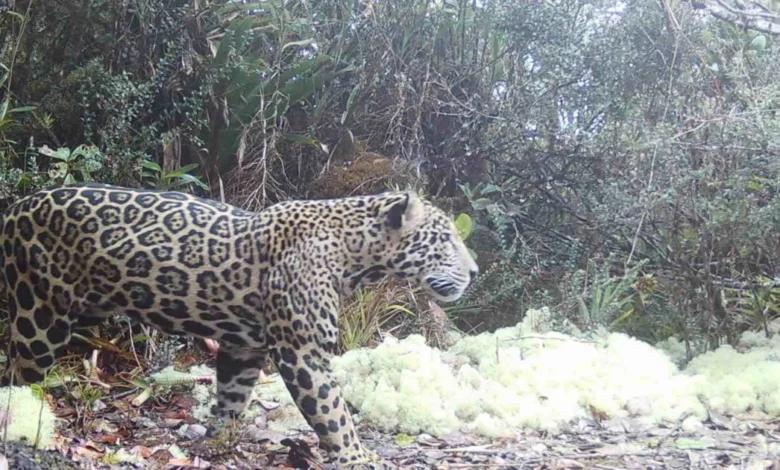
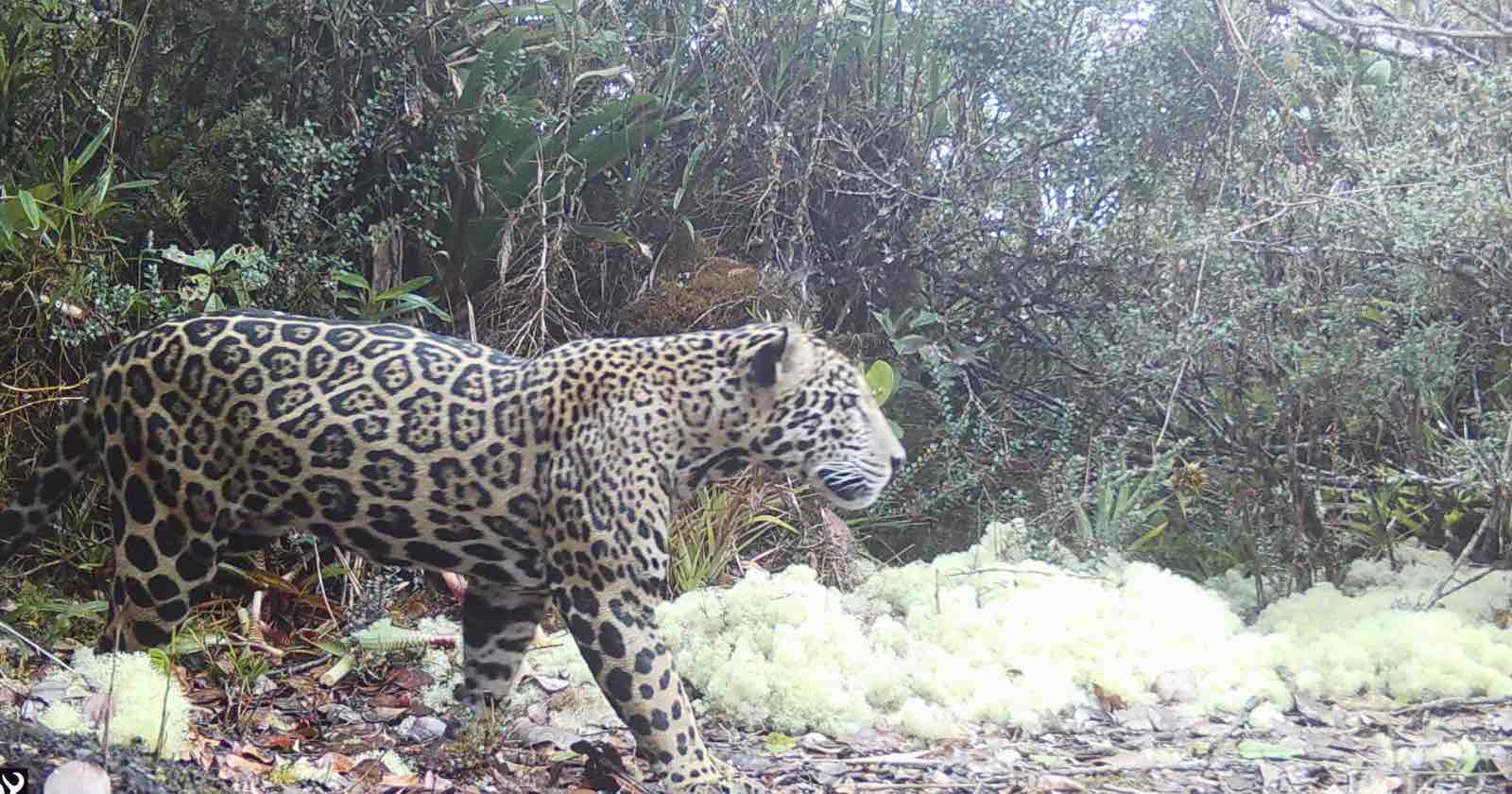
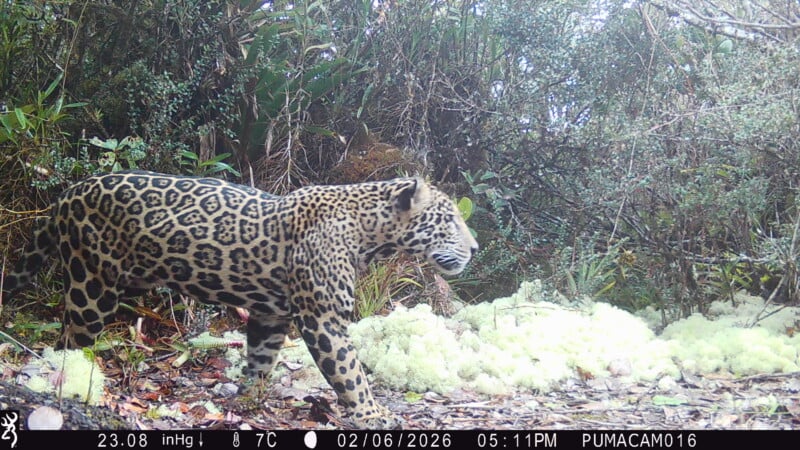
Remote camera traps have captured compelling evidence of a jaguar’s presence in Honduras’s Sierra del Merendón mountain range, a discovery that holds significant implications for the conservation of this elusive big cat. This marks the first documented sighting of a jaguar in this specific region in approximately a decade, offering a much-needed beacon of hope for a species facing considerable threats across its range. The images, taken on February 6th, depict a young male jaguar moving through the dense, high-altitude vegetation, appearing to be in good health.
A Rare Glimpse in the Cloud Forest
The photographs, released recently, were captured at an elevation of around 7,200 feet above sea level, a notably high altitude for jaguar activity. Typically, jaguars are more commonly found in environments below 3,281 feet. This unusual elevation suggests a potential expansion or, more likely, a reliance on higher elevation habitats within their territory, especially in fragmented landscapes. The jaguar was observed navigating through thick foliage, a testament to the rugged and largely untouched nature of the Sierra del Merendón.
The camera traps were strategically deployed as part of ongoing monitoring efforts led by Panthera, a global organization dedicated to wild cat conservation. This initiative aims to track and understand the populations of various wild cat species, including the jaguar, in critical habitats. The reappearance of the jaguar in the Sierra del Merendón after a ten-year absence is a crucial indicator that conservation strategies in the area may be proving effective, or that the species is managing to persist despite significant environmental pressures.
The Jaguar’s Perilous Journey: Threats and Conservation Status
The jaguar (Panthera onca) is the largest cat species in the Americas and a vital apex predator within its ecosystem. However, its existence is precarious. According to the International Union for Conservation of Nature (IUCN), jaguars have experienced a significant decline in their historical range, losing approximately 49% of their territory across North and South America. While the Amazon basin harbors the largest jaguar population, many other populations are classified as endangered or critically endangered.
In Honduras, jaguars are legally protected, but this protection does not always translate into effective safeguarding against prevalent threats. Deforestation, driven by agricultural expansion, logging, and infrastructure development, continues to shrink and fragment jaguar habitats. This fragmentation isolates populations, reduces prey availability, and increases the likelihood of human-wildlife conflict. Poaching, both for their valuable pelts and for retaliatory killings when jaguars prey on livestock, also remains a serious concern.
Franklin Castañeda, the Honduras country director at Panthera, emphasized these challenges in a statement to CNN. "Deforestation and poaching are the biggest threats, and we have been working to tackle both," he stated. The rediscovery of a jaguar in the Sierra del Merendón underscores the urgency of these conservation efforts and highlights the importance of protected areas like this mountain range.
Sierra del Merendón: A Critical Wildlife Corridor
The Sierra del Merendón mountain range straddles the border between Honduras and Guatemala, forming a vital ecological corridor. This region is characterized by its diverse ecosystems, including cloud forests and montane forests, which provide essential habitat for a wide array of wildlife. The presence of jaguars in this high-elevation area suggests that the corridor remains functional, allowing for movement and dispersal of individuals between the two countries.
The high-altitude record for this sighting in Honduras is particularly noteworthy. It suggests that jaguars may be adapting to or utilizing higher elevations as a refuge, possibly due to habitat degradation or increased human activity at lower altitudes. Understanding these habitat use patterns is critical for developing effective conservation plans that encompass the full spectrum of the species’ ecological needs.
The Significance of Camera Trap Technology
The use of remote camera traps has revolutionized wildlife monitoring, particularly for elusive and wide-ranging species like jaguars. These motion-activated cameras can capture images and videos of animals without direct human observation, minimizing disturbance to the wildlife and providing invaluable data on species presence, distribution, and behavior. The deployment of these cameras by Panthera in the Sierra del Merendón is a testament to the organization’s commitment to evidence-based conservation.
The information gathered from these camera traps allows scientists to:
- Confirm Species Presence: Documenting the existence of a species in an area where it was previously thought to be absent or rare.
- Estimate Population Size and Density: Through repeated captures and identification of individuals (based on unique spot patterns), researchers can infer population dynamics.
- Study Habitat Use: Analyzing the locations and times of captures reveals how animals use their environment, including preferred habitats and movement corridors.
- Monitor Health and Condition: Images can provide insights into the physical condition of individual animals.
- Assess the Effectiveness of Conservation Measures: Changes in species presence and distribution over time can indicate the success or failure of conservation initiatives.
A Comparative Perspective: The Sunda Clouded Leopard
This jaguar sighting in Honduras occurs in the wake of another remarkable camera trap discovery. In Malaysian Borneo, scientists recently documented a Sunda clouded leopard on camera traps for an unprecedented duration of over six years. The Sunda clouded leopard, found only on Sumatra and Borneo, is one of the rarest and most enigmatic wild cats on Earth. Its classification as a distinct species from its mainland Asian counterpart highlights the ongoing discoveries and the unique evolutionary trajectories of felids in isolated regions.
While geographically and taxonomically distinct, the prolonged monitoring of the Sunda clouded leopard emphasizes the power of camera trap technology and the dedication of conservationists. It also underscores the broader narrative of the challenges faced by many wild cat species globally, from the clouded leopards of Southeast Asia to the jaguars of the Americas. Both species, despite their differences, are icons of their respective ecosystems and face similar existential threats from habitat loss and illegal activities.
Broader Implications for Biodiversity and Ecosystem Health
The reappearance of the jaguar in the Sierra del Merendón is more than just a photographic record; it signifies the potential resilience of nature and the critical role of intact ecosystems. Jaguars, as apex predators, play a crucial role in maintaining the health and balance of their environments. Their presence helps regulate prey populations, influences vegetation patterns through their feeding habits, and contributes to overall biodiversity.
The Sierra del Merendón, therefore, is not just a habitat for jaguars but a complex web of life that benefits from their ecological role. The continued presence of jaguars in such challenging landscapes suggests that these areas may still hold significant ecological value and could serve as vital refuges for species on the brink.
The challenges faced by jaguars are emblematic of the broader biodiversity crisis affecting the planet. As human populations grow and development expands, natural habitats are increasingly encroached upon. Conservation efforts must therefore be multi-faceted, addressing not only direct threats like poaching but also systemic issues such as deforestation, land-use change, and the need for sustainable development that coexists with wildlife.
The Path Forward: Collaborative Conservation
The success in documenting this jaguar sighting is a direct result of dedicated scientific effort and international collaboration. Organizations like Panthera play a pivotal role in coordinating research, implementing conservation strategies, and advocating for policy changes. Continued investment in research, habitat protection, and community engagement is essential to ensure the long-term survival of jaguars and other threatened species.
The Sierra del Merendón, with its rich biodiversity and its newly confirmed jaguar presence, represents a critical frontier for conservation in Central America. The images captured by the camera traps serve as a powerful reminder of what is at stake and the urgent need for continued vigilance and action to protect these magnificent creatures and the wild places they call home. The hope is that this sighting will galvanize further support for conservation initiatives in Honduras and across the jaguar’s range, ensuring that future generations can witness the majesty of this iconic big cat in its natural habitat.