Artemis II Astronauts’ Photography Prowess Praised by NASA Trainers

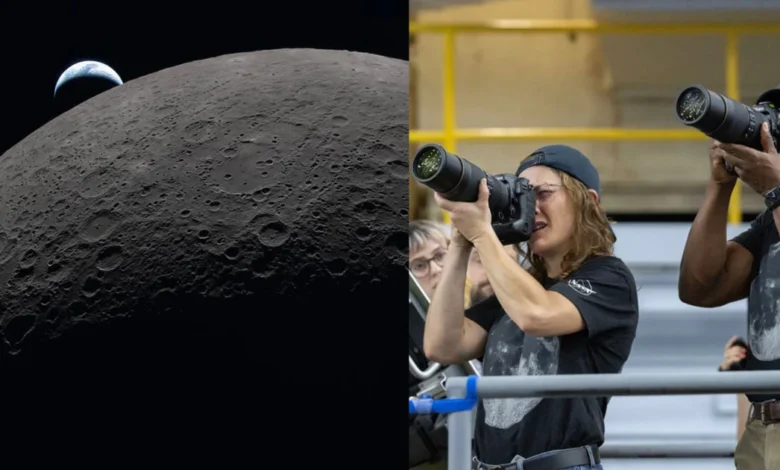
The recent success of the Artemis II mission, which saw astronauts embark on a historic journey around the Moon, has not only been celebrated for its monumental achievement in space exploration but also for the breathtaking photographic documentation it produced. NASA’s dedicated photography and video trainers, Paul Reichert and Katrina Willoughby, have publicly lauded the exceptional skill and performance of the Artemis II crew, expressing surprise and admiration for the quality of the images captured. While the astronauts themselves are the stars of the mission, their ability to translate the awe-inspiring vistas of space into compelling visual narratives is a testament to the rigorous and specialized training they underwent.
The journey of an Artemis astronaut from aspiring spacefarer to skilled celestial photographer is a meticulous process. Upon joining the NASA program, all astronauts receive an initial foundation in camera operation, typically spanning four to six hours. However, this is merely the introductory phase. Once an astronaut is assigned to a specific space mission, such as Artemis II, the training intensifies significantly. Over the course of approximately 20 hours, divided into ten distinct photography classes, these individuals are honed into proficient visual storytellers.
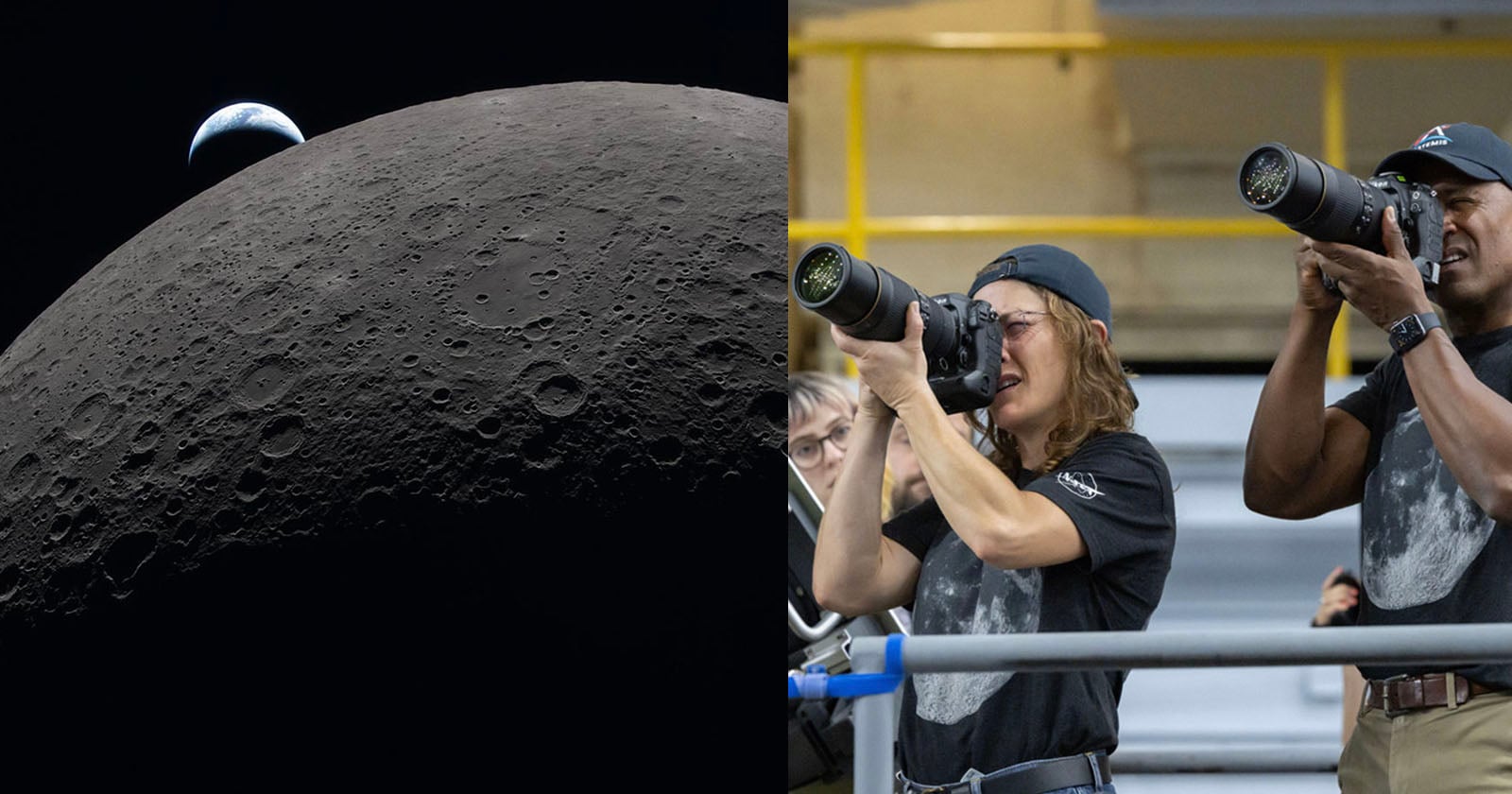
Katrina Willoughby, speaking with the Rochester Institute of Technology (RIT), elaborated on the philosophy behind this comprehensive training. "Most people can use a camera and get a photo that is good enough, but good enough isn’t what we’re after scientifically," she explained. "We’re really teaching the astronauts how to go beyond the basics. Being able to understand how to use the equipment and what the options are gives us a lot more capability." This emphasis underscores that the photographic endeavors on Artemis missions are far from casual snapshots; they are critical components of scientific data collection and mission documentation.
The training regimen designed by Reichert and Willoughby is as innovative as it is thorough. To simulate the unique challenges of space photography, they constructed a sophisticated training environment. This included building a full-scale mock-up of the Orion capsule, the spacecraft that carried the Artemis II crew, and suspending a colossal inflatable Moon within a darkened studio. This immersive setup allowed astronauts to practice framing shots, adjusting settings, and composing images under conditions that mimicked the extraterrestrial environment.
Paul Reichert shared insights into the practical application of this training with RIT. "For training, we’ll give them a problem or request for a certain kind of photo, and then we let them work through how they’re going to accomplish the task," he stated. "In the end, when they’re on their space mission, we can’t be there with them, so they need to feel confident that they can figure some of this stuff out on their own." This approach instills self-reliance and problem-solving skills, crucial for astronauts operating in the isolated and unpredictable environment of space.
Reichert also highlighted a critical aspect of astronaut training: the lack of prior photographic experience for many. "Most astronauts have very little experience in photography, so the training before they fly is crucial," he noted. This makes the extensive preparation paramount, ensuring that even those with minimal technical backgrounds can master the complexities of space photography.
Beyond capturing the sheer beauty of celestial landscapes, the cameras on board Artemis missions serve vital operational purposes. Willoughby emphasized this point, stating, "If something breaks, for example, we need a picture or video to show us on the ground what’s going on. Sometimes, the imagery is what is needed to move forward, so it is important that the crew can get it right the first time." This capability is indispensable for diagnosing technical issues, documenting procedures, and providing real-time visual feedback to mission control, potentially averting or resolving critical situations.
The Technological Arsenal: Cameras of the Artemis II Mission
A significant point of discussion surrounding the Artemis II mission was the choice of camera equipment. The primary workhorse for capturing the mission’s iconic imagery was a decade-old Nikon D5 DSLR. This selection, perhaps surprising to some, was a deliberate and well-justified decision based on proven reliability and performance in the harsh conditions of space.
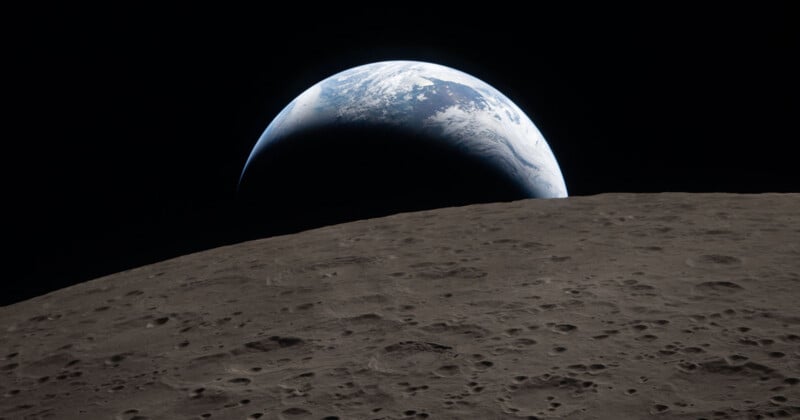
"We had a lot of flight experience with it," Reichert explained to Reuters. "We knew it could handle radiation, at least several years of radiation dosage on the ISS, and it didn’t have any problems with it." The International Space Station (ISS) has been a testing ground for numerous pieces of equipment, and the Nikon D5’s resilience to prolonged exposure to space radiation provided NASA with a high degree of confidence in its suitability for the Artemis II mission.
The Nikon D5’s capabilities extend beyond its durability. As previously reported by PetaPixel, the D5 boasts exceptional low-light performance, remaining a top-tier performer in terms of high ISO capabilities even among Nikon’s more modern mirrorless offerings. This characteristic is particularly advantageous for capturing images in the challenging lighting conditions of space, including the dimly lit lunar surface and the Earth’s shadowed regions. The ability to produce clear, detailed images with minimal noise in such environments is crucial for scientific observation and aesthetic appeal.
In addition to the robust Nikon D5, a late addition to the Artemis II’s photographic arsenal was the iPhone 17 Pro Max. This inclusion highlights the evolving landscape of imaging technology and the versatility sought in modern space missions. However, the integration of advanced consumer electronics into spaceflight also presents unique challenges.

One of the most significant hurdles faced by the Artemis II crew, regardless of the camera used, was the transmission of data back to Earth. "One thing we do have to think about on board is, ‘What does it take to get files down?’" Willoughby told Reuters. "And unfortunately, we don’t have bandwidth. And that’s something a lot of people down here [on Earth] are really used to instantly having." The limited bandwidth available for transmitting large image and video files from space is a stark contrast to the instant connectivity common on Earth. This constraint necessitates careful planning and prioritization of data transfer, impacting the immediacy with which images can be shared with the public and scientific community.
Despite these bandwidth limitations, the Artemis II crew successfully transmitted a wealth of photographic and video data, offering the world an unprecedented visual journey. These images played a crucial role in documenting the mission’s progress, the astronauts’ experiences, and the unparalleled beauty of Earth and the Moon from a unique vantage point. The successful return of the crew and their captured imagery marked a triumphant conclusion to the Artemis II mission, paving the way for future lunar endeavors.
The Broader Impact and Future Implications
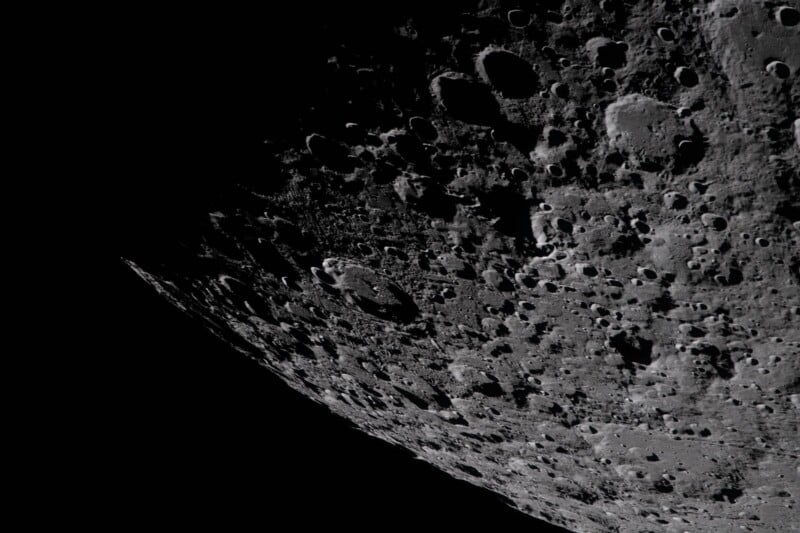
The success of the Artemis II mission and the remarkable photographic output underscore several key aspects of space exploration. Firstly, it highlights the increasing importance of visual documentation in public engagement and scientific communication. The stunning images of Earth rising above the lunar horizon and the detailed views of the Moon’s surface have captivated audiences worldwide, fostering a renewed sense of wonder and interest in space exploration.
Secondly, the mission reaffirms the value of meticulous training and the selection of reliable, albeit sometimes older, technology for spaceflight. The decision to use a proven platform like the Nikon D5, combined with the advanced capabilities of a contemporary device like the iPhone 17 Pro Max, demonstrates a balanced approach to equipping astronauts for diverse photographic tasks. This strategy prioritizes mission success and crew safety while also embracing technological advancements.
The challenges encountered with data transmission also serve as a critical reminder of the ongoing need for innovation in space communication technologies. As missions become more ambitious and the volume of data generated increases, developing higher bandwidth solutions will be paramount for real-time data sharing, scientific analysis, and public outreach.
Looking ahead, the lessons learned from Artemis II will undoubtedly inform future missions within the Artemis program and beyond. The ability of astronauts to not only perform complex scientific tasks but also to expertly document their experiences visually is becoming an integral part of human spaceflight. The training developed and refined for the Artemis II crew will serve as a blueprint for future astronauts, ensuring that humanity’s ventures into the cosmos are not only scientifically groundbreaking but also visually spectacular and accessible to all. The partnership between experienced trainers like Reichert and Willoughby and the dedicated Artemis astronauts has created a legacy of imagery that will inspire generations to come.
Related posts: