Rachel Zoe’s Strategic Return to Reality TV: How the Bravo Empire Reshapes Celebrity Branding and Influencer Marketing

This week, the spotlight once again illuminates Rachel Zoe, the iconic celebrity stylist, whose return to the public eye via "The Real Housewives of Beverly Hills" (RHOBH) is proving a masterclass in leveraging the formidable commercial power of the "Real Housewives" empire. Her re-entry into reality television, more than a decade after her pioneering show, signifies a profound evolution in how personal brands, particularly within the fashion and beauty sectors, are cultivated and monetized. This strategic move underscores a broader industry trend where the once-maligned world of reality TV has transformed into a sophisticated launchpad for established personalities and emerging "celeb-fluencers" alike.
The Metamorphosis of a Stylist: Rachel Zoe’s Journey Back to Bravo
Rachel Zoe first captured national attention with the 2008 debut of "The Rachel Zoe Project" on Bravo. The series offered an unprecedented glimpse into the high-stakes world of celebrity styling, portraying Zoe as an "unapologetically glamorous" figure navigating red carpets, fashion shows, and the intricate demands of her A-list clientele. At the time, she was ambitiously expanding her empire, launching her namesake fashion brand while simultaneously balancing her personal life, marriage, and nascent motherhood. The show’s success cemented her status not just as a stylist but as a style icon in her own right, known for her bohemian-chic aesthetic, extensive closet, signature platform heels, and oversized sunglasses.
After a period largely out of the intense public glare, during which she focused on raising her two sons, Zoe has strategically re-emerged as a cast member on Season 15 of "The Real Housewives of Beverly Hills." Her return to Bravo, now as a single mother navigating teenage boys, maintains her signature style while showcasing a more mature, yet equally ambitious, persona. This transition from a controlled, executive-produced narrative on "The Rachel Zoe Project" to the often unpredictable and raw environment of "Real Housewives" marks a significant shift, both for Zoe and for the perception of reality television itself.
Zoe herself acknowledges the strategic value of her current platform. "Any way you slice it, I think the traditional marketing, organic marketing, of television is still very powerful," she stated. "If people see you in a positive light, then I think opportunities can come from that." She admitted to never having watched an episode of "Housewives" prior to joining, yet recognized its undeniable appeal: "There is no denying the fact that people love it so much. It really is like a cult, devoted audience. It is like nothing I’ve ever seen before. And I think people really lose themselves in other people’s lives." This insight points to the unique, deep engagement fostered by the Bravo universe.
Reality Television’s Red Carpet: From Gamble to Goldmine
The landscape of reality television has undergone a radical transformation since Zoe’s initial foray in 2008. A decade and a half ago, being a reality star, particularly within the exclusive and often elitist world of high fashion, was largely considered a professional gamble. This sentiment was vividly illustrated by instances like Danielle Evans, winner of "America’s Next Top Model" cycle 6, who recounted in the 2026 Netflix documentary "Reality Check: Inside America’s Next Top Model" how fashion brands initially refused to work with her due to the perceived stigma of her reality TV origins. The fashion industry, at the time, valued an aura of exclusivity and mystery that reality television seemed to contradict.
However, the proliferation of social media and the blurring lines between celebrity, influencer, and everyday life have dismantled much of that stigma. Reality television has evolved from a niche genre into a mainstream cultural phenomenon and a legitimate, powerful launchpad. It now serves as both an entry point for aspiring influencers seeking rapid recognition and a viable second-career opportunity for established figures looking to re-engage with a mass audience. Prominent examples include Jenna Lyons, former creative director of J.Crew, and veteran actress Lisa Rinna, both of whom leveraged their "Housewives" platforms to reignite their public profiles and expand their commercial ventures.
Max Nagler, VP of branding and digital at talent agency Buchwald, encapsulates this shift: "You look at people who won ‘Traitors,’ or even the ‘Vanderpump Rules’ type of people, where there is a very real pop culture moment that happens. And brands want to engage in that conversation. They’re looking to engage in relevant conversations. And so, if that relevancy comes from reality television, then so be it." He further asserts, "Looking at the last 10 years, I don’t think there is a category that a reality television star has not played in." This indicates a complete integration of reality stars into the broader marketing ecosystem.
Zoe herself was, in many ways, a pioneer in bridging the gap between high fashion and reality TV. She recalled the initial skepticism: "In the first season [of ‘The Rachel Zoe Project’], all of the fashion magazines were like, ‘Absolutely not. Reality television, no way.’" Yet, she managed to secure participation from industry titans like Michael Kors, Diane von Furstenberg, and Marc Jacobs, who trusted her reputation and believed she wouldn’t compromise their brands. Today, such an endeavor would face little resistance. As Zoe observes, "Now, in the world of social media, there is no mystery anymore." The era of carefully curated, inaccessible celebrity has given way to an expectation of transparency and relatability, which reality TV inherently provides.
The Power of the Bravo-verse: A Cult Following and Commercial Reach
Few reality TV franchises have penetrated the cultural zeitgeist and cultivated such a devoted following as the extended Bravo universe. This ecosystem, encompassing "The Real Housewives" franchise across numerous cities, its popular spinoff "Vanderpump Rules," and Hamptons-set "Summer House," has mastered the art of getting viewers deeply invested in the lives, dramas, and aspirations of its cast members. This intense viewer engagement translates directly into significant commercial opportunities.
The "Bravo halo" effect is undeniable. Viewers are not just entertained; they become intimately familiar with the cast’s preferences, routines, and, crucially, their chosen products. Francesca Borgognone Salcedo, SVP of celebrity and entertainment at Alison Brod Marketing + Communications, a firm experienced in brand deals with Housewives, highlights this phenomenon. "We have found that the demo and the consumer who watches ‘Housewives’ and Bravo is very active in the marketplace. They’re very easily influenced." She explains the granular level of consumer interest: "They want to know what Rachel is using on her hair to let it air dry. They want to know what SPF Kathy Hilton is using. They want to know what Jenna Lyons is using as an eye patch."
This granular interest means that every detail presented on screen becomes a potential marketing touchpoint. "Because they’re so plugged in, every nook and cranny, bell and whistle matters and is an opportunity for a brand. The nails, the hair, the shoes, the bag, the first look — it’s all an opportunity," Borgognone Salcedo emphasizes. The intense speculation around post-reunion brand deals, such as "Who’s going to be the first brand to work with Ciara Miller after this whole big breakup?" following a "Summer House" plotline, further illustrates the commercial immediacy and responsiveness of this audience.
The financial impact of this engagement is substantial. For instance, RoC Skincare launched a campaign featuring "The Real Housewives of New York City" (RHONY) alums Bethenny Frankel, Ramona Singer, and Sonja Morgan to promote its Retinol Correxion Rich Cream. Following the campaign’s launch, the brand reported a staggering 73% increase in one-day sales of the cream, with an astonishing 407% lift on Amazon alone. Social content related to the campaign, shared by RoC and the Housewives, garnered over 4 million views.
Britni Rosato, VP of marketing at RoC Skincare, articulated the shift in brand acceptance: "There’s been that shift [for brands], where it’s OK if there’s bleeping. It’s OK if Bethenny wants to talk about a different girl’s best friend in our video. Like, that’s what makes it real and authentic. If you filter too much, that’s where consumers kind of just tap out." This speaks to the modern consumer’s preference for authenticity and "rawness," characteristics that reality TV, by its nature, delivers. "We like the rawness, we like the realness. We want to showcase who these people are that you’re already seeing. Reality TV helped shape the culture, and brands dove right into it," Rosato concluded.
Strategic Partnerships: How Brands Capitalize on Authenticity
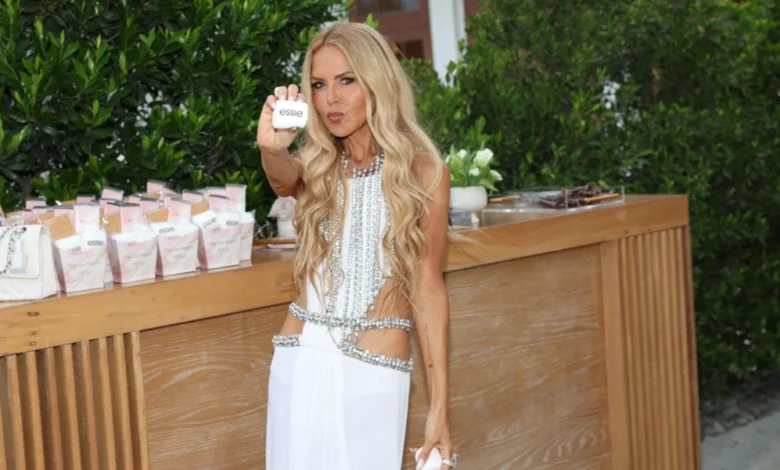
Rachel Zoe is swiftly leveraging her renewed television presence into tangible commercial gains. Even before her inaugural season on RHOBH has concluded, she has secured sponsored social media partnerships with major beauty brands like Olaplex and Lancôme. A significant collaboration sees her appointed as "chief color director" for L’Oréal-owned nail polish brand Essie. This partnership was kicked off with a high-profile dinner hosted by Zoe during Coachella’s first weekend, with further events and branded content planned throughout the year.
Zoe Housman, VP of marketing, brand engagement, and strategic projects at L’Oréal USA, highlighted the enduring appeal of Zoe: "[Rachel Zoe] has this authenticity that has kept people who loved her around forever. But it’s like people are more obsessed than ever, and they’re going back to her archives and going like, ‘Oh my God, did you know she was once known for this?’" This speaks to the "discovery" aspect for new viewers and the nostalgic re-engagement for long-time fans, both of which are invaluable for brands.
The fading stigma around reality TV is a key enabler of these partnerships. Modern viewers, who routinely broadcast intimate details of their own lives on social media, are far less apprehensive about public consumption of personal narratives. "It is so different now that people can show their whole lives [on social media]," said Housman. "Whereas before it was, ‘Oh, my God, so vulgar. This person’s putting themselves out there.’ I don’t think there’s a stigma at all [around reality TV]. For the people who do it right, I think it can catapult their niche following and community building."
Fashion, Beauty, and the ‘Celeb-fluencer’ Phenomenon
While Rachel Zoe’s origins are firmly rooted in fashion, the beauty industry has proven to be an exceptionally fertile ground for leveraging her personal brand. This is partly due to beauty’s inherent compatibility with social media influence. According to Traackr’s Creator Advantage 2026 Report, beauty brands witnessed a robust 22% year-over-year increase in their proprietary VIT ranking, which measures content performance, average audience size, and overall attention. In contrast, fashion brands experienced a 5% decline during the same period, indicating a shifting landscape in digital influence.
Borgognone Salcedo observes a convergence of these categories: "We’re finding that fashion and beauty are really melding together. People who have a very strong sense of style are considered an authority in the fashion space, and beauty is a very fashionable thing." This synergy means that a style authority like Zoe can seamlessly transition into beauty endorsements, as the aesthetic she embodies naturally extends to hair, skin, and makeup. "[Beauty] brands now have to embody an an aesthetic to compete against the next brand," she adds, emphasizing the importance of brand identity and alignment with influential personalities.
The rise of the "celeb-fluencer," a term coined by Borgognone Salcedo, perfectly describes figures like the Housewives. These individuals combine the broad commercial reach and recognition of traditional celebrities with the intimate, relatable connection typically associated with social media influencers. This hybrid model allows brands to tap into both aspirational appeal and authentic, peer-like recommendations, yielding powerful results.
Building an Empire: Zoe’s Brand and the Accessible Luxury Market
Beyond endorsing other brands, many Housewives, like Bethenny Frankel, whose Skinnygirl cocktail brand sold for an estimated $100 million in 2011 after its incubation on RHONY, leverage their reality TV fame to propel their own ventures. Rachel Zoe is no exception, using her current platform to further the Rachel Zoe brand, which encompasses clothing, accessories, and home goods—a brand whose genesis was first documented on "The Rachel Zoe Project."
Carolyn D’Angelo, Senior Managing Director and Head of Brand Operations from Gordon Brothers, which acquired a majority stake in Zoe’s lifestyle brand in December, emphasizes the strategic alignment. "She does have a very strong following in TJ Maxx, Marshalls, Home Goods and Homesense. And I love that about Rachel’s brand, and Rachel herself — that she wanted to offer accessible products to America. And I think that dovetails very nicely into the demographics and the wide audience that’s watching ‘Real Housewives.’" This strategy positions Zoe’s brand as aspirational yet attainable, resonating with a broad consumer base. "‘Housewives,’ in particular, really shows off Rachel’s style. That’s how Rachel built her business and built herself. People love her style. People want to dress like her," D’Angelo concludes, highlighting the direct link between her on-screen persona and brand appeal.
However, success is not guaranteed for all. Jenna Lyons, who joined RHONY in 2023, launched her false lash brand Loveseen in 2020. While her return to the public eye generated excitement, Loveseen’s Instagram has not been updated since 2024, and its website lists all products as sold out, indicating a potential struggle to sustain momentum despite the reality TV exposure. This illustrates that while the platform offers immense potential, consistent brand management and product viability remain crucial.
Navigating the Tides: The Risks and Rewards of Public Life
Despite the largely positive reception to her return to reality TV, Rachel Zoe remains acutely aware of the capricious nature of public opinion. Unlike her previous show where she held an executive producer role and thus greater control over her narrative, "Housewives" offers little such editorial oversight. This lack of control presents a significant risk, as public perception can shift rapidly.
"I’m very realistic about the fact that they could love me on a Sunday and hate me on a Monday," Zoe candidly stated. This vulnerability directly impacts her commercial viability. "In terms of brands, I think that they wait to see how you are perceived or projected on the show. Because, I think, if people see me in a different light, where there’s negativity or there are things I’m doing behaviorally that are not OK, I don’t know that brands would be as excited to work with me." This underscores the delicate balance reality stars must strike: authentic engagement without alienating brand partners through controversial behavior or negative portrayals. The demand for "rawness" is tempered by the need for a palatable public image.
The Future of Celebrity Branding and Reality Media
The trajectory of Rachel Zoe’s career, from pioneering fashion reality TV to leveraging the established Bravo empire, serves as a compelling case study for the evolving dynamics of celebrity branding. The distinction between traditional celebrities and influencers continues to blur, giving rise to "celeb-fluencers" who command both aspirational appeal and intimate, relatable engagement.
The sustained growth of "nano creators" (59% year-over-year increase in social media engagement) and "micro creators" (19% increase), as per Traackr’s Creator Advantage 2026 Report, while "VIP creators" saw a 20% decline, suggests a broader appetite for authenticity and relatability over sheer star power. Reality TV stars, especially those from the Bravo universe, often bridge this gap, offering a blend of aspirational lifestyle and accessible, sometimes chaotic, personal narratives.
The industry’s embrace of reality TV personalities signifies a fundamental shift in marketing strategy. Brands are prioritizing "relevant conversations" and authentic connections over polished, traditional endorsements. This new paradigm values the unfiltered, often dramatic, narratives of reality television as potent tools for consumer engagement and brand building. As long as viewers remain deeply invested in "other people’s lives," the "Real Housewives" and similar franchises will continue to be a powerful, if sometimes unpredictable, engine for commercial success and the reinvention of personal brands. The future of celebrity endorsement will increasingly favor those who can navigate the raw, real, and intensely scrutinized world of reality media, transforming their personal journeys into compelling commercial narratives.
Related posts: