The Evolution of Modern Jewelry Curation and the Rise of the Reimagined Antique Through the Lens of the TheFabNab Collection

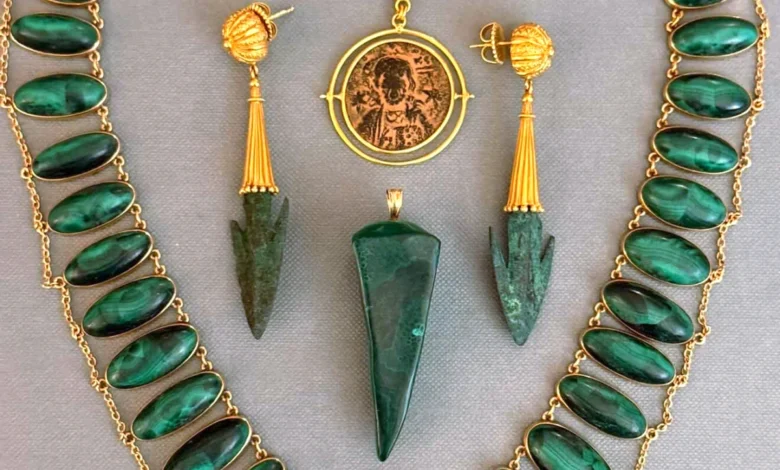
The landscape of high-end jewelry collecting has undergone a significant transformation over the last decade, shifting from a focus on brand-name prestige to a more nuanced appreciation for historical provenance, artisanal conversion, and talismanic value. This shift is exemplified by the work and collection of Cyndi, the curator behind the digital platform @TheFabNab, whose journey from a hobbyist to a specialized collector of edgy vintage pieces highlights the growing market for "reimagined" antiques. Her collection, which emphasizes Victorian rubies, celestial motifs, and Egyptian revival elements, represents a broader movement within the $348 billion global jewelry market where consumers prioritize unique, narrative-driven pieces over mass-produced luxury goods.
The Chronology of a Curated Collection: From Beads to Precious Metals
The development of the @TheFabNab collection follows a distinct chronological path that mirrors the evolution of many professional collectors within the industry. Cyndi’s entry into the world of jewelry began approximately 12 to 13 years ago, a period during which she initially experimented with jewelry assembly using semi-precious beads. This era, often referred to in the industry as the "DIY jewelry boom" of the early 2010s, served as a foundational period for many who would later transition into the trade of precious metals and gemstones.
By the mid-2010s, the focus of the collection shifted toward antique stick pins. At the time, these items were relatively undervalued in the antique market, allowing collectors to acquire high-quality Edwardian and Art Deco craftsmanship at accessible price points. The strategic pivot toward "conversion jewelry"—the process of taking historical components like pins or brooches and modifying them into wearable rings or charms—became the cornerstone of Cyndi’s aesthetic. This practice has since gained significant traction in the secondary market as a sustainable way to preserve historical artistry while making it functional for modern wardrobes.

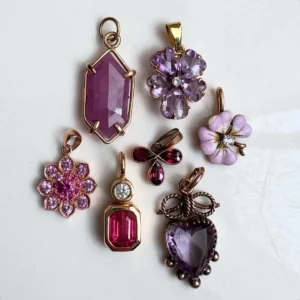
The culmination of this chronological evolution is the "Lucky Numbers + Talismans" collection. This capsule line utilizes authentic Edwardian and Art Deco components, reinventing them as meaningful symbols for the wearer. This move from pure collecting to creative curation marks a definitive stage in the professionalization of jewelry enthusiasts, where the collector becomes a bridge between historical artifacts and contemporary design.
The Art of Jewelry Conversion and the Value of the "Talisman"
In the context of modern jewelry commerce, the term "talismanic" has become increasingly prevalent. Data from market research firms suggests that consumers are increasingly seeking jewelry that offers emotional or spiritual protection, a trend that accelerated during the global pandemic. Within the @TheFabNab collection, this is most clearly seen in the "Victorian ruby spike," a piece converted from an antique brooch.
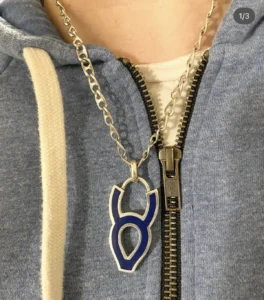
Historically, rubies have been associated with strength, courage, and fidelity. By converting a static brooch into a "spike" pendant, the collector creates a piece that serves as a modern "armor." This specific style of conversion—taking a traditional Victorian motif and giving it an "edgy" or "tough" aesthetic—appeals to a demographic of "discerning collectors" who seek what is colloquially known as a "neckmess": a curated, layered look that combines various textures, eras, and symbols.
The technical process of conversion requires a deep understanding of metallurgy and historical integrity. When an Art Deco pin is reimagined as a spike, the jeweler must ensure that the original stones—often old mine cut diamonds or natural rubies—are protected while the new gold "skin" is applied. This "new skins for the old ceremony" approach allows rare Victorian designs, which are increasingly difficult to find and financially out of reach for many, to be accessible through re-dreamt interpretations.

Aesthetic Pillars: Celestial, Egyptian Revival, and Horological Detail
The @TheFabNab collection is defined by several key aesthetic pillars that reflect major movements in jewelry history. These include:
1. Celestial Motifs and the H.Stern Influence
Celestial jewelry, featuring moons and stars, has been a staple of the industry since the 19th century, often representing guidance and eternity. The collection specifically highlights the H.Stern Genesis line, a contemporary collection that pays homage to antique star designs. The contrast between these modern interpretations and true antique stars—typically featuring old mine cut diamonds set in silver-topped gold—illustrates the collector’s appreciation for how light interacts with darkened metal, a hallmark of 18th and 19th-century craftsmanship.
2. The Egyptian Revival Movement
The collection’s inclusion of winged scarabs and brushed gold snakes points to the enduring influence of the Egyptian Revival. Historically, these motifs surged in popularity following the discovery of King Tutankhamun’s tomb in 1922. In the jewelry trade, "buttery gold" and "Egyptian revival" pieces are highly sought after for their rich color and symbolic weight, often representing rebirth and transformation.
3. Horological Appreciation
The inclusion of diamond-encrusted pocket watches within a jewelry collection signals a move toward appreciating miniature engineering. As pocket watches fell out of common use in the early 20th century, many were scrapped for their gold content. Collectors who preserve these items today are essentially acting as historians, valuing the "miniature details" and internal mechanics that define the pre-quartz era of timekeeping.

Global Sourcing and the Role of the International Marketplace
The sourcing strategy for the @TheFabNab collection provides a blueprint for high-level curation. Initial acquisitions were made through accessible channels such as eBay and local antique shops, but as the collection matured, the scope expanded to include the world’s premier antique hubs.
The Paris Flea Market (Marché aux Puces de Saint-Ouen) and London’s Portobello Road are cited as pivotal locations for the collection’s growth. These markets serve as the global epicenter for the antique trade, where relationships between dealers are as valuable as the inventory itself. The transition from a solitary buyer to a member of an international "jewelry gang" highlights the social nature of the modern antique trade. Professional networking, facilitated by platforms like Instagram, has allowed collectors to bypass traditional gatekeepers and build direct relationships with esteemed dealers like Ishy of @IshyAntiques or Lenore Dailey.
Market Analysis: The Impact of Social Media and Trade Shows
The role of digital platforms in the jewelry industry cannot be overstated. Instagram has transformed from a photo-sharing app into a primary marketplace and networking tool for the antique world. It allows for a "selective collective" approach, where a collector’s specific aesthetic becomes their brand identity.
Industry trade shows remain the physical infrastructure supporting this digital network. Events such as the Hillsborough Show, the Miami Antique Show, and the Las Vegas Antique Jewelry & Watch Show are essential for the authentication and exchange of high-value items. These shows provide the data points for market trends; for instance, the rising demand for opals or the continued strength of the Art Deco market. The interaction between Cyndi and other industry figures at these shows—such as Lindsey of Park Avenue Antiques and the team at Treasures for Liesel—demonstrates how the trade relies on mutual support and shared expertise.

Broader Implications for the Jewelry Industry
The evolution of collections like @TheFabNab reflects a broader cultural shift in how we value luxury. The move away from "superficial glitter" toward pieces that "connote a personal connection" suggests that the future of the jewelry market lies in storytelling.
For the modern consumer, jewelry is increasingly viewed as an "empowering" tool. The concept of "self-gifting" to commemorate personal victories has become a significant driver of sales, particularly among female consumers. This demographic is less interested in jewelry as a passive investment and more interested in it as a "layer of love that protects and shields."
As antique pieces become rarer—described by Cyndi as being "rarer than hens’ teeth"—the role of the collector-turned-creator will become even more vital. By "re-dreaming" existing historical components, these curators ensure that the craftsmanship of the Edwardian and Art Deco eras continues to be worn and appreciated, rather than sitting forgotten in a vault. This sustainable approach to luxury not only preserves history but also provides a continuous stream of unique, "badass" talismans for a new generation of collectors who find strength in the old, made fresh again.