Digital Edition: FTCT expands grant access for fashion industry families

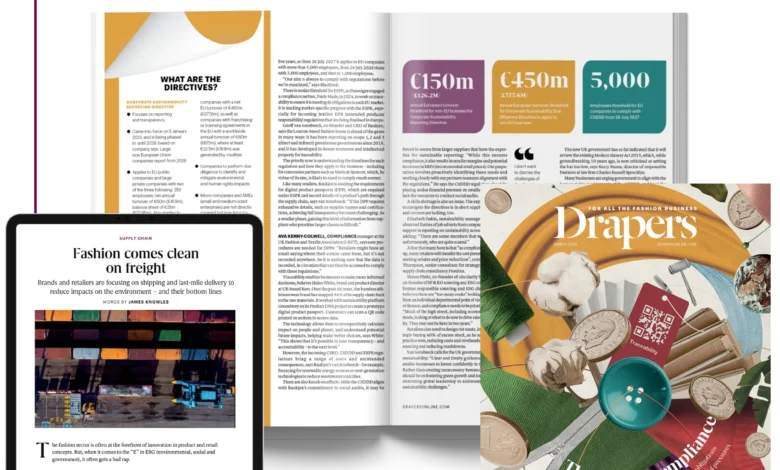
The Fashion & Textile Children’s Trust (FTCT) has officially announced a significant adjustment to its eligibility criteria, lowering the minimum employment requirement for grant applicants to ensure a broader segment of the workforce can access vital financial assistance. This strategic pivot comes at a time when the UK fashion and textile industry faces unprecedented economic headwinds, leaving many families within the sector vulnerable to the compounding effects of the ongoing cost-of-living crisis. By reducing the duration of employment required to qualify for aid, the FTCT aims to provide a robust safety net for parents and caregivers who may have recently entered the industry or transitioned between roles, ensuring that the charity’s resources reach those in the most precarious financial positions.
Lowering Barriers to Support in a Volatile Market
The core of the FTCT’s latest initiative is the reduction of the service-length threshold, which previously acted as a barrier for newer employees in the retail, manufacturing, and textile sectors. Historically, many industry-specific charities have required a minimum of one or two years of continuous service before an employee could apply for charitable relief. However, acknowledging the high turnover rates in retail and the "last-in, first-out" nature of many modern employment contracts, the FTCT has moved to make its grants more inclusive.
These grants are designed to cover the costs of essential items that many families are currently struggling to afford. This includes, but is not limited to, school uniforms, children’s bedroom furniture, essential white goods like washing machines and refrigerators, and specialized medical or mobility equipment. By lowering the entry requirements, the FTCT is effectively acknowledging that financial hardship does not discriminate based on tenure, and that a worker with six months of experience is often just as susceptible to economic shocks as a veteran of a decade.
A Legacy of Industry Support: The History of the FTCT
To understand the significance of this expansion, one must look at the long-standing history of the Fashion & Textile Children’s Trust. Founded in 1853, the charity was originally established as the Warehousemen and Clerks’ Schools for Orphan and Necessitous Children. For over 170 years, the organization has evolved alongside the British textile industry, surviving the decline of domestic manufacturing and the rise of globalized fast fashion.
In the 19th century, the trust focused on providing housing and education for the children of textile workers who had passed away or were unable to work due to illness. As the UK’s social security systems developed throughout the 20th century, the FTCT shifted its focus toward direct financial grants. This evolution has allowed the charity to remain relevant in a changing economic landscape. The decision to expand access in 2026 represents the latest chapter in this history, reflecting a modern understanding of "poverty" that includes the "working poor"—individuals who are employed but whose income is insufficient to cover the rising costs of basic living requirements.
The Economic Backdrop: The Cost-of-Living Crisis and the Fashion Workforce
The expansion of the FTCT’s grant program is a direct response to the socio-economic pressures that have gripped the UK over the last several years. Inflationary pressures, particularly in the realms of energy, food, and housing, have disproportionately affected lower-income earners, many of whom are concentrated in the retail and manufacturing branches of the fashion industry.

According to recent economic data, retail workers have seen some of the slowest real-term wage growth compared to other professional sectors. While many major retailers have increased hourly pay in line with the National Living Wage, these increases have frequently been offset by the rising costs of childcare and transportation. For a family working in a garment factory or on a shop floor, a single unexpected expense—such as a broken boiler or a child outgrowing their winter coat—can lead to a debt spiral.
Furthermore, the fashion industry has undergone significant restructuring. The shift toward e-commerce has led to the closure of many physical storefronts, resulting in job losses and a shift toward warehouse and logistics roles. These roles, while vital, often come with less stability, making the FTCT’s decision to lower employment duration requirements even more critical for those navigating a fragmented job market.
Statistical Overview: The Scale of Need in the Textile Sector
Data provided by industry analysts and the FTCT highlights the growing demand for charitable intervention. In the previous fiscal year, the FTCT reported a marked increase in the number of applications related to "essential household items," which rose by approximately 35% year-on-year.
Key statistics illustrating the current climate include:
- Child Poverty in the UK: Approximately 4.3 million children in the UK are living in relative poverty, a figure that includes many households where at least one parent is working.
- Retail Wage Disparity: While the fashion industry contributes over £60 billion to the UK GDP, the average salary for a retail assistant remains significantly below the national median.
- Grant Disbursement: In 2025, the FTCT distributed hundreds of thousands of pounds in grants, with the average grant value ranging between £250 and £1,000 per family.
- Application Trends: There has been a 50% increase in applications from parents seeking help with mental health support and educational tools for children with Special Educational Needs and Disabilities (SEND), reflecting a gap in state-provided services.
By broadening the eligibility criteria, the FTCT anticipates that the number of successful grant applications will increase by an estimated 20-25% over the next 12 months, requiring a concerted effort in fundraising and corporate partnerships to meet the surge in demand.
Evolution of Grant Eligibility: A Timeline of Response
The FTCT has a history of adapting its rules during times of national or industry-wide crisis. A look at the timeline of the charity’s recent adjustments provides context for the current expansion:
- 2020-2021 (The Pandemic Era): The FTCT launched the "Covid-19 Fashion Worker Grants," temporarily waiving certain restrictions to help those who were furloughed or made redundant during the lockdowns.
- 2022 (Energy Crisis): The trust introduced specific heating and fuel grants to help families cope with the sudden spike in utility bills.
- 2024 (Education Focus): Recognizing the rising cost of school supplies, the FTCT streamlined the "Back to School" grant process, allowing for faster approval times during the summer months.
- 2026 (Current Expansion): The FTCT announces the reduction of the minimum employment period, officially recognizing the instability of the modern job market and the immediate needs of new industry entrants.
Industry Reactions and the Importance of Corporate Partnerships
The announcement has been met with widespread approval from industry bodies and trade unions. Representatives from the British Retail Consortium (BRC) and the UK Fashion & Textile Association (UKFT) have lauded the move as a necessary step in supporting the "human element" of the supply chain.
"The fashion industry is nothing without the people who make, sell, and distribute our products," said a spokesperson for a leading retail trade group. "FTCT’s decision to lower the barrier for entry is a lifeline for thousands. We encourage all fashion employers to ensure their staff are aware of these grants. It is a vital part of corporate social responsibility to signpost employees toward the support they deserve."
Internal statements from the FTCT emphasize that while the charity is expanding access, it remains reliant on the generosity of the industry it serves. The "Drapers’ Fund," which has historically supported the trust, continues to be a primary source of income, alongside corporate donations from major high-street brands. Many companies have integrated FTCT awareness into their HR onboarding processes, ensuring that new hires—who are now eligible for support sooner—are informed of the trust’s existence from day one.
Broader Implications for the UK Fashion Sector
The implications of the FTCT’s policy change extend beyond immediate financial relief. This move sets a precedent for other industry-specific charities to re-evaluate their own eligibility criteria. In an era defined by the "gig economy" and short-term contracts, the traditional requirement for long-term service is increasingly seen as an archaic barrier that excludes the most vulnerable workers.
Furthermore, by supporting the children of fashion workers, the FTCT is playing a long-term role in industry retention. When workers feel supported and see that their industry has a dedicated support structure for their families, it fosters a sense of community and loyalty. This is particularly important in the manufacturing sector, where skilled labor is in short supply and the "aging workforce" is a significant concern. Attracting younger parents to textile manufacturing requires a holistic approach to employee welfare, of which the FTCT is a cornerstone.
Analysis: The Future of Charitable Support in Fashion
As the FTCT expands its reach, the charity will likely face the challenge of managing a significantly higher volume of requests. This will necessitate further digital transformation within the organization to handle applications efficiently and transparently. The move also highlights the limitations of the current state welfare system, which often leaves working families in a "gap" where they earn too much to qualify for government benefits but not enough to withstand economic volatility.
The decision to widen grant access is not merely a philanthropic gesture; it is a necessary adaptation to a more fragile economic reality. As the fashion industry continues to navigate the complexities of a post-pandemic, high-inflation world, the role of the FTCT as a flexible and responsive benefactor has never been more critical. By prioritizing accessibility over rigid bureaucracy, the trust ensures that the next generation of fashion families has the essential tools they need to thrive, regardless of how long their parents have been on the payroll.
In conclusion, the Fashion & Textile Children’s Trust’s decision to expand grant access serves as a vital intervention for a workforce under pressure. It reflects a deep understanding of the modern industry’s dynamics and a commitment to the foundational mission of the charity: to support the well-being of children whose parents drive the UK’s vibrant fashion and textile sector. As 2026 progresses, the impact of this policy change will likely be measured in the thousands of families who are able to secure their children’s basic needs during these challenging times.