How the Lionesses and a rise in women’s sports spectators provide a boost for retailers

The match, which saw the Lionesses demonstrate tactical superiority over their Spanish counterparts, served as a focal point for a new demographic of consumers who are increasingly blending their passion for sport with leisure and shopping activities. Unlike traditional sporting events of decades past, the modern women’s football match attracts a diverse audience, including a high percentage of families and young women, whose spending patterns differ significantly from the traditional "match day" demographic. This shift has necessitated a rapid adaptation from retailers, who are now aligning their inventory, marketing, and store experiences with the values and preferences of this burgeoning fan base.
A Chronology of Growth: From Euro 2022 to the 2026 Milestone
The trajectory of women’s football as a retail driver began in earnest during the UEFA Women’s Euro 2022, hosted in England. The tournament served as a proof of concept for the commercial viability of the sport. Following the Lionesses’ victory in that tournament, sportswear giants reported a 200% increase in the sale of women’s kits compared to previous cycles. This momentum was sustained through the 2023 FIFA Women’s World Cup, where the global reach of the team solidified the "Lionesses" brand as a household name.
By 2024 and 2025, the professionalization of the Women’s Super League (WSL) and increased broadcasting rights deals brought women’s football into the daily lives of millions. Retailers began to notice that peak trading periods were increasingly coinciding with major women’s fixtures. The April 14 match against Spain represents the culmination of this four-year growth period, where the synergy between the stadium and the shopping center has become a formalized component of urban retail strategy.
The Wembley Park Ecosystem and Retail Performance
Matt Slade notes that the proximity of the London Designer Outlet to Wembley Stadium creates a unique "stadium-to-store" pipeline. On the day of the Spain fixture, the LDO reported a marked increase in footfall several hours before kickoff and immediately following the final whistle. Data from previous high-profile women’s matches indicates that these fans have a higher "dwell time"—the amount of time spent in a retail environment—compared to fans attending men’s matches, who often prioritize hospitality and transit over shopping.
The "Wembley Effect" is characterized by a surge in three specific retail categories:
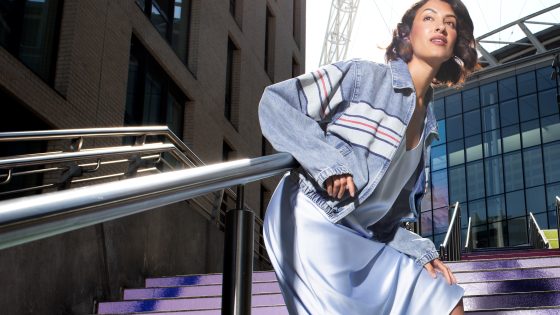
- Athleisure and Performance Wear: Brands such as Nike, Adidas, and Puma have seen record sales of female-specific training gear and replica kits.
- Lifestyle Fashion: High-street retailers within the outlet reported increased sales in seasonal transitions, as fans utilized the match day as a broader social outing.
- Food and Beverage (F&B): The family-oriented nature of the Lionesses’ crowd has led to a 30% increase in average transaction values at casual dining establishments compared to standard weekend trading.
Supporting Data: The Economic Impact of the Female Fan
Market research conducted in the lead-up to the 2026 season suggests that the "female sports fan" demographic is one of the most lucrative and underserved segments in retail. According to industry reports, women who identify as sports fans are 25% more likely to purchase licensed merchandise than their male counterparts when that merchandise is tailored to their fit and style preferences.
Furthermore, the rise in spectatorship is mirrored by a rise in participation. The "participation-to-purchase" pipeline is a critical metric for retailers. As more young girls join local football clubs inspired by the Lionesses, the demand for boots, protective gear, and apparel has shifted from a niche seasonal requirement to a year-round retail staple. Retailers at the LDO have responded by expanding their "Girls in Sport" sections, moving them from the back of the store to prominent front-of-house positions.
Retailer Adaptation and Strategic Shifts
Matt Slade emphasizes that the boost for retailers is not accidental; it is the result of deliberate strategic shifts. Retailers are no longer simply "stocking" items; they are curating experiences. For the April 14 match, several stores within the Wembley Park precinct launched limited-edition merchandise and hosted in-store events, such as meet-and-greets with former players or interactive skill challenges.
"The industry is learning that the women’s sports fan expects a different level of engagement," Slade explained in his analysis. "It’s not just about the 90 minutes on the pitch. It’s about the entire day out. Retailers who understand that they are part of a ‘lifestyle event’ rather than just a ‘sporting event’ are the ones seeing the highest returns."
This sentiment is echoed by store managers at major athletic brands, who have noted that the "Lioness effect" has forced a rethink of supply chain management. Historically, stock levels for women’s football merchandise were conservative. However, the consistent sell-outs of 2024 and 2025 have led to a more aggressive inventory strategy for 2026, ensuring that fans can purchase the latest kits immediately after a major win.
Official Responses and Market Analysis
Industry analysts suggest that the Lionesses’ success has provided a "halo effect" for the broader UK economy. The British Retail Consortium (BRC) has previously noted that major sporting successes can provide a temporary but significant lift to consumer confidence. In the context of women’s sports, this lift is particularly resilient because it taps into a demographic that has traditionally been less engaged with the "tribal" and sometimes exclusionary nature of men’s football retail.

Spokespersons from the fashion industry have also weighed in, noting that the line between "sports fan" and "fashion consumer" is blurring. The "blokecore" and "sport-chic" trends of 2025 and 2026 have been heavily influenced by the aesthetic of the England team, with retailers like Zara and H&M incorporating football-inspired silhouettes into their mainstream collections. This suggests that the influence of the Lionesses extends far beyond the perimeter of Wembley Stadium and into high streets across the country.
Broader Implications for the Future of Retail
The success of the Lionesses and the subsequent retail boom offer a blueprint for the future of physical shopping centers. As e-commerce continues to dominate the convenience market, physical locations like the London Designer Outlet must rely on "event-based" retail to thrive. The rise in women’s sports spectatorship provides a recurring, high-value event calendar that stabilizes footfall.
Looking ahead, the implications are clear:
- Infrastructure and Planning: Future retail developments are likely to prioritize proximity to multi-use sports venues, recognizing the symbiotic relationship between the two.
- Inclusive Marketing: The "pink it and shrink it" approach to women’s sports merchandise is officially dead. Consumers demand high-performance, aesthetically sophisticated products that reflect the professional status of the athletes they admire.
- Data-Driven Inventory: Retailers will increasingly use match schedules and ticket sales data to predict footfall and tailor their stock levels in real-time.
As the Lionesses continue their journey toward the next major international tournament, the retail sector stands ready to capitalize on the momentum. The victory against Spain was more than just a win for the team; it was a validation of a new economic reality where women’s sports are a primary driver of consumer behavior and retail innovation. For Matt Slade and the team at Quintain, the message is clear: the rise of the female spectator is one of the most significant opportunities for the retail industry in the current decade. By embracing this change, retailers can ensure that the "Wembley Effect" continues to deliver dividends long after the final whistle has blown.